Art on film: Pandora and the Flying Dutchman

pandora1.jpg

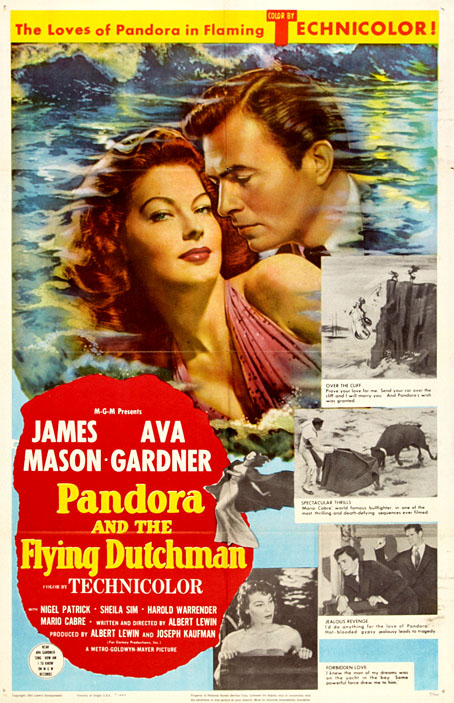
Continuing an occasional series about artworks in feature films. This is a minor entry but a worthwhile one if only to draw some attention to an unusual fantasy film by Albert Lewin, an equally unusual director. Pandora and the Flying Dutchman was made in 1951, a British film with an American star (Ava Gardner) and a Spanish setting. Gardner plays Pandora Reynolds, an American nightclub singer living in the coastal town of Esperanza where she’s the centre of attention for the small colony of stuffy middle-class Brits who also live there. Like her mythical namesake, Pandora is a source of endless trouble, only in this case the evils are the result of the romantic chaos she provokes. Her own romantic desires are upset when a mysterious yacht anchors off the coast, its sole occupant being Hendrik van der Zee (James Mason) who we soon learn is the Flying Dutchman of legend, doomed to sail the seas until he can find salvation in the love of a woman who will die for him.
pandora6.jpg

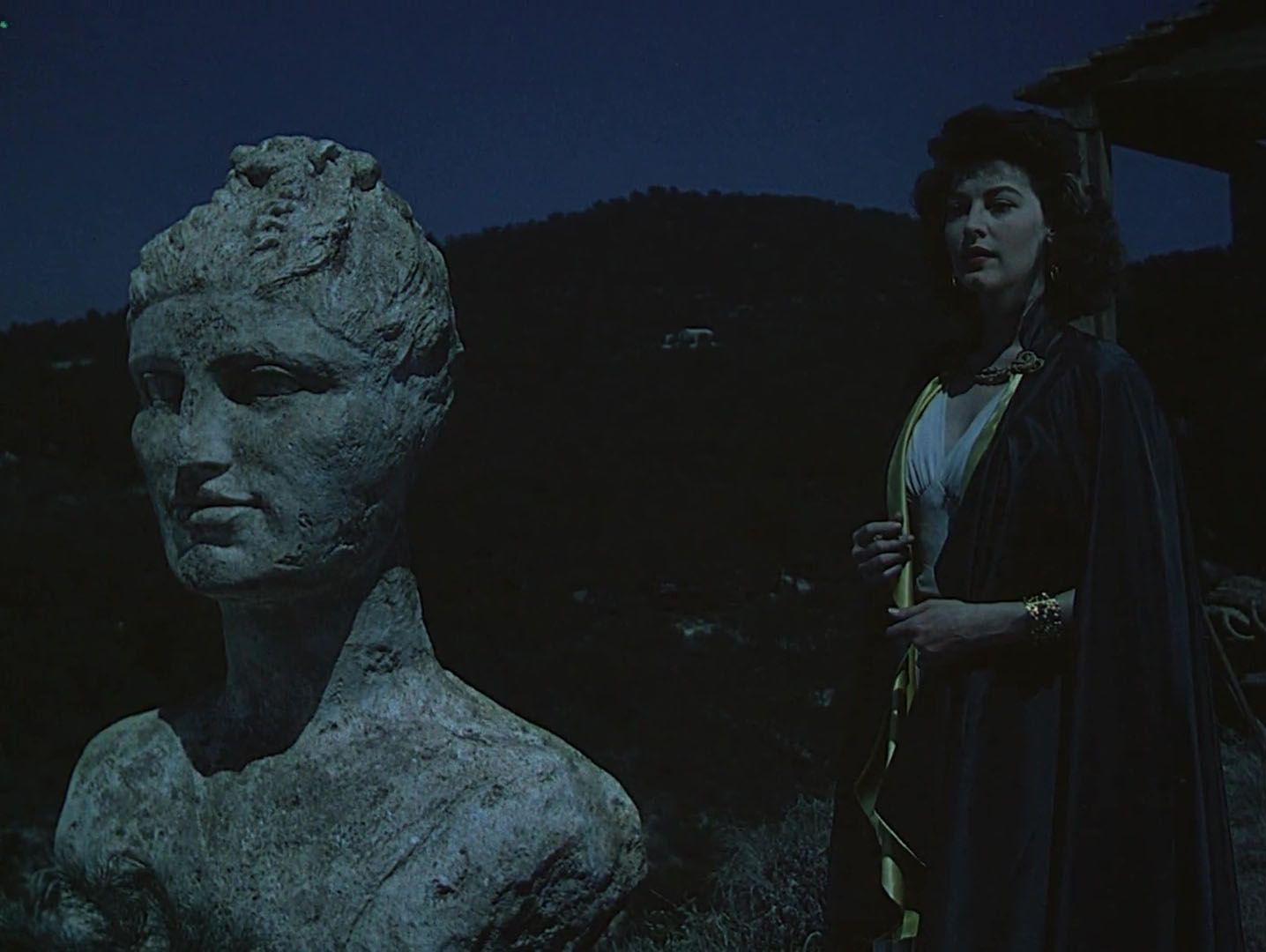
Pandora with one of the many statues that surround the home of Fielding the archaeologist.

Lewin’s film was restored recently after having been out of circulation for many years. I’d been intending to see it again after reading about the restoration which could only be an improvement on the terrible copy that used to turn up late at night on British TV. Further impetus was prompted by a book review for The Spectator in which Michael Moorcock notes similarities between the film and the stories by JG Ballard which were collected as Vermilion Sands. I’ve never seen Ballard mention the film but the Vermilion Sands stories have long been favourites of mine. The film moved to the top of the viewing list.
pandora7.jpg

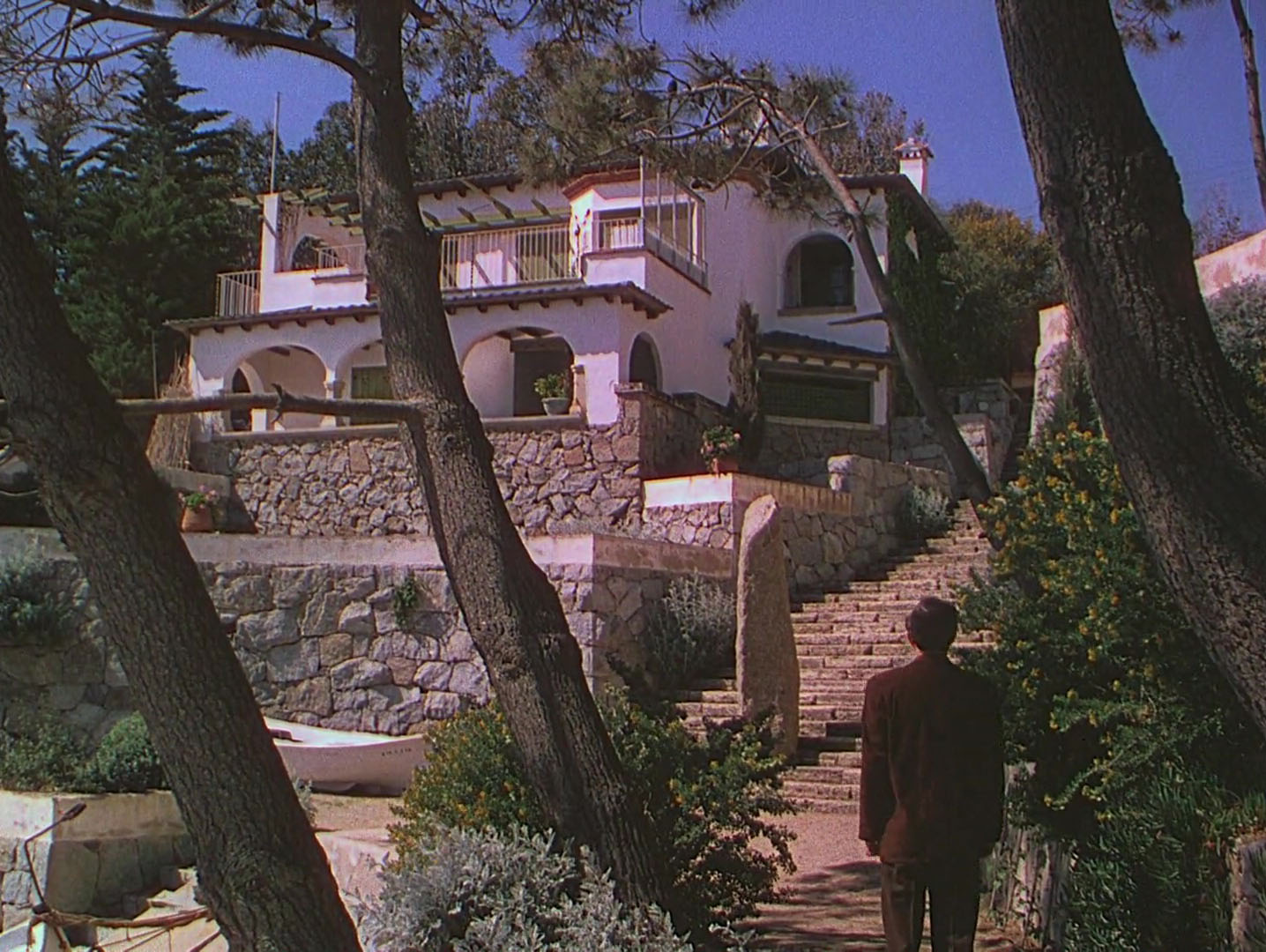
Esperanza or Vermilion Sands? Hendrik is lured by Pandora’s piano-playing.

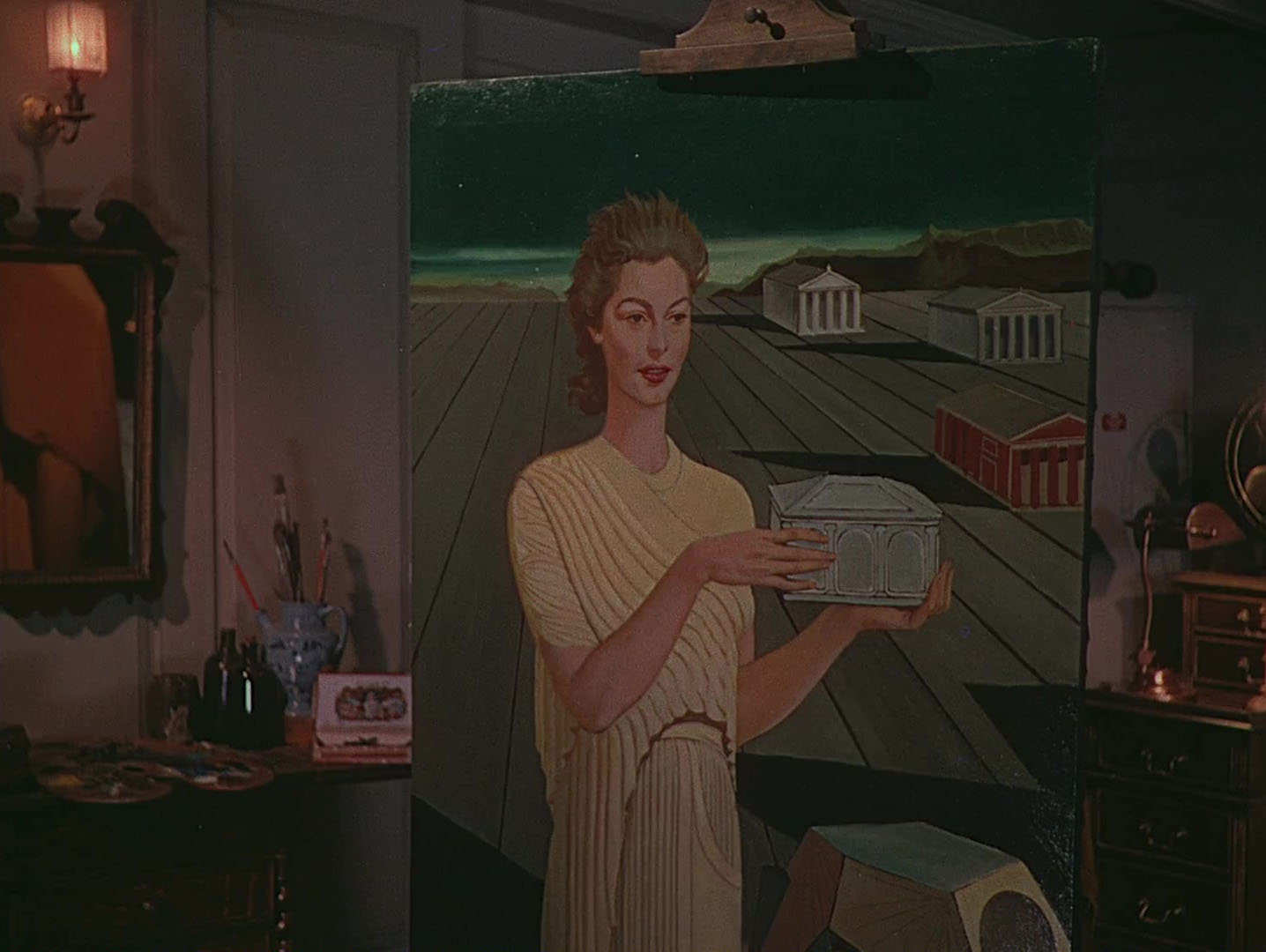
The key connection to Ballard is Surrealist (or-pre-Surrealist) painting, a detail of Pandora and the Flying Dutchman that I’d forgotten all about. Albert Lewin only directed six films; he also wrote each one, and was very determined in his attempts to bring a touch of artistic class to Anglophone cinema. Pandora and the Flying Dutchman was his fourth feature after The Moon and Sixpence and The Picture of Dorian Gray—each an adaptation of a novel where painting is an important element of the story—and The Private Affairs of Bel Ami, a film that was promoted with a Surrealist painting competition on the theme of the temptation of St Anthony. Max Ernst won the competition, and his picture appears at the end of the film, a colour insert in an otherwise black-and-white feature. Lewin did the same for The Picture of Dorian Gray, another black-and-white film where the portrait paintings (including Ivan Albright’s unforgettably corrupted canvas) are shown in colour inserts.
pandora2.jpg

Continue reading “Art on film: Pandora and the Flying Dutchman”
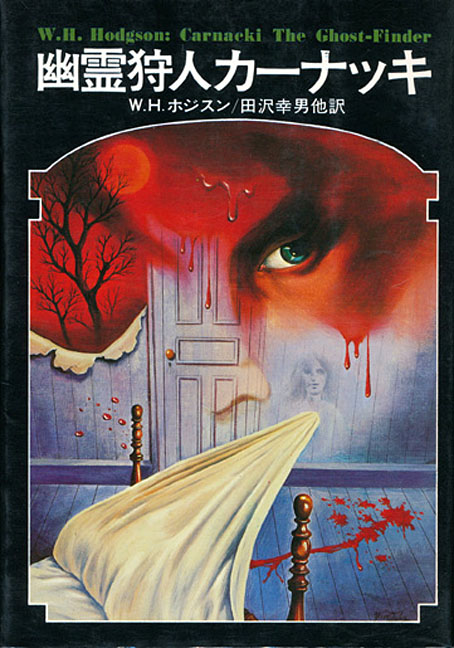
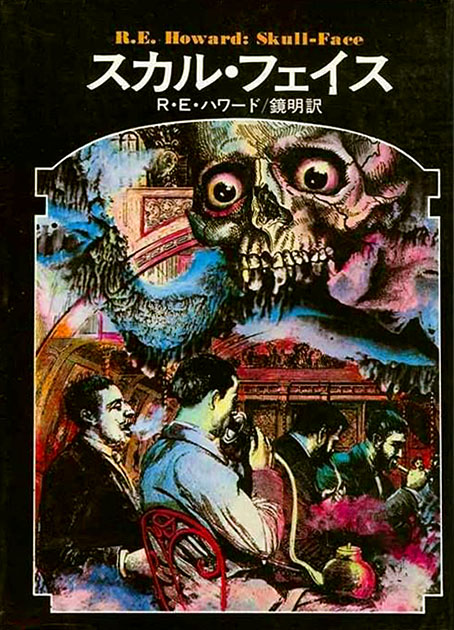
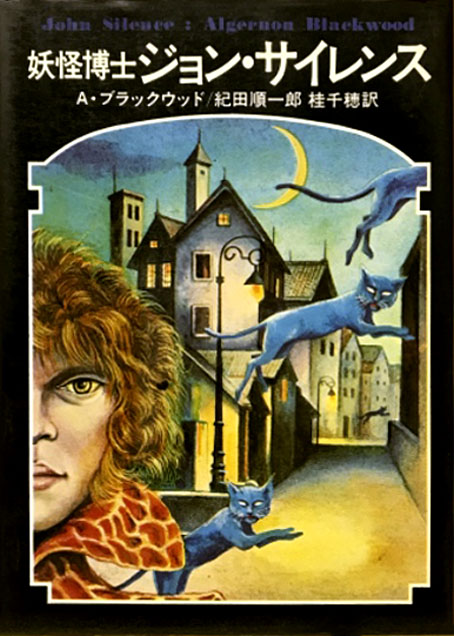
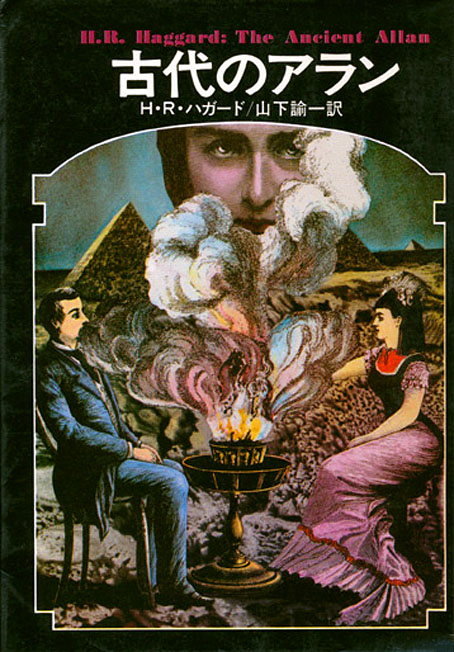
Tadami Yamada’s weird covers

yamada01.jpg

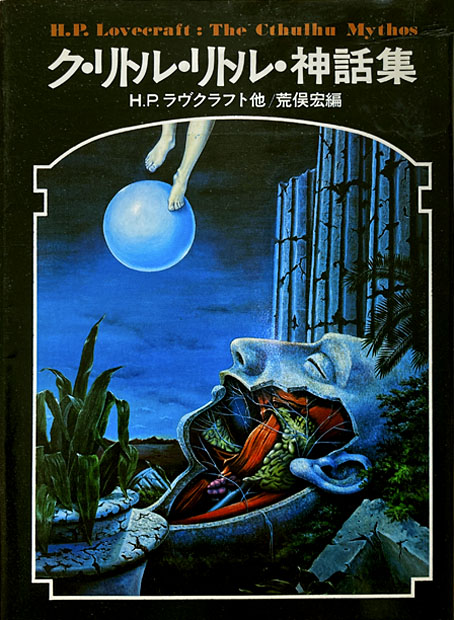
Earlier this year when I wrote about Tadami Yamada’s illustrations for William Hope Hodgson I mentioned the existence of books by other authors that were published along with the Hodgson as part of a series. Kokusho Kankōkai published ten of these books from 1976 to 1977, most of them being collections of short horror fiction by European and American authors, with the series as a whole being referred to as the “Dracula” editions. Yamada painted the covers and provided interior illustrations for eight of the books, including, as I suspected earlier, a Lovecraft collection. I was hoping I might be able to find copies of his interiors for the Lovecraft but so far nothing has turned up, Yamada’s web pages only featuring illustrations from the Hodgson and Henry S. Whitehead collections. Searching elsewhere is complicated by a number of factors such as the age of the books, their being Japanese publications, and the sheer quantity of Lovecraft-related material to sift through.

yamada04.jpg

Yamada says that his illustrations weren’t appreciated by readers who were expecting more typical horror imagery. This doesn’t surprise me given the Surrealist tenor of his work as a whole. The Hodgson illustrations are relatively orthodox but many of his other book illustrations from this period are collages that resemble the simpler things Max Ernst was doing in his collage novels. Collage is also evident on the “Dracula” covers, together with decalcomania, another Surrealist technique visible in the Hodgson illustrations. These books are a minor diversion in Yamada’s wide-ranging career but, as is often the case with Asian publications, none of them are currently listed at ISFDB. I’d still like to see his Lovecraft illustrations, if only to assuage my curiosity.

yamada07.jpg

yamada05.jpg

yamada03.jpg

Continue reading “Tadami Yamada’s weird covers”

Weekend links 816

rossignol.jpg

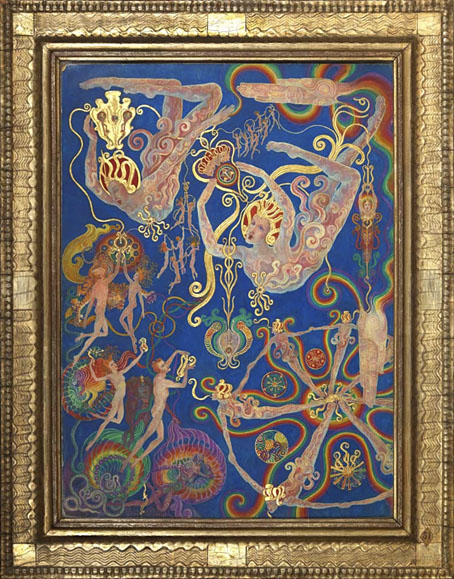
The Creative Power of the Spirit, No. 31 of A Goodly Company series, 1920–1933 by Ethel le Rossignol.

• “One moment it was a little blip. The next, our friends are dying”: the gay porn soundtrack composers lost to the Aids crisis. More gay porn: Pink Narcissus, James Bidgood’s micro-budget homoerotic fantasy, will receive a UK blu-ray release later this year.

• Old music: Thirst by Clock DVA gets a very welcome reissue later this year, having been unavailable in any form since 1992. I’m not so happy about the changes to Neville Brody’s original cover design but the album itself is a major post-punk statement.

• “Graphic design was thought to be a man’s discipline,” she says. “So I think it was quite a surprise for people to find me there.” A profile of Margaret Calvert, designer of (among other things) Britain’s road signs.

• At Colossal: A major survey in Paris chronicles Leonora Carrington’s esoteric Surrealism.

• At Public Domain Review: Sara Weiss’ Journeys to the Planet Mars (1903).

• At the BFI: The mystery music video for The Beatles’ Penny Lane.

• Winners and entrants for Close-up Photographer of the Year 7.

• “Cats to blame for octopus deity enshrinement delay.”

• Steven Heller’s font of the month is Cattivo.

• At Dennis Cooper’s it’s Jack Arnold’s Day.

• Pink Noir (1996) by David Toop | Pink Dust (2013) by Sqürl | The Pink Room 2 (2024) by Seigen Ono

02026

1926-02.jpg

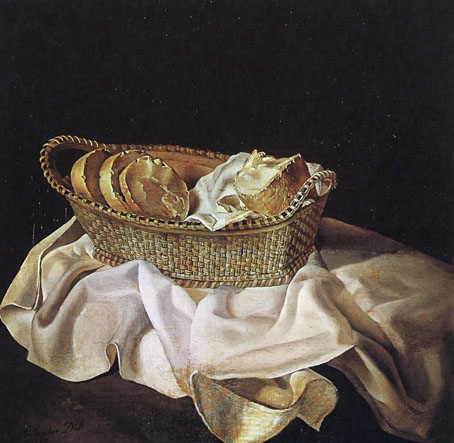
The Basket of Bread (1926) by Salvador Dalí.

Happy new year. 02026? An affectation via the Long Now.

1926-05.jpg

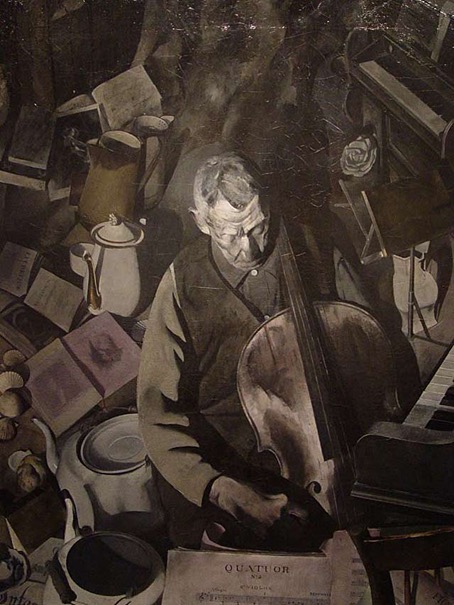
The Cello Player (1926) by Edwin Dickinson.

1926-12.jpg

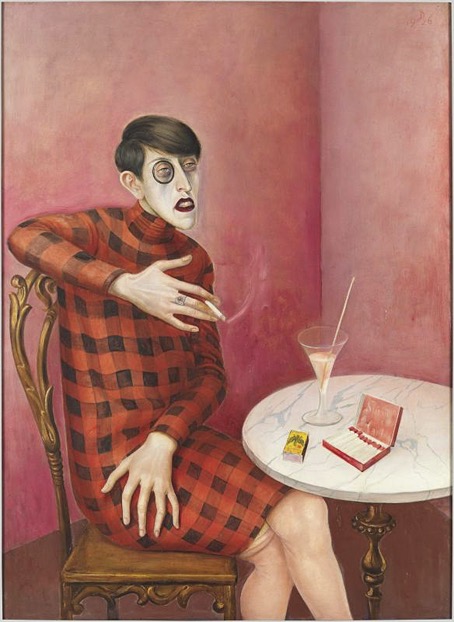
Portrait of the Journalist Sylvia von Harden (1926) by Otto Dix.

1926-11.jpg

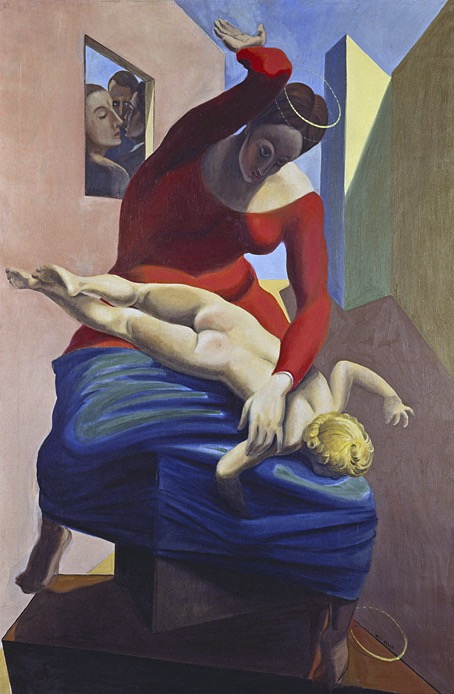
The Virgin Spanking the Christ Child before Three Witnesses: André Breton, Paul Eluard and the Artist (1926) by Max Ernst.

1926-10.jpg

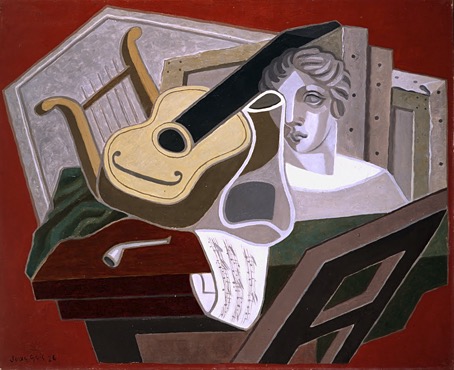
The Musician’s Table (1926) by Juan Gris.

Continue reading “02026”

Weekend links 810

luminet.jpg

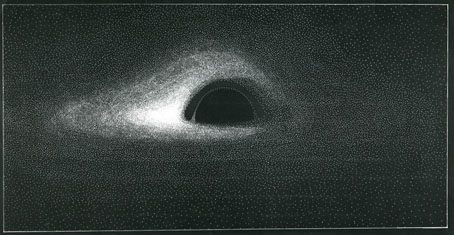
Image of a Spherical Black Hole with Thin Accretion Disk (1979) by Jean-Pierre Luminet. Via.

• “I would be willing to bet that every student of fantastic fiction has at some point in his or her career read a book with the name EF Bleiler printed on its cover.” Brian J. Showers of Swan River Press talked to EF Bleiler in 2005.

• “James Webb Space Telescope confirms 1st ‘runaway’ supermassive black hole rocketing through ‘Cosmic Owl’ galaxies at 2.2 million mph.”

• “You have to be ready to see it”: Abel Ferrara and Catherine Breillat on why Pasolini’s Salò is a gift that keeps giving.

• At Dennis Cooper’s: Kosten Koper presents…Bill Nelson: Acquitted By Mirrors (1982–1987).

• At Skurrilsteer: Ongoing research into the life, work and legacy of Edward James.

• At The Daily Heller: All that jazzy record cover design.

• Cygnus X-1 (1977) by Rush | Blackhole Dropout (1979) by Tod Dockstader | The Competition Of Supermassive Black Holes And Galactic Spheroids In The Destruction of Globular Clusters (1999) by Jah Wobble