Mrs Patrick Campbell

vampire.jpg

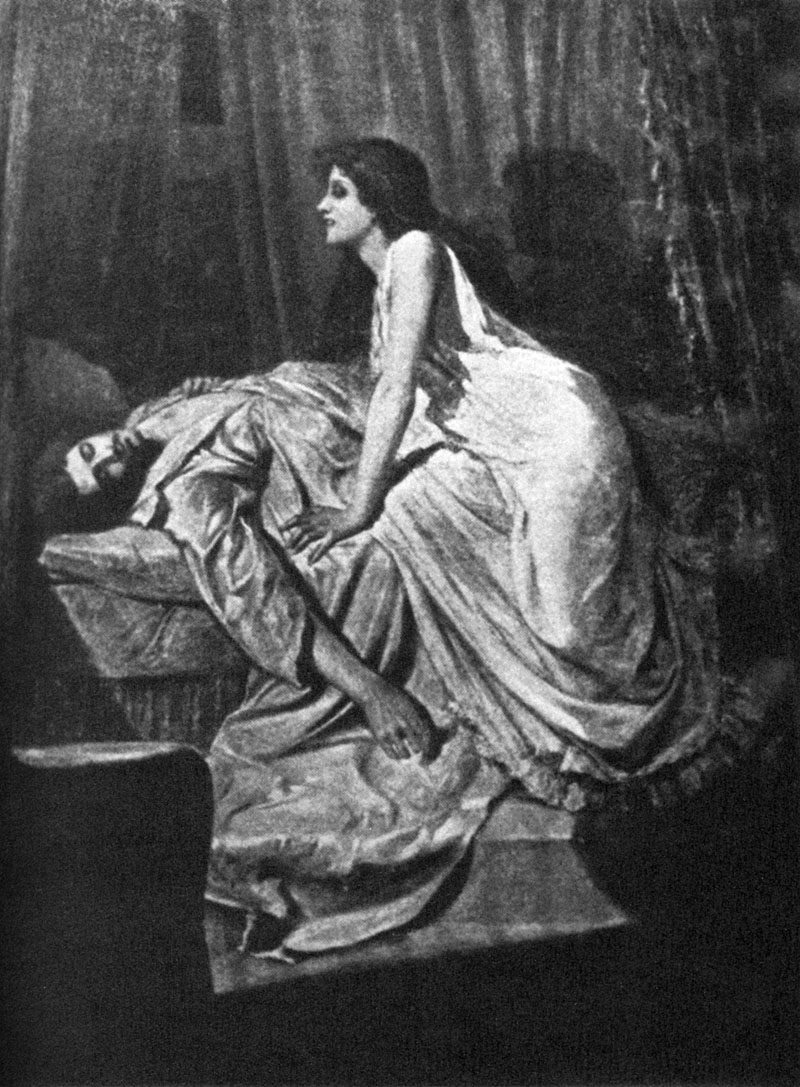
The Vampire (1897) by Philip Burne-Jones.

Two pictures of the same woman—Mrs Patrick Campbell (1865–1940)—that were regarded as scandalous in their time. Since the centenary of Bram Stoker’s death recently passed I was looking for better copies of the only painting by Philip Burne-Jones that anyone today bothers with, but the best copies to be had are in books so this is a scan from the Coulthart library. It seems the original is either lost or destroyed which makes its status as poor old Burne-Jones’ most celebrated work doubly unfortunate.

Philip Burne-Jones was the son of Edward Burne-Jones, and Burne-Jones Jr’s depiction of a predatory woman was deemed scandalous not for its content—predatory women were a common fixture of male paranoia in the 1890s—but for the rumours that its model, stage actress Mrs Patrick Campbell, and the artist, were having an affair. Mrs Patrick Campbell was born Beatrice Stella Tanner but took her first husband’s name as her stage name. Given the theme, and the fact that Burne-Jones painting was first exhibited the year that Bram Stoker’s Dracula was published, prints of The Vampire are a regular fixture in books about the cultural history of vampires in general and Dracula in particular.
beardsley.jpg

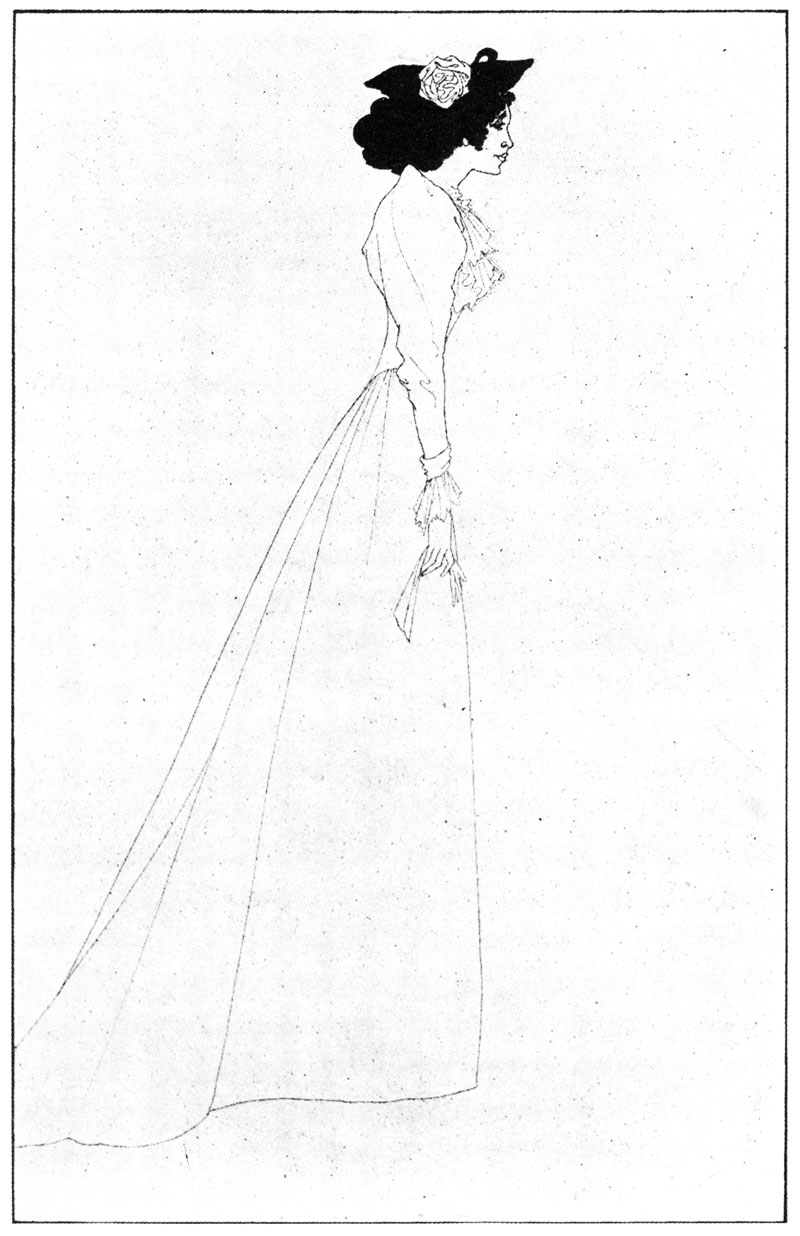
Mrs Patrick Campbell (1894) by Aubrey Beardsley. From The Yellow Book, Vol. I.

As for Aubrey’s delightful drawing, this is one of the many Beardsley pictures that caused great consternation when they were first printed yet which appear today to be quite innocuous. Beardsley’s presence in The Yellow Book, and the umbrage taken against drawings such as this, helped give that publication an edge which it lost when Beardsley was forced to leave the magazine following Oscar Wilde’s imprisonment in 1895.

Previously on { feuilleton }
Symbolist cinema
Druillet’s vampires

Weekend links 107

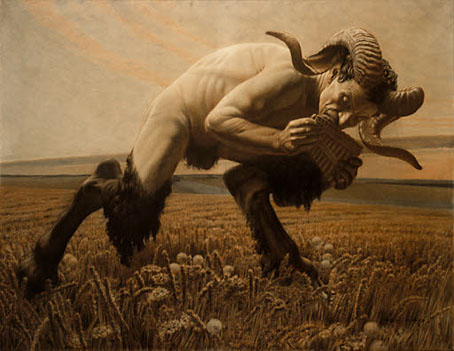
schwabe.jpg

Le Faune (1923) by Carlos Schwabe.

• “When I recently attended a conference in China, many of the presenters left their papers on the cloud—Google Docs, to be specific. You know how this story ends: they got to China and there was no Google. Shit out of luck. Their cloud-based Gmail was also unavailable, as were the cloud lockers on which they had stored their rich media presentations.” Ubuweb’s Kenneth Goldsmith on why he doesn’t trust the Cloud.

• “I’m a poet and Britain is not a land for poets anymore.” A marvellous interview with the great Lindsay Kemp at Dangerous Minds. Subjects include all that you’d hope for: Genet, Salomé, David Bowie, Ken Russell, Derek Jarman, The Wicker Man and “papier maché giant cocks”.

• “As early as the 1950s, Maurice Richardson wrote a Freudian analysis which concluded that Dracula was ‘a kind of incestuous-necrophilious, oral-anal-sadistic all-in wrestling match’.” Christopher Frayling on the Bram Stoker centenary.

Björk gets enthused by (among other things) Leonora Carrington, The Hourglass Sanatorium and Alejandro Jodorowsky’s YouTube lectures.

• Before Fritz Lang’s Metropolis there was Algol – Tragödie der Macht (1920). Strange Flowers investigates.

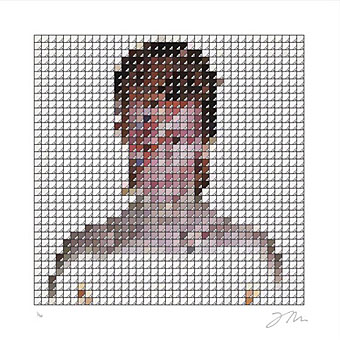
marsh.jpg

David Marsh recreates famous album covers using Adobe Illustrator’s Pantone swatches.

• New titles forthcoming from Strange Attractor Press. Related: an interview with SAP allies Cyclobe.

• 960 individual slabs of vinyl make an animated waveform for Benga’s I Will Never Change.

• An exhibition of works by Stanislav Szukalksi at Varnish Fine Art, San Francisco,

Keith Haring‘s erotic mural for the NYC LGBT Community Center is restored.

The Situationist Times (1962–1967) is resurrected at Boo-Hooray.

• Doors Closing Slowly: Derek Raymond‘s Factory Novels.

Will Wilkinson insists that fiction isn’t good for you.

• More bookplates at BibliOdyssey and 50 Watts.

The Top 25 Psychedelic Videos of All Time.

Flannery O’Connor: cartoonist.

• RIP Adam Yauch.

• Their finest moment: Sabotage (1994) by Beastie Boys.

“Die you brute!”

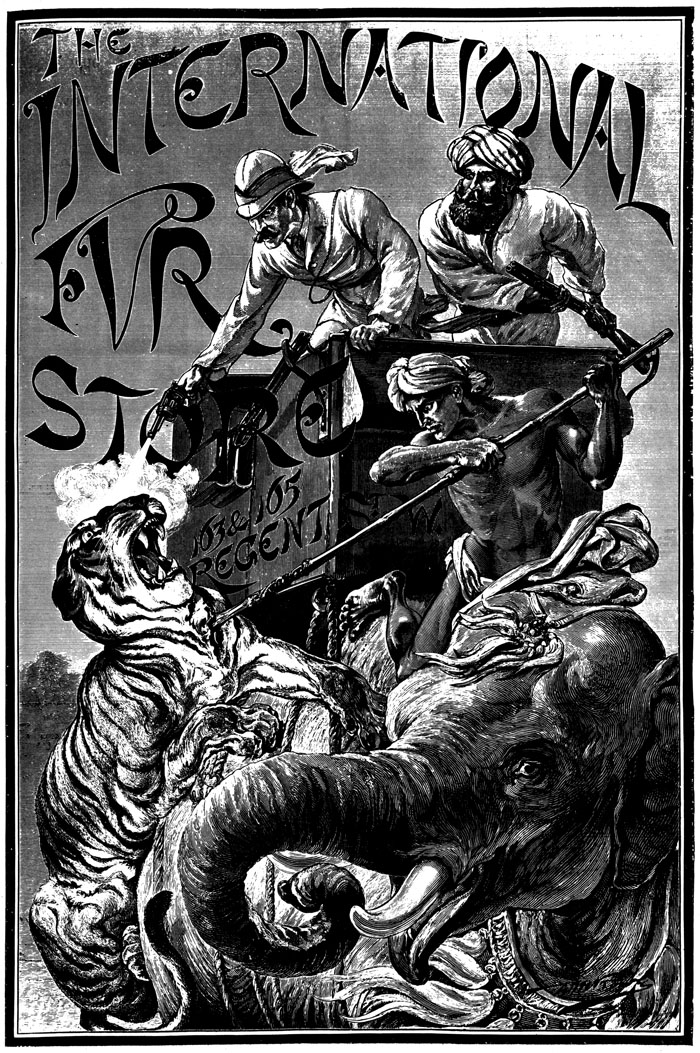
furstore.jpg

Since mention was made yesterday of the “Die you brute!” school of period illustration it seemed pertinent to post the picture that gave rise to the expression. This is another 19th-century ad from Victorian Advertisements (1968) by Leonard de Vries, the picture having appeared originally in The Illustrated Sporting and Dramatic News for November 1887. The Victorians may have been fond of their furs but they can’t be accused of downplaying the brutality behind the trade; in advertising terms this is like promoting a steak house with scenes from an abattoir. (And in that vein, see this Bovril ad from De Vries’ book.)

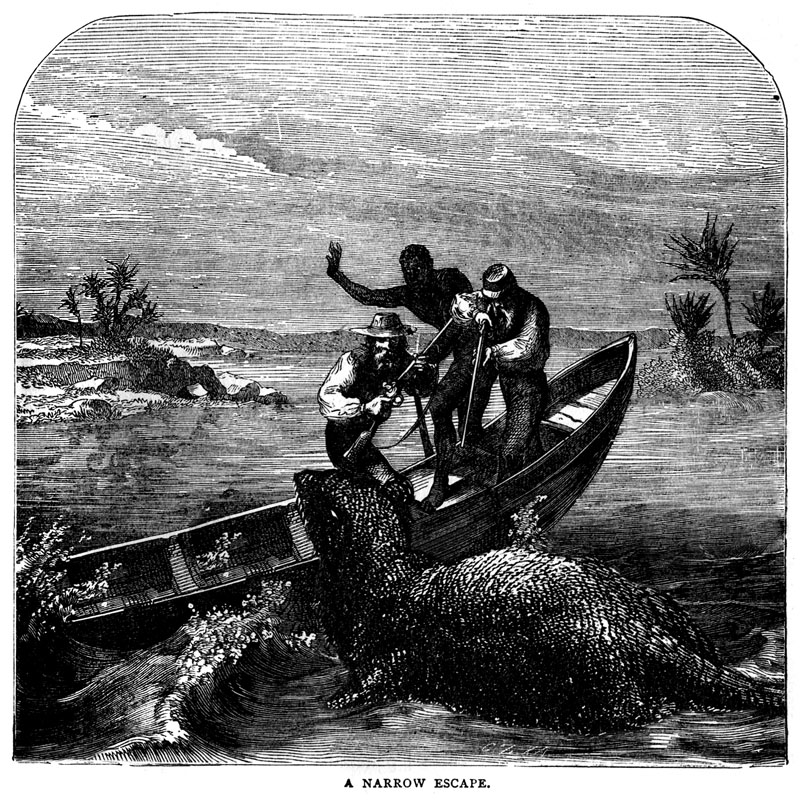
ratbite.jpg

I produced my own variation on the theme in 2003 with this illustration for Michael Moorcock’s Samoan Giant Rat Bite Fever, his entry in the Thackery T. Lambshead Pocket Guide to Eccentric and Discredited Diseases . The Giant Rat is described as seven feet in length but I followed the usual form with these kinds of depictions and exaggerated the size.

Previously on { feuilleton }
Gilliam’s shaver and Bovril by electrocution

Weekend links 103

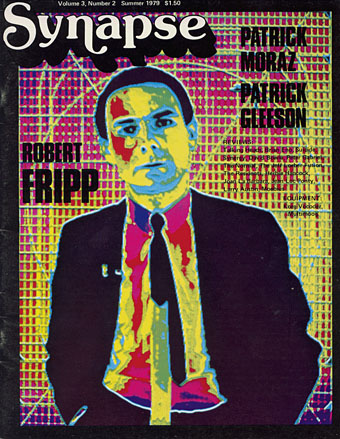
fripp.jpg

Robert Fripp photographed by Chris Stein. Video posterization by Michael Schiess.

Scans of Synapse, “The electronic music magazine”, are posted here. Issues range from 1976 to 1979, and include interviews with the more notable synthesists of the period, Kraftwerk included. Brian Eno was regularly interviewed by synth mags despite always being reluctant to talk about what equipment he might be using; sure enough he’s featured here. Far more interesting is a longer interview with Robert Fripp that catches the guitarist as he emerged from his self-imposed retirement in the mid-70s with the extraordinary Exposure album. (See a 1979 promo video for that here.) Related: TR-808 drum sequences in poster form by Rob Ricketts.

• More electronic music from the 1970s: “[Don Buchla] showed me that the idea of playing a black-and-white keyboard with one of these instruments was completely ridiculous. It was inappropriate and had nothing to do with the way you would use an electronic instrument.” Suzanne Ciani talks to John Doran about electronic music composition. A collection of her early recordings, Lixiviation, is released by Finders Keepers. Related: The Attack of the Radiophonic Women: How synthesizers cracked music’s glass ceiling.

• “Her writing—full of immigrants, circus animals, freaks, socialists, hipsters, servants, and suffragettes—revels in the atmosphere of the ‘Yellow Nineties,’ a period characterized by Wildean decadence and art for art’s sake.” Jenny Hendrix on Djuna Barnes.

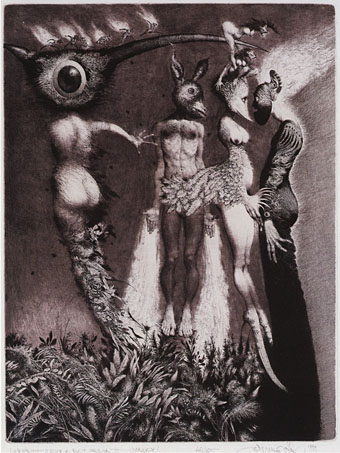
brunovsky.jpg

More etchings by Albin Brunovsky at But Does It Float.

• More scanned magazines: the Fuck You Press archive at Reality Studio. A trove of rare publications produced by Ed Sanders in the 1960s with contributions from world-class writers, William Burroughs included.

• “[My parents] were horrified by what I did, but they encouraged me to keep doing it because I was obsessed, and what else could I do?” John Waters writing in (of all places) the Wall Street Journal.

• A time-lapse assembly of Alfred Hitchcock’s Rear Window (1954) by Jeff Desom who explains how he did it here.

The Occult Experience: a 95-minute documentary on the international occult scene, filmed in 1984–85.

• Compost and Height re-post A Gold Thunder, a song by Julia Holter first sent to them in 2010.

• Drawings by Bette Burgoyne.

Schroeter’s Salomés

Cats are liquids

Fade Away And Radiate (1978) by Blondie (featuring Robert Fripp) | Exposure (1978) by Peter Gabriel (produced by and featuring Robert Fripp) | Exposure (1979) by Robert Fripp | Babs And Babs (1980) by Daryl Hall (produced by and featuring Robert Fripp) | Losing True (1982) by The Roches (produced by and featuring Robert Fripp).

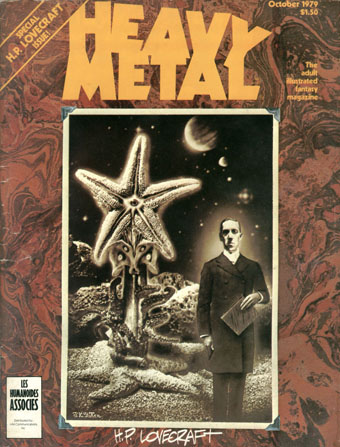
Heavy Metal, October 1979: the Lovecraft special

hm1.jpg

Mr Lovecraft by JK Potter.

HP Lovecraft died seventy-five years ago on 15th March, 1937. Twenty-five years ago I was halfway through drawing my comic strip adaptation of The Call of Cthulhu, conscious at the time that, yes, it was fifty years ago today… I mentioned at the weekend the special Lovecraft edition of Heavy Metal that was published in October 1979; of the many stimuli that led to the drawing of CoC, this magazine was by far the most important. Given the date, now seems as good a time as any to say something about it.

hm2.jpg

Illustration for the contents page by Stephen R. Bissette.

Heavy Metal was the US offshoot of Métal Hurlant, the sf/fantasy comics magazine founded by Jean Giraud (Moebius), Philippe Druillet and Jean-Pierre Dionnet in 1974. Copies of Métal Hurlant could be found in London but none ever made it further north. The advent of Heavy Metal provided an invaluable introduction to a generation of European artists whose work was otherwise difficult to find. Even better: their stories were being translated into English for the first time. The late 70s was a dizzying period for a Lovecraft reader: HR Giger appeared apparently out of nowhere in 1977 when Big O published the first UK collection of his art (which I couldn’t afford at the time), a book with Necronomicon in the title; a year later Thames & Hudson published Franz Rottensteiner‘s The Fantasy Book, an overview of the genre that devoted eight pages to Lovecraft and Arkham House, and which included many illustrations I’d never seen before; in 1979 Giger was all over the newspapers and magazines thanks to Alien; then in October the Lovecraft special dropped onto the shelves. I was stunned: this was that rare occasion when someone creates exactly the thing you want to see at precisely the right moment.

hm3.jpg

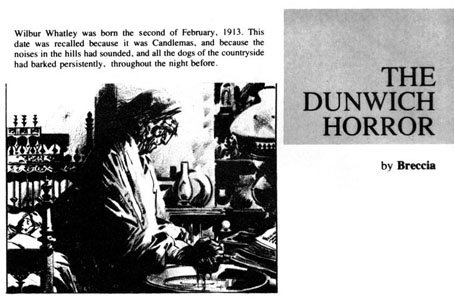
The Dunwich Horror by Alberto Breccia. A superb adaptation.

Looking back, the issue isn’t quite as good as it seemed at the time: many of the stories are slight, a couple have nothing whatever to do with Lovecraft, and, Breccia aside, none of the artists tackle the major works. What counted in the end was the idea of the issue, the implication that Lovecraft’s imagery was there to be seized and reworked in visual form. There were better issues of the magazine, before and after, but for the next six years this one remained for me a tantalising possibility. They hadn’t got it quite right…what if someone else did? After searching comic shop shelves in vain I eventually decided to have a go myself.

Continue reading “Heavy Metal, October 1979: the Lovecraft special”