Weekend links 344

axiomdub.jpg

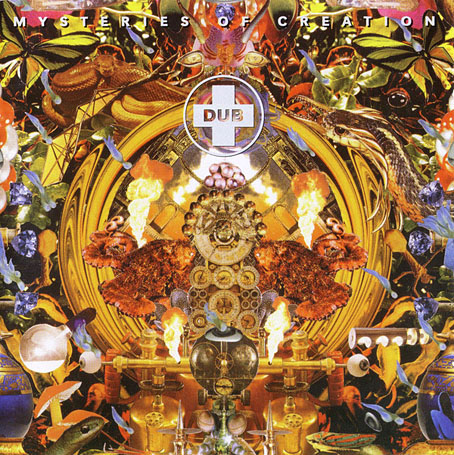
Axiom Dub – Mysteries Of Creation (1996), a Bill Laswell production. Art by James Koehnline.

• As noted earlier, the great Bill Laswell has made some of his sprawling back catalogue available at Bandcamp, news of which has prompted Vinyl Factory to put together a recommended listening guide. Judging by the comments I’m not the only Laswell-head deploring the absence of the masterpiece from Material, Hallucination Engine. Linked here before, and happily still being updated, the comprehensive Bill Laswell discography at Silent-Watcher. Related: An ESP-Disk Primer by Marc Masters.

Listen to the Voice of Fire, a symposium concerning alchemy in sound art, takes place at the National Library of Wales at the beginning of March. Phil Legard offers some thoughts on alchemy, music and John Dee.

• The guilty cinematic pleasures of John Carpenter. Related: Director and actor Alice Lowe chooses seven favourite horror films.

The Broomway, Essex, a tidal path known as “The Doomway” for its reputation as the most dangerous walk in Britain.

• Mixes of the week: K-Punk presents Return to the Fourth World, and FACT Mix 584 by Lawrence English.

• “There was more to the late John Berger than that TV series and art book”, says Richard Turney.

• “Music’s cassette-tape revival is paying off,” says John Paul Titlow.

Diamanda Galás announces two new albums.

Bob Dylan paints a Blackpool pier.

• Pixel art by Uno Moralez

One Letter Words

Reduction (1980) by Material | Ghost Light/Dread Recall (1996) by Material | No Guts No Galaxy (1999) by Material (feat. Ramm Ell Zee & phonosycographDISK)
Weekend links 343

carrington.jpg

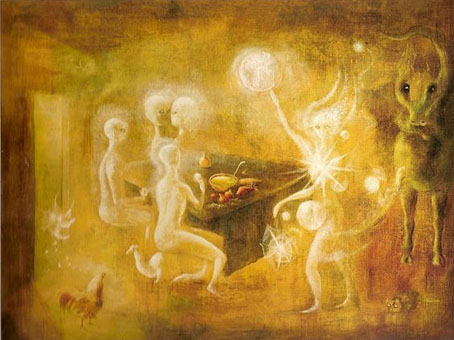
Sidhe, the white people of the Tuatha Dé Danann (1954) by Leonora Carrington.

• January brings a wealth of recommended-reading lists for the new year, together with the feeling that many of those lists are merely clones of each other. Not so the recommendations at Strange Flowers which also includes links to forthcoming events such as this exhibition of Symbolist art at the Guggenheim, New York.

Some Ceremonies are Better than Others, an exhibition of sound objects and drawings by Matthias König & Ibrahim R. Ineke inspired by Arthur Machen’s The White People, at The Bries Space, Borgerhout, Belgium, from 21st January. Previously: Ineke’s comic-strip adaptation of the Machen story.

• “These must-reads explore Dada, Futurism, Surrealism, and the art of opposition,” says Carol Cooper. One of the titles under discussion is the Bruce Sterling book I designed and illustrated last year, Pirate Utopia. Sterling talked to Wired about the book and its relation to the present moment.

RIP Mark Fisher, a cultural theorist whose death was announced just as extracts from his latest book, The Weird and the Eerie, were beginning to appear. One of those extracts is at The Quietus. Related: Fisher’s k-punk blog and its earlier incarnation.

James Cargill (ex of Broadcast) announces a debut release by his new group, Children of Alice. Related: Jonathan Miller’s 1966 TV film of Alice in Wonderland rescored with Broadcast songs.

We are the Martians: the Legacy of Nigel Kneale, a collection of Kneale-related essays and appreciations edited by Neil Snowdon, is finally appearing in print from PS Publishing.

• Pursuing paths hauntological, The Electric Pentacle offers “an unholy stew of library music, Kosmische, arcane ritual electronica, modular synthesisers and shortwave radio”.

• Mixes of the week: The Ivy-Strangled Path Vol. XVI by David Colohan, and Low Visibility Across Sunken Village by The Geography Trip.

• “With Reflection, [Brian Eno] offers generative music for a turbulent time,” says Geeta Dayal.

Anna Biller, director of The Love Witch, talks to New Jack Witch about her film.

• The story behind Gay Bob, the world’s first out-and-proud doll.

Alice (1969) by Jon Plum | Alice (1982) by The Sisters of Mercy | Alice (2009) by Sunn O)))

Form and Austin Osman Spare

form01.jpg

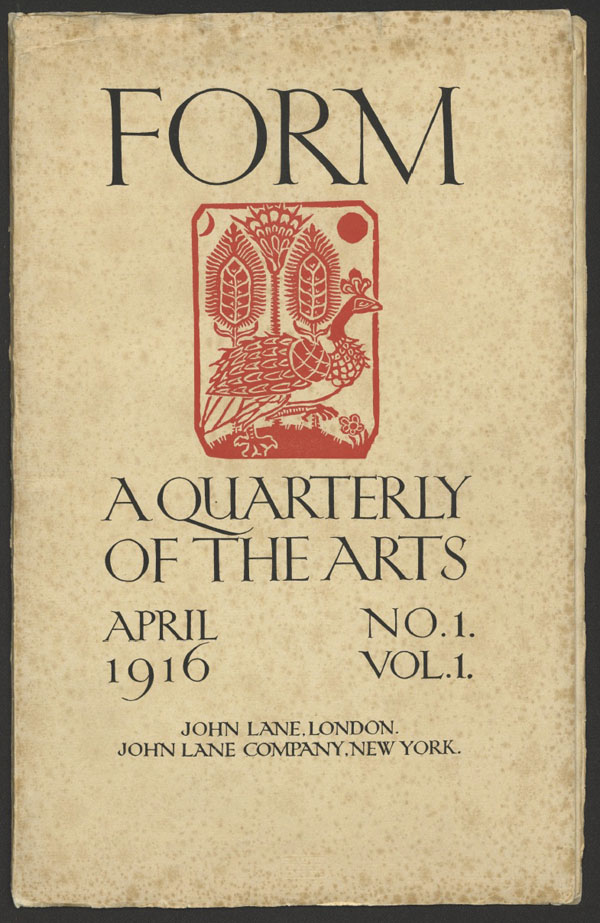
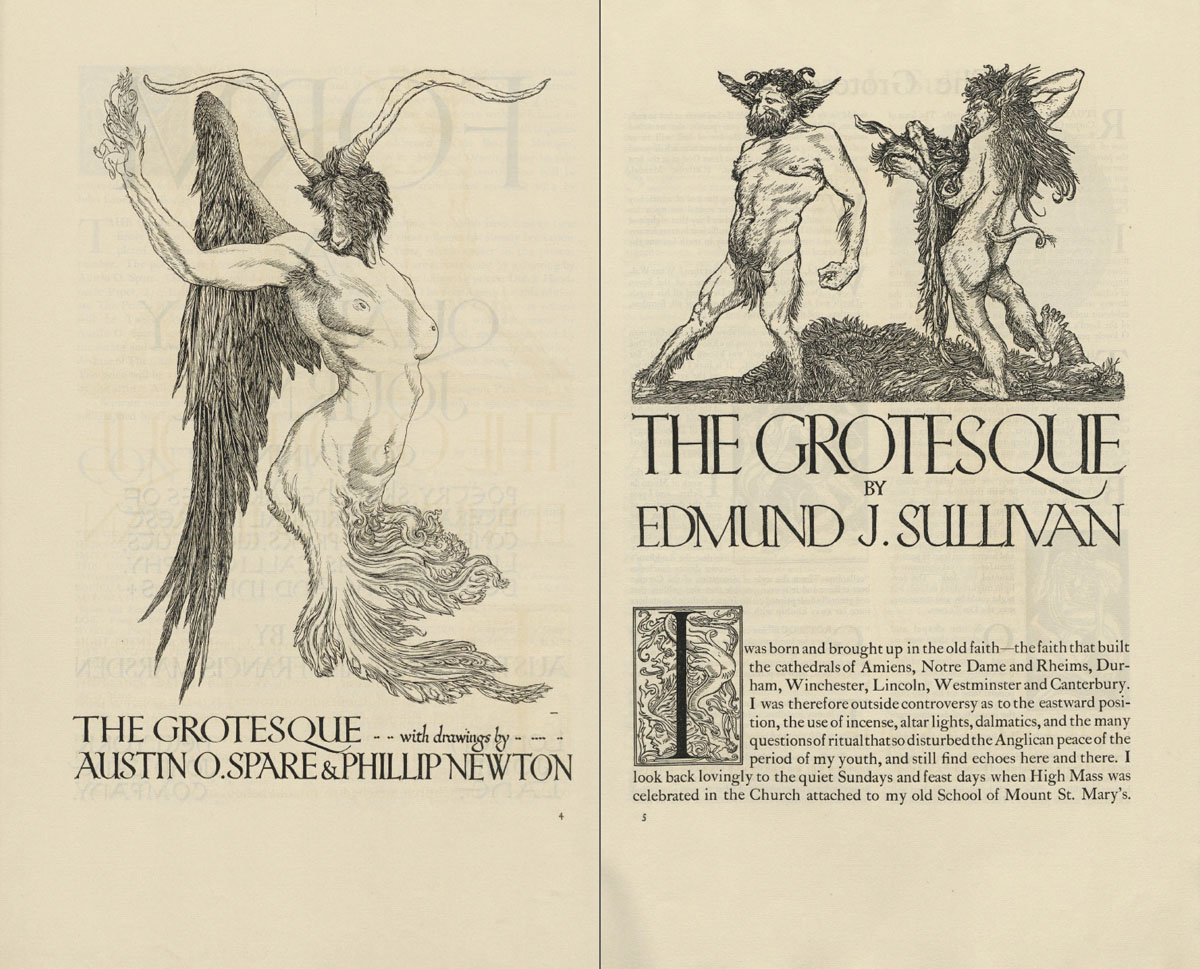
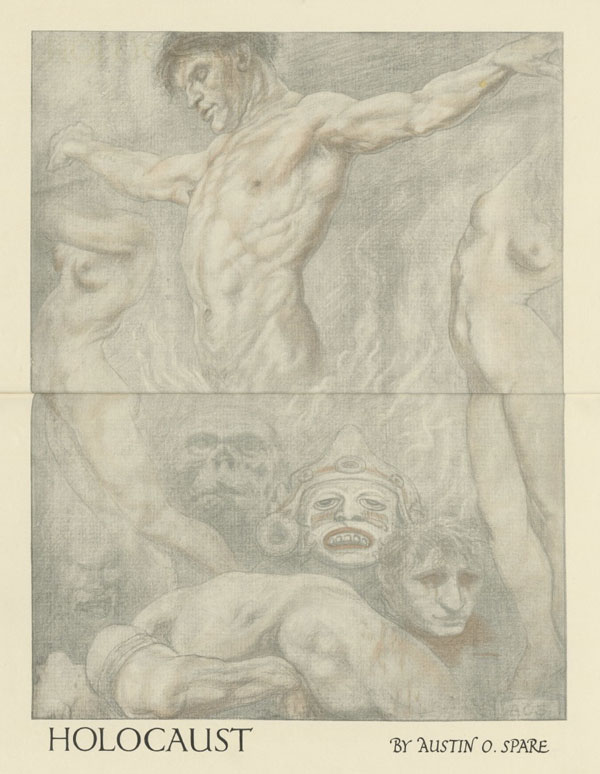
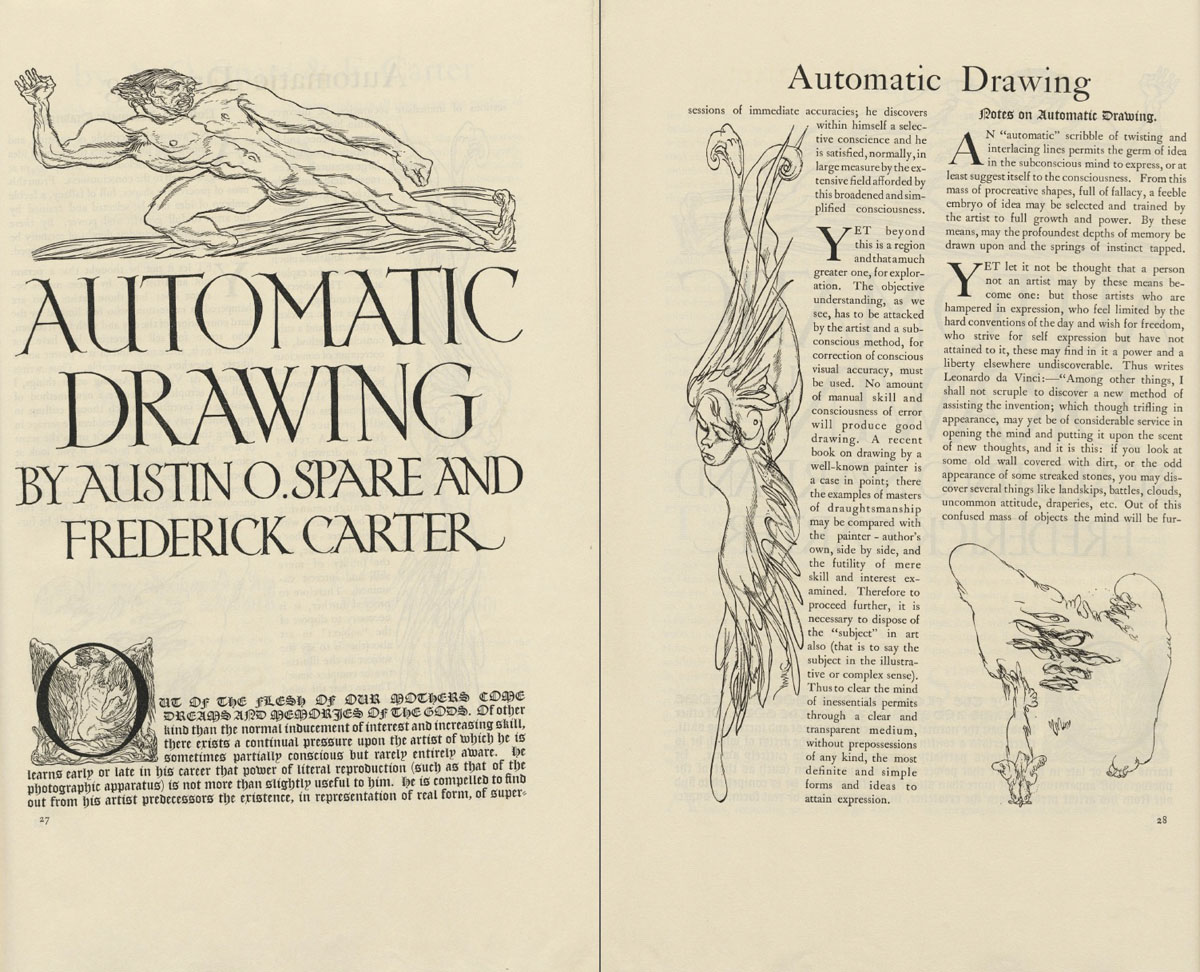
The University of Heidelberg‘s scanning programme continues to be a source of delight for those of us without professional or financial access to rare book collections. Having recently made the entire run of Der Ochideengarten available, they’ve added scans of another journal that was on my list of magazines I’d been hoping would eventually turn up online. Form was the first of two short-lived publications edited by Austin Osman Spare from 1916 to 1924, the second being The Golden Hind. Spare and co-editor “Francis Marsden” (Frederick Carter) published two issues of Form before Spare was conscripted in 1917. After the war, publication resumed with two further issues. Spare aficionados have long been familiar with the drawings in these publications, many of which have been reprinted over and over in collections of Spare’s art but often with no indication of their original context.

form02.jpg

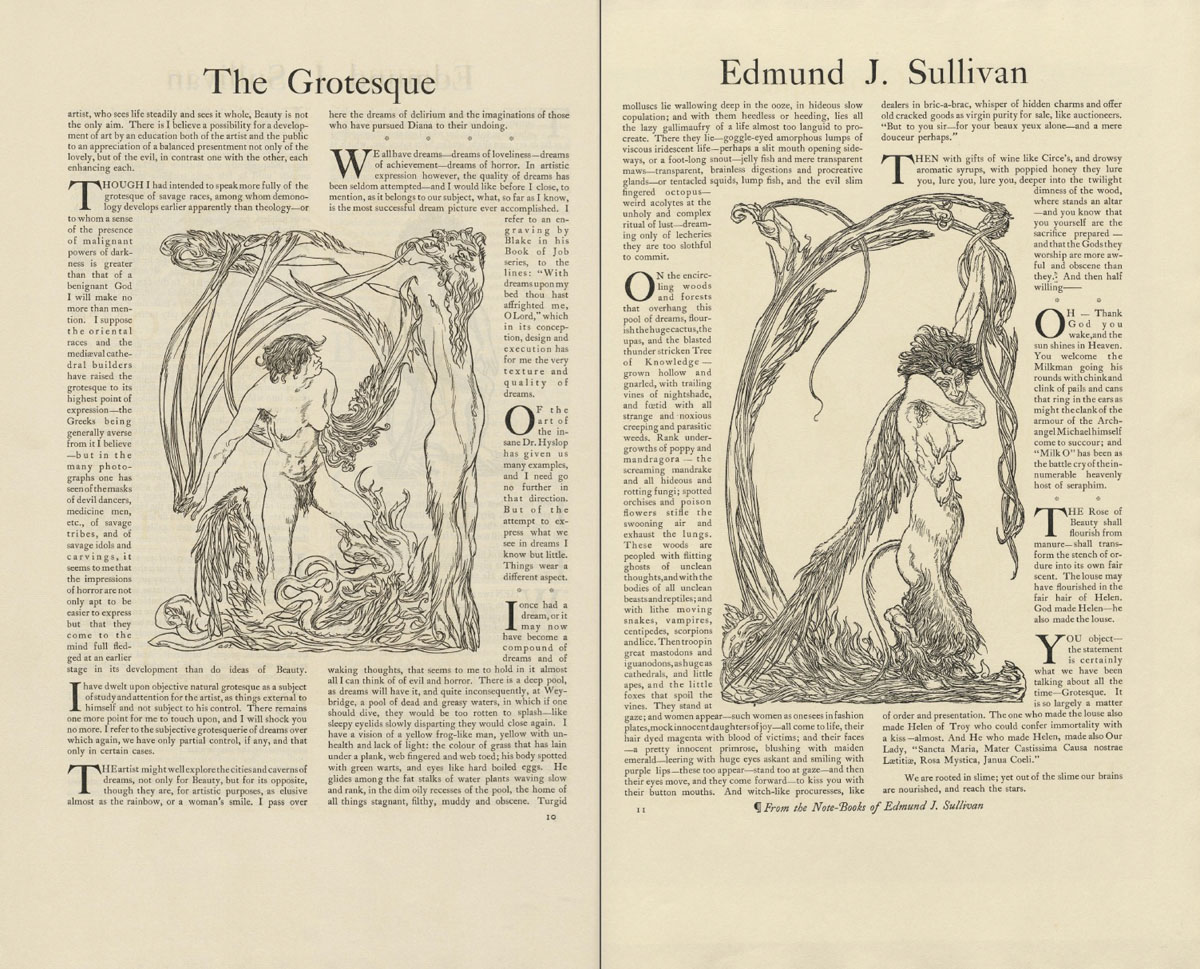
Seeing the drawings in situ like this not only restores the context but also sets them beside the accompanying work by Spare’s fellow writers and artists. Some of the other contributors need no introduction—WB Yeats, Robert Graves—while others have been neglected or even forgotten. Most descriptions of Form mention its following in the lineage of The Yellow Book, publisher John Lane having been responsible for both publications. But looking through the first two issues I’d say the model is as much The Savoy, the magazine that Aubrey Beardsley and Arthur Symons put together after The Yellow Book kicked out Beardsley in the wake of the Oscar Wilde trial. Yeats was a contributor to The Savoy, and two other artists present in Form—Charles Ricketts and Charles Shannon—were friends and publishers of Wilde.

form03.jpg

The samples here are mostly Spare’s work, and only a small selection at that. Enthusiasts are encouraged to download the PDFs for themselves. I had seen one of these issues before (Alan Moore has an enviable collection of Spare publications) but the rest were magazines I’d been waiting decades to see in full. I’m hoping now that the excellent staff at Heidelberg may have copies of The Golden Hind waiting for similar treatment.

form04.jpg

form05.jpg

Continue reading “Form and Austin Osman Spare”

Weekend links 341

fountaingod.jpg

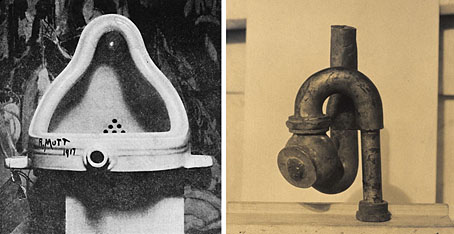
Fountain (1917) by R. Mutt (Marcel Duchamp), and God (1917) by Elsa von Freytag-Loringhoven.

• “What is there left to know about David Bowie? What is there left to unearth?” asks Ian Penman whose lengthy review of recent Bowie books is better by far than a shelf full of cash-in doorstops.

Strázci z hlubin casu is a collection of stories by HP Lovecraft and August Derleth from Czech publisher Volvox Globator. The book reprints artwork of mine on the cover and inside.

• Mixes of the week: Through December by David Colohan, At Alien Altars: A Conjurer’s Hexmas by Seraphic Manta, and Secret Thirteen Mix 204 by James Welburn.

• “Something vindictive resides in soot.” Timothy Jarvis on the weird fiction of Stefan Grabiński. From 2003: China Miéville on Grabiński.

• Paintings by Jakub Rozalski of eastern European peasants with mechas and werewolves.

Colm Tóibín on James Joyce’s A Portrait of the Artist as a Young Man, 100 years on.

Jesse Singal on why straight rural men (in the USA) have “bud-sex” with each other.

Mark Valentine recommends books on tasseography, or divination by tea leaves.

• “Northampton Calling: A Conversation with Alan Moore,” by Rob Vollmar.

Bill Schutt at Scientific American asks what human flesh tastes like.

Gwendolyn Nix on the Tritone, aka The Devil’s Musical Interval.

• At Dennis Cooper’s: _Black_Acrylic presents…Penda’s Fen Day.

• The latest Buddha Machine from FM3 is Philip Glass-themed.

Listen to The Wire’s top 50 releases of 2016

Tritone (Musica Diablo) (1980) by Tuxedomoon | Diabolus In Musica (1987) by The Foetus All Nude Review | Tritone (Musica Diablo) (2016) by Aksak Maboul

Weekend links 339

hiorns.jpg

Untitled (2011) by Roger Hiorns. Photograph by Kate Green.

• “Most surprising and troubling of all is the status of a series of new paintings, also depicting naked male bodies. The figures look archaic, painted using latex and molten and folded plastic. They have sex with each other and with themselves. Extra penises float about, and fill any otherwise unoccupied orifice. There’s a lot of rogering going on, anal and oral, the figures consumed entirely by the act.” Adrian Searle reviews Roger Hiorns’ latest show at the Ikon Gallery, Birmingham.

• “At the heart of magical belief is the belief in your own free will, in your ability to make changes and influence the world. It wasn’t accepting your circumstances, it was working to understand and directly change them.” Jessa Crispin on the women of the Hermetic Order of the Golden Dawn.

Addison Nugent on William Hope Hodgson: “The Forgotten Bodybuilding, Shark-Fighting Sailor who Invented Cosmic Horror (and annoyed Houdini)”. I’d quibble with the “forgotten”—Hodgson is sometimes overlooked but not exactly unknown—but the appraisal is welcome.

• More end-of-year lists: The Quietus posts its Albums of the Year, Bandcamp does the same, while Adrian Curry at MUBI announces his favourite film posters of the year.

Callum James has devised The Quite Difficult Book Quiz for those who’d like a challenge (and a donation to charity) over Christmas.

• “A profoundly poetic anomaly”: Kenan Malik on the Tantric paintings that pre-empt Modernist abstraction.

Patricia M’s Flickr albums contain a wealth of antique graphic design, advertising art and undigitised letterforms.

• “Cronky, shonky, soggy, knackered”: Simon Reynolds on ten years of Moon Wiring Club.

Michael LePointe on the delightful mysteries of The Voynich Manuscript.

Veloelectroindustrial: Wandering the wastelands of former industry.

• Mix of the week: Secret Thirteen Mix 202 by JG Biberkopf.

• “Was Edmund Wilson jealous of Lolita?” asks Alex Beam.

• “Research finds MP3s drain your music of emotion.

Richard H. Kirk‘s favourite albums.

Pavel Banka‘s surreal abstractions.

Dennis Cooper‘s Alan Clarke Day.

Cosmic Surfin’ (1978) by Yellow Magic Orchestra | Cosmic Meditation (1991) by Moondog | Cosmic Call (2006) by The Evpatoria Report