
Weekend links 161

descent.jpg

My friend James Marriott died last year. He was 39. His final book, The Descent, a study of Neil Marshall’s acclaimed horror film, is launched on Friday at the Cube Microplex in Bristol. The book is published by Auteur, a UK imprint, in their Devil’s Advocates series. James was finishing the book a year ago this month, and sent me a late draft for comments. In addition to examining Marshall’s film in detail he also looks at its sequel and explores the micro-genre of cavern-oriented horror. When it came to literature James preferred Robert Aickman and Thomas Ligotti; he enjoyed their cinematic equivalents too but he also had a great appetite for horror films of any description, and would happily wade through hours of giallo trash in the hope of finding something worthwhile. I miss our long, digressive email exchanges, and the opportunity they afforded to swap new discoveries.

• “For artists not working in digital media — those who cut, build, draw, paint, glue, bend, and make things in the more traditional manner — there is something of a ‘Surrealist’ popularity at hand today,” says John Foster.

• At Open Culture: Duke Ellington’s Symphony in Black starring a 19-year-old Billie Holiday, and Nina Simone performs six songs on The Sound of Soul (1968).

• I’m not remotely interested in Baz Luhrman’s latest but I do like the Art Deco graphics and logos created by Like Minded Studio for The Great Gatsby.

• Alejandro Jodorowsky: “I am not mad. I am trying to heal my soul”

• The Clang of the Yankee Reaper: Van Dyke Parks interviewed.

• A 45-minute horror soundtrack mix by Spencer Hickman.

• At But Does It Float: Album art by Robert Beatty.

• Topological Marvel: The Klein Bottle in Art

• Anne Billson on The Art of the Voiceover.

• Soviet board-games, 1920–1938

• A Brief History of Robot Birds

• Le Chemin De La Descente (1970) by Cameleon | Descent Into New York (1981) by John Carpenter | The Descent (1985) by Helios Creed
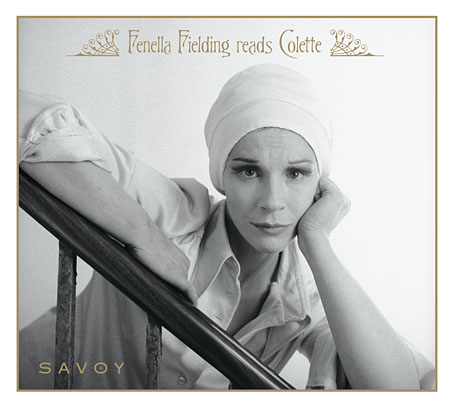
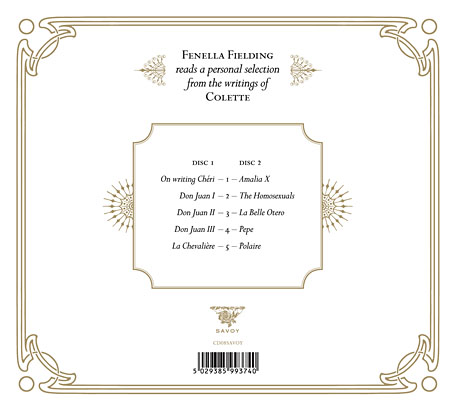
Fenella Fielding reads Colette

fenella1.jpg

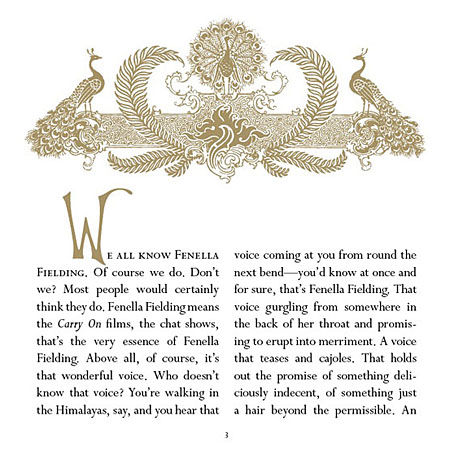
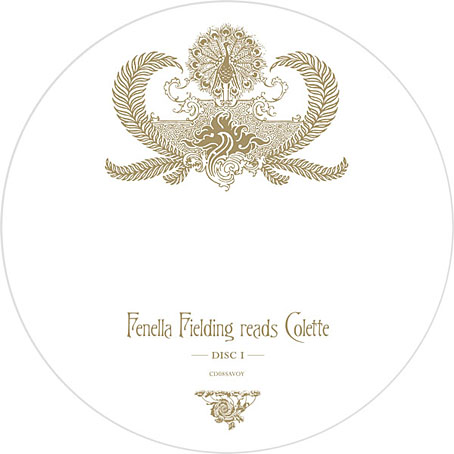
The latest post at Strange Flowers reminded me of some work of mine that appeared earlier this month which I can finally mention. Fenella Fielding reads Colette is another of those long-gestating recordings from Savoy’s audio division which has been released at last after a lengthy hiatus. This is a double-disc CD set of Fenella’s own selection from the writings of Colette, an author Fenella knows well having portrayed her in Colette, a play by Elinor Jones.

fenella2.jpg

The CD set is a digipak which I designed using a variety of Art Nouveau motifs printed in metallic gold on white card. All the photos are either of Colette or Fenella herself, past and present; the lengthy booklet notes were by the late Monty Haltrecht, a novelist and friend of Fenella’s who followed her career for many years. Monty approved of my initial draft of the design so it’s a shame he wasn’t able to see the finished thing. For the moment the CDs are available only through Savoy but the readings should be on iTunes in due course.

fenella3.jpg

fenella4.jpg

Weekend links 160

floyd.jpg

Collage by Jeneleen Floyd.

• “…slowly, block-by-block, pedestrians are starting to take back the streets.” Wayne Curtis on the hazards of being a pedestrian in a world of cars.

• Michael Hann looks back at LA’s Paisley Underground, and also talks to some of its key members.

• Meighan O’Toole interviews JL Schnabel about her Blood Milk jewellery designs.

My central thesis is that camp was always a kind of signifying practice invented out of necessity (both for survival and for sheer creative pleasure) by “queer” (in the classic sense) outsiders – fags, drag queens, transsexuals, deviants, sexual renegades – and that it was always by its very nature deeply political and committed: Some people dedicated their entire lives to it! Sontag’s interpretation always seemed a bit dismissive to me somehow.

The seldom unprovocative Bruce LaBruce talking to Mark Allen about camp in the 21st century.

• Studiocanal launches an appeal to find the lost materials of The Wicker Man.

• At Flickr: Tales from a Parallel Universe and London’s Lost Music Venues.

• Michael Wood tells us what we learn when we read Italo Calvino’s letters.

• Fragments of a Portrait: Francis Bacon and David Sylvester in 1966.

• An extract of a live session from Adrian Sherwood and Pinch.

• In Baba Yaga’s Hut: Amelia Glaser on Russian folk tales.

• Buckminster Fuller Book Covers from the 1970s.

• A Century of Proust.

• The Real World (1982) by The Bangles | With A Cantaloupe Girlfriend (1982) by The Three O’Clock | Medicine Show (1984) by The Dream Syndicate | No Easy Way Down (live in Tokyo, 1984) by The Rain Parade

Ogdens’ Nut Gone Flake

ogdens1.jpg

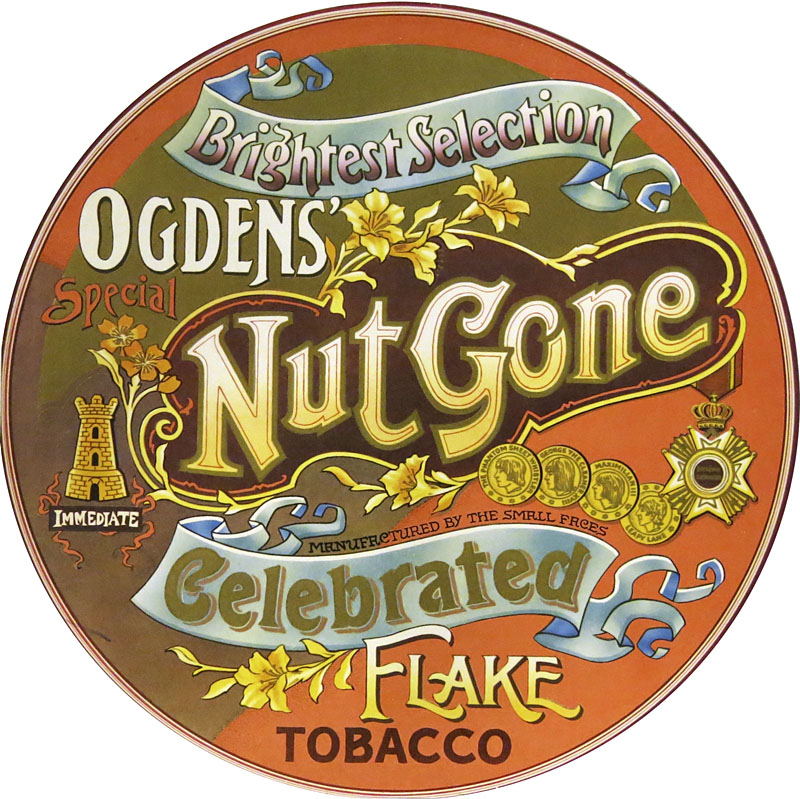
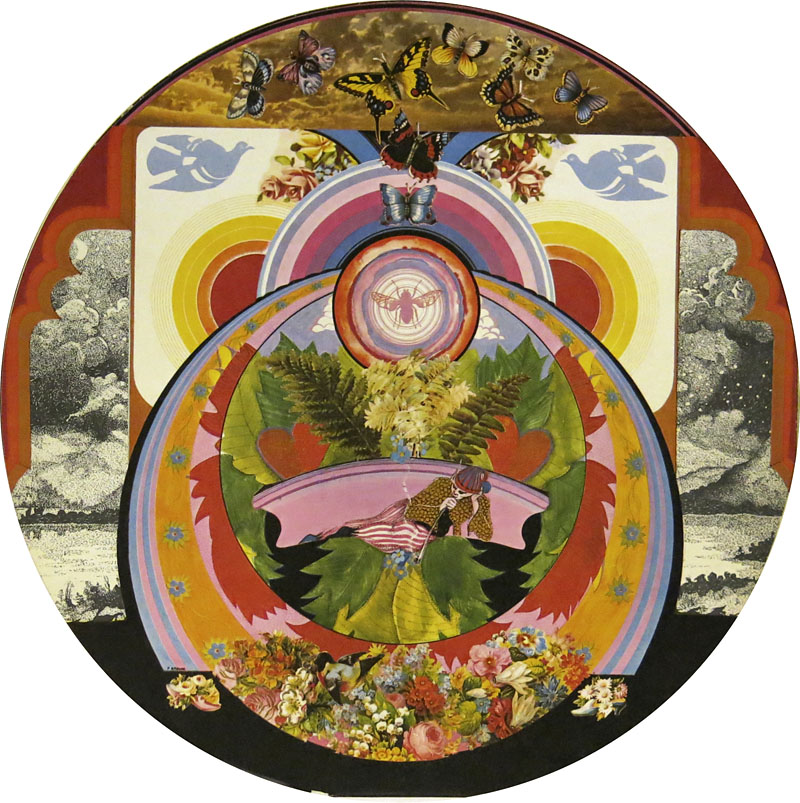
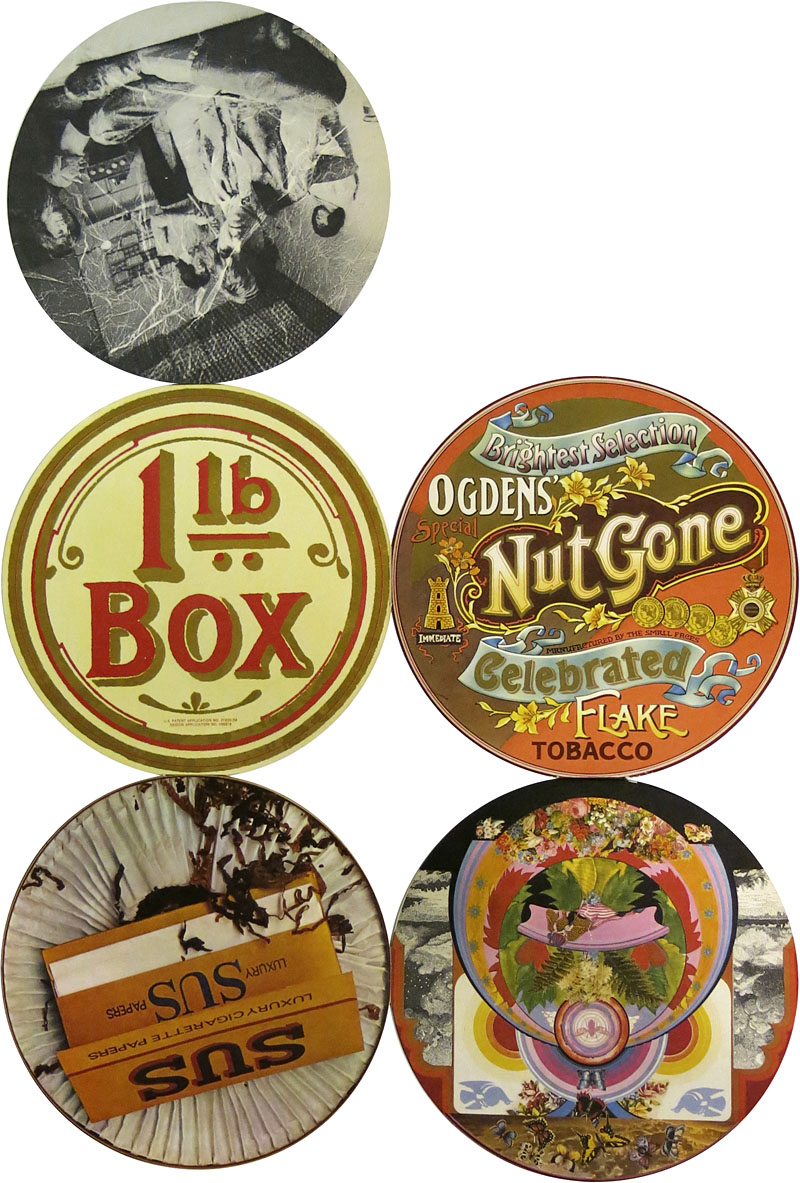
More psychedelia (there’s always more psychedelia). Listening to this Small Faces album this week I couldn’t remember whether my vinyl reissue from the 1980s had survived the vinyl purge I instituted a few years ago. It turns out I do still have the vinyl copy, a facsimile of the original circular sleeve. Ogdens’ Nut Gone Flake was released in 1968. Despite the innovative sleeve design and the generally tripped-out atmosphere (especially on side two) it seldom gets included in retrospectives of psychedelic album art. This is surprising since for design and execution it’s far better than the sleeves for Their Satanic Majesties Request and Magical Mystery Tour, the latter a great album with a really awful cover. I suspect the Small Faces’ album gets overlooked because the most typically psychedelic aspect of the artwork—the drawing/collage below—is hidden inside, the rest of the cover being a careful imitation of an “Ogdens’ Nut-brown Flake” tobacco tin. XTC borrowed the circular sleeve idea for their 1984 album The Big Express.

ogdens2.jpg

Interior panel. Illustration by P. Brown.

The drawing is credited to one “P. Brown”; the sleeve design, we’re told, was the work of Mick Swan who did nothing else in this area. If I’m vague about the details it’s because my copies of the album (CD and vinyl) contain no information other than the label copy. I imagine recent reissues which have had booklet notes will are more enlightening. This page has some comments from the band as to how the tobacco tin idea came about.

ogdens3.jpg

The opened-out sleeve.

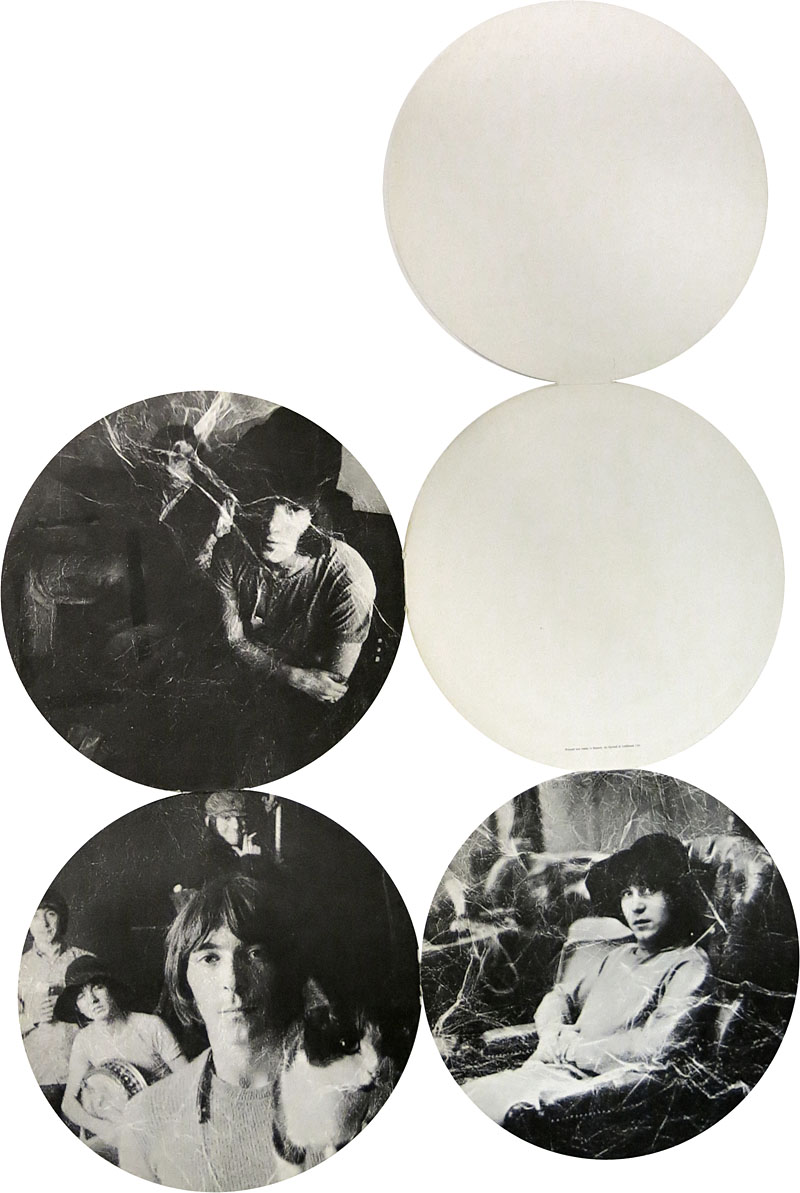
Original copies of this album used to command high prices (so to speak) since the fragile nature of the hinges holding together each part of the sleeve meant they rapidly wore out. Subsequent editions tended to be in regular square sleeves. My CD edition from 1989 was the first to make the most of the tobacco tin concept by packaging the whole thing in a tin. Inside you get a small reproduction of the fold-out sleeve and six somewhat redundant beer mats or coasters.

The band played two-thirds of the album on the BBC’s Colour Me Pop in 1968, complete with an appearance by Stan “The Man” Unwin who provides the “loony links” on the second side of Ogdens’ Nut Gone Flake. Most editions of Colour Me Pop are lost but that episode survived, and may be watched here.

ogdens4.jpg

The opened-out sleeve (obverse).

Elsewhere on { feuilleton }
• The album covers archive

Tadanori Yokoo album covers

yokoo01.jpg

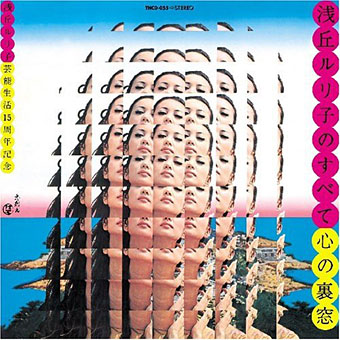
Kokoro No Uramado (1969) by Asaoka Ruriko.

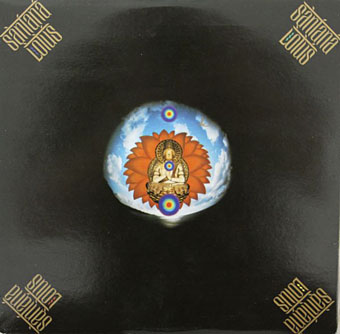
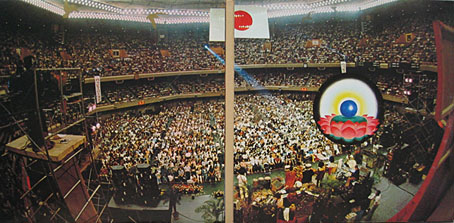
A few examples of Tadanori Yokoo’s earlier cover designs which are the ones I prefer. Although he’s continued to produce collage art for music releases, the CD format does his work few favours. I lose interest musically in Santana after about 1970 so I’d not looked properly at their triple-live set Lotus before, an album which is one of those worth having for the cover alone. Worth having for the cover and the music is Miles Davis’s thundering jazz-rock monolith Agharta which for some reason was given a different cover by Elena Pavlov on its US and European release. For Yokoo’s more recent cover art see his Discogs page.

yokoo02.jpg

Lotus (1974) by Santana.

yokoo03.jpg

Lotus (1974) by Santana.

yokoo04.jpg

Lotus (1974) by Santana.

Continue reading “Tadanori Yokoo album covers”