
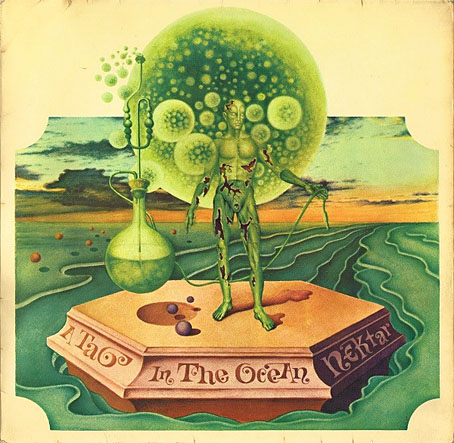
A Tab in the Ocean (1972) by Nektar.
This is another post in which I refer to Franz Rottensteiner’s The Fantasy Book: The Ghostly, the Gothic, the Magical, the Unreal (Thames & Hudson, 1978) as a source of discovery. Rottensteiner is Austrian which no doubt explains why his study of fantasy and horror in art and fiction had a broader reach than you would have found in a similar study from a British or American editor. Some of the writers whose work he discusses—Stefan Grabiński, for example—hadn’t been translated into English at that time. Among the artists whose work appeared as illustration Helmut Wenske was one of several whose paintings were seldom seen in Anglophone publications, although a few album covers that featured Wenske art—those for Nektar in particular—were a common sight in British record shops in the 1970s.
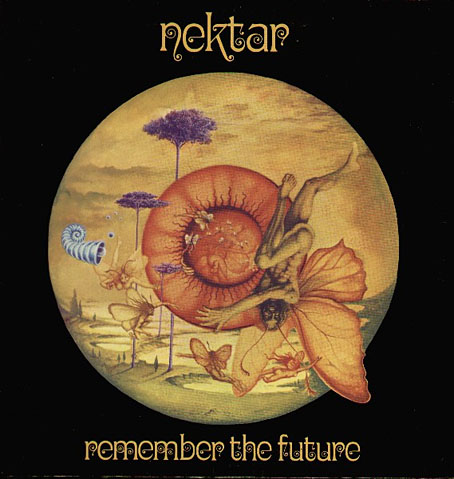
Remember The Future (1973) by Nektar.
Wenske is a German artist with a penchant for Dalí-like Surrealism that might have been strained through a psychotropic filter. Most of his work in the 1970s was as an album cover designer for the Bellaphon label, and most of those covers are designs rather than paintings. There are a number of book covers, however, some of which are recycled from his album covers. From 1971 to 1975 Wenske painted the covers for a series from Insel Verlag, “Phantastische Wirklichkeit: Science Fiction der Welt”, a collection of reprints edited by Franz Rottensteiner. Wenske’s ISFDB credits list a few horror covers along with these, a small percentage of which are Lovecraft-related. In the past I’ve drawn attention to many different Lovecraft illustrators but Wenkse is one of a small number of these to have also written Lovecraftian fiction of his own (Die Krypta von Shaggay’h, 1974). He enjoys the work he’s being asked to illustrate, in other words, which isn’t something you can always expect from illustrators.
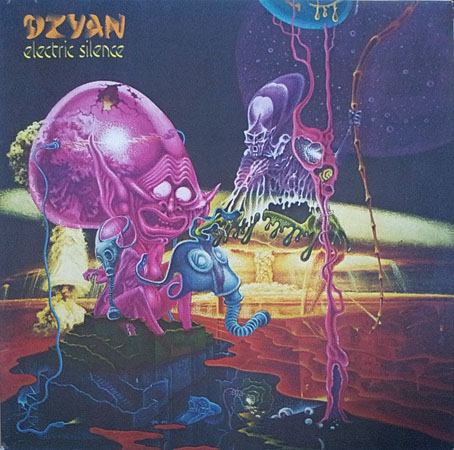
Electric Silence (1974) by Dzyan.
The covers below aren’t the best quality but better copies have proved hard to find. For those who’d like to see more Wenske art there’s at least one German catalogue that collects his work from the early 70s on.
• Related reading: View From Another Shore: An Interview with Franz Rottensteiner.
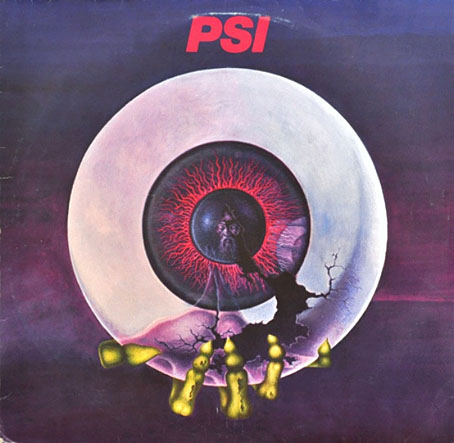
Horizonte (1977) by PSI.
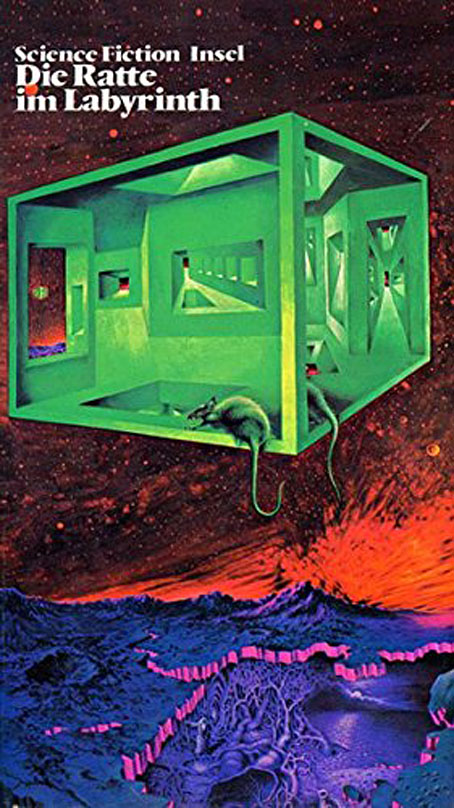
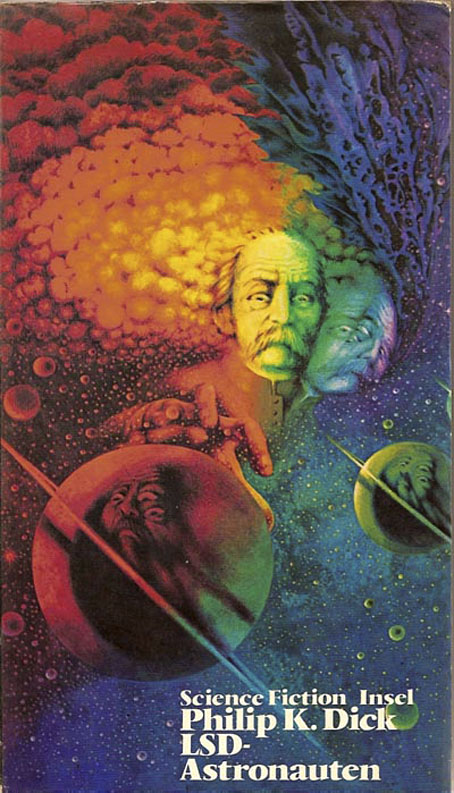
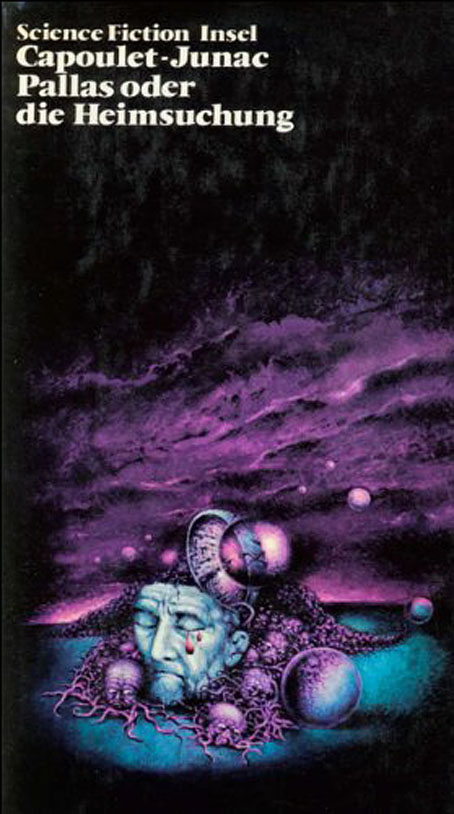
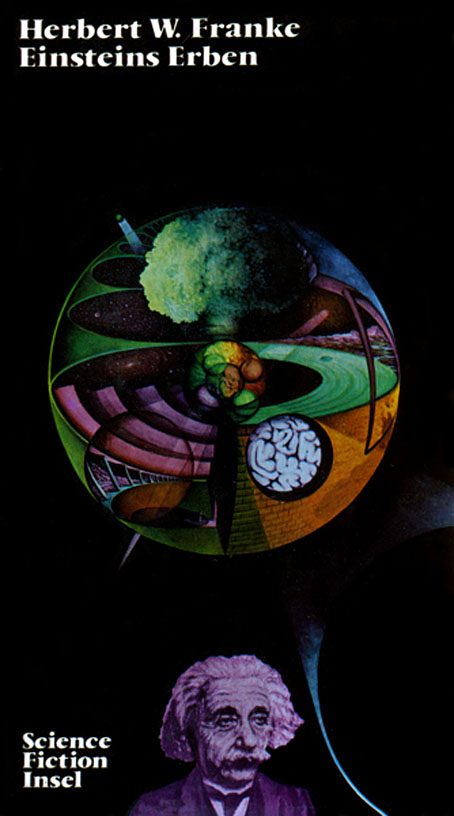
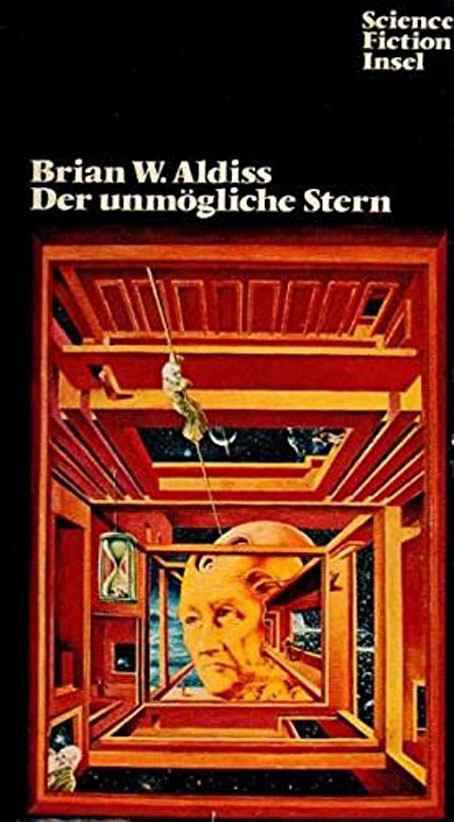
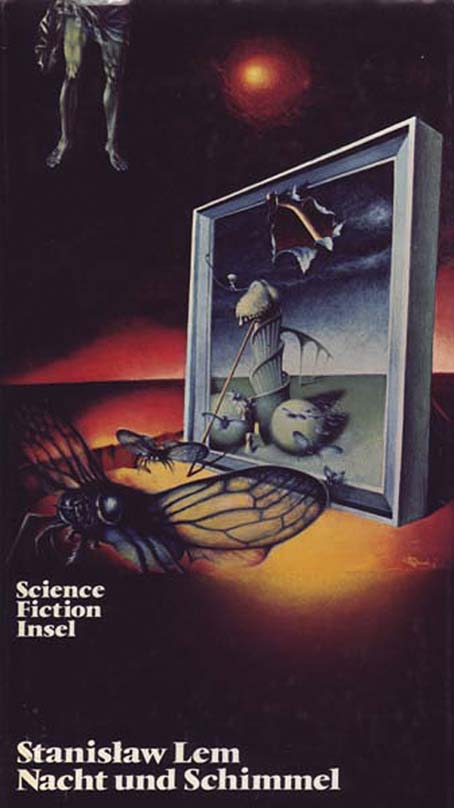
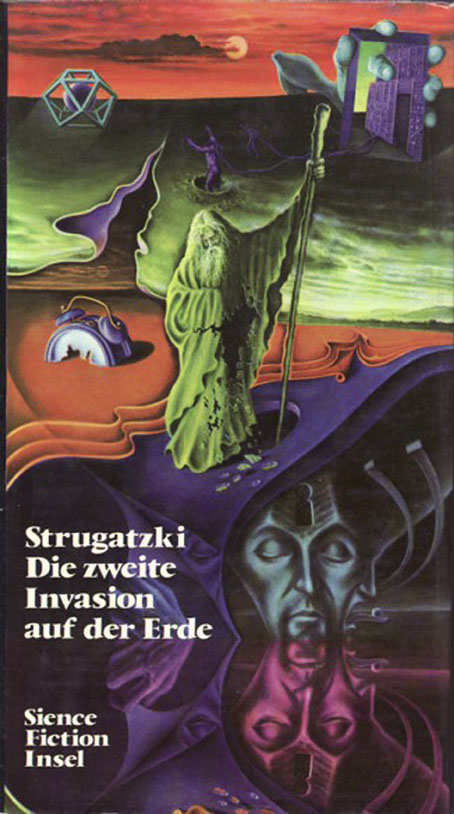
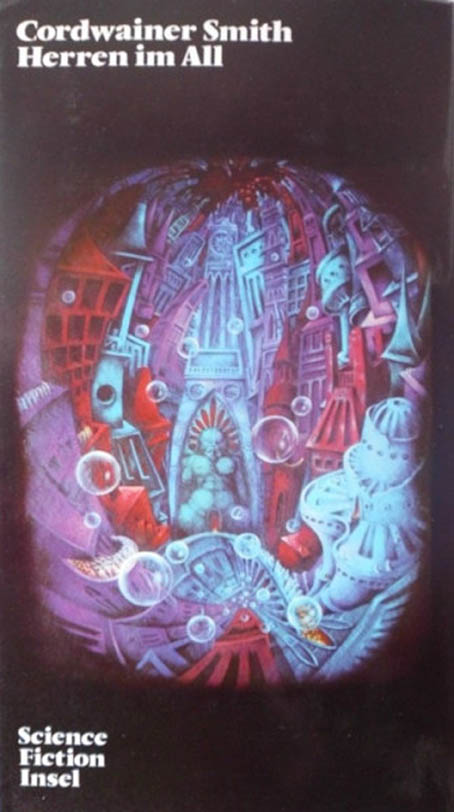
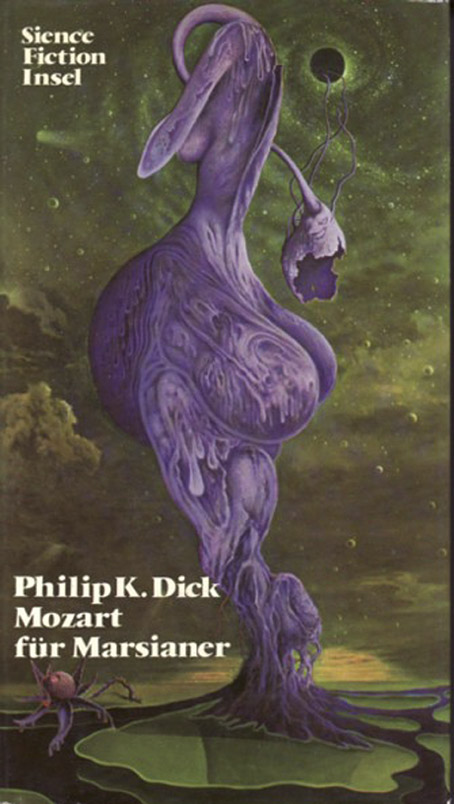
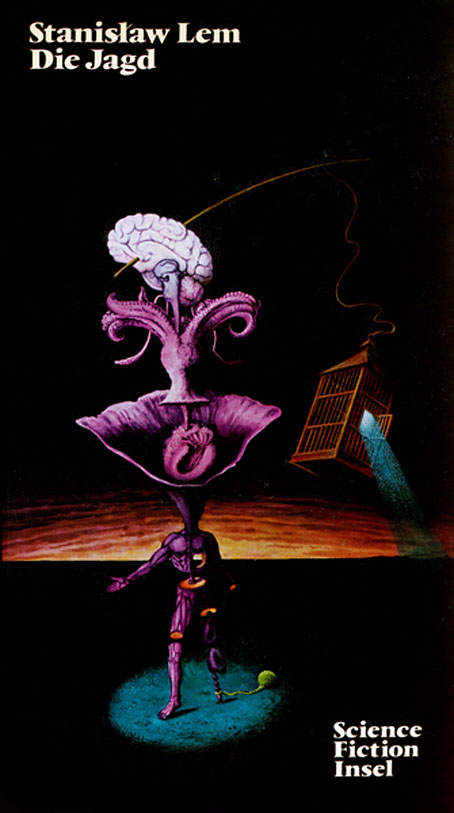
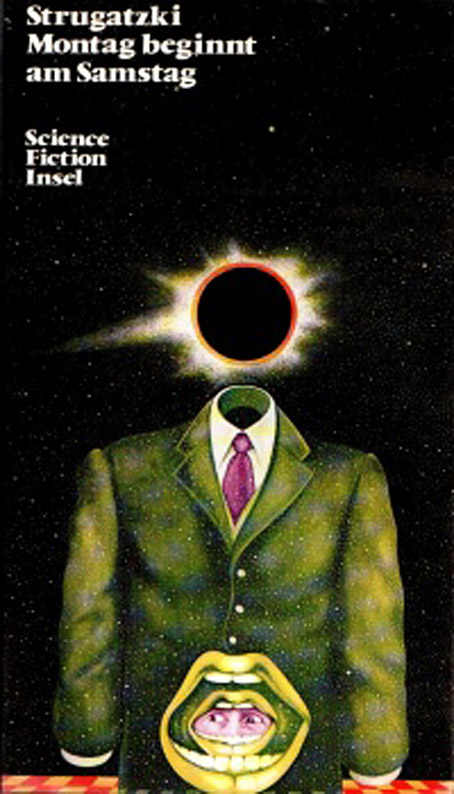
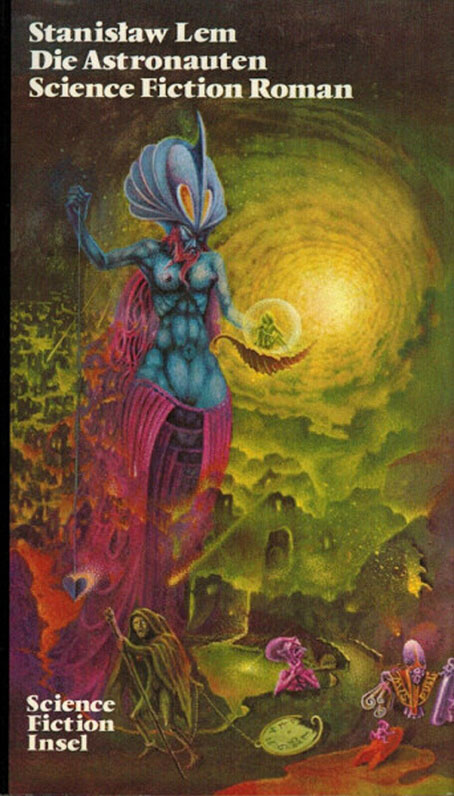
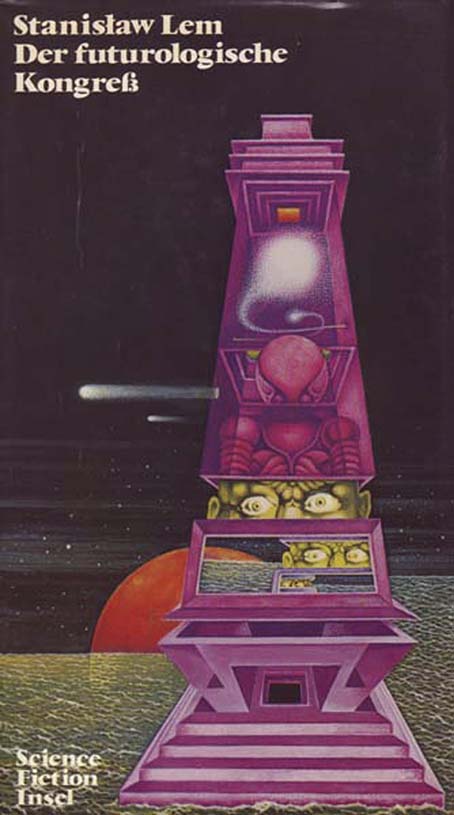
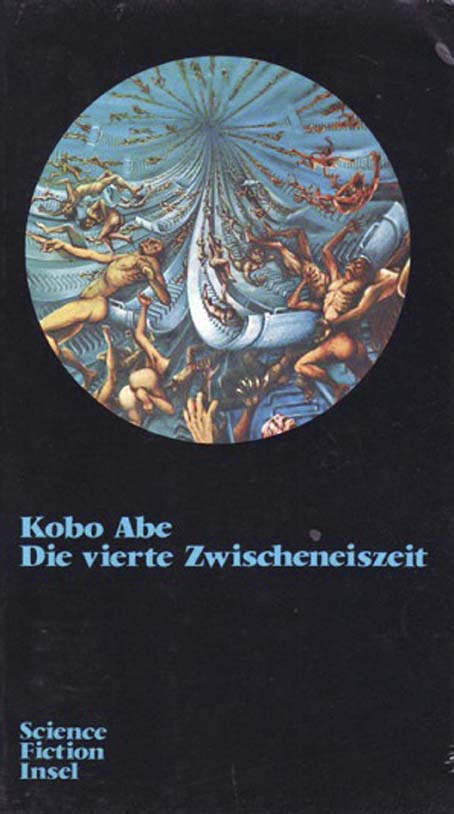
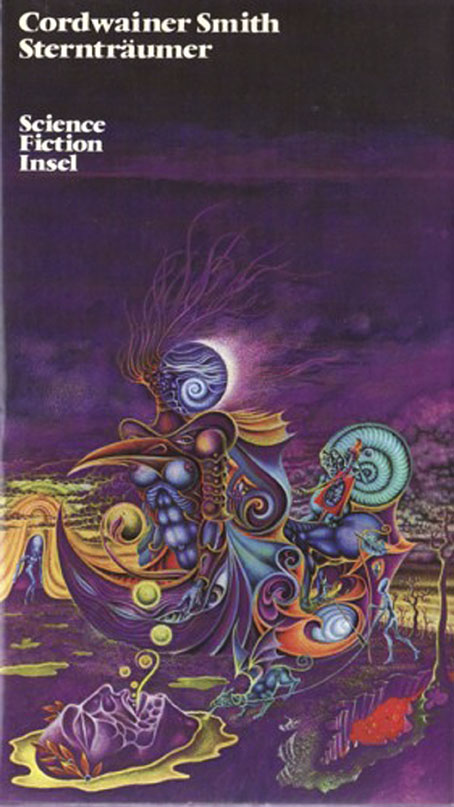
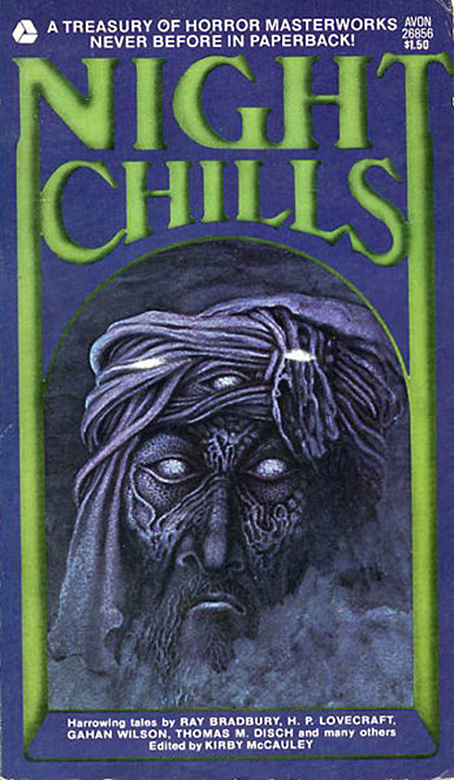
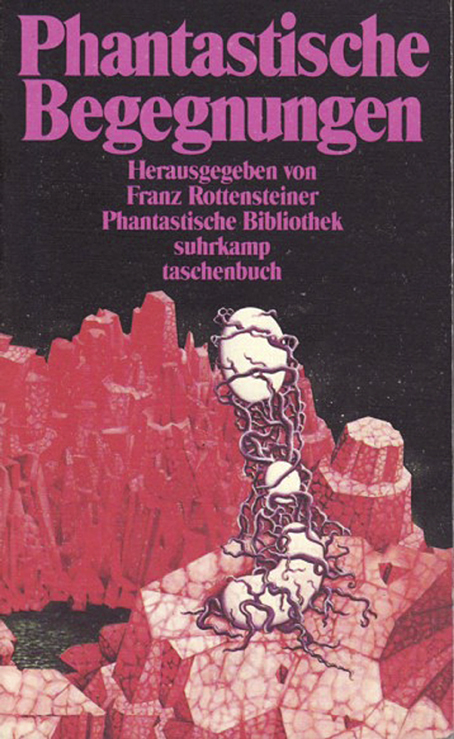
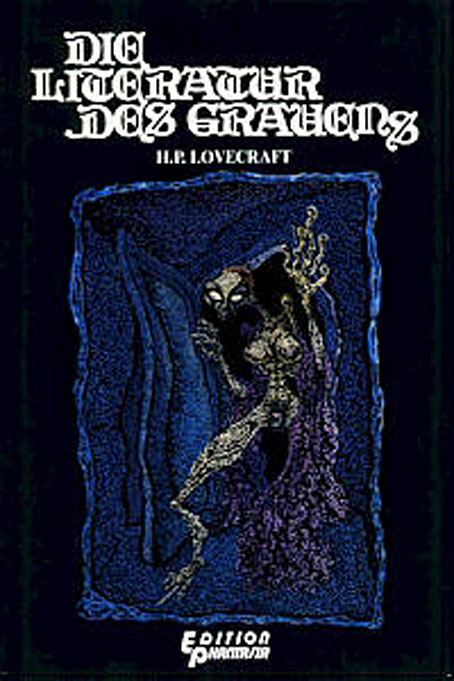
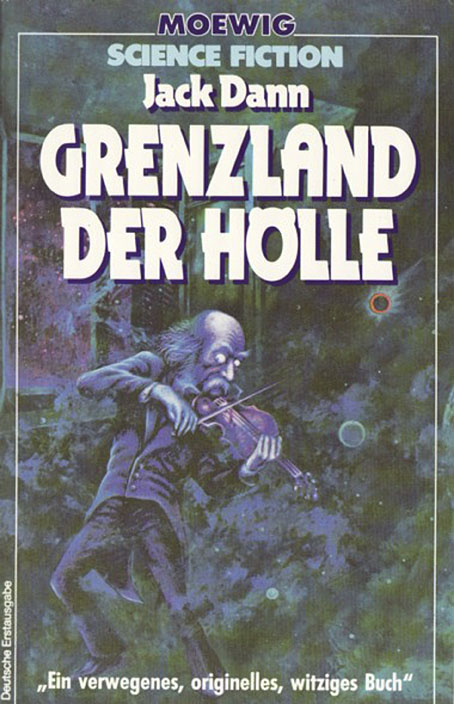
Publishers often reuse artwork for wholly inexplicable reasons. This was a portrait of Lovecraft’s Erich Zann done originally for a magazine (also a poster) which has been co-opted for a science-fiction novel.
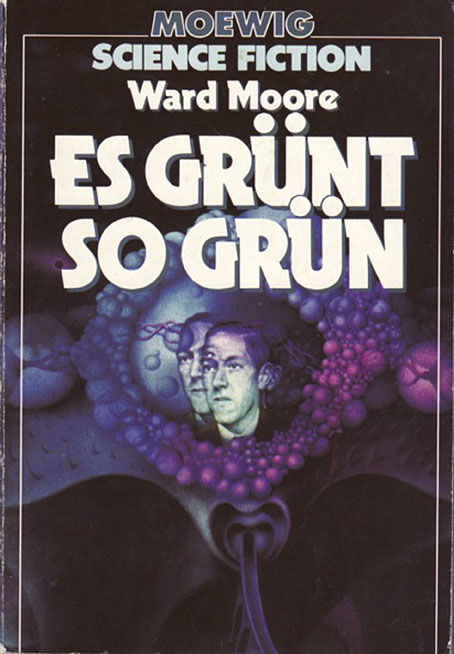
Another transplanted piece: HP Lovecraft appears on an edition of Greener Than You Think.
Elsewhere on { feuilleton }
• The book covers archive
• The illustrators archive
Previously on { feuilleton }
• Demons by rail-light: Stefan Grabiński’s weird fiction
• Bibliothek des Hauses Usher
• An unseasonable bloom
The Dali influence is undeniable (an outright pastiche in one example), but I’m seeing some Ernst Fuchs in there as well. The artist was no doubt well aware of Magical Realism.
Yes, Fuchs is an inevitable influence among German/Austrian artists of Wenske’s generation. There’s also a borrowing from MC Escher in the Brian Aldiss cover.
Works by Wenske were for sale at the Beyond This Horizon Festival put on by Ceolfrith Arts in Sunderland in 1973. They had a stall at TyneCon in Newcastle that year and I bought a Wenske poster from them which is exactly the same as Horizonte (1977) except it had no lettering on it.
HPL posters ad in NYCTALOPS #11/12
while his cover for the last #19
>https://fanlore.org/wiki/Nyctalops
John: After looking on eBay there seem to have been a few Wenske posters, including one of the Erich Zann painting. The same painting is one of those reproduced in Rottensteiner’s book.
Joe: Thanks for the link! Would be nice if someone could scan all those issues and put them on the Internet Archive. A few early copies of Carl Ford’s Dagon zine have been turning up there recently. I’m hoping to see a complete run of those as well.
Wow, this seems like the secret ingredient in Robert Beatty’s secret sauce. Gorgeous, strange work. Thanks for this!
There is talk of a print omnibus of NYCTALOPS and despite having about 5 numbers I’d sign up for THAT…
The same publisher will be announcing it’s first artbook this week, a collection of work by my favorite Necronomicon Press illuminator Robert H. Knox
>https://www.facebook.com/people/Chiroptera-Press/100070952411167/
Lastly: Wenske was on MY list of artists we should have invited to exhibit at Ars Necronomica when I was involved with NecronomiCon Providence
THEE Absolute Best Experience in the duration of my curation having this blog’s host being our Artist GoH one year
You’re too kind… That did feel like an extra special event, however, especially in that location. I mention this in the afterword I’ve been writing for the reworked Lovecraft book.