Julius Klinger’s Sodom

klinger1.jpg

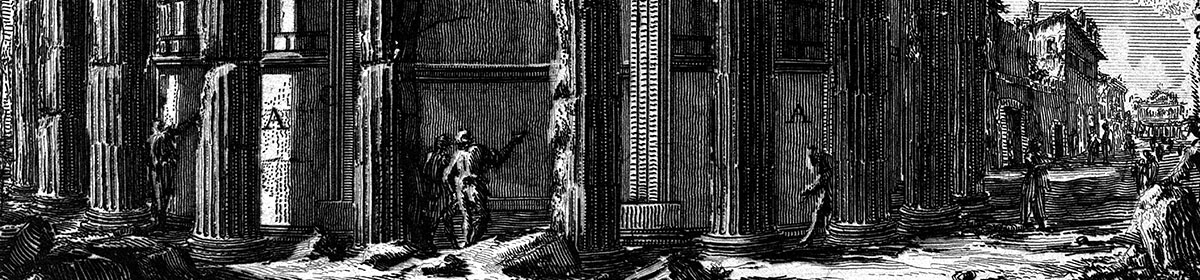
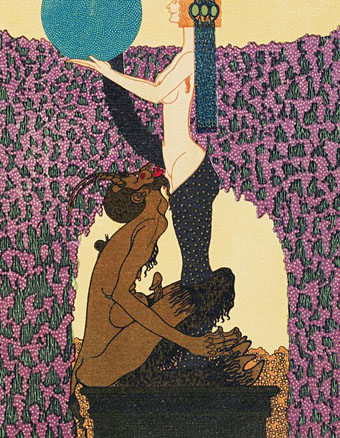
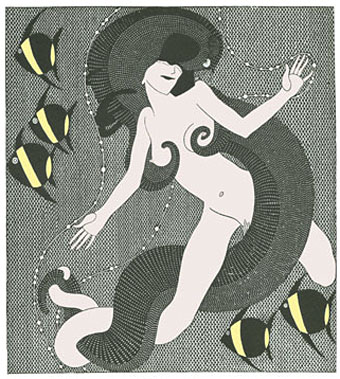
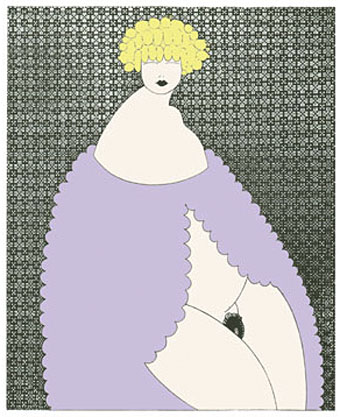
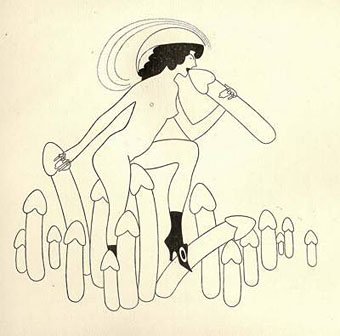
The more I look at the work of Austrian artist Julius Klinger (1876–1942), the more I like what I see. This Pinterest sample shows his versatility, equally at home with detailed illustration, often with a Beardsley-like quality, as he was with more Modernist design. Sodom (1689) (aka The Farce of Sodom, or The Quintessence of Debauchery) is the notorious Restoration drama attributed to John Wilmot, the second Earl of Rochester, which is here illustrated by Klinger for an edition privately published in Leipzig in 1909. The play is one of the most flagrantly outrageous works in the English language, with a cast of characters that includes Bolloxinion, the King of Sodom, Cuntigratia, his Queen, and so on; you can see parts of it performed in The Libertine (2004) with Johnny Depp playing Rochester, and taking the role of Bolloxinion.

Klinger produced 16 illustrations in all. His picture of Salomé gets linked to this series on a number of websites but I’ve seen other sites that list it as a separate piece. Since Salomé isn’t mentioned anywhere in Sodom I’d also be inclined to keep them separate.

klinger2.jpg

klinger3.jpg

klinger4.jpg

Elsewhere on { feuilleton }
The illustrators archive

Previously on { feuilleton }
Deutsche Kunst und Dekoration #21
Julius Klinger’s Salomé

Weekend links 155

austin.jpg

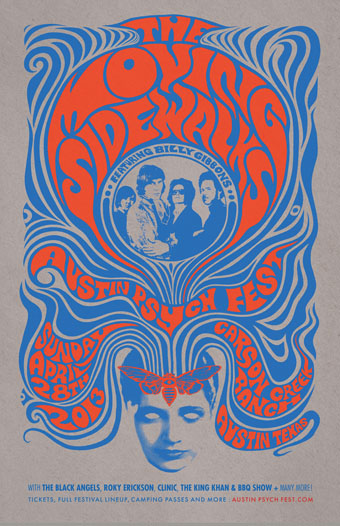
Poster design by Mishka Westell for this month’s Austin Psych Fest. Billy Gibbons’ pre-ZZ Top psychedelic outfit, The Moving Sidewalks, surprised everyone by reforming for a New York gig last month, their first performance together in 44 years.

• Pye Corner Audio played the Boiler Room, London, last week, and remixed a track from FC Judd’s Electronics Without Tears. Also on the latter is Chris Carter who talks about his own remix (and the “Radiophonic” Mr Judd) here.

Tom Bianchi’s Fire Island Pines, Polaroids of New York’s gay enclave from 1975–1983. Related: In Conversation with the Violet Quill: Andrew Holleran, Felice Picano, and Edmund White.

• From 2011: Sex, prison and lost ligatures: The story of Herb Lubalin’s Avant Garde typeface. Related: The ITC Avant Garde Gothic group at Flickr.

• Music reissues: Tape Works 1981–1982 by Laughing Hands is out now, and Scott Walker’s early solo albums will be reissued in the summer.

fraser.jpg

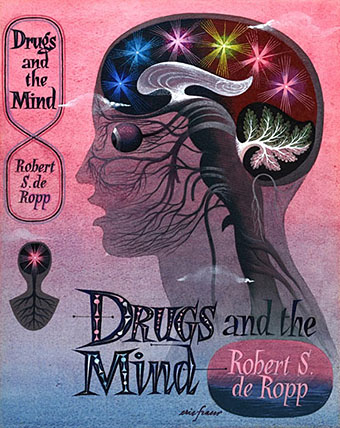
Drugs and the Mind (ii), a cover design from 1957 by Eric Fraser (1902–1983) whose illustrations and designs are in exhibition at the Chris Beetles gallery, London.

• At Ubuweb: William S. Burroughs + Brion Gysin + Genesis P-Orridge – Cold Spring Tape (1989).

The World According to John Coltrane, an hour-long documentary.

Neko Font: for when you need a word made of cats.

Fuck yeah, Sarah Bernhardt

Sordid Spheres!

99th Floor (1967) by The Moving Sidewalks | Over Fire Island (1975) by Brian Eno | Ledge (1980) by Laughing Hands

Weekend links 154

poizat.jpg

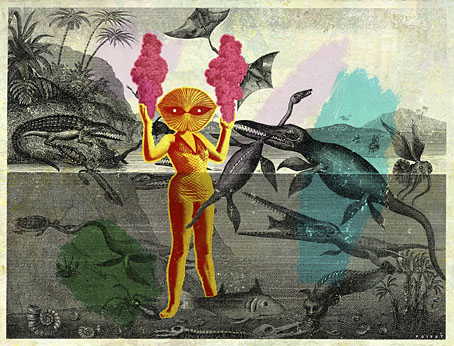
Collage by Chloé Poizat.

Xenis Emputae Travelling Band plays the Music of John Dee, and free at Bandcamp: Victorian Machine Music by Plinth, the “creaking, winding, piping, chiming and wood-knocking of Victorian parlour music machines”.

Jeremy Willard on Mikhail Kuzmin, “the Oscar Wilde of Russia”. Related: Conner Habib on the Disinfo podcast discussing pornography, sexuality, and whether sex be a revolutionary act.

Ed Vulliamy paid a visit to Hawkwind’s Hawkeaster festival. The Hawks’ Warrior On The Edge Of Time album is released in a remastered edition next month.

• Blasts from the past: Mahavishnu Orchestra, live in France, August 23rd, 1972, and Ashra (Manuel Göttsching & Lutz Ulbrich) in Barcelona, 1981.

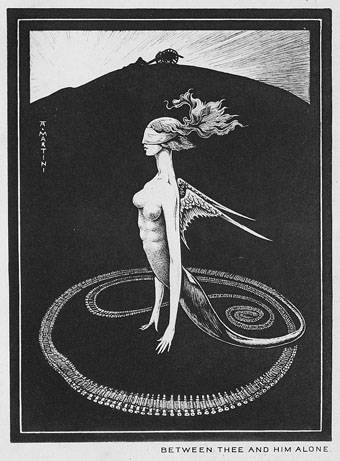
martini.jpg

An illustration by Alberto Martini for Raw Edges (1908) by Perceval Landon.

NASA’s cover designs for Space Program manuals, guidebooks, press kits, reports and brochures.

PingMag—”Art, Design, Life – from Japan”—makes a welcome return as an active blog.

Suzanne Treister‘s Hexen 2.0 Tarot designs.

Listening to records that no longer exist

The architectural origins of the chess set

The Bohemian Realm of Absinthiana

Les sources d’une île: a Tumblr

Hammer Without A Master (1998) by Broadcast | Test Area (1999) by Broadcast | Make My Sleep His Song (2009) by Broadcast & The Focus Group

René Bull’s Rubáiyát

bull00.jpg

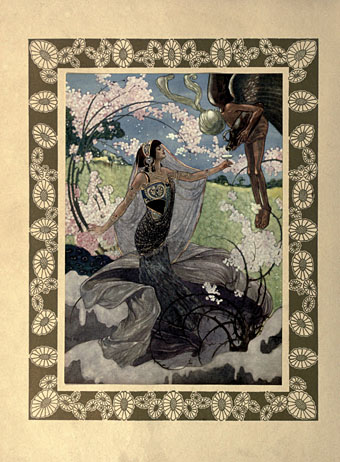
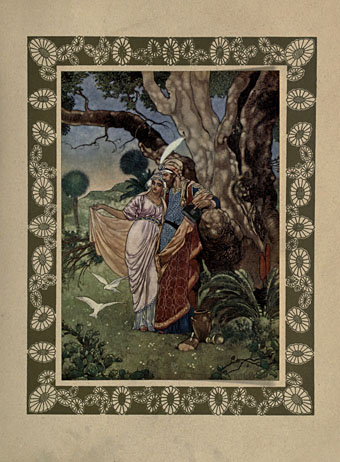
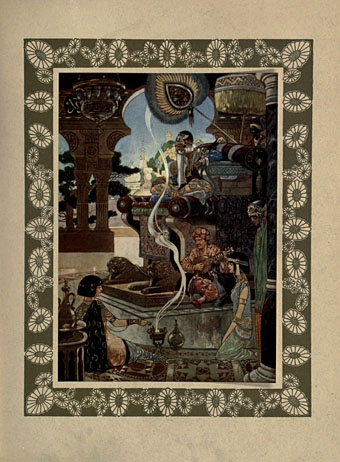
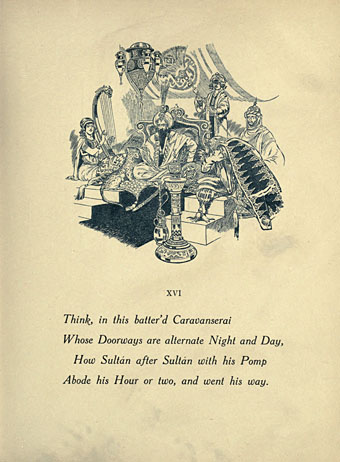
One of the more obscure artists from the Golden Age of the illustrated book, finding this volume by René Bull (1872–1942) makes up for my earlier dismissal of his Arabian Nights where the illustrations tend towards the comical. This volume dates from 1913, and shows Bull to be a fine exponent of Edwardian Orientalism. Browse the rest of it here or download it here.

bull01.jpg

bull02.jpg

bull03.jpg

bull04.jpg

Continue reading “René Bull’s Rubáiyát”

Tarotism and Fergus Hall

gille.jpg

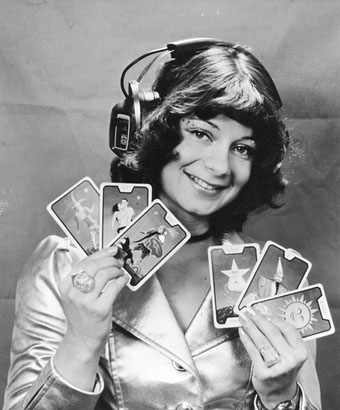
Gille Lettmann pictured in 1973 flourishing some of Fergus Hall’s Tarot cards. At the time Ms Lettmann was helping run partner Rolf-Ulrich Kaiser’s Kosmische Musik, Pilz and Ohr record labels, and thus oversaw the release of many fine albums—and a few dubious ones—before Kaiser’s empire imploded amid much bad feeling. It’s a fascinating saga, detailed at length here. Gille’s photo stood out for me in a week when I’ve been working on some new Tarot designs (about which more later) whilst listening to the latest Deutsche Elektronische Musik compilation from Soul Jazz Records which includes among its tracks a couple of Kosmische and Pilz recordings. Gille’s Tarot cards will have been a result of Kaiser’s most ambitious project, a double-disc concept album entitled Tarot (1973), and credited to Swiss artist Walter Wegmüller whose narration is backed by Ash Ra Tempel and members of Wallenstein. The album came in a lavish metallic silver box with a sheet of cut-out-and-keep Tarot trumps of Wegmüller’s own design, not the Fergus Hall cards Gille is holding. Wegmüller’s Major Arcana was expanded into a deck he calls the Gipsy Tarot. (I have the later CD box which included a complete deck of the Tarot cards.)
hall1.jpg

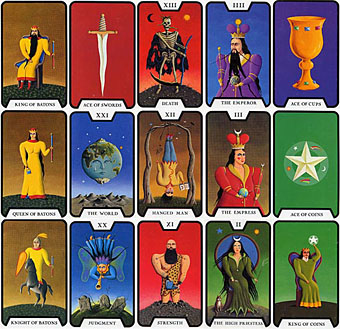
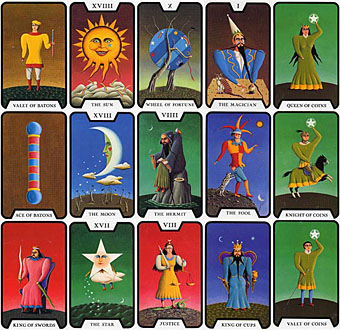
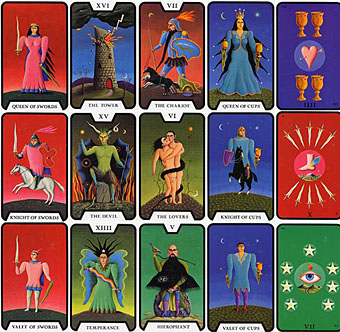
The Tarot of the Witches by Fergus Hall.

All of which gives me the opportunity to draw attention to Fergus Hall, an idiosyncratic Scottish artist who achieved worldwide prominence in 1973 when his Tarot designs were used on the cards seen in the James Bond film Live and Let Die. A complete deck called The Tarot of the Witches was later published as a spin-off from the film. I like his naive painting style which seemed a surprising choice for a blustering Bond movie; the production people could easily have used the Waite deck or something which suited the film’s vague Voodoo theme.
hall2.jpg

hall3.jpg

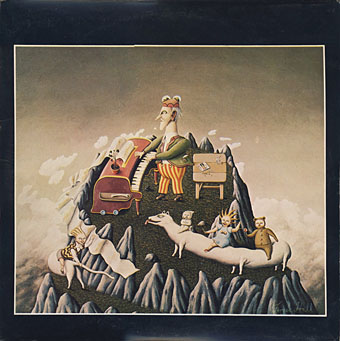
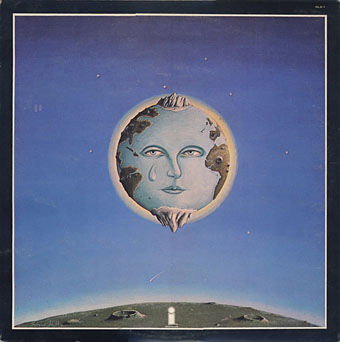
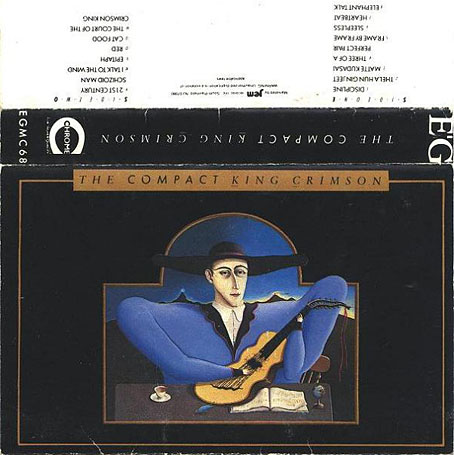
Robert Fripp liked Fergus Hall’s paintings enough to buy some of them. Two of these can be seen on the sleeve of the vinyl-only compilation A Young Person’s Guide to King Crimson (1975), while a third appeared a decade later on a King Crimson tape compilation. Despite this attention the artist’s only other major work is a book for children, Groundsel (1982), which features many more of his strange paintings. The compilations and the children’s book are all long out of print but decks of the Tarot of the Witches are still being published. As for Hall himself, his Wikipedia page says he’s now a Buddhist monk.
kc1.jpg

A Young Person’s Guide to King Crimson (front).
kc2.jpg

A Young Person’s Guide to King Crimson (back).
kc3.jpg

The Compact King Crimson (1986).

Elsewhere on { feuilleton }
The album covers archive

Previously on { feuilleton }
Giger’s Tarot
The Major Arcana by Jak Flash
The art of Pamela Colman Smith, 1878–1951
The Major Arcana