The Art of the Occult

occult1.jpg

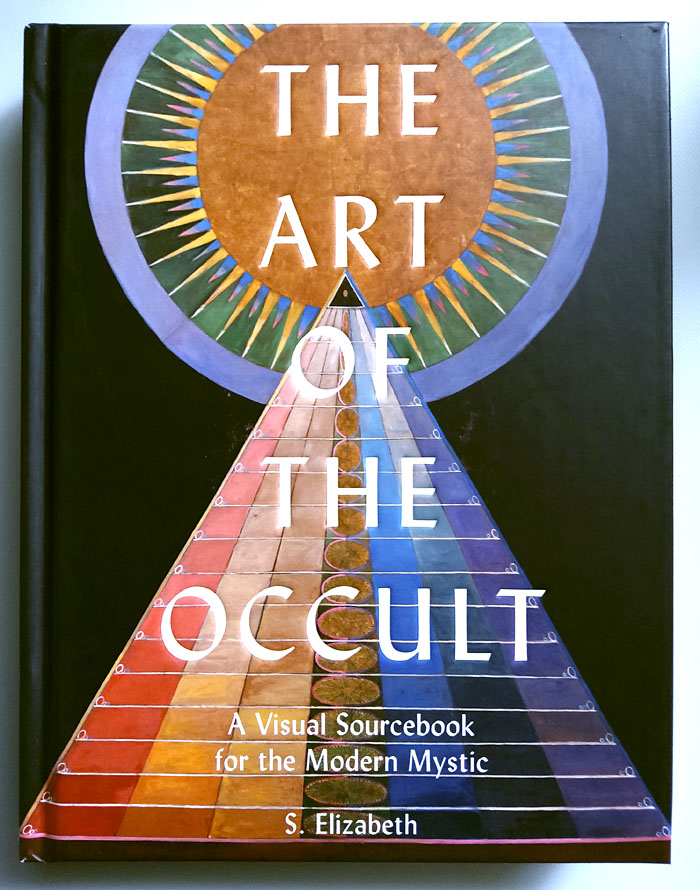
Cover art: Group X, No. 1, Altarpiece (1915) by Hilma af Klint. Design by Paileen Currie.

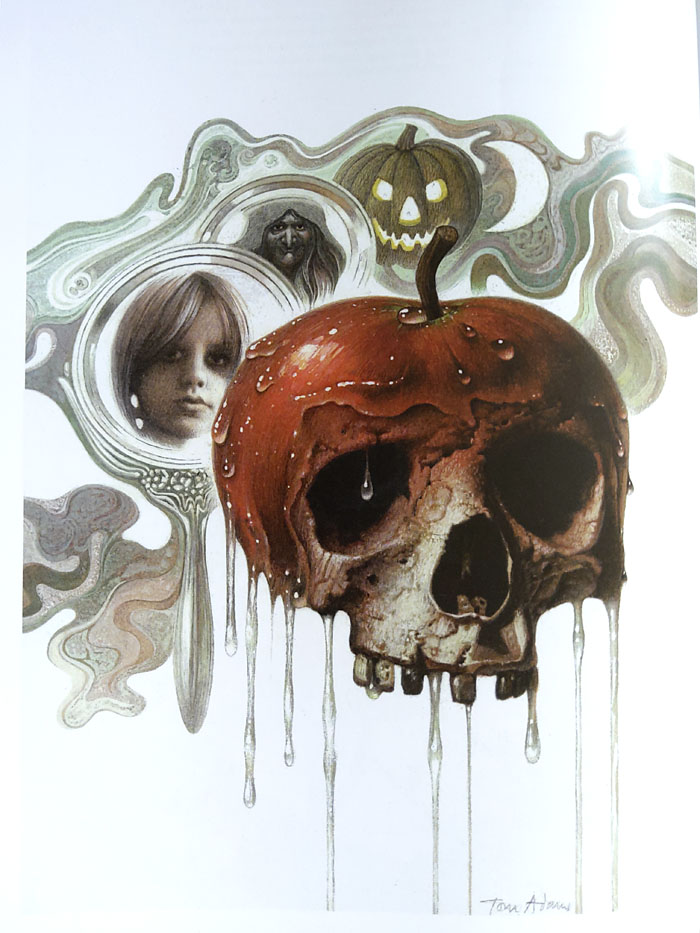
A surprise arrival in today’s post, the occult art compendium by S. Elizabeth which I would have wanted to read even if it didn’t contain one of my pictures:

From theosophy and kabbalah, to the zodiac and alchemy; spiritualism and ceremonial magic, to the elements and sacred geometry – The Art of the Occult introduces major occult themes and showcases the artists who have been influenced and led by them. Discover the symbolic and mythical images of the Pre-Raphaelites; the automatic drawing of Hilma af Klint and Madge Gill; Leonora Carrington’s surrealist interpretation of myth, alchemy and kabbalah; and much more.

Most of the books I’ve seen on this subject have either been very general and in need of an update (Thames and Hudson’s venerable Magic: The Western Tradition) or exhibition catalogues which are never comprehensive and become increasingly hard to find since they don’t get reprinted. The Art of the Occult is an ideal introduction to the subject for the curious reader, as well as being a useful overview for the aficionado (or initiate) which spans several hundred years of art and illustration, from the earliest occult manuscripts to contemporary works. Occult art is a house with many mansions, a form which can encompass photo-realism, Symbolism, Surrealism or total abstraction without the definition breaking down. The Art of the Occult contains a satisfyingly wide range of examples, 200 in all, and includes many artists whose work I hadn’t seen before. It also reinforces the origin of abstract art in occult concerns, a lineage that went unmentioned for many years by critics who couldn’t accept that their beloved “pure” idiom was tainted by mysticism.
occult2.jpg

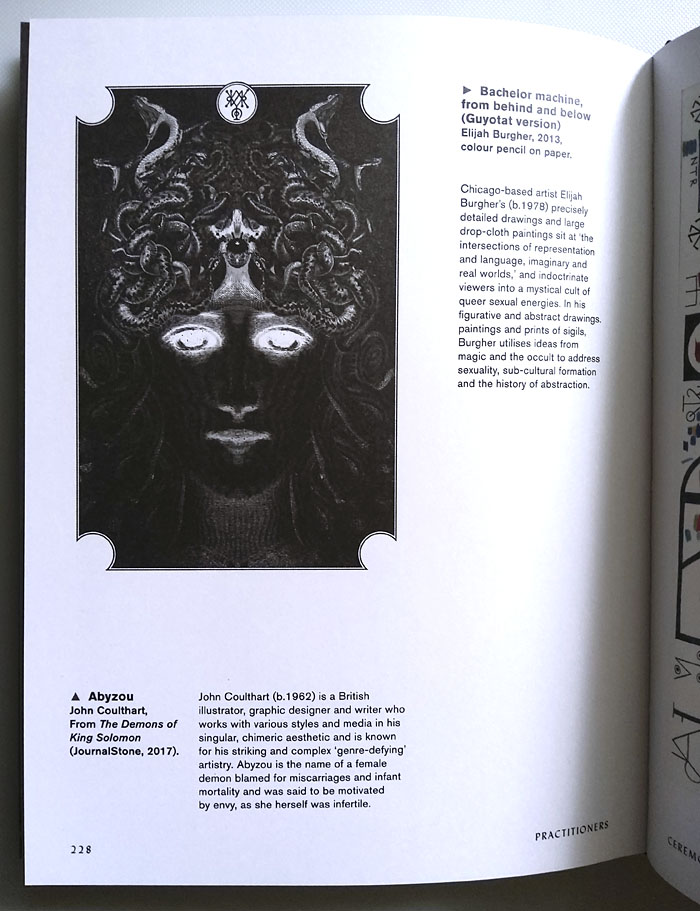
My piece is a portrait of the serpent-haired Abyzou, one of the Solomonic demons I depicted for The Demons of King Solomon in 2017. The picture was one of the better representations in a series I would have preferred to have more time to work on. I was pleased to see my contribution facing one of Elijah Burgher’s sigil drawings; I like Burgher’s art so he makes a good companion. This is the first and maybe the only book where my name is listed in an index between Pamela Colman Smith and Aleister Crowley.

The Art of the Occult will be published by White Lion Publishing on 13th of October, just in time for the annual spook-fest.

Update: Haute Macabre has a new post by S. Elizabeth showing more pages from the book’s interior plus the opportunity to win a copy.

Previously on { feuilleton }
Calendrier Magique
The Demons of King Solomon
Typefaces of the occult revival
The art of Frieda Harris, 1877–1962
The art of Fay Pomerance, 1912–2001
Songs for the Witch Woman
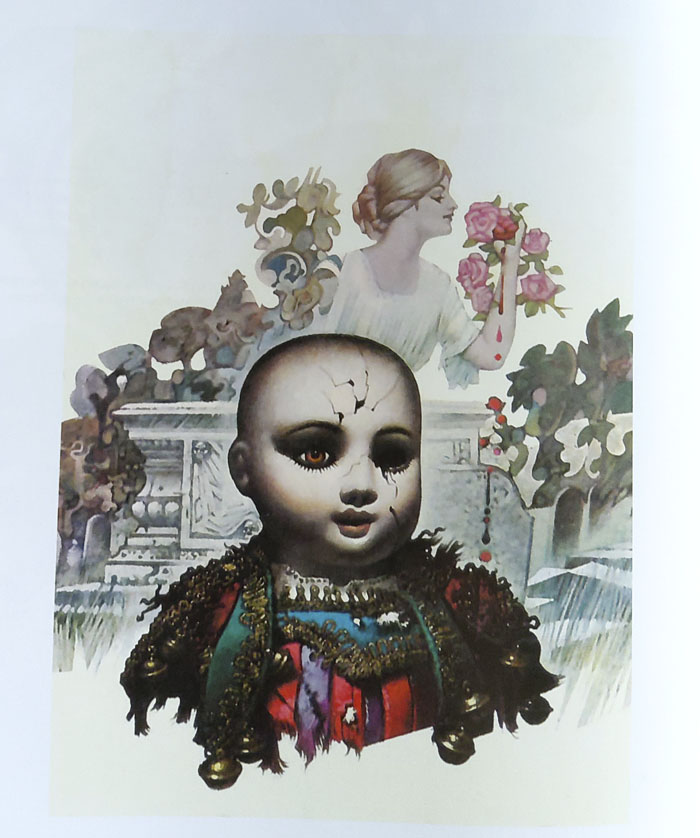
Wilfried Sätty: Artist of the occult
The art of Scott Treleaven
Weekend links 536

peake.jpg

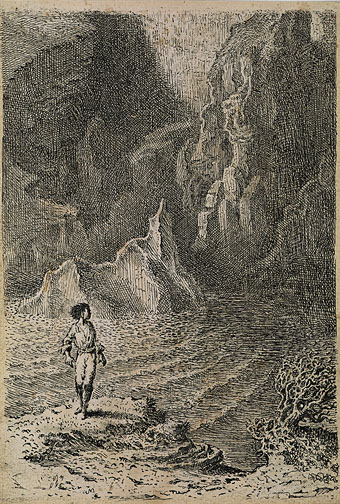
Jim Hawkins in Treasure Island. An illustration by Mervyn Peake, 1949.

• “Since it was 1967 when I became a teenager, I suspected that the Now would stir together rock ’n’ roll bands and mod girls and cigarettes and bearded poets and sunglasses and Italian movie stars and pointy shoes and spies.” Luc Sante on hs youthful search for The Now.

• “…in response to listener requests to play ‘more music like This Heat’, [John] Peel responded that he couldn’t because ‘nobody else sounds like them’.” Alexis Petridis on the mighty This Heat, the band who tried to change everything.

• “While I hesitate to deploy the overused and near-devalued word shamanic here, it does smell right. Or rite.” Ian Penman on the polychromatic delirium of Parliament and Funkadelic in 1970.

Anyway, we knew this new culture was there, we knew this phenomenon was occurring, centered in the Haight-Ashbury, so after this event, we dramaturges sat together and tried to think it out. What is this, in terms of breaking down the fourth wall? How is this a historical follow-through for Antonin Artaud on one hand and Bertrolt Brecht on the other? How did these two come together in this? What do you call this, when you provoke riots and use the audience as members of the cast? When you can stage events that brings the audience on the stage—but there is no formal stage? But it’s a theatricalized event…? It’s all new. So I called it ‘guerrilla theater.’ And Ronnie heard that phrase, and wrote an essay about doing Left provocative theater. That wasn’t what I saw. I saw it as being deeper than that. And I began writing plays that now were for sure plays except that a lot of the dialogue was spontaneously derived from the performers—we had some really great performers at the Mime Troupe at the time, I’d say there were at least a dozen good performers, and a couple who were really brilliant. Anyways, put these people together, I gave them a context, and we began improvising dialogue.

Peter Berg of the San Francisco Diggers talking to Jay Babcock for the sixth installment of Jay’s verbal history of the hippie anarchists

• “I love improvisation. I still do. For me it’s the way I like to be acting, you see.” RIP Michael Lonsdale, talking in 2015 about Jacques Rivette’s Out 1.

• “Would you find this bookstore beautiful or terrifying? Or both,” asks Jonny Diamond.

Yukino Ohmura uses stationery store stickers to create dazzling nightscapes.

• At Spine: Penguin Books celebrates 85 years with original artworks.

Strange Selectors by Various Artists on Werra Foxma Records.

Daisy Dunn on the gentle genius of Mervyn Peake.

• This Heat: Rimp Ramp Romp (1977) | Repeat (1979) | Makeshift Swahili (1981)

Ron Cobb, 1937–2020

cobb02.jpg

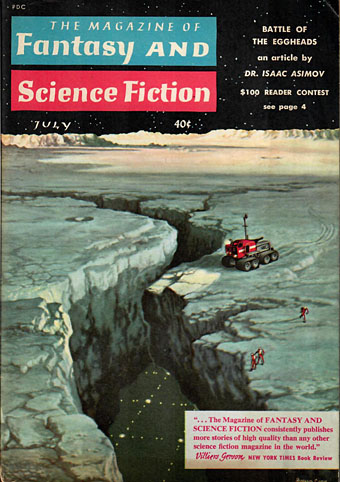
The Magazine of Fantasy and Science Fiction, July 1959.

The death of American illustrator/cartoonist/designer Ron Cobb was announced yesterday. All the obituaries are concentrating on the designs he produced for Hollywood feature films so here’s an alternative view of a long and varied career.

cobb01.jpg

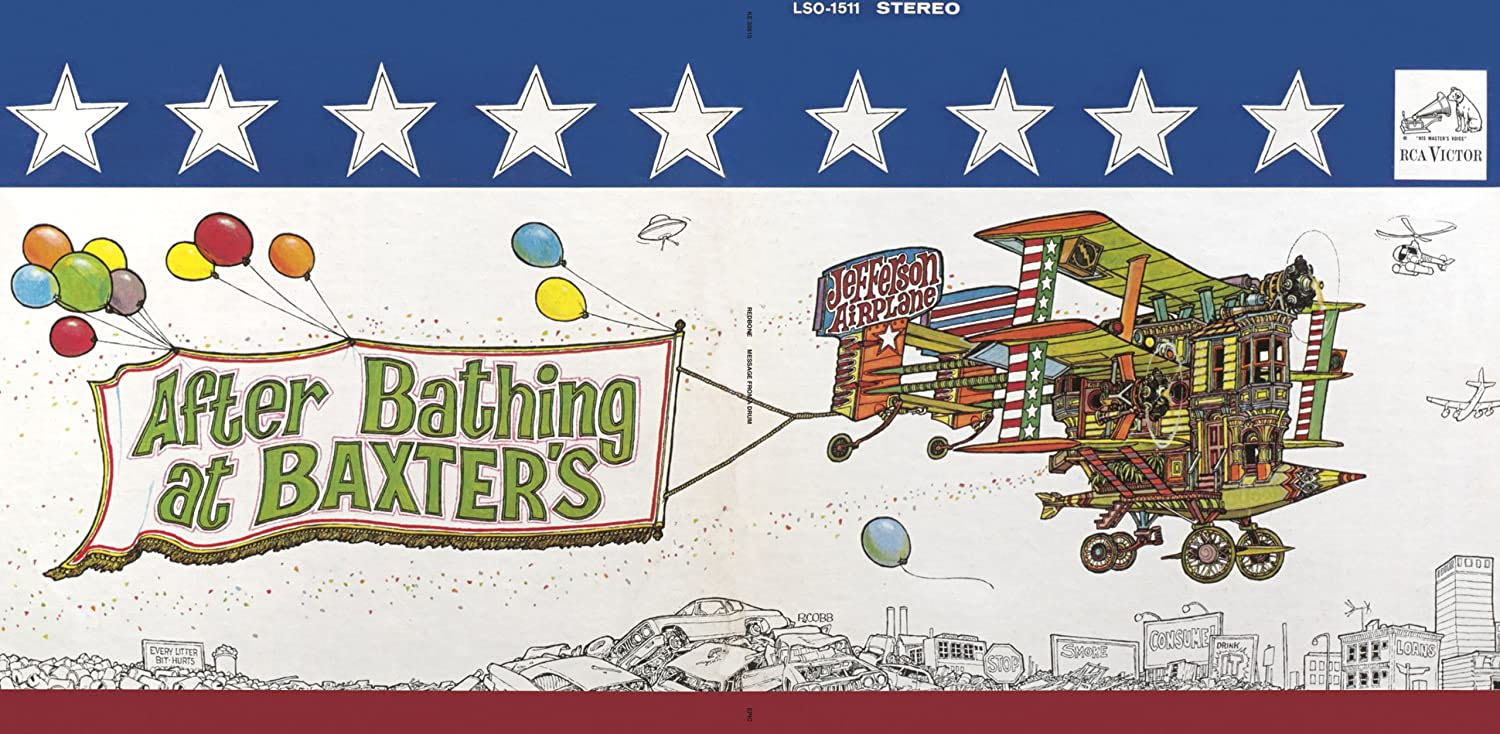
After Bathing At Baxter’s (1967) by Jefferson Airplane.

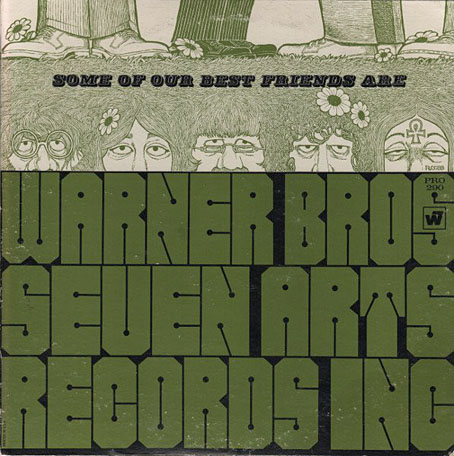
Cobb’s first album cover is his most famous, and probably his most familiar work outside his film designs, but there were a few more, some of which may be seen below. The San-Francisco-house-as-aircraft always reminds me of the car/plane hybrid piloted by Professor Pat Pending in the Wacky Races cartoons.

cobb04.jpg

Some Of Our Best Friends Are (1968) by Various Artists.

cobb10.jpg

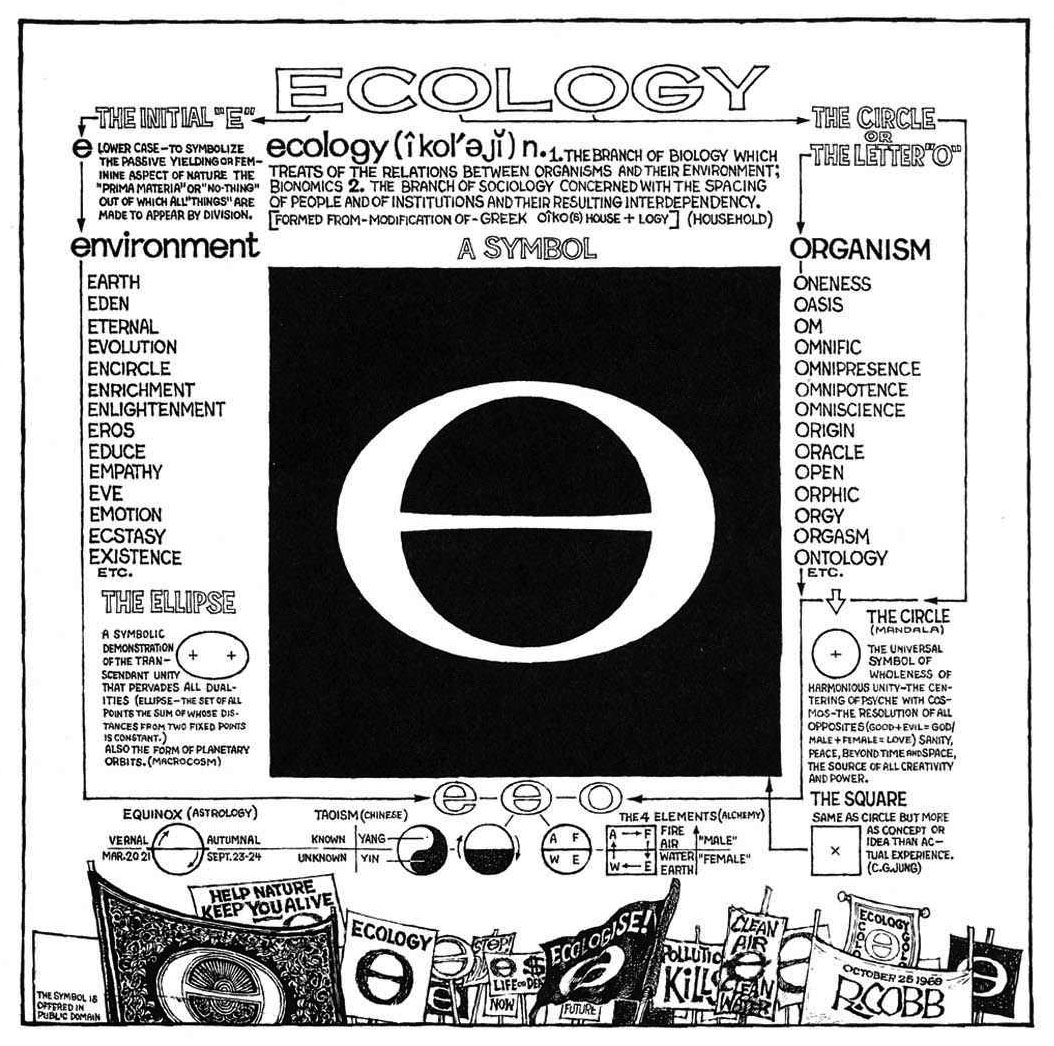
Ecology symbol, October 1969.

Cobb’s copyright-free design for an ecology symbol was published in the Los Angeles Free Press in November, 1969. The “Freep” also ran Cobb’s cartoons, some of which were later collected in The Cobb Book (1975). Satire has a tendency to date very quickly but many of Cobb’s barbs are still relevant today.

cobb07.jpg

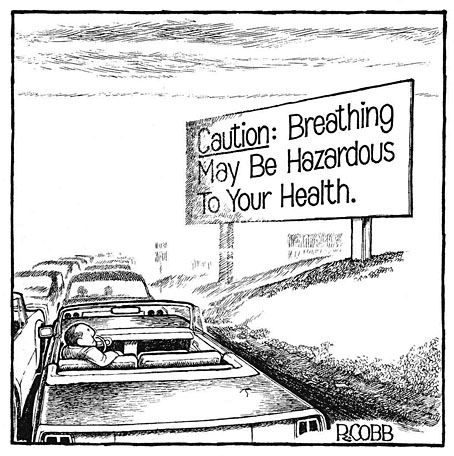
Undated cartoon.

cobb05.jpg

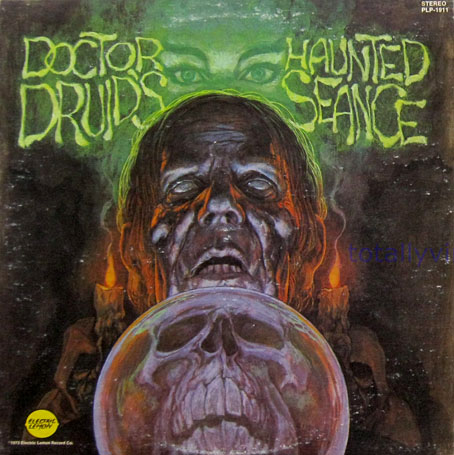
Doctor Druid’s Haunted Seance (1973).

Continue reading “Ron Cobb, 1937–2020”

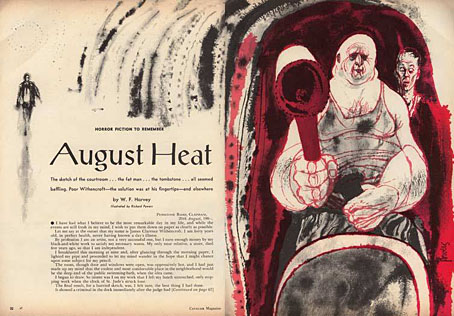
August Heat

powers.jpg

Richard Powers (no date) in Cavalier magazine.

Here in The North we may not be sweltering as much as they are in the infernal South but the temperature today is still reaching 28C. Anything higher than this and work becomes impossible when my brain starts to malfunction.

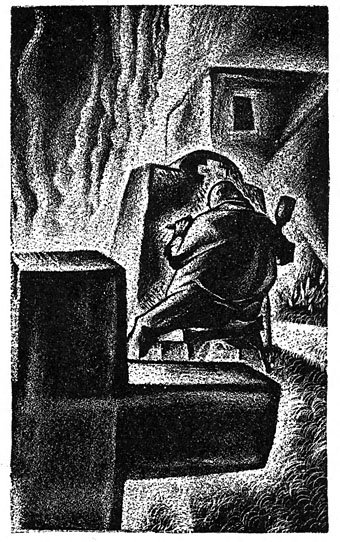
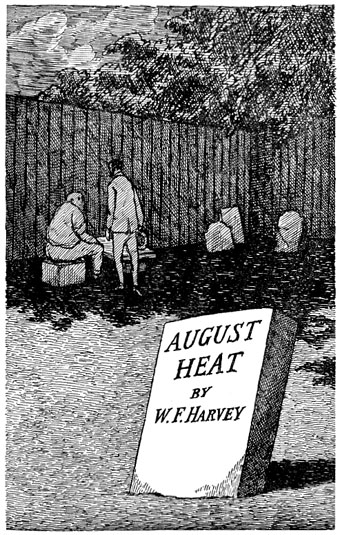
William F. Harvey (1885–1937) wrote two stories that have been anthologised many times: The Beast with Five Fingers is a tale of a disembodied hand; August Heat concerns a fateful encounter at the end of a day like today. Read it here.

ward.jpg

Lynd Ward (1937).

gorey.jpg

Edward Gorey (1959).

coye.jpg

Lee Brown Coye (1976).