Notes from the Underground

hawkwind1.jpg

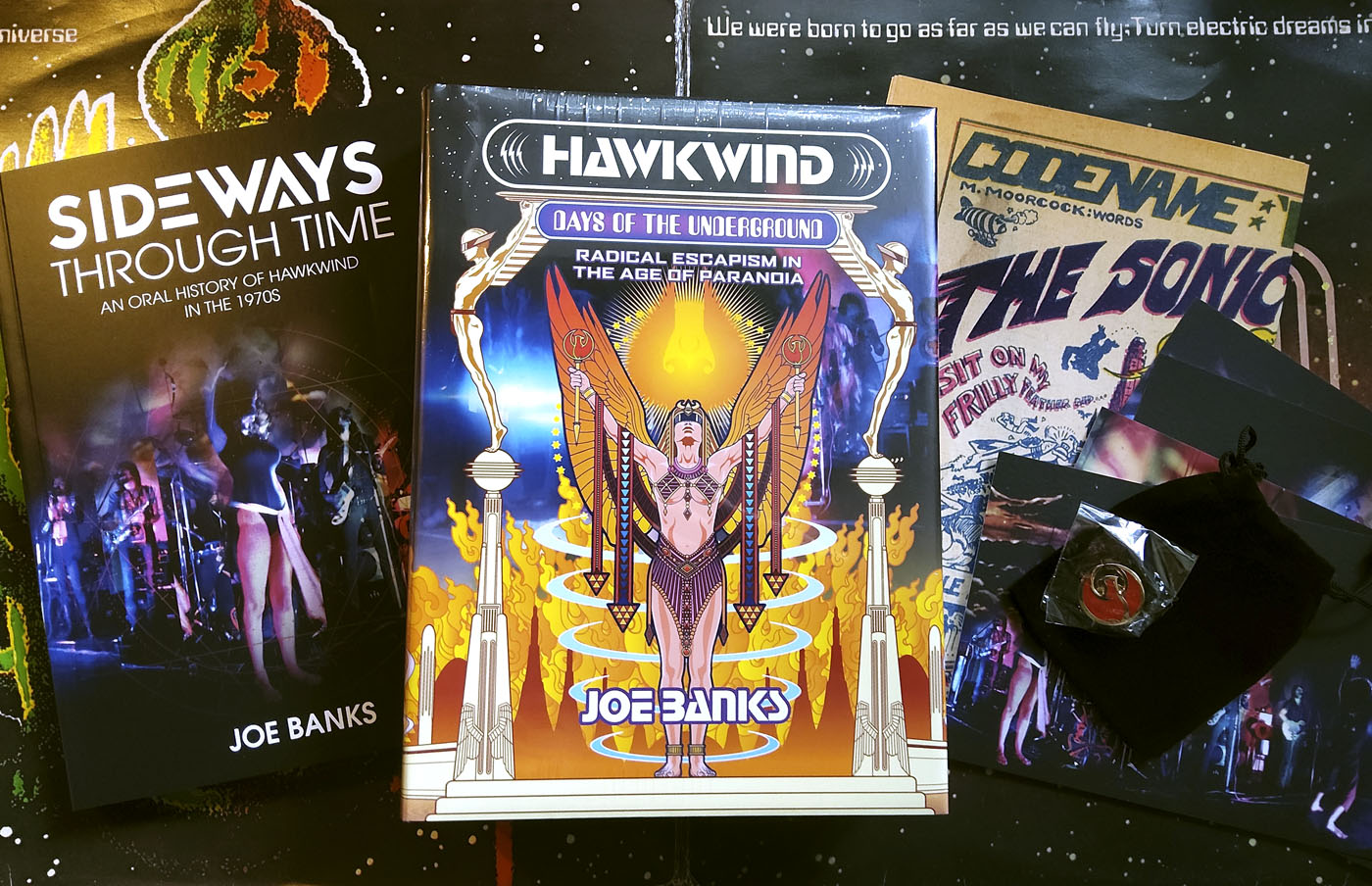
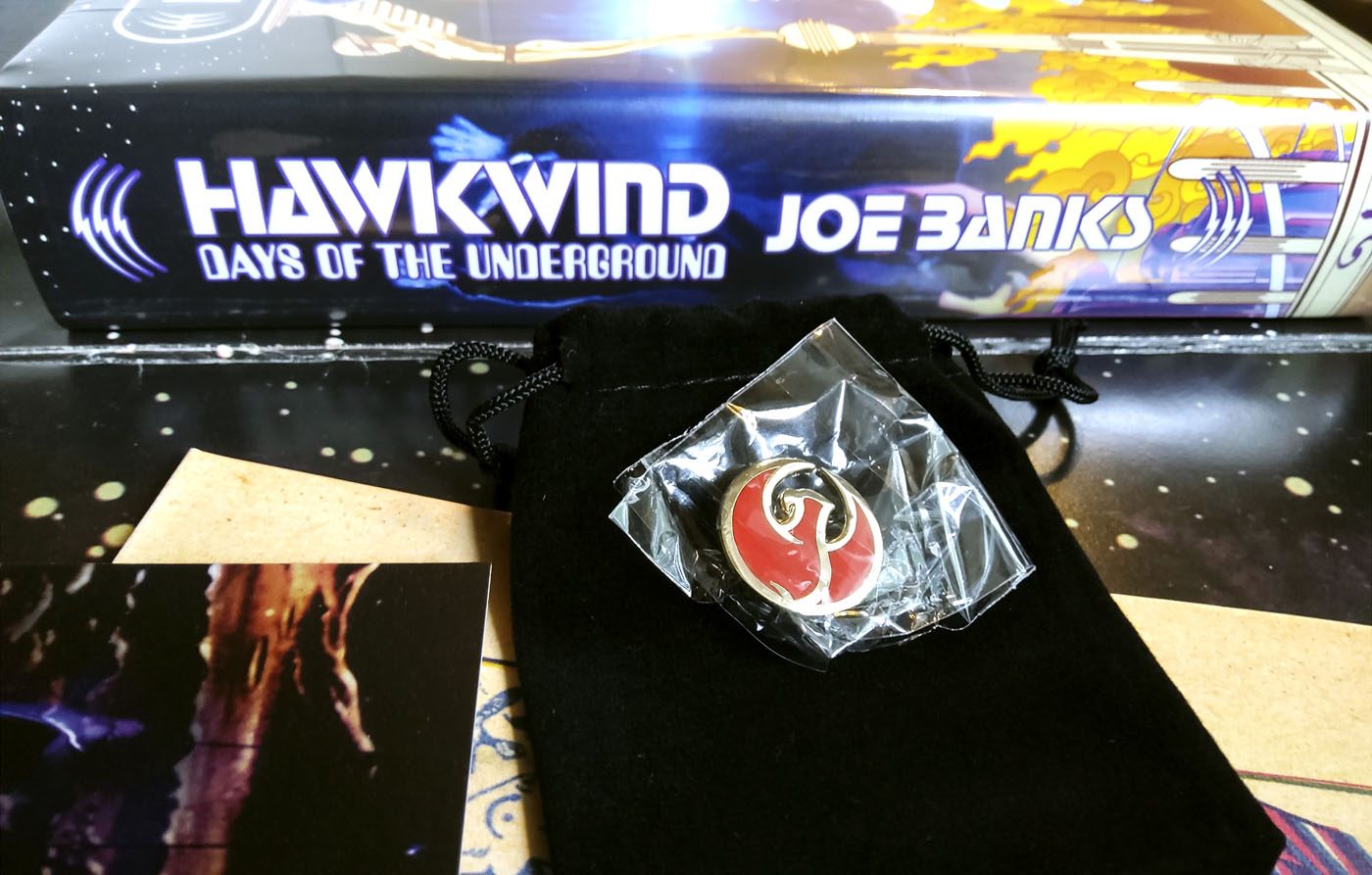
This time last year I was about to start working on the cover of Joe Banks’ Hawkwind book, and here it is at last, after a considerable delay. The special edition has been worth the wait since it comes with an additional 200-page volume, Sideways Through Time, containing the interviews that Joe used for his research. There’s also a set of cards with photos by Laurie Lewis from the session used for the cover of Space Ritual (we used some of the same photos on the book cover), and a print of the Moorcock/Cawthorn Hawklords comic strip from Frendz which further developed the group’s self-mythologising begun by the In Search Of Space “Hawklog”. And for people who pre-ordered the book last year then had to wait for months, there’s a bonus enamel pin based on the hawk design I supplied for the front board. I like badges, and I designed a few for Hawkwind in the past, but this is a better design and a nicer object than any of those I did in the 1980s.
hawkwind2.jpg

It’s a big book.

Now that the book is out I can show off the full cover wrap. As mentioned earlier, I followed Barney Bubbles’ preference for retro futurism by creating a cityscape based on the Deco-styled architecture that Frank R. Paul liked to use in his pulp illustrations. Some of the details refer obliquely to Hawkwind’s cover art or songs of the 1970s, so the speeding car can be taken as a reference to both Kerb Crawler and Death Trap, as well as the speeding Art Deco vehicle on the cover of Roadhawks. The flying saucers are a nod to those by Barney Bubbles on the inner sleeve of the Doremi album (and on one of his black-and-white posters from the same period), while the Philippe Druillet rocket refers to Barney’s own appropriation of a Druillet figure in his Hawk graphics. The combination of vehicles fleeing a burning city gives us the recurring theme in the group’s lyrics about the need to escape from a self-destructing society/planet. Welcome to the future.

Hawkwind: Days of the Underground is available now from Strange Attractor.

Previously on { feuilleton }
Hawkwind: Days of the Underground
The Chronicle of the Cursed Sleeve
Rock shirts
The Cosmic Grill
Void City
Hawk things
The Sonic Assassins
New things for July
Barney Bubbles: artist and designer
Peake’s Insects

peake1.jpg

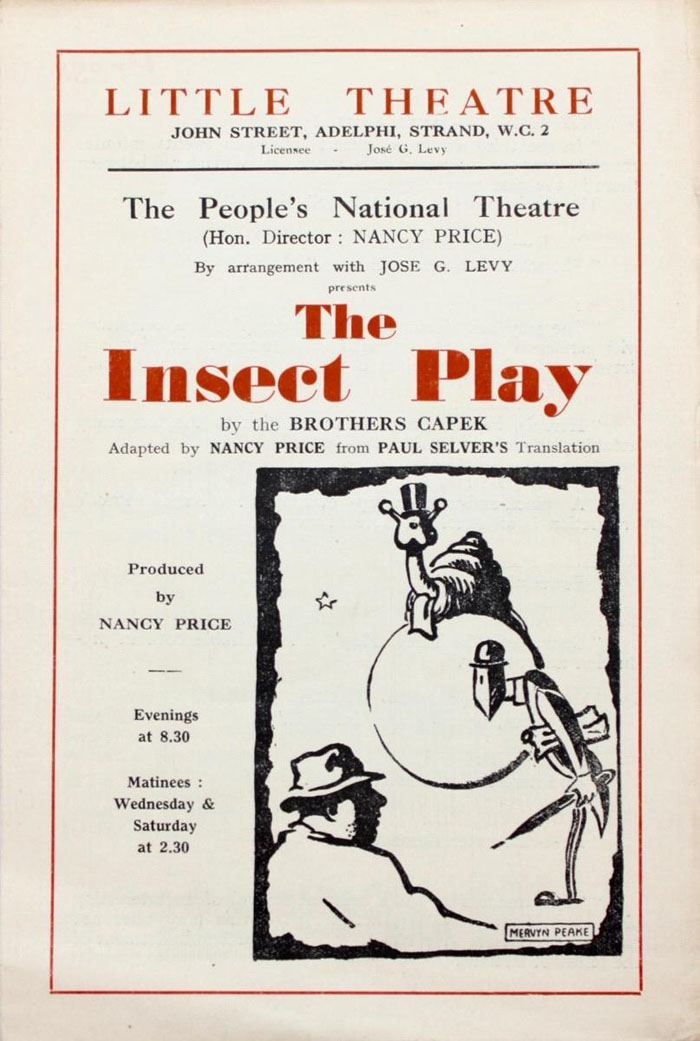
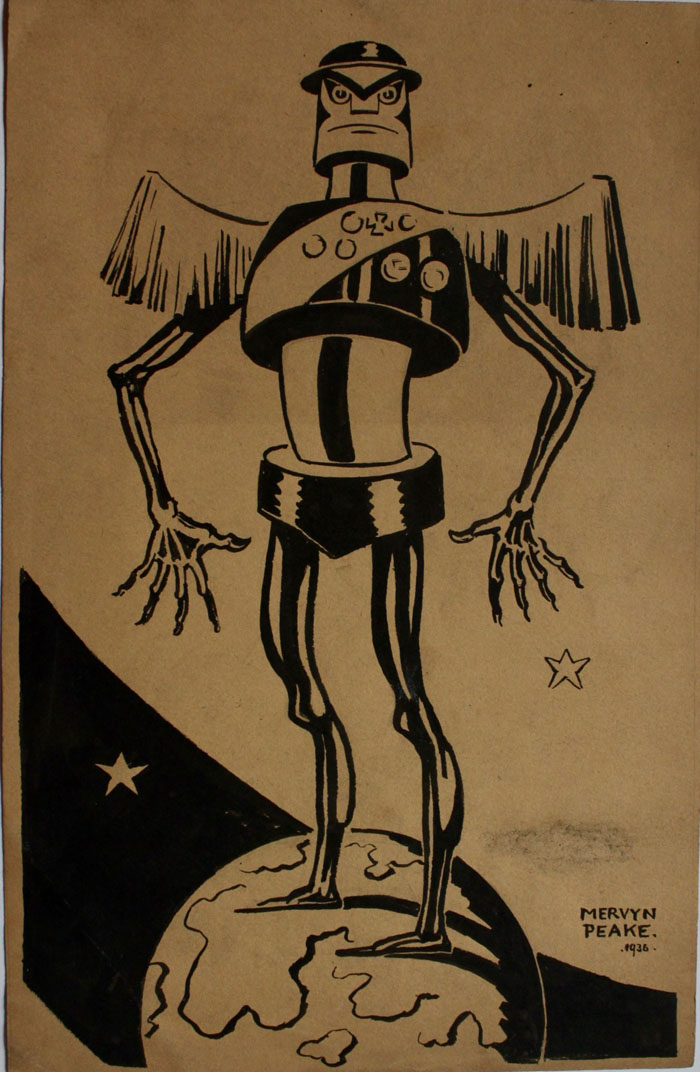
Having recently watched Jan Švankmajer’s self-reflexive film of the Capek Brothers’ Insect Play I was intrigued by a mention in one of the Mervyn Peake biographies that Peake had created costumes for two stagings of the play in London in 1932 and 1936. “Mr Mervyn Peake’s costumes could not be bettered,” said James Agate in the Sunday Times, but my sole book of Peake artwork doesn’t mention the play at all, and these drawings are the only examples to found after a web search, not the photos I was hoping for. The one below is a more original conception than those used by the amateur actors in the Švankmajer film.

peake2.jpg

My own workload is gaining momentum just now so posting here may be sporadic for a while. I’m also recoding my website from scratch which doesn’t help when you already have more than enough plates spinning. Having refreshed the blog with a flexible template that resizes itself for different devices I decided it to do the same for the rest of the site. I last attempted anything on this scale in 2005 so I’m having to educate myself all over again in the mysteries of cascading style sheets. And I have hundreds of pages that need working on… This will take some time.

Previously on { feuilleton }
Bookmark: Mervyn Peake
The Web by Joan Ashworth
Peake’s glassblowers
Mervyn Peake in Coronation Street
The Worlds of Mervyn Peake
A profusion of Peake
Mervyn Peake at Maison d’Ailleurs
Peake’s Pan
Buccaneers #1
Mervyn Peake in Lilliput
The Illustrators of Alice

Weekend links 524

heisler.jpg

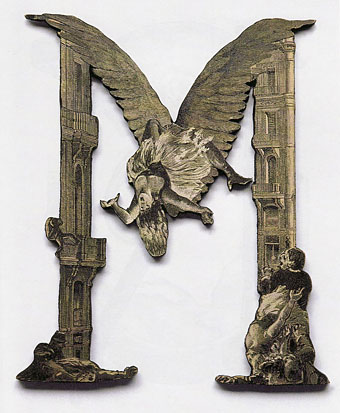
Letter M from Abeceda (1942) by Jindrich Heisler.

• At the BFI: Matthew Thrift chooses 10 essential Ray Harryhausen films. “This is, I can assure the reader, the one and only time that I have eaten the actors. Hitchcock would have approved,” says Harryhausen about eating the crabs whose shells were used for Mysterious Island. Meanwhile, Alfred Hitchcock himself explains the attraction and challenges of directing thrillers.

“Although largely confined to the page, Haeusser’s violent fantasies were even less restrained, his writings littered with deranged, bloodthirsty, scatological scenarios.” Strange Flowers on Ludwig Christian Haeusser and the “Inflation Saints” of Weimar Germany.

• Death, Pestilence, Emptiness: Putting covers on Albert Camus’s The Plague; Dylan Mulvaney on the different design approaches to a classic novel.

• A trailer (more of a teaser) for Last and First Men, a film adaptation of Olaf Stapledon’s novel by the late Jóhann Jóhannsson.

• At Dennis Cooper’s: Spotlight on…James Purdy: The Complete Short Stories of James Purdy.

Al Jaffee at 99: Gary Groth and Jaffee talk comics and humour.

Steven Heller on Command Records’ design distinction.

Czech Surrealism at Flickr.

Sisters with Transistors.

Solitude by Hakobune.

Mysterious Semblance At The Strand Of Nightmares (1974) by Tangerine Dream | Mysterious Traveller (Dust Devils Mix) (1994) by System 7 | The Mysterious Vanishing of Electra (2018) by Anna von Hausswolff

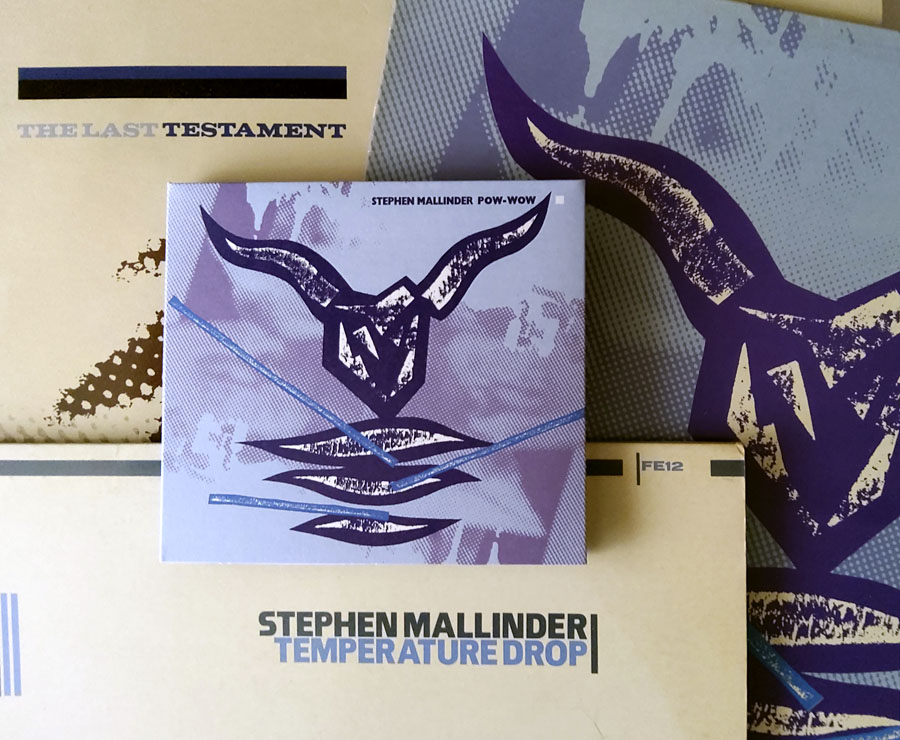
Pow-Wow by Stephen Mallinder

pow-wow1.jpg

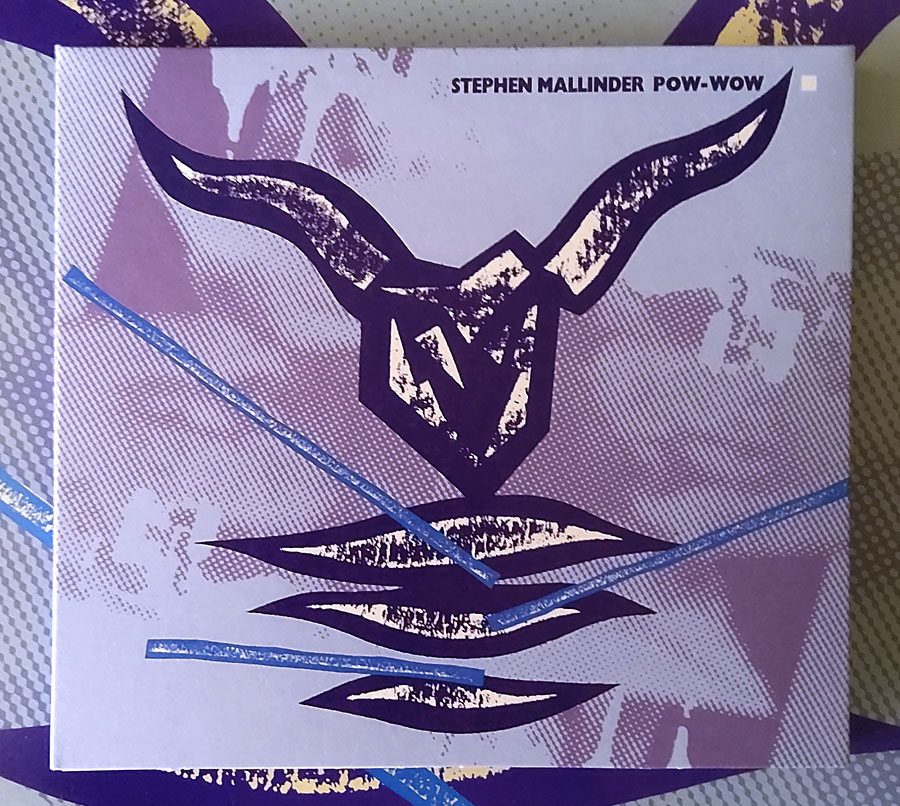
The debut solo album by Stephen Mallinder of Cabaret Voltaire received an overdue reissue on the Ice Machine label a few weeks ago; my CD turned up yesterday. Pow-Wow was one of the last albums released by Fetish Records in 1982, and it’s always been one I preferred to the solo recordings by Mallinder’s much more prolific colleague, Richard H. Kirk. Away from Cabaret Voltaire, Kirk and Mallinder’s music is mostly instrumental but the latter had a very different sound, dubbier and much more rhythmic than Kirk’s abrasive distortions. The longer pieces on Pow-Wow work variations on the energetic industrial funk developed by the Cabs and 23 Skidoo, benefiting a great deal from Mallinder’s dominant bass and insistent rhythms for which he was aided by Cabaret Voltaire’s regular percussionist, Alan Fish. Last Few Days, the most mysterious of Britain’s early Industrial groups, receive a credit for “chance element”. Mallinder sings on a couple of the tracks (if his whispered growl can be described as singing) while taped voices fill out the spaces elsewhere: a ménage à trois on Three Piece Swing, a voice from an assassination drama (Executive Action?) identifying the speaker as “Lee Harvey Oswald”, and so on. A handful of shorter pieces that run for less than two minutes are little more than looped sketches, but the unidentifiable analogue sources still sound unusual and original today, unlike synth-heavy albums from the same period.

pow-wow2.jpg

Mallinder’s other solo recordings from this time were just as good: a 12-inch single, Temperature Drop/Cool Down, and Del Sol, his uptempo contribution to the Fetish compilation/memorial album, The Last Testament. Cabs-affiliated groups like Hula and Chakk aimed for a similar blend of industrial menace and danceable grooves but the results were seldom as successful. Mallinder’s greater experience shows on these recordings, the best of which are the equal of anything that Cabaret Voltaire was doing at the time.

pow-wow4.jpg

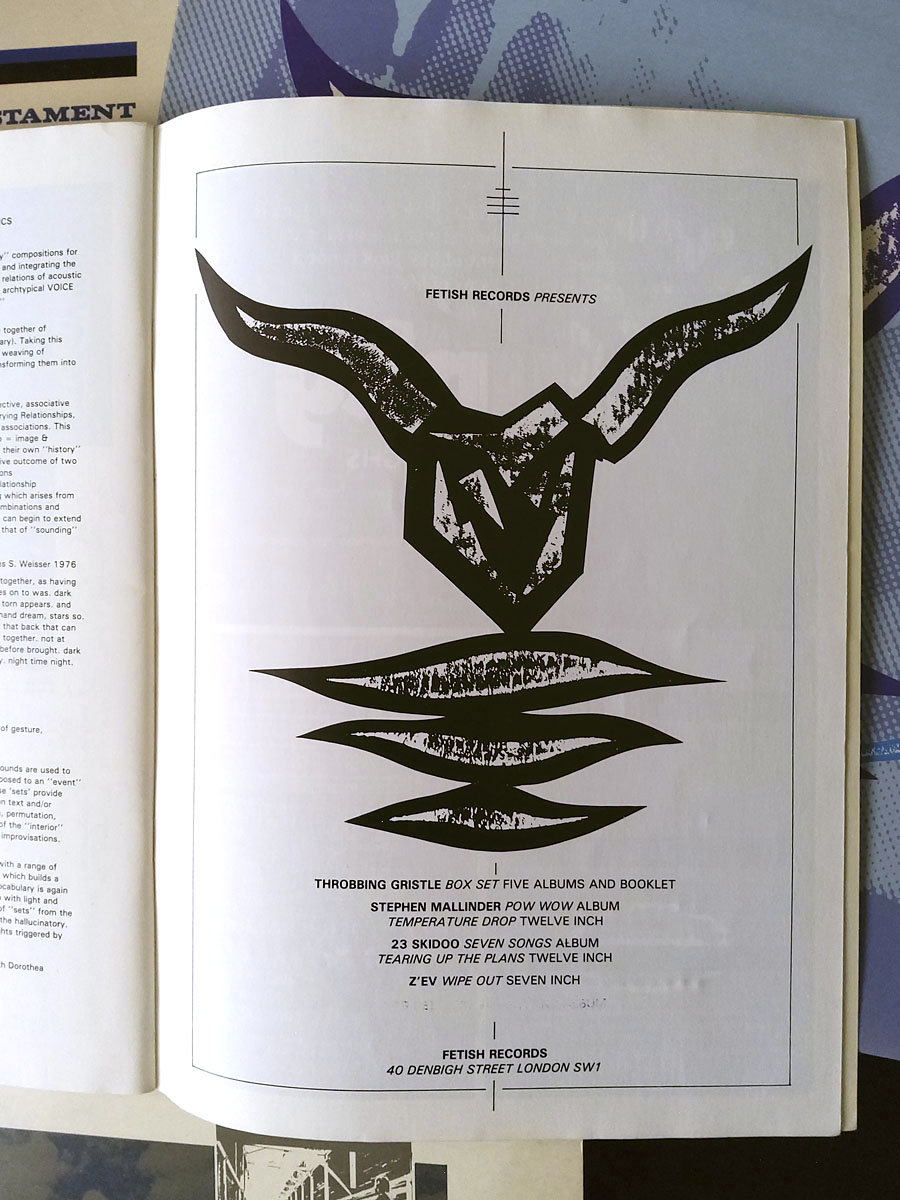
A Fetish ad from the Neville Brody-designed event booklet for The Final Academy, 1982.

The sleeve design by Neville Brody is another plus, vying with his cover art for Thirst by Clock DVA for being the most cryptic design among the many covers he produced for Fetish Records. The designer revealed his rationale in The Graphic Language of Neville Brody (1988):

This sleeve was about human ritual and human slaughter. In the media world of newscasters and advertisers everybody becomes a viewer; conditioned to regard other people’s sufferings as no more than a form of entertainment. The bullring is a metaphor for this.

A good example, then, of a cover that means more to the designer than to the record owner.

pow-wow3.jpg

All design by Neville Brody.

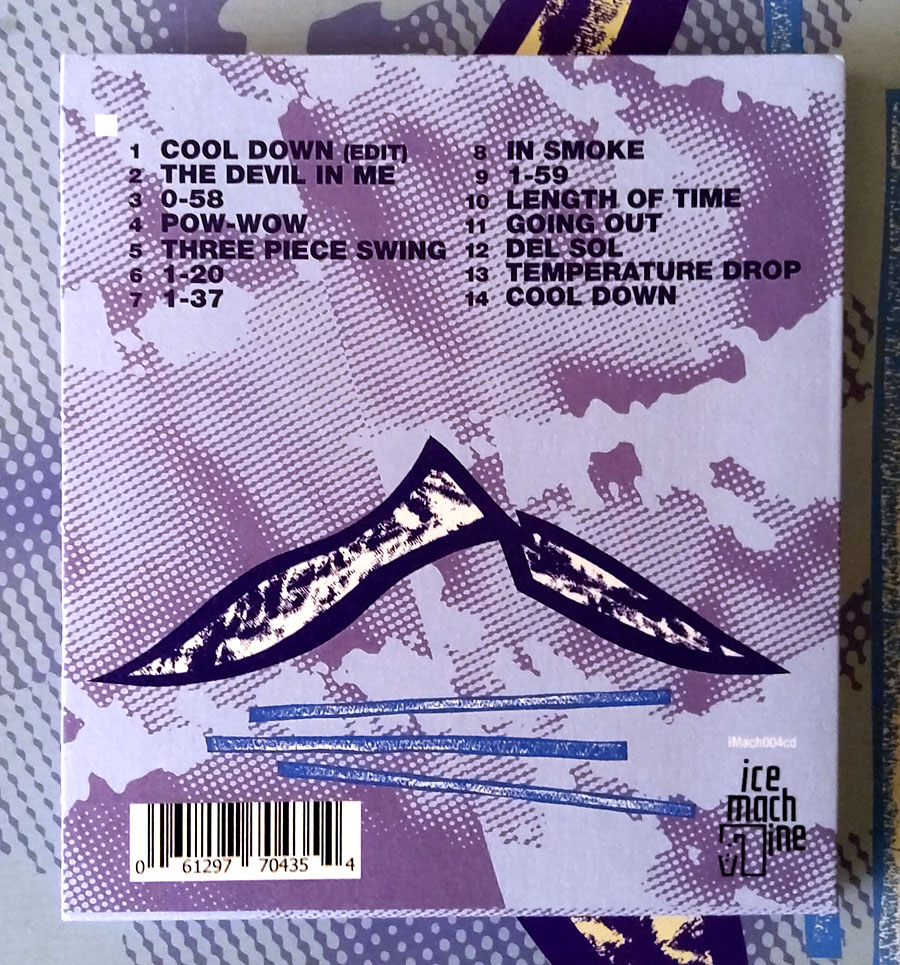
The new edition of Pow-Wow improves on the original and the scarce reissues by bundling the album with Del Sol, both tracks from the 12-inch single and an edit of Cool Down from a Japanese release. It also includes one of the shorter tracks which for some reason was missing from previous reissues (this and the long version of Cool Down are from vinyl sources). I’ve had all of this material for many years so didn’t really need the CD, but my records are a little worn through over-use, and besides which, these are cult works.

Previously on { feuilleton }
TV Wipeout revisited
Doublevision Presents Cabaret Voltaire
Just the ticket: Cabaret Voltaire
European Rendezvous by CTI
TV Wipeout
Seven Songs by 23 Skidoo
Elemental 7 by CTI
The Crackdown by Cabaret Voltaire
Neville Brody and Fetish Records

Weekend links 523

miller.jpg

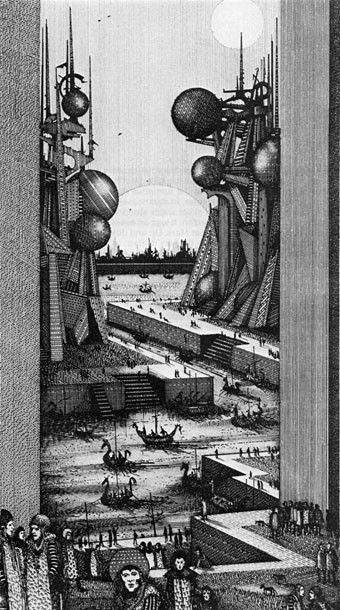
One of Ian Miller‘s drawings from the illustrated edition of Ray Bradbury’s The Martian Chronicles, 1979.

• “I always said we were kind of an electronic punk band, really. We were never New Romantics, I don’t like it when we get lumped in with that.” Dave Ball of Soft Cell and The Grid talking to Duncan Seaman about his autobiography, Electronic Boy: My Life In and Out of Soft Cell. I’ll now be waiting impatiently for the unreleased Robert Fripp/Grid album to appear.

• “[Patricia] Highsmith’s writing—often eviscerating, always uncomfortable—has never been more relevant,” says Sarah Hilary.

• Ron Peck’s debut feature, Nighthawks (1978), is “a nuanced look at gay life in London,” says Melissa Anderson.

And then there are those figures who seem to flit around the edges of movements without ever being fully involved in any of them, who pursue their own eccentric paths no matter what is going on around them. These are the writers who make up the secret history of literature, the hidden history that’s not easily reduced to movements or trends, and who always waver on the verge of invisibility until you stumble by accident onto one of their books and realize how good they actually are, and wonder, Why wasn’t I told to read this before? But of course you already know the answer: You were not told because it doesn’t fit smoothly into the story those in authority made up about what literature is—it disrupts, it can’t be reduced to the literary equivalent of a meme.

That’s the kind of writer Pierre Klossowski (1905–2001) is. He is not a joiner. He has his own particular and often peculiar concerns, and pursues them. He does not particularly welcome you in. The content of his writing, too, has the feel of a gnostic text, as if you are reading something that, if only you were properly initiated, you would understand in a different way. In that sense his work has an esoteric or occult quality to it—and likewise in the sense that it returns again and again to the intersection of religion and pornography, the sacred and the profane.

Brian Evenson on The Suspended Vocation by Pierre Klossowski

• Chad Van Gaalen creates a psychedelic animation for Seductive Fantasy by the Sun Ra Arkestra.

• More sneak peeks from the forthcoming The Art Of The Occult by S. Elizabeth.

• More Robert Fripp: Richard Metzger on Fripp’s sui generis solo album, Exposure.

Pamela Hutchinson on the pleasures of David Lynch’s YouTube channel.

• Mix of the week: a second Jon Hassell tribute mix by Dave Maier.

• At Dennis Cooper’s: Ferdinand presents…Dark Entries Day.

15 fascinating art documentaries to watch now.

Soft Power by Patten.

• RIP Milton Glaser.

hauntología

Aquarium (1992) by The Grid (with Robert Fripp) | Soft Power (2005) by Ladytron | The Martian Chronicles (2007) by Dimension X