Weekend links 228

moss.jpg

White, Red and Black (1949) by Marlow Moss.

• British television’s greatest director, Alan Clarke, rates on the cult scale here for his work on Penda’s Fen but his career was long, uncompromising and still hasn’t received the full appraisal it deserves. His more violent dramas—Scum, Made in Britain, The Firm, etc—have all appeared on DVD but many of his less notorious films can be hard to find. Paul Duane looks back at the remarkable Contact (1985), an hour-long study of the conflict in Northern Ireland, and a better film about soldiering than any number of big-budget features.

• I’ve wondered for years why one of the Daft Punk helmets seemed so familiar. It’s because they swiped the design from industrial designer and visual futurist, Syd Mead. Mark Wilson talked to Mead about wearable technology; Mr Mead, it seems, isn’t impressed by the French popsters. Related: paintings from Mead’s Sentinel (1979), and Syd Mead designs at Pinterest.

• Remembering that time in 1982 when Alan Moore interviewed Hawkwind. More interviews: Adam Bychawski talks to Jenny Hval about “sonic extremity, the violence of voyeurism and inhabiting bodies”, and Laurent Fintoni talks to (that man again) Bernard Szajner about Visions Of Dune, laser shows, and finding his way back to music.

Our attitudes towards work are extremely schizophrenic: we secretly aspire to sloth, while we loudly praise work. There isn’t an election poster that doesn’t promise more jobs. The call for more work is similar to the Stockholm syndrome, in which the victims of hostage-taking eventually develop a positive relationship with their captors.

Patrick Spaet on the universal employment fetish

• “Marlow Moss was one of Britain’s most important Constructivist artists…a radical lesbian and Drag King,” says Dal Chodha. An exhibition of Moss’s work has just opened at Tate Britain. Related: Marlow Moss: forgotten art maverick.

Yuki Koshimoto plays the Hang, aka the Spacedrum. Via Metafilter where there are more Hang links. The instrument was prominently featured in the score Cliff Martinez wrote for Solaris (2002).

• Broadcast’s Trish Keenan would have been 46 last week. James Cargill posted two demo songs for her birthday.

• At the BFI: Exclusive materials from the making of Powell and Pressburger’s The Tales of Hoffmann.

• Of Tutus and Tortures: Thoughts on the Decadent and the Weird by Christopher Burke.

Faber has launched a Modern Classics imprint with some smart cover designs.

• At Dangerous Minds: Good to see big scans of the Surrealists’ playing cards.

• Mix of the week: Afrofuturist Flowering by Nigel Rampant.

• Writer and editor Russ Kick has a new website.

Infographic: Why Readers Still Prefer Paper.

Superficial Music 1–3 (1981) by Bernard Szajner | Fahrenheit 451 (1982) by Hawkwind | Black Lake (2014) by Jenny Hval & Susanna
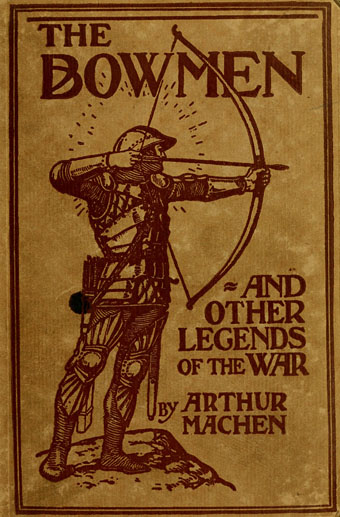
The Bowmen by Arthur Machen

bowmen.jpg

The Bowmen was a short piece of fiction by Arthur Machen published in a London newspaper, The Evening News, on the 29th September, 1914. By Machen’s standards it’s not one of his best pieces, written at a time when he was working at the paper as a journalist. The First World War was in its early days, and the story was conceived as a Kipling-like morale-boost following the retreat of British forces at Mons a few weeks before. The stories for which Machen is remembered today had never provided the success he hoped for so it must have been a surprise when his invention of angelic bowmen appearing during the battle gained him national attention:

On the last Sunday in August, 1914, Machen read in his morning paper of the retreat from Mons.

“I no longer recollect the details, but I have not forgotten the impression that was then made on my mind. I seemed to see a furnace of torment and death and agony and terror seven times heated, and in the midst of the burning was the British army: in the midst of the flame, consumed by it, scattered like ashes and yet triumphant, martyred and for ever glorious.”

That was the way, indeed, in which the English thought about the army at the beginning of the Great War; since then we have come to take a less romantic view of warfare. With this picture in his mind, Machen conceived and wrote a story called The Bowmen, told, as most stories are, as if it were true—that is, he did not begin by saying: “what you are about to read is all my own invention”—in which St. George with an army of English mediaeval bowmen appeared at the critical moment to cover the British retreat. Not, to be sure, a very probable story nor, as Oswald Barron pointed out, was it likely that the Agincourt bowmen, most of whom came from Wales, would use the French expressions Machen evokes from them: and Machen himself felt he had not done justice to his original conception.

“But if I had failed in the art of letters, I had succeeded, unwittingly, in the art of deceit.”

The Bowmen appeared in The Evening News on September 29th, 1914, at a moment when people were looking for a miracle, and many promptly embraced it as an account of one. That such journals as The Occult Review and Light should fasten on it, might have been anticipated; but it was taken up by parish magazines all over the country, and people came forward on every side to say that they had friends and relatives who had seen the “Angels of Mons” with their own eyes. As a result, Machen became, for the first time in his life, a man of nation-wide fame. To thousands of people, the idea, whether true or false, gave consolation or hope, but when Machen protested that his story was entirely the child of his own imagination, the fame threatened to turn to notoriety; he was rebuked for his impudence at claiming originality for the tale. Nevertheless a legend had been born and a shoal of publications appeared to satisfy public demand—On the Side of the Angels (Harold Begbie), Guardian Angels (GP Kerry—a sermon reprinted), Angels, Saints and Bowmen of Mons (IE Taylor, Theosophical Publishing Society).

Aidan Reynolds & William Charlton in Arthur Machen: A Short Account of His Life and Work (John Baker, 1963)

Continue reading “The Bowmen by Arthur Machen”

Weekend links 200

fukaya.jpg

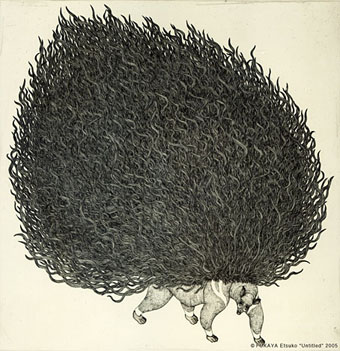
Untitled etching by Etsuko Fukaya, 2005.

• “By the time Scorsese met Powell, in 1975, the British director had fallen on hard times and was largely ignored by the UK film establishment.” A London office used by Michael Powell and Emeric Pressburger is given the Blue Plaque treatment.

• Ambient reminiscences at The Quietus: Wyndham Wallace on the genesis of Free-D (Original Soundtrack) by Ecstasy Of St Theresa, and Ned Raggett on Aphex Twin’s Selected Ambient Works II.

• “Even Queen Victoria was prescribed tincture of cannabis,” writes Richard J. Miller in Drugged: the Science and Culture Behind Psychotropic Drugs. Steven Poole reviewed the book.

I don’t relate to standard psychologizing in novels. I don’t really believe that the backstory is the story you need. And I don’t believe it’s more like life to get it—the buildup of “character” through psychological and family history, the whole idea of “knowing what the character wants.” People in real life so often do not know what they want. People trick themselves, lie to themselves, fool themselves. It’s called survival, and self-mythology.

Rachel Kushner talking to Jonathan Lee

Sound Houses by Walls is a posthumous collaboration based on a collection of “weird sonic doodles” by electronic composer Daphne Oram. FACT has a preview.

The skeletal trees of Borth forest, last alive 4,500 years ago, were uncovered in Cardigan Bay after the recent storms stripped the sand from the beach.

Stephen O’Malley talks to Jamie Ludwig about Terrestrials, the new album by Sunn O))) and Ulver. There’s another interview here.

• At BibliOdyssey: Takushoku Graphic Arts—graphic design posters by contemporary Japanese artists.

• The Unbearable Heaviness of Being: Dave Segal on the rumbling splendour of Earth 2.

So Much Pileup: “Graphic design artifacts and inspiration from the 1960s – 1980s.”

• Lots of illustrations by Virgil Finlay being posted at The Golden Age just now.

• Mix of the week: Episode #114 by Lustmord at Electric Deluxe.

Lucinda Grange’s daredevil photography. There’s more here.

Experimental music on Children’s TV

Kazumasa Nagai at Pinterest.

• Teeth Of Lions Rule The Divine (1993) by Earth | He Who Accepts All That Is Offered (Feel Bad Hit Of The Winter) (2002) by Teeth Of Lions Rule The Divine | Big Church (megszentségteleníthetetlenségeskedéseitekért) (2009) by Sunn O)))

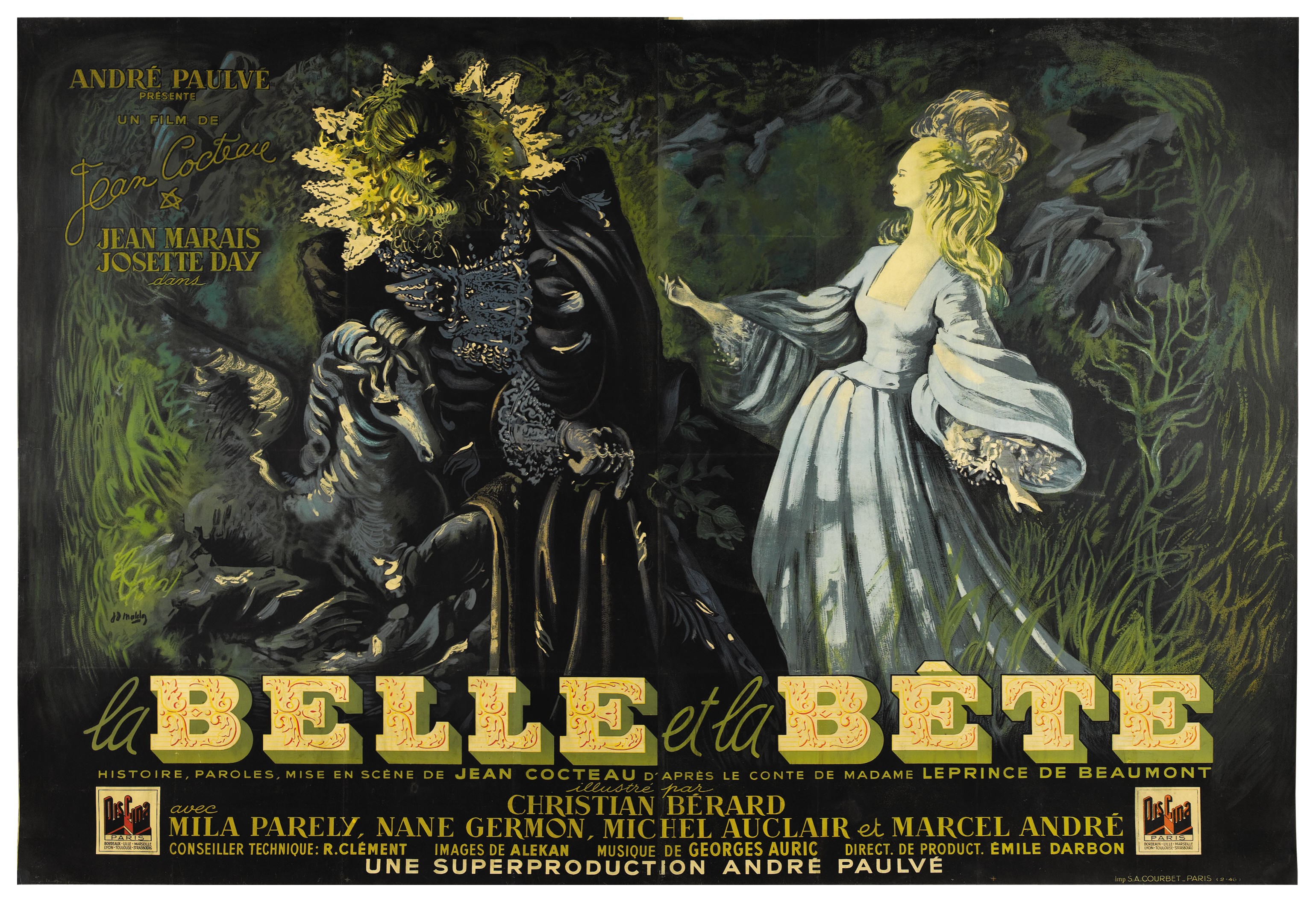
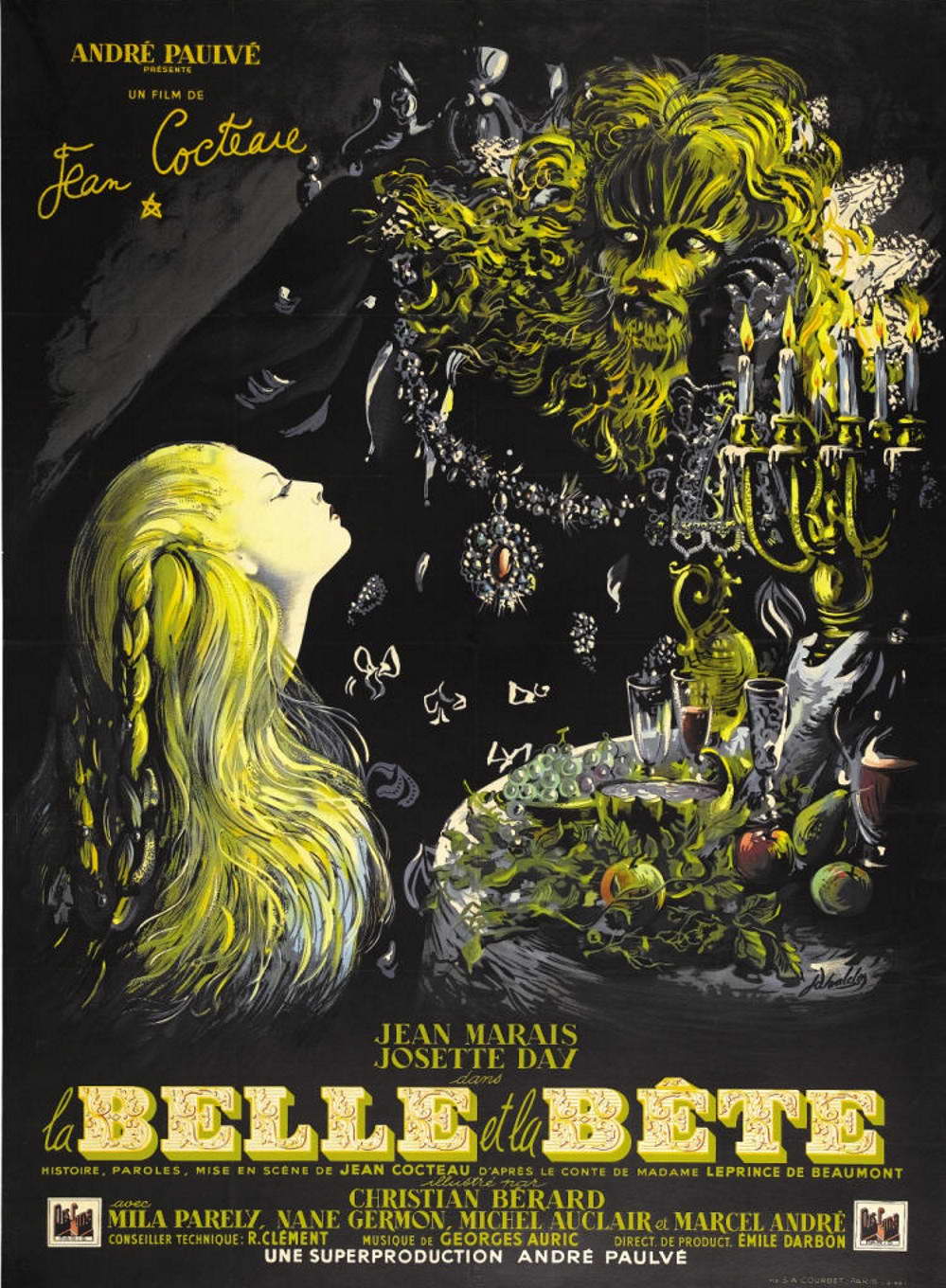
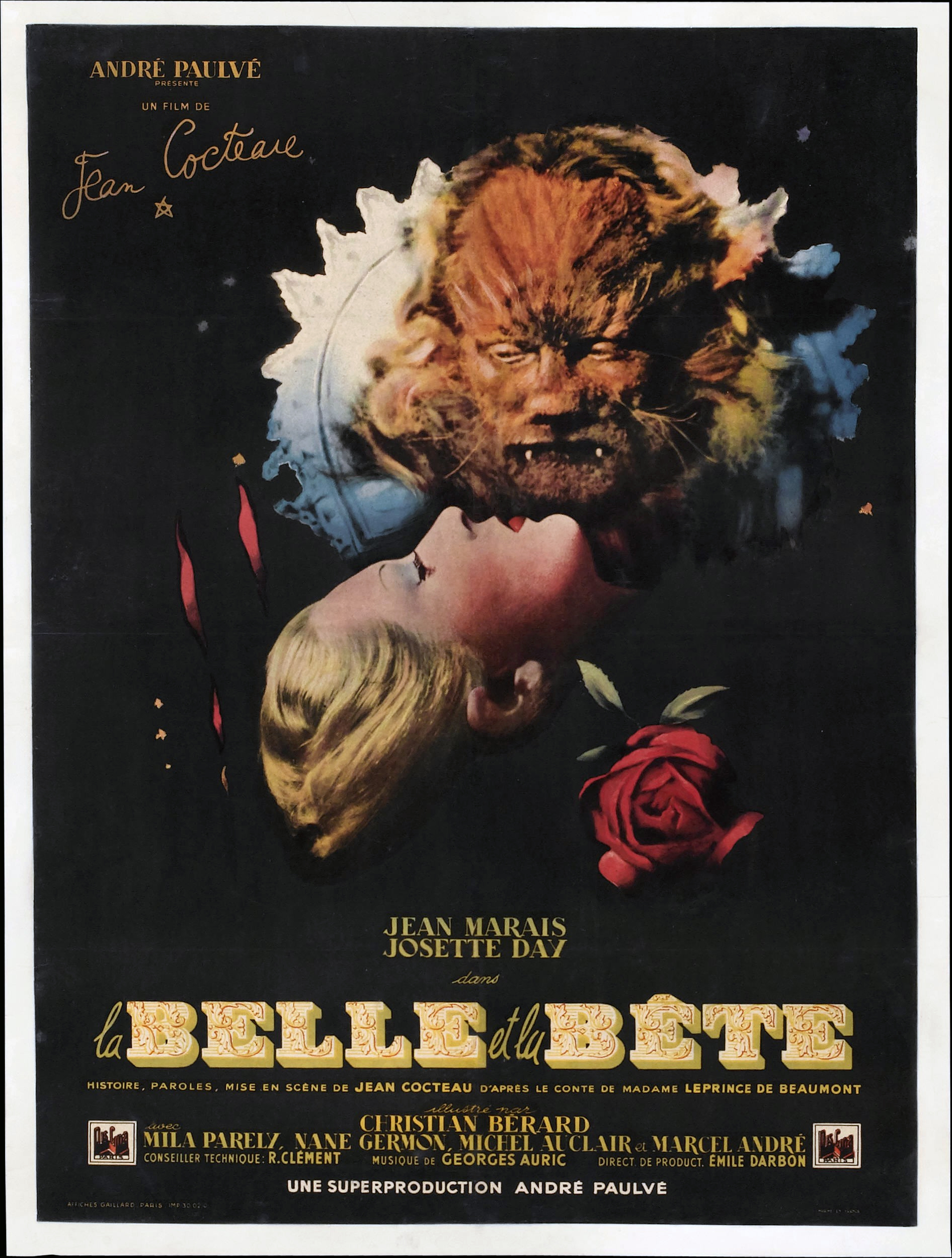
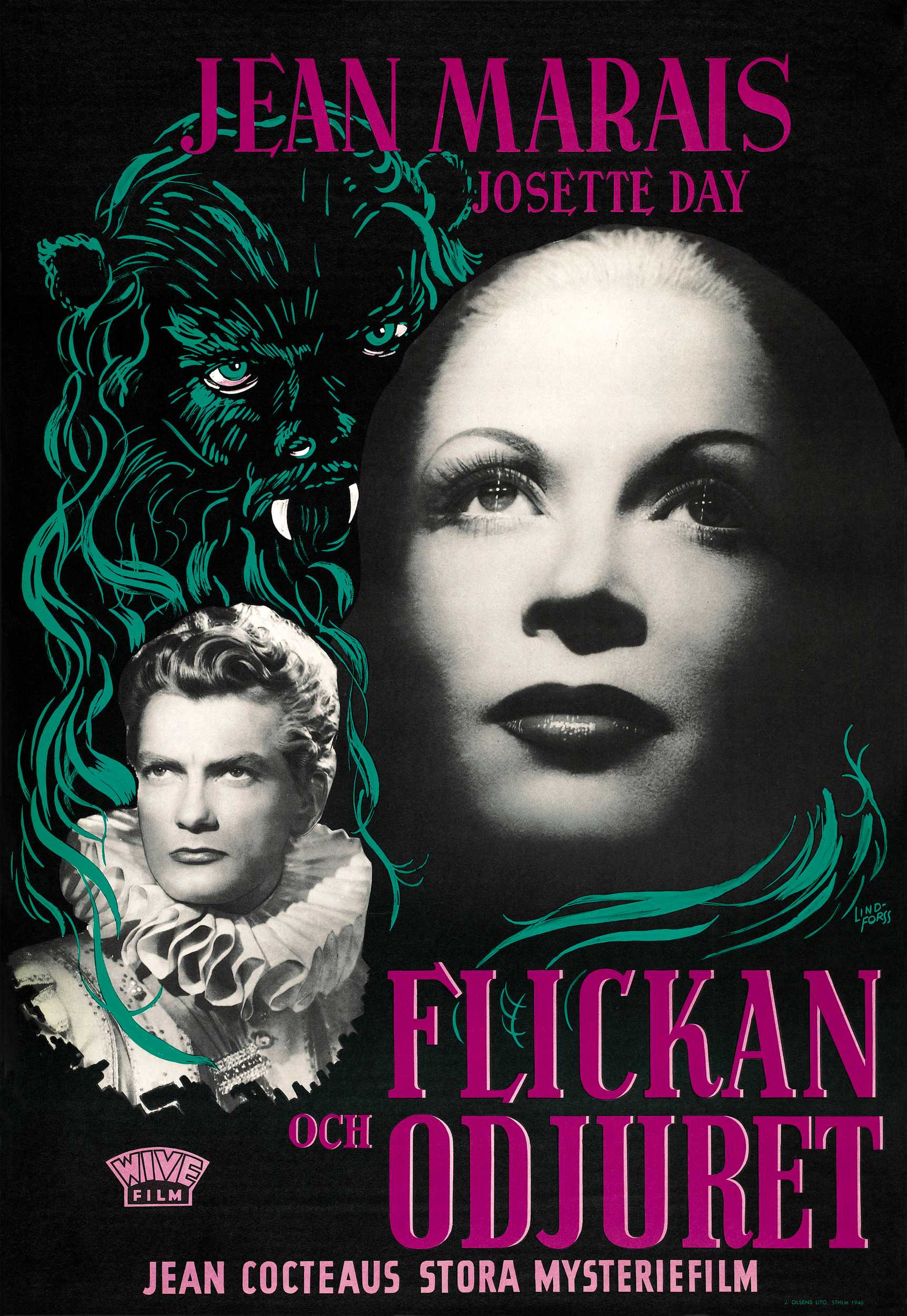
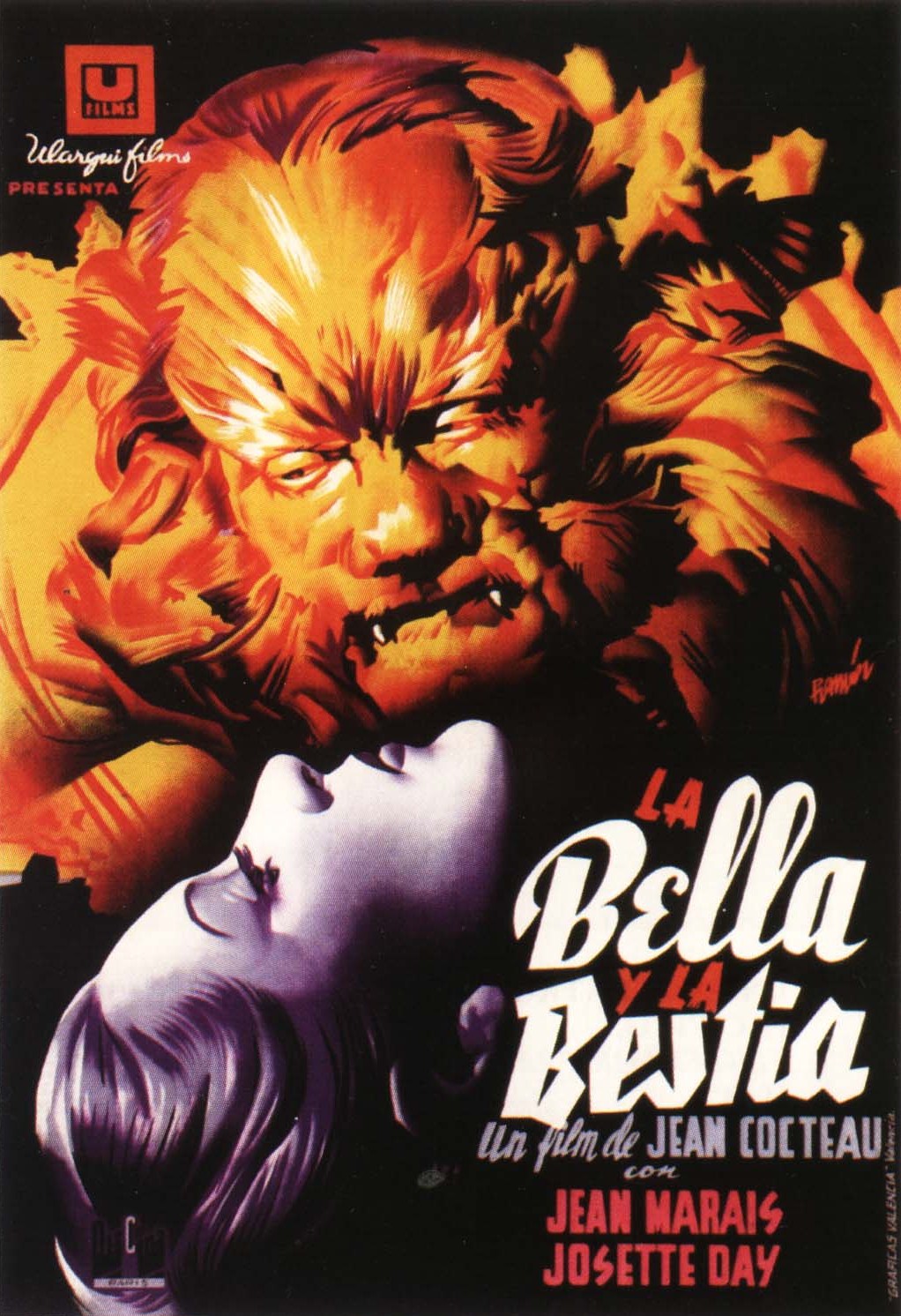
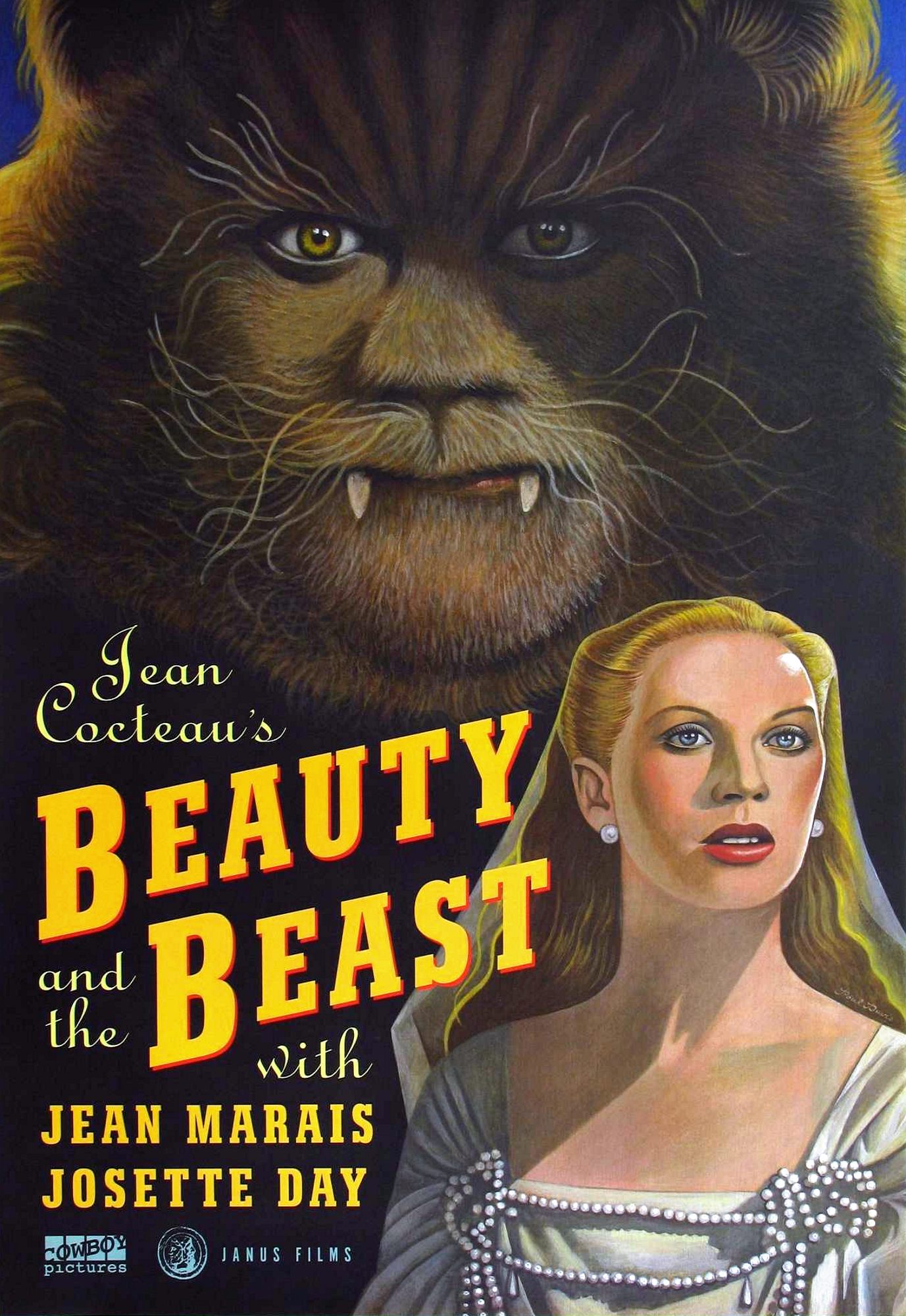
La Belle et la Bête posters

belle1.jpg

Clive’s posts last week about Cocteau’s La Belle et la Bête (here, here and here) sent me back to the film, a most welcome re-viewing. This in turn had me searching for copies of the posters of which these are some of the better examples. No dates or credits, unfortunately, although the French ones above and below look as though they may have been drawn by the film’s production designer, Christian Bérard. (Update: not Bérard, they’re the work of poster artist Jean-Denis Malclès.)

The style of Bérard’s drawings, and much of the film itself, had me thinking this time round of Hein Heckroth, Michael Powell’s favourite production designer whose sketches also had a painterly style. Powell and Pressburger’s The Red Shoes (with designs by Heckroth) appeared a couple of years after La Belle et la Bête although Powell doesn’t mention Cocteau at all in his autobiography so there’s no need to go looking for influences. Both films are based on fairy tales, of course. Powell shared Cocteau’s taste for fantasy and cinematic magic although the closest he gets to the story of Beauty and the Beast is Peeping Tom (1960), a film that contains little of either. By coincidence, Powell scholar Ian Christie calls Peeping Tom the director’s equivalent of Cocteau’s Le testament d’Orphée which was also released in 1960. But that’s a speculation for another day.

belle2.jpg

belle3.jpg

belle4.jpg

belle6.jpg

belle5.jpg

Previously on { feuilleton }
The writhing on the wall
Le livre blanc by Jean Cocteau
Cocteau’s sword
Cristalophonics: searching for the Cocteau sound
Cocteau at the Louvre des Antiquaires
La Villa Santo Sospir by Jean Cocteau

Weekend links 172

thielker.jpg

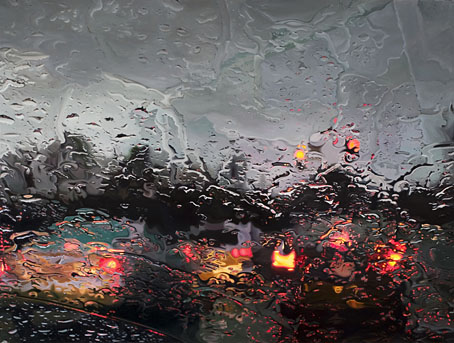
Complete Stop (2008), an oil painting by Gregory Thielker from his Under the Unminding Sky series.

• For Halloween last year I watched a very poor copy of a BBC Play For Today production, Robin Redbreast, a piece of rural horror by John Bowen which received a single screening in 1970. That poor copy—black-and-white, timecoded, multi-generation video—has been circulating for years, so it’s good to know that the BFI will be releasing Robin Redbreast on DVD in time for this year’s Halloween. This might be news enough but the following month the BFI also releases Leslie Megahey’s stunning adaptation of Schalcken the Painter in a dual DVD/Blu-ray edition. I wrote a short review of the latter film last October.

• Mixes of the week: August Sun High from The Advisory Circle, and John Wizards’ Quietus Mix “African music, R&B and chamber pop, filtered through gentle electronic arrangements that cross-pollinate with South African house, Shangaan electro and dub”.

• A trailer has surfaced for The Counselor, a film by Ridley Scott from an original screenplay by Cormac McCarthy. Trailers are too spoilerish so I’m refusing to watch it but for those interested Slate has the details.

Luckhurst makes an admirable attempt to link Lovecraft’s most frustrating writing tic to this theme of the unknown when he claims that Lovecraft’s “catachresis”—deliberate muddling of language through the use of mixed metaphors and the like—is a tool he uses to bolster the atmosphere of futility in the face of “absolute otherness.” The trauma of encountering something so far outside the realms of imagination triggers a collapse of logic in the language itself.

Cate Fricke reviews The Classic Horror Stories of HP Lovecraft, a collection from Oxford University Press edited by Roger Luckhurst.

• “Contemporary audiences found it too weird, too wonky and even borderline distasteful…” Xan Brooks goes looking for the locations from Powell & Pressburger’s 1943 film, A Canterbury Tale.

• Two songs from Julia Holter’s forthcoming album, Loud City Song: World and Maxim’s I. Also unveiled this week: Evangeline, a new track by John Foxx & Jori Hulkkonen.

• Have Ghost, Will Find: Colin Fleming on William Hope Hodgson’s Carnacki, The Ghost Finder.

• At PingMag: Urban Calligraphy: Turning the Streets into Big, Loud Canvases.

• Sex, Spirit, and Porn: Conner Habib talks to Erik Davis.

Serendip-o-matic: Let Your Sources Surprise You

The Pronunciation of European Typefaces

Twilight (2004) by Robin Guthrie & Harold Budd | Luminous (2009) by John Foxx & Robin Guthrie | Cling (2011) by Robin The Fog