Snaps: The Studio tour, 1979

snaps3.jpg

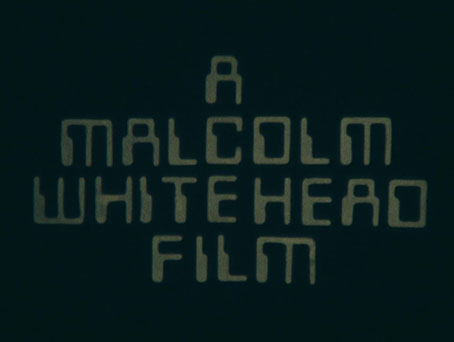
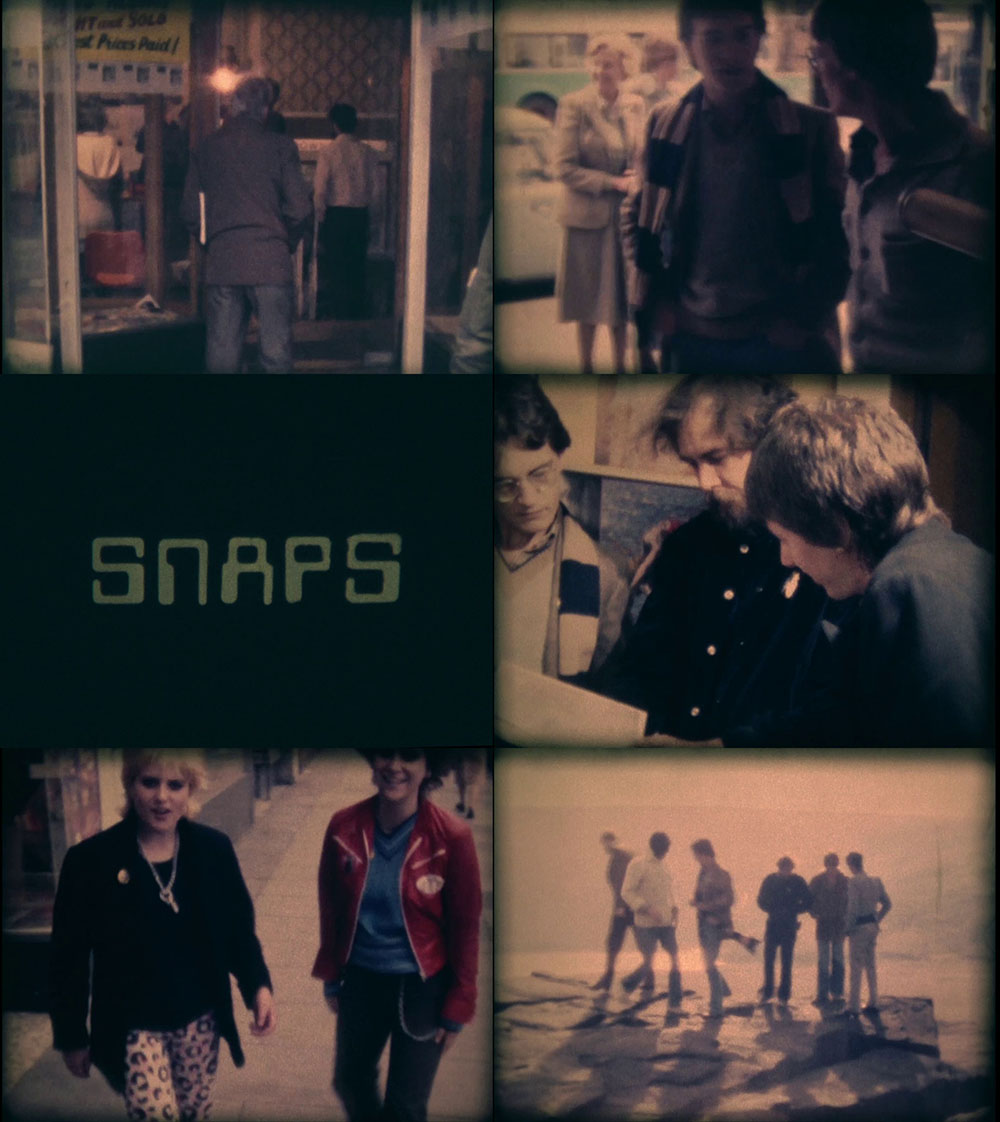
I’d been hoping that Malcolm Whitehead’s Snaps might be made public eventually, and here it is, a 25-minute film documenting the northern end of a British book-signing tour undertaken by three artists and their publisher in October 1979. Not only that, there’s also this shorter compilation of footage that didn’t make the final cut.
studio.jpg

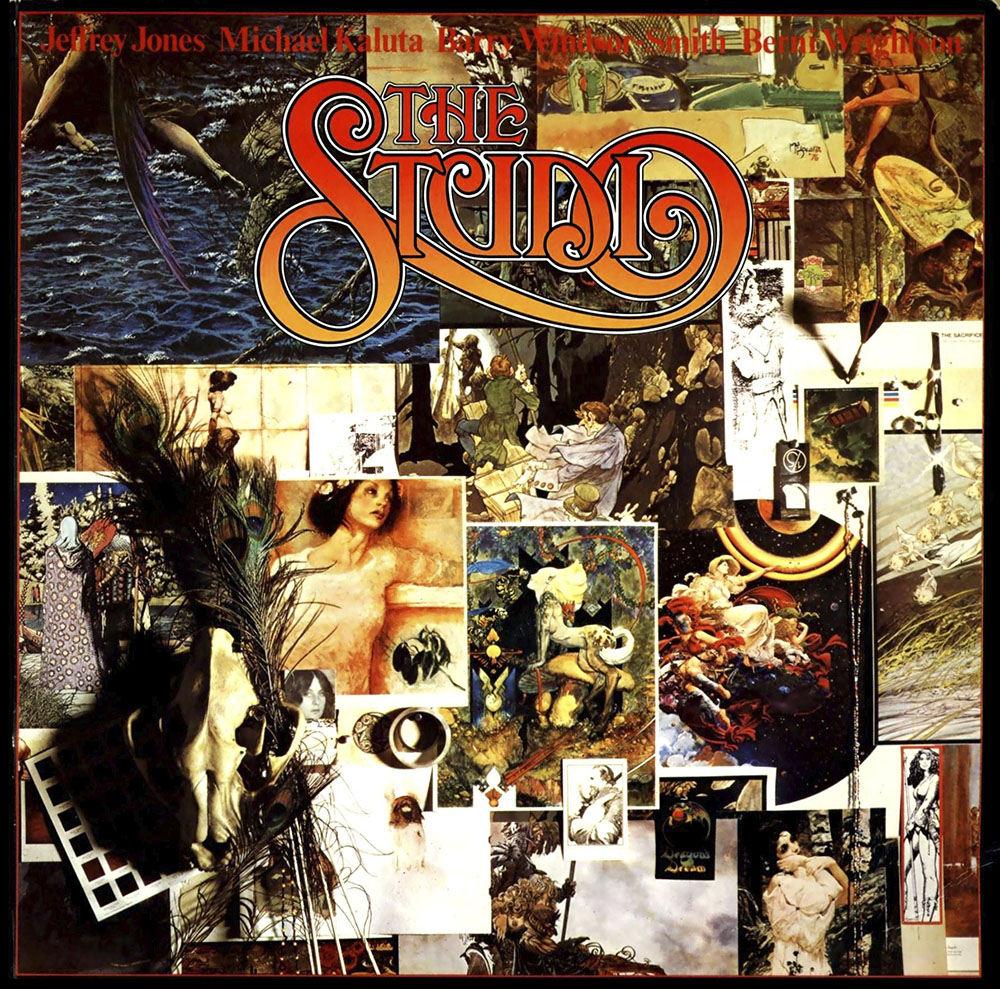
The artists were three of the four whose work is showcased in the book known as The Studio: Jeffrey Catherine Jones, Mike Kaluta and Bernie Wrightson. The other member of the quartet, Barry Windsor-Smith, either missed the jaunt to Leeds and Manchester or avoided the tour altogether. The publisher was fellow artist Roger Dean whose success in 1975 with his own art book, Views, prompted him to turn his self-publishing imprint, Dragon’s Dream, into a bona fide publishing company. Views was followed by a short run of art books by prominent fantasy and science-fiction illustrators including Chris Foss, Ian Miller, Bruce Pennington and Syd Mead. The Studio was one of these titles, a collection of the art produced by the quartet working in the communal loft (“The Studio”) they established in Manhattan in the mid-1970s, a space intended for the production of more personal work than the comic art for which they were all known. Malcolm Whitehead’s film is unusual for documenting an event in sound and vision that usually wouldn’t be documented at all beyond a handful of photographs.
mb-db-1979.jpg

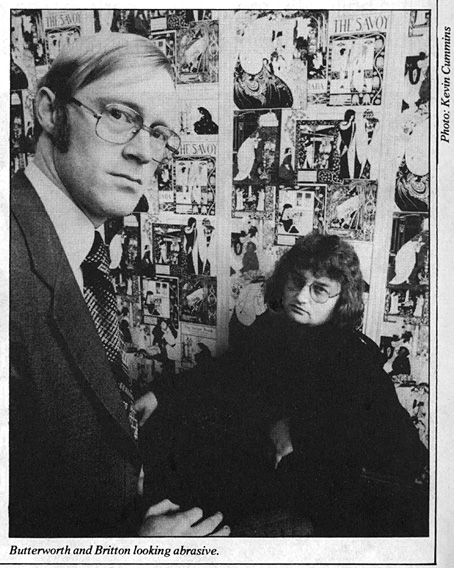
New Manchester Review, 1979: Michael Butterworth and David Britton in the Beardsley-papered Savoy office. Photo by Kevin Cummins.

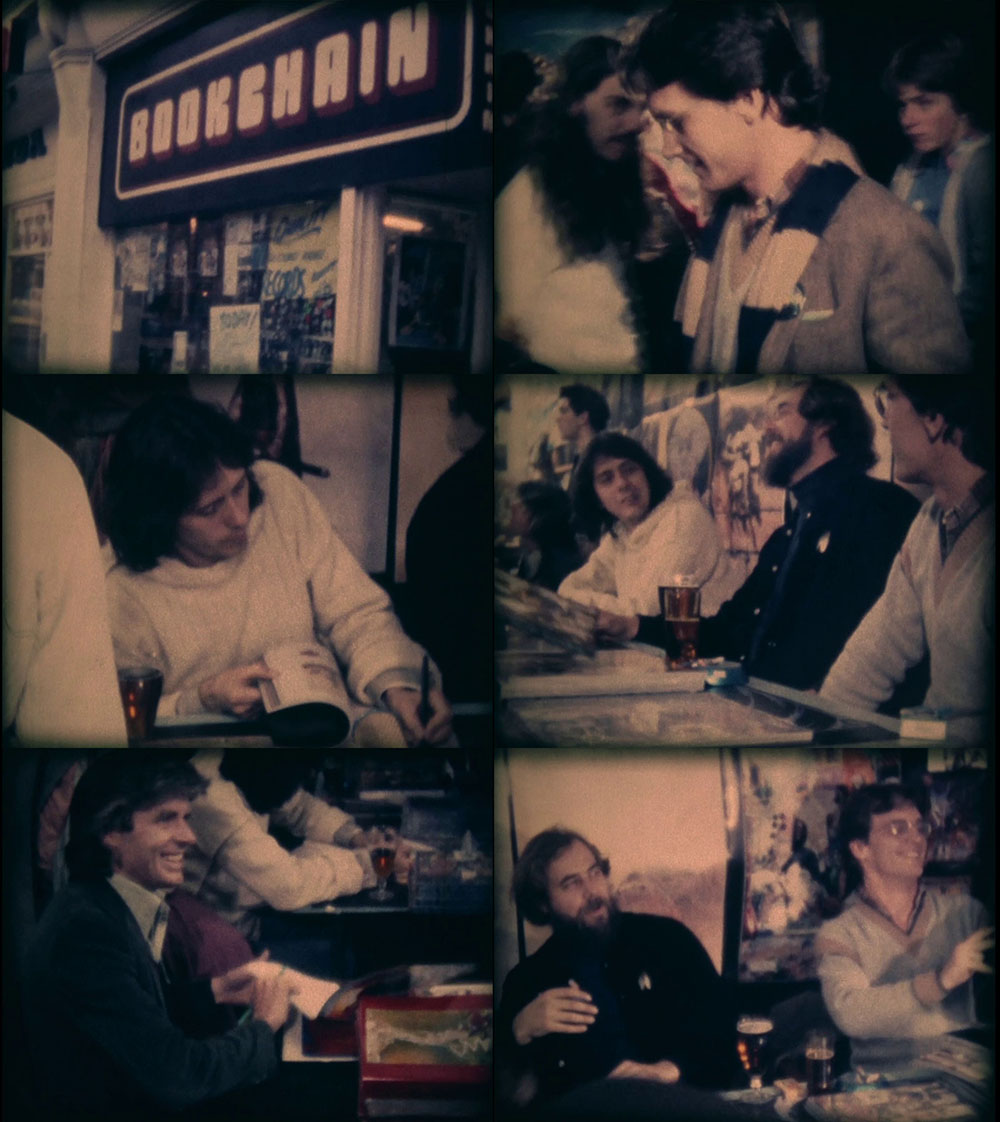
The trail of circumstance that led to the creation of Snaps goes something like this: David Britton and Michael Butterworth were setting up Savoy Books in Manchester at around the same time that Roger Dean was expanding Dragon’s Dream. Both publishers had established co-production deals with Big O, a poster company, distributor and publisher of many pop-culture art books, notably the British edition of HR Giger’s Necronomicon. One of the first Savoy books in 1978 was James Cawthorn’s The Jewel in the Skull, an 80-page comic-strip adaptation of the novel by Michael Moorcock, which was a one-off co-production between Savoy and Big O. In addition to being a fledgling publisher, Savoy at this time also had a chain of bookshops in Manchester, Leeds and Liverpool, selling the usual 70s blend of genre and “cult” paperbacks, posters, comics (mainstream and underground), magazines, and so on. The main outlet was Bookchain on Peter Street, Manchester, which is where much of Snaps was filmed. Given the connection between Dragon’s Dream and Savoy I’d guess that Big O suggested the Savoy shops as venues for the Studio signing tour. Dave Britton would have been keen on this even without the extra business the signings generated for the shops. He’d bought some of the posters produced by Barry Smith’s Gorblimey Press, and always spoke highly of Smith’s Studio-era work. As for the film, Mike Butterworth was good friends with local film-maker Malcolm Whitehead, and it was he that commissioned “Malc” to document the signing. Whitehead is best known today for his subsequent involvement with Ikon, the video division of Factory Records. In addition to making Snaps, in 1979 he was also filming some of the live footage of Joy Division that’s been circulating ever since. He later directed a couple of the early New Order videos, and helped with the direction and editing of many video productions by other Factory artists and affiliated groups like The Fall and Cabaret Voltaire.
snaps1.jpg

Snaps is a short and somewhat amateurish film but it’s a valuable record all the same. Anyone today can pull out their phone and record an event like this in high-definition and stereo sound; in the 1980s and 1990s you would have needed video equipment, but in the 1970s you had to have film, and 16mm film was an expensive professional product. Whitehead was using the cheaper option of Super-8 but he did at least manage to organise synchronised sound, something you don’t get on Pirate Tape, Derek Jarman’s Super-8 record of a William Burroughs signing. Mike Butterworth provides the stentorian voiceover for Snaps which he says he now regrets. Equally regrettable is his mispronunciation of the names “Paolo and Francesca” when he’s talking about Barry Smith’s art.
snaps2.jpg

The film opens in Leeds for the first of the day’s two signings, a sequence I can’t say much about since I never visited the Leeds shop. The participants then pile into cars and drive across the Pennines where they pause for a brief Kraftwerk-soundtracked inspection of the landscape. The three Studio artists were Americans so all of this activity must have been very novel and interesting despite the drabness of the cities. The shots in Manchester are the ones I like to see since they capture Bookchain when the place was at its height of popularity. In 1979 I was still living in Blackpool and didn’t visit the shop until early in 1980 when I made a daytrip with friends to explore Manchester. By the time I moved to the city in 1982 Bookchain was set on its gradual decline although it managed to survive until the block of buildings it was part of was demolished in 1999. The basement area looks quite salubrious in the signing footage but I only knew it as a dank and unlit storage area with a toilet that belonged in a horror film. One thing that Whitehead didn’t capture was Dave Britton asking all the artists to sign the wall of the shop near the counter. I was in the place every Saturday when we were working on the Reverbstorm comics in the 1990s, and it was always a strange thing to see Roger Dean’s signature (plus dragon doodle) peeping out from behind rows of dusty shrinkwrapped books and magazines. You never see much discussion of this side of the city’s cultural history in writing about Manchester’s musical output. Yet without the Savoy shops, and other outlets like Percival’s and Grass Roots, Ian Curtis, Mark E. Smith, Howard Devoto and others would have had a harder time finding the fuel for their imaginations.

In addition to being a record of a lost place, Snaps is also a record of lost people: Jones, Wrightson, and Britton are all no longer with us, while Malcolm Whitehead died in 2019. Whitehead’s involvement with Factory Records is documented in a scattering of posts at Cerysmatic. This one seems like a good place to start.

Previously on { feuilleton }
David Britton, 1945–2020
Jeffrey Catherine Jones, 1944–2011
Roger Dean: artist and designer
Berni Wrightson’s Frankenstein
Kris Guidio, 1953–2023

kris.jpg

A self-portrait, 2011.

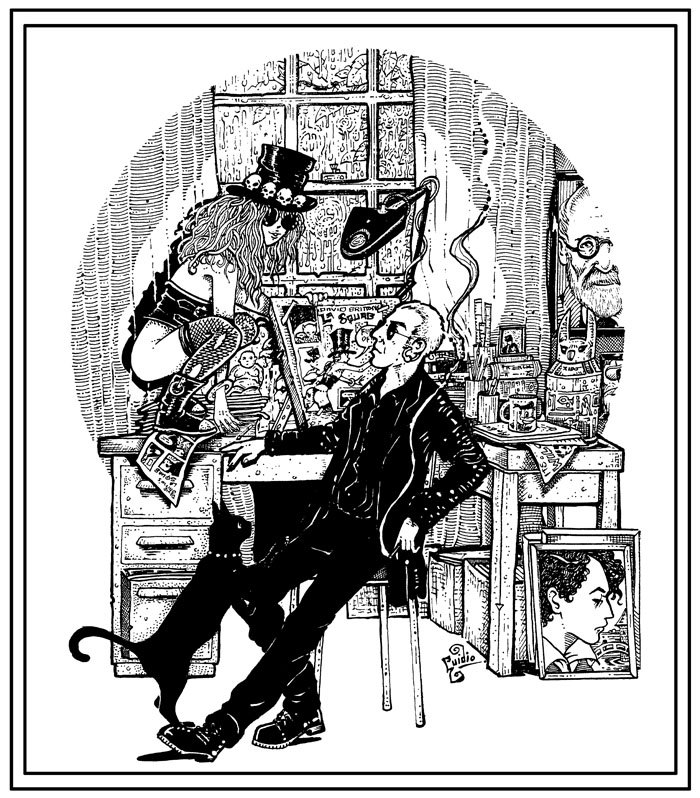
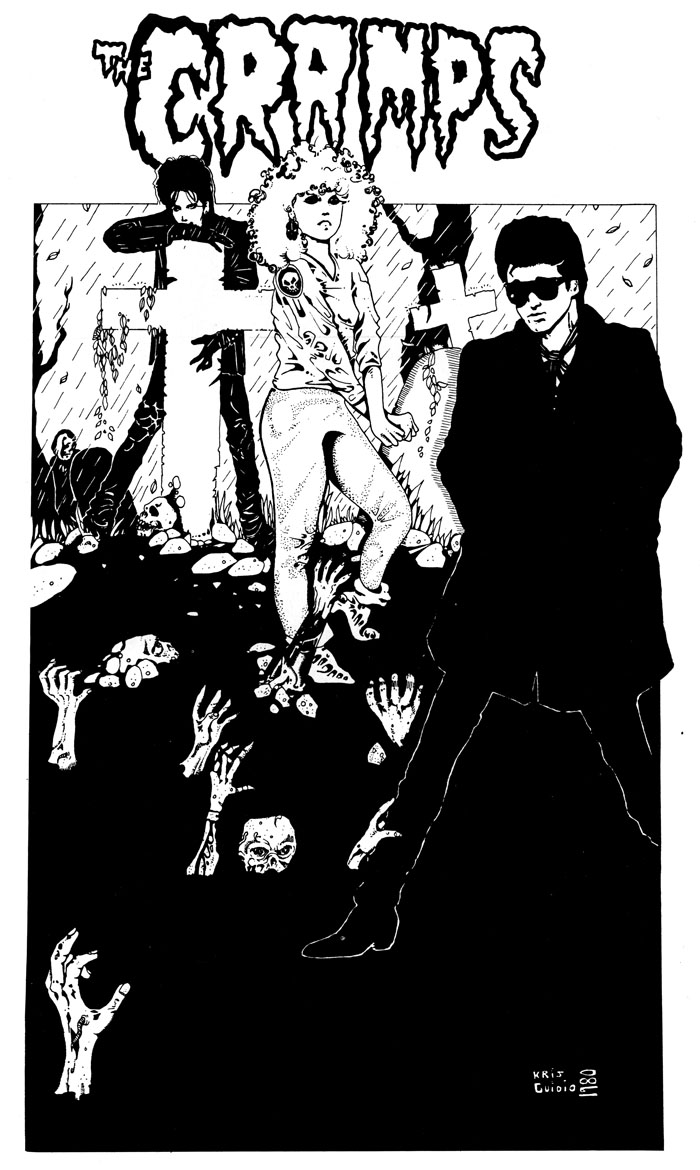
Farewell to the artist I used to refer to as my partner in art-crime. We weren’t really criminals but in the 1990s we’d both seen our published works for Savoy Books condemned as obscene in British courts of law, a farcical set of circumstances looking back, although it all seemed serious enough while it was happening. Kris and I began working for Savoy in the late 1980s, during which time our creative confederacy might be characterised as familiarity at a distance. He lived in Liverpool, and generally remained there, while the rest of us were in Manchester, so I saw his drawings much more than I saw him in person. I don’t think I ever met him more than 10 times in 30 years, yet his art was as familiar as my own, especially when I was being called upon to add backgrounds to some of his figures. I even ended up making a font based on the lettering he used in his comic strips in order to standardise the captions in the later books.

cramps1.jpg

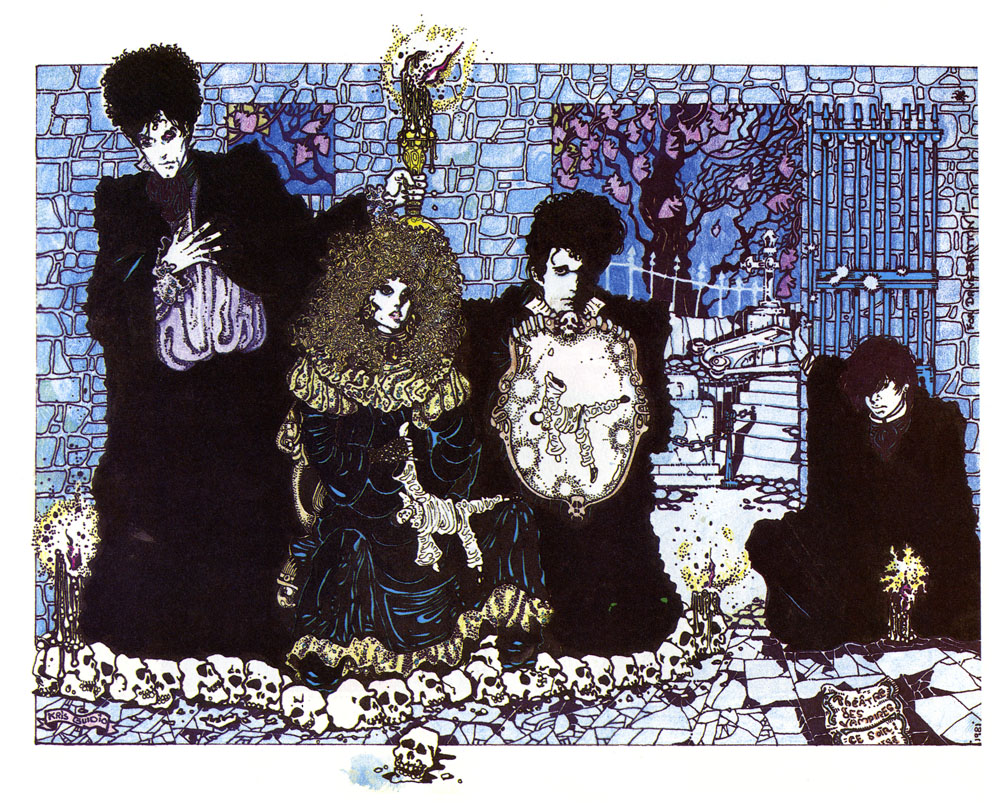
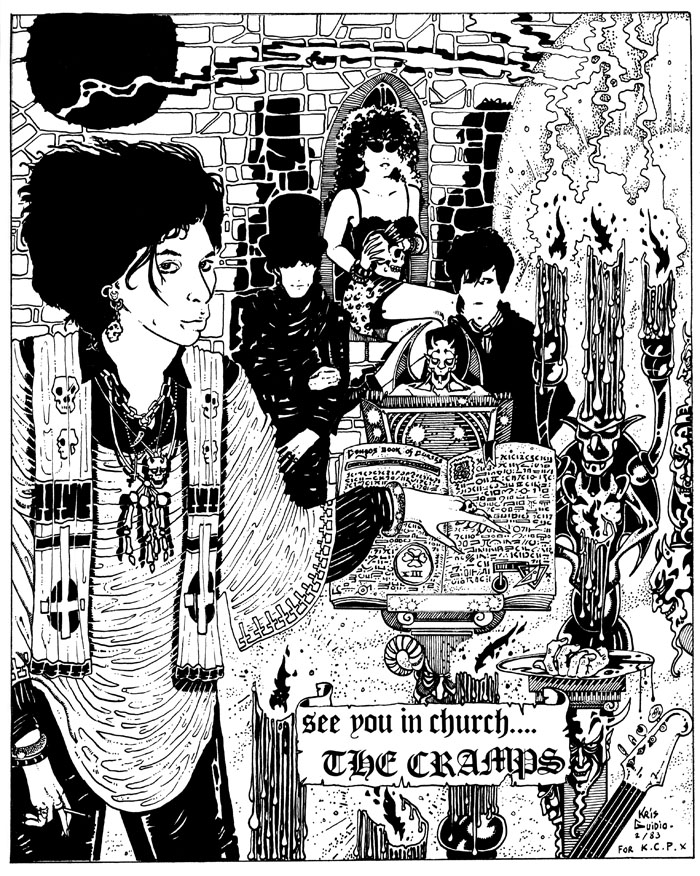
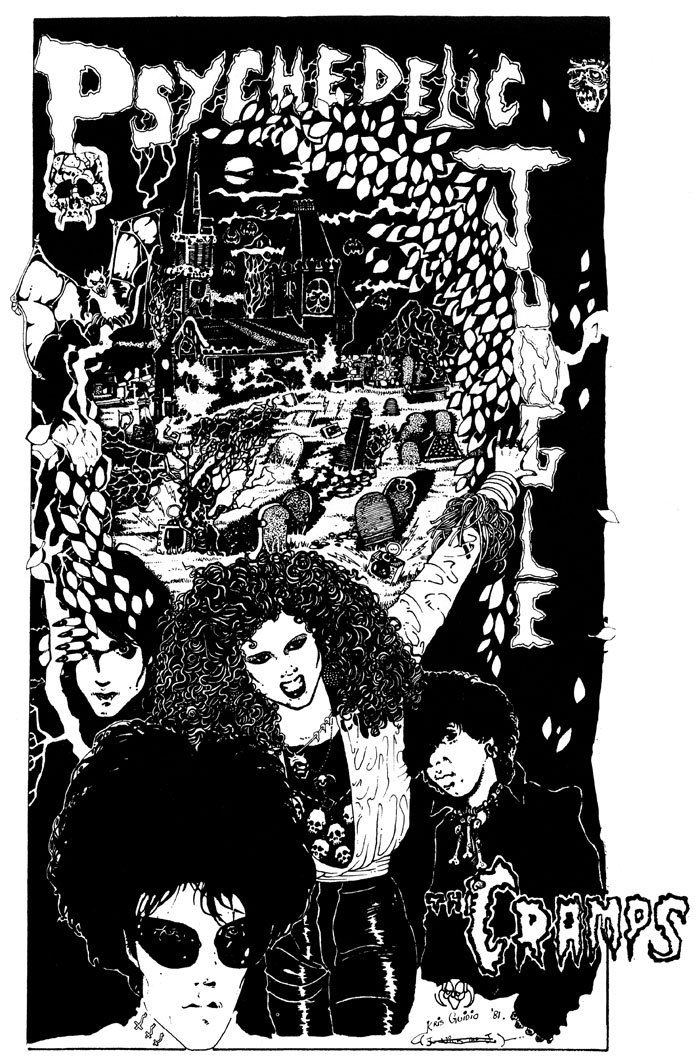
Kris and I shared a symbiotic relationship with writer David Britton, who pushed the pair of us to take our art into places we might otherwise have avoided, while we opened up artistic possibilities for Dave’s characters and the settings they occupied. We were an ideal team in this respect, each of us having strengths in different areas that suited the titles on which we worked. I brought a greater sense of realism to the Lord Horror comics, while Kris developed a hitherto unexplored flair for satire and caricature in the Meng & Ecker series. Kris was a natural cartoonist, as well as a natural humorist to a degree you wouldn’t have predicted looking at his early strips and illustrations featuring The Cramps.

cramps2.jpg

The Meng & Ecker comics provoked the ire of the authorities, thanks in part to Dave’s frequent digs at the Greater Manchester Police, but there was a lot more to Kris’s art than outrage, a quality which is always easy to generate if you push the right buttons. His Cramps strips are gems of that minor form, the rock’n’roll comic, while his later illustrations for the La Squab character had a lightness of touch that suited Dave’s conception of a world where fairy tales and childhood fantasies collide with adult themes and sensibilities. Kris’s art was analogue to the last (I don’t think he ever owned a computer), drawn with whatever pens he had to hand; watercolour-hued, and fuelled by endless cigarettes. Kris in person was generous, witty, and erudite in the autodidactic manner common to all at Savoy. Remote or not, we’ll miss him here.

Further reading:
Sinister Legends (1988)
The Adventures of Meng & Ecker (1997)
Fuck Off and Die (2005)
La Squab: The Black Rose of Auschwitz (2012)

cramps3.jpg

cramps4.jpg

Continue reading “Kris Guidio, 1953–2023”

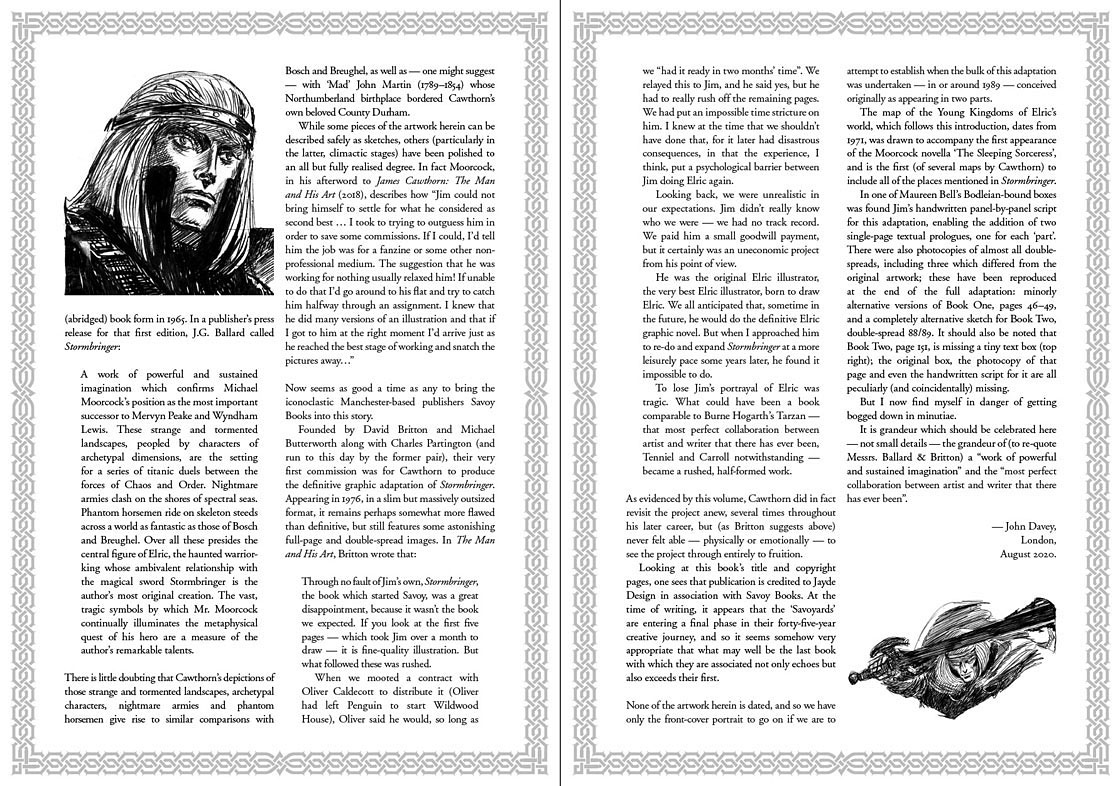
The Stormbringer Sessions by James Cawthorn

stormbringer15.jpg

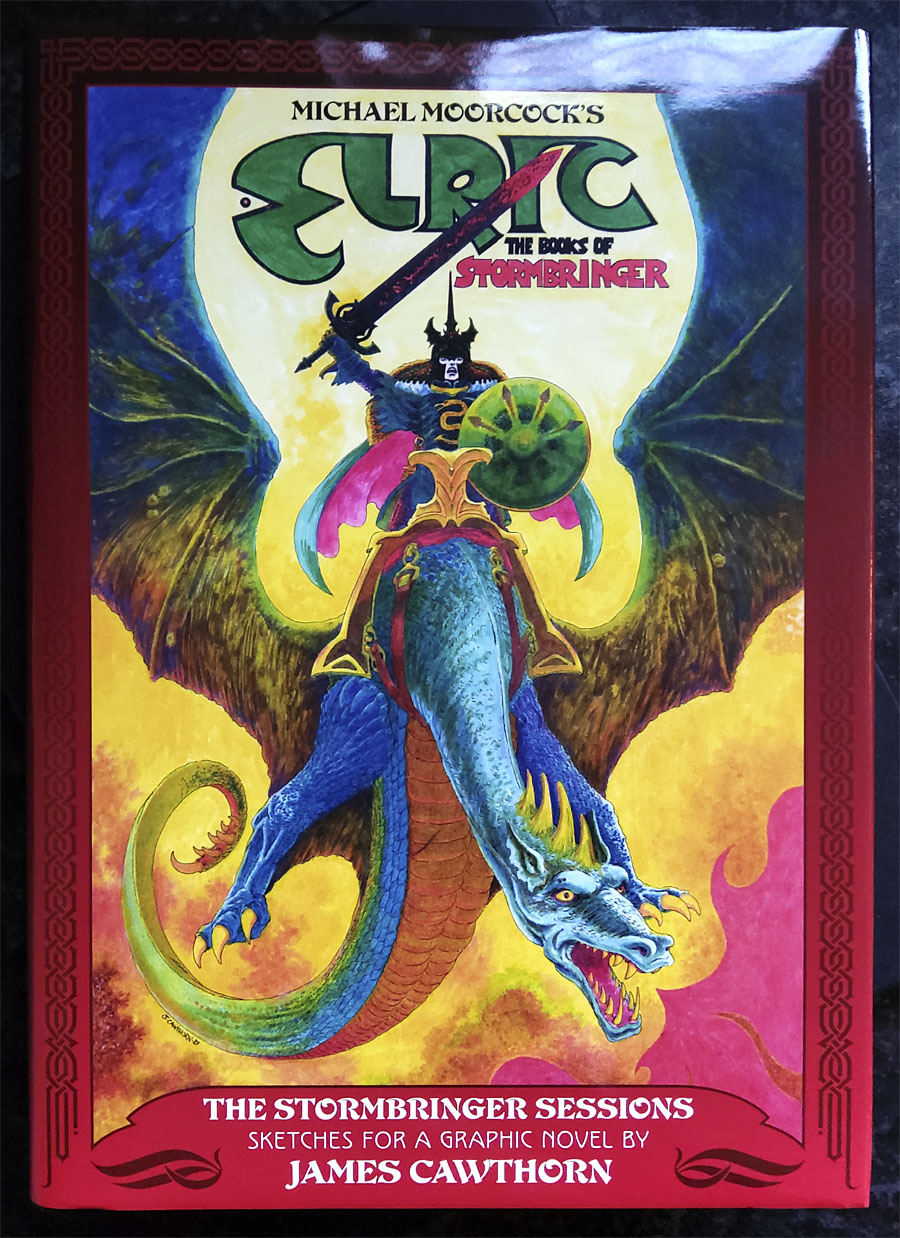
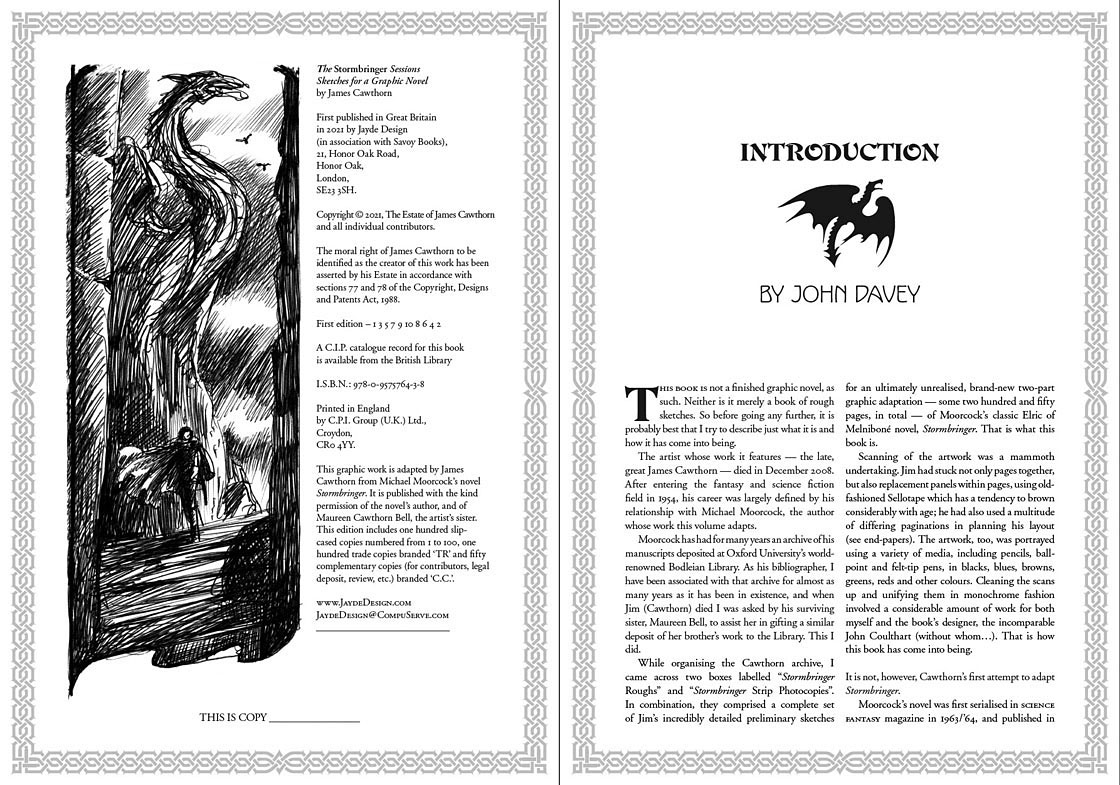
One of the books I was designing last year is published next month. The Stormbringer Sessons is a resurrection by John Davey of a sketchbook created by James Cawthorn in the mid-1980s for an Elric graphic novel that Cawthorn was commissioned to adapt and illustrate for Savoy Books. This is a limited edition that’s unlikely to be reprinted so anyone interested is advised to pre-order. (See below.)

stormbringer16.jpg

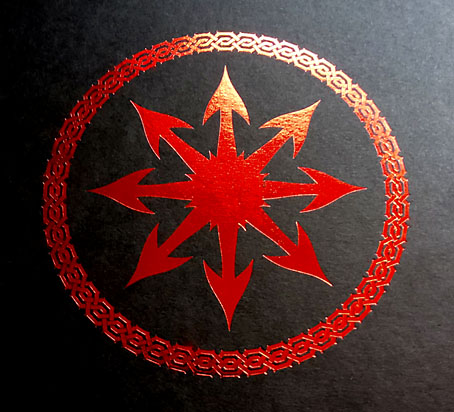
Slipcase decoration.

The original Stormbringer by Michael Moorcock isn’t a novel as such but a collection of the second series of linked novellas about Elric of Melniboné that Moorcock wrote for Science Fantasy from 1961 to 1964. Over the course of ten stories Moorcock introduced a character and a world that acted as a riposte to the Tolkienite school of heroic fantasy, where the divisions between Good and Evil are clear and fixed. Elric is like one of Sergio Leone’s characters: the difference between Clint Eastwood’s “Good” in The Good, the Bad and the Ugly and Lee Van Cleef’s “Bad” is merely a matter of degree; both men are killers chasing the same hoard of gold coins. (By coincidence, Leone was preparing to the upset the Western genre with A Fistful of Dollars just as Moorcock was finishing the first Elric stories.)

stormbringer03.jpg

James Cawthorn was one of Moorcock’s oldest friends, and a frequent collaborator. He not only illustrated the first Elric stories but also co-wrote the fourth one, Kings in Darkness. Despite having created many Elric illustrations Cawthorn always seemed to want to draw comics based on other characters, notably Moorcock’s Dorian Hawkmoon whose adventures have recently been reprinted in three volumes by Titan Books. The Stormbringer commission was a result of the late David Britton’s obsession with Elric in general and the Stormbringer book in particular. Stormbringer begins with Elric having retired from adventuring; his soul-stealing sword is locked away and he’s settled down to married life. The opening scenes parallel (and prefigure) many Hollywood plots: Elric’s wife is abducted for unknown reasons so Elric has to take up his sword and go after her. What follows is a pursuit into a world growing increasingly dark and chaotic, and with it the realisation that the events taking place are a part of a long-foretold apocalypse that will (and does) destroy that world. The progression from a regular sword & sorcery tale to doom-laden widescreen baroque, with a dragon army flying over a churning Boschian hellscape, is one of the enduring attractions of the book.

stormbringer04.jpg

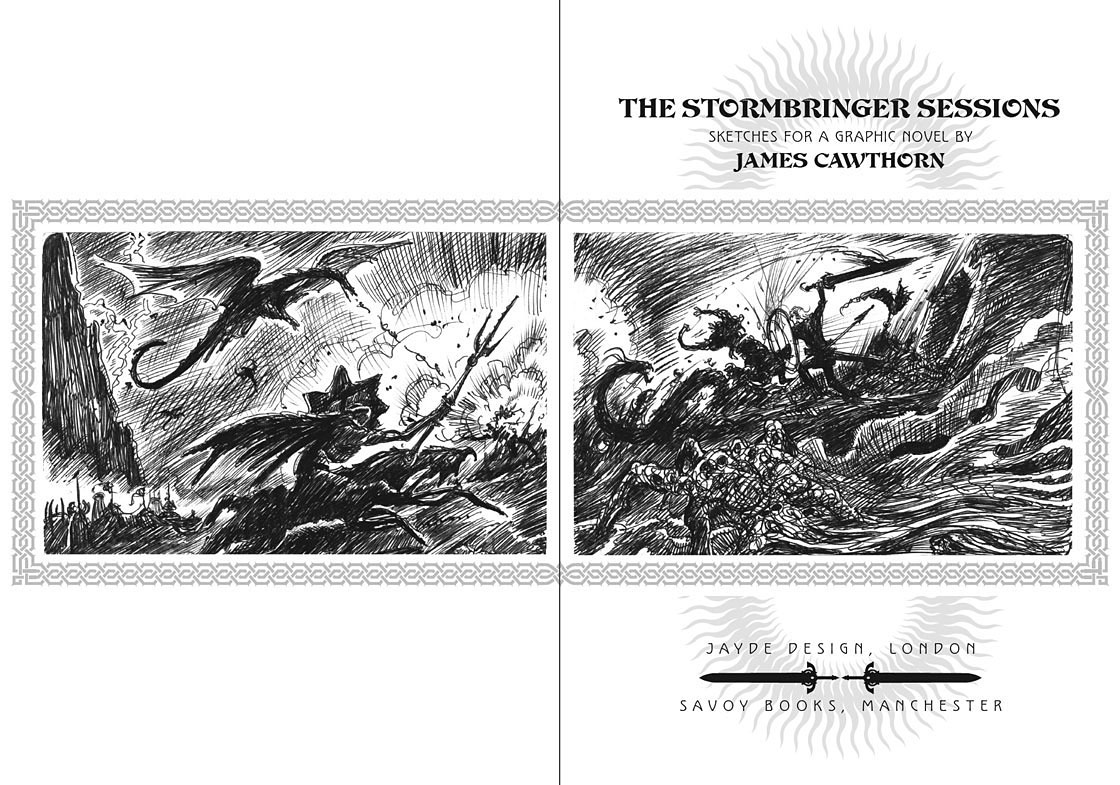
Britton had first persuaded Cawthorn to adapt Stormbringer into comic form in 1976 but the work on that occasion was compromised by lack of time. The sketches in The Stormbringer Sessions are Cawthorn’s roughs which were drawn in preparation for the second attempt, with the entire story worked out in panel form over 250 pages, complete with dialogue and captions. Some of the opening pages are rough indeed, but the drawings for the apocalyptic finale, presented in many double-page spreads, are almost finished pieces. The sketches may lack the finesse of Cawthorn’s other comics work but the power of his drawing and his imagination shines through. Nobody seems to know why he abandoned this project despite having a publisher waiting for it, but he was also adapting the third Hawkmoon book at the time, and had already spent the past decade working on the Hawkmoon trilogy.

stormbringer05.jpg

My design for this one is fairly straightforward, mostly a matter of framing and typesetting the opening and closing pages, as well as creating graphics for the cover and the slipcase. As with the Elric-themed Hawkwind album, The Chronicle of the Black Sword, I opted for Celtic-style knotwork for the decoration. Elric’s world isn’t our world but knotwork designs are universal (maybe even multiversal) while being satisfyingly antique and abstract. The publication is a co-production between Jayde Design and Savoy Books, with the book being limited to 100 numbered hardbacks in a decorated slipcase. Each copy also contains a colour print of the cover painting. The book may be ordered here. More page samples follow.

stormbringer06.jpg

Continue reading “The Stormbringer Sessions by James Cawthorn”

David Britton, 1945–2020

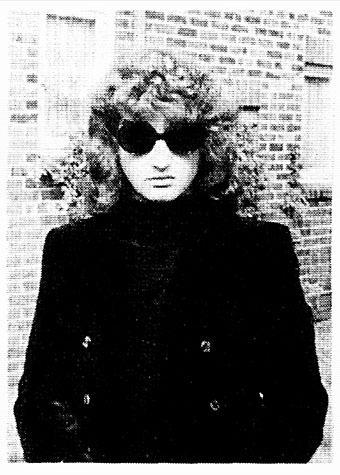
db.jpg

Mister Rock’n’roll, 1969.

David Britton, author, artist and publisher, died on 29th December. I wrote this for the Savoy Books news announcement:

My closest artistic collaborator from 1989 to 1999, and a close friend for longer than this: capricious, determined, fearless, funny, generous and inspirational. No David Britton, no Lord Horror; no Lord Horror, no Reverbstorm. He changed my life.

He’d been increasingly ill for several years so this came as less of a surprise to those of us close to him than to others. Dave and I used to talk at least once a week, and on the last occasion he’d sounded worse than usual. Those talks were episodes in a conversation about art that ran for over 30 years, beginning in the mid-1980s at the counter of the Savoy bookshop in Peter Street, Manchester, continuing in the Savoy offices with co-publisher and collaborator Michael Butterworth, and resuming on the phone; art in all its forms and in any medium, with no attention paid to categories of “high” and “low”.

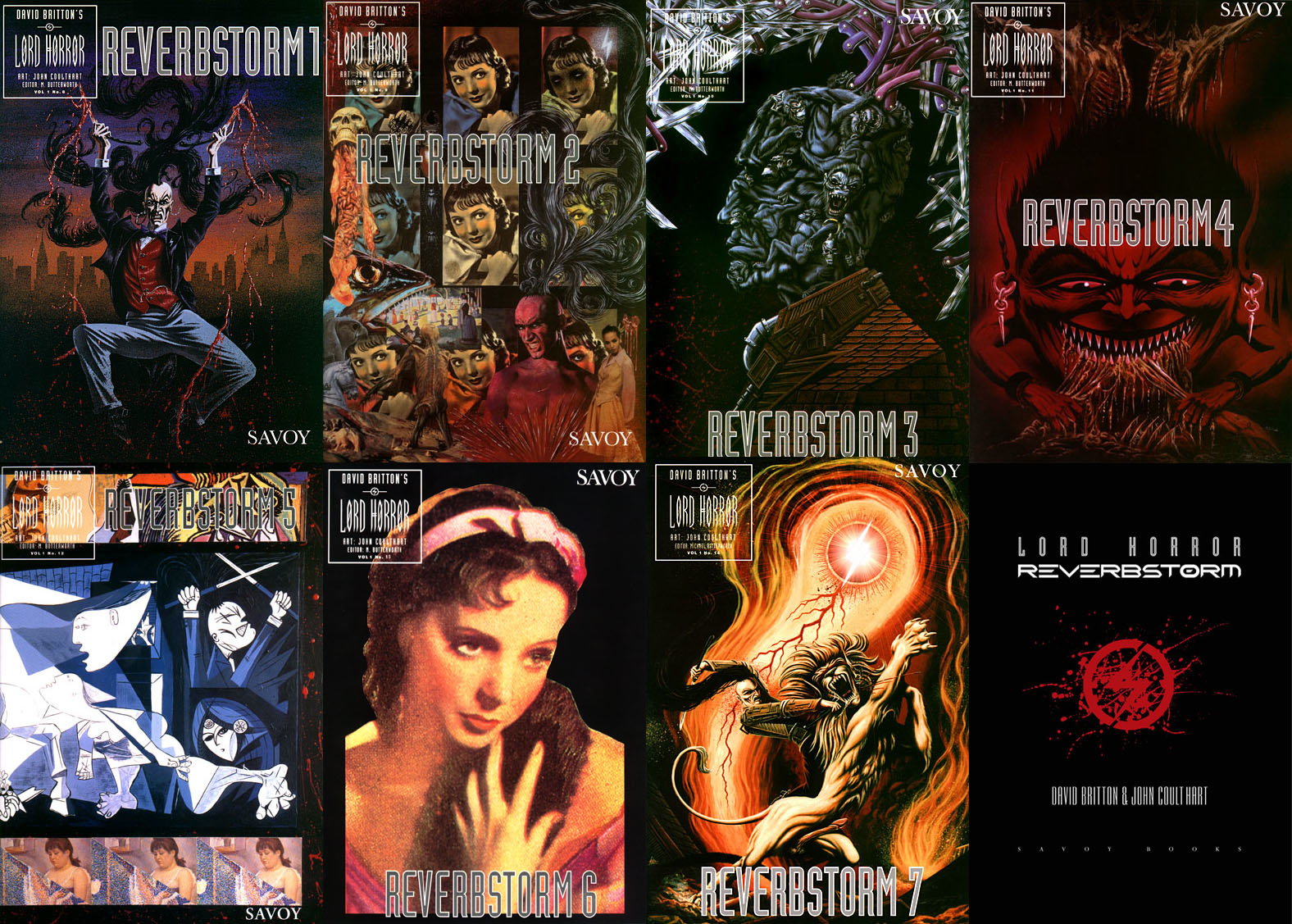
reverbstorm-covers.jpg

Reverbstorm, the Lord Horror comic series that we created throughout the 1990s, was the product of those conversations, and was also produced mostly through conversation, working by instinct without a script. The series, which was compiled into definitive book form in 2012, is testament to a pooled breadth of interest, encompassing/quoting/appropriating/reworking Pointillist, Cubist and Expressionist painting, Modernist poetry, pop songs, Sondheim musicals, Finnegans Wake, Tom Phillips’ Humument, Burne Hogarth’s Tarzan comics, Joel-Peter Witkin’s photographs, voodoo chants, Piranesi, King Kong, Bauhaus graphic design, Hugh Ferriss architecture, and illustration of all kinds, from fairy tales to cosmic horror via Aubrey Beardsley and Harry Clarke; there’s even ballet in the mix if you look closely. Dave always liked the idea of Lord Horror leaping and pirouetting like a dancer. More than anything, Reverbstorm is rock’n’roll, and this is partly what the title refers to: a thundering rhythm.

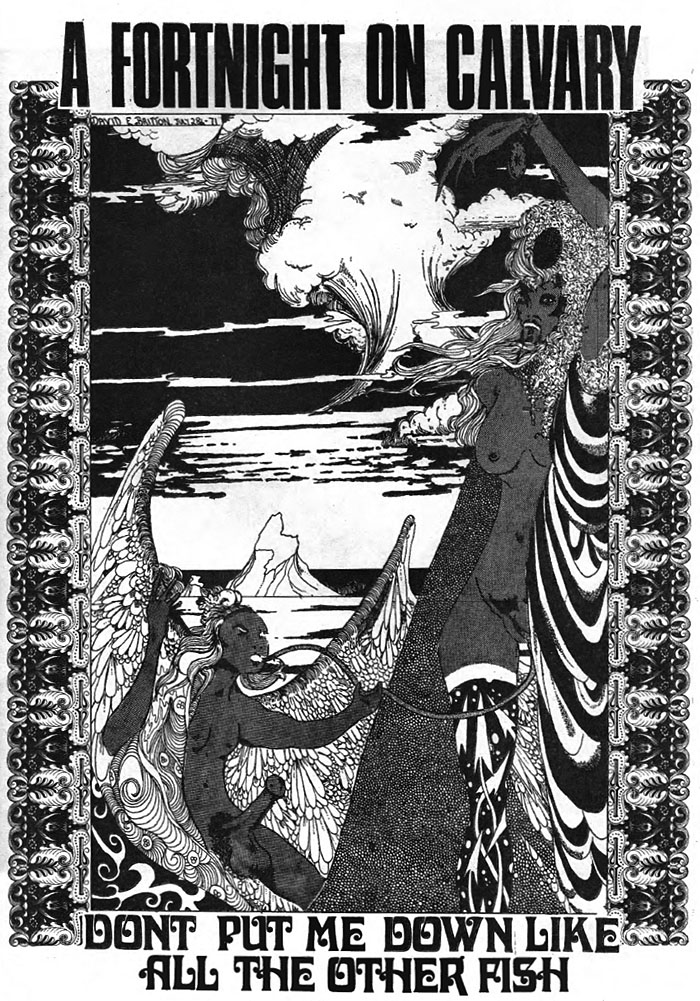
wf2.jpg

Britton art from Weird Fantasy #2, 1971. This is the drawing that caught the attention of William Burroughs when Britton and Butterworth visited Burroughs in New York City in 1979.

The term “rock’n’roll” always requires qualification when considering the Britton oeuvre, he used it with regularity while remaining bitterly aware that the original charge of the words had been degraded by over-use, reduced to a caricature by too many mediocre music acts and lazy journalists. I chided him a couple of times that his use of the term was functionally meaningless, a synonym for “my favourite things”. But the application was always a serious one, a label for any work that he found sufficiently thrilling, wild, original, excessive, anarchic, flamboyant, boundary-breaking or confrontational. Little Richard, Larry Williams, Howlin’ Wolf and Bo Diddley were Dave’s kind of rock’n’roll, as were Captain Beefheart and His Magic Band, PJ Proby, Iggy Pop, the Sex Pistols, The Cramps, The White Stripes and the Wu-Tang Clan. No surprise there, but Burne Hogarth was also rock’n’roll, although Hogarth would no doubt have disputed this. Another favourite artist, James Cawthorn, was given the label because Dave had discovered Cawthorn’s work when his teenage rock’n’roll obsession was at its height; two forms of art were permanently bound together, with sword & sorcery recast as the literary equivalent of a delinquent musical idiom. Dave’s other artist collaborator, Kris Guidio, was rock’n’roll for having served time as a peerless portraitist of The Cramps. LaVern Baker was rock’n’roll, as was CL Moore. Aubrey Beardsley was rock’n’roll and Harry Clarke was rock’n’roll; William Burroughs and William Hope Hodgson were rock’n’roll, so were Michael Moorcock and Harlan Ellison. Francis Bacon and Paula Rego were rock’n’roll; Alan Clarke was rock’n’roll and so was David Lynch. The quest for more of this rare commodity was relentless and unceasing. Many of our conversations were little more than enthusiastic discussions of shared favourites, or recommendations to watch/read/listen to something new.

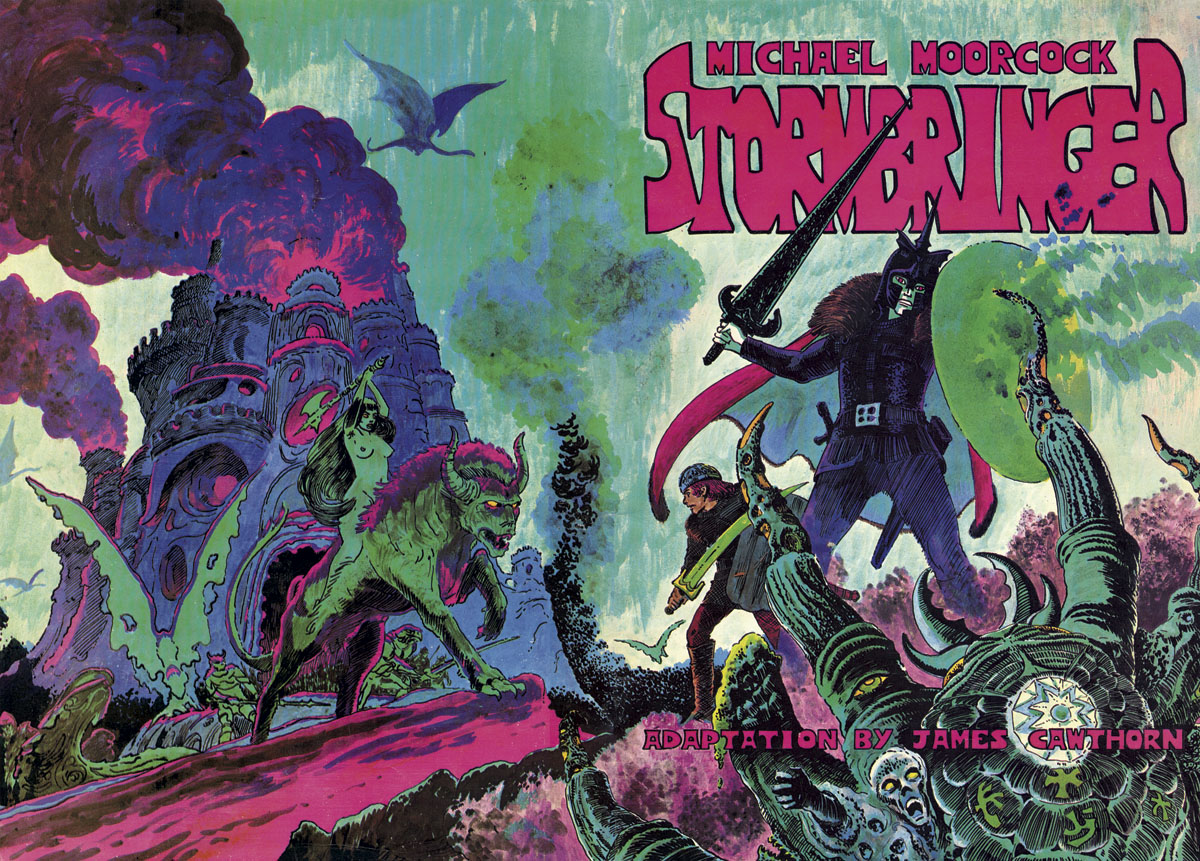
stormbringer.jpg

The first Savoy publication from 1976—Cawthorn adapting Moorcock’s apocalyptic Elric novel—was a declaration of intent: maximum rock’n’roll.

The photo at the head of this post is one that Dave had reused in recent years, one of the few portraits he seemed to like. It first appeared inside his debut publication, Weird Fantasy #1, a genre fanzine that was also enough of an underground publication to receive a passing mention in Oz magazine. The picture is emblematic of the Britton character, dressed in a manner at odds with the north Manchester surroundings he grew up in, and where he was still stuck at the time, a world of back-to-back housing and squalid ginnels. Rock’n’roll in all its forms was the great escape from a world of severely limited horizons and circumscribed lives, where all you could look forward to after a few years of poor education was a job in the local mill or factory. People who dismiss the gaudier forms of entertainment as “escapist” are usually middle class and blessed with comforts and opportunities that reinforce their condescensions; people who never had to consider a life so lacking in promise that a song heard on the radio, a vinyl record, a comic book, a paperback found on a market stall, might be the key to a wider world, an affirmation that there was more than the brick walls of your immediate environment, and there could be even more than this. “Escapist” suggests a hiding away but it also means breaking free. In later years Dave maintained a sporadic correspondence with Alan Moore; they never met but were mutually supportive, thanks in part to a shared background as bright boys from working-class backwaters with no encouragement to try and transform their lives through their escapist enthusiasms. Alan maintained an affection for his background, but Dave seldom spoke of his without a shudder, as though he’d evaded a fate worse than death. One thing he retained from north Manchester was an ebulliently vulgar sense of humour. He agreed with Picasso that good taste is the enemy of creativity.

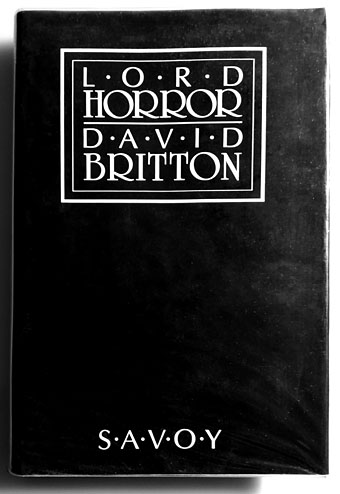
lh.jpg

David Britton’s first novel wasn’t one he considered his best but it remains the most notorious thanks to the conscientious literary assessments of the Greater Manchester police.

I’ll miss Dave’s infectious humour, just as I’ll miss the conversations that so often provoked it, the quest for better art, some new kind of kick, more rock’n’roll. I’ll miss being able to show him something I know he’ll enjoy. He always liked quotations so I’ll end this with a lengthy one from Walter Pater, the aesthetic theorist whose ideas energised the Decadents and the founders of The Savoy, the magazine from which Savoy Books took its name. It summarises Dave’s attitude to life even if he’d never discuss things in such a grandiloquent manner:

…we are all condamnes, as Victor Hugo says: we are all under sentence of death but with a sort of indefinite reprieve—les hommes sont tous condamnes a mort avec des sursis indefinis: we have an interval, and then our place knows us no more. Some spend this interval in listlessness, some in high passions, the wisest, at least among “the children of this world,” in art and song. For our one chance lies in expanding that interval, in getting as many pulsations as possible into the given time. Great passions may give us this quickened sense of life, ecstasy and sorrow of love, the various forms of enthusiastic activity, disinterested or otherwise, which come naturally to many of us. Only be sure it is passion—that it does yield you this fruit of a quickened, multiplied consciousness. Of this wisdom, the poetic passion, the desire of beauty, the love of art for art’s sake, has most; for art comes to you professing frankly to give nothing but the highest quality to your moments as they pass, and simply for those moments’ sake.

Previously on { feuilleton }
James Cawthorn: The Man and His Art
A Reverbstorm jukebox
Reverbstorm: an introduction and preview

L’outrageant Lord Horror

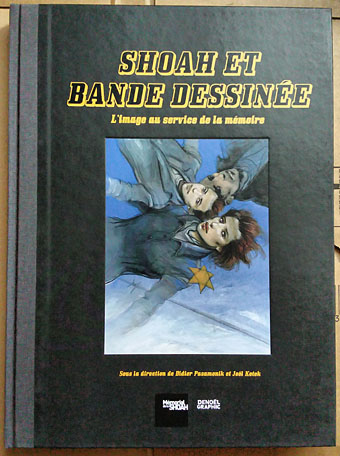
shoah1.jpg

Cover art by Enki Bilal.

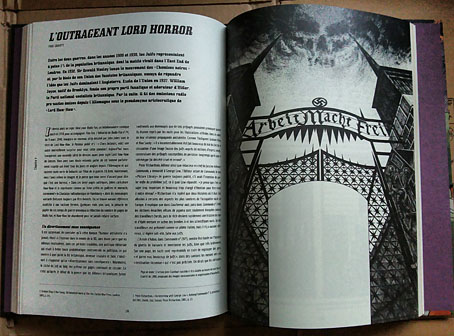
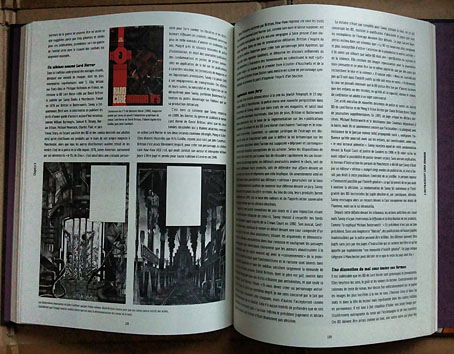
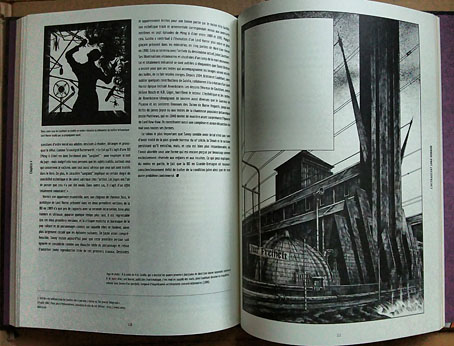
Arriving in the post this week was the catalogue for the Shoah et bande dessinée exhibition which is currently running in Paris at Mémorial de la Shoah. I’ve mentioned previously that the exhibition includes some of my pages from my first collaboration with David Britton/Savoy, the death-camp issue of the first Lord Horror series, Hard Core Horror, but until the catalogue arrived I wasn’t sure how that work would be presented. Consequently, I’m surprised to find the comic and Britton’s wider Lord Horror project given a section of its own in the catalogue, with a lengthy appraisal by British comics historian Paul Gravett. The text is French throughout so I can’t follow Gravett’s piece very well but it looks to be an expansion of earlier pieces he’s written about the Savoy comics and their troubled history.

shoah2.jpg

The book itself is a solid production that I’m pleased to find following the hardback “album” format used by Continental comics. Denoël Graphic, a publisher of bandes dessinées, is the publisher. Among the other artists represented are Will Eisner and Art Spiegelman (of course), plus many French artists whose work I hadn’t seen before. The exhibition runs throughout the year to 30th October, 2017.

shoah3.jpg

shoah4.jpg

Previously on { feuilleton }
Exhibitionism