BWS and REH

smith1.jpg

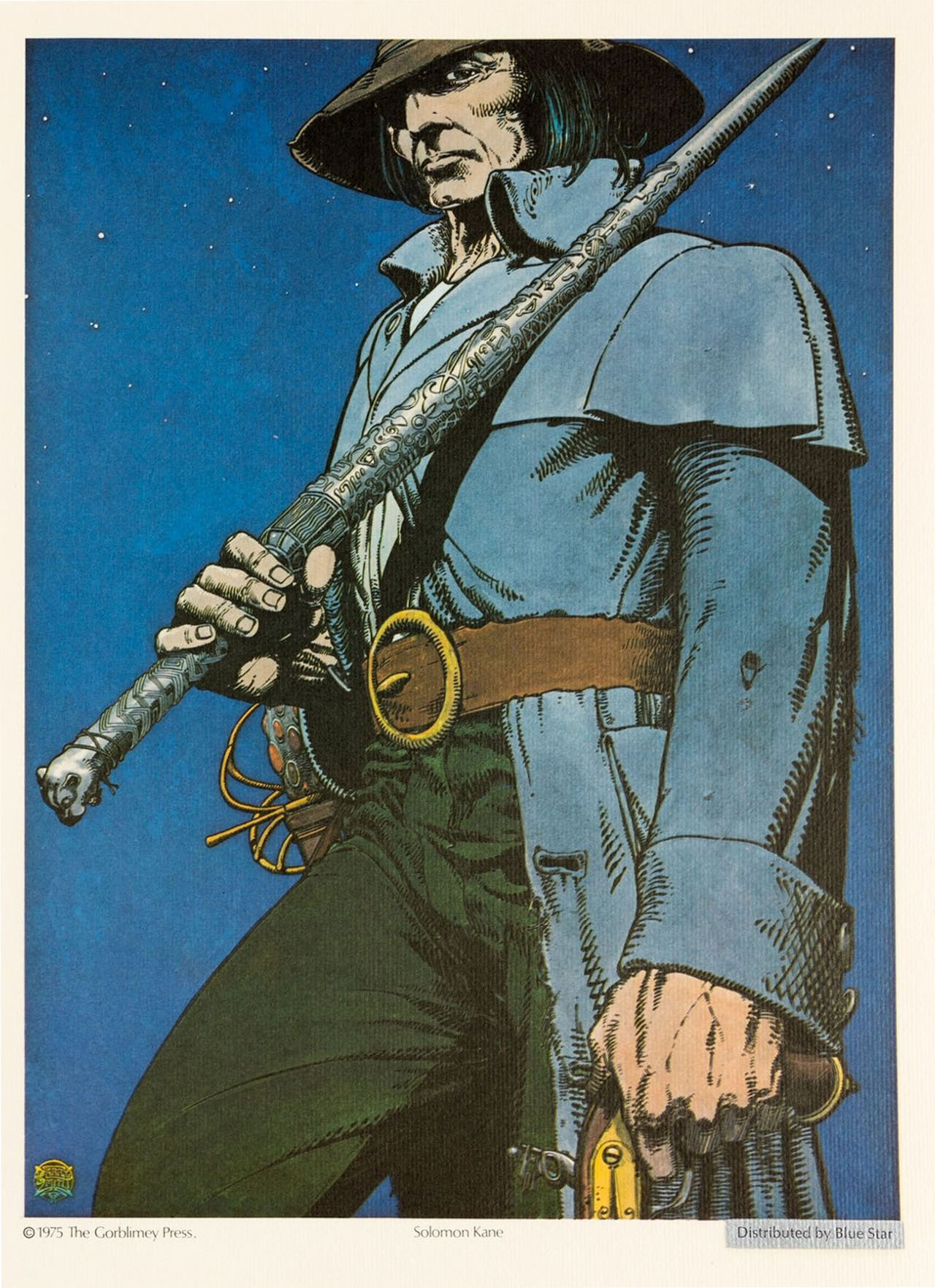
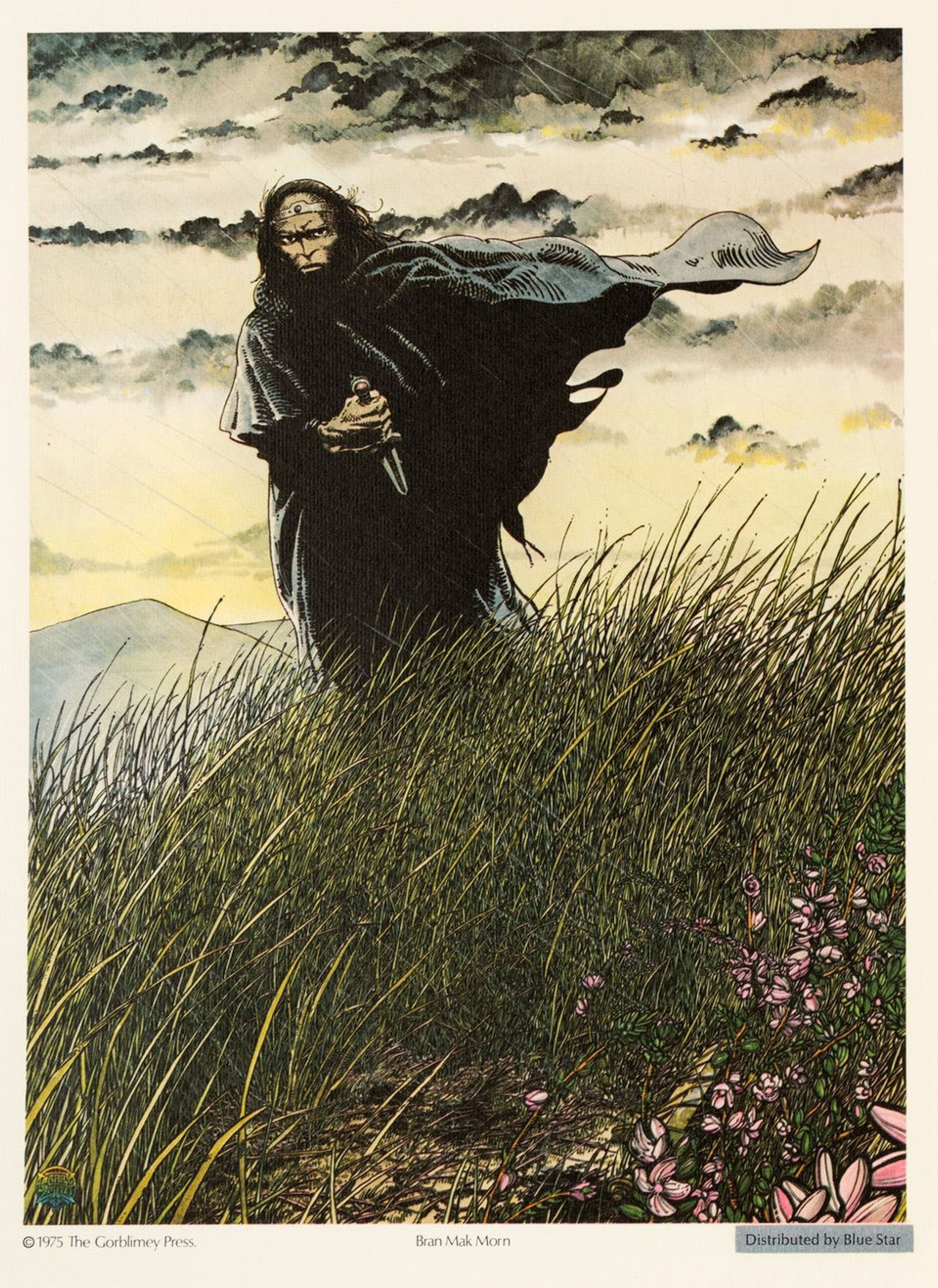
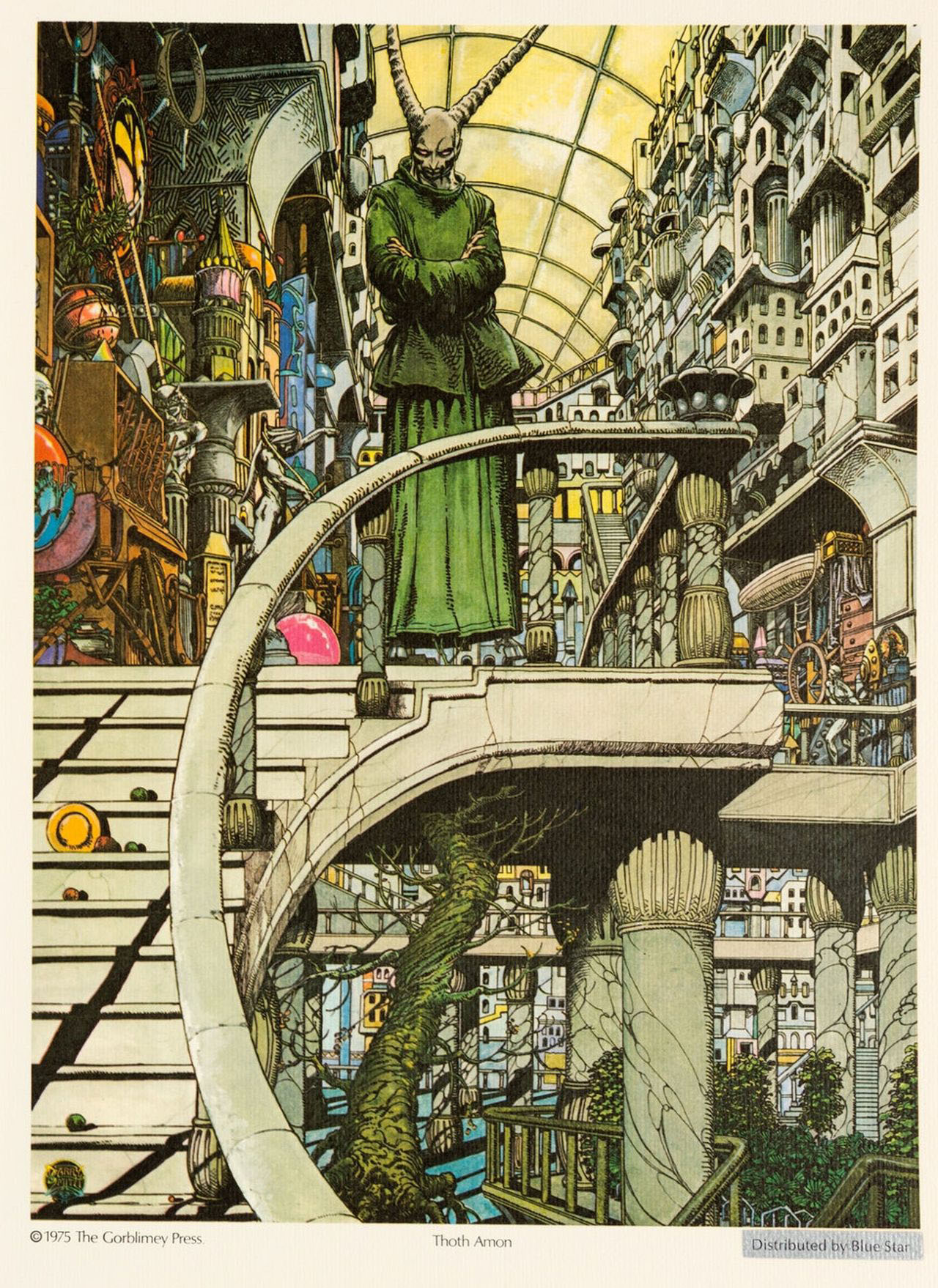
Since Barry Windsor-Smith was absent from the previous post (or there in spirit via the pages of The Studio) I thought I’d post a few of his prints from the mid-70s. As I said in the Snaps piece, Smith and co. set up The Studio in order to concentrate on art that was creator-owned and free of the constraints they were forced to work under in the comics field. This didn’t mean that they completely abandoned the subjects which had made them popular artists. Barry Smith’s work for his own Gorblimey Press oscillated between pastiches of the 19th-century artists he admired—mainly Alphonse Mucha and the Pre-Raphaelites—and characters from the stories of Robert E. Howard, Conan in particular.

smith3.jpg

Solomon Kane (1975).

Smith’s work with Roy Thomas on the first run of Marvel’s Conan comics had given him access to a large audience of comic readers. Not all of these would have wanted to buy (or been able to afford) the Gorblimey Press run of signed and numbered prints but it made sense for Smith to offer some continuation with the previous phase of his career. My animus towards the Marvel comics format means I have little affection for the Smith and Thomas Conan comics. But it’s interesting watching Smith’s work there evolve within the restrictions of the production-line system when you know he’ll end up presenting a very different version of Conan and Howard’s other characters in his prints.

smith4.jpg

Bran Mak Morn (1975).

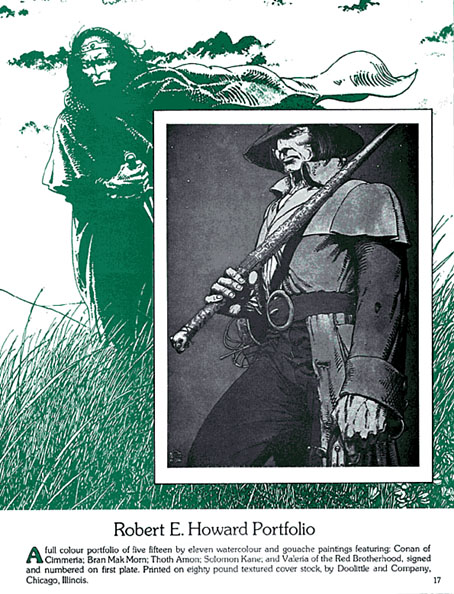
Most of the pieces here are from the Gorblimey Robert E. Howard portfolio, a collection of five prints presenting portraits of characters from Howard’s stories. Smith included three of these—Solomon Kane, Bran Mak Morn and Thoth Amon—in his section of The Studio.

smith2.jpg

Thoth Amon (1975).

Continue reading “BWS and REH”

Snaps: The Studio tour, 1979

snaps3.jpg

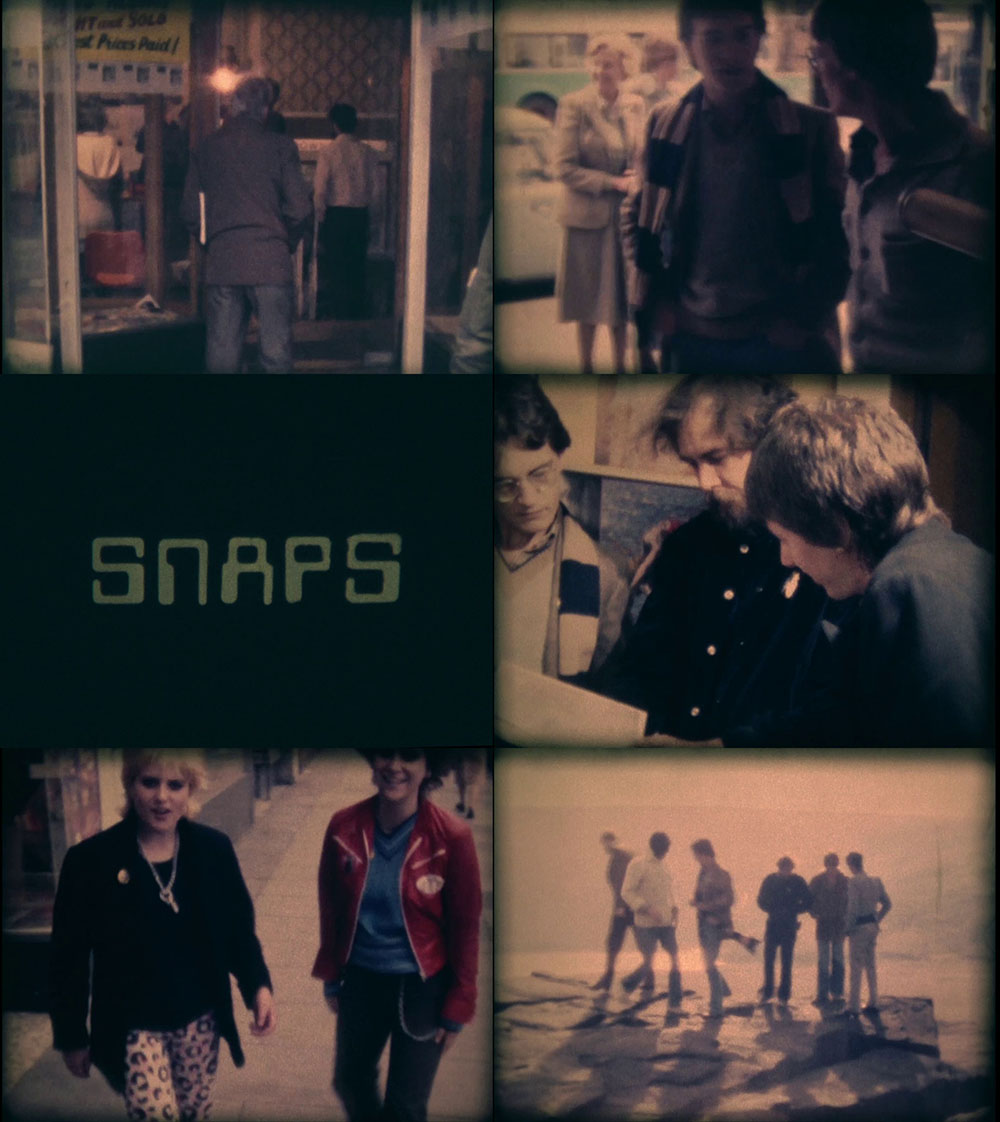
I’d been hoping that Malcolm Whitehead’s Snaps might be made public eventually, and here it is, a 25-minute film documenting the northern end of a British book-signing tour undertaken by three artists and their publisher in October 1979. Not only that, there’s also this shorter compilation of footage that didn’t make the final cut.
studio.jpg

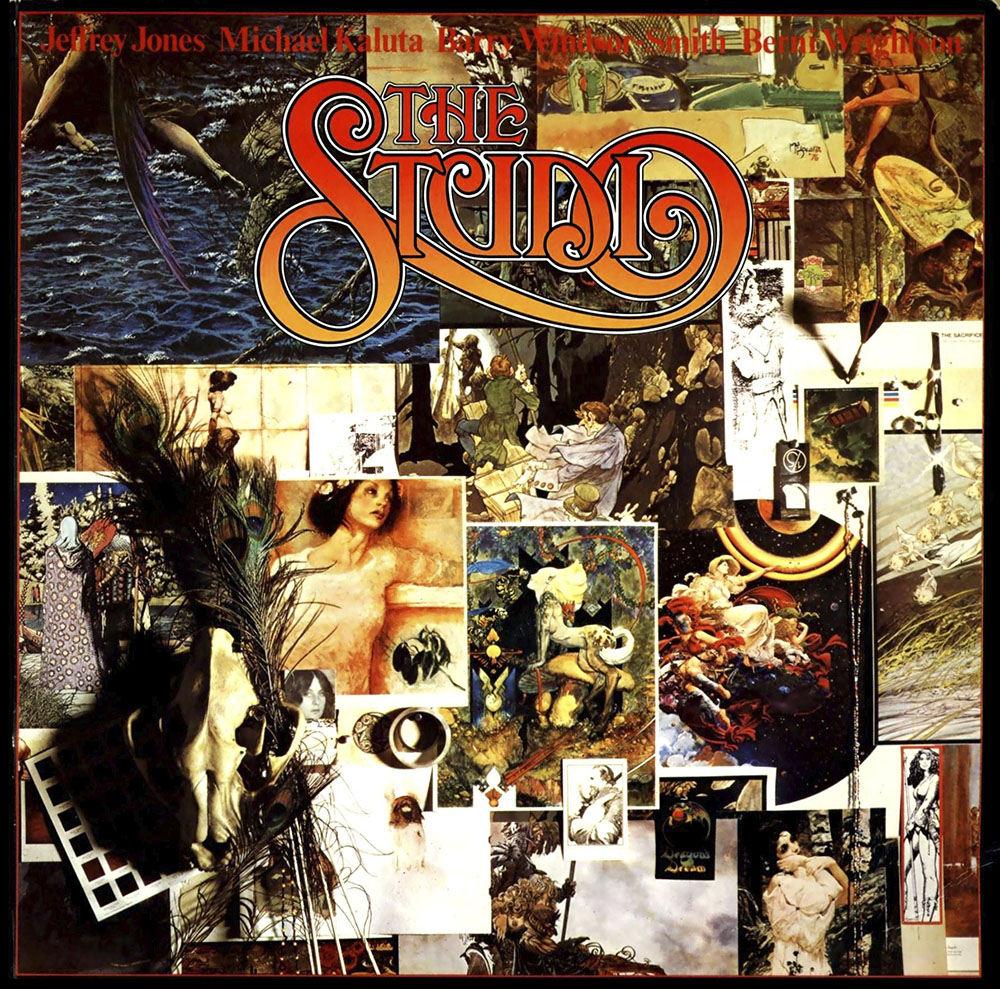
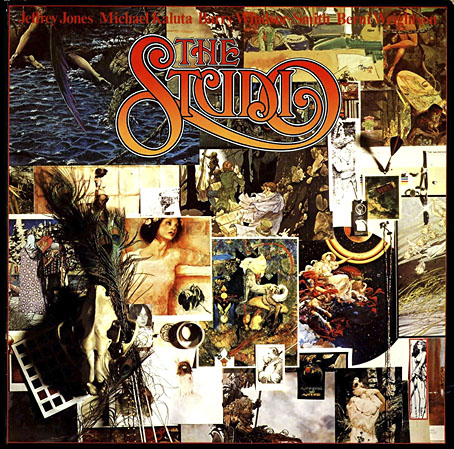
The artists were three of the four whose work is showcased in the book known as The Studio: Jeffrey Catherine Jones, Mike Kaluta and Bernie Wrightson. The other member of the quartet, Barry Windsor-Smith, either missed the jaunt to Leeds and Manchester or avoided the tour altogether. The publisher was fellow artist Roger Dean whose success in 1975 with his own art book, Views, prompted him to turn his self-publishing imprint, Dragon’s Dream, into a bona fide publishing company. Views was followed by a short run of art books by prominent fantasy and science-fiction illustrators including Chris Foss, Ian Miller, Bruce Pennington and Syd Mead. The Studio was one of these titles, a collection of the art produced by the quartet working in the communal loft (“The Studio”) they established in Manhattan in the mid-1970s, a space intended for the production of more personal work than the comic art for which they were all known. Malcolm Whitehead’s film is unusual for documenting an event in sound and vision that usually wouldn’t be documented at all beyond a handful of photographs.
mb-db-1979.jpg

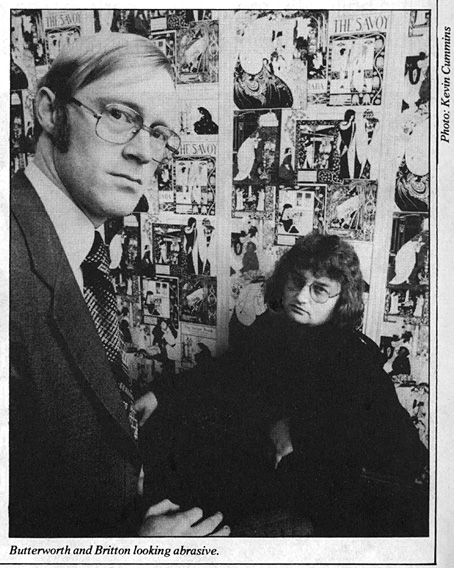
New Manchester Review, 1979: Michael Butterworth and David Britton in the Beardsley-papered Savoy office. Photo by Kevin Cummins.

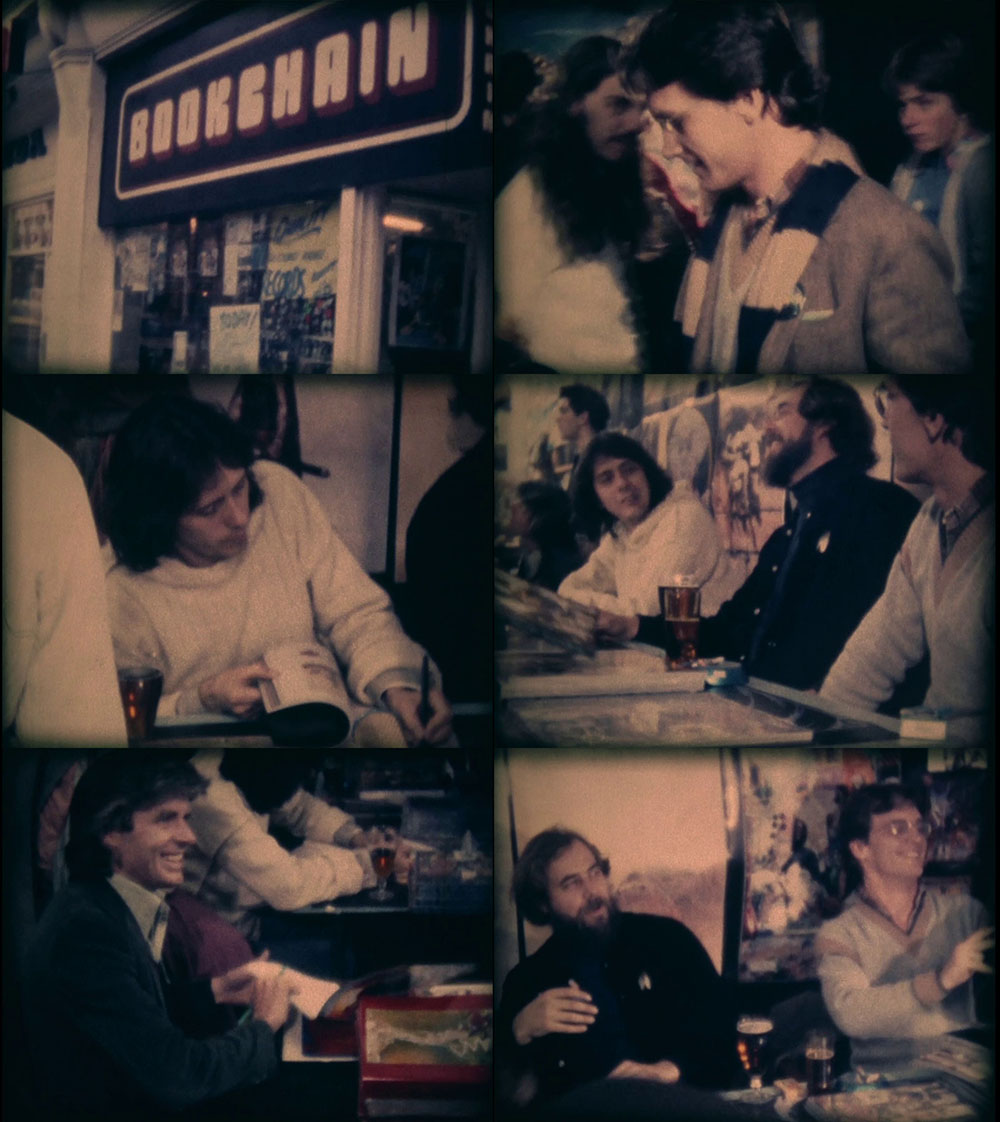
The trail of circumstance that led to the creation of Snaps goes something like this: David Britton and Michael Butterworth were setting up Savoy Books in Manchester at around the same time that Roger Dean was expanding Dragon’s Dream. Both publishers had established co-production deals with Big O, a poster company, distributor and publisher of many pop-culture art books, notably the British edition of HR Giger’s Necronomicon. One of the first Savoy books in 1978 was James Cawthorn’s The Jewel in the Skull, an 80-page comic-strip adaptation of the novel by Michael Moorcock, which was a one-off co-production between Savoy and Big O. In addition to being a fledgling publisher, Savoy at this time also had a chain of bookshops in Manchester, Leeds and Liverpool, selling the usual 70s blend of genre and “cult” paperbacks, posters, comics (mainstream and underground), magazines, and so on. The main outlet was Bookchain on Peter Street, Manchester, which is where much of Snaps was filmed. Given the connection between Dragon’s Dream and Savoy I’d guess that Big O suggested the Savoy shops as venues for the Studio signing tour. Dave Britton would have been keen on this even without the extra business the signings generated for the shops. He’d bought some of the posters produced by Barry Smith’s Gorblimey Press, and always spoke highly of Smith’s Studio-era work. As for the film, Mike Butterworth was good friends with local film-maker Malcolm Whitehead, and it was he that commissioned “Malc” to document the signing. Whitehead is best known today for his subsequent involvement with Ikon, the video division of Factory Records. In addition to making Snaps, in 1979 he was also filming some of the live footage of Joy Division that’s been circulating ever since. He later directed a couple of the early New Order videos, and helped with the direction and editing of many video productions by other Factory artists and affiliated groups like The Fall and Cabaret Voltaire.
snaps1.jpg

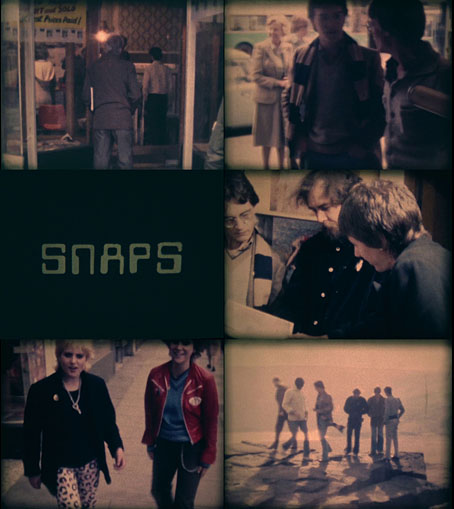
Snaps is a short and somewhat amateurish film but it’s a valuable record all the same. Anyone today can pull out their phone and record an event like this in high-definition and stereo sound; in the 1980s and 1990s you would have needed video equipment, but in the 1970s you had to have film, and 16mm film was an expensive professional product. Whitehead was using the cheaper option of Super-8 but he did at least manage to organise synchronised sound, something you don’t get on Pirate Tape, Derek Jarman’s Super-8 record of a William Burroughs signing. Mike Butterworth provides the stentorian voiceover for Snaps which he says he now regrets. Equally regrettable is his mispronunciation of the names “Paolo and Francesca” when he’s talking about Barry Smith’s art.
snaps2.jpg

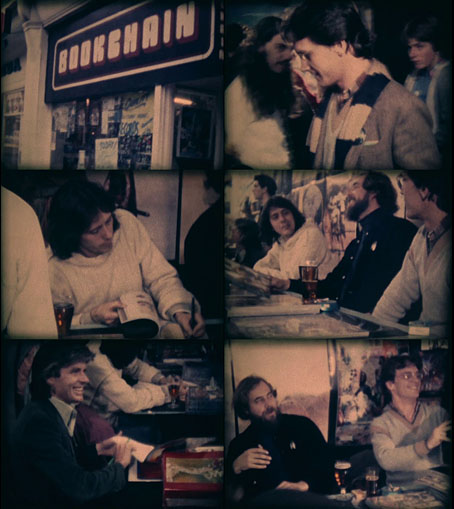
The film opens in Leeds for the first of the day’s two signings, a sequence I can’t say much about since I never visited the Leeds shop. The participants then pile into cars and drive across the Pennines where they pause for a brief Kraftwerk-soundtracked inspection of the landscape. The three Studio artists were Americans so all of this activity must have been very novel and interesting despite the drabness of the cities. The shots in Manchester are the ones I like to see since they capture Bookchain when the place was at its height of popularity. In 1979 I was still living in Blackpool and didn’t visit the shop until early in 1980 when I made a daytrip with friends to explore Manchester. By the time I moved to the city in 1982 Bookchain was set on its gradual decline although it managed to survive until the block of buildings it was part of was demolished in 1999. The basement area looks quite salubrious in the signing footage but I only knew it as a dank and unlit storage area with a toilet that belonged in a horror film. One thing that Whitehead didn’t capture was Dave Britton asking all the artists to sign the wall of the shop near the counter. I was in the place every Saturday when we were working on the Reverbstorm comics in the 1990s, and it was always a strange thing to see Roger Dean’s signature (plus dragon doodle) peeping out from behind rows of dusty shrinkwrapped books and magazines. You never see much discussion of this side of the city’s cultural history in writing about Manchester’s musical output. Yet without the Savoy shops, and other outlets like Percival’s and Grass Roots, Ian Curtis, Mark E. Smith, Howard Devoto and others would have had a harder time finding the fuel for their imaginations.

In addition to being a record of a lost place, Snaps is also a record of lost people: Jones, Wrightson, and Britton are all no longer with us, while Malcolm Whitehead died in 2019. Whitehead’s involvement with Factory Records is documented in a scattering of posts at Cerysmatic. This one seems like a good place to start.

Previously on { feuilleton }
David Britton, 1945–2020
Jeffrey Catherine Jones, 1944–2011
Roger Dean: artist and designer
Berni Wrightson’s Frankenstein
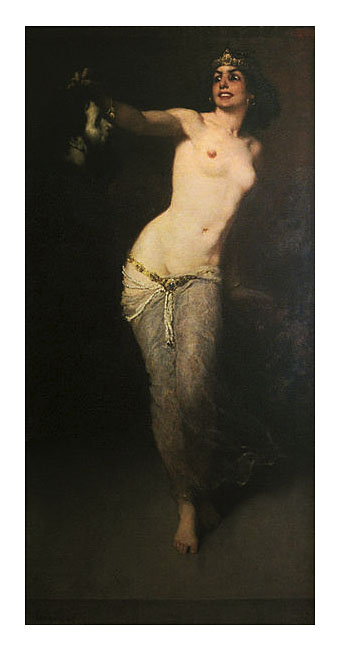
A few more Salomés

benner.jpg

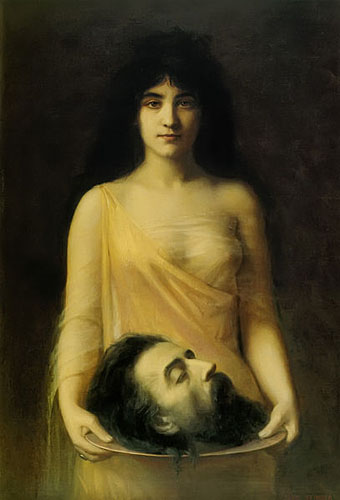
Jean Benner (1899).

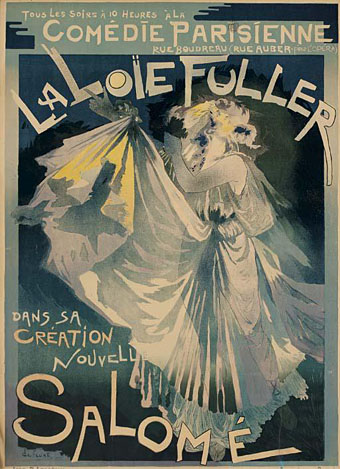
I’ve not done a Salomé post for a while so here’s another handful of different interpretations. The most interesting ones are the two most recent: a drawing by Barry Windsor Smith I’d not seen before (undated but it looks like his work from the 1980s), and a great piece by Paula Andrade that can also be seen in a black-and-white version here.

fuller.jpg

Georges De Feure (1900).

eder.jpg

Gyula Eder (1907).

Continue reading “A few more Salomés”

The Dracula Annual

wolff1.jpg

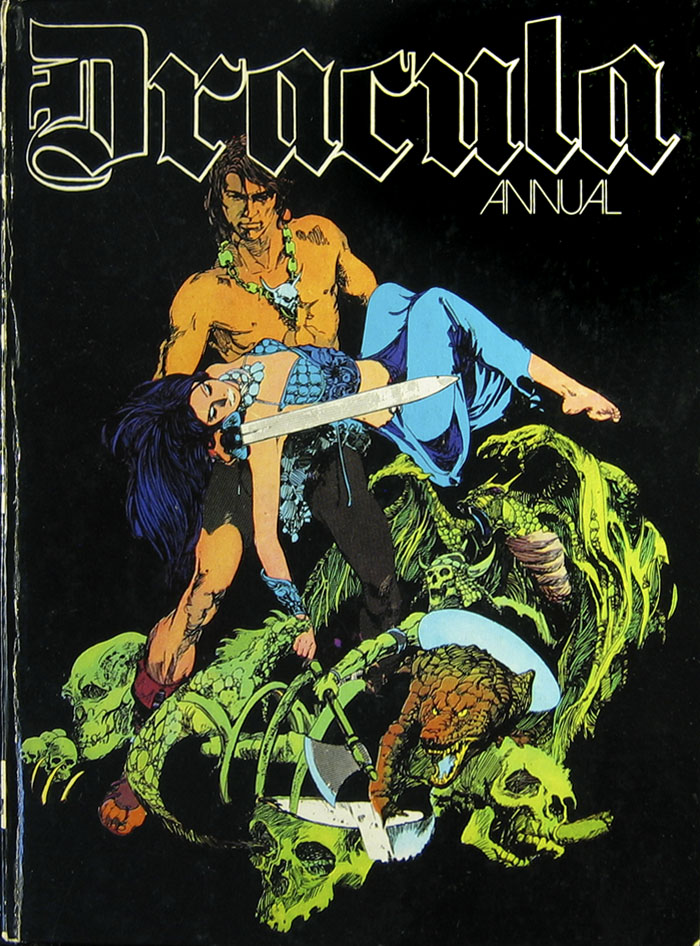
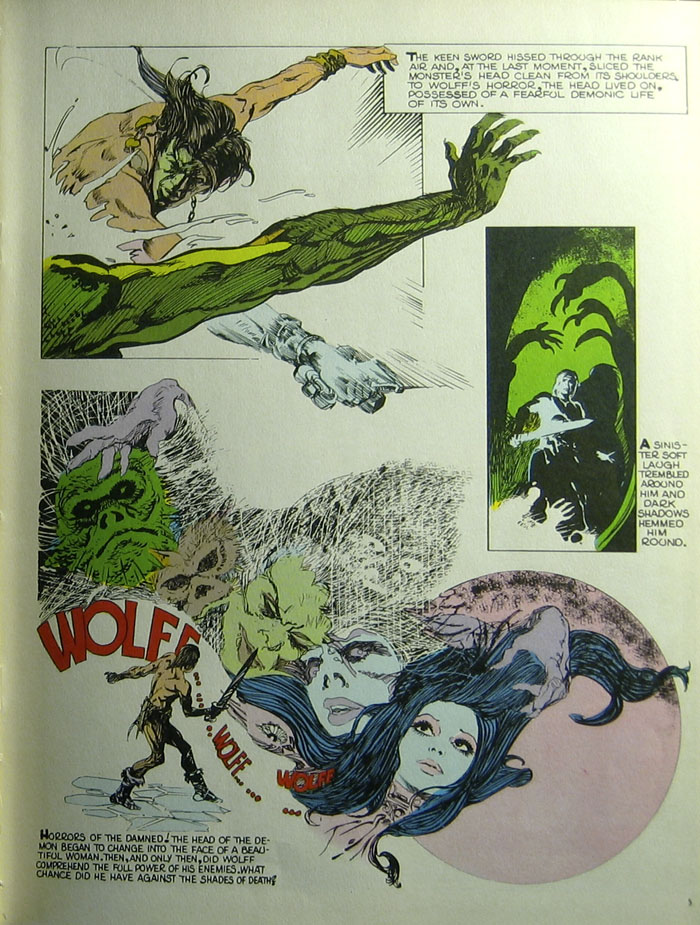
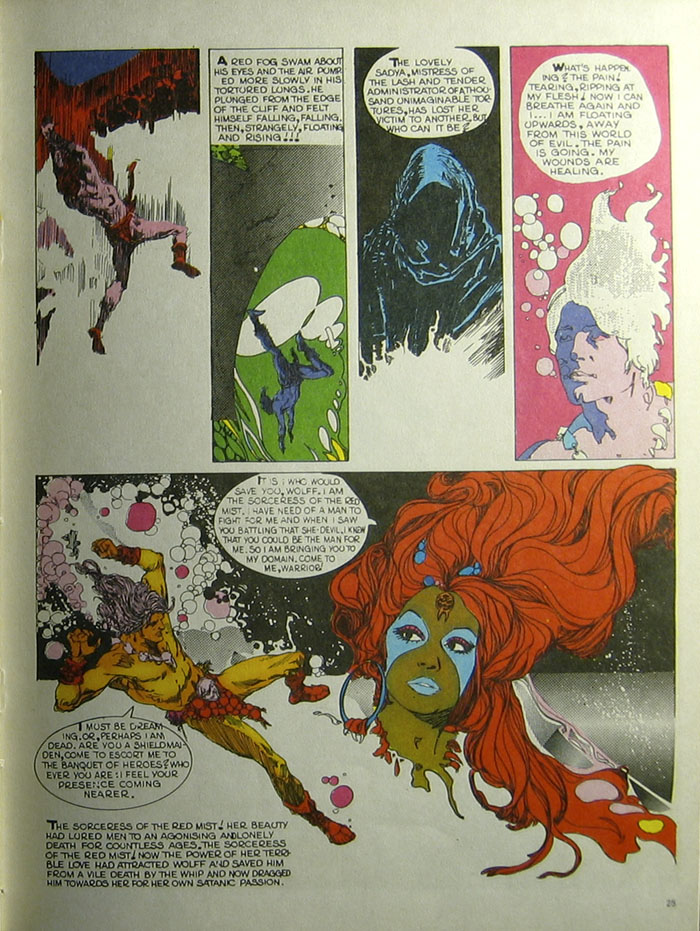
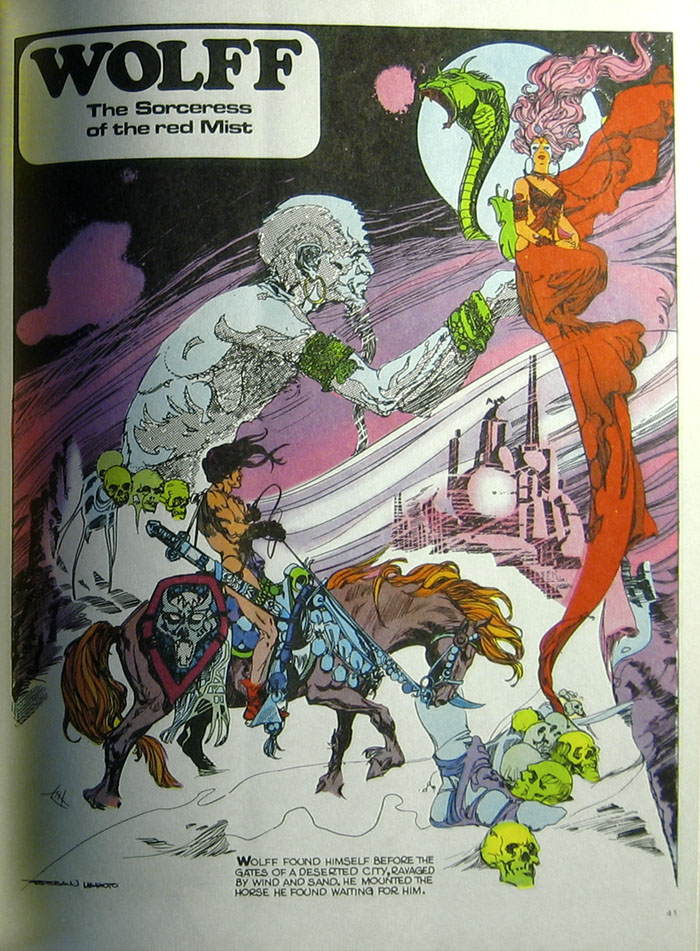
A comment by Modzilla in last month’s post about psychedelic comic book Saga de Xam is responsible for this recent book purchase. Dracula was a full-colour large-format comic book from notorious pulp imprint New English Library (later to be distributors for my colleagues at Savoy Books) that repackaged Spanish horror strips for a British audience. The comic ran for 12 issues in the early 1970s; the pages shown here are from the hardback annual that gathered all the issues into a single volume. I remember this being around in secondhand shops for years but I never paid it any attention at all so the artwork has been a revelation.

NEL’s Dracula isn’t much of a horror comic, despite its title; Dracula himself only appears in one story, and that’s a jokey throwaway piece. The two main episodic strips are Wolff, a Conan clone searching for his lost wife in a world ravaged by witches, werewolves and other supernatural threats; and Agar-Agar, a deliriously psychedelic picaresque concerning a hyper-sexual “sprite” (or a hippyish young woman with blue hair and magic powers) from the planet Xanadu. Everything in the book is redolent of the early 1970s when strains of psychedelia were still percolating through pop culture. Watered-down psychedelia used to bore me because I wanted the authentic stuff but forty years on this kind of work is much more attractive.

wolff2.jpg

Wolff is the work of Esteban Maroto whose splash pages and inventive layouts give Barry Windsor-Smith’s Conan the Barbarian (which was running at this time) some serious competition. Wolff is very much in the Conan mould—he even shouts “Crom!” at crucial moments—a pawn of supernatural forces he often fails to comprehend. The artwork in Smith’s Conan was often praised for its details and decor but the Art Nouveau influence in Maroto’s work is much more overt. Maroto’s flame-haired witches are like Alphonse Mucha sirens—one panel even borrows from Mucha’s Salammbô—and he’s no slouch with the Frazetta-like demons either. The scripting is perfunctory but I don’t mind that when it turns up pages like these. There’s also a brief nod to Lovecraft when “R’Lyeh” is mentioned.

wolff3.jpg

wolff4.jpg

Continue reading “The Dracula Annual”

Three stages of Icarus

icarus1.jpg

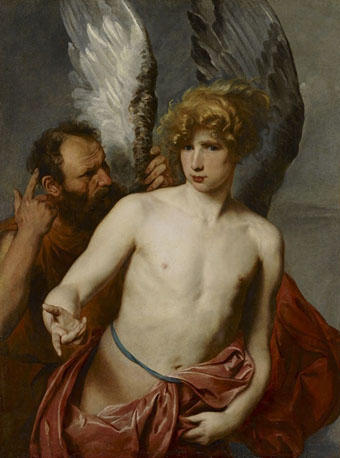
Daedalus and Icarus (1615–1625) by Anthony van Dyck.

The story of the doomed youth as seen via the few Icarus works at the Google Art Project. Brueghel’s famous painting is absent, unfortunately, so I won’t quote the equally famous lines by Auden either. Van Dyck gives us a golden-haired twink that Auden might approve of although I seem to recall the poet preferred rougher trade. No indication as to how those wings are supposed to function when they don’t seem to be attached to anything. The father points ominously skyward while the boy already knows where he’s headed.


icarus2.jpg

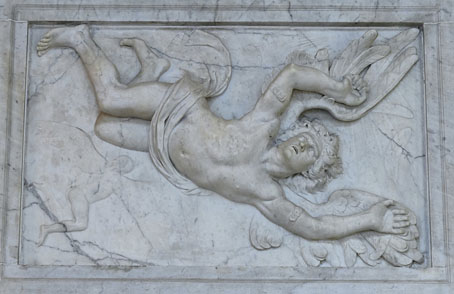
Icarus (1655) by Artus Quellinus.

Artus Quellinus was a Flemish sculptor whose work is a deliberate harking back to Classical antecedents.


icarus3.jpg

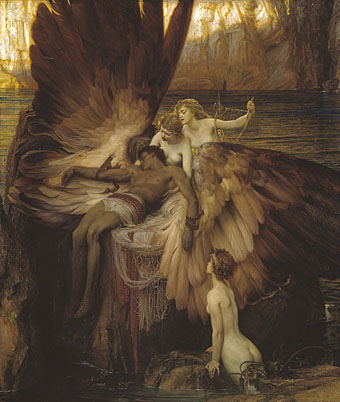
The Lament for Icarus (1898) by Herbert Draper.

Herbert Draper has been dismissed for years as a late-Victorian kitsch-monger, far too academic to be worthy of consideration. Since I often feel an affection for anything that upsets art critics I rather like his brand of fin-de-siècle soft porn. Many artists of the period at least varied their output often enough to avoid accusations of unseemly interests. Not so Draper, whose oeuvre runs the gamut of wet mythological females: naiads, sirens, kelpies, mermaids, etc. Even with dead Icarus as a subject he has to throw in a naiad or three. Van Dyck’s twink has transmuted here into a muscular hunk; he’d need to be strong to wield those colossal wings. Interesting to see from the study below that the figure was developed considerably from the original model. The study is also a better piece of draughtsmanship than the painting where the right arm seems wrong somehow, and the legs appear to be melting down the rock on which he’s beached. Barry Windsor Smith produced a variation on the theme in the 1980s that may have been inspired by the Draper, something he called Self-Portrait with Wings.

icarus4.jpg

Study for Icarus (1898) by Herbert Draper.

Previously on { feuilleton }
The end of Orpheus