The Blake Video

blake.jpg

More from the website update. One of the pages buried in the site is an appendix to my design for Angel Passage, a William Blake-themed CD by Alan Moore and Tim Perkins that was released on Steven Severin’s Re: label in 2001. In addition to designing the CD I also created a video accompaniment for the sole performance of the piece at the Purcell Room in London in February of that year. The old web page showed screen shots of the video, and very small ones at that, so as well as updating the page itself I’ve replaced the thumbnails with the original shots.

The video was created in a rush five days before the performance, and only finished the night before I departed for London, so was rather lazily done in places. I’d just taken delivery of a new G4 Power Mac without which I wouldn’t have been able to do any video editing at all. Raw material was artwork scanned from books plus a stack of VHS tapes, including a TV documentary about Blake that provided a few relevant shots of contemporary London. Another essential component was a borrowed video player that could play both VHS and MiniDV cassettes, as well as connect to the computer. The assembled footage was recorded to a MiniDV master cassette which I still have somewhere although I’ve no idea whether it’s still viewable, and have no way to watch it in any case. Those MiniDV players had a tendency to mysteriously render their tapes unplayable which I think may have happened to my tape when I came to try and archive it after the performance. This is fitting in a way, Alan was always adamant that the music-based readings he was doing at this time were one-off events, and the video was only intended to augment the reading, not be watched away from the performance. Copies of the CD still circulate so the work hasn’t vanished altogether. Alan and Tim collaborated on three readings in this series, together with two earlier outings, The Birth Caul and (with David J) The Moon And Serpent Grand Egyptian Theatre Of Marvels. We’re overdue a reissue of the entire Moon and Serpent discography.

Previously on { feuilleton }
William Blake in Manchester

Motorway cities

motorway.jpg

The process of updating the main website meant I had to check (and double-check, etc) every single page, so I’ve been looking at more of my old artwork than usual. This 7-inch single sleeve from 1983 made me belatedly realise that the wheel-less levitating car I put on the back of Joe Banks’ Hawkwind book has an ancestor here and on the cover of the third Friends and Relations compilation that Flicknife released in 1985. The continuity was accidental but Motorway City (the song) dates from the end of the period discussed in Joe’s book so it’s good to think that a vague reference to the Levitation era can be found on the cover art.

This odd drawing dates from 1980, a year when my life was in such turmoil I’m amazed I had time to do any drawing at all. I was 18 and had already burned my way through three dead-end jobs after leaving school the year before, by which point I was agreeing with Dave Brock’s Brainstorm ad lib on the Live Seventy Nine album, “I don’t want to be employed!” This attitude led to increasing rows with my mother which in turn led me to spend more time than usual in Blackpool library. Part of the inking on the drawing was done during one of these stress-free afternoons in the library reading room. I’d guess this was shortly after I’d met the group for the first time at their Preston concert on 20th October since most of the drawings I took with me were generic space art rather than pieces derived from Hawkwind songs. They’d played Motorway City that evening (the second song according to Setlist.fm) so I’m sure I would have made a point of showing it off. I say this is an odd drawing because I’ve no idea why I made it look so obviously like a single sleeve, but it’s possible that a single release of the song from the new Levitation album had been rumoured. Whatever the explanation, this was one of the first drawings I made using my new Rotring Variant pen which I used throughout the ensuing decade; one advantage of the dead-end jobs was they at least gave you enough money to afford expensive German technology. A year later, looking through a friend’s copy of Centigrade 232 by Robert Calvert, I was amused to discover a poetic complaint about the tendency of fine-nibbed Rapidograph pens to become blocked with ink. You have to treat them with care and respect, Bob.

void.jpg

The car on the Friends & Relations cover wasn’t intended to be a reference to the earlier vehicle but removing the wheels was the easiest way of indicating a futuristic scene without any other overt signifiers. A shame, then, that the TV in the foreground is a cathode-ray tube in a wooden case. (And while I’m being critical, the careless use of perspective makes the car much too long.) Both these vehicles look rather graceless, as did cars in general in the late 1970s/early 1980s when there was a trend for boxy design. I’m usually indifferent to the automotive world but I could at least have borrowed some of the carapace sleekness you see in paintings by Syd Mead or Peter Jones.

void2.jpg

The Friends & Relations album was reissued on CD in 2014 in one of the Atomhenge CD box sets: The Flicknife Years, 1981–1988. The set includes two other albums with covers of mine: Zones and Out And Intake. Zones was a compilation of recent live recordings and a few studio outtakes that includes the version of Motorway City released as a single, together with a Michael Moorcock song that’s unique to this album (and sung by the man himself), Running Through The Back Brain.

Previously on { feuilleton }
Reality you can rely on
Hardy art
Silver machines
Notes from the Underground
Hawkwind: Days of the Underground
The artists of Future Life
Science Fiction Monthly
The Chronicle of the Cursed Sleeve
Rock shirts
The Cosmic Grill
Void City
Hawk things
The Sonic Assassins
New things for July
Barney Bubbles: artist and designer

Weekend links 528

durer.jpg

The Rhinoceros (after 1620) by Albrecht Dürer.

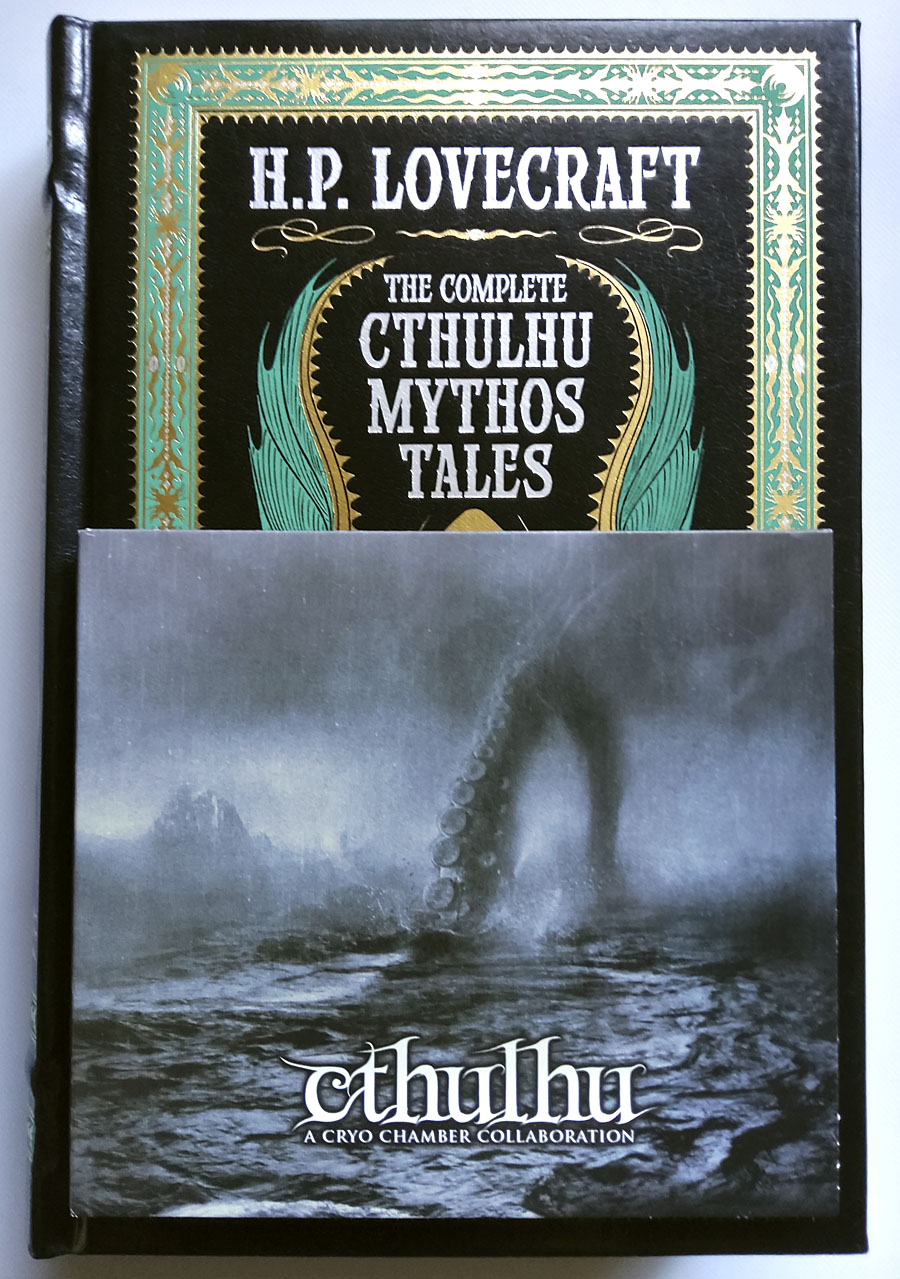
• “Today—Tolkien, Lovecraft, Miéville and M John Harrison!” Paul StJohn Mackintosh at Greydogtales explores HP Lovecraft’s lack of interest in fictional worldbuilding. The piece includes one of my book covers (ta!) plus a link to an earlier post I wrote about the cover designs of M. John Harrison’s Viriconium books. Since I’m connected to the thesis I’ll suggest that Lovecraft was resistant to the worldbuilding impulse in part because he was almost always writing horror stories. Having studied the genre at length he was well aware of the need to leave suggestive voids for the reader’s imagination.

• RIP Denise Johnson. All the obituaries mention the big names she worked with, notably New Order and Primal Scream, but being in the pool of Manchester session artists she also appeared on a couple of records by my colleagues at Savoy. Her voice is one of those you first hear on the PJ Proby cover of I’m On Fire, while with friend Rowetta she improvised her way through a Hi-NRG original (and a favourite of Anohni’s), the scurrilous Shoot Yer Load.

• At the BFI: Axel Madsen interviews Fritz Lang in 1967; Serena Scateni on where to begin with Nobuhiko Obayashi; and Roger Luckhurst reviews the spomenik-infested  Last and First Men by Jóhann Jóhannsson.

• “Be more aware of the rest of the world!” says Jon Hassell, talking to Alexis Petridis about a life spent making music.

John Boardley on the Renaissance origins of the printed poster. Worth it for the selection of engraved details alone.

• “What Ever Happened To Chicken Fat?” Jackson Arn on a tendency to over-abundance in Jewish humour.

Erik Davis has a new writing home at Substack that he calls The Burning Shore. Bookmarked.

• Mix of the week: The Ivy-Strangled Path Vol. XXII by David Colohan.

• Garry Hensey on The Strange World of John Foxx.

• At Dennis Cooper’s: Sergei Parajanov Day.

Romantic Rhino (1981) by Ananda Shankar | The Lone Rhinoceros (1982) by Adrian Belew | Blastic Rhino (2000) by King Crimson

Unearthly tones

belbury.jpg

Design, as always, is by Julian House.

“…we shall only be delivered from our afflictions by sayings and doings that are altogether irrational, paradoxical, and magical: the wild songs of fairyland, sung to unearthly tones, are the only medicine for the heartache and the headache of humanity.”

Arthur Machen, A Note on Asceticism (The Academy, 27th May, 1911)

This quote from the Apostle of Wonder, which will appear on the forthcoming album from Belbury Poly, is one I hadn’t seen before; serves me right for not subscribing to Faunus where the piece was reprinted in 2017. It’s been a while since Machen’s name has appeared in association with Ghost Box even though the label originates from the same area of South Wales that was the writer’s birthplace, a detail that gave the early Ghost Box releases additional resonance. One of the attractions of the Ghost Box recordings was the intersection between quotes and titles from weird literature with electronic music derived from library albums and theme tunes from the 1960s and 70s; Witch Cults Of The Radio Age, as Broadcast & The Focus Group memorably put it. It was a beguiling mix which the label’s more recent releases have increasingly diluted: the rear-view musical themes are still in evidence but the weird quotient has been diminished, giving the listener a box without a ghost. (Pye Corner Audio, whose last album was an exploration of subterranean realms, is a notable exception.) I feel uncomfortable drawing attention to this since it’s tantamount to saying “Please don’t change!”. But it’s also the case that a label devoted solely to Basil Kirchin pastiches might never have attracted my attention in the first place.

The description of new Belbury Poly album, The Gone Away, reaffirms the label’s commitment to its weirder side:

The Gone Away’s 11 tracks are inspired by British fairy folklore, especially its recurrent themes of things that always seem on the point of leaving or vanishing. Also there’s the notion of things that can’t be seen head on but are only glimpsed from the corner of the eye. A scorned and neglected corner of folklore, beguiling and bonkers in equal measure. Of course, this being a Ghost Box record, these themes are received through the prism of old TV soundtracks, and the credulous beliefs and childhood obsessions of a pre-digital age.

Anyone who’s read Arthur Machen’s The Shining Pyramid will know that fairy folklore in his stories conceals a darker and more malevolent manifestation of the supernatural. His comment about “unearthly tones” suggests a different point of view. The Gone Away will be released on 28th August.

Previously on { feuilleton }
The White People by Arthur Machen
Ghost Box