Weekend links 118

owczarek.jpg

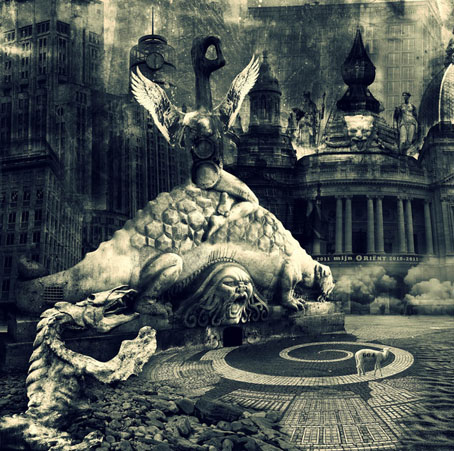
The Garden of Urban Delights (2010) by Marcin Owczarek.

His protagonists are misfits: alienated, implicitly gay, longing for love, frequently hard to be around, always fixated on small pleasures that compensate for an essential feeling of not belonging. […] His patroness Edith Sitwell termed him “that rare being, a born writer.” William Burroughs dedicated The Place of Dead Roads to him, declaring Welch “certainly the writer who most directly influenced my work.” John Waters has called In Youth is Pleasure “so precious, so beyond gay, so deliciously subversive, [it] is enough to make illiteracy a worse social crime than hunger.”

Sadie Stein on Denton Welch, a writer I’m embarrassed about still not having read. Edith Sitwell and William Burroughs had a famously disputatious correspondence in the pages of the TLS over The Naked Lunch. An appreciation of Welch’s work was one of the few things they had in common.

• Don’t mention guitars: Robert Hampson on acousmatic music, the curse of Loop and the rebirth of Main.

• No Straight Lines: A Collection Of Queer Comics part one, part two, part three. A history by Justin Hall.

• Pieces Of Gold by The Aikiu: shots from gay porn videos repurposed via some smart editing.

• RIP İlhan Mimaroğlu, electroacoustic composer. Ubuweb has a selection of his recordings.

“A good ground rule for writing in any genre is: start with a form, then undermine its confidence in itself,” he says. “Ask what it’s afraid of, what it’s trying to hide – then write that.” For Harrison, the most satisfying writers are “at odds with their cultural context. They’re trying to fit in and failing, or they’re trying to remove themselves and failing. The attempt to resolve the conflict is an angle – a frame or a context – in itself.”

The Guardian’s A Life in Writing profiles M. John Harrison. His new novel, Empty Space, was published on Thursday. There’s also this recent video interview with Arc magazine.

• Stephen Usery interviews editor Russ Kick about The Graphic Canon: Volume One.

• At home with Prince Zaleski, the “most decadent and imperial detective in fiction”.

• A Visit with Magritte: photographs by Duane Michals.

• Loitering airships could dispense drones on demand.

• Creating a Forever Object: Ian Schon’s Pen Project.

• A Tumblr for the late, lamented Arthur Magazine.

• “Few cities can boast a railway line for the dead.”

• The Lost Tapes by Can: An Oral History.

• Space Reflex (1963) by Dick Hyman & Mary Mayo | Space Is Deep (1972) by Hawkwind | Space Is The Place (1973) by Sun Ra | Space Moment (1995) by Stereolab | Space Pong (2006) by T++
Weekend links 108

newyorker.jpg

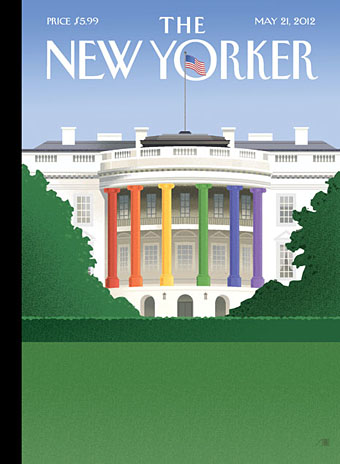
Bob Staake’s cover illustration acknowledges President Obama’s statement last week in favour of gay marriages.

• Related to the above: Gay rights in the US, state by state, an infographic and a useful riposte to people like Orson Scott Card (yes, him again) who claim that gay Americans are equal in everything but the right to marry. On the same theme, “Now Obama’s come out on same-sex marriage, maybe so will I,” says Edmund White (yes, him again), and Eric Berkowitz, author of Sex & Punishment: 4,000 Years of Judging Desire, who writes that “In the period up to roughly the thirteenth century, male bonding ceremonies were performed in churches all over the Mediterranean.”

• The fifth edition of A Humument by Tom Phillips will be published soon by Thames & Hudson. The Tom Phillips website has just been relaunched in a form which now incorporates the notes I made in December about Phillips’ album cover designs.

• The Greenfriars are encouraging people to follow their example and get involved with their local communities (the habits are optional). Kudos for the choice of a Dürer knot.

The action centres on the arrival of a man who may or may not be a prophet, or the devil, or just a violent con-man, in a rotting, rain-drenched Hungarian hamlet. This is the “estate”, apparently some sort of failed collective, where all hope has been lost and all the buildings are falling down. It is inhabited by a cast of semi-crazed inadequates: desperate peasants cack-handedly trying to rip each other off while ogling each other’s wives; a “perpetually drunk” doctor obsessively watching his neighbours; young women trying to sell themselves in a ruined mill; a disabled girl ineptly attempting to kill her cat.

Sátántango by László Krasznahorkai is published in a new translation by George Szirtes

• The Quietus interviewed Kevin Shields following the long-awaited reissue of the My Bloody Valentine catalogue.

• The first volume of Russ Kick’s Graphic Canon (to which I’m a contributor) has been sighted in the wild.

• Rise of the Living Type: Stylised 17th century floriated letterforms & grotesque mask sprinkles.

• Ed Jansen’s Camera Obscura III, a tour of museums, galleries and venues, 2009–2011.

• io9 reports on the new translation of Roadside Picnic by Arkady & Boris Strugatsky.

• Shanghai Expression: Graphic Design in China in the 1920s and 30s.

• Liberty Realm, a monograph of drawings by Catharyne Ward.

• 100 mins of Adrian Sherwood‘s best dub productions.

• Strange Flowers checked into the Chelsea Hotel.

• Chelsea Girls (1967) by Nico | Chelsea Morning (1968) by Fairport Convention | Chelsea Hotel #2, Rufus Wainwright sings Leonard Cohen.

Mrs Patrick Campbell

vampire.jpg

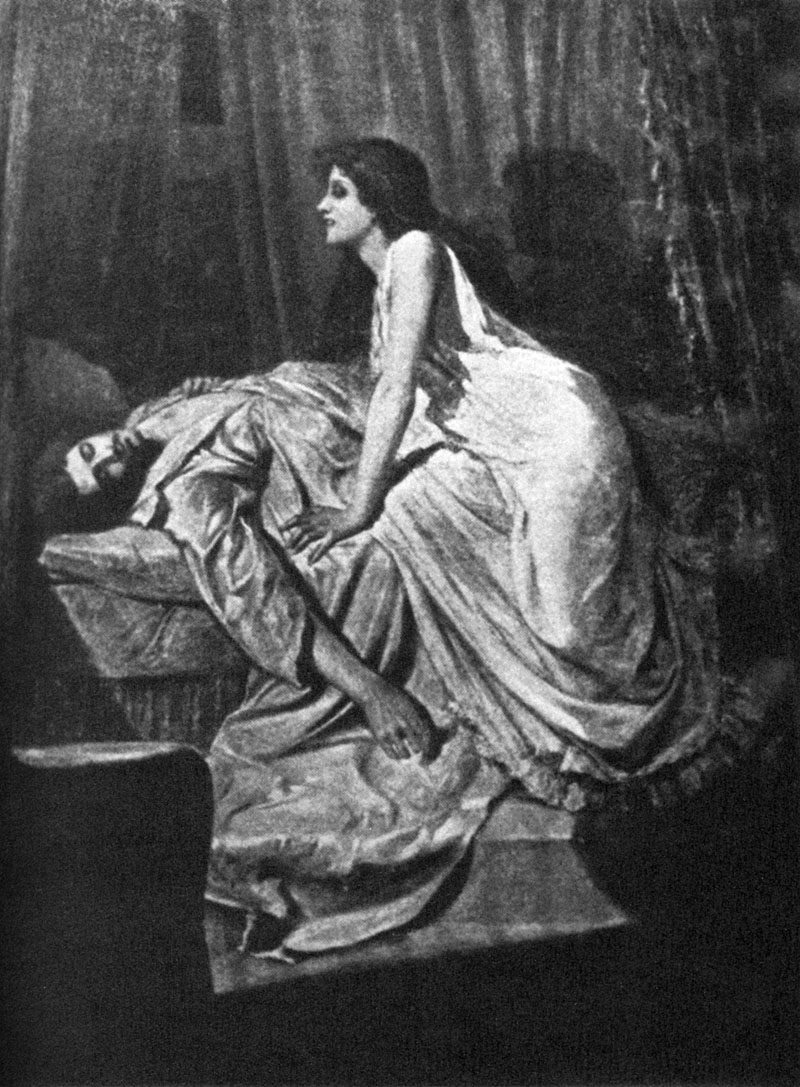
The Vampire (1897) by Philip Burne-Jones.

Two pictures of the same woman—Mrs Patrick Campbell (1865–1940)—that were regarded as scandalous in their time. Since the centenary of Bram Stoker’s death recently passed I was looking for better copies of the only painting by Philip Burne-Jones that anyone today bothers with, but the best copies to be had are in books so this is a scan from the Coulthart library. It seems the original is either lost or destroyed which makes its status as poor old Burne-Jones’ most celebrated work doubly unfortunate.

Philip Burne-Jones was the son of Edward Burne-Jones, and Burne-Jones Jr’s depiction of a predatory woman was deemed scandalous not for its content—predatory women were a common fixture of male paranoia in the 1890s—but for the rumours that its model, stage actress Mrs Patrick Campbell, and the artist, were having an affair. Mrs Patrick Campbell was born Beatrice Stella Tanner but took her first husband’s name as her stage name. Given the theme, and the fact that Burne-Jones painting was first exhibited the year that Bram Stoker’s Dracula was published, prints of The Vampire are a regular fixture in books about the cultural history of vampires in general and Dracula in particular.

beardsley.jpg

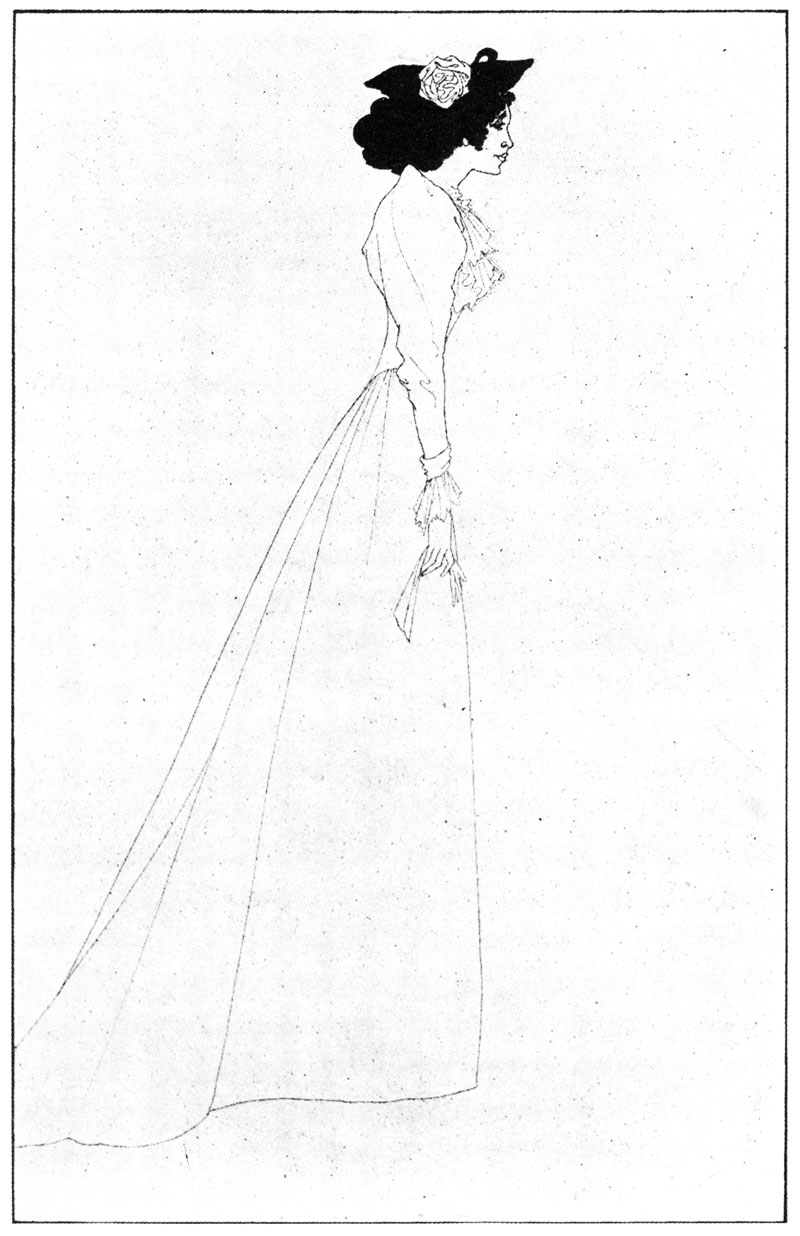
Mrs Patrick Campbell (1894) by Aubrey Beardsley. From The Yellow Book, Vol. I.

As for Aubrey’s delightful drawing, this is one of the many Beardsley pictures that caused great consternation when they were first printed yet which appear today to be quite innocuous. Beardsley’s presence in The Yellow Book, and the umbrage taken against drawings such as this, helped give that publication an edge which it lost when Beardsley was forced to leave the magazine following Oscar Wilde’s imprisonment in 1895.

Previously on { feuilleton }
• Symbolist cinema
• Druillet’s vampires

Weekend links 107

schwabe.jpg

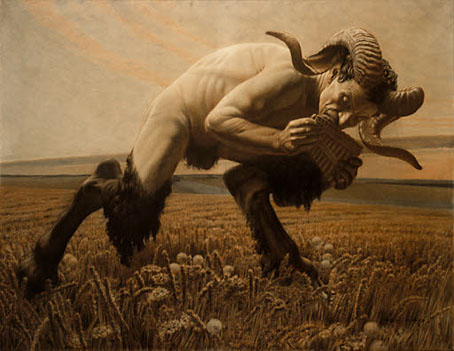
Le Faune (1923) by Carlos Schwabe.

• “When I recently attended a conference in China, many of the presenters left their papers on the cloud—Google Docs, to be specific. You know how this story ends: they got to China and there was no Google. Shit out of luck. Their cloud-based Gmail was also unavailable, as were the cloud lockers on which they had stored their rich media presentations.” Ubuweb’s Kenneth Goldsmith on why he doesn’t trust the Cloud.

• “I’m a poet and Britain is not a land for poets anymore.” A marvellous interview with the great Lindsay Kemp at Dangerous Minds. Subjects include all that you’d hope for: Genet, Salomé, David Bowie, Ken Russell, Derek Jarman, The Wicker Man and “papier maché giant cocks”.

• “As early as the 1950s, Maurice Richardson wrote a Freudian analysis which concluded that Dracula was ‘a kind of incestuous-necrophilious, oral-anal-sadistic all-in wrestling match’.” Christopher Frayling on the Bram Stoker centenary.

• Björk gets enthused by (among other things) Leonora Carrington, The Hourglass Sanatorium and Alejandro Jodorowsky’s YouTube lectures.

• Before Fritz Lang’s Metropolis there was Algol – Tragödie der Macht (1920). Strange Flowers investigates.

marsh.jpg

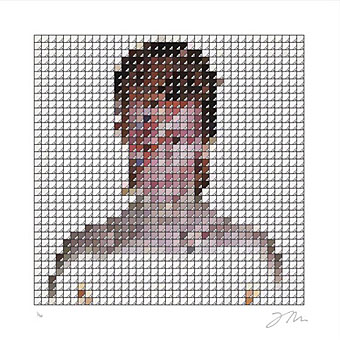
David Marsh recreates famous album covers using Adobe Illustrator’s Pantone swatches.

• New titles forthcoming from Strange Attractor Press. Related: an interview with SAP allies Cyclobe.

• 960 individual slabs of vinyl make an animated waveform for Benga’s I Will Never Change.

• An exhibition of works by Stanislav Szukalksi at Varnish Fine Art, San Francisco,

• Keith Haring‘s erotic mural for the NYC LGBT Community Center is restored.

• The Situationist Times (1962–1967) is resurrected at Boo-Hooray.

• Doors Closing Slowly: Derek Raymond‘s Factory Novels.

• Will Wilkinson insists that fiction isn’t good for you.

• More bookplates at BibliOdyssey and 50 Watts.

• The Top 25 Psychedelic Videos of All Time.

• Flannery O’Connor: cartoonist.

• RIP Adam Yauch.

• Their finest moment: Sabotage (1994) by Beastie Boys.

“Die you brute!”

furstore.jpg

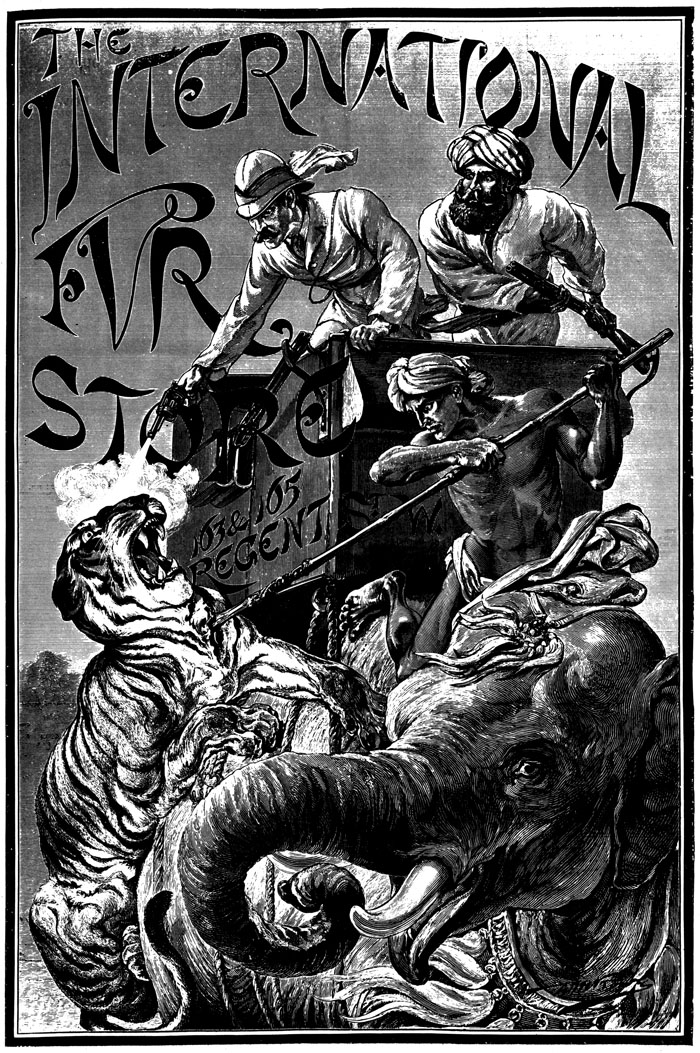
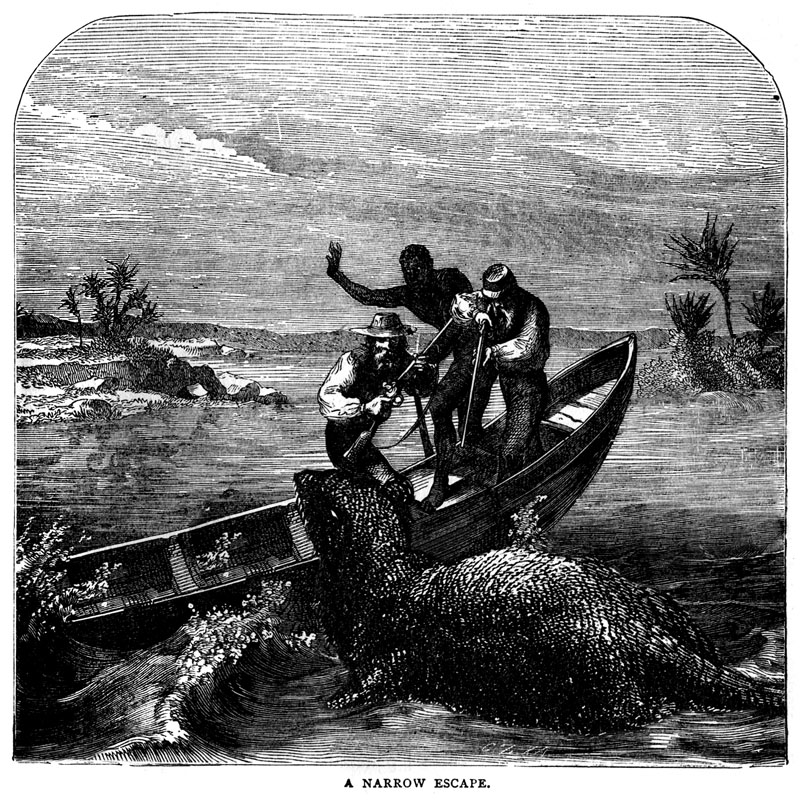
Since mention was made yesterday of the “Die you brute!” school of period illustration it seemed pertinent to post the picture that gave rise to the expression. This is another 19th-century ad from Victorian Advertisements (1968) by Leonard de Vries, the picture having appeared originally in The Illustrated Sporting and Dramatic News for November 1887. The Victorians may have been fond of their furs but they can’t be accused of downplaying the brutality behind the trade; in advertising terms this is like promoting a steak house with scenes from an abattoir. (And in that vein, see this Bovril ad from De Vries’ book.)

ratbite.jpg

I produced my own variation on the theme in 2003 with this illustration for Michael Moorcock’s Samoan Giant Rat Bite Fever, his entry in the Thackery T. Lambshead Pocket Guide to Eccentric and Discredited Diseases . The Giant Rat is described as seven feet in length but I followed the usual form with these kinds of depictions and exaggerated the size.

Previously on { feuilleton }
• Gilliam’s shaver and Bovril by electrocution