The recurrent pose 54

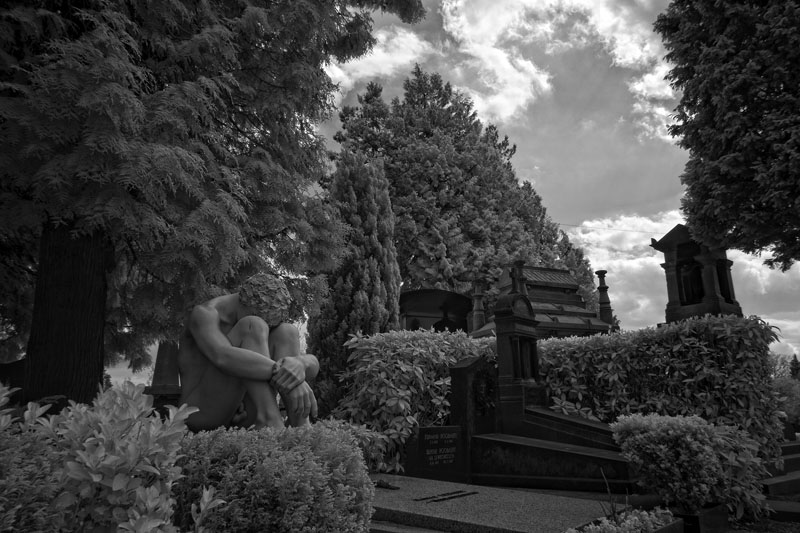
flandrin1.jpg

More from the pose that keeps on giving. Big thanks to Lance for sending the photos above and below which identify the Flandrinesque figure from post no. 22 not as a sculpture from Hermosa Beach but a memorial statue in the Cimetière d’Ixelles, Brussels. The eternal hazard of web photos is the erroneous or missing attribution, something I do my best to avoid.

flandrin2.jpg

flandrin3.jpg

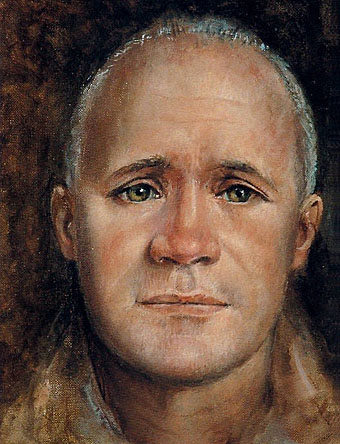
And speaking of missing attributions, that’s what we have here. This site may be the origin although I’ve seen an earlier page with the same photo. Nice boys, anyway. Thanks to Hal for the tip!

Elsewhere on { feuilleton }
The recurrent pose archive

Intertextuality

cthulhu17.jpg

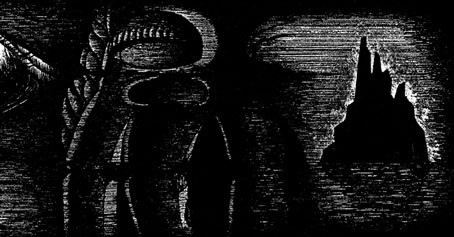
The Call of Cthulhu (1988): in the upper half there’s the big sun from Bob Peak’s poster for Apocalypse Now, in the lower half a radical reworking of Arnold Böcklin’s The Isle of the Dead.

In 1990, shortly after the first season of Twin Peaks had finished showing in the US, Video Watchdog magazine ran a feature by Tim Lucas which attempted to trace all the various cultural allusions in the character names and dialogue, references to old TV shows, song lyrics and the like. This was done in a spirit of celebration, with Lucas and other contributors welcoming the opportunity to dig deeper into something they’d already enjoyed. This week we’ve had a similar unravelling of textual borrowings in a TV series, only now we have the internet which, with its boundless appetite for accusing and shaming, can often seem like something from the grand old days of the Cultural Revolution.
cthulhu01.jpg

The Call of Cthulhu (1988): a more subtle allusion to Apocalypse Now.

The latest culprit ushered to the front of the assembly for the Great Internet Struggle Session is Nic Pizzolatto whose script for True Detective has indeed been celebrated for its nods to Robert Chambers and The King in Yellow. It’s also in the process of being condemned for having borrowed phrases or aphorisms from Thomas Ligotti’s The Conspiracy Against the Human Race (2011). See this post for chapter and verse.
cthulhu02.jpg

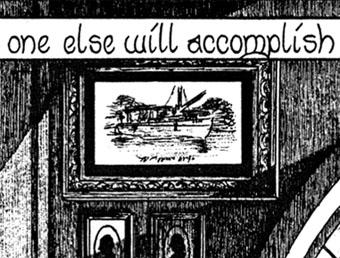
The Call of Cthulhu (1988): It’s not very clear but that’s a boat from The Creature from the Black Lagoon.

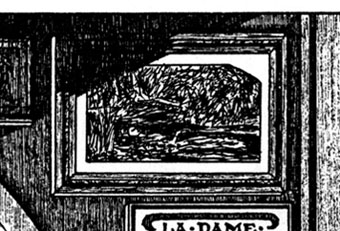
If I find it difficult to get worked up over all this pearl-clutching it’s because a) it shows a misunderstanding of art and the way many artists work; b) True Detective was an outstanding series, and I’d love to see more from Pizzolatto and co; and c) I’ve done more than enough borrowing of my own in a variety of media, as these samples from my adaptation of The Call of Cthulhu demonstrate, a 33-page comic strip where there’s a reference to a painting, artist or film on almost all the pages, sometimes several on the same page.
cthulhu03.jpg

The Call of Cthulhu (1988): Ophelia by Millais.

Cthulhu is a good choice here since Pizzolatto’s story edged towards Lovecraft via the repeated “Carcosa” references. You’d think a Lovecraft zine of all things would know better than to haul someone over the coals for borrowing from another writer when Lovecraft himself borrowed from Robert Chambers (and Arthur Machen and others), while “Carcosa” isn’t even original to Chambers’ The King in Yellow but a borrowing from an Ambrose Bierce story, An Inhabitant of Carcosa (1886). Furthermore, Lovecraft famously complained about his own tendencies to pastiche other writers in a 1929 letter to Elizabeth Toldridge: “There are my ‘Poe’ pieces and my ‘Dunsany pieces’—but alas—where are any Lovecraft pieces?”

Continue reading “Intertextuality”

Genet art

fini1.jpg

Portrait of Jean Genet II (1950) by Leonor Fini.

Artworks depicting Genet or based on his work are more plentiful than I thought. These are some of the better examples. It’s good to know that the great Leonor Fini was one of the earliest portraitists; in addition to painting two pictures of Genet she also produced a series of erotic engravings based on his writings.

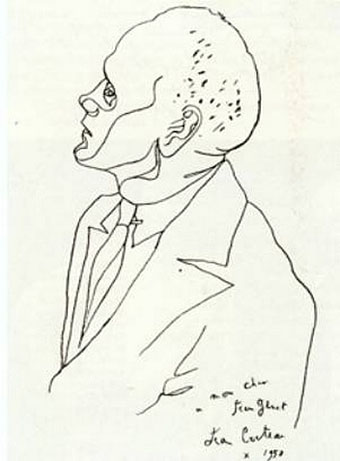
cocteau.jpg

Jean Genet (1952) by Jean Cocteau.

A portrait by Cocteau I hadn’t seen before.

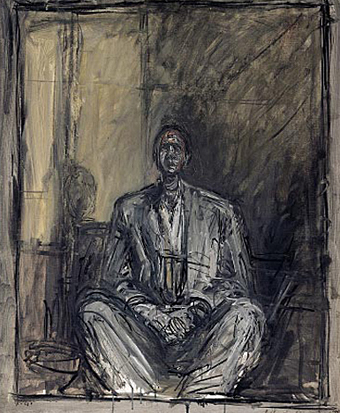
giacometti.jpg

Portrait of Jean Genet (1955) by Alberto Giacometti.

One of three portraits. Genet speaks favourably of Giacometti in Antoine Bourseiller’s film.

kiefer.jpg

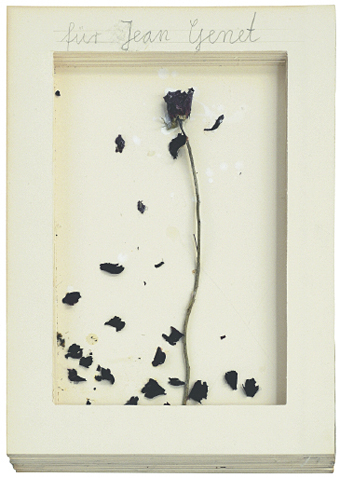
For Jean Genet (1969) by Anselm Kiefer.

Continue reading “Genet art”

Weekend links 219

balbusso.jpg

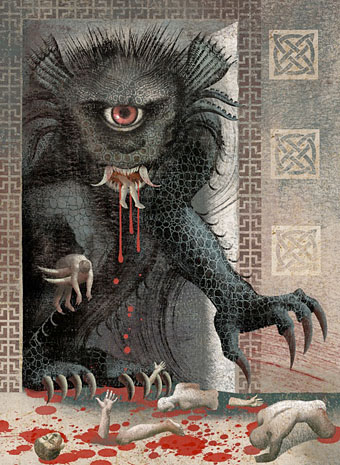
Grendel Monster (2013) by Anna & Elena Balbusso.

Rick Poynor looks at the Guide de la France mystérieuse (1964), a fantastic (in every sense) doorstop of a volume whose collage alphabet by Roman Cieślewicz can be seen on the cover of Carnival In Babylon (1972) by Amon Düül II.

• Boolean mathematics, Charles Howard Hinton, The Voynich Manuscript, and the effects of surveillance on the political process: Adam Curtis firing on all cylinders as usual.

• At Strange Flowers: The Picture of John Gray, remembering the minor fin de siècle figure who gave Oscar Wilde a surname for his most famous creation.

In “32 Cardinal Virtues of Dennis Cooper,” Wayne Koestenbaum remarks: “Cooper’s quest for the unseeable is virtually religious. I mean: sedulous, abstract, perpetual, unrewarded, unreasonable.” There’s much more to be said of Gone, its power, its pain, its odd intrigues, but perhaps it will suffice to say that it is revealing: unlike Burroughs’ scrapbooks hidden away by some private collector, never to see the light of day, Gone (and its sister texts at the Fales Library) illuminate in perpetuity Cooper’s obscure quest for the unseeable.

Diarmuid Hester looks at Dennis Cooper’s scrapbooks

The Sallow Tree, a single by Lutine. More music: An hour of Julia Holter‘s St John’s Sessions performance.

• At Dangerous Minds: Christian televangelists listen to Stairway To Heaven forwards.

• Cathy Camper reviews Fearful Hunter, a graphic novel by Jon Macy.

• Mix of the week: FACT mix 452 by Claude Speeed.

Roman Cieślewicz at Pinterest.

The Adobe Illustrator Story

The House of Julian

Unofficial Britain

• Amon Düül II singles: Rattlesnakeplumcake (1970) | Between The Eyes (1970) | Light (1971) | Lemmingmania (1971)

August

august1.jpg

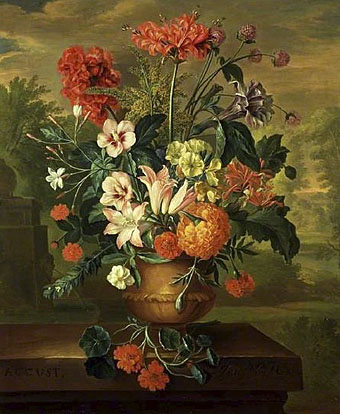
Twelve Months of Flowers: August (no date) by Jacob van Huysum.

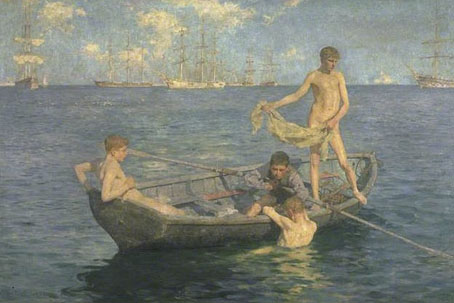
The eighth month in paintings. Alan Bennett is a British artist, not to be confused with the well-known British playwright of the same name. There is, however, a slight connection between playwright and Henry Scott Tuke: Bennett’s BBC film Portrait or Bust (1994) involves an exploration of Leeds Art Gallery during which there’s a glimpse of Tuke’s The Bathers, one of the artist’s many studies of unclothed boys.

august8.jpg

August Blue (1893–4) by Henry Scott Tuke.

august7.jpg

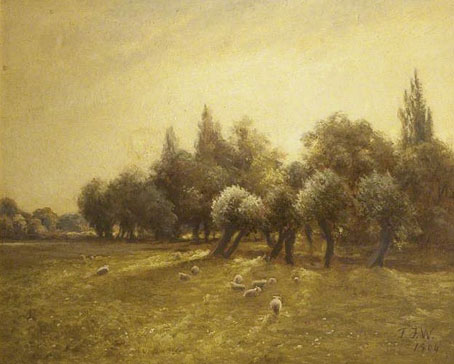
August Afternoon near Dorking (1904) by TF Wilkinson.

august2.jpg

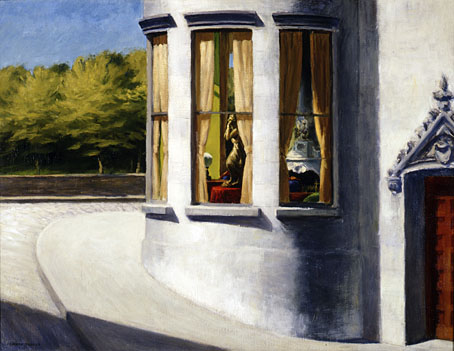
August in the City (1945) by Edward Hopper.

Continue reading “August”