Weekend links 816

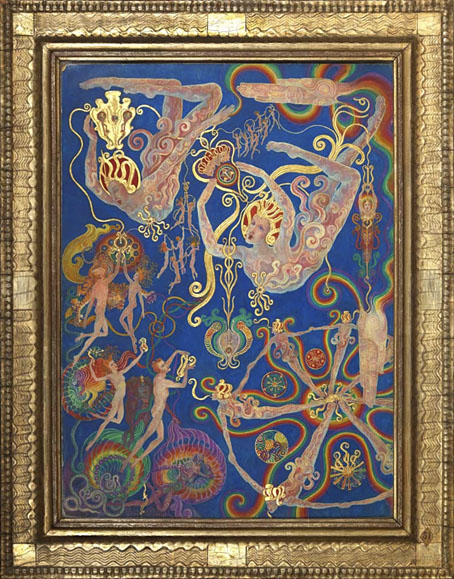
rossignol.jpg

The Creative Power of the Spirit, No. 31 of A Goodly Company series, 1920–1933 by Ethel le Rossignol.

• “One moment it was a little blip. The next, our friends are dying”: the gay porn soundtrack composers lost to the Aids crisis. More gay porn: Pink Narcissus, James Bidgood’s micro-budget homoerotic fantasy, will receive a UK blu-ray release later this year.

• Old music: Thirst by Clock DVA gets a very welcome reissue later this year, having been unavailable in any form since 1992. I’m not so happy about the changes to Neville Brody’s original cover design but the album itself is a major post-punk statement.

• “Graphic design was thought to be a man’s discipline,” she says. “So I think it was quite a surprise for people to find me there.” A profile of Margaret Calvert, designer of (among other things) Britain’s road signs.

• At Colossal: A major survey in Paris chronicles Leonora Carrington’s esoteric Surrealism.

• At Public Domain Review: Sara Weiss’ Journeys to the Planet Mars (1903).

• At the BFI: The mystery music video for The Beatles’ Penny Lane.

Winners and entrants for Close-up Photographer of the Year 7.

• “Cats to blame for octopus deity enshrinement delay.”

• Steven Heller’s font of the month is Cattivo.

• At Dennis Cooper’s it’s Jack Arnold’s Day.

Pink Noir (1996) by David Toop | Pink Dust (2013) by Sqürl | The Pink Room 2 (2024) by Seigen Ono

Weekend links 607

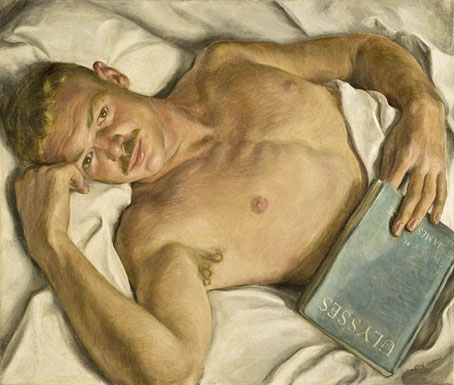
cadmus.jpg

Jerry (1931) by Paul Cadmus.

• “I wanted to photograph naked young men as opulently and as attentively as those professional ladies appearing in Playboy-type magazines.” RIP James Bidgood, photographer and director of no-budget gay-porn classic Pink Narcissus. Also in the obituary notices this week: Monica Vitti and John Appleton, composer of electronic music and inventor of the Synclavier sampling keyboard.

• “…the Sola Busca deck is limited in its use for divinatory purposes today, and yet, since its enigmatic imagery irresistibly invites decoding, the deck nonetheless beckons twenty-first century cartomancers into a game of high imagination.” Kevin Dann on the mysteries of the world’s oldest complete Tarot deck.

• “This Missouri company still makes cassette tapes, and they are flying off the factory floor.” Jennifer Billock reports.

He attended to his own talent, not in the interest of bombast or self-aggrandisement, but rather like a faithful watchman. He had the fixity of the great and therefore no need of vanity. He estimated that three shillings would be a reasonable price for Ulysses. A tiresome book, he admitted. At the same time he was dogged by fear that the printing house would be burnt down or that some untoward catastrophe would happen. He assisted Miss Beach in wrapping the copies, he autographed the deluxe editions, he wrote to influential people, he hawked packages to the post office. He knew that the illustrati would change their minds many a time before settling down to a final opinion and that many another would know as much about it as the parliamentary side of his arse.

Edna O’Brien on James Joyce

• At Wormwoodiana: Mark Valentine on The Secret Glory by Arthur Machen, another novel now in its centenary year.

• At Aquarium Drunkard: It Is Not My Music, (1978) an hour-long Swedish TV documentary about Don Cherry.

• At Bandcamp: The transportive psychedelia of Moon Glyph records.

• Mix of the week: Fact Mix 844 by A Psychic Yes.

• Steven Heller’s font of the month is Show.

• At Dennis Cooper’s: Guitar.

Mumblin’ Guitar (1960) by Bo Diddley | Electric Guitar (1979) by Talking Heads | Impossible Guitar (1982) by Phil Manzanera

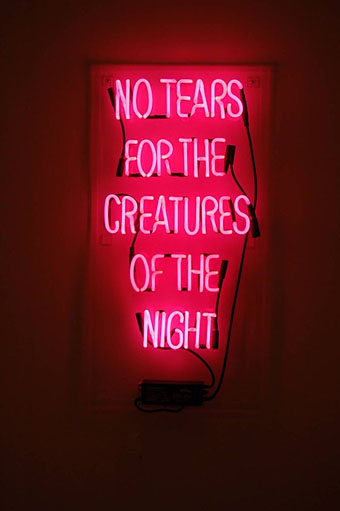
No tears for the creatures of the night

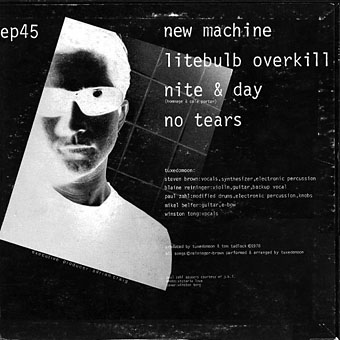
notears1.jpg

No Tears (1978): A song and 12″ EP by Tuxedomoon. Sleeve design by Winston Tong.


munro.jpg

• An artwork from 2005 by Will Munro.


notears5.jpg

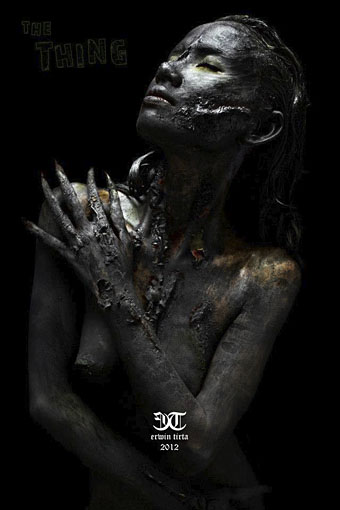
• A make-up portfolio from 2012 by Belinda Betz. Photographer : Erwin Tirta. Model : Jesy Love. Make-Up Artist (Special Effects) : Belinda Betz.


notears3.jpg

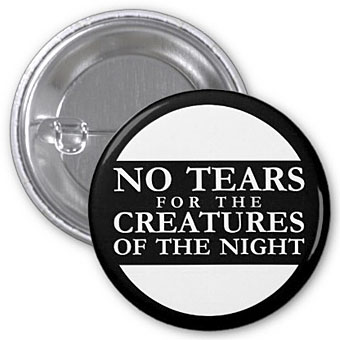
• A badge design at Zazzle.


notears2.jpg

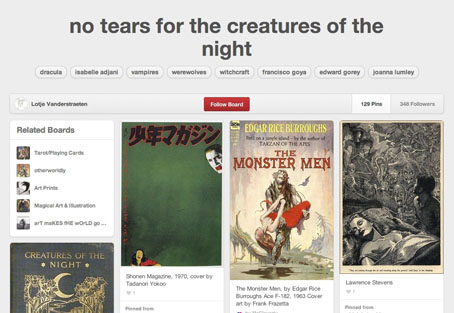
A Pinterest page. Tags: dracula, isabelle adjani, vampires, werewolves, witchcraft, francisco goya, edward gorey, joanna lumley.


notears4.jpg

• A club night in St Gallen, Switzerland.

Previously on { feuilleton }
Blaine L. Reininger: An American Friend
Tuxedomoon: some queer connections
Made To Measure
Subterranean Modern: The Residents, Chrome, MX-80 Sound and Tuxedomoon
Tuxedomoon on La Edad de Oro, 1983
Tuxedomoon designs by Patrick Roques
Pink Narcissus: James Bidgood and Tuxedomoon

Blaine L. Reininger: An American Friend

blaine1.jpg

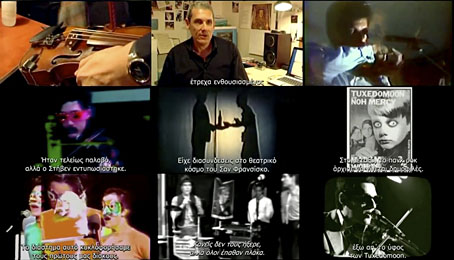
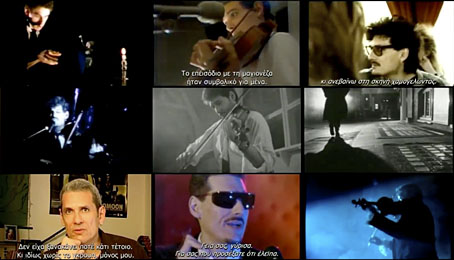
Blaine L. Reininger, Tuxedomoon co-founder, singer, violinist and composer, is profiled in this 50-minute documentary made by George Skevas for Paraskinio, a Greek television series. Tuxedomoon have long been popular in Europe, and seem to have struck a particular chord in Greece. These days Reininger is something of a star over there, a fact which surprises him still but which has no doubt helped with Tuxedomoon’s fortunes in recent years.

blaine2.jpg

Skevas’s film comprises a long biographical interview with Reininger, relating his progress from childhood in Colorado, and the formation of Tuxedomoon in San Francisco, to the group’s inadvertent exile in Europe. There a wealth of historical film footage throughout, some of which is familiar from the official Tuxedomoon DVDs but other clips are exclusive to this programme. Among the notable pieces for me were a glimpse of Winston Tong’s pre-Tuxedomoon puppet performances, a performance by the band on Andy Warhol’s Interview TV show, and shots of the recording of the Desire album in London. Few bands from the 1970s have been this diligent in documenting their activities on film and video. In addition to discovering why Reininger’s first solo album is called Broken Fingers, you also get to see some scenes from the Ghost Sonata film/performance, an ambitious project that I’d known about for years but didn’t get to see until it was released on the 30th anniversary box set in 2007.

Previously on { feuilleton }
Tuxedomoon: some queer connections
Made To Measure
Subterranean Modern: The Residents, Chrome, MX-80 Sound and Tuxedomoon
Tuxedomoon on La Edad de Oro, 1983
Tuxedomoon designs by Patrick Roques
Pink Narcissus: James Bidgood and Tuxedomoon

Tuxedomoon: some queer connections

roques18.jpg

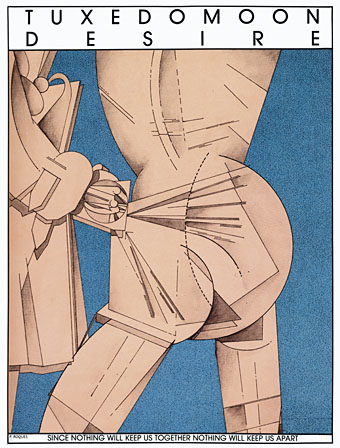
UK poster insert by Patrick Roques for Desire (1981).

Yes, more Tuxedomoon: there’s a lot to explore. It’s always a pleasure when something that you enjoy one medium connects to things that interest you elsewhere. From the outset Tuxedomoon have had more than their share of connections to gay culture—to writers especially—but it’s more of an ongoing conversation than any kind of proselytising concern. This post teases out those connections some of which I hadn’t spotted myself until I started delving deeper.

The Angels of Light: Not the Michael Gira group but an earlier band of musicians and performers in San Francisco in the early 1970s. The Angels of Light formed out of performance troupe The Cockettes following a split between those who wanted to charge admission for their shows, and those who wanted to keep things free to all. Among the troupe there was Steven Brown, soon to be a founding member of Tuxedomoon:

The group began as an offshoot of The Angels of Light, ‘a “family” of dedicated artists who sang, danced, painted and sewed for the Free Theater’, says Steve Brown. ‘I was lucky to be part of the Angels—I fell for a bearded transvestite in the show and moved in with him at the Angels’ commune. Gay or bi men and women who were themselves works of art, extravagant in dress and behaviour, disciples of Artaud and Wilde and Julian Beck [of the Living Theater] … we lived together in a big Victorian house … pooled all our disability cheques each month, ate communally … and used the rest of the funds to produce lavish theatrical productions—never charging a dime to the public. This is what theatre was meant to be: a Dionysian rite of lights and music and chaos and Eros.’

Rip it Up and Start Again: Postpunk 1978-1984 by Simon Reynolds

(Special Treatment For The) Family Man (1979): A sombre commentary from the Scream With A View EP on the trial of Dan White, the assassin of Harvey Milk and George Moscone. White’s “special treatment” in court led to a conviction for manslaughter which in turn resulted in San Francisco’s White Night riots in May, 1979.

James Whale (1980): An instrumental on the first Tuxedomoon album, Half-Mute, all sinister electronics and tolling bells as befits a piece named after a director of horror films. Whale’s Bride of Frankenstein (1935) is not only the best of the Universal horror series, it’s also commonly regarded as a subversive examination of marriage and the creation of life from a gay perspective. (Whale’s friends and partner disagreed, however.)
joeboysf.jpg

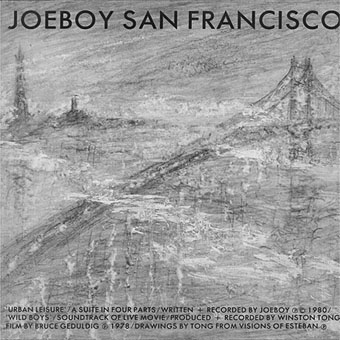
Cover art by Winston Tong.

Joeboy San Francisco (1981): The Joeboy name was lifted from a piece of San Francisco graffiti to become a name for Tuxedomoon’s DIY philosophy. It’s also a record label name, the name of an early single, and a side project of the group which in 1981 produced Joeboy In Rotterdam / Joeboy San Francisco. The SF side features a collage piece by Winston Tong based on The Wild Boys by William Burroughs, a key inspiration for the band which first surfaces here.

In one piece, the band cites its influences as: “burroughs, bowie, camus, cage, eno, moroder”. Can you say what you admired or drew on vis-à-vis these artists?

William S. Burroughs — ideas concerning use of media — tapes, projections, his radical anti-control politic in general as well as his outspoken gayness. Early on we duplicated on stage one of his early experiments projecting films of faces onto faces.

Simon Reynolds interview with Steven Brown

Continue reading “Tuxedomoon: some queer connections”