Weekend links 519

minotaure.jpg

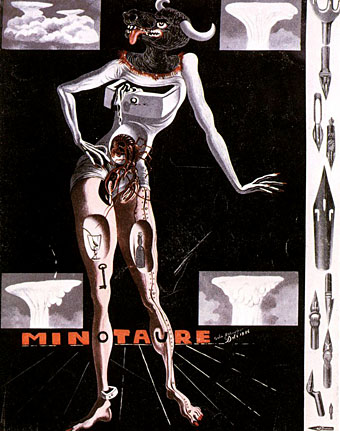
Cover of Minotaure no. 8 (1936) by Salvador Dalí.

• At Dangerous Minds: Irmin Schmidt talks to Oliver Hall about his new album of prepared piano, Nocturne, and also reveals more about the planned release of live recordings by Can.

• “Even the most zealous fan of the genre can learn something new from this book,” says Geeta Dayal in a review of Bring That Beat Back: How Sampling Built Hip-Hop, by Nate Patrin.

• The subject of a previous post but the video was later removed: Italo Calvino in a rare documentary feature for an English audience, on the BBC’s Bookmark in 1985.

• On 9th May, carillonneur Malgosia Fiebig played The Model by Kraftwerk on the bells of the Dom Tower in Utrecht as a tribute to the late Florian Schneider.

• Film footage of Alice Coltrane in her prime is a rare thing so even 17 minutes of TV from 1970 is something special.

Dan Reynolds on the fantastic alphabets designed by Jean Midolle. See also Luc Devroye’s page.

• Mix of the week: Jon Hassell tribute, part 1: Jon and his collaborators, by Dave Maier.

Nicolas Winding Refn on some of the films he’s been watching during lockdown.

• At Haute Macabre: Surrealist décor and tiny secret drawers.

HP Lovecraft dreams of a Providence trolley car in 1927.

The Museum of Ridiculously Interesting Things

Xerrox Voyage, a new recording by Alva Noto.

• At Dennis Cooper’s: Jean-Pierre Léaud Day.

The Model (1979) by Snakefinger | Model (1992) by The Balanescu Quartet | Das Modell (1997) by Rammstein
Weekend links 517

magritte.jpg

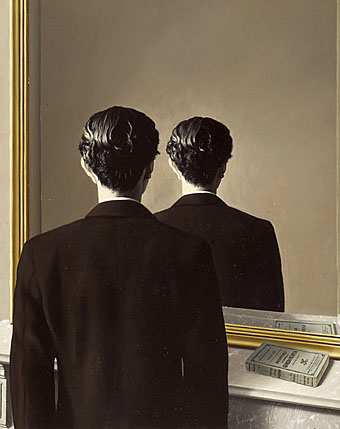
Edward James by René Magritte; La Reproduction Interdite (1937).

• “James was filmed in the late 1970s, striding round Las Pozas in a sweater and a tattered dressing-gown, surmounted by parrots (The Secret Life of Edward James can be seen on YouTube). When asked what motivated him, he replied: ‘Pure megalomania!’ He was having his second childhood, he said, though he wasn’t sure the first had ever ended.” Mike Jay on lifelong Surrealist, Edward James (1907–1984), and the concrete fantasia he built in the Mexican jungle.

• “I found the roots of electronic music in a cupboard!” Musician Paul Purgas (one half of Emptyset) on the discovery of early electronic music from India’s National Institute Of Design. Related: Purgas talks about his discovery with Patrick Clarke.

• RIP Phil May. Here’s The Pretty Things in their guise as psych band “Electric Banana” for an appearance in What’s Good for the Goose (1969). A decent moment in an otherwise terrible film.

• Music is a memory machine: David Toop explores how the transmission of music between disparate cultures can be a tool against populism and prejudice.

• Kraftwerk’s remarkable journey, and where it took us: Bob Boilen and Geeta Dayal discuss the tanzmusik of Düsseldorf.

• At Dangerous Minds: Acid Drag & Sexual Anarchy: Fifty years ago The Cockettes turned drag upside down.

Hua Hsu on the secret lives of fungi: “They shape the world—and offer lessons for how to live in it”.

• The great writer who never wrote: Emma Garman on the flamboyant Stephen Tennant.

• Cult 1998 PlayStation game LSD: Dream Emulator is finally playable in English.

Jim Jupp of Ghost Box records talks about the Intermission compilation album.

Jonathan Moodie on psychoactive cinema and sacred animation.

Alex Barrett on where to begin with Akira Kurosawa.

• At Dennis Cooper’s: Skeletons.

Skeleton Makes Good (1982) by Captain Beefheart & The Magic Band | Red Skeletons (1996) by Coil | Kids Will Be Skeletons (2003) by Mogwai

The art of Henk Bremmer, 1871–1956

bremmer3.jpg

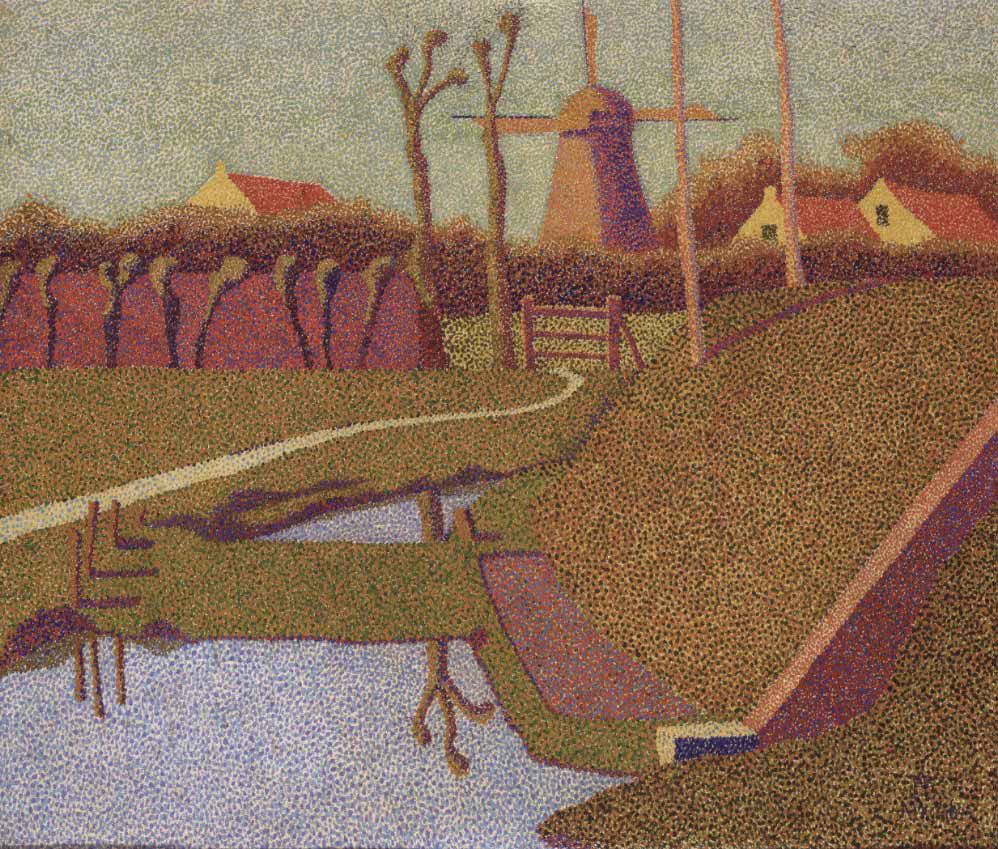
Landscape with Mill (1894; Museum De Lakenhal, Leiden).

This week’s post is another by Sander Bink about a Dutch artist whose work may be unfamiliar to those outside the Netherlands. As before, Henk Bremmer was an artist whose work I hadn’t seen until now. My thanks again to Sander for the post.

* * *

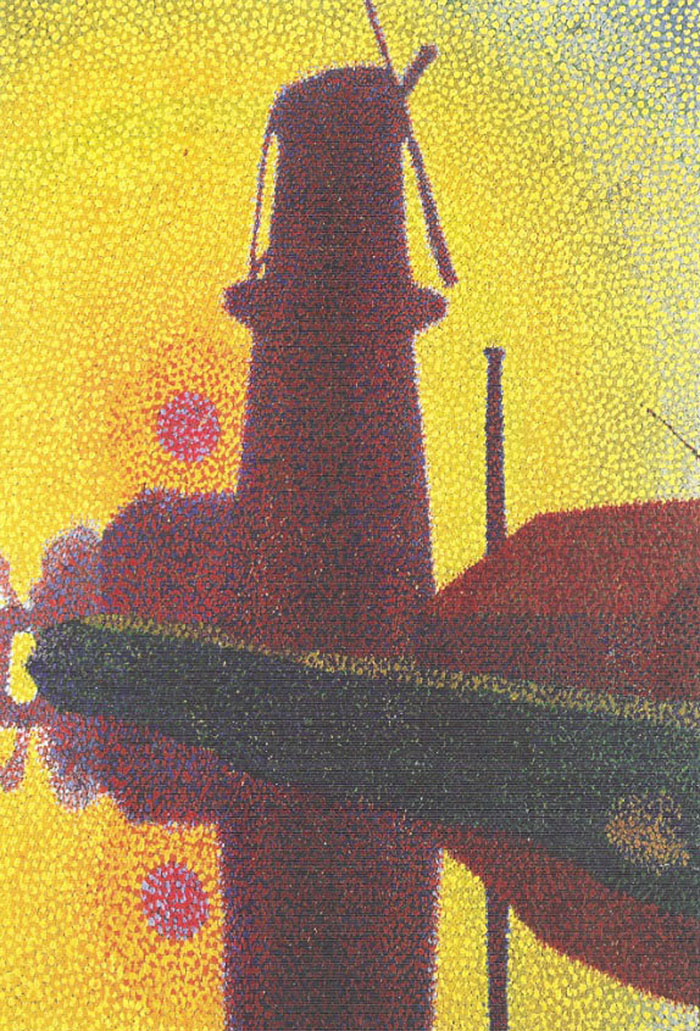
Hendricus (Henk) Bremmer was a Dutch painter, art critic, collector and art dealer. Nowadays he is mostly known for his role in forming the collection of what has become the Kröller-Müller Museum. He was enough of an authority on Dutch Modernist art from the early twentieth century to be known as “de Kunstpaus”—”the Pope of the Arts”. Bremmer was an early and important advocate of Mondriaan’s work, but the Bremmer landscapes I will focus on here are much more Modernist than those being made by Mondriaan at about the same time. Although Bremmer’s paintings from the 1890s and from around 1900 are seen as early examples of Dutch pointillism, readers of this blog will probably appreciate them for their Symbolist qualities. They are usually not seen as such but to me the Symbolist affinities are quite clear. That Bremmer was acquainted with Symbolist theory is apparent from his being an avid reader of the French Symbolists and a great admirer of Huysmans’ À rebours.

bremmer2.jpg

Windmill (1894; private collection).

In the 1890s Bremmer was friends with Dutch (Decadent-Symbolist) writers and painters such as Henri Borel, Henri van Daalhoff, Jan Toorop and Johan Thorn Prikker. When Josephin Péladan, the High Priest of Symbolism, visited the Netherlands in 1892 he stayed with Bremmer and invited him to exhibit at his Rose+Croix shows in Paris. The exhibition never materialised but one can easily understand the mystical qualities Péladan must have appreciated in Bremmers paintings. Like many Dutch intellectuals of the period Bremmer was strongly influenced by Spinoza’s mysticism. But whatever the source of his art, the landscapes here depicted can be considered “Symbolist landscapes”, like those being painted in France by Alphonse Osbert or Charles Filiger.

Continue reading “The art of Henk Bremmer, 1871–1956”

Weekend links 514

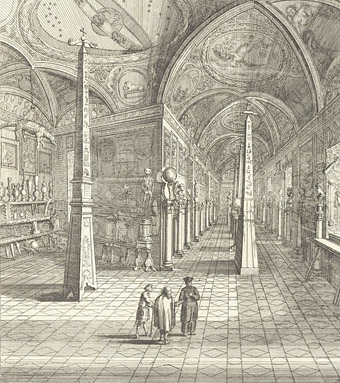
kircher.jpg

Athanasius Kircher welcoming two guests to the Collegio Romano, a detail from the frontispiece to his Romani Collegii Societatis Jesu Musaeum celeberrimum (1678).

Opium (1919) by Robert Reinert: “A Chinese opium dealer takes revenge on Westerners who have corrupted his wife.” With Werner Krauss and Conrad Veidt a year before their pairing in The Cabinet of Doctor Caligari.

Aubrey Beardsley at Tate Britain: in which the gallery thinks that 7 minutes is enough to give us a taste of a major exhibition that we can’t otherwise see.

Joe Pulver (RIP): His Highness in Yellow. A memorial piece that includes artist Michael Hutter talking about his paintings of Carcosa.

Court Mann on the strange history of Robert Smithson’s Spiral Jetty, 50 years old this month.

• “Invisible Little Worms”: Athanasius Kircher’s Study of the Plague by John Glassie.

Sophie Monks Kaufman on why literary lesbians are having a moment on screen.

• Photographer Ryan McGinley: “I was taught to believe in Satan. It scared me.”

• At Dennis Cooper’s: Ellen Burstyn Day, and the ghostly novels of WG Sebald.

Dorian Lynskey on where to start with Nina Simone’s back catalogue.

• Wie funktioniert ein Synthesizer? (1972). Bruno Spoerri explains.

• Banham avec Ballard: On style and violence by Mark Dorrian.

John Boardley on the most dangerous book in the world.

Improvisation for Sonic Cure by Ryuichi Sakamoto.

• The Strange World of…JG Thirlwell.

Diet Of Worms (1979) by This Heat | Stomach Worm (1992) by Stereolab | Heartworms (1998) by Coil

Weekend links 509

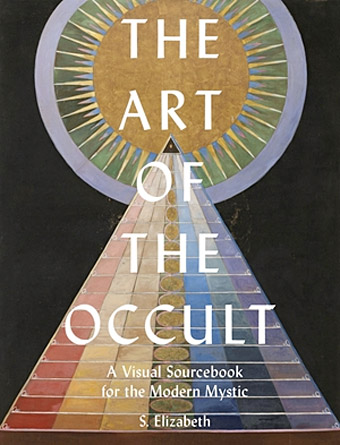
occult.jpg

The Art of the Occult: A Visual Sourcebook for the Modern Mystic by S. Elizabeth. The book will be published in September by White Lion Publishing, and includes some work of mine.

• “The structure of the film as a memory palace consists of scenes intercutting different movies, depicting similar situations lived by the same actors in similar locations and, yes, similar sexual positions building over the course of its run-time.” Memory Palace: on Ask Any Buddy and the Golden Age of Gay Porn. Caden Mark Gardner writes on a kaleidoscopic, experimental archive piece of gay pornography. • Related: Paul P., the artist making dreamy paintings from vintage gay erotica.

• At Dennis Cooper’s: Spotlight on…Terry Southern The Magic Christian (1959), and Bill Hsu presents…High Anxiety: tense, dark films from 2010-2019 (for fans of Robert Aickman and Brian Evenson).

Green (1986) by Hiroshi Yoshimura, a welcome reissue of an album of minimal electronica. More green: The Green Fog by Guy Maddin has been on Vimeo for a while.

• Mixes of the week: Time is on our hands by Beautify Junkyards, and Textural Hominini Cognition by The Ephemeral Man.

• How John Waters and Mink Stole made Pink Flamingos, and Mink Stole on the inside story of John Waters’ greatest films.

Viktor Wynd: “I was offered a mummified arm—but I didn’t have €2,000 on me”.

• At Dangerous Minds: the solitary Surrealism of Gertrude Abercrombie.

Cats and Domino

Webcam in Italia

The Green Chinese Table (1988) by Seigen Ono | Green Water (1996) by Coil | Green Evil (1997) by Paul Schütze