Deutsche Kunst und Dekoration #25

dkd25-01.jpg

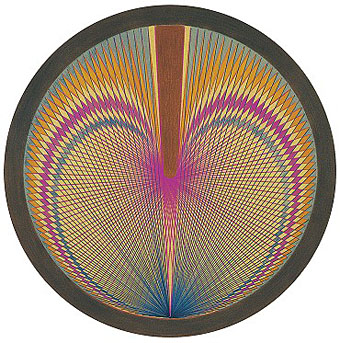
A design by Emanuel Margold.

This post concludes the delve into back numbers of Deutsche Kunst und Dekoration, the German periodical of art and decoration. Volume 25 covers the period from October 1909 to March 1909, and while the Internet Archive has further editions available they make a big jump after this number to 1923. The later editions are still interesting, of course, but in presentation and content they’re very different to what went before. Despite the text of these magazines being entirely German it’s been an education going through them not only for the detailed attention given to artists often passed over in books, but also for the articles reporting notable events in European art history as they happened. We have the Robarts Library of the University of Toronto to thank for having made these publications available.

dkd25-02.jpg

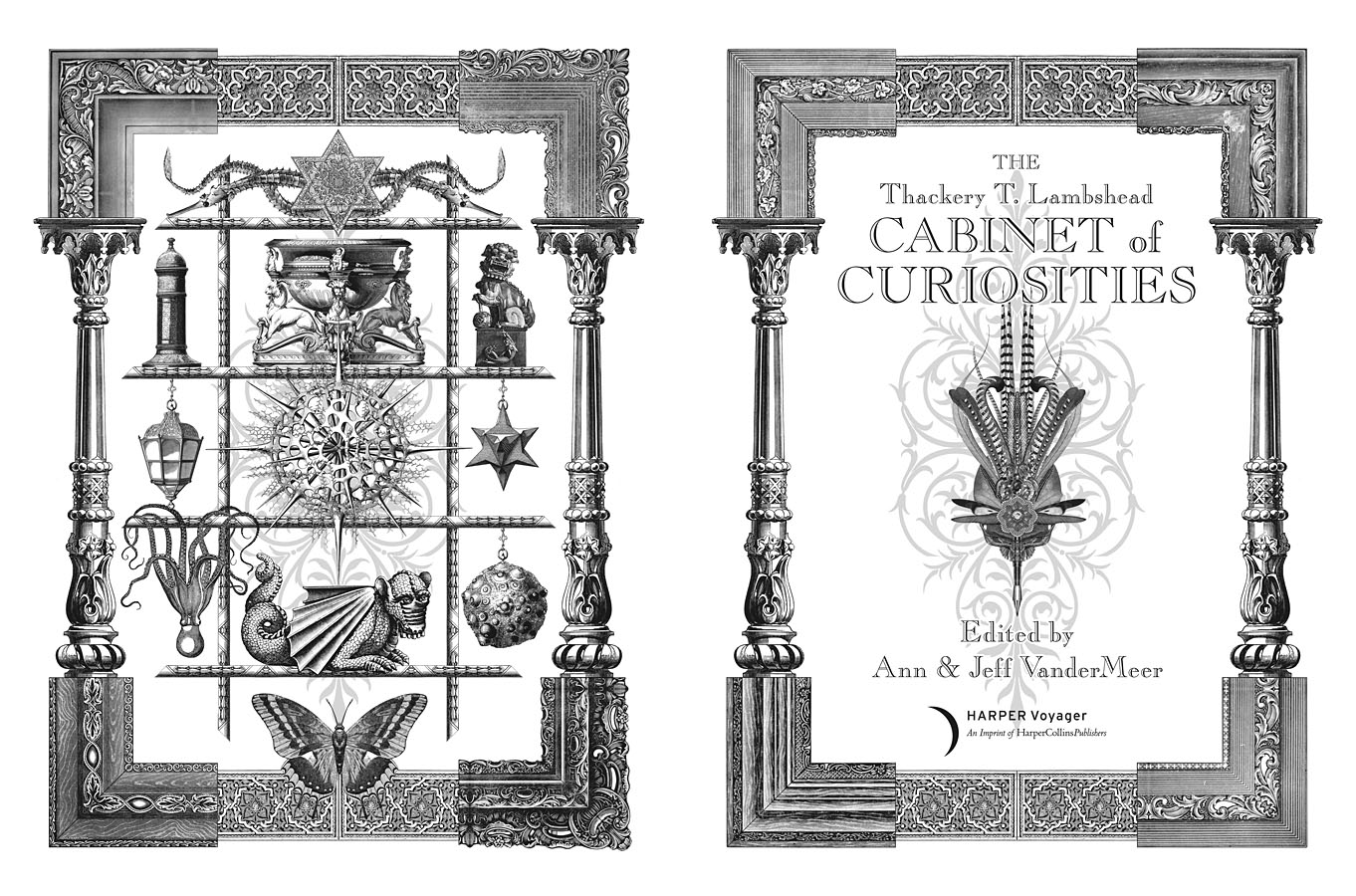
An illustration from a series by Carl Otto Czeschka for Die Nibelungen by Franz Keim.

dkd25-03.jpg

Continue reading “Deutsche Kunst und Dekoration #25”

Bookplates from The Studio

studio01.jpg

Cyril Goldie.

Selections from Modern Book-plates and their Designers, an overview of British, American and European designs published by The Studio magazine in 1898. These small Studio books are always good to see, not least for the period ads in the opening and closing pages. A couple of the designs are familiar from later reprints, notably Cyril Goldie’s remarkable accumulation of thorns and skulls. Many others are in the swirling and tendrilled style of Art Nouveau which The Studio did much to promote in Britain. Also of interest are a few entries from well-known fine artists who are seldom associated with this kind of design. Among these is Belgian Symbolist Fernand Khnopff who contributes a design of his own and an article about Flemish bookplate design.

studio02.jpg

Charles Robinson.

studio03.jpg

PJ Billinghurst.

Continue reading “Bookplates from The Studio”

Passage 15

passage15.jpg

Directing your attention elsewhere again today, to the latest edition of Passage the Dutch webzine run by my good friend Ed Jansen. Number 15 is described thus:

Passage 15 is, with a few exceptions, entirely devoted to art. Images govern our lives, literally and figuratively. Gaudier-Brzeska nearly a hundred years ago and Antony Gormley today affect our way of looking. Odd Nerdrum does so with his painting on a very different way. The music of Polly Jean Harvey made us curious about her sources of inspiration. The piece about Gallipoli is actually a kind of enormous footnote to her latest cd “Let England Shake”. The photo section provides an overview of exhibitions and performances in the past few months in and around The Hague, Netherlands.

Seeing Gaudier-Brzeska’s sculptures reminds me that I haven’t seen Ken Russell’s film of the artist’s life, Savage Messiah, for many years. The large Antony Gormley work on the cover (Exposure) makes a welcome change from the artist’s cast-iron clones. I’m still waiting for Gormley to create the Ejaculating Man, a seawater-spurting statue he proposed for Seattle. It was rejected, of course, and it’s difficult to imagine any American city exhibiting something of that nature given the current climate. Maybe he should try Amsterdam.

futuro.jpg

Back at Ed’s work, his varied Flickr stream includes some recent views of Futuro, a mobile holiday home designed by Matti Suuronen in 1968. What was once futuristic now has a Jetsons-like retro glamour.

Previously on { feuilleton }
Passage 14
Passage 13
Passage 12
Passage 11
Passage 10

Deutsche Kunst und Dekoration #24

dkd24-01.jpg

Continuing the delve into back numbers of Deutsche Kunst und Dekoration, the German periodical of art and decoration. Volume 24 covers the period from April 1909 to September 1909, and this is the penultimate edition that I’ll be posting samples from. The checkerboard designs of the Wiener Werkstätte are still being featured in this number but the focus here is on pictorial works rather than interior design. As before, anyone wishing to see these samples in greater detail is advised to download the entire number at the Internet Archive. There’ll be a final volume of DK&D next week.

dkd24-02.jpg

dkd24-03.jpg

Continue reading “Deutsche Kunst und Dekoration #24”

Signals from Mars

signal.jpg

Raymond Taylor’s composition, A Signal from Mars (1901).

This sheet music cover turned up recently as one of the pieces of science fiction-related graphics which will be on display at the British Library’s Out of this World: Science Fiction but not as you know it exhibition when it opens on Thursday. I don’t know what the music sounds like but the design is very familiar from a reworked version used for the cover of A Beacon from Mars, the second album by psychedelic band Kaleidoscope. It was always obvious that this cover had been copied from somewhere but I hadn’t seen the original until now. On the reissue CD there are no design credits so I’ve no idea who drew the cover; given its rather crude felt-tipped appearance that may be just as well. It’s a nice idea but poorly rendered.

beacon.jpg

A Beacon from Mars (1968) by Kaleidoscope.

There are two Kaleidoscopes among the psychedelic groups of the late 60s so it should be emphasised that it’s the American one we’re dealing with here. The UK group were very good, especially on their second album, Faintly Blowing (1969), but the US band are in a different league altogether. I’d rate them as highly as any other group you care to name from the period 1967–69, including The Beatles. A troupe of formidable multi-instrumentalists, they started out as the Baghdad Blues Band (the name change was prompted by their manager), and played a unique blend of psych-rock, blues, bluegrass, English folk and Middle Eastern instrumentals. Jimmy Page called them his favourite band of all time, and it’s notable that Led Zeppelin adopted a similarly eclectic formula shortly after. The last of Kaleidoscope’s trio of 60s albums is aptly titled Incredible; the standout piece on that opus is Seven-Ate Sweet which can be heard in its full 11-minute glory here. For more about the band, this fan site is the place to go.

Elsewhere on { feuilleton }
The album covers archive