Weekend links 171

bossi.jpg

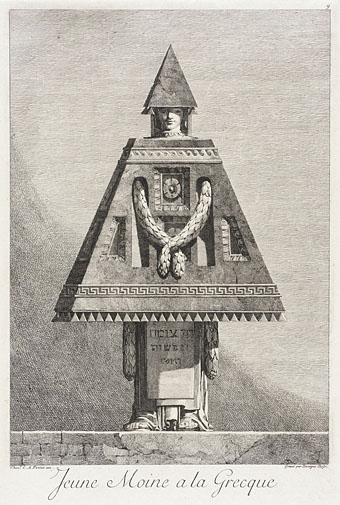
Jeune moine à la Grecque (1771) by Benigno Bossi. Via Monsieur Thombeau.

Victoriana: The Art of Revival is an exhibition which will run throughout the autumn at the Guildhall Art Gallery, London. Some of my steampunk work will be included. Related: Rick Poynor on Soft Machine’s Dysfunctional Mechanism.

• “The egg glows and hovers in the middle of a field of mesmerizing color. The spell is broken when the guard finally says, “Everybody up off the floor.'” Morgan Meis on Aten Reign by the amazing James Turrell.

• Mix of the week: a “heatwave mix” of psychedelic songs compiled by Jaime Williams. Anything that includes Vacuum Cleaner by Tintern Abbey gets my vote.

Because sex is so compartmentalized — it’s often considered separate from the rest of life and hidden away — porn performers, who have sex publicly, are in a unique position to consider and talk about integrating private and public aspects of life.

Writer and porn performer Conner Habib on the issue of nomenclature in the porn business.

• Still Hopscotching: Peter Mendelsund posts some unused cover designs for Julio Cortázar.

A Hymn For Megatron, an hour-long drone work, and a free download, by The Black Dog.

• Vagrancy and drift: Sukhdev Sandhu on the rise of the roaming essay film.

• A Flickr set of Peter “Sleazy” Christopherson’s musical instruments.
mwc.jpg

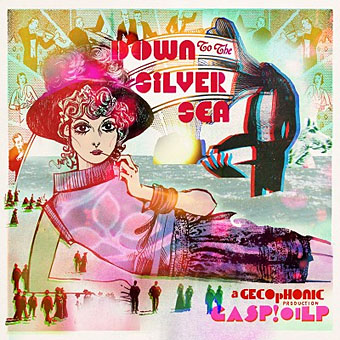
“Whether flower-pressing in the garden, hallucinating in the summerhouse, fainting inside stifling sites of historical interest, pirouetting along the promenade, or even sea-cruise thalassophobia complications, barely a moment will pass that isn’t made all the sweeter by obsessively listening to Down to the Silver Sea.”

The TM Research Archive: sate yourself on Swiss graphic design.

• A Lecture on Johnson and Boswell by Jorge Luis Borges.

• Words, sounds and robots from Sarah Angliss.

Never Built Los Angeles

Nautilus (2012) by Anna Meredith | Nature Of Light (2012) by Isnaj Dui | Popcorn (Ealing Feeder Mix) (2012) by SpacedogUK (Sarah Angliss)
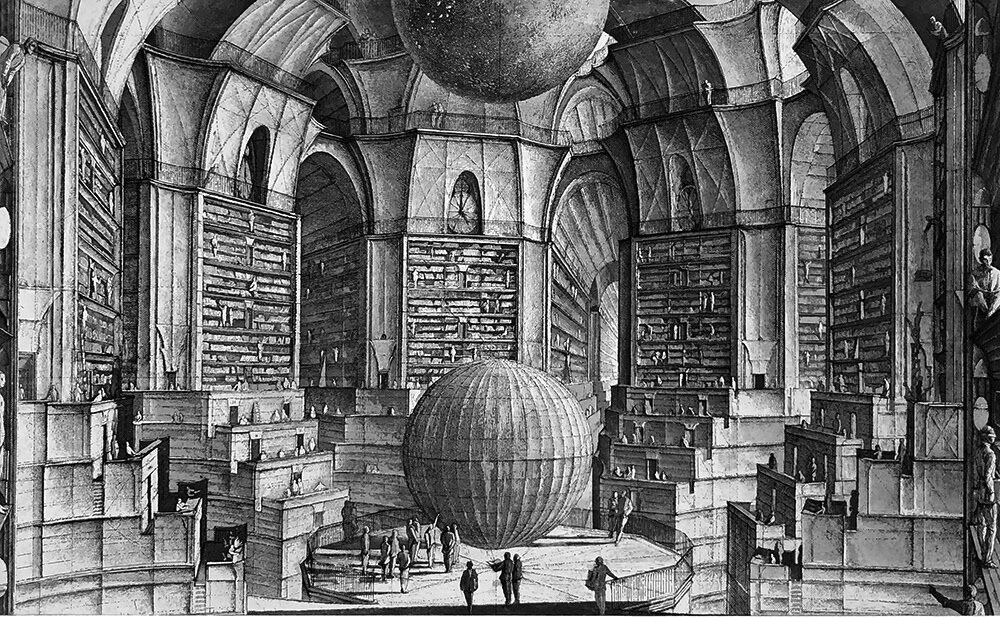
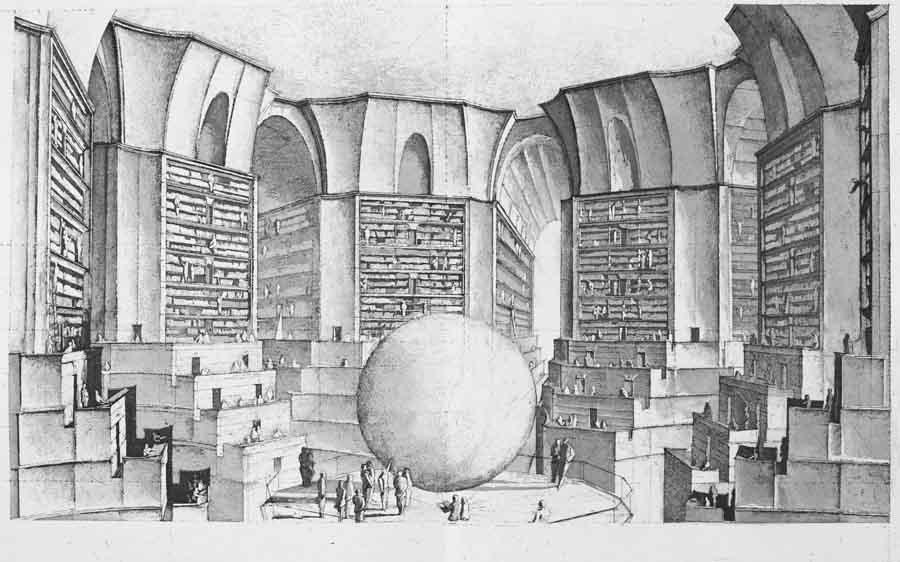
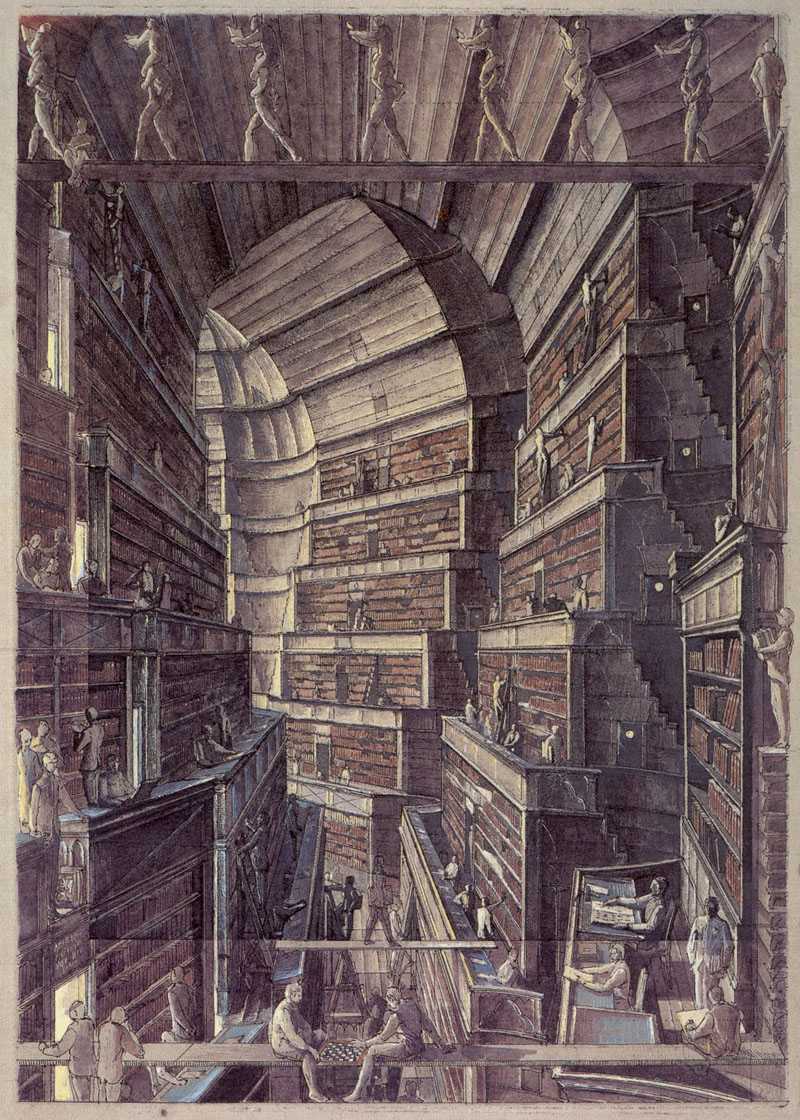
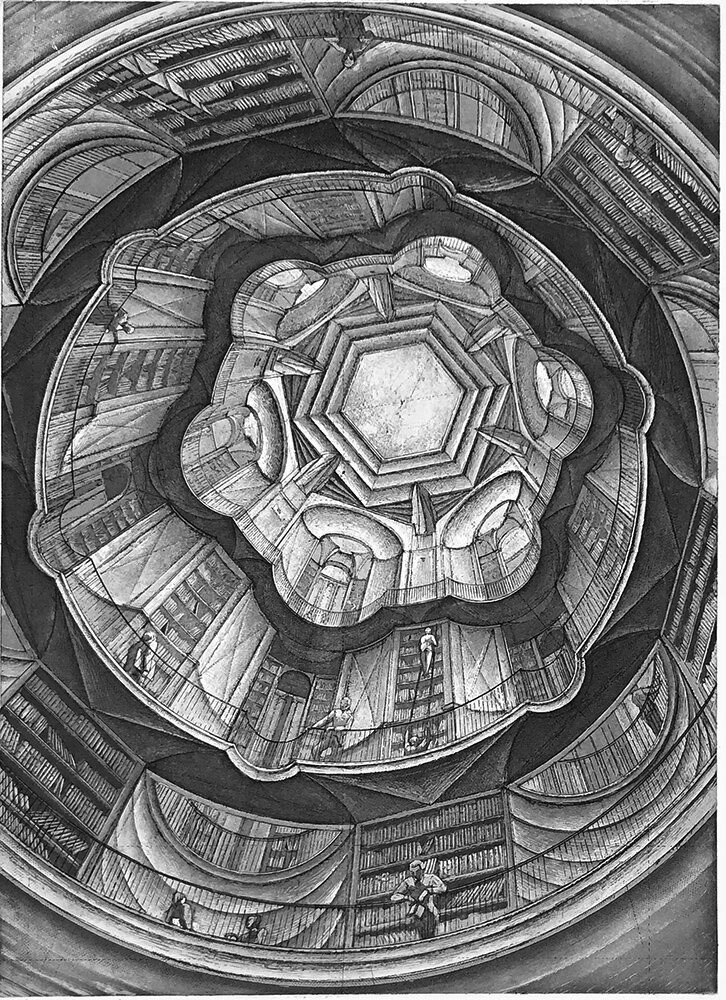
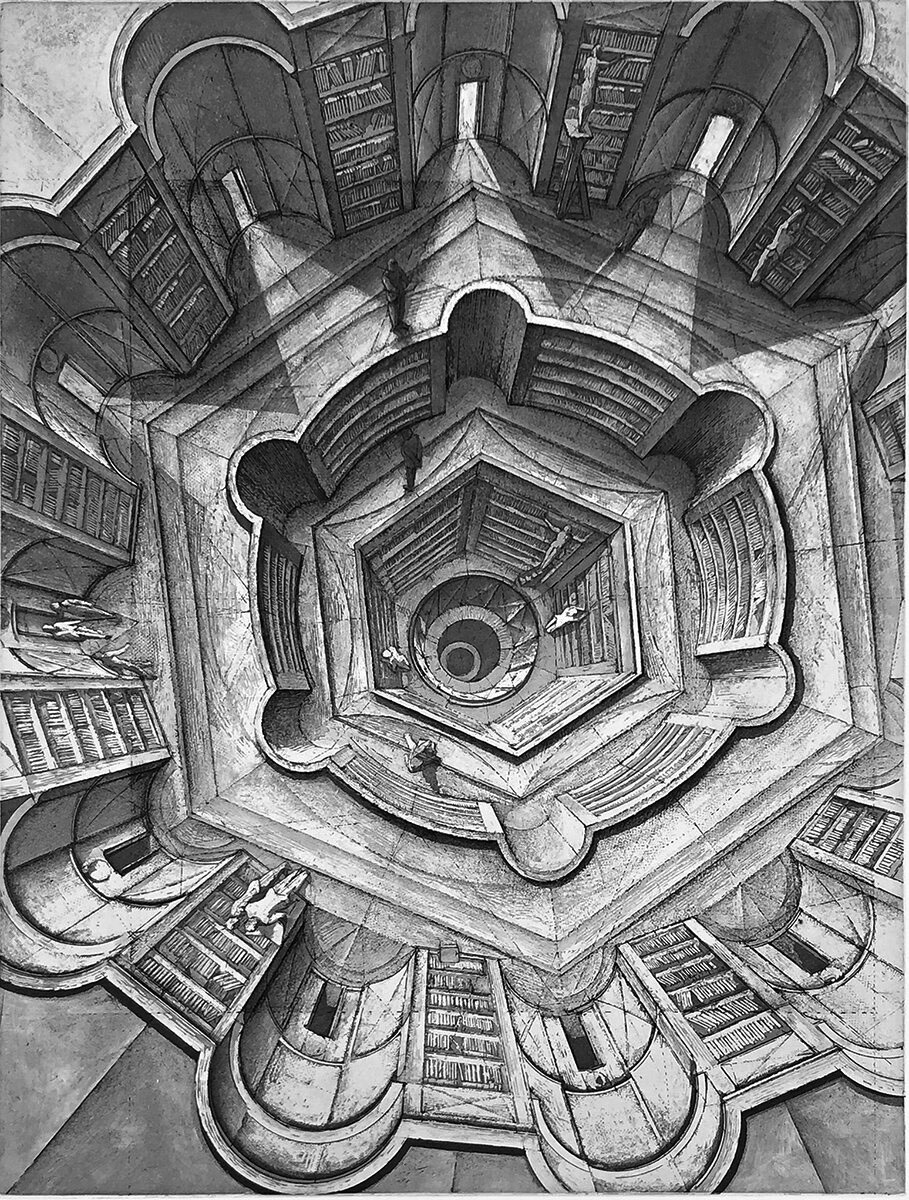
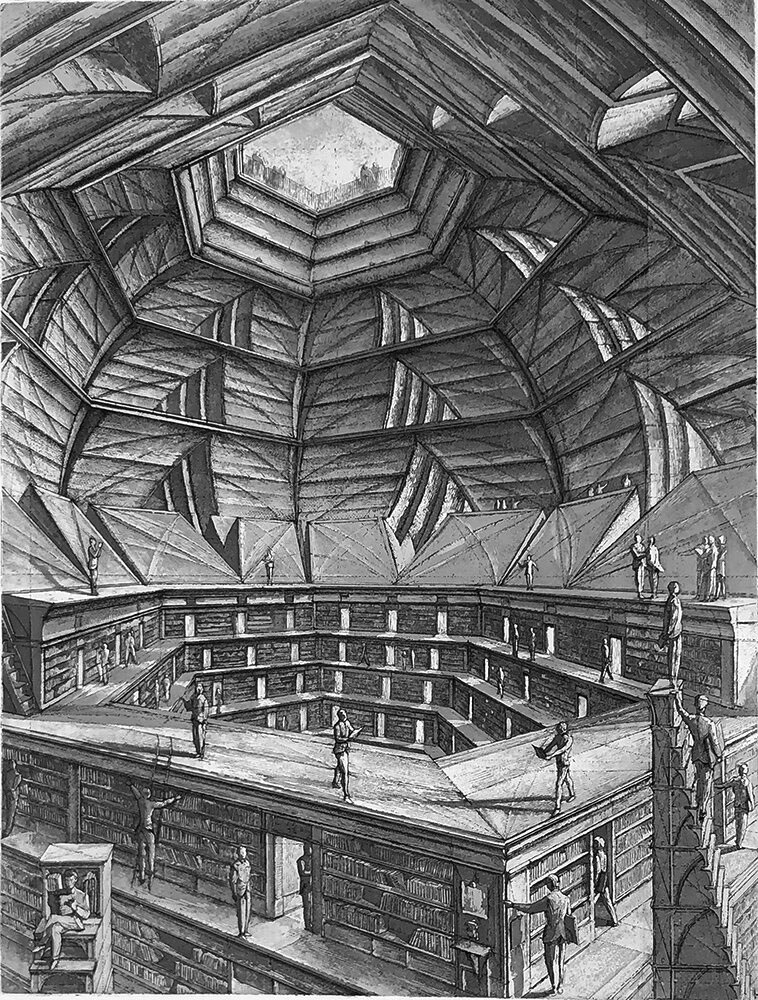
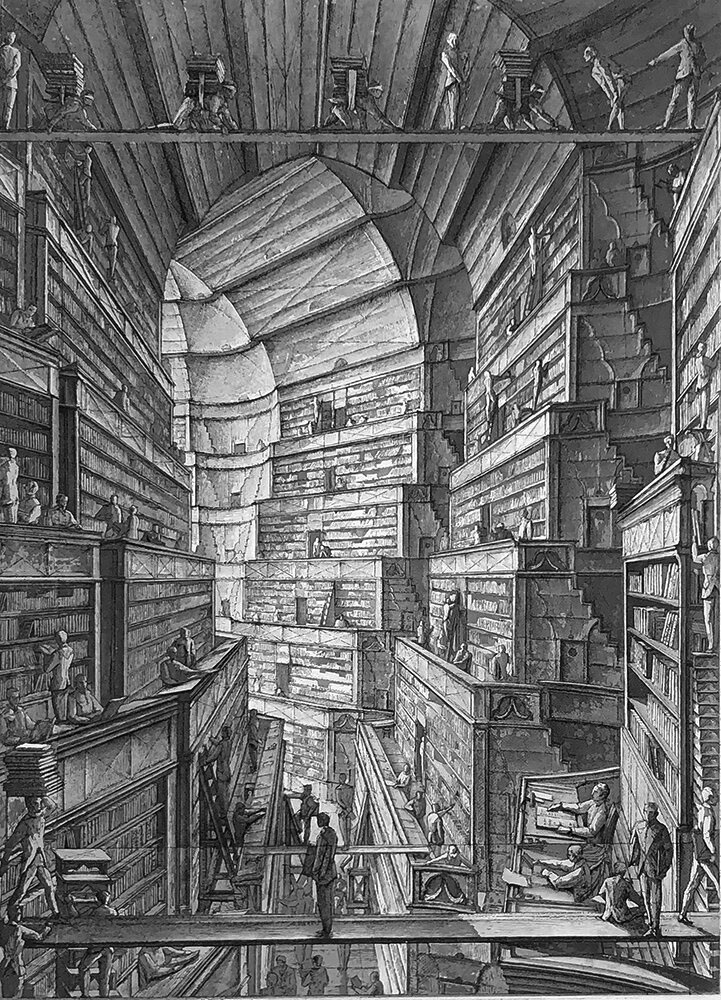
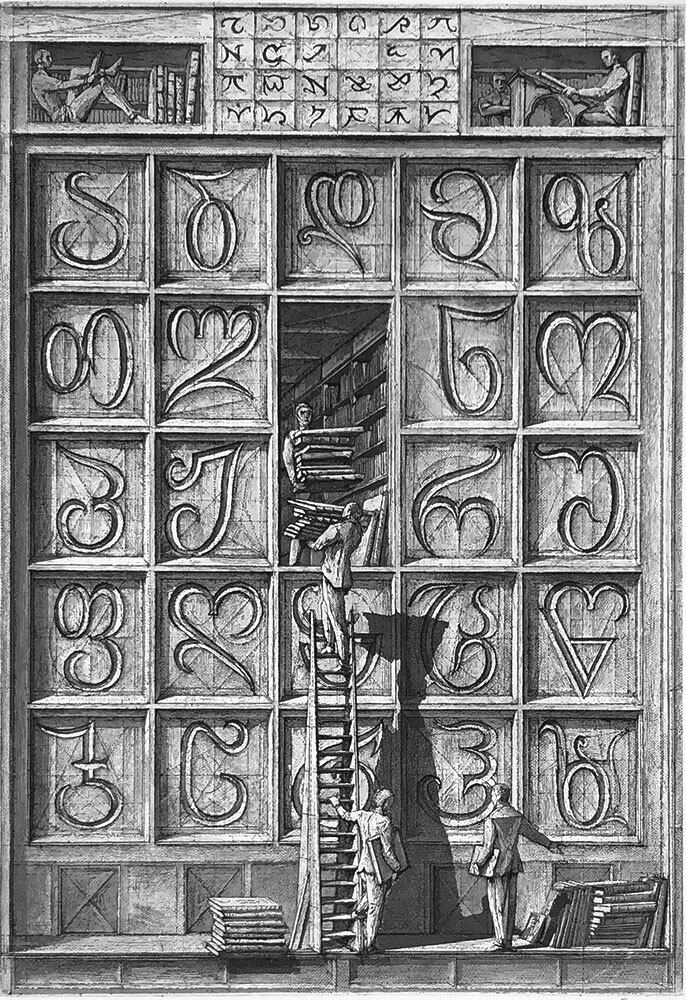
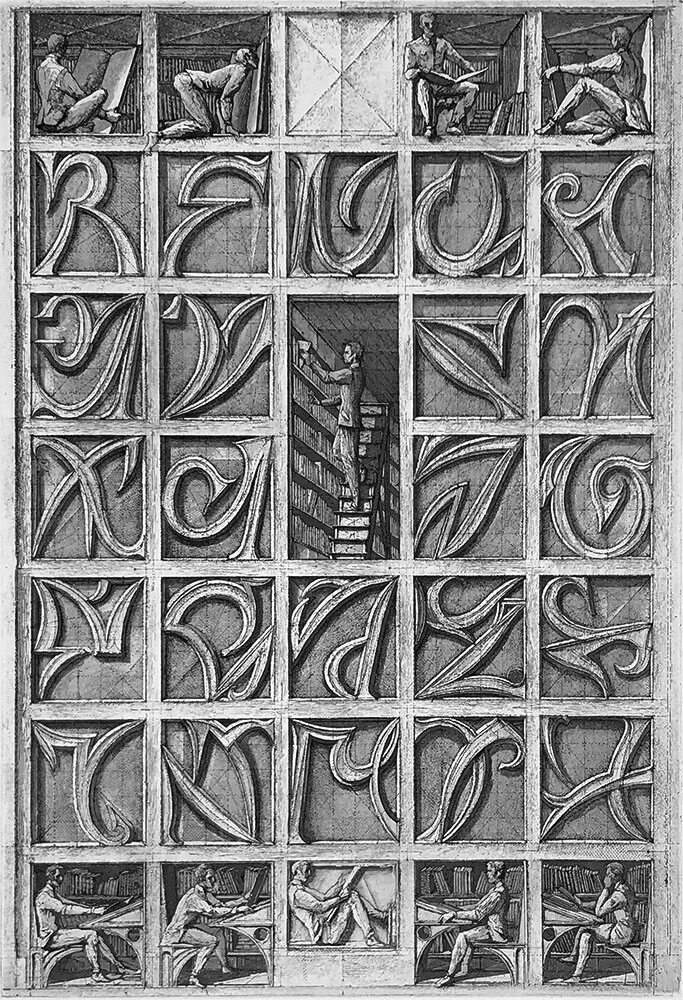
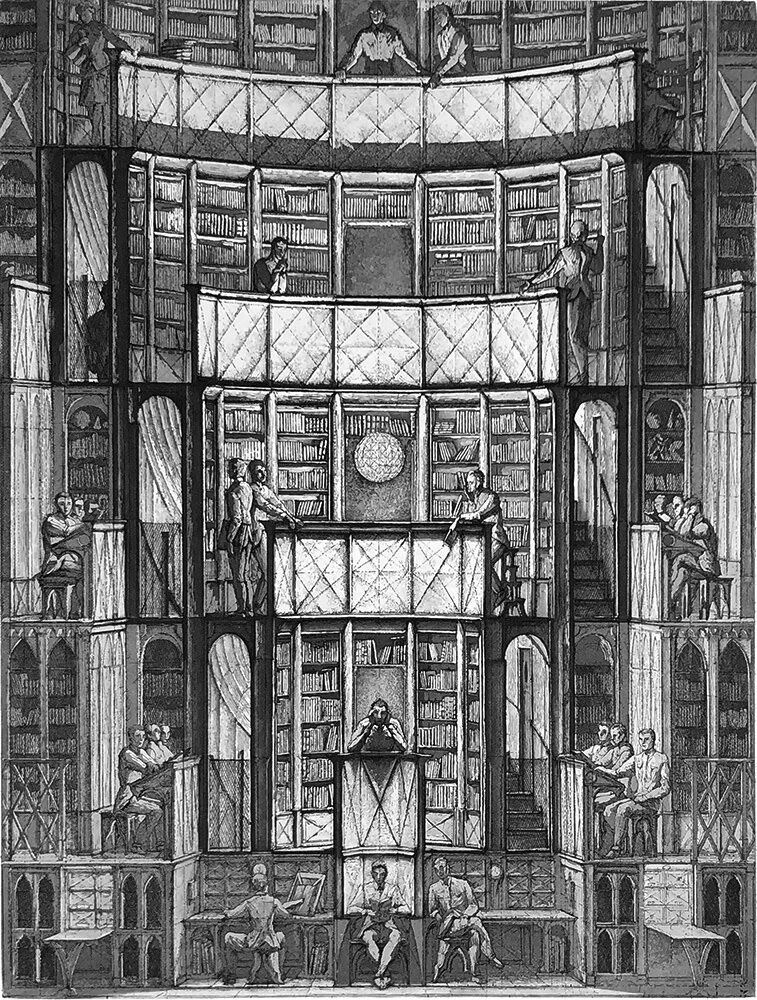
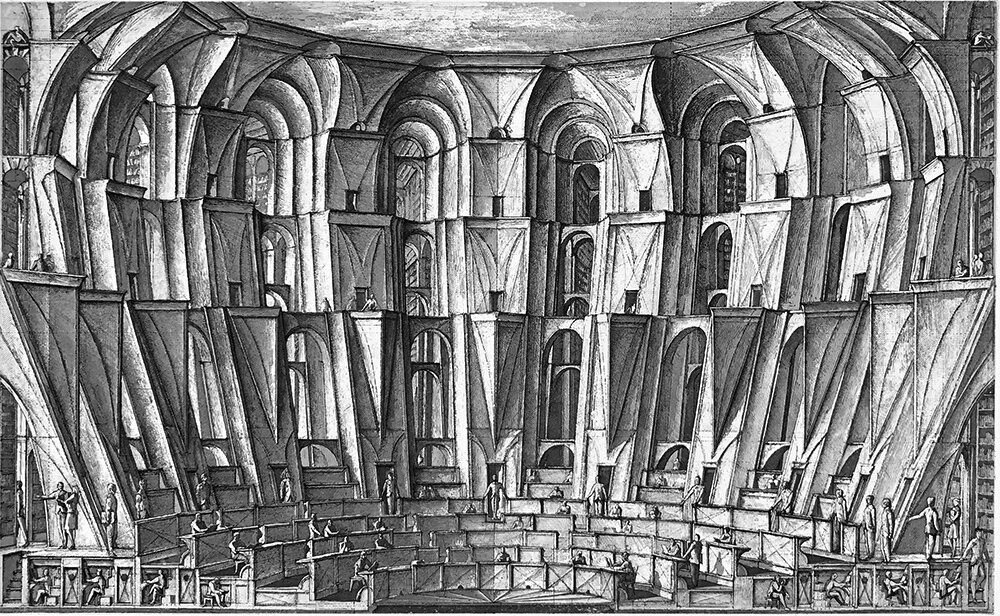
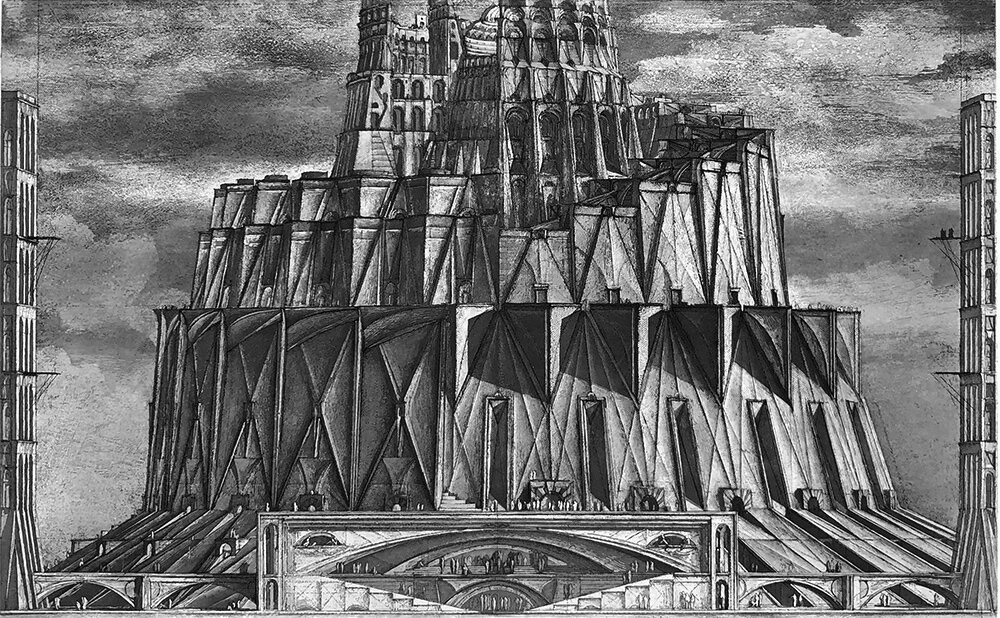
The Library of Babel by Érik Desmazières

library1.jpg

The print work of French artist Érik Desmazières has featured here on several occasions, and I’ve also had reason to mention more than once his aquatints and etchings which illustrate Jorge Luis Borges’ celebrated short story The Library of Babel (1941). The prints were produced in 1997, with a small book edition being published in 2000. Copies of the volume now sell for upwards of $100, and at a mere 36 pages this somewhat exceeds my acquisitiveness threshold; hence this post which gathers some of the better online reproductions, one or two of which have only come to light in the past couple of years.

library2.jpg

Borges’ description of the architecture of the Universe-size Library is sketchy so Desmazières opens out some of the spaces to give a Piranesian sense of space to what would otherwise be little more than views of the same small rooms and corridors, endlessly repeating. MC Escher could have made something of those infinite perspectives—the hexagonal chambers are the closest to the story descriptions—but the larger rooms convey without words an impression of colossal spaces filled with nothing but people and an infinitude of books. The volumes that Borges describes contain few illustrations but one of them at least would describe this very book. Another would describe this book with a minor variation in one of the plates; another would describe MC Escher’s depictions of the Library, and Piranesi’s, and Salvador Dalí’s, and yours, and mine, and on and on…

library3.jpg

library4.jpg

library5.jpg

library6.jpg

library7.jpg

library8.jpg

library9.jpg

library10.jpg

library11.jpg

library12.jpg

Elsewhere on { feuilleton }
The etching and engraving archive

Previously on { feuilleton }
Les lieux imaginaires d’Érik Desmazières
The art of Érik Desmazières

Weekend links 143

empire.jpg

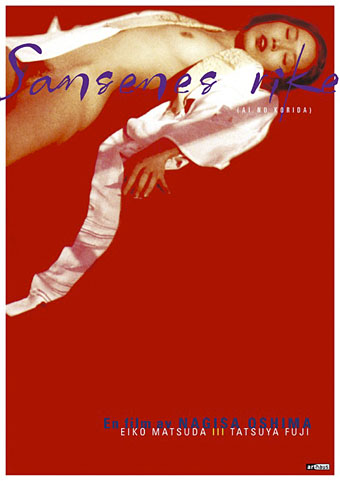
Ai No Corrida poster design by Egil Haraldsen (2001).

• “Back then, publishing an interview with Félix Guattari alongside little chats with rough trade and street walkers was unheard of — it still is for the most part.” BUTT on Kraximo, a gay Greek magazine of the 1980s.

13 books for 2013: A selection of forthcoming titles at Strange Flowers which so closely aligns with my preoccupations that I worry he’s reading my mind.

• “The Macaulay Library is the world’s largest and oldest scientific archive of biodiversity audio and video recordings.”

• A free BitTorrent Robert Anton Wilson audio and video pack. See also the RAW files at the Internet Archive.

beijing.jpg

The Pangu Building, Beijing, January 12th, 2013. Blade Runner arrives six years early.

Wired celebrates 100 years of Edward Johnston’s typeface for the London Underground.

Borges’ translation of Ulysses. Or of the last page of Ulysses as a translation of Ulysses.

0181, a new album by Four Tet, can be heard in full at SoundCloud.

• The Edge question for 2013: “What should we be worried about?

JG Ballard documentaries at Ubuweb.

Unlocking Dockstader.

• RIP Nagisa Oshima.

Ai No Corrida (1980) by Quincy Jones | Empire Of The Senses (1982) by Bill Nelson | Forbidden Colours (1983) by David Sylvian & Riuichi Sakamoto

Atalanta Fugiens

teb.jpg

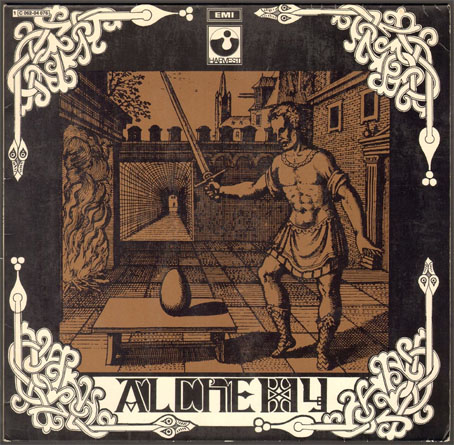
Alchemy (1969) by the Third Ear Band. Design by Dave Loxley.

For an idea of how these posts often come into being, this one is the result of the following chain of association: an article by Leo Robson about the films of Roman Polanski > A re-viewing of Polanski’s Macbeth > A re-listening to albums by the soundtrack artists for Macbeth, British folk group the Third Ear Band > A tracking down of the famous cover image from the first Third Ear Band album.

mm01.jpg

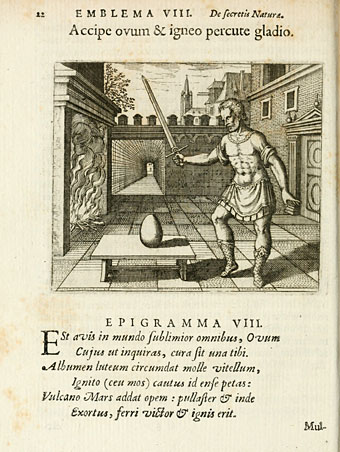
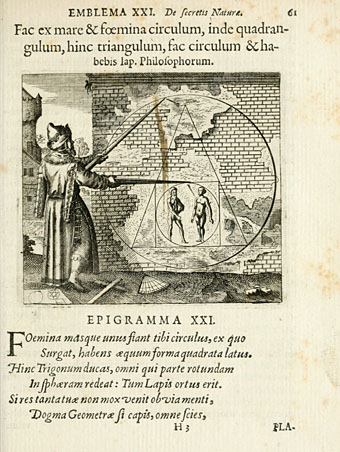
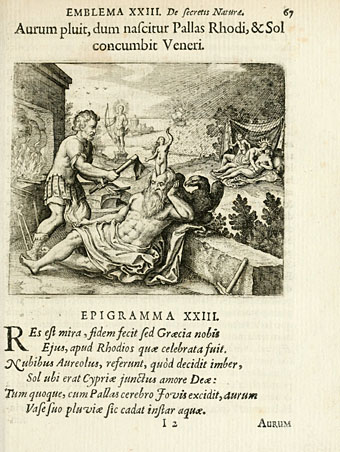
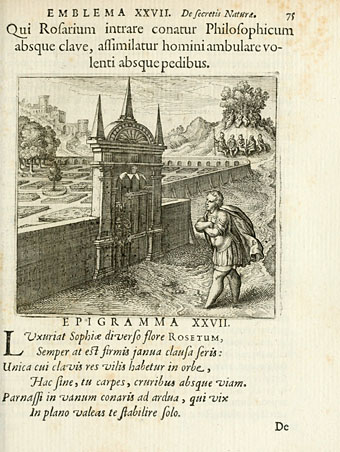
Alchemy is the dominant theme of the first two Third Ear Band albums. The engraving used on the cover of their debut album is one of the most frequently reproduced of all images associated with this branch of occultism, one of fifty emblems from Atalanta Fugiens (1618) by the German alchemist Michael Maier (1568–1622).

The plates are by Matthäus Merian, an artist whose career produced a number of notable alchemical illustrations. A detail from one of his other oft-reproduced pieces, Macrocosm and Microcosm from the Basilica Philosophica (1618), appeared on the cover of Pink Floyd’s Saucer Full of Secrets album a year before the Third Ear Band debut. Merian would no doubt be astonished that his work was so visible to future generations even though his name is seldom mentioned at all. The popularity can be accounted for by the way the best of these images seem almost archetypal whilst being resistant to any easy interpretation. Some of Merian’s plates remind me of Magritte’s paintings; they share a tension between carefully rendered yet impossible images that imply a hidden meaning. As Borges considered metaphysics to be a branch of fantastic literature it’s possible to consider this kind of alchemical illustration as a branch of fantastic art.

A 1687 edition of Maier’s Atalanta Fugiens (retitled Scrutinium Chymicum) may be browsed here or downloaded here.

mm02.jpg

mm03.jpg

mm04.jpg

Continue reading “Atalanta Fugiens”

The Magic Toyshop

toyshop1.jpg

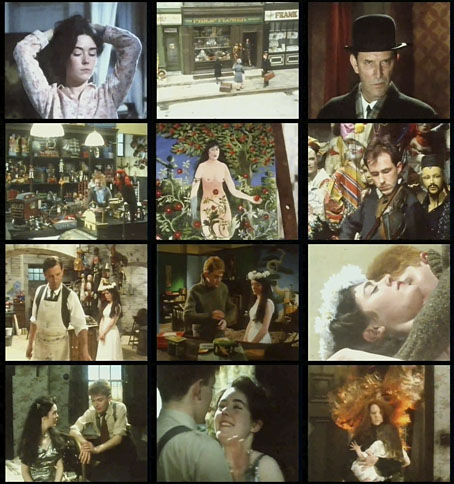
Yet more revenant TV drama. Seems like everything turns up if eventually so long as you’re prepared to wait. I’d looked for this film a couple of times after writing about TV director David Wheatley. The Magic Toyshop (1987) was a feature-length Granada Television adaptation of Angela Carter’s 1967 novel, with Wheatley directing and Carter herself supplying the screenplay. Caroline Milmoe plays Melanie, a teenage girl left in the care of her Uncle Philip after she and her younger brother and sister are orphaned. Tom Bell plays the sinister uncle who owns the toyshop of the title, a place where the toys, puppets and automata are as lively as JF Sebastian’s menagerie in Blade Runner. Melanie’s younger uncles, Finn and Francie, live in fear of the tyrannical Philip who forces them to assist with his life-size puppet shows, while Melanie’s aunt Margaret is not only cowed by her husband but also mute. The arrival of Melanie and her growing sexual awareness upsets the household’s balance of power.

toyshop2.jpg

It was good to see this film again having recently watched David Wheatley’s René Magritte film and his marvellous Borges documentary. In light of those earlier works an adaptation of Angela Carter would seem a natural progression. Aside from an overly-emphatic score, The Magic Toyshop was better than I remembered, the initial viewing no doubt suffering from an expectation that it might be a match for The Company of Wolves (1984). The Granada film had a much lower budget than Neil Jordan’s feature so it’s an unfair comparison. Wheatley and co. saved money with some careful use of the Baker Street set from Granada’s Sherlock Holmes adaptations.

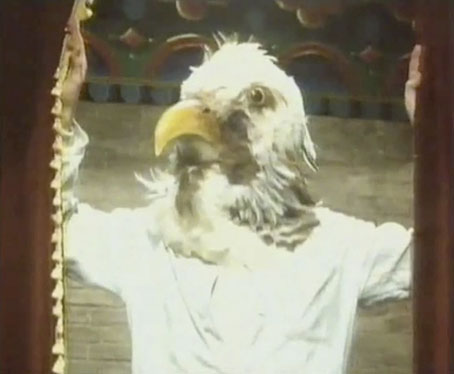
Watching The Magic Toyshop now it’s surprising it was made at all, it’s an odd piece of work stippled throughout with surreal moments, and even Surrealist references, as with Finn’s Loplop-like appearance above. What drama there is refuses the familiar shapes that a TV audience would expect, and there’s also a surprising amount of incestuous desire boiling among the major characters that goes unquestioned. I’ve not read Carter’s novel so I can’t say how it compares but the film feels like a very pure delivery of the author’s landscape of entwined sexuality, fantasy and myth. The Magic Toyshop hasn’t been reissued on DVD so the YouTube version is from a tape copy. It’s also chopped into chunks (why, oh, why, etc) but it’s highly recommended to Angela Carter readers.

The Magic Toyshop: part 1 | part 2 | part 3 | part 4 | part 5 | part 6 | part 7

Previously on { feuilleton }
Borges and I
René Magritte by David Wheatley