Weekend links 225

mori.jpg

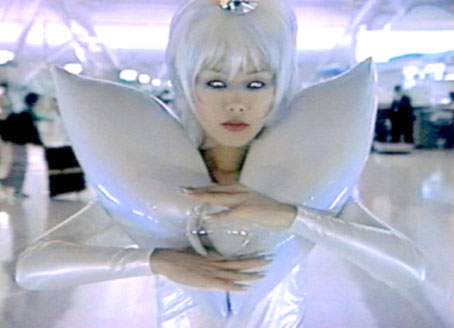
Still from The Shaman-Girl’s Prayer (1997), a video piece by Mariko Mori. This page has pictures of Mori’s futuristic/cosmic performances, films & environments.

Time Out of Mind (1979) was a BBC TV series about science fiction writers, five short films concentrating on Arthur C. Clarke, John Brunner, Michael Moorcock, Anne McCaffrey and an sf convention. I was only interested in the Moorcock film at the time, not least because it featured a short clip of Hawkwind playing Silver Machine, and inserted scenes from the film of The Final Programme (1973) between the interviews. The Moorcock episode is less about his books than about New Worlds magazine and the so-called New Wave of sf in general, so you also see rare footage of M. John Harrison in a Barney Bubbles “Blockhead” T-shirt talking then ascending a limestone cliff, and bits of interviews with Brian Aldiss and Thomas Disch. Ballard isn’t interviewed but is present via a scene from the Harley Cokeliss film Crash! (1971) in which Gabrielle Drake slides in and out of a car while someone reads Elements of an Orgasm from The Atrocity Exhibition.

• “…there happened to be a book on Ritual Magick that talked about John Dee and summonings and Dr. Faust and all that kind of stuff. So then obviously at that age, too, I read HP Lovecraft and then Michael Moorcock and what they call fantasy literature. Through HP Lovecraft I discovered Arthur Machen, and I think that sort of percolated down inside…” Dylan Carlson of Earth talking to Steel for Brains. The Wire has the vinyl-only track from the new Earth album, Primitive And Deadly, and a track from Carlson’s solo album, Gold. Related: Artwork by Samantha Muljat, designer/photographer for the new Earth album.

Phantasmaphile has details of the next two issues of deluxe occult magazine Abraxas. Issue 6 includes a major feature on Leonora Carrington while Luminous Screen is a special issue devoted to occult cinema.

• More Broadcast: Video of a performance at Teatro Comunale di Carpi, March 2010 (part 2 here), and “constellators and artifacts” at A Year In The Country.

• “Petition demands return of ‘Penis Satan’ statue to Vancouver.” There’s an uncensored photo of the contentious statue here.

• Literary Alchemy and Graphic Design: Adrian Shaughnessy on James Joyce’s writings among graphic designers.

• Frank Pizzoli talks to John Rechy about “the gay sensibility”, melding truth and fiction, and his literary legacy.

• Mixes of the week: Secret Thirteen Mix 127 by Roberto Crippa, and FACT Mix 459 by Craig Leon.

Alan Moore has finished the first draft of his million-word novel, Jerusalem.

• Crazy pavings: Alex Bellos on Craig Kaplan’s parquet deformations.

Noise Not Music: “Live recordings, obscure cassettes and more…”

Pylon of the Month

Zoot Kook (1980) by Sandii | Rose Garden (1981) by Akiko Yano | Telstar (1997) by Takako Minekawa
Weekend links 224

zona.jpg

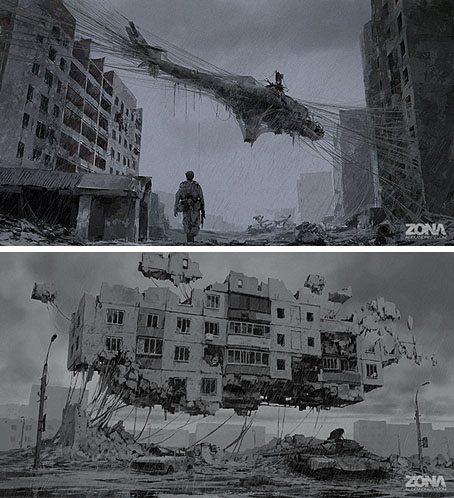
Zona: concept art by Alex Andreyev for a planned TV series based on Roadside Picnic by Arkady & Boris Strugatsky.

The Black Sessions are a long-running series of concerts by international artists recorded for radio station France Inter. UK group Broadcast were recorded by the station in May, 2000. While copies of the shows can be often be hard to find, files of the Broadcast concert may be downloaded here. A fantastic performance, especially the white-hot psychedelic freakout at the end.

• Further investigations from the radio age: Invention for Radio No. 1: The Dreams (43 mins, 1964): “an attempt to re-create in five movements some sensations of dreaming—running away, falling, landscape, underwater and colour”. Voices recorded by Barry Bermange with Radiophonic manipulation by Delia Derbyshire.

• “…in his first description of Cthulhu he gives you a list of four things that Cthulhu isn’t quite like.” Nick Talbot talks to Alan Moore about HP Lovecraft. Related: one of my depictions of Azathoth appears in this list of “gods who have forsaken you”.

• Tracking the locations of JG Ballard’s Super-Cannes: an investigation by Rick Poynor. Related: houseboats, architecture and eco-disaster; Justin Sullivan photographs California’s extreme drought.

• “As her writing career existed outside the realm of respectable ‘high-lit’ fiction, she cast herself as an outsider icon.” Chris Kraus on I’m Very Into You, a collection of Kathy Acker’s emails.

• Cover design inspiring fiction: Susan Coll on how a photo of a Bauhaus chair on the cover of her new novel, The Stager, made her alter her text at the last minute.

• “People were either taken by it or felt it was the Antichrist.” MetaFilter on Clair Noto’s unmade science-fiction film, The Tourist.

The Norwood Variations is a new album by Drew Mulholland (Mount Vernon Arts Lab et al).

• Thought Maybe has a collection of the television essays made by Adam Curtis.

• From 1974: How To Make Magic, a children’s handbook of the occult.

• Mix of the week: Secret Thirteen Mix 126 by Mira Calix.

One Minute Blasts Rising To Three And Then Diminishing (2000) by Mount Vernon Arts Lab | Dashwood’s Reverie (2001) by Mount Vernon Arts Lab | Warner’s Reverie (2002) by Mount Vernon Astral Temple

The Book of the Lost

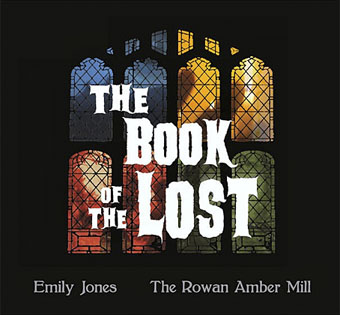
botl.jpg

A recurrent feature of the music landscape of the late 80s and early 90s was the “soundtrack for an imaginary film”, a sub-genre that proved especially popular among the electronica crowd when DJs realised they needed a description to justify their collections of downtempo instrumentals. Two of my favourite examples were produced away from the dance world: John Zorn’s Spillane (1987), and Barry Adamson’s solo debut Moss Side Story (1989), both of which took their thematic cues from crime novels and film noir. The artists on the Ghost Box label haven’t gone down the imaginary film route but many of the tracks on the Belbury Poly and Advisory Circle albums are reminiscent of TV theme tunes from the 1970s. The closest you get to an imaginary film in the Belbury sphere is the unseen giallo horror in Peter Strickland’s Berberian Sound Studio with its score by Ghost Box allies Broadcast, and a title sequence by Julian House.

Given all of this, The Book of the Lost, a collaboration between Emily Jones and The Rowan Amber Mill, is a logical next step: a CD collection offering a theme from a forgotten TV series “shown on Sunday nights in the late ’70s and early ’80s” which broadcast four of the equally forgotten horror films upon which the accompanying songs are based. Between each song you hear a brief snatch of dialogue, just enough to whet the appetite without getting too involved. One of the films referred to, The Villagers, belongs to that current of British folk-horror that runs through Witchfinder General, and Blood on Satan’s Claw, to Ben Wheatley’s intoxicatingly weird A Field in England. Pastiching aside, all projects of this kind depend upon the quality of the music, and the folk-inflected songs here are very good, as is the Book of the Lost theme itself which is as spookily evocative as Jon Brooks’ Music for Thomas Carnaki.

botl2.jpg

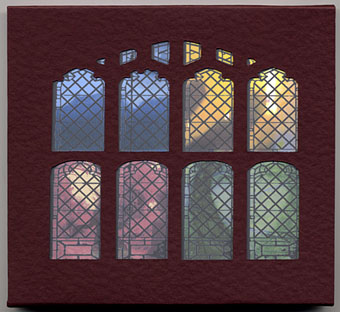
If that wasn’t enough, there’s a special numbered edition of the CD which comes packaged in a die-cut slipcase (above) containing cards giving details of each of the films. In addition to promotional artwork there’s also a synopsis, a production history and even a cast list. Other films are mentioned in passing—The House that Cried Wolf, Ghosts on Mopeds—that imply there was a lot more happening in Wardour Street in the 1970s than we previously suspected.

The Book of the Lost isn’t officially released until January but it’s available for purchase now at the project website.

Previously on { feuilleton }
The Outer Church
The Ghost Box Study Series
A playlist for Halloween: Hauntology
The Séance at Hobs Lane
Ghost Box

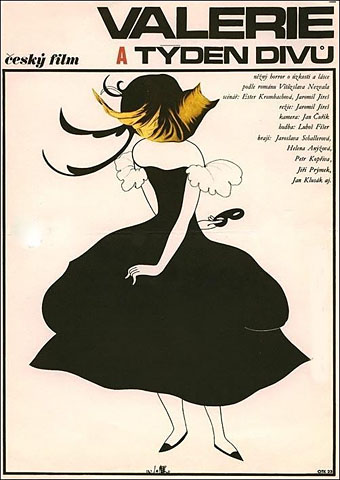
Valerie and Her Week of Wonders

valerie1.jpg

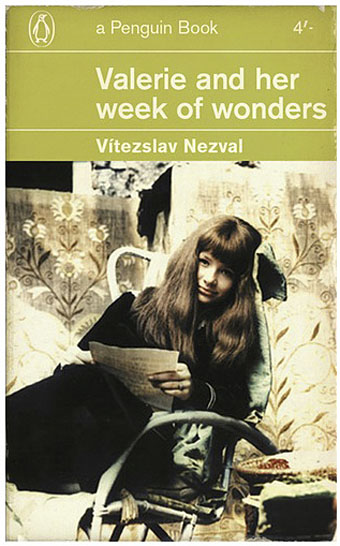
First English translation, 1970. Faux-Penguin edition by gregoreverb.

1: A Surrealist novel (1932) by Vítezslav Nezval.

valerie2.jpg

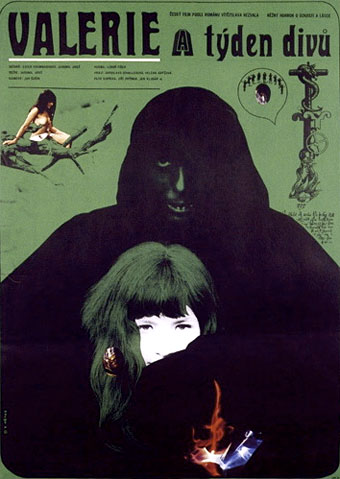
Design by Rudolf Nemec.

2: A feature film (1970) by Jaromil Jires (director), Ester Krumbachová (screenplay) and Jirí Musil (dialogue). (Region 2 DVD from Second Run.)

valerie3.jpg

Design by Josef Vylet’al. Figure originally by Aubrey Beardsley from The Comedy Ballet of Marionettes III (1894).

valerie4.jpg

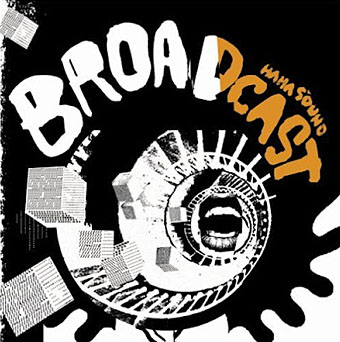
3: Valerie: A song (2003) by Broadcast.

valerie5.jpg

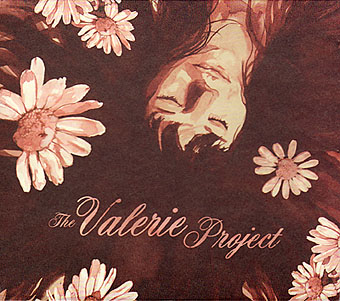
4: The Valerie Project: A musical group and album (2007).

Previously on { feuilleton }
The Robing of The Birds

Weekend links 169

anderson.jpg

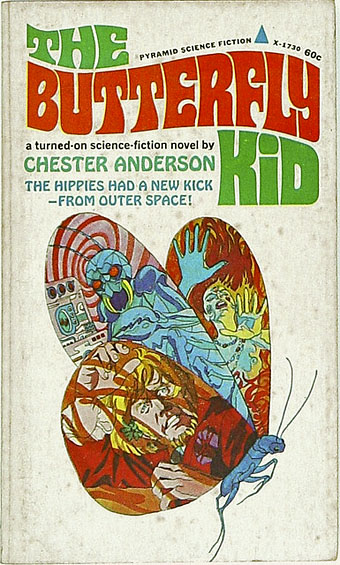
Cover illustration by Gray Morrow, 1967. One of the less exploitative examples from a collection of hippy book covers.

• Ten Photographs by Alain Resnais: Mise en scène of Memory, Aesthetics of Silence by Ehsan Khoshbakht. In the comments to that post someone shows an old Penguin book with cover photos by Chris Marker. This confirms that the “C. Marker” whose name I found on the back of another Penguin book was indeed Monsieur Chat.

• There’s more (there’s always more…): Cornelius Castoriadis interviewed by Chris Marker in 1989, the complete footage of an interview edited down for Marker’s TV series L’héritage de la chouette (The Owl’s Legacy). Watch the series itself at YouTube.

• “A generation of innovators want to change the way we have sex and consume porn, but Google, Apple, and Amazon won’t let them,” says Andrea Garcia-Vargas. Related: Sam Biddle on how Tumblr is pushing porn into an internet sex ghetto.

• Mix of the week: the Chop Quietus Mix, “a jagged journey all the way from Broadcast to the uneasy thrum of Suicide, kosmische flavours from Popol Vuh and Cluster, Alexander Robotnik and many more.”

Strange Flowers looked back at The Student of Prague: “the first art film, the first horror film and the first auteur film”, and now a century old.

Clive Hicks-Jenkins talked to animator Barry Purves about the pleasures and difficulties of creating animated films for adults.

• Mazzy Star released a song, California, from their new album which arrives in September. Can’t wait.

Suzanne Ciani, “American Delia Derbyshire of the Atari Generation” explains synthesizers, 1980.

Christer Strömholm‘s photos of Parisian transgender communities in the 1950s.

What are These Giant Concrete Arrows Across the American Landscape?

• How Kiyoshi Izumi built the psych ward of the future by dropping acid.

Alan Moore: The revolution will be crowd-funded.

Fuck Yeah Mazzy Star

• Suzanne Ciani: Lixiviation | The First Wave—Birth Of Venus (1982) | The Eighth Wave (1986)