Tenniel’s Fables

tenniel01.jpg

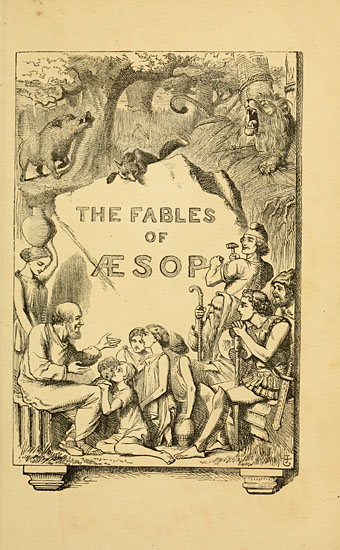
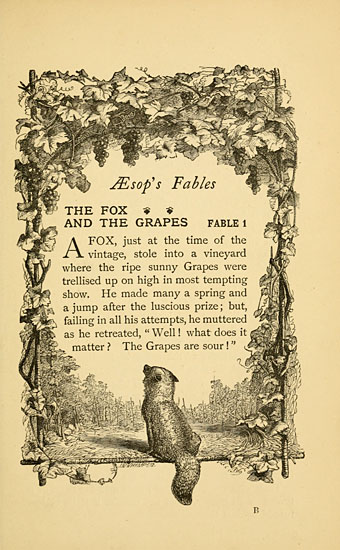
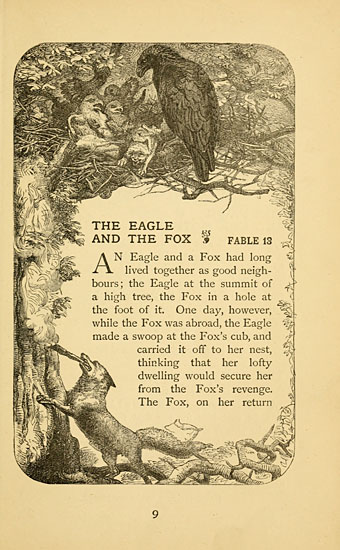
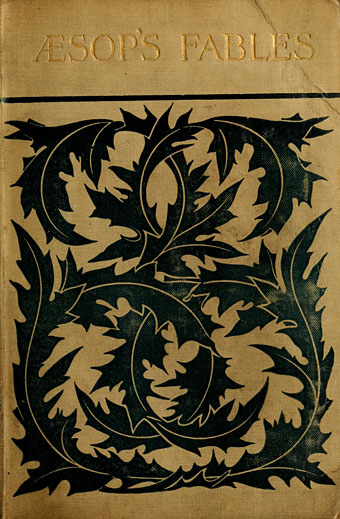
Everyone knows John Tenniel’s illustrations for Lewis Carroll’s Alice books, two volumes which have overshadowed the rest of his career. In addition to being a popular artist at Punch magazine Tenniel illustrated a number of other books including a collection of Aesop’s Fables in 1848. The copy from which these pictures are taken is a later edition from 1898, with text by Thomas James. The drawings lack the indelibly memorable quality of the Alice illustrations but that’s partly a result of the content which for Aesop is always going to lack the invention of Wonderland. Browse the rest of the book here or download it here.

tenniel02.jpg

tenniel03.jpg

tenniel04.jpg

Continue reading “Tenniel’s Fables”

Andrey Avinoff revisited

avinoff1.jpg

(My apologies for the recent downtime. The hosting for this site has been a bit more unstable than usual.)

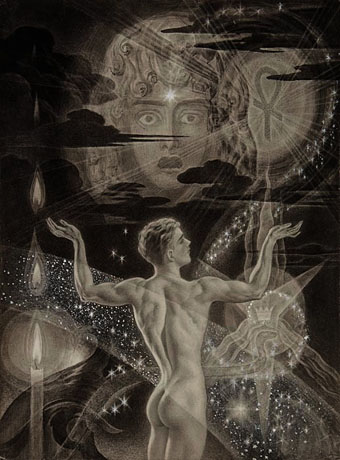
At a time when various Russians are trying to rewrite their nation’s gay history, there’s hardly been a better moment to remind ourselves of some of the people who contributed to that history. When I discovered the art of Andrey Avinoff (1884–1949) in 2007 most of the online examples of his work were in the collection of the Kinsey Institute. Avinoff was a friend of Kinsey’s (the artist escaped the revolution to live in the USA), and the professor no doubt took an interest in the evident homoeroticism of the drawings.

avinoff2.jpg

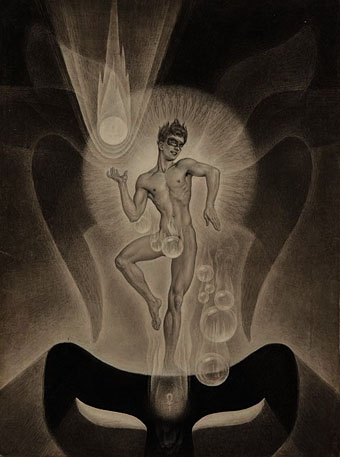
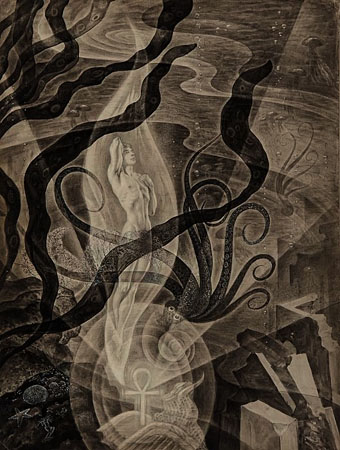
The homoerotics (mostly male nudes in fantasy scenes) are combined with some remarkable occult designs in Avinoff’s 21 illustrations for The Fall of Atlantis, a book-length poem by George Golokhvastoff published in 1944. The book was a limited edition, and a complete set of the drawings wasn’t forthcoming in 2007 so it’s been great to find Javier at Bajo el Signo de Libra posting the complete set. These are stunning illustrations which really ought to be seen by a wider audience; Avinoff isn’t a name you find very often in either the gay or the occult art world yet his draughtsmanship and imagination demand attention from both.

avinoff3.jpg

Elsewhere on { feuilleton }
The gay artists archive

Elsewhere on { feuilleton }
The art of Andrey Avinoff, 1884–1949

More Art Nouveau

artnouveau01.jpg

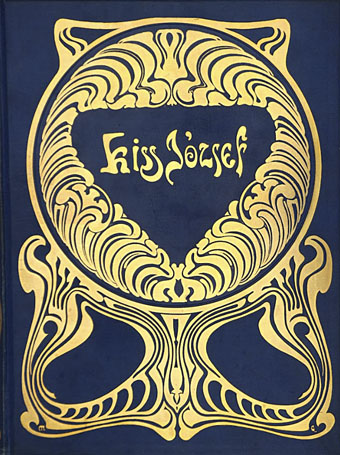
The Poetry of József Kiss (1897), design by Nándor Gottermayer.

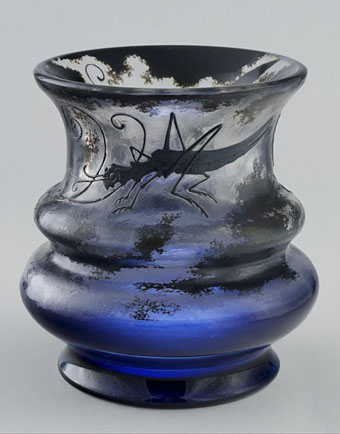
There’s always more Art Nouveau. Searching for term at the Google Art Project turns up a surprising number of paintings, drawings and other objects which are nothing of the sort, as well as many things which are, of course. These are a selection of the latter (mostly), and a reminder that it’s worth returning to the site every so often to look for new additions. Nándor Gottermayer’s book cover is a gorgeous design I’ve never seen before.

artnouveau02.jpg

Vase (before 1890) by Émile Gallé.

artnouveau03.jpg

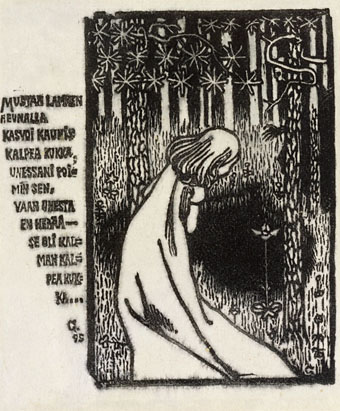
Flower of Death (1895) by Akseli Gallen-Kallela.

artnouveau04.jpg

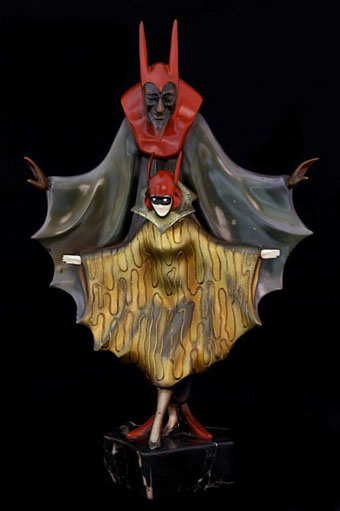
The Offering of Mephistopheles (c.1930) by Roland Paris.

Continue reading “More Art Nouveau”

Weekend links 178

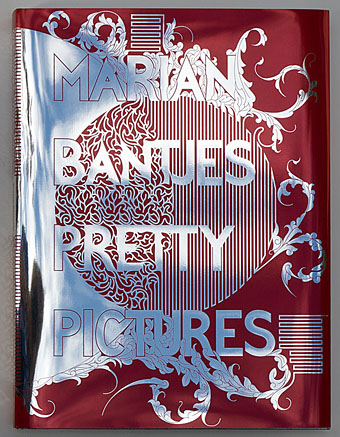
bantjes.jpg

Pretty Pictures, a new book by designer Marian Bantjes, is out on October 1st.

• A writer admired by Angela Carter, Michael Moorcock, Harlan Ellison, Anthony Burgess, Jonathan Meades and Iain Sinclair; a “writer’s writer…[whose] best stories bear comparison with the Ficciones of Jorge Luis Borges”; a writer with an “unsettling quality to his writing, a whiff of brimstone that links him to fin-de-siècle occult figures such as HP Lovecraft—and even, at a further remove, Aleister Crowley”. David Collard explains why you may want to read something by Gerald Kersh (1911–1968), four of whose books are being republished.

• The Eccentronic Research Council and Maxine Peake pay homage to Delia Derbyshire’s The Dreams project with a new single out at the end of the month (Pye Corner Audio and Carol Morley appear on the flip). Ms Peake’s barm-cake reverie may be heard here.

• “Applying for grants, writing artist statements, showing up to openings—artists have to do far more than just make art if they want to find an audience for it.” Jen Graves on lies and deception in the art world.

The material does not make the work. The life does not make the art. Exactly the opposite. The work creates the material. The art creates the life. Did Trinidad exist before Naipaul? Did cargo ships exist before Joseph Conrad? Did Newark and the New Jersey suburbs exist before Philip Roth? Did women in playgrounds in New York City exist before Grace Paley? See how the writer invents the material? These places did not exist as literary subjects. They were invisible to literature. The magic of a great book is that it makes its own subject seem inevitable. The danger is, it makes the subject seem like the source of power in the work.

Phyllis Rose on life and literature.

• Mix of the week: Secret Thirteen Mix 087, 40 minutes of original electronic music by Geistform (Rafael Martinez Espinosa).

• “You’ve Got This“, an It Gets Better-style video support campaign for people recently diagnosed with HIV.

• At Dangerous Minds: Babalon Working: Brian Butler’s trippy occult odyssey with Paz de la Huerta.

Manfred Mohr‘s computer-created artwork, from the 1960s to the present.

Robert Macfarlane on the strange world of urban exploration.

Rick Poynor on Bohumil Stepan’s Family Album of Oddities.

• Oli Warwick talks to Martin Jenkins, aka Pye Corner Audio.

• The 384-page BUTT calendar for 2014 is now on sale.

• Pye Corner Audio: We Have Visitors (2010) | Toward Light (2011) | The Mirror Ball Cracked (2012)
Old New Orleans

neworleans01.jpg

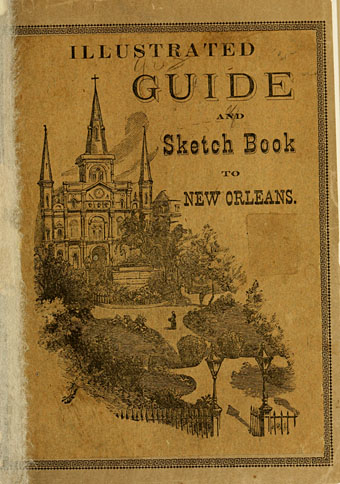
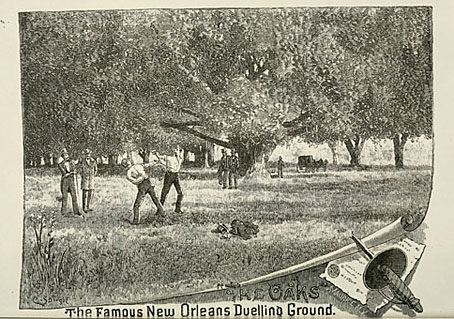
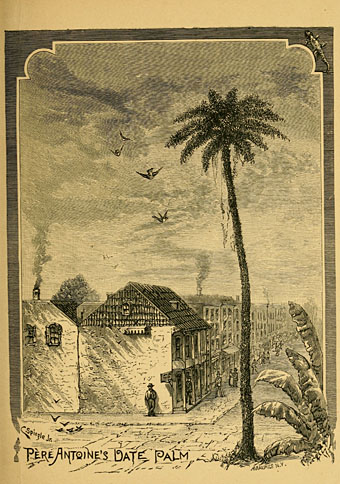
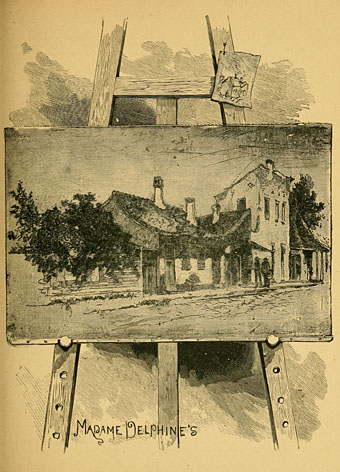
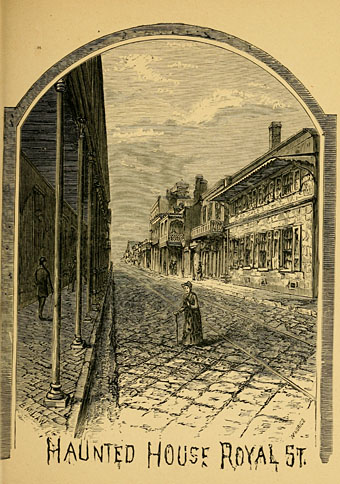
If you know the names Lafcadio Hearn and Joseph Pennell it’s surprising to see them brought together for this 1885 guide to the city of New Orleans. Hearn is better known for his many books about the folklore of Japan and China, while Pennell was a highly regarded artist and illustrator with a predilection for impressionistic cityscapes. The book is part of the Internet Archive so details are scant but it looks like a gathering together of prior work about the city with no single author—Hearn and others are credited inside. The deteriorated glamour of New Orleans means the illustrations are more picturesque than usual. Hearn had a fascination with ghost stories so he’d no doubt appreciate the view of the Haunted House on Royal Street. Browse the rest of the book here or download it here.

neworleans02.jpg

neworleans03.jpg

neworleans04.jpg

neworleans05.jpg

Continue reading “Old New Orleans”