Weekend links 502

wilson.jpg

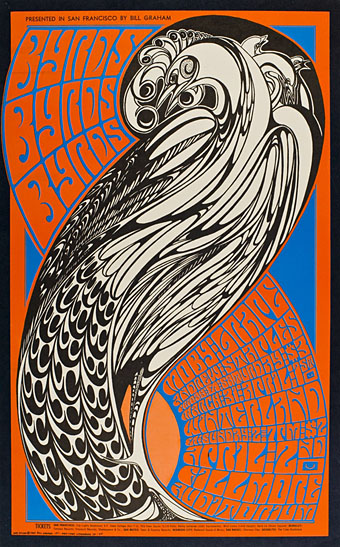
The Byrds (1967) by Wes Wilson.

• RIP Wes Wilson, one of the first of the San Francisco psychedelic poster artists of the 1960s, and also one of the more visible thanks to the popularity of his compressed type designs, some of which were derived from a style developed by Alfred Roller for the Vienna Secession circa 1900. When Playboy magazine wanted a cover that reflected the psychedelic art trend in late 1967 it was Wilson they called. Related: Wes Wilson’s posters at Wolfgang’s.

• “In the ’70s, New Age music offered listeners, trapped in the urban rat-race, audio capsules of pastoral peace to transform their homes into havens. Today the Internet and social media form a kind of post-geographic urban space, an immaterial city of information whose hustle ‘n bustle is even more wearing and deleterious to our equilibrium.” 2010–19: Back To The Garden: The Return Of Ambient And New Age by Simon Reynolds.

• “This pointed-finger symbol goes by many names: mutton fist, printer’s fist, bishop’s fist, pointer, hand director, indicule, or most unimaginatively as ‘a hand’. Scholarly consensus has pretty much settled on the word ‘manicule’, from the Latin maniculum, meaning ‘little hand’.” John Boardley on the typographic history of the pointing hand.

Tales Of Purple Sally (1973) by Alex. All instruments by Alex Wiska apart from bass by Holger Czukay, and drums by Jaki Liebzeit. The latter pair also produced the album. Related: Jah Wobble talking to Duncan Seaman about working with Czukay and Liebeziet.

• “On Jan 25, 2020, tired of negative film lists on Twitter, I asked people for ‘obscure [or] underseen films you adore and think more people should know about.’ This was the result.”

Flash Of The Spirit by Jon Hassell & Farafina “hails from a time when the possibilities of music seemed less well-defined, and borders felt more open,” says Geeta Dayal.

The Art Of Computer Designing: A Black and White Approach (1993) by Osamu Sato. There’s more of Sato’s print work at the Internet Archive.

• At the Morgan Library: Jean-Jacques Lequeu: Visionary Architect. Drawings from the Bibliothèque nationale de France.

• New from Strange Attractor: Inferno: The Trash Project: Volume One by Ken Hollings.

• At Dennis Cooper’s: Storm de Hirsch Day.

Celeste by Roger Eno & Brian Eno.

Ben Watt‘s favourite music.

The Inferno (1968) by The Inferno | Inferno (1990) by Jah Wobble’s Invaders Of The Heart | Inferno (1993) by Miranda Sex Garden
A Czech Machen

machen.jpg

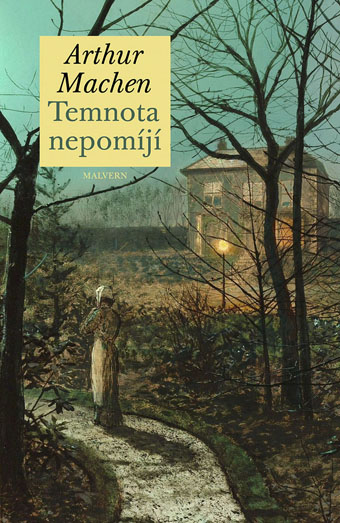
Cover art is a detail from A Woman on a Path by a Cottage (1882) by John Atkinson Grimshaw.

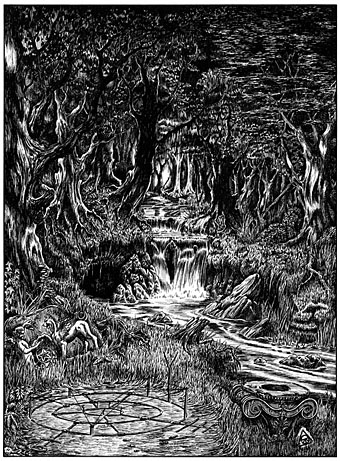
The fiction of Arthur Machen doesn’t inspire a great deal of illustration, probably because his best writing is more concerned with the description of particular places and the feelings those places evoke, rather than the depiction of illustratable scenes or events. I did make the attempt myself, however, when I started a series of illustrations in 1990 that were intended for a Savoy Books edition of The White People. This never materialised for a variety of reasons, and I never finished the series of drawings although the work did yield one picture (below), that I’ve always been pleased with.

whitepeople.jpg

Some of these drawings may now be seen in Temnota nepomíjí, an edition of Machen’s stories from Czech publisher, Malvern, almost all of which are appearing for the first time in translation. I’m told by the translator, Patrik Linhart, that the title in English would be “Darkness is undying”. As for the cover art, I approve the choice of John Atkinson Grimshaw, a painter whose sombre, autumnal views could cover an entire series of Machen books. His work is often seen today in connection with MR James but being a predominantly urban artist his work seems a better match for the Apostle of Wonder.

Previously on { feuilleton }
Ibrahim Ineke’s The White People
The White People
The Bowmen by Arthur Machen
Rex Ingram’s The Magician
The Great God Pan

Weekend links 501

ashman.jpg

Cover art by Michael Ashman, 1979.

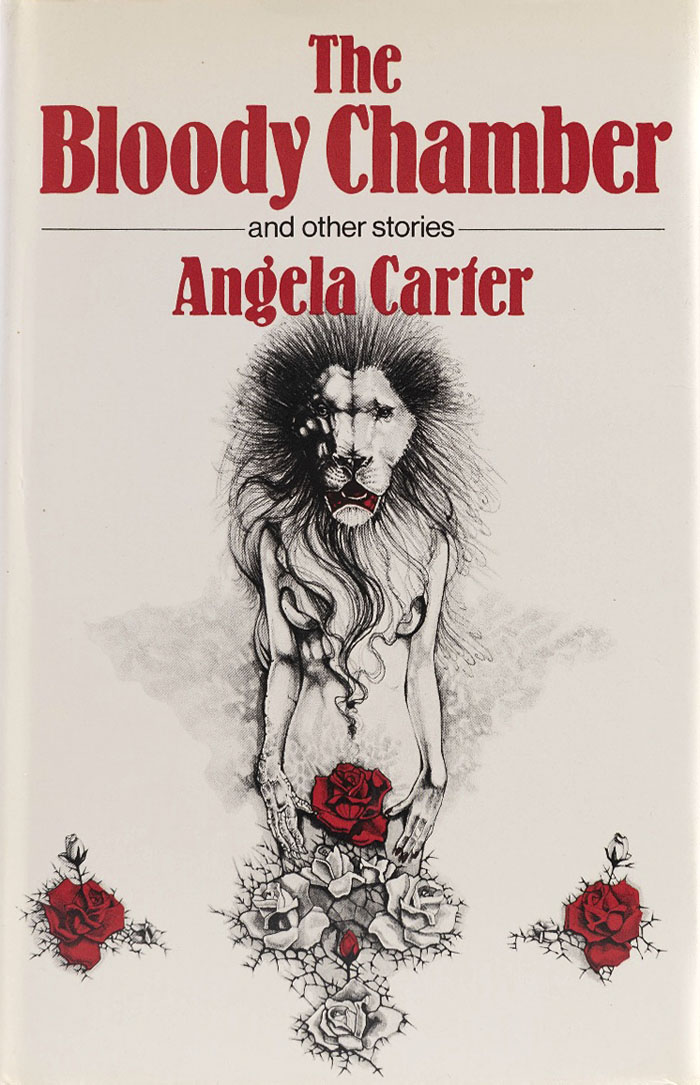
• RIP Terry Jones, not only a writer, actor and director but also a presenter of the BBC’s short-lived Paperbacks series in 1981, a programme that included Angela Carter among its guests. Related: The Box (1981), a short film directed by Micky Dolenz, based on a play by Terry Jones and Michael Palin.

• “[David] Lynch in a suit and tie that echoes the formal dress of Twin Peaks’ FBI Agent Cooper, presses a small capuchin monkey, called Jack Cruz, to confess to the murder of Max.” What Did Jack Do?

• The week in Ghost Box: Flying Lotus and Julian House collaborate on a promo for the Moog Subsequent 25 synthesizer, while at Grave Goods Jim Jupp answers questions from beyond.

Bruce Sterling: “This is an essay about lists of moral principles for the creators of Artificial Intelligence. I collect these lists, and I have to confess that I find them funny.”

• A campaign to protect and maintain Derek Jarman’s Prospect Cottage.

• Winners of the Wiki Loves Monuments 2019 photo competition.

• Mix of the week: Sehnsucht by The Ephemeral Man.

• Susan Schulten on Emma Willard’s Maps of Time.

• At Dennis Cooper’s: Roland Topor’s Brains.

• At Strange Flowers: 20 books for 2020.

Beat Box (1984) by Art Of Noise | Glory Box (1994) by Portishead | Black Box (1995) by Scorn

L’Autoportrait d’un Pornographe

pornographe1.jpg

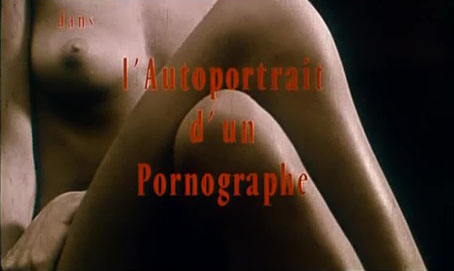
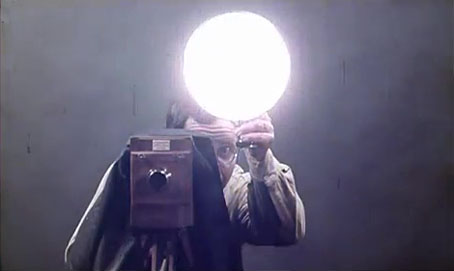
L’Autoportrait d’un Pornographe (1972) is a short film co-written by director Robert Swaim and Roland Topor in which Topor’s Surrealist cruelties and black humour are tempered to present a sardonic and sentimental tribute to a dying breed, the small-time Parisian pornographer. Daniel Langlet is the photographer who also sells his views of unclothed women from a coat whose lining is pocketed with prints.

pornographe2.jpg

Swaim and Topor compare this declining trade to the vanished street merchants of the city; the film dates from a time when “le sex shop” was a new arrival on the streets of Paris, and a competitor with which a purveyor of black-and-white soft porn could never hope to compete. Topor himself makes a cameo appearance, and there’s a possible reference to Cocteau’s Orphée (and another vanishing trade) in the glass cutter we see in the street.

Previously on { feuilleton }
Les Temps Morts by René Laloux

Weekend links 500

provensal.jpg

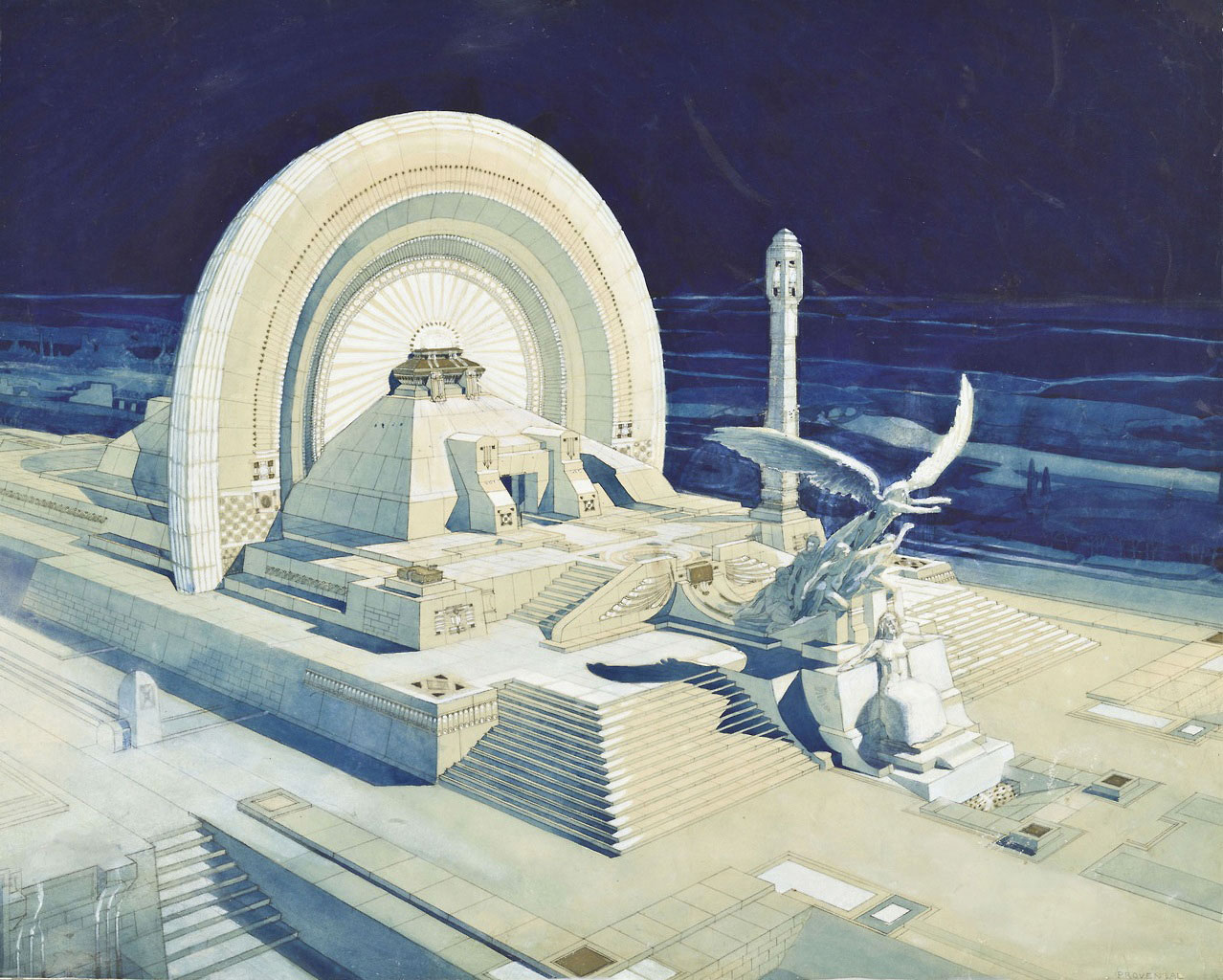
Projet onirique (tombeau pour un poète) (1901) by Henry Provensal.

• “20 years later, Sexy Beast remains something of an oddity…It offers a deconstruction of the genre, which is then reconstructed to marry the unhinged, convulsive beauty of surrealism with sturdy, universal storytelling.” Thomas H. Sheriff looks back at Jonathan Glazer’s debut feature.

Blau Gers, a new piece by The Alvaret Ensemble: Greg Haines (piano), Jan Kleefstra (voice, poems), Romke Kleefstra (guitar, bass and effects) and Sytze Pruiksma (percussion).

Wendy Carlos: A Biography by Amanda Sewell, the first study of the life and work of the electronic composer, is out in March.

The prejudice against writing sex in Anglo-American literature is something that utterly baffles me. What a bizarre thing it is to claim that this central, profound territory of human life is off-limits to literary or artistic representation. Sex seems to me one of the densest and most intense human phenomena, one of the things I find it hardest to think about—and so something I want to think about in art. The biggest surprise to me about the reception of my first book—other than the fact of there being any reception at all—was how much discussion there was about the sex in it. There isn’t very much sex in it! It said something about the culture of mainstream publishing in America in 2016 that a novel with maybe three or four pages of explicit sex between men could seem surprising.

Garth Greenwell talking to Ilya Kaminsky about literature and life

• Some (but not all) of the museums of Paris have made thousands of artworks available for free online.

• The Work of Fate: AS Hamrah introduces a screening of Jean Cocteau’s Orphée.

La Labyrinthèque: Histoire de l’art jouissive & enchantements littéraires.

Clive Hicks-Jenkins on the art of the (book) cover.

Tom Huddleston on 10 great stressful films.

• At Dennis Cooper’s: Malcolm Le Grice Day.

François de Nomé’s Imaginary Ruins.

Sexy Sadie (1968) by The Beatles | Sexy Photograph (1995) by Ui | Sexy Boy (1998) by Air