To see the past from the vantage point of the present is to be able to judge the effect of the past on the present.
Ken Russell (The International Dictionary of Films and Filmmakers, Vol. 2, 1984)
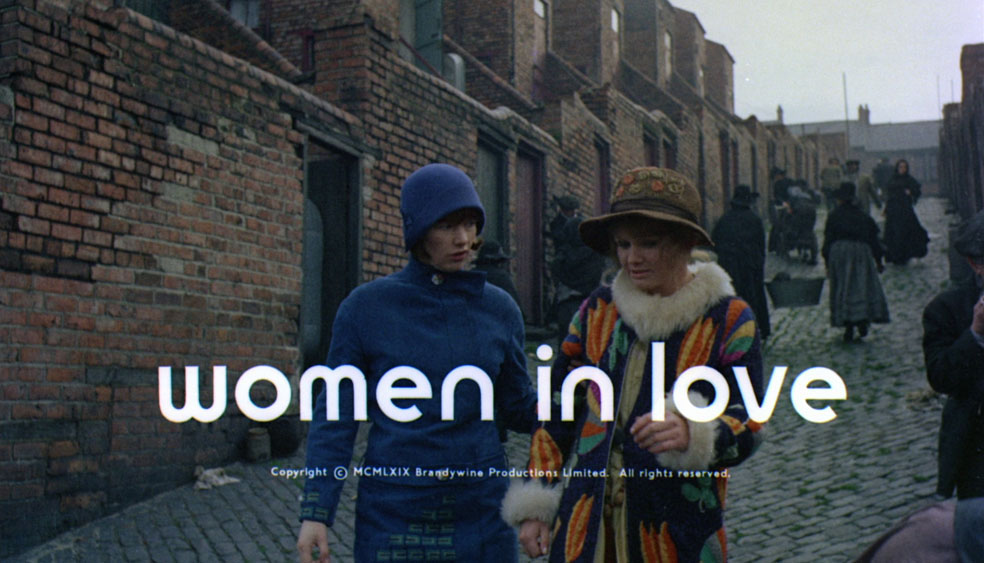
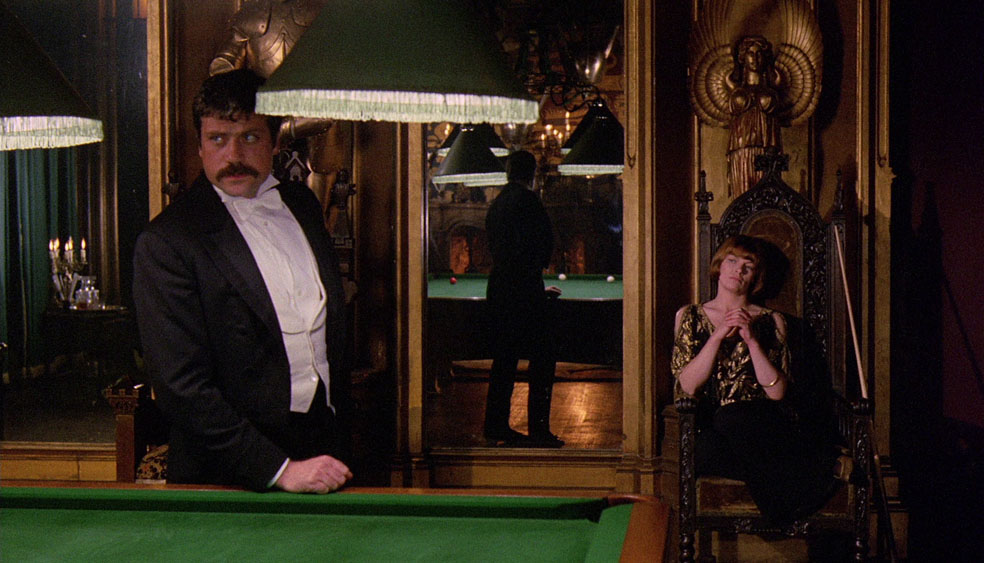
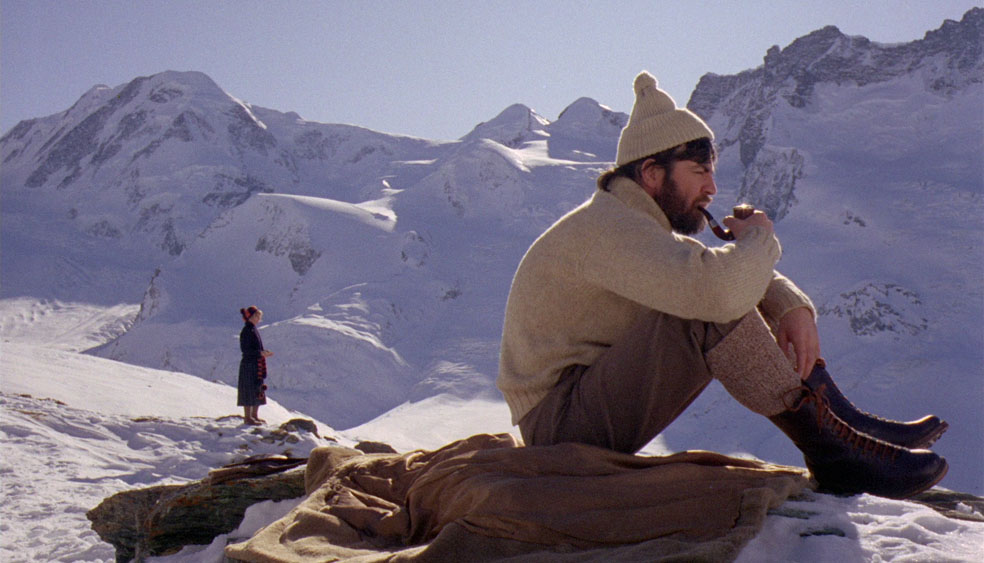
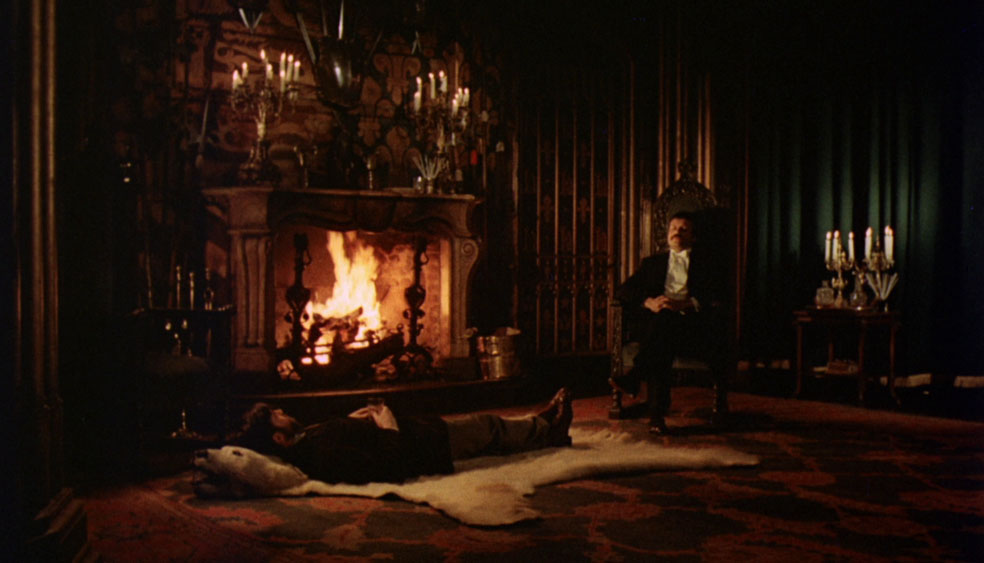
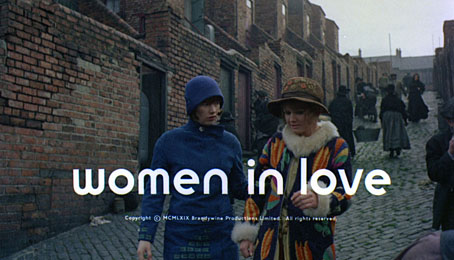
Among the film viewing this week was a Blu-ray preview of Ken Russell’s Women in Love (1969), courtesy of the BFI. I’d not see Russell’s film for a long time so watching it again in such exceptional quality was almost like seeing it for the first time. Russell’s comment about the past versus the present was made in the context of his many biographical films, a series he began at the BBC and continued into his feature career. But with the passage of time the films themselves become products of the past, and so we can’t help but see them in a different light. Almost as much time has passed since Women in Love was made as separates the film itself from the year in which it begins, just after the end of the First World War; if we don’t see the 1960s as so historically remote today it’s partly because the culture of that period continues to cast a huge shadow over the present.
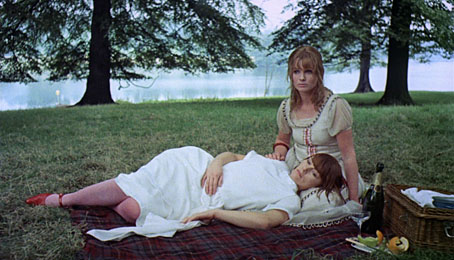
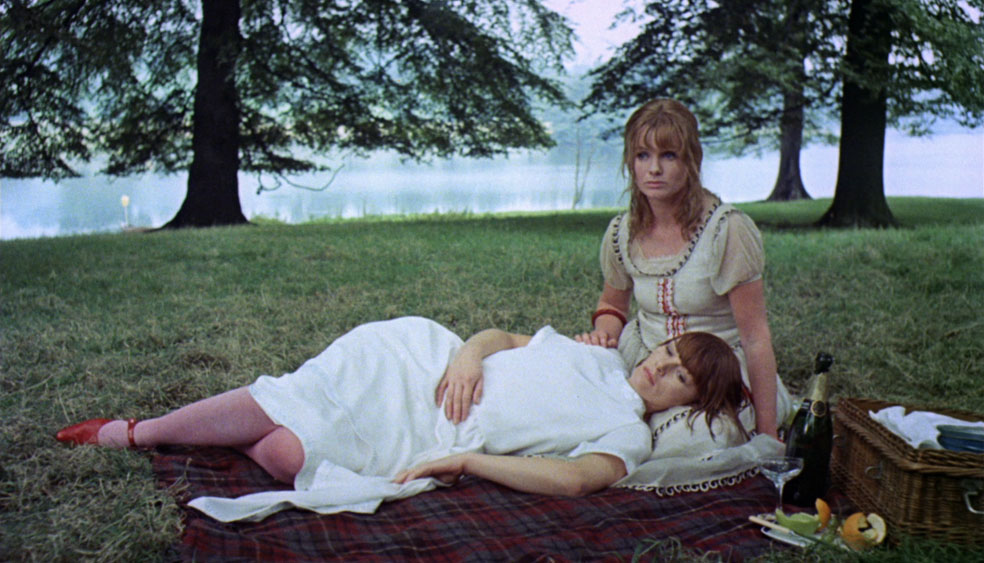
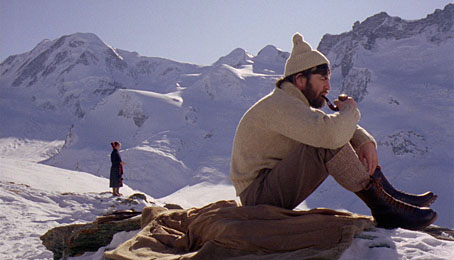
Women in Love contrasts the progress of a pair of sisters, Gudrun Brangwen (Glenda Jackson) and Ursula Brangwen (Jennie Linden), who form couples with two very different men, Gerald Crich (Oliver Reed) and Rupert Birkin (Alan Bates). Gudrun is an artist, Ursula a schoolteacher; Gerald is a wealthy mine-owner, Rupert a school inspector. Rupert’s theorising about love and human relations provides the intellectual heart of the story, as well as being a comment upon it, with each of the four main characters reacting in different ways to the imperatives of love. Rupert acts as a mouthpiece for DH Lawrence’s beliefs, and it’s the theorising which seems closer to the questioning spirit of the 1960s than it does to 1918. Rupert’s desire to live somewhere with more than one person, and free of the constraints of clothing, has parallels with some of the nature movements of the period (as well as Lawrence’s own desires) but also sounds like the yearnings of a hippy idealist. Ursula is the most grounded of the quartet—when we first see her in the school she’s giving the children a nature lesson—and complains about Rupert’s lofty spirituality once their relationship begins.
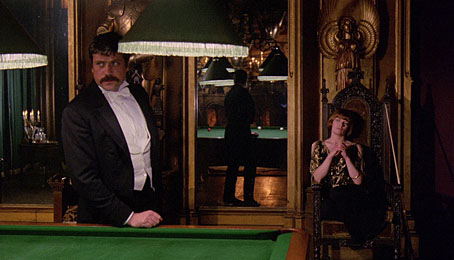
Gerald and Gudrun, by contrast, are too remote from each other to be fully complementary. Gerald complains that when tragedy strikes the Crich family—as it does midway through the film—nothing can ever be right, a prophesy that fulfils itself for his family and his relationship. Gudrun, meanwhile, yearns for artistic as well as romantic freedom; she finds both when the quartet take a holiday in the Alps. Vladek Sheybal’s Loerke is a bisexual artist whose liberated attitude embodies some of Rupert’s philosophy as well as proving more stimulating company for Gudrun. Ursula merely complains that Loerke doesn’t know how to properly depict a horse. Eleanor Bron is the other key character, Rupert’s former lover, and one of Lawrence’s sterile aristocrats. She falls out with Rupert after he spoils her pretentious attempt to emulate a Russian ballet performance.
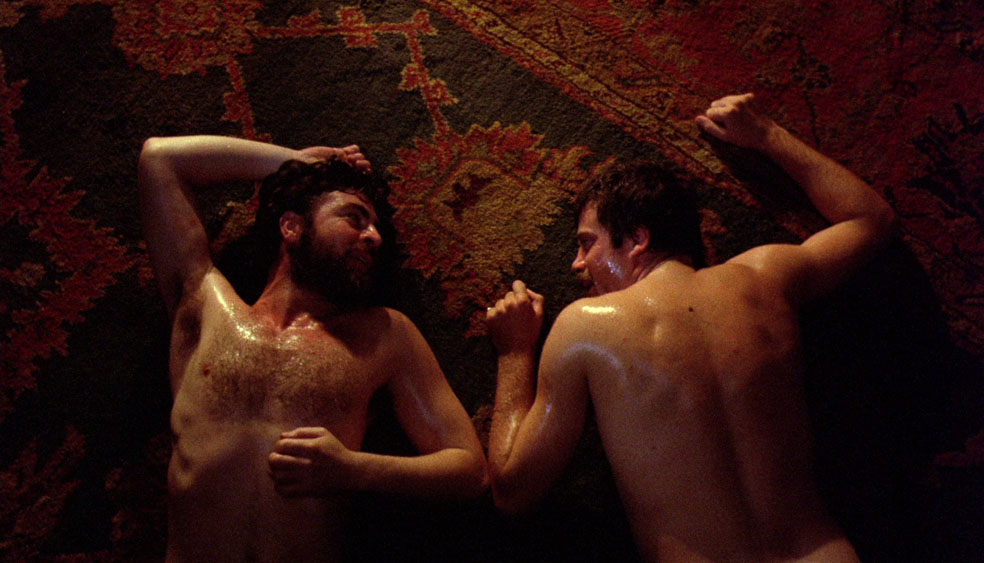
Women in Love is the first of Russell’s features that’s distinctively his own even though it lacks the exuberance of his later work. Several of the actors turn up in later films: Reed had already appeared in the BBC dramas The Debussy Film and Dante’s Inferno; Glenda Jackson was in Russell’s next feature The Music Lovers, playing Tchaikovsky’s wife, Antonina Miliukova, a role prefigured in Gudrun and Loerke’s bedroom masquerade. Russell said he worked without credit on the script but the first draft was the work of producer Larry Kramer who tried the project with a few directors before finding Russell. Kramer’s involvement underlines Rupert’s insistent desire to bond physically with close male friends (specifically Gerald), although there’s never any spoken suggestion that sex should take place. Kramer followed Women in Love with a script for Charles Jarrott’s terrible musical version of Lost Horizon (1973), a film he disowns but which made him wealthy enough to concentrate solely on fiction and works for the stage. His post-Hollywood work explores the lives of gay American men from a variety of perspectives, in the light of which Women in Love might be seen as an attempt to smuggle an acceptance of bisexual desire into the mainstream without any overt proselytising or tragic narratives. Rupert’s attempt to bond with Gerald climaxes (so to speak) in the famous nude wrestling scene, an event which doesn’t seem so surprising now but which was a confrontational moment for audiences in 1969.
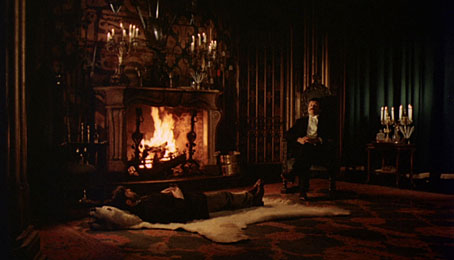
That scene may also be free of any deliberate homoeroticism but Russell recalled how South American censors made it seem more so by cutting the scene:
Gerald simply locked the door then there was a cut to the two men lying naked on the carpet side by side, panting. It became known as The Great Buggering Scene and filled the cinemas for months. So much for the subtleties of censorship.
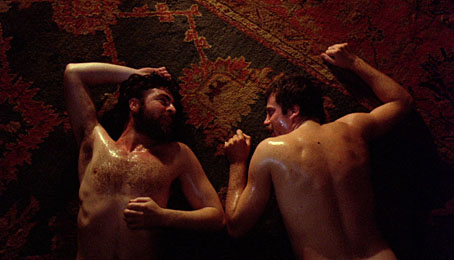
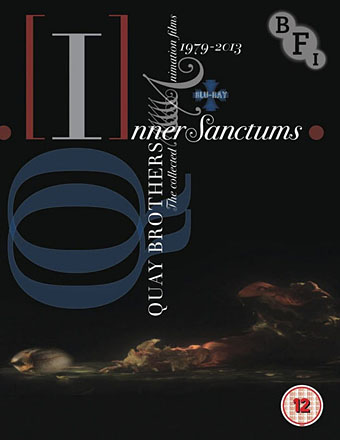
The BFI Blu-ray is the usual pristine transfer which emphasises the colour and detail in Billy Williams’ photography. Among the extras there are audio commentaries by Ken Russell and Larry Kramer, a 49-minute conversation with Billy Williams, interviews with Glenda Jackson, and Second Best (1972), a previously unreleased short film, based on a story by DH Lawrence, which stars Alan Bates. With the recent BFI releases of Russell’s TV films, and the earlier release of The Devils, I’m hoping we may see more of his work given this careful treatment. (And when do we get a Blu-ray of The Devils?)
Women in Love is released on August 22nd.
Previously on { feuilleton }
• The Planets by Ken Russell
• Devils debris
• The Devils on DVD
• Ken Russell, 1927–2011
• Salome’s Last Dance