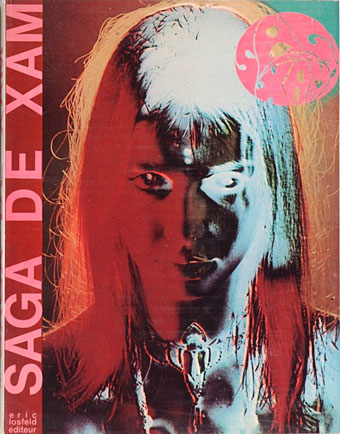
Saga de Xam by Nicolas Devil

saga01.jpg

Saga de Xam, a large-format comic book published by Éric Losfeld in 1967, is another example of French erotic psychedelia that remained off my radar until I got my hands on the exhibition catalogue for the Musée d’Orsay’s Art Nouveau Revival show in 2010. The glorious drawing below was used as the background for the exhibition poster, and appeared inside the catalogue with two more pages from this rare and sought-after book, described in the catalogue as “the best and most precocious example of French BD directly inspired by American psychedelia”.

saga02.jpg

Éric Losfeld is a fascinating character, a kind of pop-culture equivalent of Maurice Girodias, the founder of Olympia Press. Both men published erotic novels, and both had problems with the authorities as a result; but Losfeld also found a niche in art and graphics, producing albums of erotic comic strips—Jean-Claude Forest’s Barbarella, Guy Peellaert’s Jodelle and Pravda, Guido Crepax’s Valentina, Philippe Caza’s Kris Kool—and lavish portfolios from the weirder end of the erotic art spectrum, showcasing work by Raymond Bertrand, Jean-Marie Poumeyrol and others. It’s common for Brits to consider France a more enlightened nation where sex and comic-art is concerned but in the 1960s comics in France were considered an unsuitable medium for sexual material. Many of Losfeld’s comic-books of the late 60s and early 70s endured the kind of censure that was occurring in Britain and elsewhere. An early non-erotic title was Lone Sloane: Mystère des Abîmes in 1966, the first Lone Sloane story by Philippe Druillet. This no doubt explains Druillet’s involvement with Saga de Xam a year later.

saga16.jpg

Saga de Xam: les créateurs.

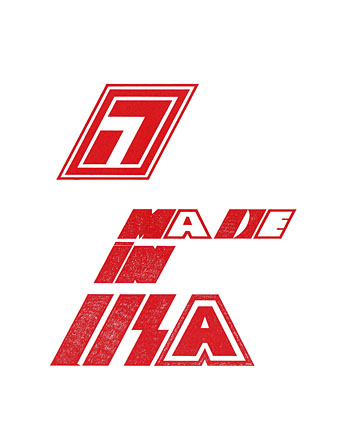
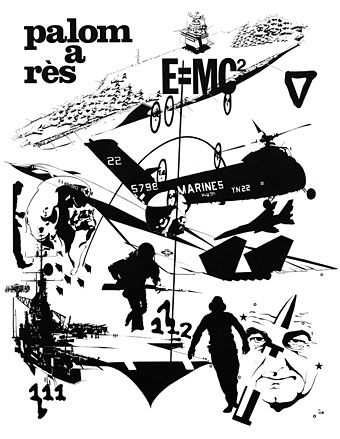
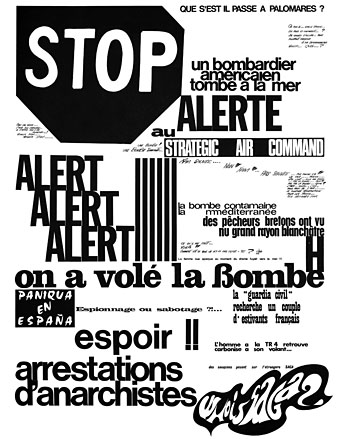
The comics by Forest, Peellaert and Crepax all featured attractive (often naked) woman as their lead characters. Saga de Xam continued the trend, a story in seven chapters that reads like an amalgam of all the comics Losfeld had published up to that point, Druillet included. The book is credited to Nicolas Devil, and based on a scenario by film director Jean Rollin. (Druillet would later design some posters for Rollin’s vampire films.) Devil, aka Nicolas Deville, was one of Rollin’s art directors who also worked for a time as a comic artist and illustrator. For Saga de Xam Devil was the principal artist in the first six chapters, and wrote most of the text and dialogue. In the final chapter other hands are involved: Jim Tiroff, an actor from Julian Beck’s Living Theatre, provided a poem in English, while the artwork is an unusual exercise in the Surrealist “Exquisite Corpse” technique with Devil, Druillet and several other artists—Barbara Girard, Merri, Nicolas Kapnist—collaborating on a series of improvised splash pages. The final chapter also features arrangements of text that resemble layouts from avant-garde art magazines. Druillet’s contributions are easy to identify since they resemble invasions from his Lone Sloane series, even including references to the Necronomicon.

Continue reading “Saga de Xam by Nicolas Devil”

Weekend links 237

trouille.jpg

Le Palais des Merveilles, 1907 – 1927 – 1960 by Clovis Trouille.

• “Why is it OK to show a male ejaculation but not a female one? What are the qualifications of those who cobble together these rules?” Suzanne Moore on the latest batch of discriminatory restrictions against porn production in the UK. Porn laws in Britain have long been like the drug laws, sprouting fresh Hydra-heads of unwarranted bans and crackdowns after the previous bans and crackdowns have been discredited. Last month Zoe Williams talked to women who make niche porn for other women. This week she discovered that some of those she interviewed now find their work is illegal under the latest restrictions.

• “[Derek Jarman] considered In the Shadow of the Sun to be just as important as any of the feature films that he made in the 1970s.” Film producer and archivist James Mackay talking to Beatrix Rux about Derek Jarman’s Super-8 films. Related: Tilda Swinton is GQ’s Woman of the Year.

The Art of Big O by Michael Fishel (author) and Nigel Suckling (editor), a collection of the fantastic and psychedelic poster art published by Peter Ledeboer’s company in the 1970s. Good to see but at $67 (really?) I’d expect a better cover design.

• New electronica: More “confusing English electronic music” from Moon Wiring Club; Shut-Eyed Stories, an album by Jim Cheff; and Shapwick by Jon Brooks, previously vinyl-only and out-of-print, now has a digital edition.

JK Potter Mutates the Story: Christopher Burke & David Davis talk to the horror illustrator about his photographic work.

• Beth Maiden on The Fascinating Life of Pamela Colman Smith, artist of the Rider-Waite-Smith Tarot deck.

• Under the Influence: The Sexy, Sordid Surrealism of Clovis Trouille by Kirsten Anderson.

Geoff Manaugh on The Fiery Underground Oil Pit Eating LA.

• Mix of the week: Secret Thirteen Mix 137 by Teste.

The Wild Horny Goat

The Young People (2010) by Belbury Poly & Moon Wiring Club | Goat Foot (2012) by Belbury Poly | Walking Through Me (2014) by Moon Wiring Club

Papillons de Nuit, a film by Raoul Servais

papillons.jpg

From Homosurrealism to Belgio-surrealism. Papillons de Nuit (1997) is a short homage to the Surrealist painter Paul Delvaux featuring a handful of familiar Delvaux motifs including nocturnal tramcars and large-eyed, bare-breasted women. Raoul Servais had already borrowed some of Delvaux’s imagery for his feature-length fantasy, Taxandria (1994), but that film doesn’t sustain itself over its running time despite the involvement of Alain Robbe-Grillet and François Schuiten. Servais’s blend of live action and animation seems to work better in concentrated doses.

Previously on { feuilleton }
Sirene by Raoul Servais
Paul Delvaux: The Sleepwalker of Saint-Idesbald
Harpya by Raoul Servais
Taxandria, or Raoul Servais meets Paul Delvaux

Leonor Fini: comment vivre sans chat

fini1.jpg

“How to live without a cat” is the translation but this short television film is in French so the rest is a mystery unless you can understand the language. As with the Max Ernst film, language isn’t much of an issue when you have an opportunity to see La Fini and her many moggies. Leonor Fini was an obsessive cat owner and cat painter, and she could also look pretty feline herself on occasion. (A piece of typically Surrealist apocrypha has it that the pupils of her eyes were cat-like until she was 4 years old.) The Fini website lists a number of European documentaries about the artist and her work but most remain frustratingly elusive. This one is an official release to YouTube from the Ina.fr archives. At the end of the film there’s a shot of the painting below; Fini’s cats are always very self-possessed.

fini2.jpg

Sunday Afternoon (1980) by Leonor Fini.

Previously on { feuilleton }
Angels of Anarchy: Women Artists and Surrealism
The art of Leonor Fini, 1907–1996
Surrealist women

Maximiliana oder die widerrechtliche Ausübung der Astronomie

ernst1.jpg

The title of this 10-minute film translates as Maximiliana or the Illegal Practice of Astronomy which is also the name of an art book created by Max Ernst in 1964. The film was a collaboration between Ernst and filmmaker Peter Schamoni, the subject being German astronomer and lithographer Ernst Wilhelm Leberecht Tempel (1821–1889). Tempel’s astronomy was “illegal” because he was regarded as an amateur by other astronomers which meant he was denied permission to name his discoveries. Maximiliana was the name Tempel and physicist Carl August von Steinheil decided on for an asteroid that Tempel discovered in 1861. This was deemed unacceptable so the asteriod was given the name Cybele instead (now 65 Cybele).

ernst2.jpg

Some of this is related in Schamoni’s film but you’ll need an understanding of German to appreciate the detail. The film is worth a look for other reasons, notably some shots of Ernst filling sheets of paper with the curious hieroglyphs that cover the surfaces of some of his later paintings. These hieroglyphs also feature in the Tempel book, and one of them appears in the film as an animated figure. Peter Schamoni made a number of art films including an excellent feature-length documentary about Max Ernst in 1991. That’s also on YouTube but untranslated so you’ll need some good German (and French) to appreciate it.

Previously on { feuilleton }
Max and Dorothea
Dreams That Money Can Buy
La femme 100 têtes by Eric Duvivier