Fracture by Paul and Gaëtan Brizzi

fracture1.jpg

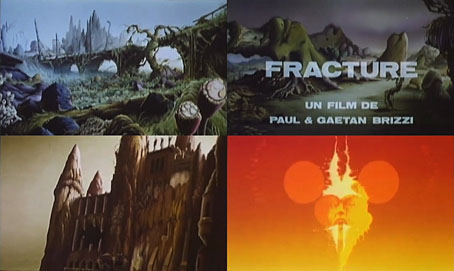
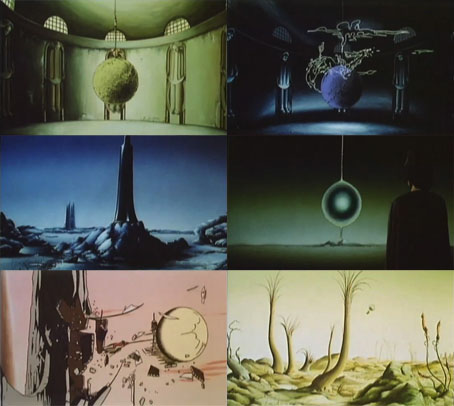
Fracture (1977) is a short animated film from France by the Brizzi Brothers (Paul and Gaëtan), a duo better known for their work on feature-length animated films such as Asterix versus Caesar (1985), and a number of films for Disney. Fracture is their earliest work, and isn’t remotely Disney-like, delivering an SF/fantasy scenario of alien inexplicabilities that makes it an animated counterpart of the comic strips that were running in Métal Hurlant (and its US counterpart, Heavy Metal) in the late 1970s. (The Brizzi Brothers’ most recent works have been comic books so I’d be surprised if Fracture didn’t have comics influence.)
fracture2.jpg

Comics and animation have a considerable advantage over film and TV in being able to avoid the commercial imperatives that explain away mysteries and make the alien too familiar. Animation doesn’t exploit this advantage as often as it might so examples such as Fracture are all the more rare and valuable. The Brizzi Brothers’ film may not be as thoroughly strange and inexplicable as Piotr Kamler’s masterpiece, Chronopolis (1983), but it has its moments. As a bonus, the soundtrack is lifted from albums by Tangerine Dream and Edgar Froese which have been monopolising my waking hours for the past two weeks.

Previously on { feuilleton }
The Captive, a film by René Laloux
Continu-discontinu 2010, a film by Piotr Kamler
L’Araignéléphant
Le labyrinthe and Coeur de secours
Chronopolis by Piotr Kamler

Weekend links 463

eye.jpg

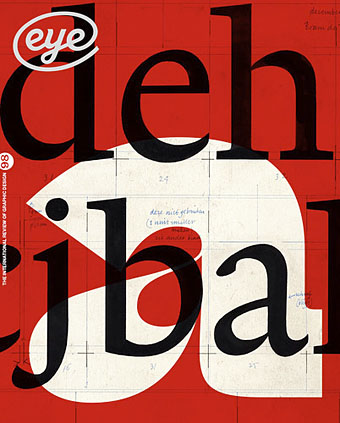
Eye 98: Beatrice Display Black, Sharp Type, 2018, and a detail from an original drawing for Lexicon by Bram de Does, 1989.

Issue 98 of Eye, the international design journal, is out this month. The new issue is a typography special but also features my review of Mark Dery’s Born to be Posthumous: The Eccentric Life and Mysterious Genius of Edward Gorey. This is the second time I’ve written about Dery’s book, with the new piece focusing more on Gorey’s work as a designer/book creator, and his place in the history of illustration.

Portal is a new release by Slovakian metal band Doomas, the artwork of which adapts one of my illustrations for Lovecraft’s Monsters. The band also have a suitably Lovecraftian video.

• Reading recommendations by M. John Harrison: the old (the excellent Rogue Moon by Algis Budrys) and the new (Underland et al).

I first started drawing in my Wake to count the number of rivers mentioned in an episode, one page alone counting 85. Gradually, I would be so moved by a line or a character I would colour them in, the most obvious being the 28 Rainbow girls to the more obscure nebulae, railroad tracks, hidden mythical islands and turn of the century lightships. Themes began to emerge which demanded documentation and always the sad, ecstatic relief of finishing a chapter merited some sort of coloured tribute. By the time I finished four years later, I simply drew a leaf to reflect Joyce’s metaphor on the last page: my leaves have drifted from me. All. But one clings still.

Susie Lopez on Finnegans Wake at 80

• Old ghosts at The Paris Review: a preview of The Spectacle of Illusion by Matthew L. Tompkins.

• At Dangerous Minds: Malcolm McDowell and the making of Lindsay Anderson’s O Lucky Man!

Herbie Hancock: “I felt like I stood on the shoulders of giants and now it’s my turn”.

• Mix of the week: XLR8R Podcast 590 by Christian Löffler.

• The discography of Diamanda Galás is now at Bandcamp.

• RIP Quentin Fiore, graphic designer and book creator.

• At Dennis Cooper’s: Haunted dolls.

Antique Doll (1967) by The Electric Prunes | The Doll’s House (1980) by Landscape | Voodoo Dolly (1981) by Siouxsie And The Banshees

Weekend links 462

chanctonbury.jpg

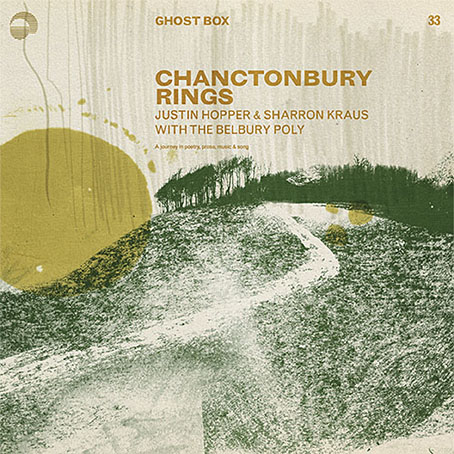
The next release on the Ghost Box label, Chanctonbury Rings is “a blend of folk, electronic music, poetry, prose and environmental sound” by Justin Hopper & Sharron Kraus with The Belbury Poly. The album will be available in June. Design, as always, is by Julian House.

• Clumsy and insensitive translations can ruin the enjoyment of a foreign-language film. Don’t blame us, say the subtitlers pressing film-makers for more appreciation of their art. Anne Billson on the difficulties of translating for a medium of moving images.

• At Expanding Mind: Hypermedia researcher and author Konrad Becker talks with Erik Davis about algorithms from hell, the madness of rationality, media seances, and the martial art of freedom.

The HP Lovecraft Cat Book: a limited collection of Lovecraft’s writings about cats edited by ST Joshi and illustrated by Jason C. Eckhardt.

Amacher was also inspired by a short story she found in the 1986 cyberpunk anthology Mirrorshades, edited by Bruce Sterling—a tale called Petra by Greg Bear, about a grand cathedral, possibly Notre Dame in Paris, in a ravaged, postapocalyptic landscape. Stone gargoyles and other statues mate with humans, creating new hybrids who wander the labyrinthine chambers of the battered house of worship.

Geeta Dayal on composer Maryanne Amacher

• The novel that wouldn’t leave Anthony Burgess alone: Alison Flood on the discovery of a non-fiction continuation of the themes in A Clockwork Orange.

Kristina Foster on photographs of Central Asia’s Striking Soviet Architecture.

Adrian Shaughnessy‘s ten favourite design and visual culture books.

William Joel on the process behind Helvetica’s 21st century facelift.

• The Stupid Classics Book Club by Elisa Gabbert.

The Haunted Generation by Bob Fischer.

Haunted Cocktails (1983) by Intro | Haunted Gate (1997) by David Toop | The Universe Is A Haunted House (2002) by Coil

Weekend links 460

treister.jpg

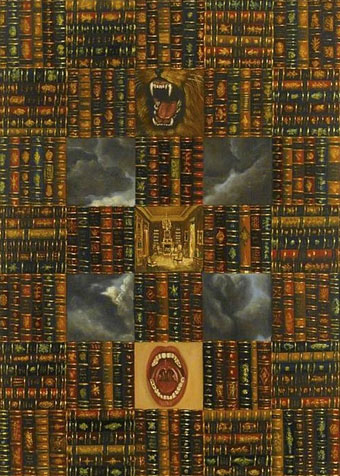
Black Hole (1987) by Suzanne Treister.

• “Most people who are considered heroes are always to be found messing about in someone else’s affairs, and I don’t think that’s very heroic.” Robert Altman talking in 1974 to Jan Dawson about The Long Goodbye.

• “Tea is calming, but alerting at the same time.” Natasha Gilbert on the science of tea’s mood-altering magic.

• Alien spaceship, Hammer horror? Philip Hoare on the pulsating visions of Harry Clarke.

“…world cinema, particularly European cinema…hasn’t shied away from sex and, in fact, has often found ways of using sex to tell a story. Movies like The Duke of Burgundy or Sauvage or BPM gracefully integrate eroticism into the narrative—even when the sex itself is far from graceful. Even the American films that have focused on sex tend to do it with a leer and luridness, regarding sex with a certain narrative fetishism, as opposed to matter-of-factly.”

Rich Juzwiak talking to Catherine Shoard about the current state of sex in the cinema

• Chernobyl again: photographs by David McMillan from inside the exclusion zone.

Lasting Marks: the 16 men put on trial for sadomasochism in Thatcher’s Britain.

• Before Tarkovsky: Michael Brooke on the Russian TV adaptation of Solaris.

• Mix of the week: XLR8R Podcast 588 by Rouge Mécanique.

• Dustin Krcatovich on The Strange World of Mark Stewart.

• Your Surrealist literature starter kit by Emily Temple.

John Peel’s Archive Things (1970)

5fathom: Things rich and strange

Hole In The Sky (1975) by Black Sabbath | Thru The Black Hole (1979) by Metabolist | Black Hole (1993) by Total Eclipse

Design as virus 19: Akira variations

akira0.jpg

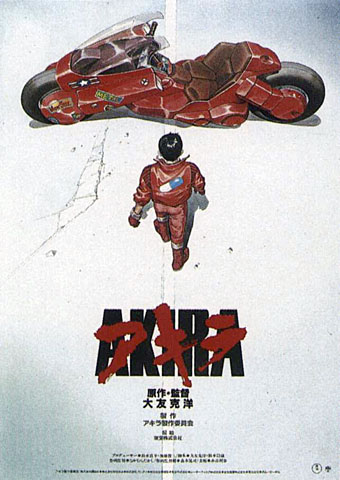
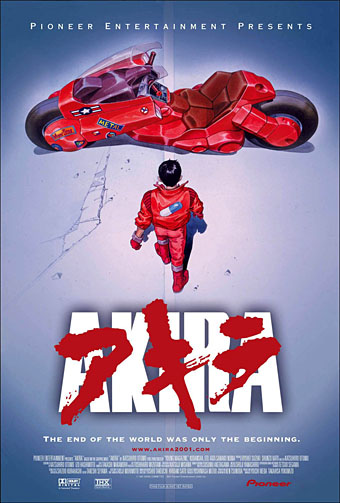
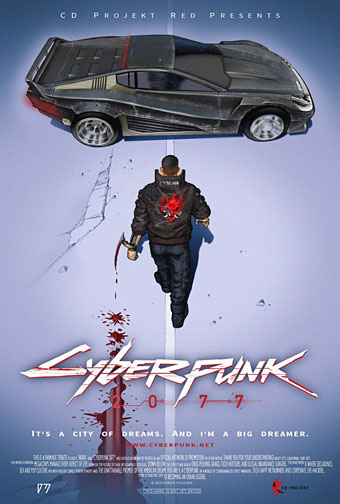
Continuing an occasional series. Looking for Akira posters at the weekend reminded me of the way this poster in particular has birthed a long (and growing) series of copyists. The film of Akira went through a few poster designs, with the Japanese ones emphasising the futuristic setting and its apocalyptic scenario. The first poster for US audiences somewhat predictably (and tiresomely) simplified one of the Japanese designs showing Kaneda holding a big gun. The motorcycle design was later reworked for the US in a form which has provided the basis for many subsequent copies, and is very effective even if it communicates next to nothing of the complex storyline. Thirty years after the film’s release, Kaneda’s motorcycle is now familiar enough to be recognisable even to people who haven’t yet seen the film, hence the variations. One consequence of the popularity of this design is that it seems to have shunted the big-gun design into the background.

akira1.jpg

The rules for the variants is to present a familiar character striding towards a similar form of transport, inanimate or otherwise, with a suitable title below the figure (and, where possible, an overlaid title in Japanese). This trend hasn’t been active for very long but the amount of amateur (or professional) artists with time on their hands means there are too many examples to easily feature here. Most of the examples on the pages here and here are characters from computer games or popular films but the Red Bull ad below shows that the poster design is now familiar enough to function as an advert. As for the Kaneda and his bike, they’re subjected to the inevitable Lego treatment here.

akira3.jpg

Japanese Grand Prix ad by Red Bull

akira2.jpg

Art by Dominik Figlhuber

Previously on { feuilleton }
Design as virus 18: Sound Effects
Design as virus 17: Boris and Roger Dean
Design as virus 16: Prisms
Design as virus 15: David Pelham’s Clockwork Orange
Design as virus 14: Curse of the Dead
Design as virus 13: Tsunehisa Kimura
Design as virus 12: Barney’s faces
Design as virus 11: Burne Hogarth
Design as virus 10: Victor Moscoso
Design as virus 9: Mondrian fashions
Design as virus 8: Keep Calm and Carry On
Design as virus 7: eyes and triangles
Design as virus 6: Cassandre
Design as virus 5: Gideon Glaser
Design as virus 4: Metamorphoses
Design as virus 3: the sincerest form of flattery
Design as virus 2: album covers
Design as virus 1: Victorian borders