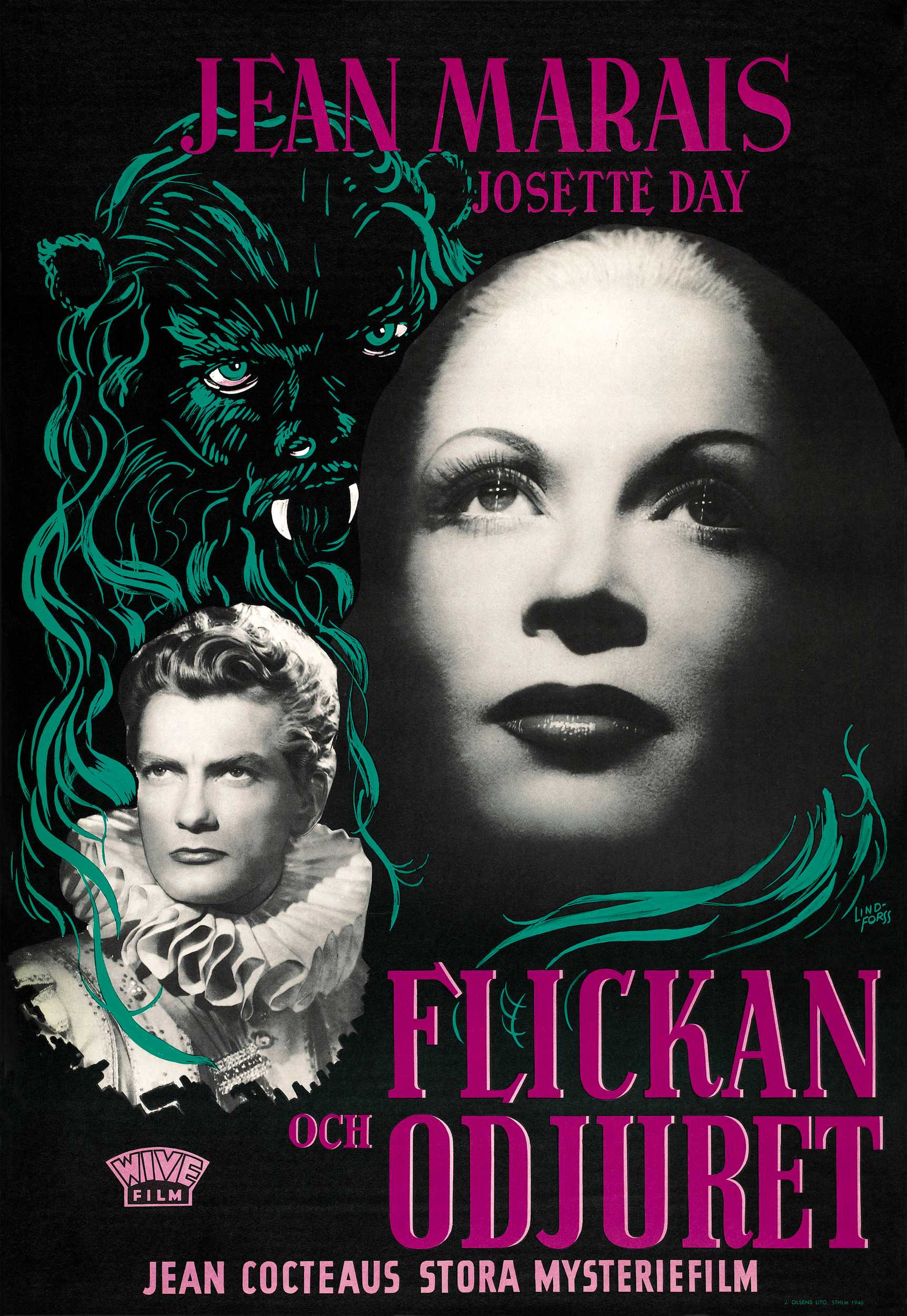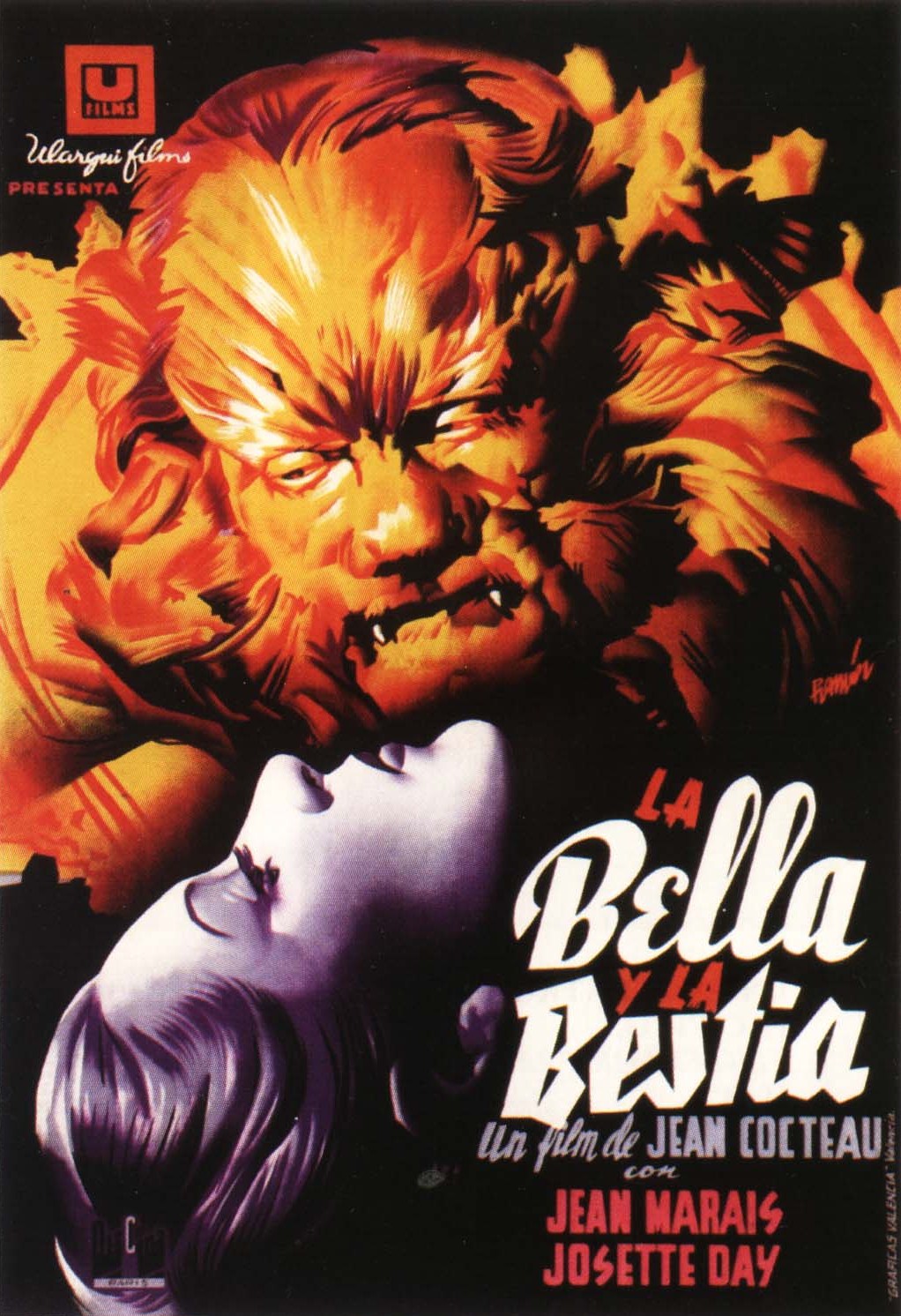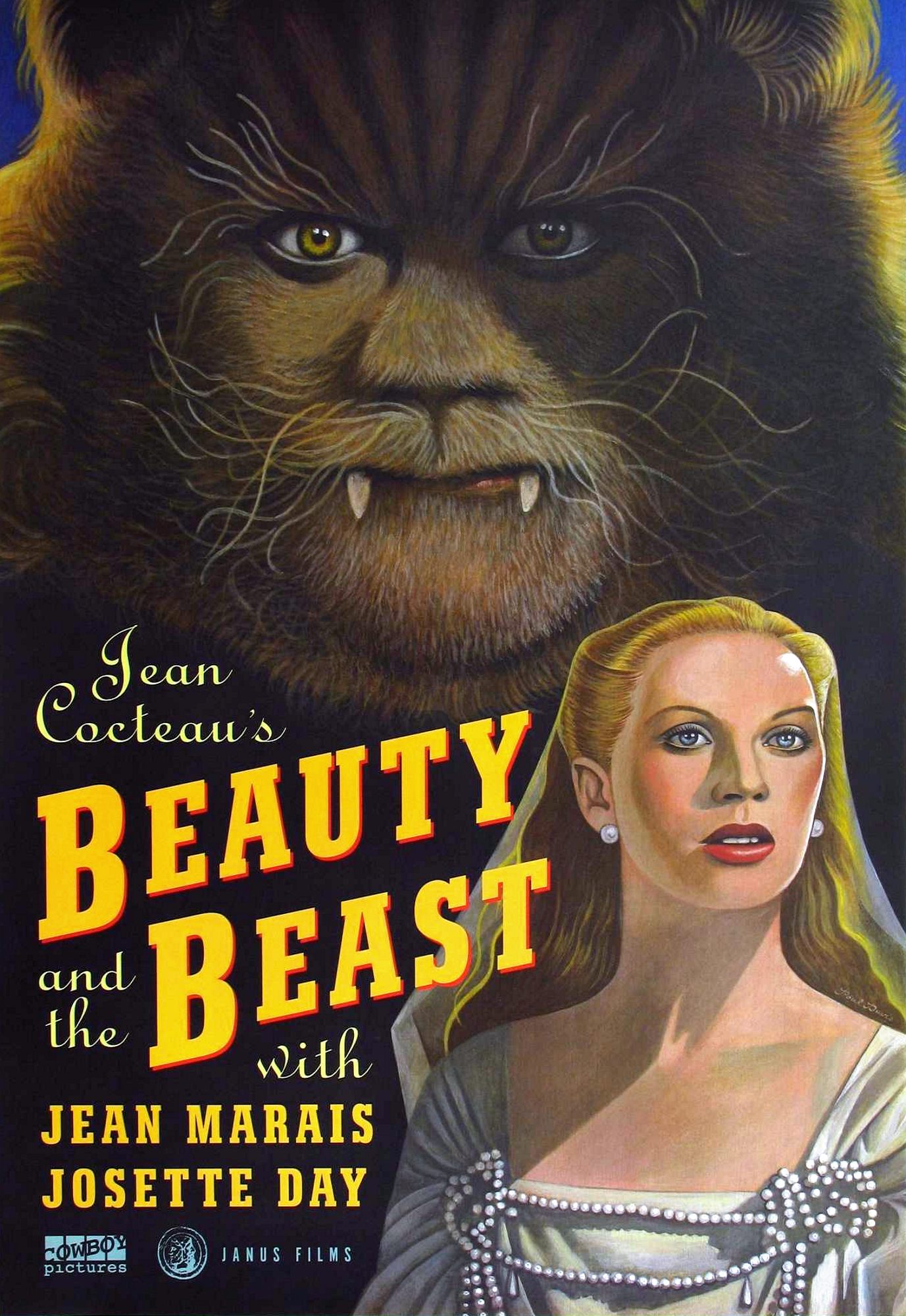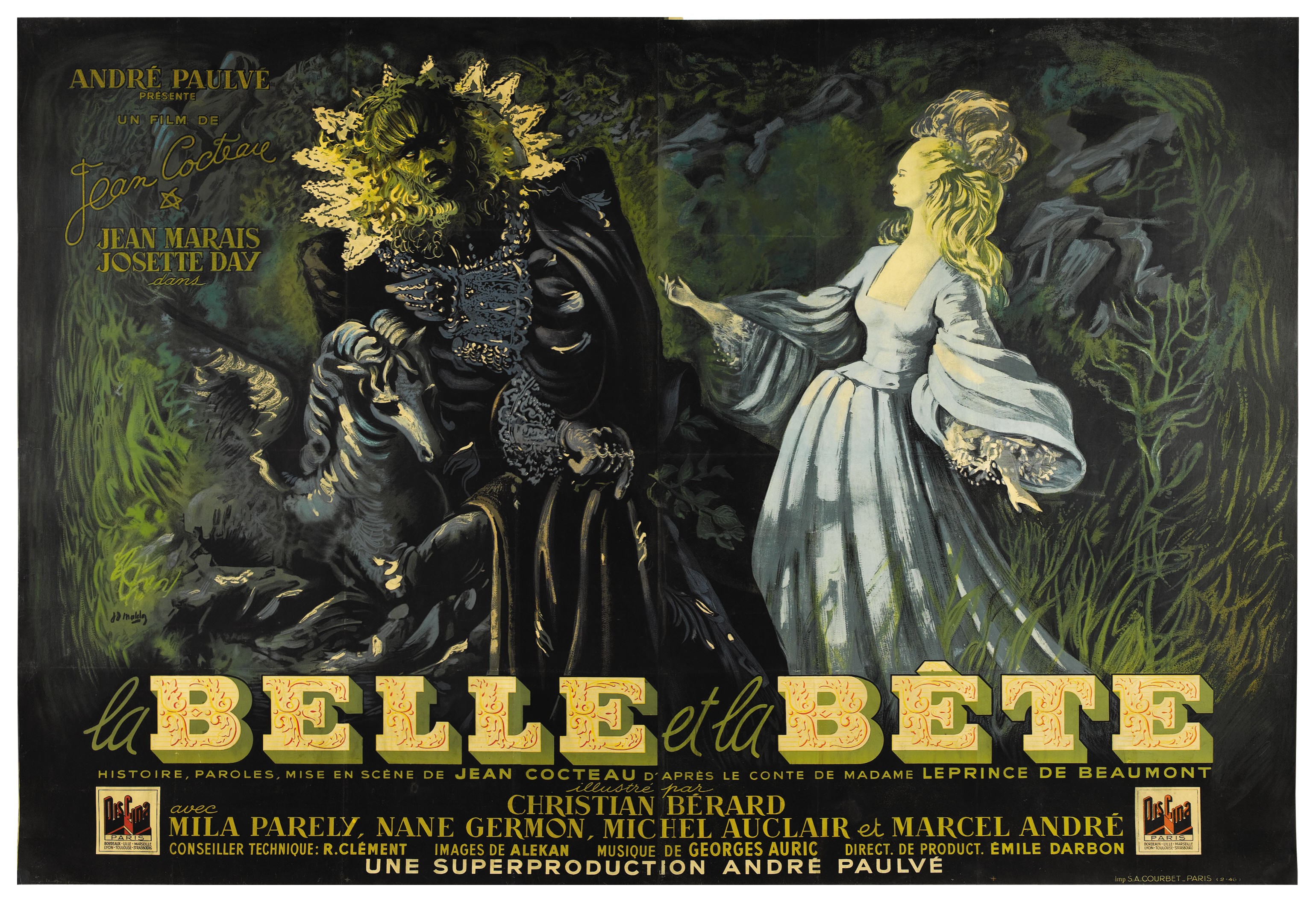
La Belle et la Bête posters

belle1.jpg

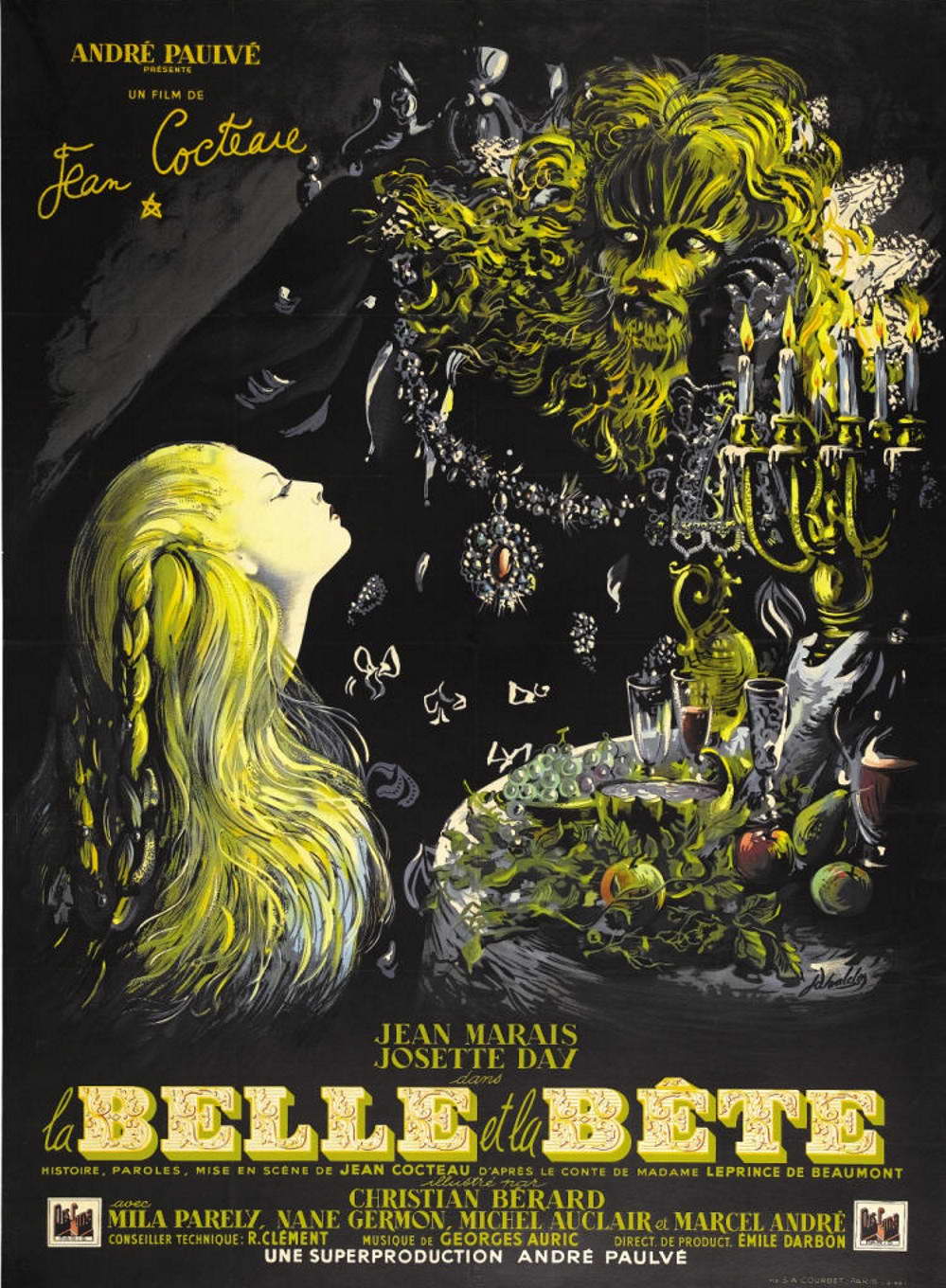
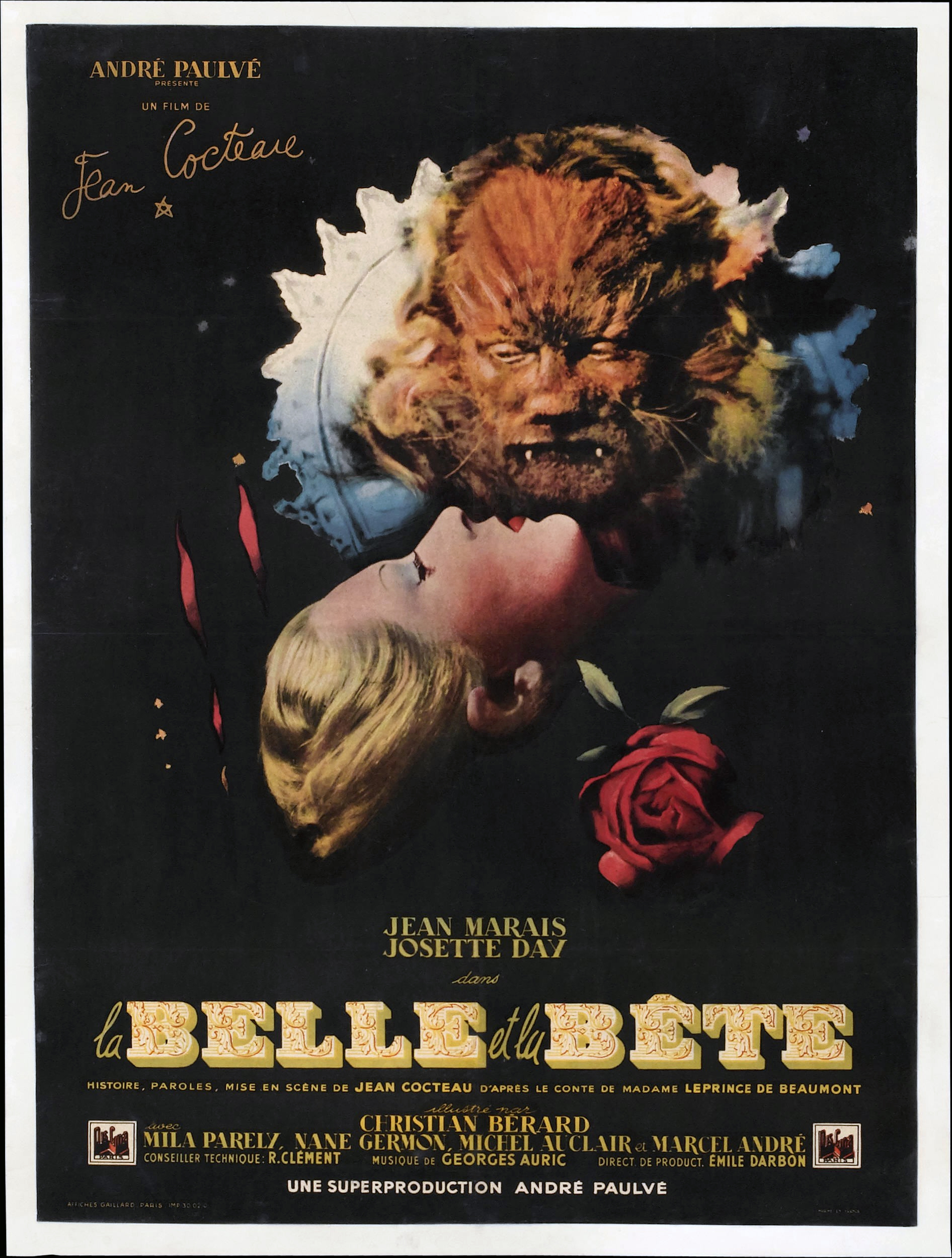
Clive’s posts last week about Cocteau’s La Belle et la Bête (here, here and here) sent me back to the film, a most welcome re-viewing. This in turn had me searching for copies of the posters of which these are some of the better examples. No dates or credits, unfortunately, although the French ones above and below look as though they may have been drawn by the film’s production designer, Christian Bérard. (Update: not Bérard, they’re the work of poster artist Jean-Denis Malclès.)

The style of Bérard’s drawings, and much of the film itself, had me thinking this time round of Hein Heckroth, Michael Powell’s favourite production designer whose sketches also had a painterly style. Powell and Pressburger’s The Red Shoes (with designs by Heckroth) appeared a couple of years after La Belle et la Bête although Powell doesn’t mention Cocteau at all in his autobiography so there’s no need to go looking for influences. Both films are based on fairy tales, of course. Powell shared Cocteau’s taste for fantasy and cinematic magic although the closest he gets to the story of Beauty and the Beast is Peeping Tom (1960), a film that contains little of either. By coincidence, Powell scholar Ian Christie calls Peeping Tom the director’s equivalent of Cocteau’s Le testament d’Orphée which was also released in 1960. But that’s a speculation for another day.
belle2.jpg

belle3.jpg

belle4.jpg

belle6.jpg

belle5.jpg

Previously on { feuilleton }
The writhing on the wall
Le livre blanc by Jean Cocteau
Cocteau’s sword
Cristalophonics: searching for the Cocteau sound
Cocteau at the Louvre des Antiquaires
La Villa Santo Sospir by Jean Cocteau
Weekend links 180

andrew.jpg

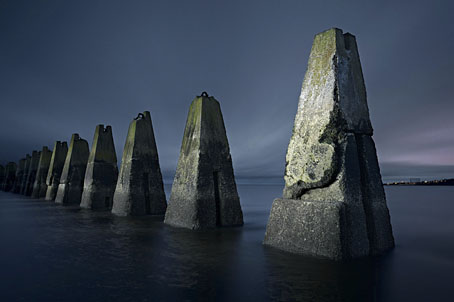
One of Jonathan Andrew‘s photos of coastal bunkers and concrete defences from the Second World War. In 2006 JG Ballard looked at the way these structures embody the functional nature of Modernist architecture.

• “Utamaro, whose prints of famous courtesans were regarded as the very models of sober beauty by 19th-century Western collectors, in fact produced more Shunga books and albums than non-erotic works.” Adrian Hamilton on the Shunga: Sex and Pleasure in Japanese Art exhibition.

• “…in Samoa, as in many traditional cultures around the world, androphilic males occupy a special transgendered category.” Alice Dreger on gay male couples and evolution.

• Robert Fuest’s film of Michael Moorcock’s first Jerry Cornelius novel, The Final Programme (1973), is out on (Region 2) DVD this month.

Masked by reticence and cloaked in tweeds, [Herbert] Read was the unexpectedly ardent and frighteningly prolific champion of nearly everything that was radical in the first half of the twentieth century: Imagism, Surrealism, abstraction, the Bauhaus, Marxism, anarchism, Freud and Jung, progressive education, Gandhian nonviolent resistance. Though now somewhat dimly remembered, he was, for decades, the Victoria Station of the arts, England’s primary explainer of the modern.

Eliot Weinberger introduces Herbert Read’s strange fantasy novel, The Green Child (1935).

• KW Jeter’s steampunk novel Fiendish Schemes is published (with my cover art) by Tor on the 15th. There’s an extract here.

• Mix of the week: An early Halloween mix (and interview) from Joseph Stannard of The Outer Church.

• At Dangerous Minds: Codex Seraphinianus: A New Edition of the Strangest Book in the World.

A trailer for the forthcoming Blu-ray release of Murnau’s Nosferatu: A Symphony of Horror.

• Kenneth Halliwell: lover, killer… artist? Philip Hoare on the collages of Joe Orton’s partner.

• Clive Hicks-Jenkins looks back at Cocteau’s La Belle et la Bête here, here and here.

Anastasia Ivanova‘s photo portraits of lesbian couples in Russia.

Christopher Fox on electronic music’s sound of futures past.

• At Strange Flowers: Melchior Lechter’s book designs.

Vaughan Oliver‘s favourite 4AD album covers.

Swinging Sixties Japanese film posters.

John Foxx’s favourite albums

Beauty And The Beast (1977) by David Bowie | Slow Motion (1978) by Ultravox | I Am The Green Child (2000) by Coil

October

october1.jpg

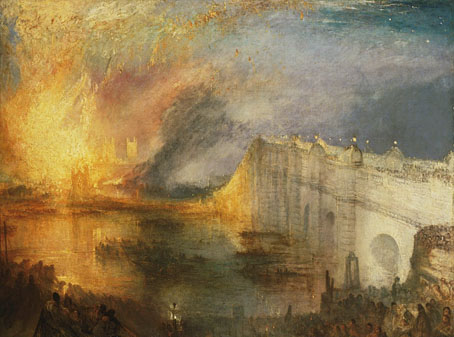
The Burning of the Houses of Lords and Commons, October 16, 1834 (1834 or 1835) by JMW Turner.

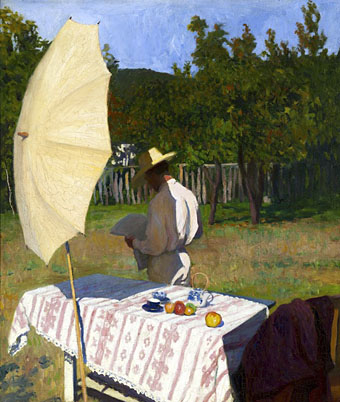
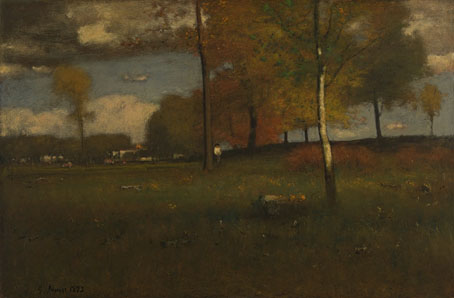
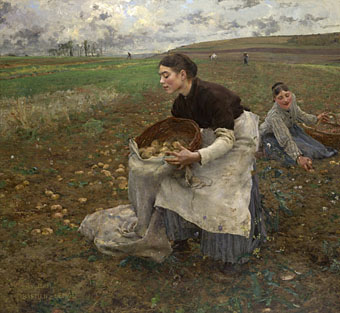
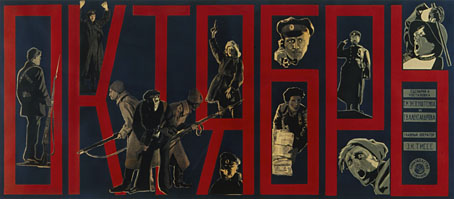
The tenth month of the year at the Google Art Project, or the Google Cultural Institute as it now calls itself.

october2.jpg

October (1903) by Károly Ferenczy.

october3.jpg

Near the Village, October (1892) by George Inness.

october4.jpg

October (1878) by Jules Bastien-Lepage.

october5.jpg

Poster for Sergei Eisenstein’s October (1928); Unidentified artist.

The Metropolis of Tomorrow by Hugh Ferriss

ferriss01.jpg

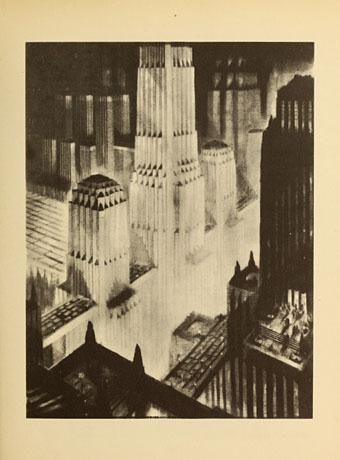
Crowding Towers.

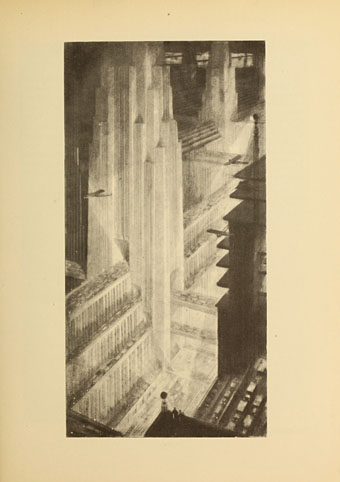
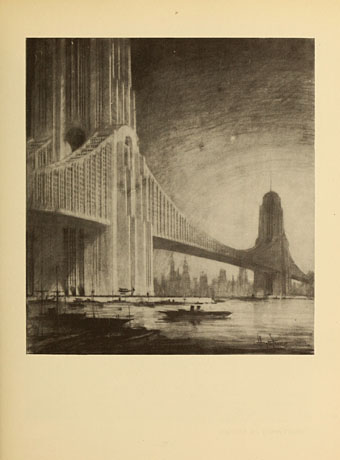
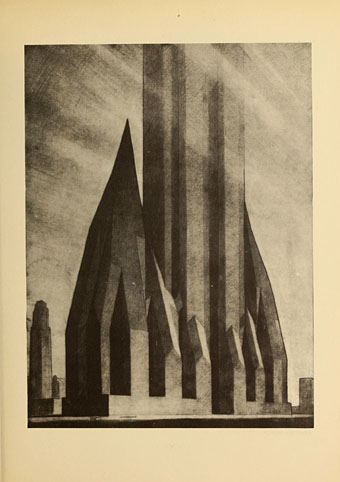
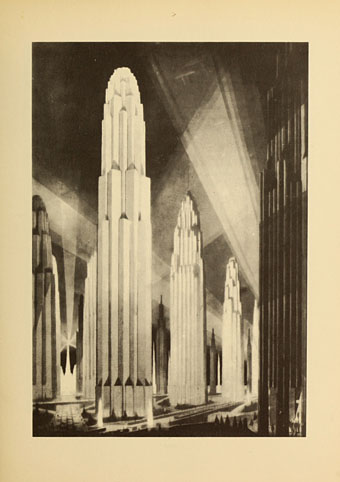
The work of architectural renderer Hugh Ferriss (1889–1962) has appeared here before. The Metropolis of Tomorrow (1929) was a major influence on the architectural style I deployed in the Reverbstorm series, together with Berenice Abbott’s photographs of New York City in the 1930s. Ferriss’s hazy proposals for cities of the future are more visible today than they used to be thanks to the popularity of those sites that enjoy outmoded visions of the future.

Flickr has been a good source of Ferriss’s drawings in the past but the Internet Archive recently posted the entirety of The Metropolis of Tomorrow, pages as well as pictures. The book appeared a couple of years after Fritz Lang’s Metropolis, and shares that film’s idea of the future city as a kind of superannuated New York. Skyscrapers were still a relatively new idea so this seemed a natural development at the time, as did the concept of super-highways and rooftop aerodromes. Human beings in Ferriss’s future are either ant-like specks or they’ve vanished altogether among the massed ranks of towers which often look more like less like buildings and more like Art Deco spacecraft. Lang’s vision was dystopian only in the way it relegated its workers to the underworld, while Ferriss’s proposals were wholly optimistic. Looking back we’re more aware of the shortcomings of such ideas, and from my perspective it wasn’t so difficult to bring out the latent menace inherent in these megastructures. Ferriss’s metropolis, like that of Fritz Lang, is a fun place to visit but you wouldn’t necessarily want to live there.

Browse the rest of the book here or download it here.

ferriss02.jpg

Overhead traffic-ways.

ferriss03.jpg

Apartments on bridges.

ferriss04.jpg

Evolution of the set-back building: second stage.

ferriss05.jpg

Verticals on wide avenues.

Continue reading “The Metropolis of Tomorrow by Hugh Ferriss”

Aubrey Beardsley in The Studio

ab1.jpg

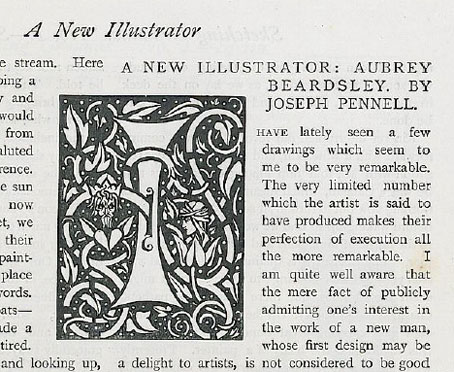
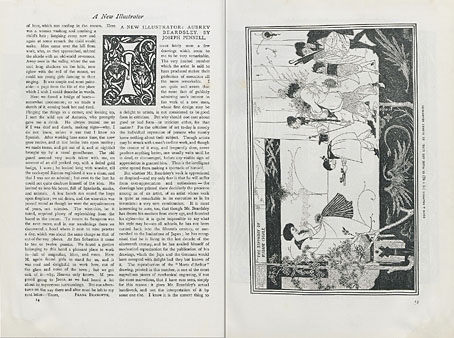
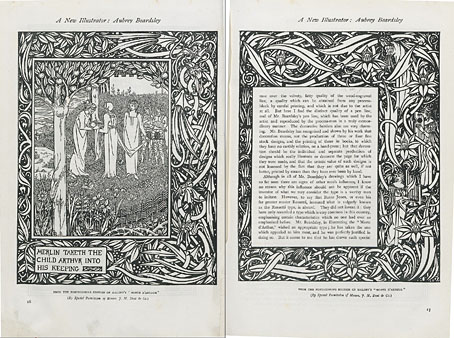
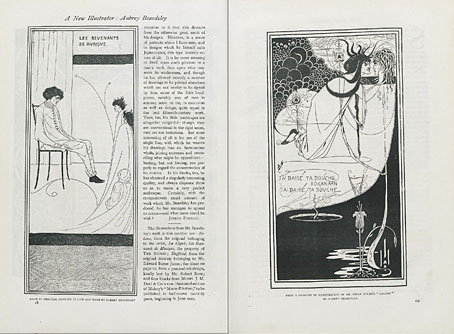
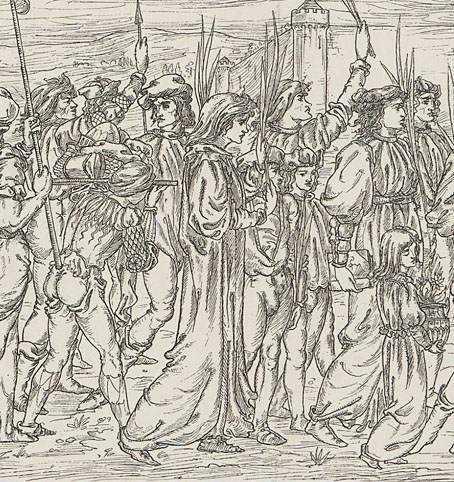
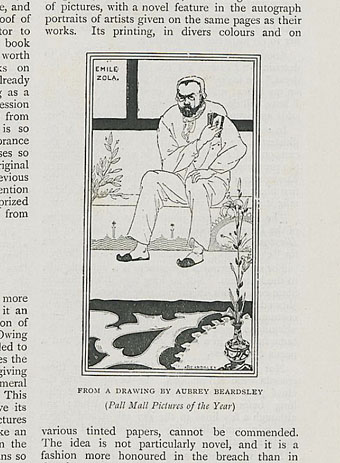
Aubrey Beardsley in the year 1893 was 21, and on the threshold of being catapulted to fame (and notoriety) via his illustrations for Oscar Wilde’s Salomé. Some of Beardsley’s drawings in the distinctive style he called “Japanesque” had already appeared in The Pall Mall Magazine, and he was hard at work on some 600 illustrations and embellishments for Dent’s Le Morte D’Arthur which began publication in 1894. Some of those illustrations are featured in the glowing introduction by Joseph Pennell which appeared in the first issue of The Studio magazine in April 1893 (when Beardsley was still only 20), a title that became the leading showcase for the British end of the Art Nouveau movement in the 1890s. Pennell’s appreciation also included Beardsley’s Joan of Arc’s Entry into Orleans, a piece which showed how much the artist’s early work owed to Mantegna, and the first drawing of Salomé which later helped secure the Wilde commission. The Joan of Arc picture was reproduced as a fold-out supplement in the magazine’s second issue.

ab2.jpg

All the major Beardsley books refer to Pennell’s article but I’ve never had the opportunity to see it in full until now, thanks to the excellent online archives at the University of Heidelberg. There are many volumes of the international editions of The Studio at the Internet Archive but for some reason these don’t include the early numbers; at Heidelberg we can now browse the missing issues. In the first volume in addition to Beardsley there’s a piece about Frederic Leighton’s clay studies for paintings and sculptures, illustrations by Walter Crane and Robert Anning Bell, and an article on whether nude photography can be considered art. In this last piece several of the examples happen to be provided by Frederick Rolfe aka Baron Corvo, and Wilhelm von Gloeden, two men who we now know had other things on their mind when they were photographing Italian youths.

The collected volumes of The Studio from 1893 to 1898 may be browsed or downloaded here. I’ve not had time to go through the rest of these so I’m looking forward to discovering what else they may contain.

ab3.jpg

ab4.jpg

ab5.jpg

Detail from Joan of Arc’s Entry into Orleans.

ab6.jpg

Elsewhere on { feuilleton }
The Aubrey Beardsley archive