Weekend links 77

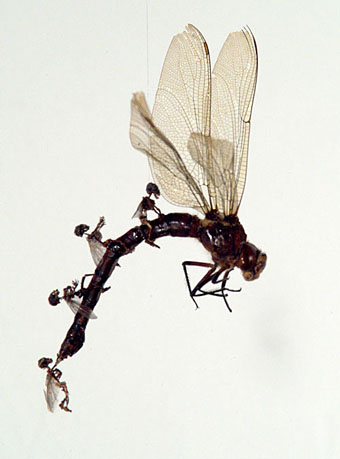
farmer.jpg

Art by Tessa Farmer.

• An exhibition of Tessa Farmer’s art is running at Viktor Wynd Fine Art, London, until October 30th. On Saturday, October 1st, Strange Attractor hosts Good Neighbours: Faeries, Folklore and the Art of Tessa Farmer also at Viktor Wynd.

Unearthing The Psychedelic Harp: “David Moats talks to harpist and songwriter Serafina Steer about her work with John Foxx and Patrick Wolf, being classically trained, the difficulties of doing live soundtracks and psychedelia.”

• And speaking of psychedelia, Arkhonia is still blogging up a storm here, here and here about the lost Beach Boys album, Smile, the farthest Brian and co. ventured into the tripped-out weirdness of 1967. The complete original recordings will finally be released in November.

• “‘We’ve arrived at a level of commodification that may have negated the concept of counterculture,’ Gibson says in the Paris Review.” William Gibson profiled by Thomas Jones.

One of the qualities I always stress when talking about this design work influenced by Surrealism is its enormous boldness and creative freedom, which is something of a paradox in many cases, since the Czech and Polish designs were created under communist regimes. So, while Uncanny documents a significant current in the history of 20th-century visual culture, the show also has a polemical intention aimed, quite deliberately, at our circumstances now. Students who encounter these images in lectures sometimes feel constrained by their conception of what they — or their teachers — regard as acceptable in today’s marketplace. At times, this has struck me as being a form of insidious self-censorship. (more)

Rick Poynor: Jan Švankmajer and the Graphic Uncanny.

• The exhibition curated by Mr Poynor last year, Uncanny: Surrealism and Graphic Design, is now showing at the Kunsthal in Rotterdam until early December. Related: MizEnScen’s somber, surrealist collages.

Howard Pyle’s Book of Pirates (1921) at Golden Age Comic Book Stories, the Urtext of buccaneer imagery.
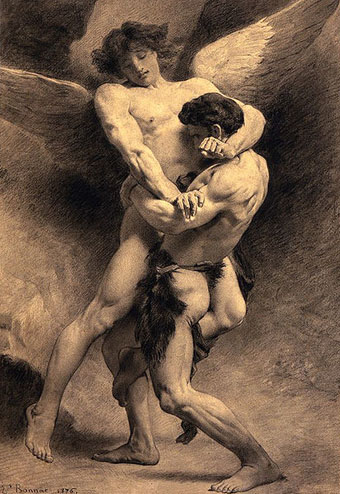
bonnat.jpg

Another of those homoerotic religious pictures: Jacob Wrestling with the Angel (1876) by Léon Bonnat. Via Babylon Baroque.

• Celebrating the 250th anniversary of Laurence Sterne’s marbled page: Emblem of My Work.

John Martin’s Pompeii painting finally restored after 1928 Tate flood damage.

The Spectral Dimension: “where the paranormal and popular culture collide”.

The Writing of Stones (1970) by Roger Caillois at 50 Watts.

Mercury Arc Rectifiers.

• When silliness was an avant garde strategy: video from 1974 of Brian Eno performing China My China and (in better quality) The Seven Deadly Finns. (Go here for lyrics of the latter.)
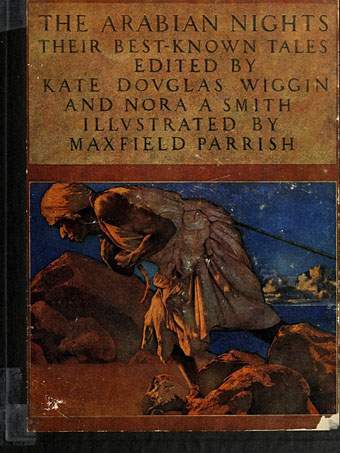
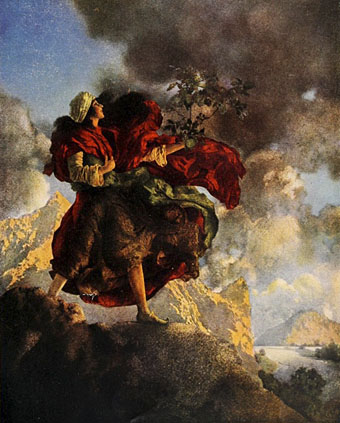
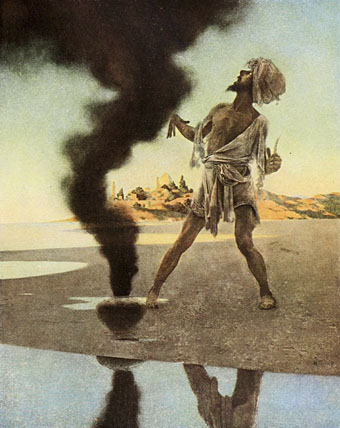
Maxfield Parrish’s Arabian Nights

parrish01.jpg

Despite spending years tracking down the work of various illustrators I’ve never been as familiar with the major works of Maxfield Parrish as I might. I’ve seen a couple of the plates from this 1909 edition before but the majority are new discoveries. They’re as lucious as you’d expect from Parrish, and for once the paper and inks haven’t been spoiled by age. See all the pages or download the entire book here.

parrish02.jpg

parrish03.jpg

Continue reading “Maxfield Parrish’s Arabian Nights”

Weekend links 76

aftertime.jpg

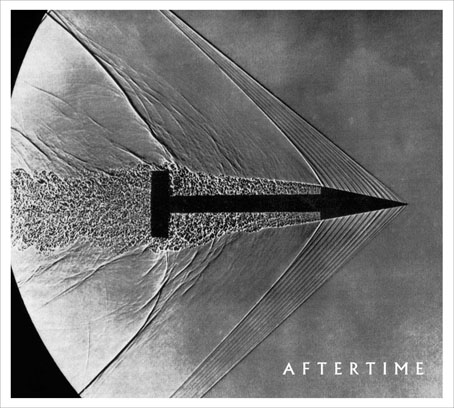
Despite appearances I’m still doing bits of design and layout work for various musicians. In the past week I’ve been trying to reorganise this sprawling website a little so it’s easier to add new work quickly and easily. One recent job was more layout than design, a CD and vinyl package for a Roly Porter collection of instrumentals entitled Aftertime. Each track on the album is named after a different planet from Frank Herbert’s Dune books although the music isn’t as illustrative as that implies. Porter’s use of an Ondes Martenot and various acoustic instruments which he subjects to degrees of distortion is just the kind of thing I like hearing. One track can be heard at FACT where Porter is interviewed about his work. Aftertime is released this month on the Subtext label.

It is a rollicking saga that involves all sorts of things not normally associated with think tanks – chickens, pirate radio, retired colonels, Jean-Paul Sartre, Screaming Lord Sutch, and at its heart is a dramatic and brutal killing committed by one of the very men who helped bring about the resurgence of the free market in Britain.

Adam Curtis on the strange history of Britain’s think tanks and their hidden agendas.

• Other assorted music business: Getting down to the Cabinessence: “This is the first of what may become an intermittent series of observations about Smile, and how Brian Wilson tried to put his dream on this planet.” | After The Flood: Talk Talk’s Laughing Stock 20-Years On: a lengthy and detailed Quietus piece on one of the best albums of the 1990s. | Jonathan Barnbrook uses an old analogue video synth to create a visual accompaniment for Interplay by John Foxx & The Maths. The HD version is an eye-searing delight.

Meredith Yayanos favours the sister instrument of the Ondes Martenot, the theremin, which she uses to provide a spooky score for a new film, Empty Rooms. There’s more spectral ambience at her SoundCloud page.

giovani.jpg

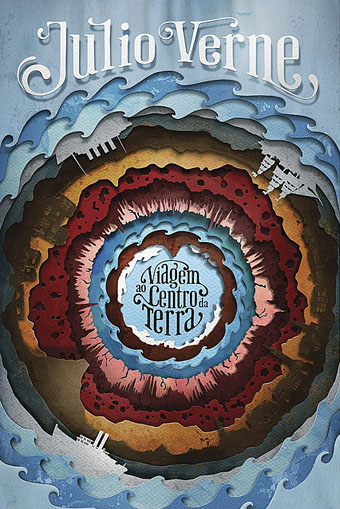
A Jules Verne cover by Carlo Giovani for Editora Ática.

• Sculptor and writer Josiah McElheny transforms the Whitechapel Gallery into a hall of mirrors.

Jacob’s Lament, an animated collaboration between illustrator Ian Miller and Stijn Windig.

Pornographic Poem (1967) by John Giorno.

Oscar Wilde grandson scorns “new” play.

• Manhattan in marble by Yutaka Sone.

Paul Atreides pt. 1 (1978) by Richard Pinhas | Harkonnen (1979) by Zed (Bernard Szajner) | Prophecy Theme (1984) by Brian Eno.

Anna & the Juniper Dog

juniper.jpg

The Juniper Dog strained its twisted roots against an ember red sky, snarling out swarms of night moths, barking flocks of owls from its splintery jaws. It howled the sea. Spat stars. Clouds roiled and clotted through the tree dog’s teeth.

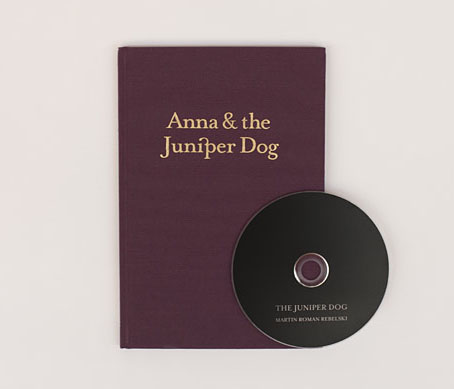
Anna & the Juniper Dog was published this summer although it’s a tale which seems more suited to the gloom of autumn. (Having said that, summer this year was so persistently cold, wet and dreary it’s been autumn in all but name.) The story is by Geoff Cox, and the slim clothbound volume from Blackmaps Press comes profusely illustrated by Rohan Daniel Eason, and with an accompanying CD containing 30 minutes of beautiful instrumentals by Martin Roman Rebelski. This is the second book in a trilogy of tales about Cox’s Anna character, wherein we follow Anna through a succession of dream-like episodes freighted with mysteries, epiphanies and ritual moments.

eason.jpg

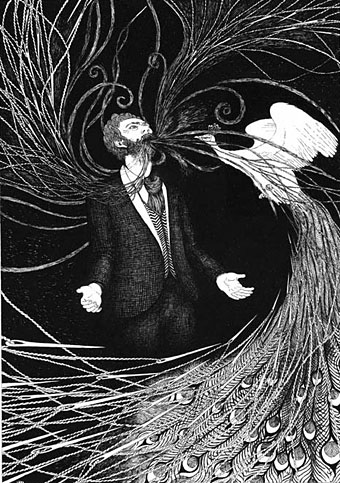
“Thorns burst from the Old Man’s mouth.”

The combination of another character named Boy, and various encounters with anthropomorphic animals, reminded me of Mervyn Peake’s wonderful Boy in Darkness, while the illustrations bring to mind the cross-hatched art of Edward Gorey. Eason’s drawings add a great deal to the fairytale atmosphere without merely replicating Cox’s evocative descriptions. The icing on the cake is a book design by La Boca with the attention to detail this kind of self-contained project requires: the typesetting uses the ligatures common to better typefaces but which one seldom sees employed today. A great example of the book as an object to be treasured, and ideal reading (and listening) for longer and chillier evenings.

Maps and legends

nineworlds1.jpg

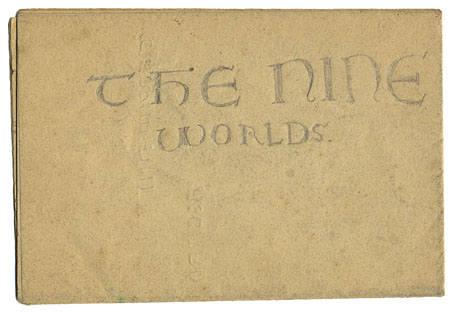
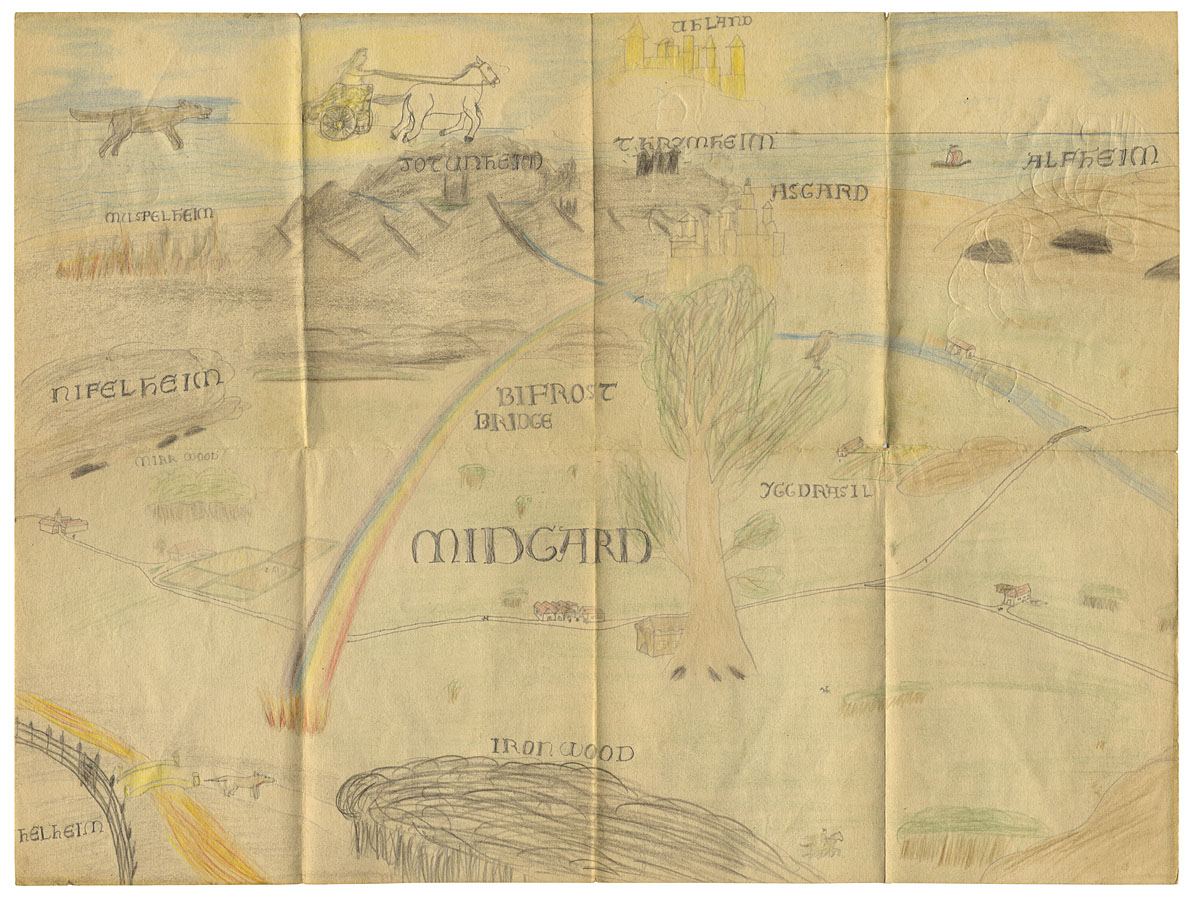
Following the mention yesterday of my facsimile John Speed map I set about searching for the map in question since it’s managed to survive all these years. For the moment I haven’t been able to find it but going through a portfolio of old drawings I finally found this item, a map or chart or the Nine Worlds of Norse mythology which I drew when I was 11 years old. Various family traumas mean a lot of my early artwork hasn’t survived so this drawing is the earliest piece of my work that I own. (Click below for a bigger view.)

nineworlds2.jpg

nineworlds3.jpg

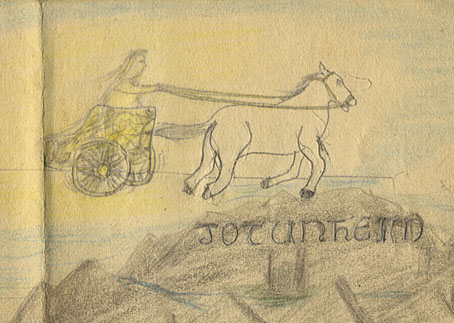
Sol in her Sun Chariot. The horse evidently looked better after a second attempt.

I can be specific about my age since I remember drawing this in 1973 shortly after moving to secondary school. The paper is the horrible stuff that was standard issue at that place, rough and terrible for pencil work. I’d been given a new set of coloured pencils so took advantage with this to use just about every colour in the box.

Continue reading “Maps and legends”