The Singular & Extraordinary Tale of Mirror & Goliath

mirror.jpg

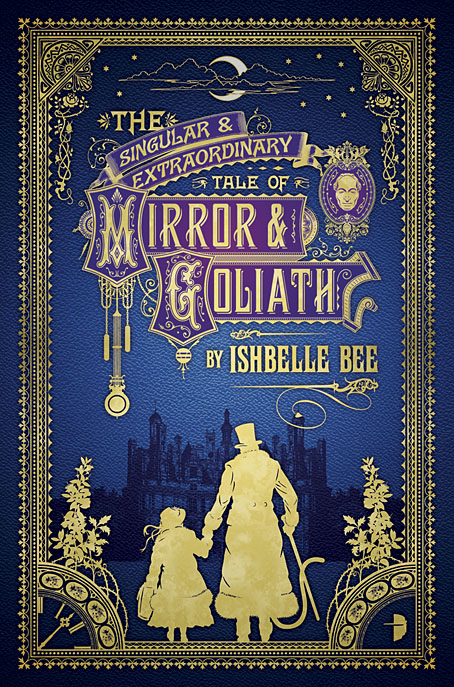
In yesterday’s post I mentioned having recently finished a cover design featuring silhouettes, not expecting the design in question to be revealed on the Barnes & Noble SF & Fantasy blog a few hours later. So here it is. The Singular & Extraordinary Tale of Mirror & Goliath is the first of two novels by Ishbelle Bee from publisher Angry Robot. Rather than attempt a précis it’s easier to swipe one from the B&N post:

1888. A little girl called Mirror and her extraordinary shape-shifting guardian Goliath Honeyflower are washed up on the shores of Victorian England. Something has been wrong with Mirror since the day her grandfather locked her inside a mysterious clock that was painted all over with ladybirds. Mirror does not know what she is, but she knows she is no longer human.

John Loveheart, meanwhile, was not born wicked. But after the sinister death of his parents, he was taken by Mr Fingers, the demon lord of the underworld. Some say he is mad. John would be inclined to agree.

Now Mr Fingers is determined to find the little girl called Mirror, whose flesh he intends to eat, and whose soul is the key to his eternal reign. And John Loveheart has been called by his otherworldly father to help him track Mirror down…

An extraordinary dark fairytale for adults, for fans of Catherynne M. Valente and Neil Gaiman.

Having spent the past few years scrutinising Victorian graphic design this was a very enjoyable assignment that didn’t feel like work at all. The title design took some time to put together, the challenge with these things being to pour on the decoration while maintaining legibility. You also need to choose the typefaces carefully. The capitals in “Mirror” and “Goliath” were drawings based on period cover designs, while the author typeface isn’t a font but is letterforms scanned from a Symbolist art book from the 1970s. Revival fonts continue to proliferate but I’ve yet to see one in that exact style. The Singular & Extraordinary Tale of Mirror & Goliath is out in June with a sequel, The Contrary Tale of the Butterfly Girl, following in August.
Les Theatres d’Ombres Chinoises

ombres01.jpg

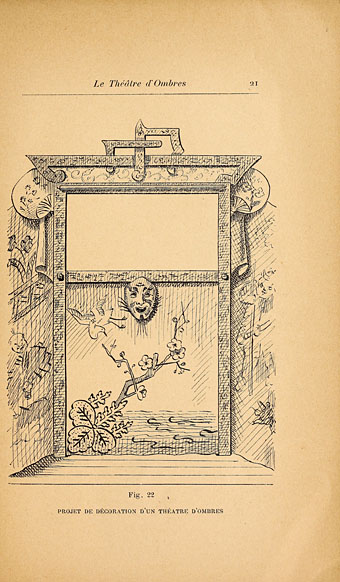
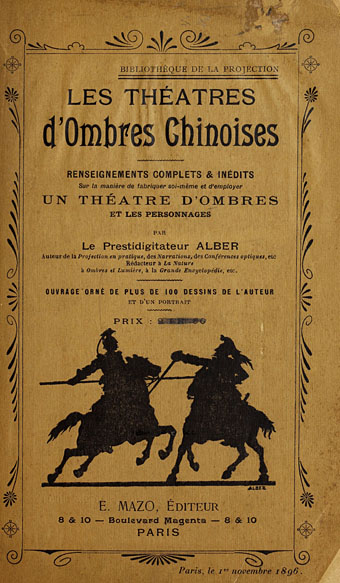
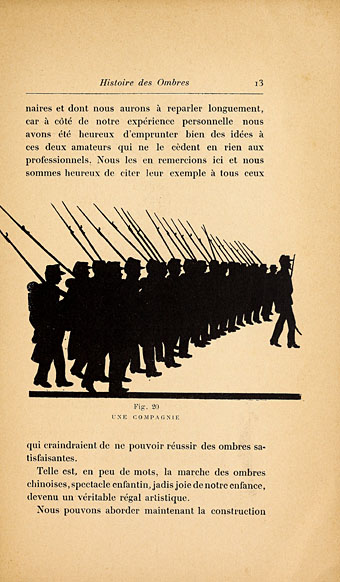
Ombres Chinoises—”Chinese shadows”—were the specialty of Alber, prestidigitateur, according to this French volume from 1896. The diagrams show examples of Alber’s tableaux, and also the technical aspects of his articulated figures, some of which seem caught midway between Javanese shadow puppets and Lotte Reiniger’s animated silhouettes. One of the commissions I’ve been working recently features silhouette figures; more about that later.

ombres02.jpg

ombres03.jpg

Continue reading “Les Theatres d’Ombres Chinoises”

The Art of Shadowgraphy

trewey1.jpg

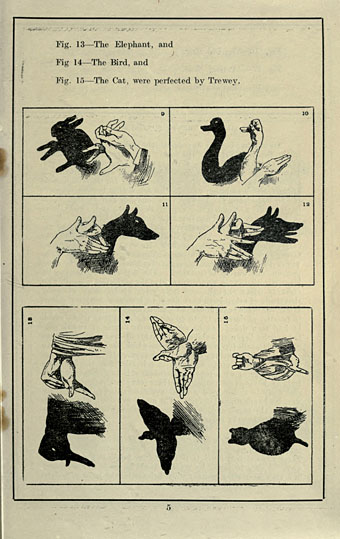
Though Shadowgraphy has been known from time immemorial, and as ’twere a thing of bye-gone days, Trewey’s practice of the art comes as a novelty, and is highly entertaining alike to the schoolboy and the lean and slippered pantaloon.

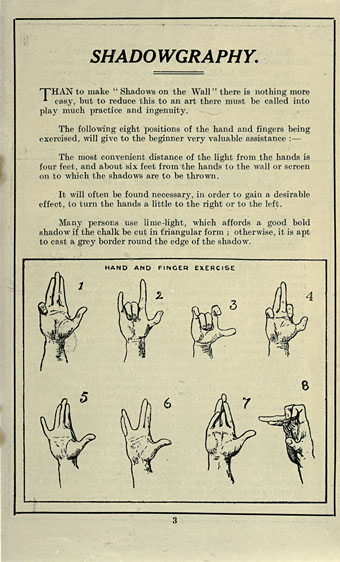
Thus the overwrought prefatory note in this small book of hand-shadow exercises by Felicien Trewey. In addition to diagrams showing the creation of the familiar animal shapes there’s a brief life of Monsieur Trewey, “the original Fantaisist Humoristique”, and some details of Trewey’s shadow pantomimes. Since these involve various props I find them a bit of a cheat, rather like origami shapes that require two sheets of paper or even a pair of scissors.

trewey2.jpg

The book opens and closes with ads for Hamley’s toy shop, still the most celebrated shop of its kind in London. If it’s a surprise to see Hamley’s promoting their wares with devils and skulls, the latter seem fitting for the page of sinister “ventriloquial figures”, two of which are shown smoking cigarettes. The walking figure with “pneumatic mouth” is no doubt the one that tries to strangle you while you sleep.

trewey3.jpg

trewey4.jpg

Continue reading “The Art of Shadowgraphy”

Refn’s reds

refn00.jpg

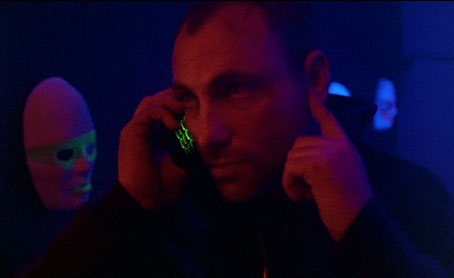
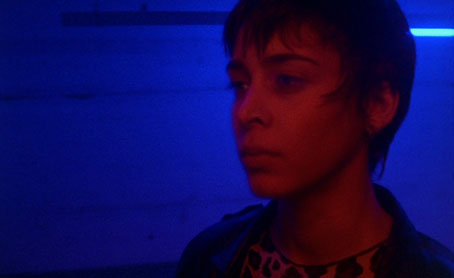
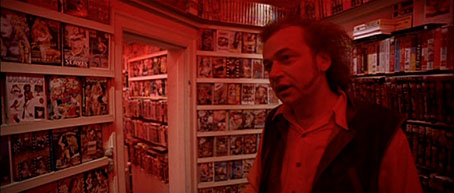
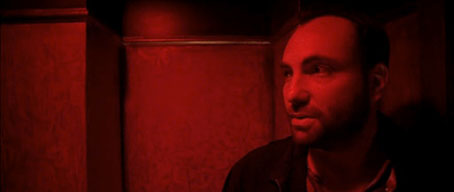
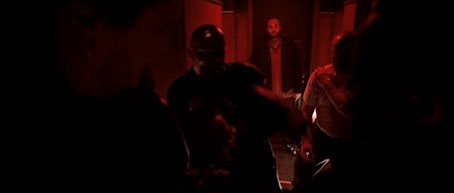
When you work your way through a director’s filmography, particularities of mise-en-scène often become apparent. Nicolas Winding Refn’s next film—The Neon Demon—has a title that promises more of the same. I’m looking forward to it.

Pusher (1996)

refn01.jpg

Kim Bodnia (above) and Laura Drasbæk (below).

refn02.jpg

Bleeder (1999)

refn03.jpg

Zlatko Buric (above) and Kim Bodnia (below).

refn05.jpg

refn04.jpg

Continue reading “Refn’s reds”

Weekend links 250

gebbie.jpg

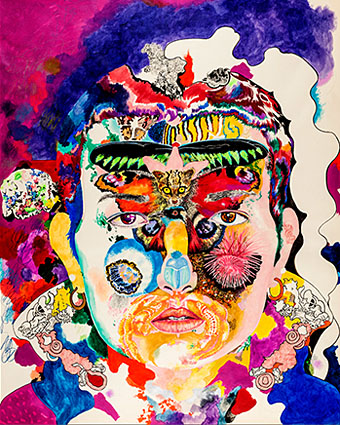
Untitled artwork by Melinda Gebbie.

• “Johnny Rocket is like a Chaucerian epic retold by David Peace with music by Bruce Haack and The Focus Group for a music hall located in Hell.” John Doran talks to Maxine Peake and the Eccentronic Research Council about their “psychedelic ouija pop”.

Allison Meier looks at a new exhibition of Victor Moscoso’s psychedelic drawings. Related: Julia Bigham writing in Eye magazine in 2001 about London’s psychedelic poster scene.

• “Oh to eye the very enfilade through which that orchidaceous entity would make his stately progress…” Strange Flowers on the eccentric Count Stenbock.

Melinda Gebbie: What Is The Female Gaze? The artist is in conversation next month with Mark Pilkington and Tai Shani at the Horse Hospital, London.

Pamela Colman Smith: She Believes in Fairies. The Tarot artist and illustrator in a rare interview from 1912.

• Minimalist posters: “a lack of nuance disguised as insight,” says John Brownlee.

• Saturday night in the City of the Dead: Richard Metzger on the John Foxx-era Ultravox.

The Will Gregory Moog Ensemble plays the Brandenberg Concerto No. 3.

• “In a weird way”: a brief history of a phrase by Ivan Kreilkamp.

Die Hexe: An installation by Alex Da Corte.

• RIP Daevid Allen

Istaqsinaayok

You Can’t Kill Me (1971) by Gong | Master Builder (1974) by Gong | When (1982) by Daevid Allen