Metastasis, a film by Toshio Matsumoto

metastasis.jpg

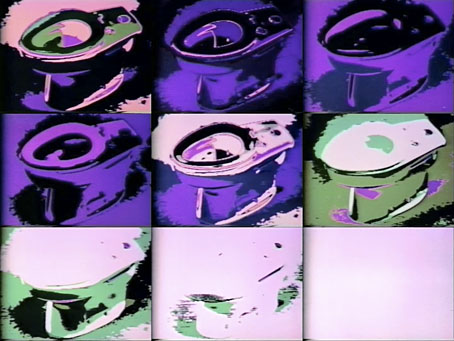
Or Toshio’s Psychedelic Toilet. Toshio Matsumoto is known to cineastes for feature films such as Funeral Parade of Roses (which I’ve still not seen—sorry, Thom!), but he’s also responsible for a number of experimental films like this one. In Metastasis (1971) we watch a toilet bowl for 9 minutes while the colours and contrast shift continually. Matsumoto said (in a scrambled quote):

I used the Erekutoro Karapurosesu (Electro Color Processor), which is mainly used in the field of medicine and engineering, to create moving image textures Metastasis, I was interested in layering images of a simple object and its electronically processed abstraction. The electronic abstract image is manipulated in a certain rhythm, depicting an organic process.

This might be tedious if it didn’t also have a decent electronic score by Toshi Ichiyanagi. Watch it here.

Chumlum, a film by Ron Rice

chumlum.jpg

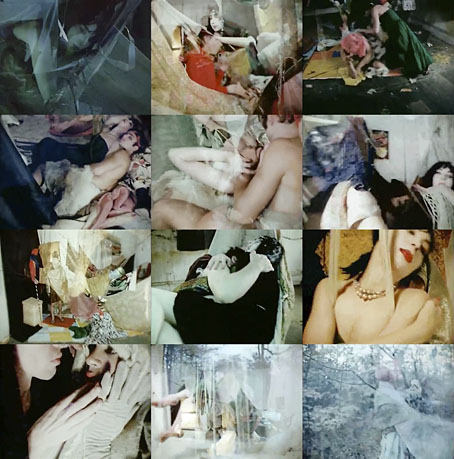
25 minutes of superimpositions, hammock swinging, fabric waving and costume play with Jack Smith as master of ceremonies. The music by Angus MacLise (under the direction of Tony Conrad, whatever that means) gives the proceedings a suitably dreamy and hallucinatory air, like an attic restaging of Kenneth Anger’s Inauguration of the Pleasure Dome. Yesterday’s Doctor Benway operation featured Warhol Superstar Jackie Curtis as the nurse, and there are two more Superstars among the participants here: Mario Montez and Gerard Malanga; Montez had appeared in Jack Smith’s Flaming Creatures a year before. (Tony Conrad was the sound recordist on that occasion.) Ron Rice’s film was made in 1964, and is another of those products of the mid-60s that anticipates the later excesses of the decade. Watch it here.

Previously on { feuilleton }
The Invasion of Thunderbolt Pagoda, a film by Ira Cohen

Weekend links 251

quintana.jpg

Beliel (2013) by Dan Quintana.

Guida essenziale all’Italian Occult Psychedelia. Out next month: Nostra Signora Delle Tenebre, a tribute to “movies that…retained a decidedly Italian flavour, a bizarre mix of nasty violence, lurid sexuality and feverish Catholic mysticism, all filtered through a manic obsession with death, blood and the sins of the flesh.” In the meantime, try the Italic Environments mix by Lay Llamas.

• “His work matters more than ever now because it stands in contrast to all the sequels, the comic-book adaptations, that Hollywood makes to sell lunchboxes.” Ryan Gilbey looks at a new documentary about the great Robert Altman.

• Psychedelic Culture at the Crossroads: Erik Davis on the ongoing reappraisal of the value of psychedelic drugs. Related: Dude, You Can Draw Magic Mushrooms With an Oscilloscope.

Like [Ellen Sofie] Lauritzen, what I appreciate about music, writing, and films that vary from dated to downright misogynist is the rawness I see expressed, a sheer energy that can’t toe the line of perfect political obeisance. I join her in hoping that we back down from using “problematic” as a censorious bludgeon against creative achievements, no matter how problematic they are.

Sarah Seltzer on whether feminists can enjoy misogynist art

• Mixes of the week: Roger Eagle’s jukebox selection for Eric’s club, Liverpool; Switched On! Vol. 4 by AnchSounds; T-P-F Mix 3: Bucolic Intrigue Romance by The Pattern Forms.

• At Dangerous Minds: Paul Gallagher on the whimsical anarchism of the White Bicycle revolution.

• Opening the Ghost Box: Dave Thompson on a record label that’s mentioned here more than most.

Abominations Of Yondo (2007), a free album inspired by the weird fiction of Clark Ashton Smith.

• Placards of earthly delight: Isabel Stevens on Vera Chytilová’s film posters.

• I’m an artist to watch according to Nakid Magazine.

Tomb of Insomnia

Death Surf (2012) by Heroin In Tahiti | Voices Call (2015) by Lay Llamas | Averno (2015) by OVO

Somnambulists, a film by Mieczyslaw Waskowski

waskowski.jpg

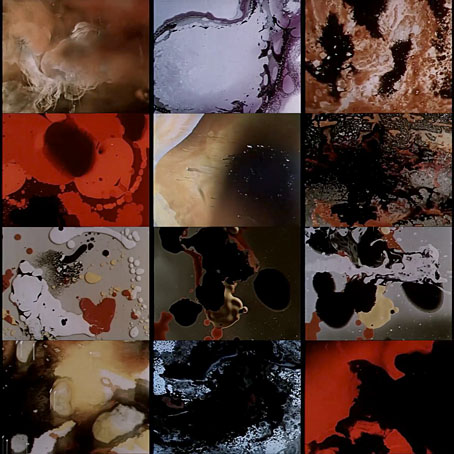
This 9-minute film by Polish actor and director Mieczyslaw Waskowski was made in 1958. At that time Waskowski’s swirling blobs of paint in oil or water would have seemed merely abstract; a decade on and they would have unavoidable psychedelic or even cosmic connotations. Stanley Kubrick used similar effects for some of the shots in the Star Gate sequence of 2001: A Space Odyssey only at much higher resolution and camera speed.

Elsewhere on { feuilleton }
The abstract cinema archive

Weekend links 250

gebbie.jpg

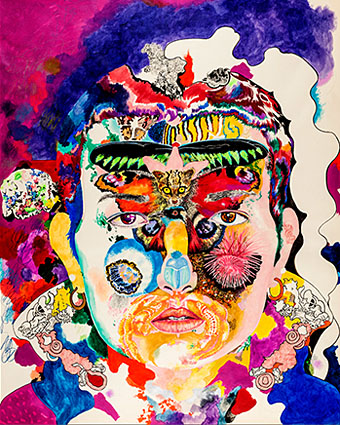
Untitled artwork by Melinda Gebbie.

• “Johnny Rocket is like a Chaucerian epic retold by David Peace with music by Bruce Haack and The Focus Group for a music hall located in Hell.” John Doran talks to Maxine Peake and the Eccentronic Research Council about their “psychedelic ouija pop”.

Allison Meier looks at a new exhibition of Victor Moscoso’s psychedelic drawings. Related: Julia Bigham writing in Eye magazine in 2001 about London’s psychedelic poster scene.

• “Oh to eye the very enfilade through which that orchidaceous entity would make his stately progress…” Strange Flowers on the eccentric Count Stenbock.

Melinda Gebbie: What Is The Female Gaze? The artist is in conversation next month with Mark Pilkington and Tai Shani at the Horse Hospital, London.

Pamela Colman Smith: She Believes in Fairies. The Tarot artist and illustrator in a rare interview from 1912.

• Minimalist posters: “a lack of nuance disguised as insight,” says John Brownlee.

• Saturday night in the City of the Dead: Richard Metzger on the John Foxx-era Ultravox.

The Will Gregory Moog Ensemble plays the Brandenberg Concerto No. 3.

• “In a weird way”: a brief history of a phrase by Ivan Kreilkamp.

Die Hexe: An installation by Alex Da Corte.

• RIP Daevid Allen

Istaqsinaayok

You Can’t Kill Me (1971) by Gong | Master Builder (1974) by Gong | When (1982) by Daevid Allen