Abstract Cinema

abstract.jpg

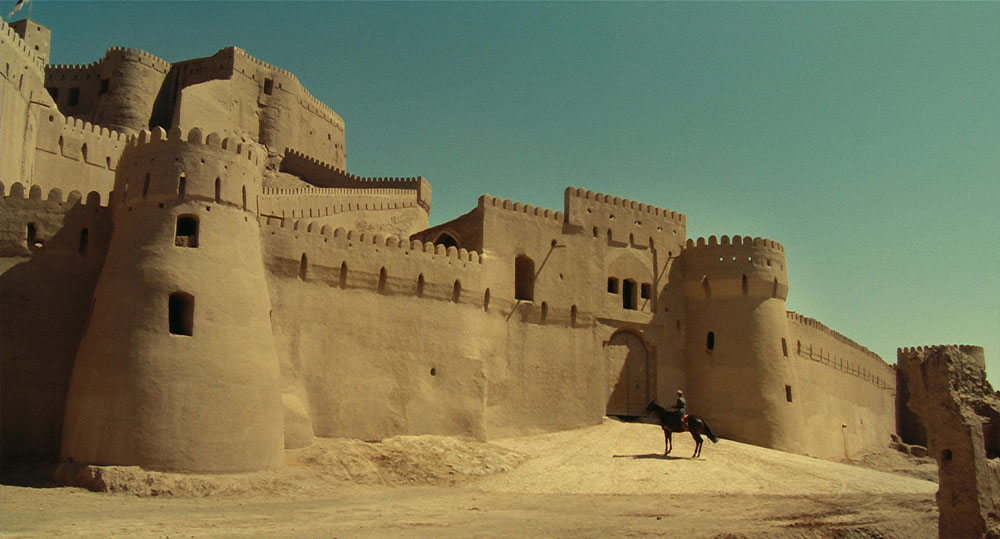
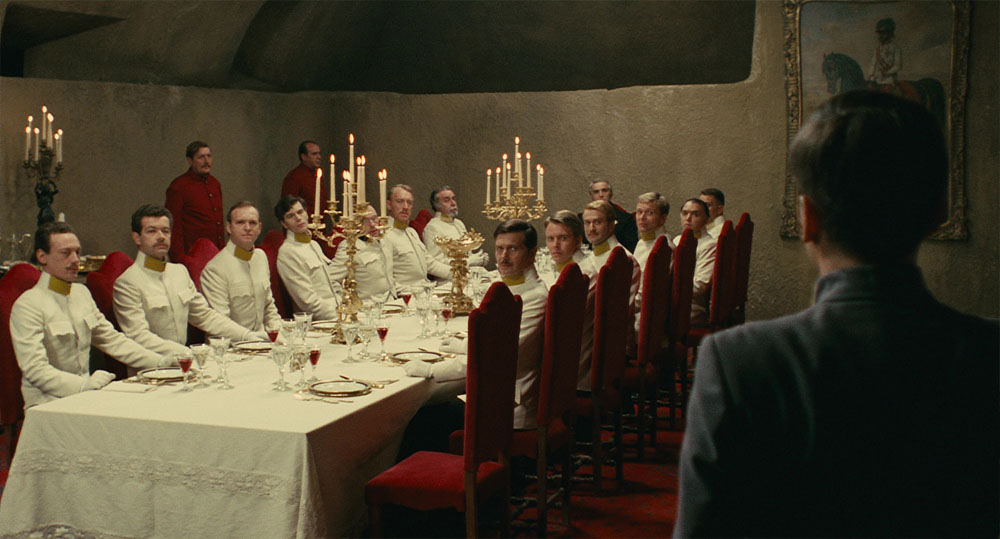
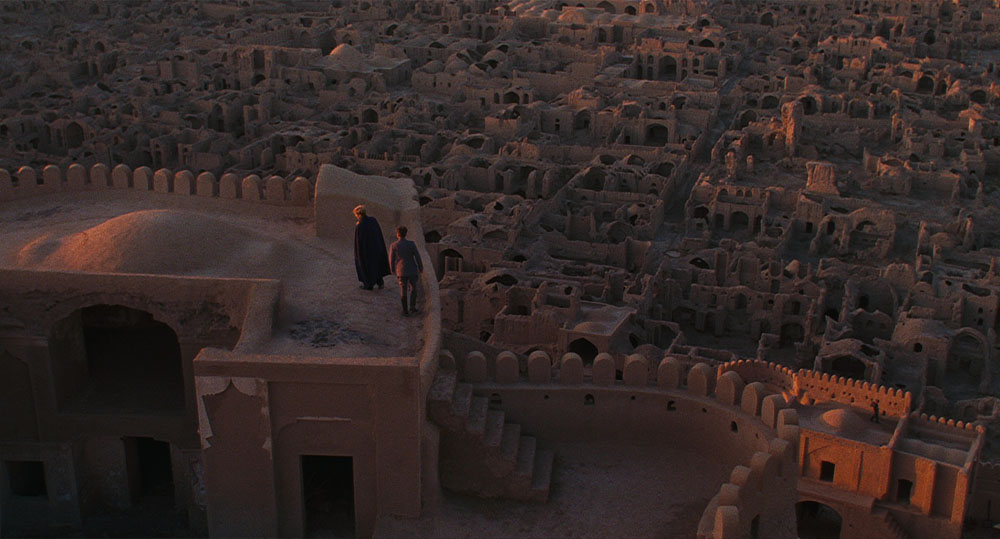
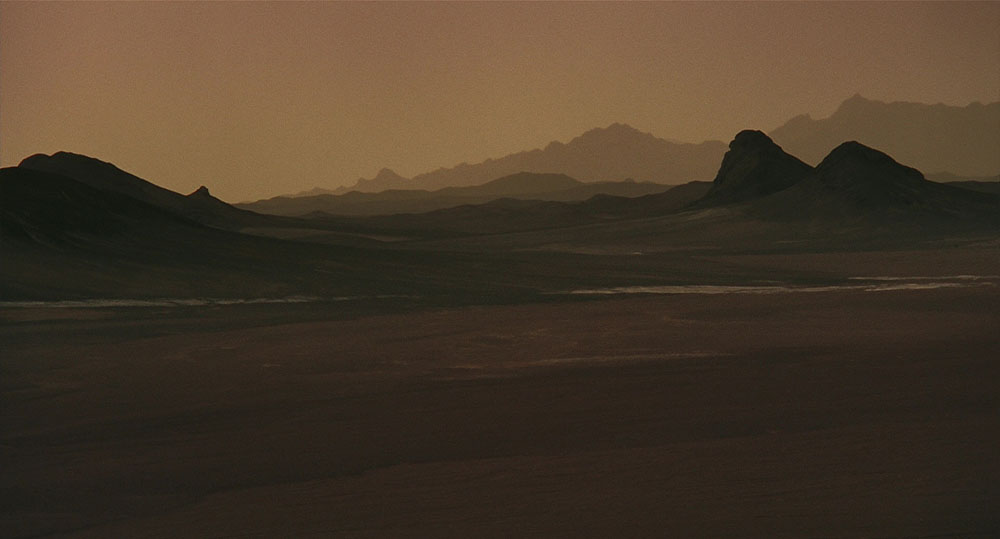
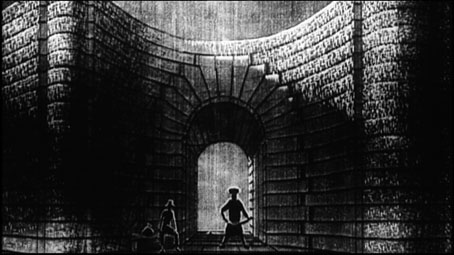
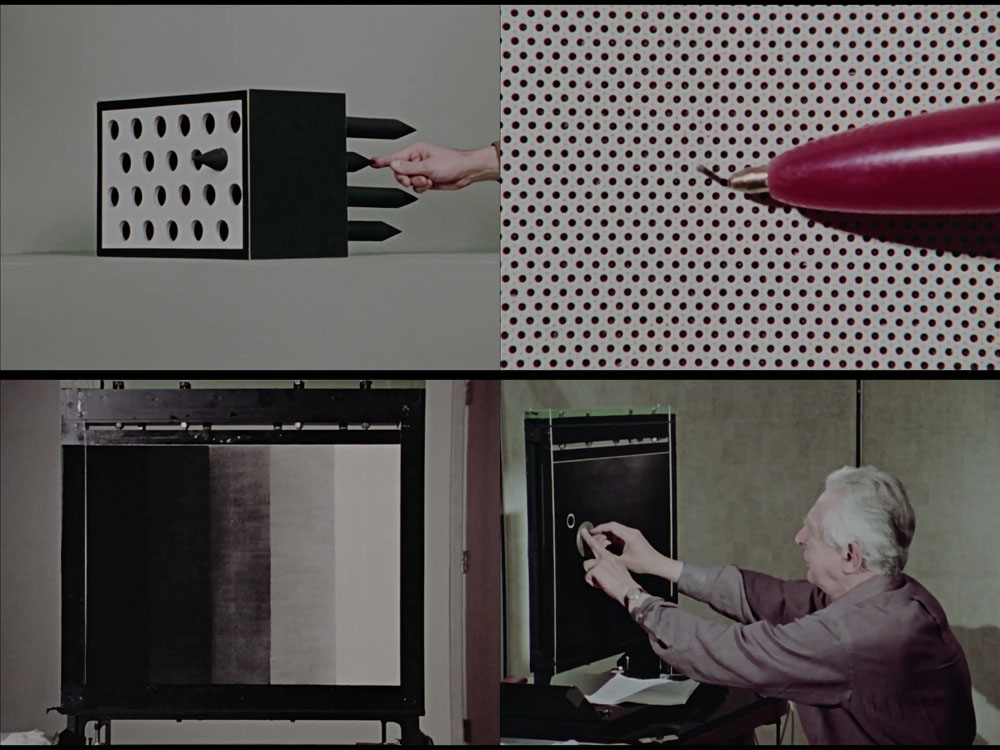
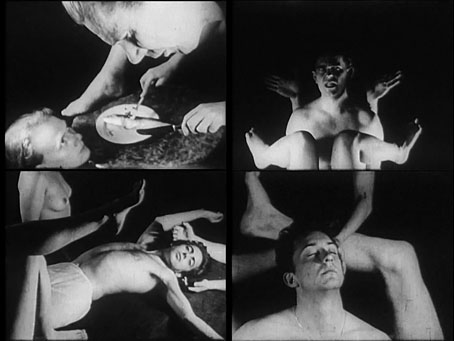
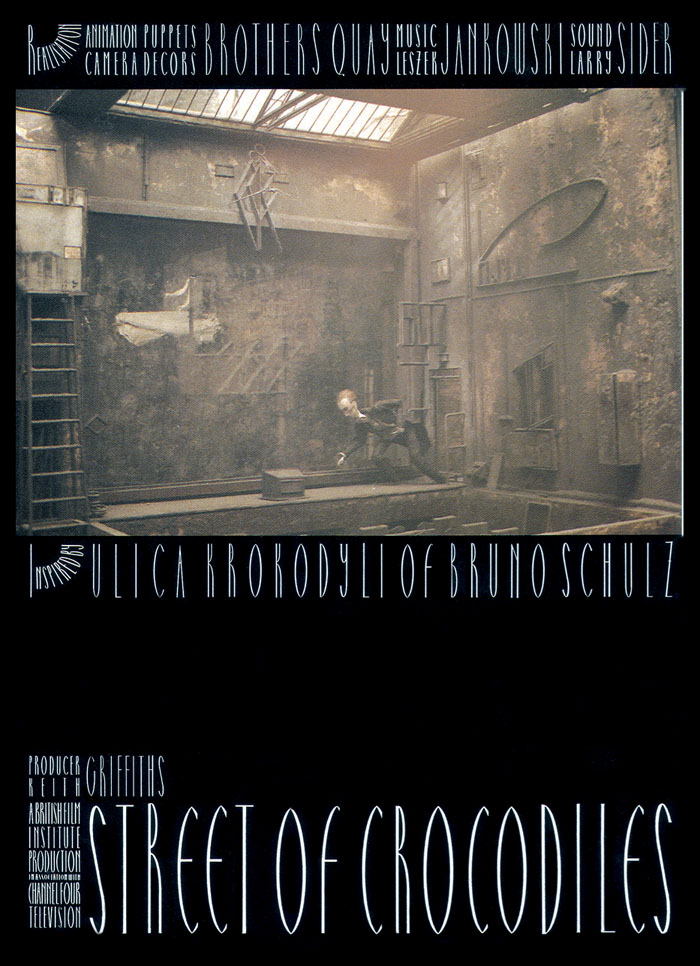
Good to see this documentary turn up at last even if it is on a private YouTube channel affiliated to a site that hosts cinematic rarities. Abstract Cinema was made in 1993 for Channel 4 (UK) at the tail end of the period when the channel could be relied upon to screen resolutely uncommercial fare. The documentary was another production by Keith Griffiths, producer of many films with the Brothers Quay, and producer/director of a number of documentaries such as this, exploring the cinematic zones that television seldom acknowledges.

abstract1.jpg

I’ve mentioned this programme a few times before because I taped it at the time, and still regard it as an excellent introduction to an idiom that many enthusiasts consider to be the purest form of cinema, as opposed to the theatrical storytelling that dominates the medium. Peter Greenaway has complained for years about the formulaic nature of contemporary feature films yet his own films, which are supposed to be an alternative to what he calls “dominant cinema”, aren’t so very different from the Hollywood norm in their reliance on actors, narratives, sets and the like. Abstract cinema avoids all of these things. Stan Brakhage is one of the filmmakers interviewed, and his own productions not only shunned sound, they even shunned the camera when he was painting directly onto the film strip. At the time of Griffiths’ interview Brakhage was doing this again using the comparatively larger canvas of Imax stock.

abstract2.jpg

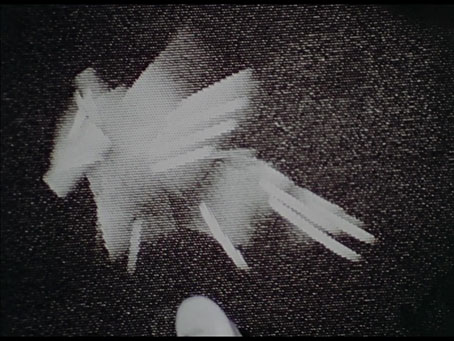
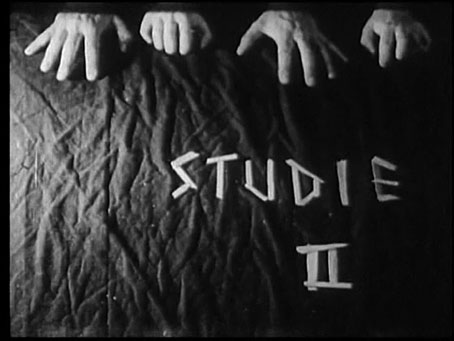
Griffiths’ documentary runs through the history of cinematic abstraction, from Oskar Fischinger and Len Lye (both the subjects of earlier Griffiths studies) to the 1990s when several of the interviewees had taken to programming computers to create their visuals. Griffiths made his documentary at just the right time. As well as having access to a TV channel that would present such work to an audience (albeit late at night), he was also able to interview a number of the leading practitioners while they were still around; in addition to Brakhage there’s John Whitney, Jules Engel, Pat O’Neill, Malcolm le Grice, Michael Scroggins and Vibeke Sorensen. Notably absent is Jordan Belson, possibly because he’s always been reluctant to discuss the production process that created his ethereal imagery, although film historian William Moritz discusses Belson’s work while guiding us through the history. What you don’t get here is the additional 25 minutes of abstract films that were broadcast after the documentary, an unprecedented event, and one that wouldn’t be repeated.

Elsewhere on { feuilleton }
The abstract cinema archive

Weekend links 594

klinger.jpg

Eva und die Zukunft (1898) by Max Klinger.

• “It is no exaggeration to say that MAD invented the modern, postwar American takedown.” Thomas Larson reviews Seeing MAD: Essays on Mad Magazine’s Humor and Legacy.

• At the Internet Archive: Cartoon Modern: Style And Design In Fifties Animation (2006) by Amid Amidi, a book which has been made available as a free download by its author.

• New music: A preview of Metta, Benevolence by Sunn O))), recorded live in the Mary Anne Hobbs’ radio show in 2019; Veils by Víz; The Mountain (Blakkat Dub) by Ladytron.

• At Public Domain Review: Claude Mellan’s The Sudarium of Saint Veronica (1649), an engraving made with a single continuous line.

• “For Harry Houdini, séances and Spiritualism were just an illusion,” says Bryan Greene.

TheStencil is Steven Heller’s font of the month.

• At Dennis Cooper’s: Derek Jarman Day.

Nicky Mao’s favourite music.

Mad Man Blues (1951) by John Lee Hooker | Mad Pierrot (1978) by Yellow Magic Orchestra | Mad Keys (2002) by Al-Pha-X

Weekend links 593

inlandprinter.jpg

Cover art by Gwinn (?) for The Inland Printer, October 1901.

The 50 British films that inspired a young Martin Scorsese. No Michael Powell (or Hitchcock, for that matter) but I think we’re supposed to take The Archers as a given. And he’s always had a commendable taste for British horror; few directors of Scorsese’s stature would put so many Hammer films and minor chillers on a list like this.

• New music: Grey Frequency return with Essentia, an album that explores “the connections and conflicts between internal and external worlds, and our sense of place and function in an unfathomable, transcendent universe”. Ideal Halloween listening, as is much of the Grey Frequency catalogue, especially Paranormal.

• “You don’t want to have a brilliant idea for a novel at the age of 87,” says Alan Garner. Justine Jordan reviews Treacle Walker, the novel in question, here.

In his gloomy tales, predominantly written in French, journalists disappear while hunting for esoteric secrets, ships sailing to mythic islands get lost in unreal waters, protagonists track down occult artefacts such as Dr Dee’s black spirit mirror, and the living wander down alleyways that lead to the hereafter. These are all unfaithfully retold in Ray’s uniquely arcane, often kaleidoscopic prose.

Robert Davidson on Belgian author Jean Ray

• “Poe brings forth, as if out of thin air, a grotesque world fully crystallized.” Sudipto Sanyal on you-know-who.

• At Bandcamp Ed Blair compiles a list of John Carpenter-like music beginning with an album from the man himself.

• At Wormwoodiana: Mark Valentine on the current condition of second-hand bookshops in Britain.

• Mix of the week: Samhain Séance 10: There and Back Again by The Ephemeral Man.

• At Dennis Cooper’s: Terence Hannum presents…Horror Soundtracks Day.

• No One Here Knows I’m a Vampire: A Spooky Matt Berry Reading List.

• New/old music: Aqua by Ryuichi Sakamoto.

More dark arts at Unquiet Things.

Treacle Toffee World (1968) by The Fire | Treacle People (1970) by UFO | Woodsmoke & Treacle (2010) by Moon Wiring Club

Mask of the Red Death, 1969

masque.jpg

More animation, and more Edgar Allan Poe, although the story is reduced to a minimal trace in this 1969 short from the Zagreb animation studios. I’ve no idea whether the title is a misreading (or mistranslation) of Poe’s or a deliberate play on the masks used in the masque but I’ve gone with the most common labelling. Directors Branko Ranitovic and Pavao Stalter use a paint technique to sketch the stages of a tale that continues to resonate today. Watch it here.

Previously on { feuilleton }
The Pendulum, the Pit and Hope
The Tell-Tale Heart from UPA

The Hangman by Paul Julian and Les Goldman

hangman1.jpg

After mentioning Paul Julian in the previous post I went looking for examples of his work. The production design and background paintings that Julian created for the animated adaptation of The Tell-Tale Heart (1953) are perennially celebrated, especially around Halloween, but director Ted Parmelee tends to receive all the credit. The Tell-Tale Heart was a production for UPA but Julian had a long career in animation, especially for Warner Bros., and his voice (if not his name) are universally familiar from the sounds the Road Runner makes in the Wile. E Coyote cartoons. Until this week if I’d thought about this at all I would have assumed that the “hmeep-hmeep” sound (as Julian described it) was created by Mel Blanc, not one of the cartoon’s background artists.

hangman2.jpg

The Hangman (1964) is an 11-minute animation that, like The Tell-Tale Heart, is a long way from Looney Tunes and Merrie Melodies. Herschel Bernardi reads a poem by Maurice Ogden that describes a hangman who arrives in a small town and begins executing the citizens one after the other. No-one is spared, even those who support the actions of the hangman when his first victims are Jewish, Black, an unspecified “alien” and a man who openly questions the executions. The poem was written during the McCarthy era but is the kind of moral fable whose sentiments can be applied to any time, even if the design makes the context a specifically American one. Paul Julian painted the backgrounds and co-directed with Les Goldman, while Julian’s wife, Margaret, provided the minimal animation. The jazzy score—which doesn’t really suit the theme—was the work of Serge Hovey. Julian’s townscapes start out as Edward Hopper-like scenes of tall houses, old storefronts and wide roads striped with sunset shadows. In the second half of the film a Surrealist quality takes over. The gallows pole slowly consumes the town as well as its people, dismantling the buildings in order to grow into a towering edifice. The characterisations and the scene transitions make it plain how much of The Tell-Tale Heart was Julian’s work, while the film as a whole reminds me of one of Ray Bradbury’s morality tales. Watch it here.

Previously on { feuilleton }
The Tell-Tale Heart from UPA