Holzmüller and the Quays

ib1.jpg

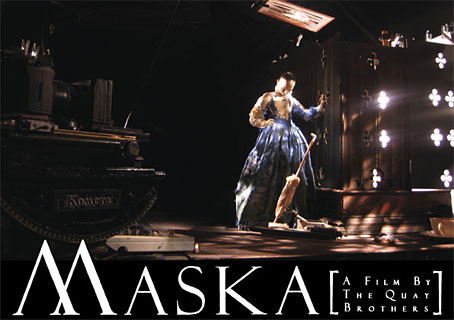
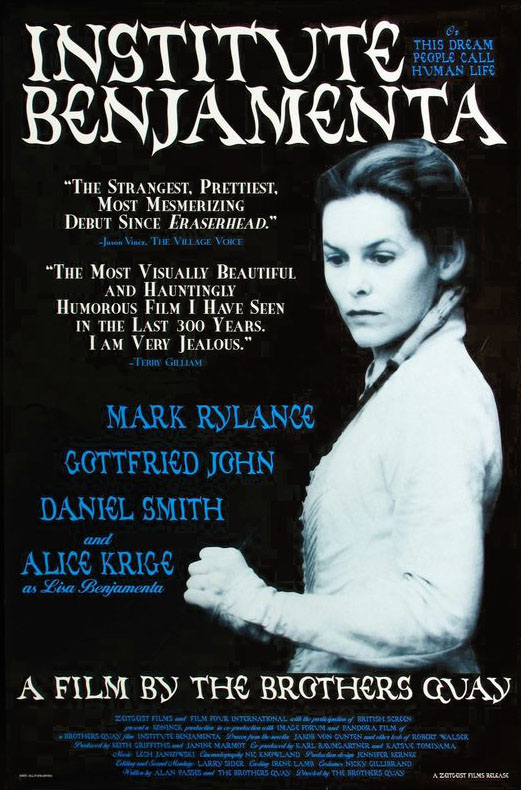
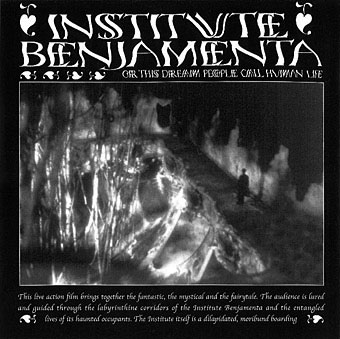
US one sheet (1996).

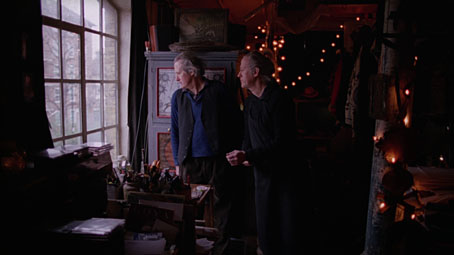
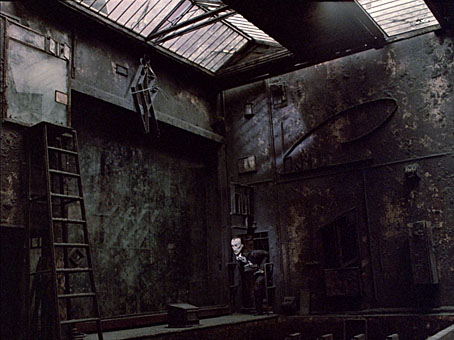
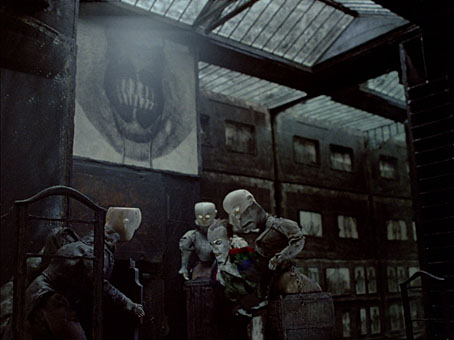
Heinrich Holzmüller (also spelt Holtzmüller) was a German printmaker and calligrapher active during the 16th century. He may have been dead for centuries but this inconvenience didn’t prevent him from appearing as an interviewer in the catalogue for the MoMA exhibition of artworks by the Brothers Quay that ran throughout the end of 2012.

ib4.jpg

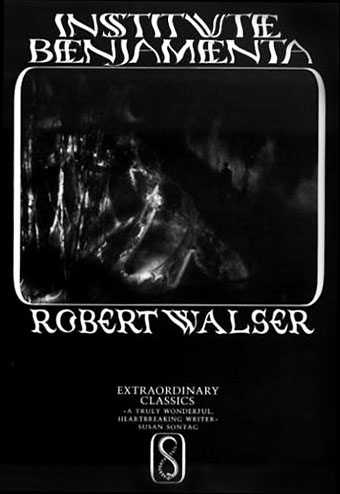
Film tie-in edition of Jakob von Gunten (1995).

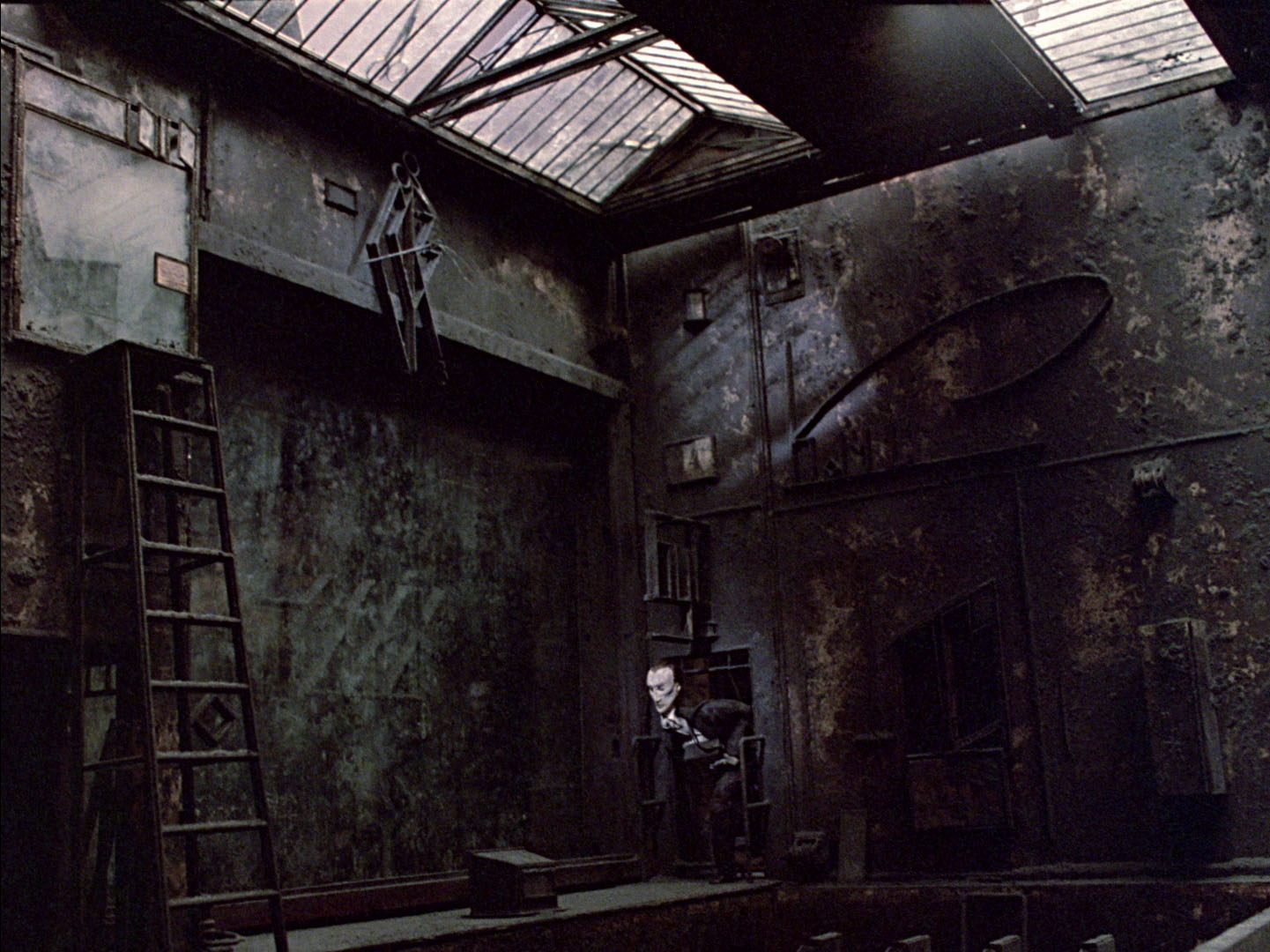
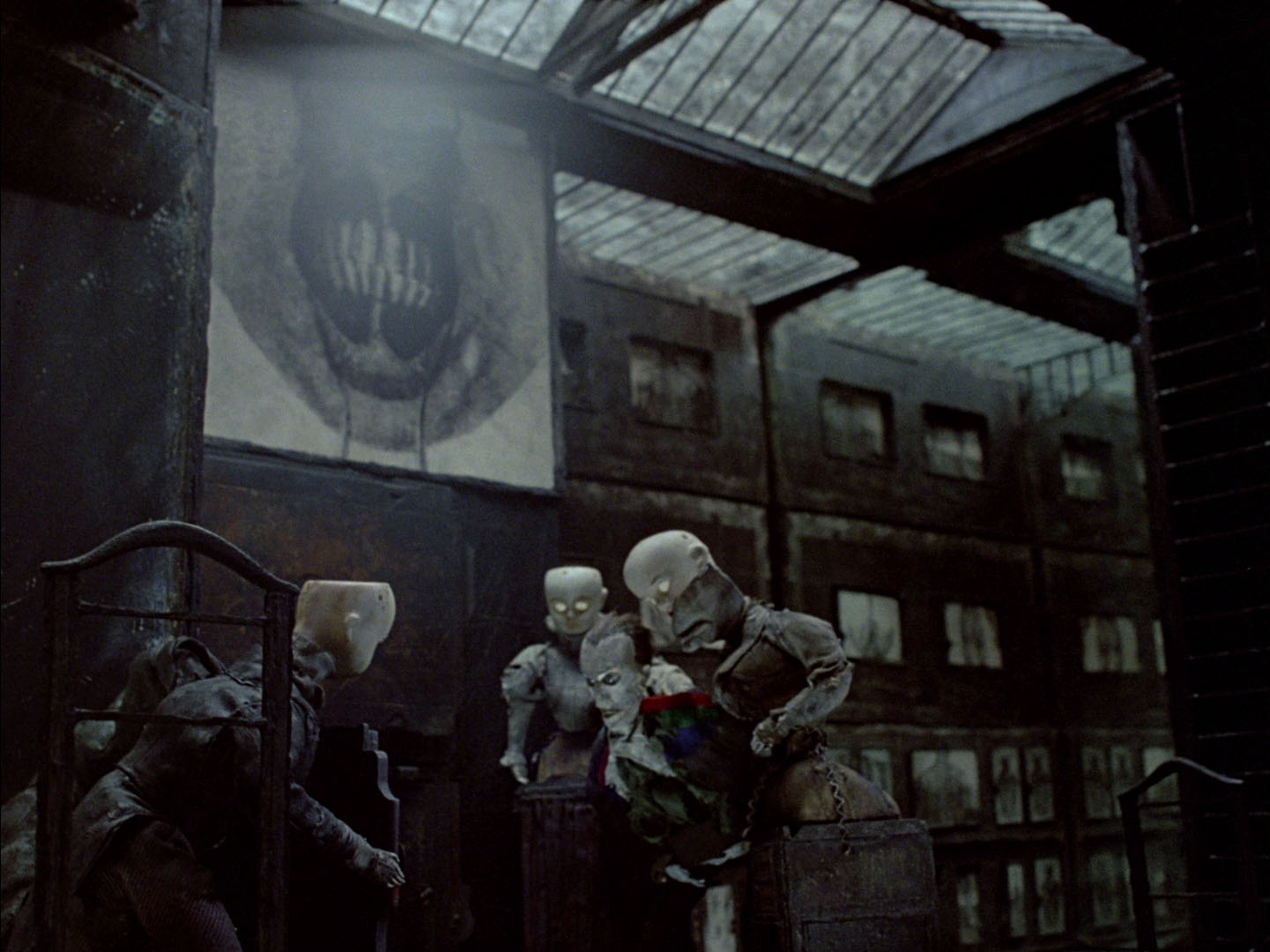
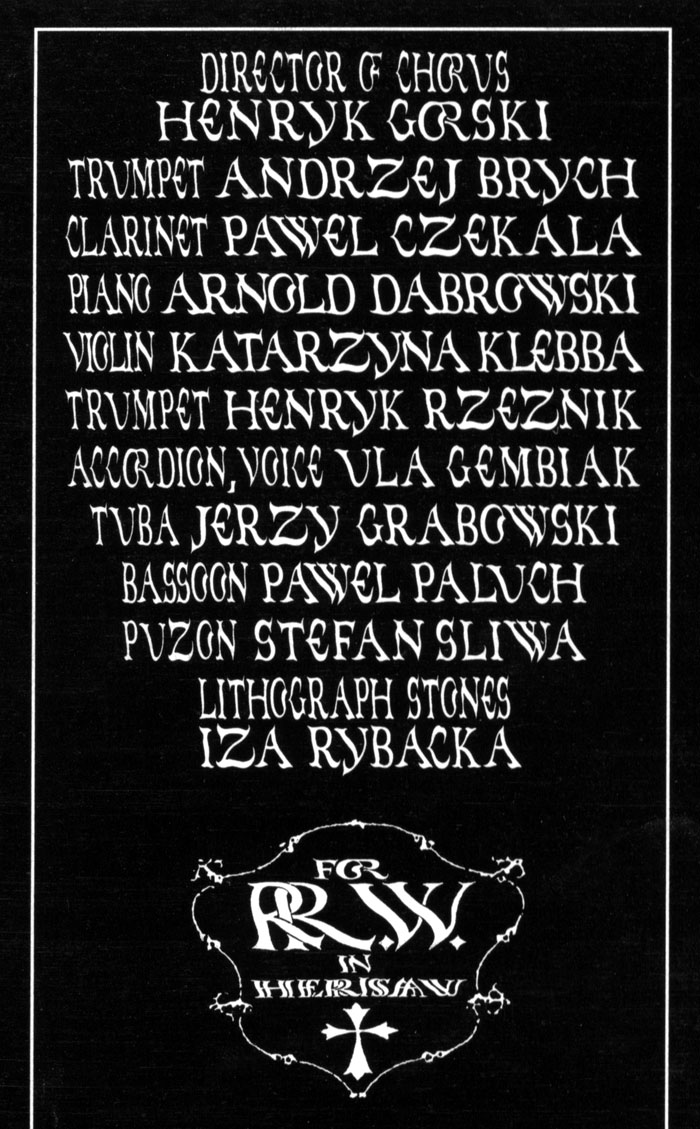
One of the more informative pieces of information to come from that interview concerned the Quays’ resurrection of typefaces designed by Holzmüller in his Liber Perutilis, a book about lettering and calligraphy published in 1553. The Quay versions were most visible around the time of the production of their first feature, Institute Benjamenta (1995): you can see them on the posters, on the cover of the Serpent’s Tail tie-in edition of Jakob von Gunten and also inside the rare soundtrack CD which the Quays designed for Lech Jankowski.

ib2.jpg

Institute Benjamenta soundtrack booklet (1998).

ib3.jpg

Institute Benjamenta soundtrack booklet (1998).

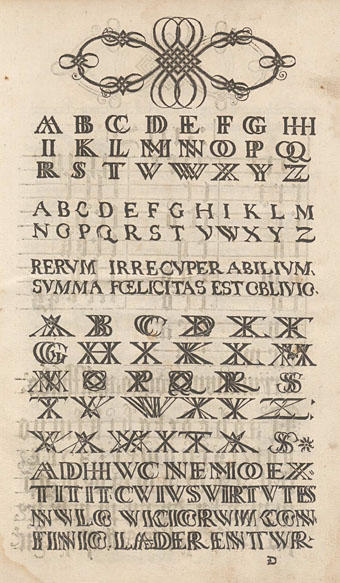
I’ve had the MoMA catalogue since it was published, and more than once had searched half-heartedly for Holzmüller’s book without success. A more recent search turned up the goods, however (sometimes it helps to keep following leads from one page to another): a copy of Liber Perutilis may be found online at the Universitätsbibliothek Basel.

holzmuller.jpg

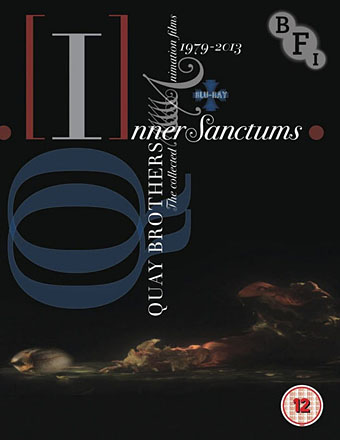
Liber Perutilis is only a short book compared to some in the field but it’s much more varied and original than others I’ve seen. Among the alphabets which the Quays digitised there are sets showing the letters doubled and tripled in the manner of monograms. The Quays have often signed themselves using a double Q so this may explain the attraction. The undoubled alphabet is especially striking for Holzmüller’s distortions of the letterforms which make them seem like characters viewed under rippled glass. At a time when most books about lettering and calligraphy were showing alphabets produced by careful and elegant hands this is a feature which to our eyes seems surprisingly advanced. The Quays have copied the alphabets fairly closely, making minor changes such as rounding off an E and adding the J and U which are always missing in Latin alphabets of the period. Elsewhere in the book there are many examples of calligraphic flourishes and some unusual pieces of decorative knotwork. As for Holzmüller’s posthumous interview, copies of the MoMA catalogue are still available, while the interview itself will be reprinted in the booklet for the BFI’s forthcoming Blu-ray collection, Inner Sanctums—Quay Brothers: The Collected Animated Films 1979–2013.

Elsewhere on { feuilleton }
The Quay Brothers archive
Weekend links 322

quays.jpg

• Cover art by the Quays for Inner Sanctums—Quay Brothers: The Collected Animated Films 1979–2013, a Blu-ray collection which will be released by the BFI next month. Being something of an obsessive where the Quays are concerned I have a lot of this material already (some of the films in multiple copies), but I’ve been hankering for a BR collection for some time. The new set will include everything that’s on the BFI’s DVD collection plus more recent films, some of which have been the subject of previous { feuilleton } posts.

• Aubrey Beardsley: “The subjects were quite mad and a little indecent. Strange hermaphroditic creatures wandering about in Pierrot costumes or modern dress; quite a new world of my own creation.” Alan Hollinghurst reviews the catalogue raisonné of Beardsley’s work.

• How to find the spirit of HP Lovecraft in Providence. Related: there’s now a funding page for the statue of Lovecraft by Gage Prentiss being proposed for downtown Providence. Read about it here.

• At The Quietus: Robert Barry on KPM and the history of library music, and James De Carteret on Mike Hodges’ underrated The Terminal Man (1974).

Michael Newton reviews Erica Wagner’s First Light, “a festschrift of essays, reminiscences, poems and stories dedicated to Alan Garner and his work”.

Cosey Fanni Tutti‘s forthcoming memoir Art Sex Music should prove more interesting than some of the recent music business autobiographies.

• Mixes of the week: A New Age mix by Matthewdavid, FACT mix 563 by Deerhoof, and Secret Thirteen Mix 193 by Nite Fields.

Underground music, echoes of war: using the vast Inchindown storage chamber for its resonant properties.

Totally Lost: a photographic and video exploration of abandoned European totalitarian architecture.

• More animation: Nonsense, Cartoons, and My Post-Soviet Adolescence by Naré Navasardyan.

Annie Rose on the allure of the predatory lesbian vampire in film.

• “Let’s write an encyclopedia of things blue,” says Bernd Brunner.

• Ferrets can be gods: Katherine Rundell on the inimitable Saki.

• The Mystery of Hieronymus Bosch by Ingrid D. Rowland.

iO-808: A TR-808 drum machine for browsers.

A Good Book

Terminal Hotel (1981) by Synergy | Sataan Is Real (1992) by Terminal Cheesecake | Terminal (1999) by Monolake

Unmistaken Hands: Ex Voto F.H., a film by the Brothers Quay

quays3.jpg

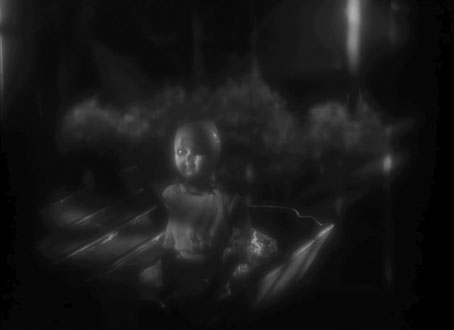
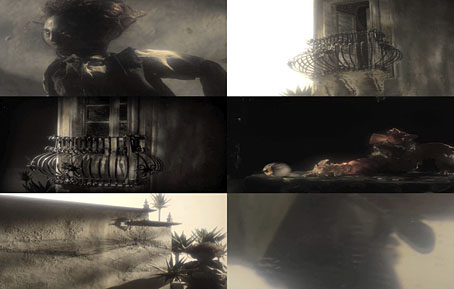
More from the Quays, and one of their most recent animated films. Unmistaken Hands: Ex Voto F.H. is a 25-minute piece made in 2013 for a commission from the Wexner Center for the Arts at The Ohio State University. The film is subtitled Fragments and Motifs from the Writings of Felisberto Hernández, the “F.H.” of the title. Hernández was a Uruguayan writer whose fabulist fiction has been praised by Italo Calvino and Gabriel García Márquez, and as with the Quays’ films based on the work of Bruno Schulz and Robert Walser it probably helps to be acquainted with the source. In this case I’m not, although reading a description of Hernández’s Piano Stories—the only (?) collection in English—I ought to remedy that.

quays4.jpg

The content may be South American but the Hernández’s fictional world is explored using the same accumulation of hints and allusions as in the films based on the work of European writers. The Quays’ recent shorts have favoured HD video and anamorphic distortion, and that’s the technique adopted here. I can’t fault their animation or their mise-en-scène but I keep hoping they might find a way to use video that has more of the grain and texture of their earlier films. I’m also hoping we might see these recent works gathered together in a disc collection in the near future. Unmistaken Hands: Ex Voto F.H. is a recent arrival at YouTube, and may not be there for long so watch it while you can.

Elsewhere on { feuilleton }
The Quay Brothers archive

Animation Magazine: The Brothers Quay

quays2.jpg

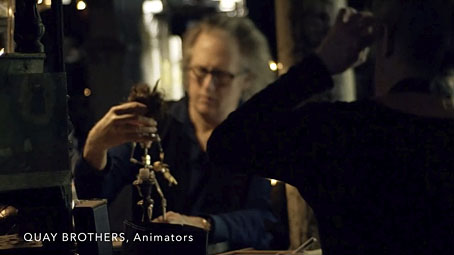
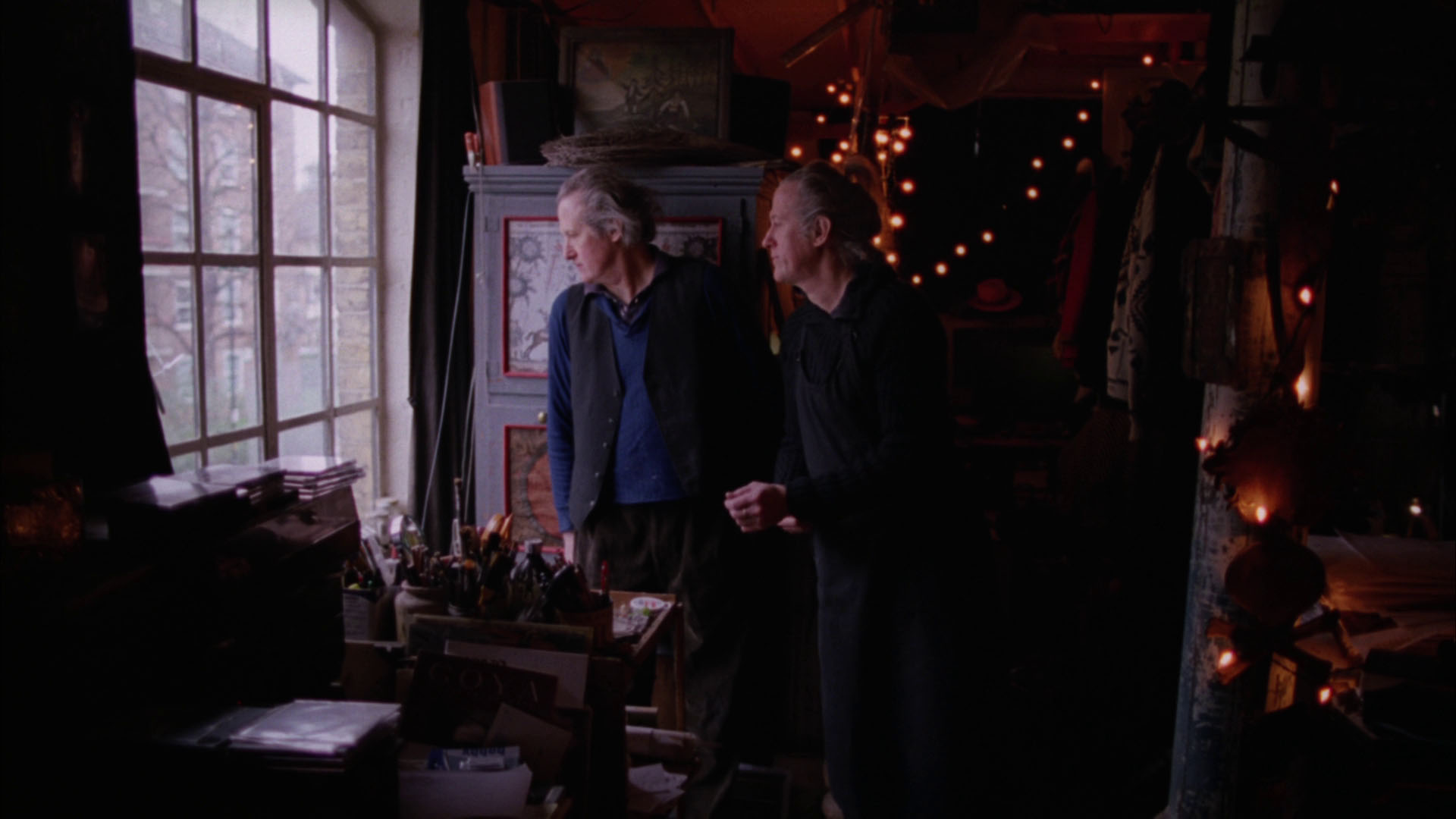
Interviews with the Brothers Quay have been quite plentiful in recent years—some may be found on their DVD releases—but for the Quay enthusiast some are more notable than others. This half hour programme for French TV stood out for me for taking place inside the London studio where many of the Quays’ short films have been made. The interview was conducted in 2002, and one of the brothers mentions that they may be leaving the premises soon; one of their exhibition catalogues has a recent photo of the studio so we can assume this wasn’t the case.

quays1.jpg

Since this was made for an animation series the discussion is mainly about the brothers’ animation techniques. There’s also some barbed comment later on about the conservative state of British television. The UK’s Channel 4 was a great champion of animation in its early days, and the channel’s budget for short films helped finance many of the early films by the Quays and their producer Keith Griffiths. This was at a time when there were only four TV channels to choose from; today we have numerous channels but no room on any of them for unusual or experimental fare. Similar sentiments are voiced on the BFI’s recent collection of Alan Clarke films. Just as there’s no room for the Quays in the current climate, there’s no room either for the single dramas that directors like Clarke were making in the 1970s and 1980s.

Elsewhere on { feuilleton }
The Quay Brothers archive

Weekend links 309

witch.jpg

From What is a Witch, “an illuminated manifesto on witchcraft” by Pam Grossman and Tin Can Forest.

• “The other strand of influence for me from dance music was a production house called Savoy in Manchester, England. They were a super underground publishing house that printed cartoons and comic books, and they also released a series of underground dance records. And they were always being shut down by the police and all their stuff was being confiscated, because it was considered ‘anti-society’ in England.” Anohni giving a shout to my colleagues at Savoy Books in a new interview.

Belladonna of Sadness (1973), a feature-length animated film by Eiichi Yamamoto, has been restored, and is being given a premier release in the US. There’s a review here and a trailer here. No news as yet of a UK release but Finders Keepers has the soundtrack album.

Alejandro Jodorowsky talks to Daniel Kalder about his new novel, Albina and the Dog-Men, while Jodorowsky’s comic-book collaborator, Ladrönn, talks to Smoky Man about their new graphic novel, The Sons of El Topo.

Pretty little watercolours these are not. Made by bulldozers and dynamite instead of a paintbrush and easel, the works—often sited on baking sandscapes—fuse minimalism and modern industrial aesthetics to evoke the otherworldly structures of ancient civilisations, from Stonehenge to Mayan temples and the Egyptian pyramids.

Alex Needham on America’s land artists. A few years ago I tracked down some of the structures he describes using Google Maps.

• In every dream home a heartache: High Rise director Ben Wheatley on adapting Ballard, practical special effects and ’70s parenting.

Tom Phillips: From Prequel To Sequel, an exhibition of pages from A Humument at Shandy Hall Gallery.

• From fresh food to magic mushrooms: Michael Pollan probes the medicinal uses of psychedelic drugs.

• “Let’s not forget graphic design is an artistic discipline,” says Jonathan Barnbrook.

Supervert discusses censorship and related matters at SomethingDark.

• “I’ve sung gospel music when in great despair,” says Diamanda Galás.

• Mix of the week: FACT Mix 550 by James K.

Boy Club is a new gay magazine.

Gospel Trane (1968) by Alice Coltrane | The Gospel Comes To New Guinea (1981) by 23 Skidoo | Gospel Train (1990) by African Head Charge