Saga de Xam revived

saga1.jpg

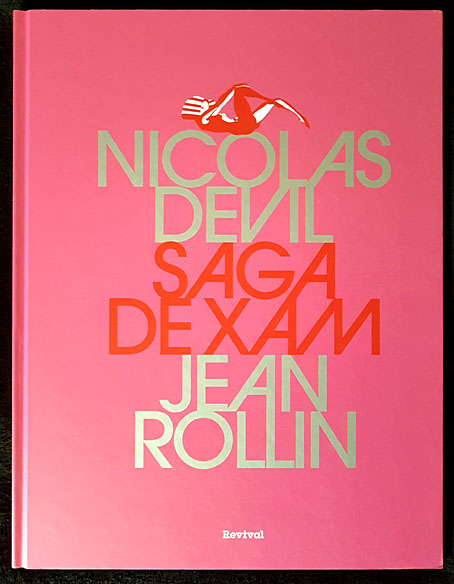
Saga est magnifique. Saga a la peau bleue. Saga est une extraterrestre. Envoyée par la reine de la planète Xam, la voici qui parcourt la Terre à plusieurs époques, traitées dans des styles différents. Son but: découvrir la quintessence artistique, politique et poétique de notre belle Terre. Marquée par l’Art nouveau, le psychédélisme américain, l’érotisme des années 1960 et la contreculture occidentale, Saga est une oeuvre hors norme et inclassable, dessinée sur des formats géants et publiée une première fois par Éric Losfeld en 1967. Hélas, le livre est très vite épuisé et devient un objet pour les collectionneurs. Cette édition reprend l’intégralité des planches de Saga, renumérisées et dotées d’une nouvelle mise en couleurs fidèle à l’originale. Saga peut enfin repartir dans une nouvelle… saga.

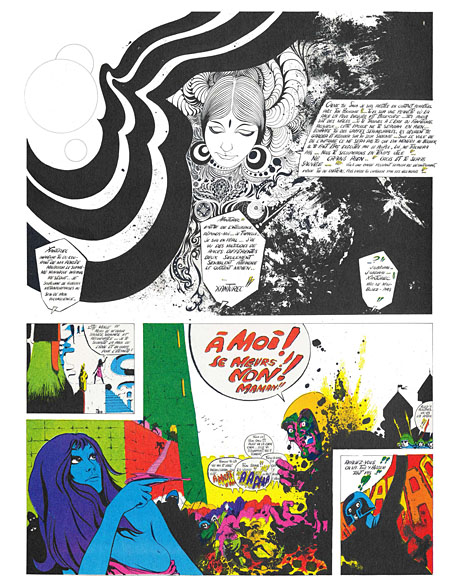
Here’s a book I never expected to see in a new edition. Saga de Xam is a 100-page bande dessinée depicting the time- and space-voyaging adventures of a blue-skinned alien woman, Saga, newly arrived on Earth from the planet Xam. The Xamians are a race of humanoid lesbians (their reproduction is parthenogenetic) whose planet is at war with the masculine Troggs; Saga has been sent to Earth to find a way to combat the Trogg invasion, an expedition that instructs her in the propensity of humans towards conflict and violence. The story was drawn by Nicolas Devil, with contributions from guest artists, and based on an outline by Jean Rollin which had been intended originally for a science-fiction film. There’s no need to go into detail about this cult item, I wrote about it at length several years ago after a couple of its pages stimulated my curiosity when they turned up in an exhibition catalogue. The book was published in 1967 by Éric Losfeld, an edition of 5000 which the publisher said he would never reprint, partly because of the expense, but also because he liked to think of the book becoming a rare object in the future. Rare it still is, although the embargo was broken in 1980, a year after Losfeld’s death, by the publication of a second edition. This was only a partial reprint, however, with a poor cover design and all the interior pages reproduced without their colour overlays.
saga2.jpg

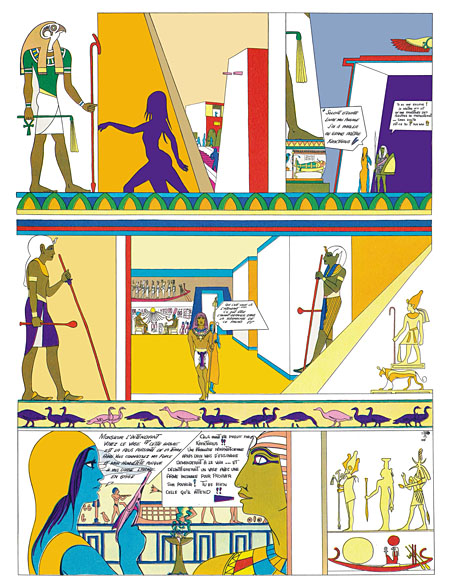
The new edition from Revival is slightly larger than the original (27.5 x 36 cm to the original 24 x 31 cm), and bound between heavy boards. A lengthy preface by Christian Staebler describes the book’s history, offering a few biographical details about Nicolas Deville (as he was known pre-1967), together with further information about the story’s creation. The wildness of the final pages is explained as an attempt by all involved to capture some of the delirium of an LSD trip, while also bringing the story of Saga’s investigation of the human race and its violent nature into the present day. Jean Rollin was apparently unhappy with this dénouement but I find the ending to be a satisfying one for a story where each chapter explores a different period of time (and of space, when Saga returns to her home planet).
saga3.jpg

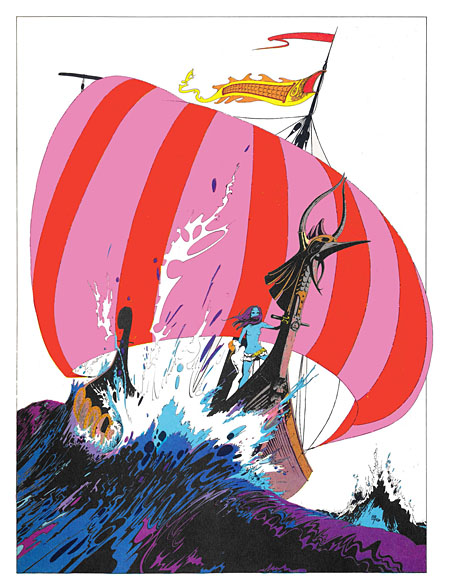
The icing on the cake is the appearance near the end of a few early drawings by Philippe Druillet, together with several beautiful pages by Devil, one of which found wider circulation when reprinted as a poster. The text in the new edition is still in French, of course, and even on slightly larger pages the legibility problem from the original remains. Devil was drawing on boards that were twice the size of their printed equivalents, without caring too much whether the story would be readable when scaled to a printable size. Losfeld’s solution was to provide a magnifying glass with each copy of the book. This isn’t too much of a problem; the story is easy enough to follow once you know the general outline, and for this story it’s the art that counts more than the words.
saga4.jpg

Continue reading “Saga de Xam revived”

Weekend links 670

mutzel.jpg

An octopus catching a lobster (1894) by Gustav Mützel.

• RIP Barry Humphries. He emailed me a couple of years ago in his capacity as a collector of fin-de-siècle art, hoping I might answer a question about a very obscure artist. If you require justifications for the blogging habit then add this to the list. Humphries’ first book, Bizarre (1965), is a more cerebral counterpart to Charles Addams’ Dear Dead Days, and a compendium of oddities that I’d buy if I ever saw it in a secondhand shop. RIP also to incendiary singer Mark Stewart.

• “Schulz gets compared to Kafka because of his dreamy, disconcerting stories, but in Balint’s book, a version of Schulz emerges that is closer to one of Kafka’s characters—a man on the run who can’t get past the city walls; an artist exiled by a shape-shifting, unknowable tormentor—than to Franz himself.” Leo Lasdun reviewing a new biography of Bruno Schulz by Benjamin Balint.

• “Instead of asking whether an octopus shows aspects of human intelligence, perhaps the better question is whether humans can show aspects of octopus intelligence.” David Borkenhagen on octopuses and what they might teach us about the perception of time.

• “Uproar was my element, I wanted to get people moving, the more they roared, the bolder I became.” The pioneering theatrical performances of Valeska Gert are explored at Strange Flowers.

• Digital copies of albums by the mighty Earth may currently be purchased at the group’s Bandcamp page for $1 each. I’ve got everything already but you may wish to sample something.

Charles Drazin on the director who dared to tell uncomfortable truths: Lindsay Anderson at 100.

Steven Heller on Commercial Art, a magazine from the 1920s that chronicled UK design.

• At Unquiet Things: The luminous drama of Frants Diderik Bøe’s bejewelled floral still lifes.

• New music: This Vibrating Earth by Field Lines Cartographer, and Draw/Orb by Extra.

• Mix of the week: XLR8R podcast 796 by Gold Panda.

• The Strange World of…Andrzej Korzynski.

The Jewel In The Lotus (1974) by Bennie Maupin | Jewel (1985) by Propaganda | Black Jewelled Serpent Of Sound (1985) by The Dukes Of Stratosphear

Bugged by Jaffee

jaffee-bug1.jpg

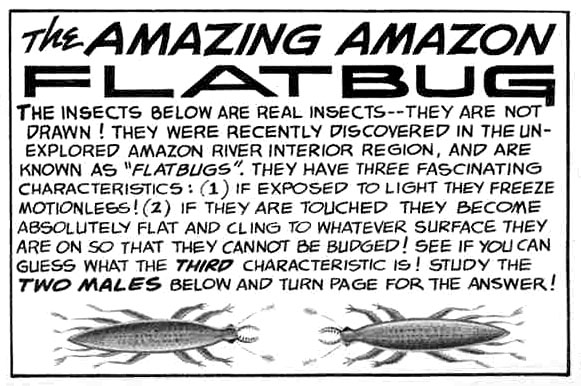
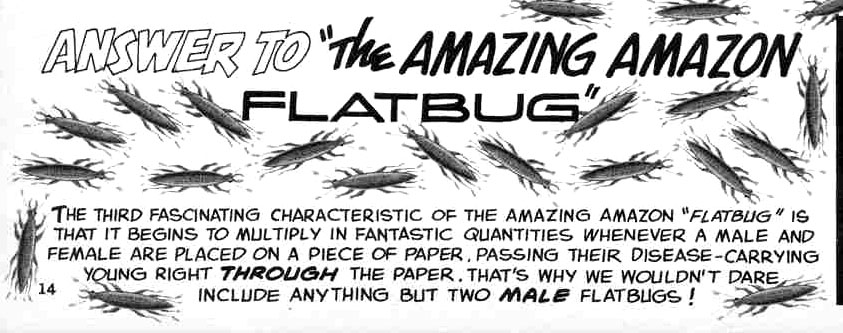
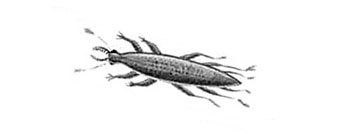
This one is for my own benefit as much as anyone else’s. Last week, after reading about the late Al Jaffee, I went looking for the panel you see above, a minor item in a much longer Jaffee feature for an issue of Mad magazine from the 1960s. The flatbugs have been one of my favourite Jaffee jokes for many years, but never having kept a note of which issue they appeared in I’ve always had a problem finding them when I’ve wanted to tell someone about them or see them again. On this occasion searches for various combinations of “mad”, “magazine”, “jaffee”, “bugs”, “flatbugs”, “flat bugs” yielded nothing other than a brief mention on a Reddit thread, along with too many articles about insect infestation. Google Books is sometimes useful for search leads but not this time. Twitter still has its uses, however; someone there had mentioned the flatbugs a couple of years ago, as well as the issue they appeared in, Mad no. 107 for December 1966, so here they are at last.

jaffee2-bug2.jpg

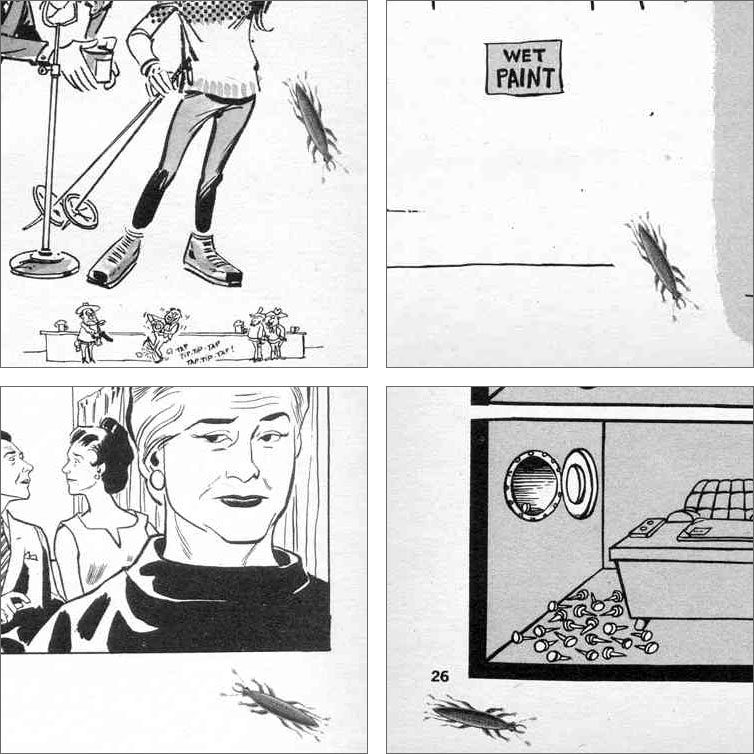
The thing that made the flatbugs so memorable (if not locatable) was that this is a rare Mad joke that’s allowed to extend throughout the rest of the issue. Jaffee’s bug panels occupied two corners of a three-page collection of puzzles and visual gags which is why they’ve always been difficult to track down, you won’t see any mention of them in an index or table of contents. Despite this, issue 107 really ought to be called the flatbug issue. Once you’ve read about the breeding habits of the creatures you start seeing more of them on the pages that follow, even those by artists other than Jaffee; the last of the bugs appears on Jaffee’s fold-in page. This has some precedent in the tiny Sergio Aragones cartoons that appeared in the page margins but I’ve not seen any other one-off gags used like this. Jaffee is lauded for his fold-ins but this shows him playing with the form of the magazine in a different way, suggesting that these were real creatures, albeit motionless and almost two-dimensional.

jaffee-bug4.jpg

I only got to see issue 107 a few years ago when scanned copies of the magazine began to turn up online. Prior to this I knew the flatbugs from one of the reprint books which were all you got to see of older copies of Mad magazine outside the US. I might never have seen these either if it wasn’t for a friend at school who collected humour paperbacks. He had a huge stock of the things, not only the Mad books but many of their spin-offs by Al Jaffee, Don Martin and co. The book with the flatbugs, Rip Off Mad, dates from 1973 but most of the material inside is from the previous decade. I’ve not seen a copy of this since the 1970s but I know that the bugs spread throughout the book just as they did in the magazine, even though the contents were different to issue 107.

lambshead.jpg

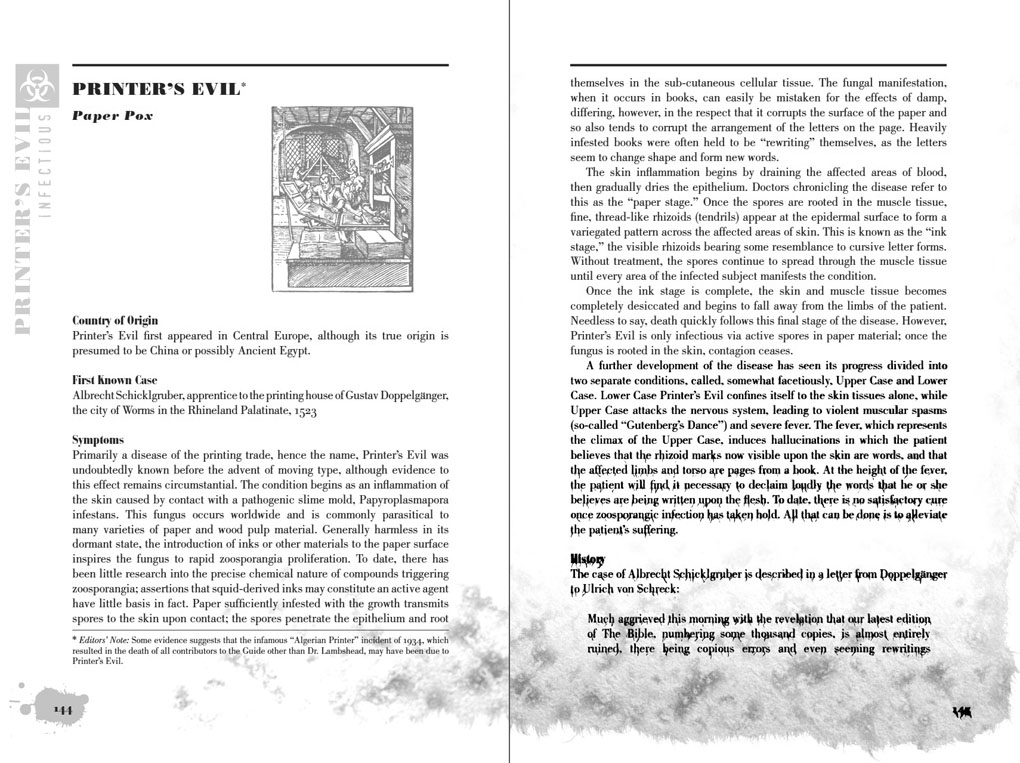
In 2003 the flatbugs came to mind when I was writing my entry for the Thackery T. Lambshead Pocket Guide to Eccentric and Discredited Diseases. My disease, “Printer’s Evil”, is a fungal growth that infects paper, and thereby passes to anyone who touches an affected page. The entry itself was, of course, contaminated in this way. Ideally one of the pages for this section would have had a frayed edge but there wasn’t the budget for such indulgence. If you do have the budget then the possibilities expand for humorous invention. The first Monty Python book, Monty Python’s Big Red Book, features a die-cut page (below), while Eric Idle’s Rutland Dirty Weekend Book has a parody of Rolling Stone magazine (Rutland Stone) printed on smaller-sized newsprint pages bound into the centre of the book. The Python books were developing a convention established by Mad (and continued in National Lampoon) of parodying print media in exacting detail, matching fonts, layouts, graphics and so on. (See this article.)

python.jpg

From the Python books. Left: Monty Python’s Big Red Book (1971); right: The Brand New Monty Python Bok (1973).

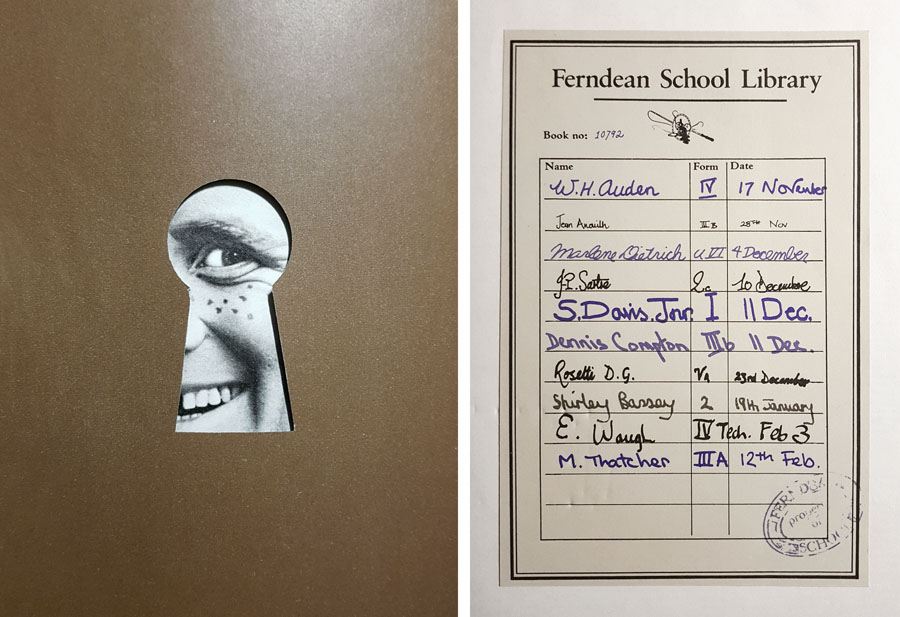
The pinnacle in this sphere is The Brand New Monty Python Bok, with its smudged fingerprints printed on a white dust-jacket (which prompted complaints from booksellers), beneath which you find a cover for a very different book, Tits ’n Bums: A Weekly Look at Church Architecture, a cover that must cause problems for resale if the dust-jacket is missing. Inside the book there’s a tipped-in library card showing the names and signatures of previous owners, while two differently-sized supplemental sections are bound into the pages. In the early 1960s Terry Gilliam had worked for Harvey Kurtzman’s Help! magazine so there’s a direct line from Python back to Mad, especially when other artists on the Help! staff included Mad regulars Al Jaffee, Jack Davis and Will Elder; Kurtzman and Gilliam subsequently collaborated on a puzzle book where the graphics and the humour sit mid-way between Mad and Monty Python. The Mad-like quality of The Brand New Monty Python Bok is reinforced by a pair of Gilliam comic strips. Jaffee’s flatbugs would be (immovably) at home there.

Previously on { feuilleton }
Blivets
The Thackery T. Lambshead Cabinet of Curiosities
Gilliam’s shaver and Bovril by electrocution
Portuguese Diseases
Pasticheur’s Addiction

jaffee-bug3.jpg

Kris Guidio, 1953–2023

kris.jpg

A self-portrait, 2011.

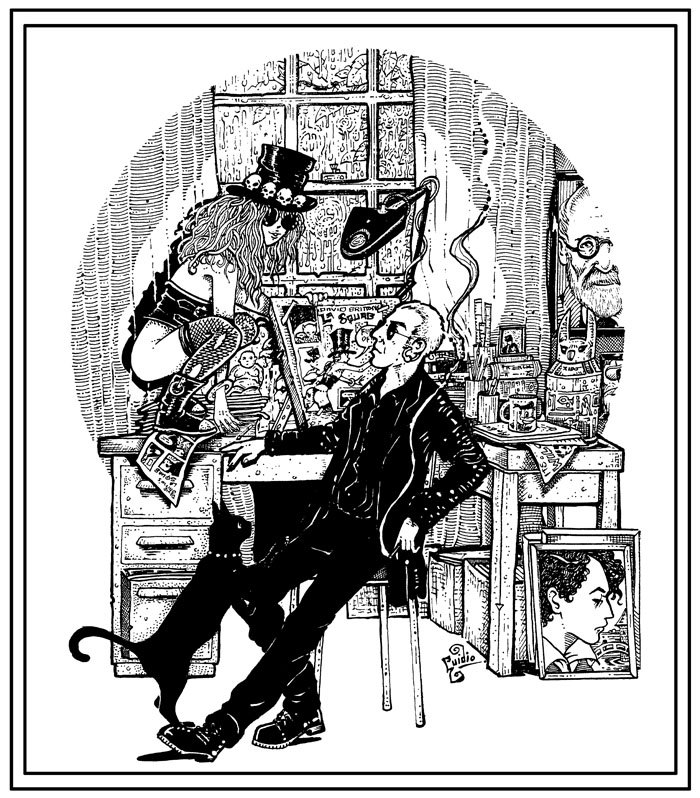
Farewell to the artist I used to refer to as my partner in art-crime. We weren’t really criminals but in the 1990s we’d both seen our published works for Savoy Books condemned as obscene in British courts of law, a farcical set of circumstances looking back, although it all seemed serious enough while it was happening. Kris and I began working for Savoy in the late 1980s, during which time our creative confederacy might be characterised as familiarity at a distance. He lived in Liverpool, and generally remained there, while the rest of us were in Manchester, so I saw his drawings much more than I saw him in person. I don’t think I ever met him more than 10 times in 30 years, yet his art was as familiar as my own, especially when I was being called upon to add backgrounds to some of his figures. I even ended up making a font based on the lettering he used in his comic strips in order to standardise the captions in the later books.

cramps1.jpg

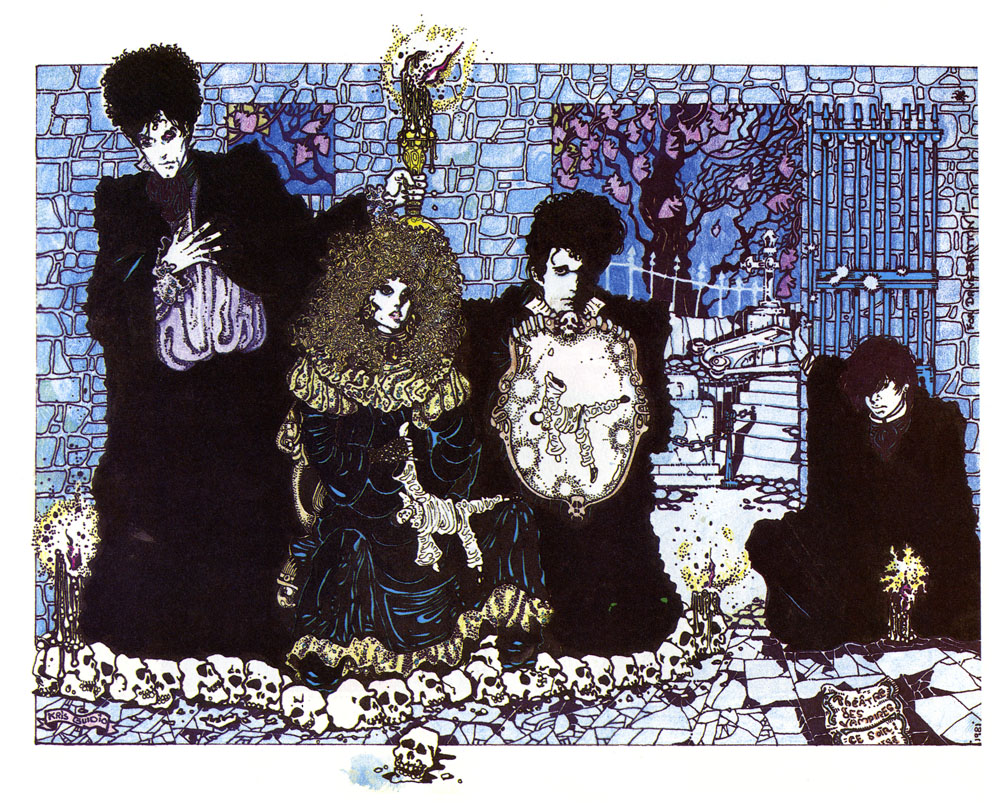
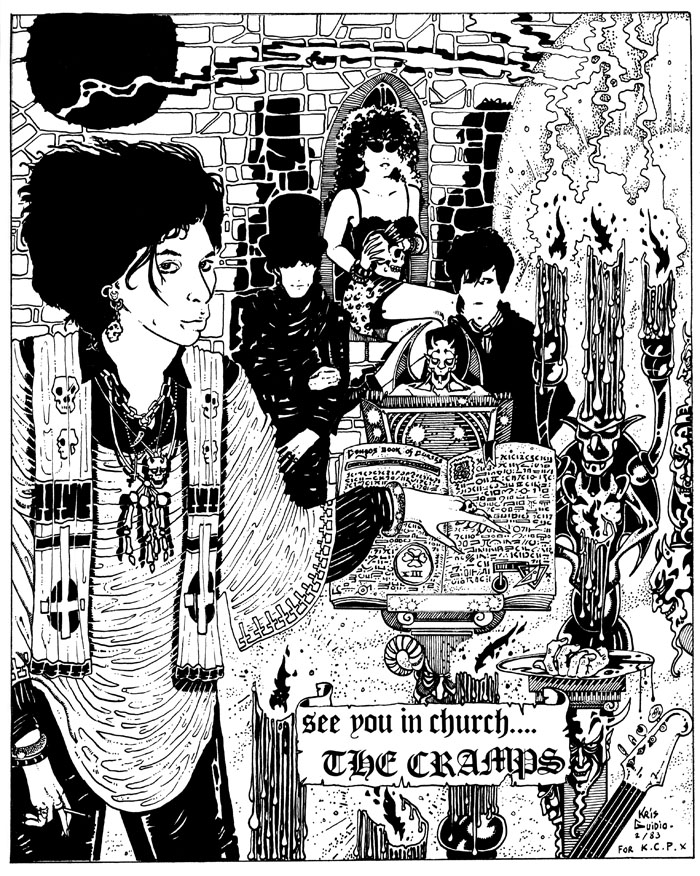
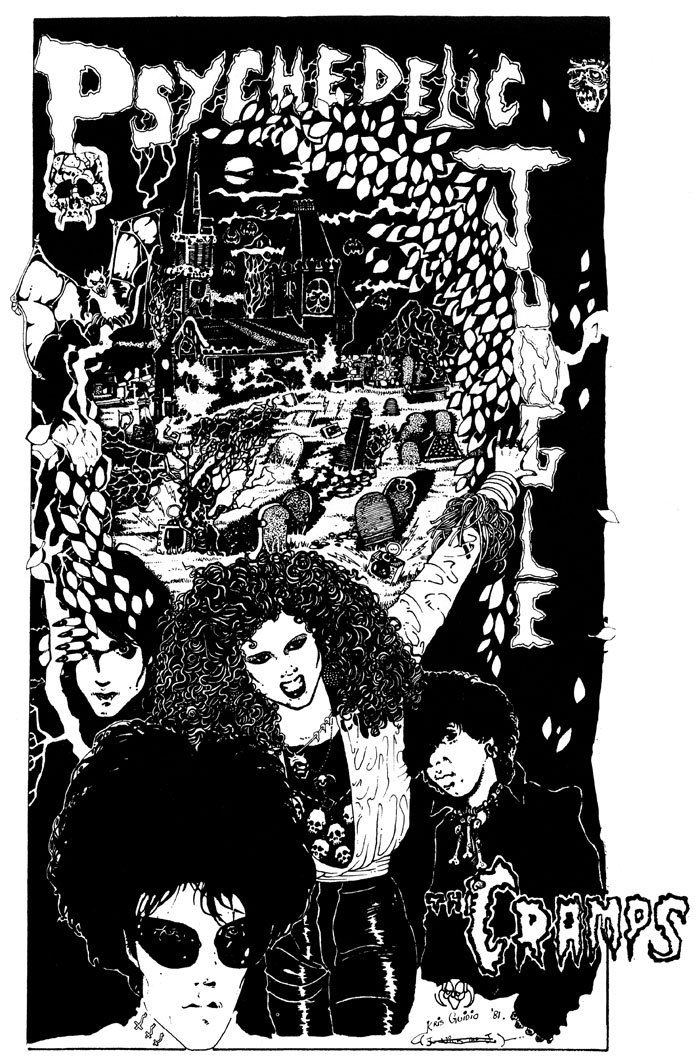
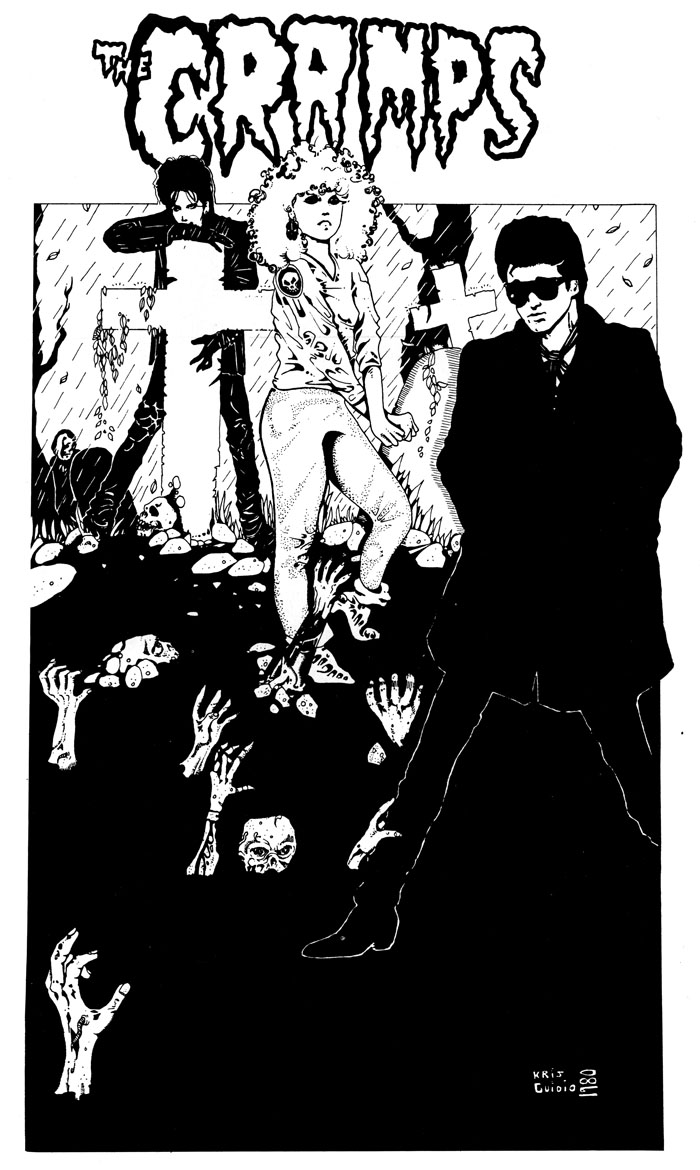
Kris and I shared a symbiotic relationship with writer David Britton, who pushed the pair of us to take our art into places we might otherwise have avoided, while we opened up artistic possibilities for Dave’s characters and the settings they occupied. We were an ideal team in this respect, each of us having strengths in different areas that suited the titles on which we worked. I brought a greater sense of realism to the Lord Horror comics, while Kris developed a hitherto unexplored flair for satire and caricature in the Meng & Ecker series. Kris was a natural cartoonist, as well as a natural humorist to a degree you wouldn’t have predicted looking at his early strips and illustrations featuring The Cramps.

cramps2.jpg

The Meng & Ecker comics provoked the ire of the authorities, thanks in part to Dave’s frequent digs at the Greater Manchester Police, but there was a lot more to Kris’s art than outrage, a quality which is always easy to generate if you push the right buttons. His Cramps strips are gems of that minor form, the rock’n’roll comic, while his later illustrations for the La Squab character had a lightness of touch that suited Dave’s conception of a world where fairy tales and childhood fantasies collide with adult themes and sensibilities. Kris’s art was analogue to the last (I don’t think he ever owned a computer), drawn with whatever pens he had to hand; watercolour-hued, and fuelled by endless cigarettes. Kris in person was generous, witty, and erudite in the autodidactic manner common to all at Savoy. Remote or not, we’ll miss him here.

Further reading:
Sinister Legends (1988)
The Adventures of Meng & Ecker (1997)
Fuck Off and Die (2005)
La Squab: The Black Rose of Auschwitz (2012)

cramps3.jpg

cramps4.jpg

Continue reading “Kris Guidio, 1953–2023”

Eco calls on Cthulhu

eco2.jpg

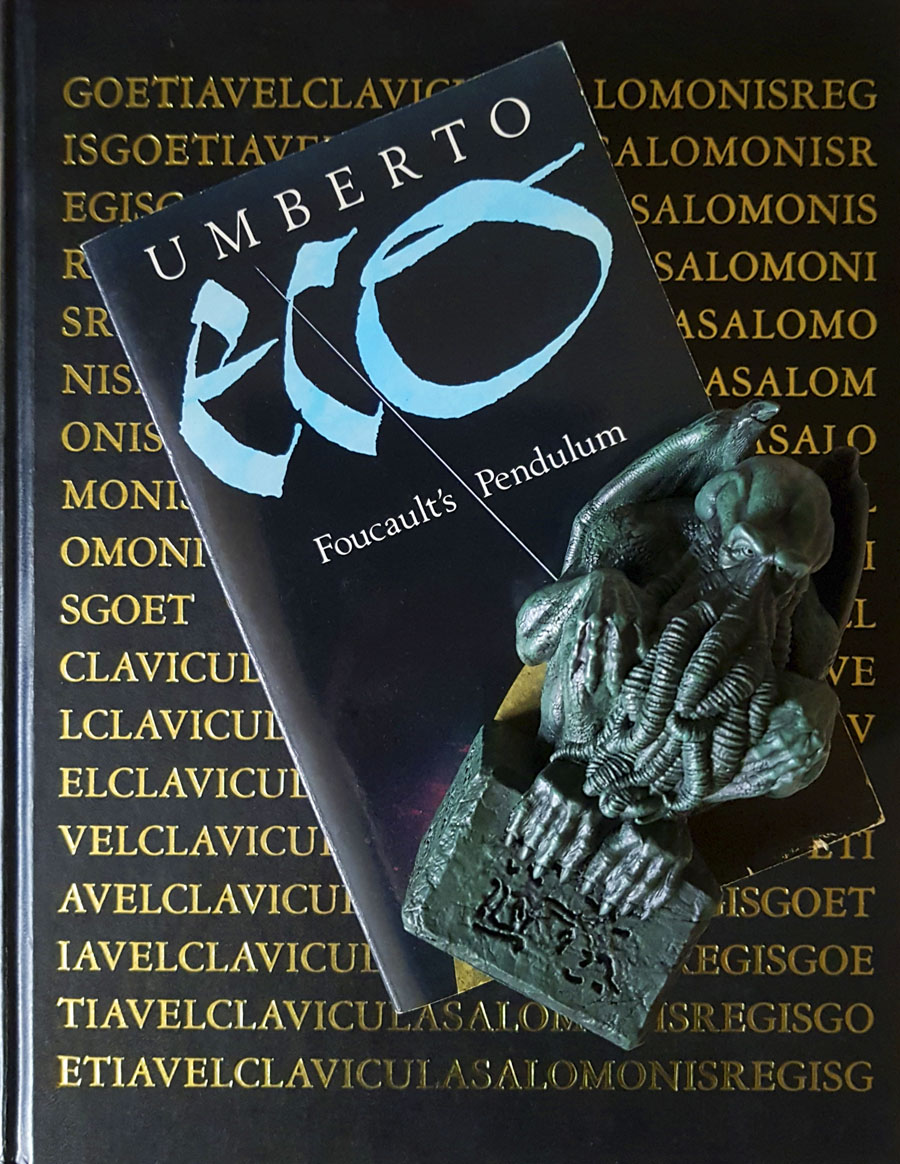
In which Umberto Eco nods fleetingly to the Cthulhu Mythos near the end of his second novel, Foucault’s Pendulum. I’d show you more of the relevant passage (below) but it’s rather spoilerish if you haven’t read the book. This turned up during a re-reading, my first since the novel appeared in paperback in 1990. A reference like this doesn’t stand out as much as it might elsewhere, not when the text that precedes it is stuffed to the gills with esoterica. Several hundred pages of occult history made me forget that Eco had hauled Lovecraft into his compendious fabulation along with everything else.

eco1.jpg

Ishmael Reed was responsible for returning me to Eco’s novel as a result of an earlier re-read of Mumbo Jumbo, Reed’s fictional account of voodoo, jazz, politics and many other things in the America of the 1920s. Eco was already in mind prior to this since I’d been working my way through his essays and lectures. (As I still am. He wrote a lot of the things.) Mumbo Jumbo‘s exploration of occult knowledge and occult conspiracy summoned vague memories of Foucault’s Pendulum, which made me realise that I didn’t remember very much at all about Eco’s novel even though both books share an interest in the tangled history of the Knights Templar. To the top of the pile it went.

It’s been interesting reading Eco’s novel again. For a start, it was funnier than I remembered, although this may be a result of my being much more familiar with the publishing business than I was in 1990. The story concerns a trio of men who work for a small publishing house in Milan, a division of which is devoted to the works of self-financing authors or “SFAs”. A vanity press in other words. A potential SFA turns up with a crank book rather similar to The Holy Blood and the Holy Grail, then abruptly disappears without collecting his manuscript. Curiosity, idleness and invention inspire the trio to improve upon the manuscript’s occult conspiracy in a manner that knits together just about every aspect of Western mysticism there is, and even some of the Eastern ones: Rosicrucianism, alchemy, the Kabbalah, Atlantis, the Illuminati, ley lines, the Hollow Earth, Stonehenge, etc, etc; it’s all in there. This is the thing they eventually call “the Plan”, a kind of Unified Field Theory of esoteric knowledge, and a contrivance whose fabrication is assisted by further SFA manuscripts arriving as candidates for a new line of “Hermetic” books. Problems arise for the publishers when their elaborate intellectual game ends up being taken for a serious revelation by a group of fanatical mystics. Eco’s novel demonstrates the pleasures of creative apophenia—the trio are continually challenging each other to fit a new piece of historical data into their scheme—while also acting as a warning that any halfway plausible Plan has the potential to be taken seriously by credulous cranks. As Lia, the novel’s voice of reason, says:

People are starved for plans. If you offer them one, they fall on it like a pack of wolves. You invent, and they’ll believe. It’s wrong to add to the inventings that already exist.

Eco explored this phenomenon more seriously in a later novel, The Prague Cemetery, which invents an author for the notorious Protocols of the Elders of Zion, a Plan whose conspiratorial claims continue to fuel anti-Semitism the world over. The internet has only accelerated Plan-construction, and I imagine Eco would have been simultaneously fascinated and appalled by the feeble imaginings of that ex-football player with the lizard obsession, and the shambling, frothing Q-mob with their Very Important jpegs. (What is it the latter are always saying? “Trust the Plan”… And having mentioned Mr Icke, I just put his name into Google only to find that the latest extract from his Twitter feed has him talking about the Holy Grail. Welcome to the Crank Zone.)

Continue reading “Eco calls on Cthulhu”