Carl Larsson’s Angel of Death

larsson01.jpg

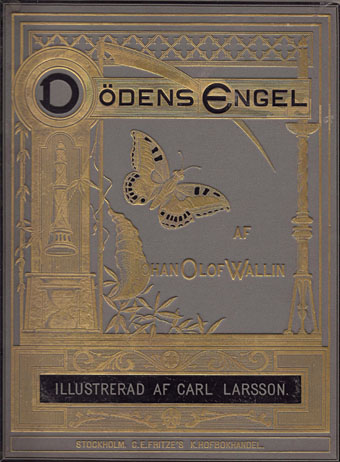
I’ve known the work of Swedish artist Carl Larsson (1853–1919) for many years via a collection of drawings and paintings of the artist’s family and home life, light works created between bouts of more serious painting. The interiors in the At Home series are especially good, meticulously rendered watercolours which today resemble the kinds of delineations found in Continental comic books. Less familiar is the work Larsson created prior to these drawings.

larsson02.jpg

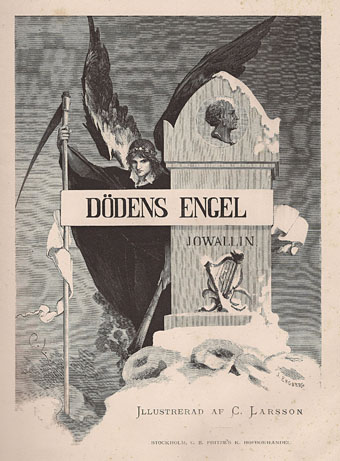
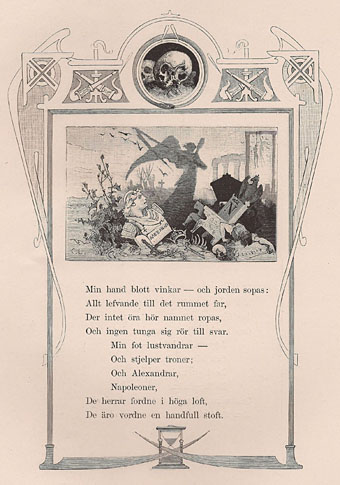
Dödens Engel (The Angel of the Death) is a book-length religious poem by Johan Olof Wallin inspired by the cholera epidemic of the 1830s, the same epidemic that Poe writes about in The Sphinx. Larsson illustrates every page of this edition from 1880, deploying the full range of traditional death symbolism: skulls, hourglasses, scythes, extinguished torches and so on.The sombre imagery makes a striking contrast with the pictures of Larsson’s home life yet the painting for which he hoped to be remembered, Midvinterblot (1915), is equally doom-laden, a huge canvas that depicts a king preparing to sacrifice himself to spare his people from famine.

larsson03.jpg

Continue reading “Carl Larsson’s Angel of Death”

1918

dardel.jpg

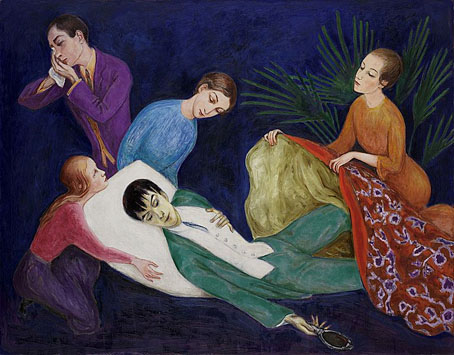
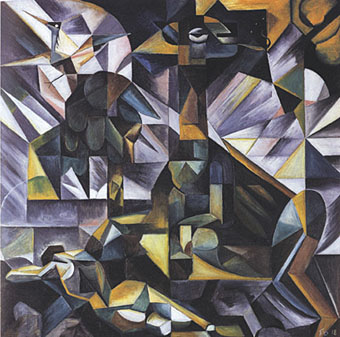
The Dying Dandy by Nils Dardel.

Wishing you all a happy new year with a small selection of art from a century ago.

baumann.jpg

Schicksal by Fritz Baumann.

blumenfeld.jpg

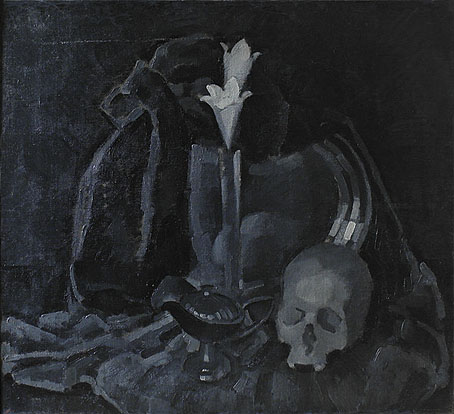
Black Still Life by Genrich Matveevich Blumenfeld.

dechirico.jpg

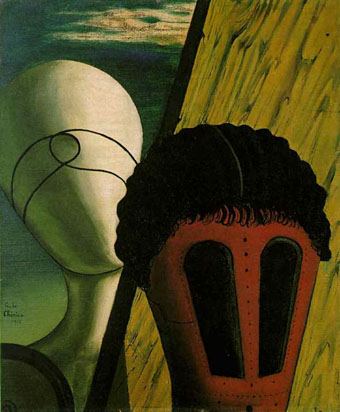
Two Heads by Giorgio de Chirico.

Continue reading “1918”

The weekend artists, 2017

images.jpg

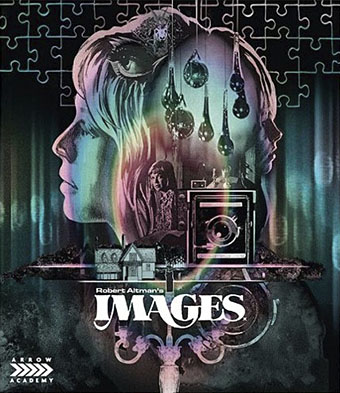
Art by Twins of Evil for the forthcoming blu-ray from Arrow Academy.

The laziest post of the year is invariably a review of the artists/designers/photographers featured on the weekend posts, so here’s another end-of-year list for you. Scroll down to see what caught my attention over the past twelve months.

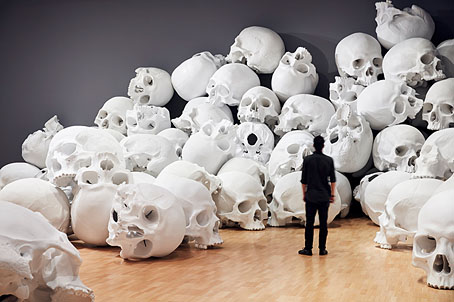
mueck.jpg

Mass by Ron Mueck at the National Gallery of Victoria Triennial. Photo by Tom Ross.

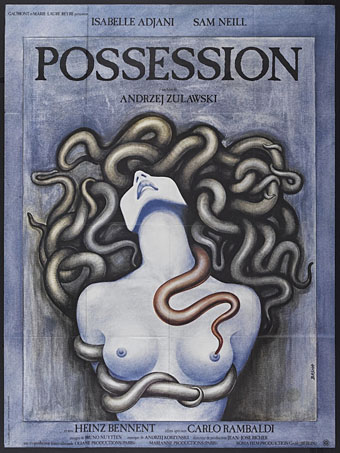
possession.jpg

French poster by Basha (Barbara Baranowska) for Andrzej Żuławski’s extraordinary Possession (1981).

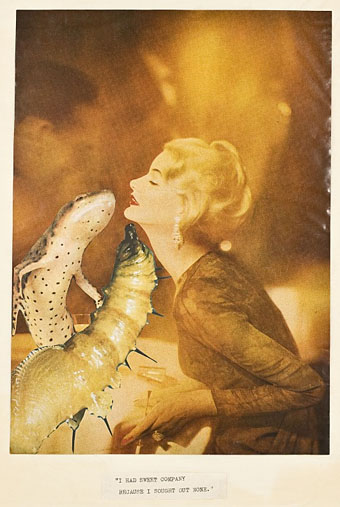
adam.jpg

I Had Sweet Company Because I Sought Out None. Collage by Helen Adam.

nakayama.jpg

Still of an Alive Painting by Akiko Nakayama.

Continue reading “The weekend artists, 2017”

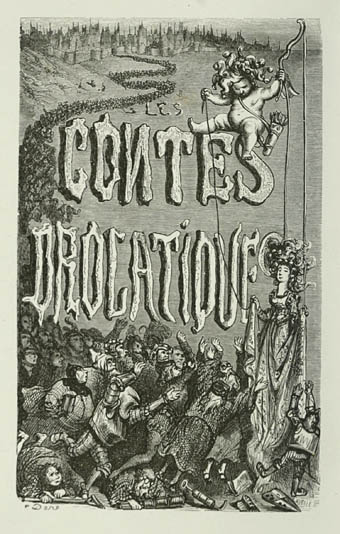
Gustave Doré’s Contes Drolatiques

dore01.jpg

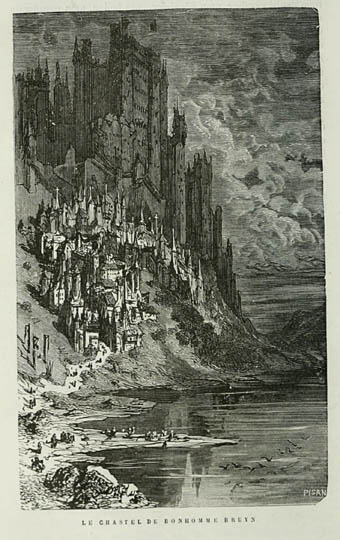
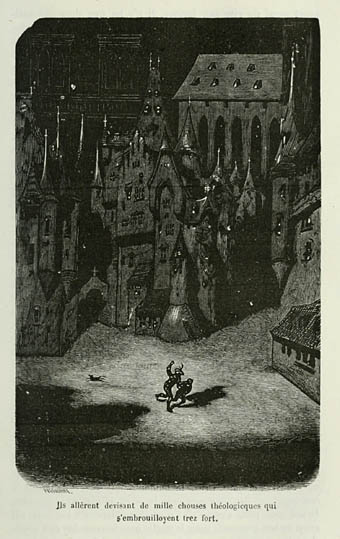
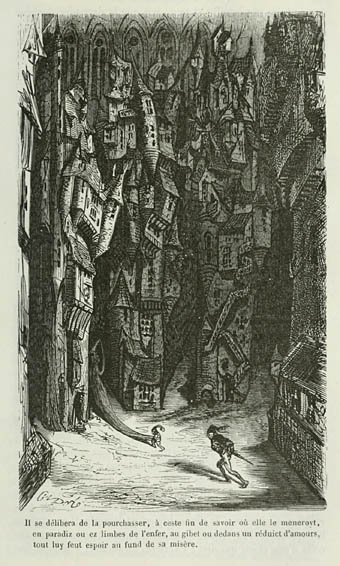
I mentioned Gustave Doré in the Émile Bayard post last week so here’s something from the man himself. I’ve known a couple of the pictures in this 614-page volume for a long time but it’s taken me until this week to look through them all. Doré began his career as a creator of humorous illustrations, and his early illustrated books were at the lighter end of the scale. His flair for the comic and the grotesque are combined in this 1855 edition of Balzac’s stories with a total of 425 drawings, some of which feature the artist’s taste for violent death. As always with Doré, his drawings were filled and embellished by a team of engravers but this is still a remarkable amount of work. What you see here is a necessarily small selection of the full-page pictures; the entire book may be browsed at the Internet Archive.

dore02.jpg

dore03.jpg

dore04.jpg

Continue reading “Gustave Doré’s Contes Drolatiques”

Émile Bayard’s Histoire de la Magie

bayard11.jpg

Regular readers may have noticed my persistent urge to trace the provenance of certain images or designs. The latest candidate is the above illustration of a witches sabbat, a picture familiar to readers of occult histories in addition to appearing on at least two album covers. It’s the use in occult books which no doubt drew it to the attention of composer John Zorn who used it as a cover image in 2004 for his Magick album, one of a series of occult-themed recordings. The album credits the artwork to Gustave Doré, a plausible candidate given the engraving style but I’m familiar enough with Doré’s work to doubt that it was one of his.
bayard01.jpg

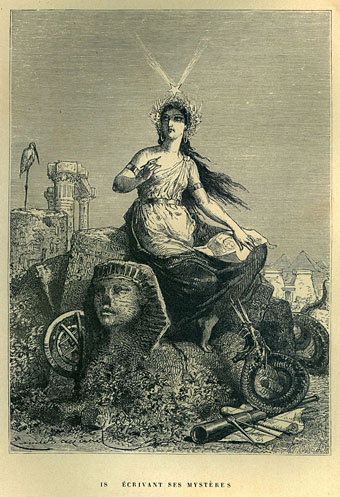
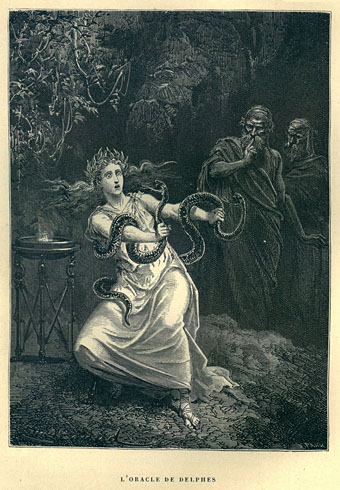
Earlier this week I was looking for more occult-related imagery so finally conducted a proper search for the sabbat picture. The origin is a French volume by Paul Christian, Histoire de la Magie, Du Monde Surnaturel Et de la Fatalite a Travers Les Temps (1870), and the full-page illustrations are by Émile Bayard (1837–1891). The Doré identification was partially correct since Bayard was a contemporary of Doré’s, and the drawings were engraved by François Pannemaker, an engraver who worked on many of Doré’s books as well as the Hertzel editions of Jules Verne. Émile Bayard is one of those artists whose name is unknown today even though people throughout the world would recognise one of his drawings; his illustration of Cosette from Victor Hugo’s Les Miserables provided the face seen on all those posters and hoardings promoting the popular musical.
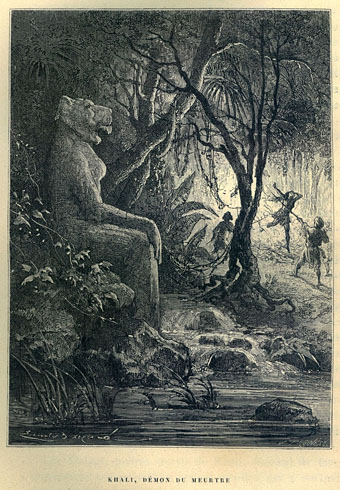
bayard02.jpg

“Paul Christian” was the nom de plume of Jean-Baptiste Pitois (1811–1877), and his study of occult history was a popular book when it first appeared. I can’t say much about its contents but the illustrations (of which these are a selection via this page) show a range that encompasses various myths and religions as well as the expected variants of Western occultism. I’d seen several of Bayard’s other illustrations in a more recent French history of the occult, where the pictures are uncredited. I’ve suspected for years that they might be by the same artist responsible for the sabbat picture so this discovery has laid another nagging question to rest.
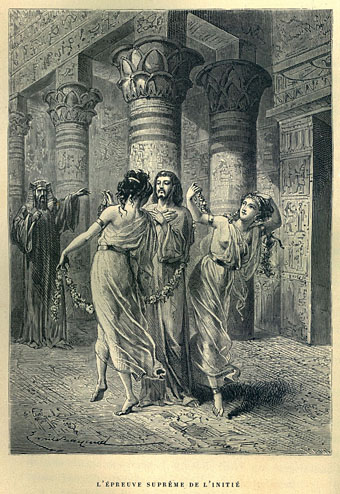
bayard03.jpg

Histoire de la Magie isn’t among the scanned books at the Internet Archive, unfortunately, but a copy may be viewed at Gallica. It’s a shame this is one of Gallica’s older scans which spoils the artwork but you can at least seen the book in full. An English translation was published in the US in 1969, containing notes and additions by living occult experts, but I’ve yet to discover whether this edition retained Bayard’s pictures.
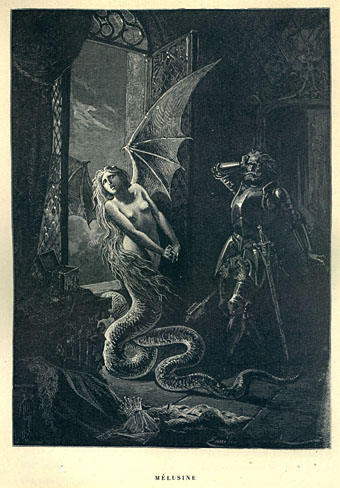
bayard04.jpg

bayard05.jpg

Continue reading “Émile Bayard’s Histoire de la Magie”