Weekend links 478

trip.jpg

Poster by Tadanori Yokoo for The Trip (1967).

• Post of the week is this long-overdue introduction by Warren Hatter to the French rock and electronic music of the 1970s and 80s, a variety of Continental culture which has never commanded the same level of interest in the Anglophone world as its German equivalent. The music made in Germany in the 1970s became popular in Britain thanks to record labels UA and Virgin, and support from enthusiasts like John Peel, but the label “Krautrock” demonstrates how even a favourable form could be promoted in a manner not much better than a tabloid slur. French underground music, as Hatter notes, was never recognised enough to be explicitly labelled although the term “Eurorock” was common for a while in the UK music press, useful for avoiding the slurs while also ignoring national boundaries. Now that German music of the period has been thoroughly explored, resurrected and plundered, more attention may be given to the musicians across la Manche.

Related: Eurock, the long-running distributor/publisher/website/podcast; David Elliott’s Neumusik fanzine, 1979–82; Richard Pinhas: Electronique Guerilla – A Profile by Tony Mitchell; and (linked here before) a Discogs list, French Underground Rock—1967/1980.

• More music: The Flower Called Nowhere, a previously unreleased instrumental version by Stereolab, and Midsummer’s Queen by Meadowsilver.

• Hard Time for the Hardcore: Nick Pinkerton on the pleasure of long feature films, and a decent article once you’re past the stupid sub-heading.

• Coming soon from Strange Attractor Press: Bass, Mids, Tops, An Oral History of Sound System Culture by Joe Muggs & Brian David Stevens.

Anthony Quinn reviews It Gets Me Home, This Curving Track, Ian Penman’s collection of music essays.

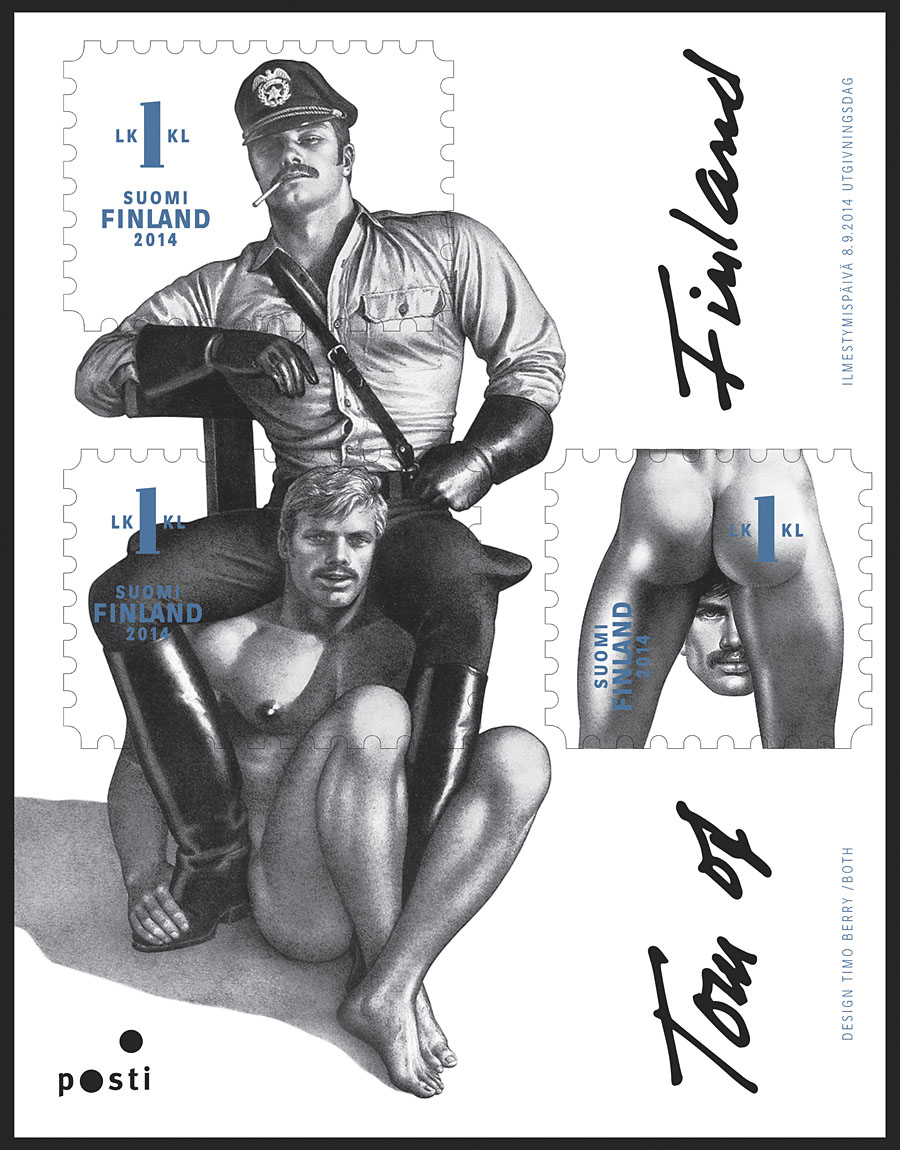
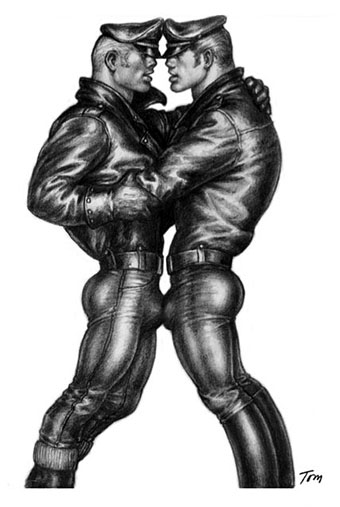
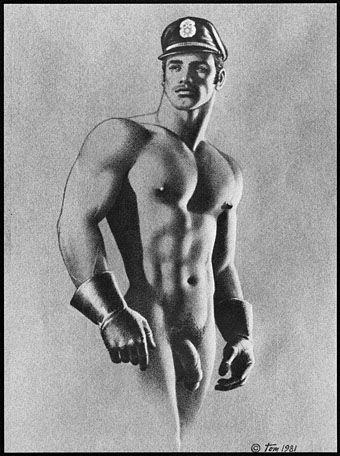
Bajo el Sigo de Libra on the art of Touko Valio Laaksonen, better known as Tom of Finland.

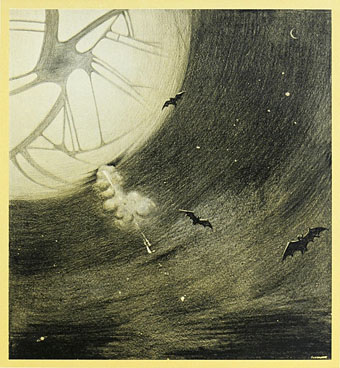
• Territory of Dreams: Becca Rothfeld on the world of Bruno Schulz.

• Mix of the week: XLR8R Podcast 601 by Sa Pa.

• RIP Richard Williams, master animator.

A trailer for The Trip. RIP Peter Fonda.

The Trip (1966) by Donovan | Trippin’ Out (1967) by Something Wild | The Trip (1968) by Park Avenue Playground

The Fallen King’s Penitent Soldier

penitent.jpg

Despite having been busy throughout this year I’ve not updated my website for a while so this is the first of several posts intended to remedy the situation. It’s also a dismaying entry since it not only sees the end of this series of gay romance titles by Megan Derr but also the end of the publisher, Less Than Three, who closed their doors a couple of months ago. The sombre appearance of The Fallen King’s Penitent Soldier (which I completed late last year) seems in retrospect like an omen. Gloom aside, I was pleased with the way this series evolved, with each cover posing a challenge in how to maintain the format while working a new variation on the theme.

There are more new book covers still to come, and—when I can find the time—some news of a personal project of my own. As with previous posts about Megan’s series, I’ve included the rest of the covers below.

mercenaries.jpg

loststar.jpg

derr2.jpg

derr1.jpg

Previously on { feuilleton }
The Mercenaries of the Stolen Moon
The Heart of the Lost Star
Tales of the High Court

Weekend links 477

starling.jpg

Edge of Industry (2009) by Anne Starling.

• “In her darkroom with her silver salts and gelatine plates, she experimented with the mercurial effects of light, time and temperature.” Hailey Maxwell on the photographic art of Dora Maar.

• A Visionary Work Renew’d: A conversational review of Swan River Press edition of William Hope Hodgson’s The House on the Borderland by the late Sam Gafford & The joey Zone.

Brian Blomerth’s graphic novel Bicycle Day tells the story of the psychedelic ride made in 1943 by Swiss chemist Albert Hofmann while he was researching LSD.

• “The cinema is not the industrial cinema. The cinema is independent cinema.” Francis Ford Coppola on Apocalypse Now and related matters.

• More lunacy: “Fireworks, wild swans and super-cannons were propelling people mentally Moonwards long before 1969,” says David Seed.

• Mix of the week: Then Beautiful Swift Sparrows Led You Over the Black Earth by The Ephemeral Man.

Working (You Are), a new recording by Stephen Mallinder, his first solo work since Pow Wow in 1982.

Lost Proust stories of homosexual love finally published (but only in French for the moment).

Oren Ambarchi‘s favourite albums.

My White Bicycle (1967) by Tomorrow | Trip On An Orange Bicycle (1968) by The Orange Bicycle | Blue Bicycle (2008) by Hauschka

Two short films by Ito Takashi

takashi1.jpg

Ito Takashi’s early experimental films achieve their delirious effects with a minimum of means: flickering lights, projected images, and pixillation of the camera and the blurred figures that flit through the frame. Not all are on YouTube at the moment but Thunder (1982) and Ghost (1984) are exceptional works, both with electronic soundtracks by Yosuke Inagaki. (Those sensitive to flickering lights should be warned that Thunder features rapid strobing from the outset.)

takashi2.jpg

Previously on { feuilleton }
Atman, a film by Toshio Matsumoto

Weekend links 476

kimura.jpg

Man’s body dish for Sashimi under the cherry blossom (2005) by Ryoko Kimura.

• Godley & Creme’s Consequences (1977) is reissued this month on CD and vinyl. Originally a three-disc concept album with a theme of climate disaster and the natural world’s revenge on humanity, Consequences was released at a time when punk and prog rock were fighting for the attention of music listeners. 1977 wasn’t the end of prog by any means (many of the vilified bands had some of their greatest successes at this time) but Godley & Creme’s transition from the smart pop songs of 10cc to extended instrumental suites was abrupt, and their concept, such as it was, lacked the drama and accessibility of Jeff Wayne’s The War of the Worlds, even with the addition of Peter Cook providing a multi-voice comic narrative between the musical pieces. (Kevin Godley ruefully referred to the album in later years as Con Sequences.) The album flopped, and has been a cult item ever since.

• “A word of caution, though. Once you do read it, it’s hard to let it go.” Philip Hoare on Herman Melville and Moby-Dick. Related: William T. Vollmann on how a voyage to French Polynesia set Herman Melville on the course to write Moby-Dick.

Samm Deighan on The “Faraway Forest” in Peter Strickland’s Katalin Varga, The Duke of Burgundy, and The Cobbler’s Lot.

Brian Eno, Roger Eno, and Daniel Lanois discuss the recording of Apollo: Atmospheres & Soundtracks.

John Boardley on the first fashion books, Renaissance pixel fonts and the invention of graph paper.

Melanie Xulu looks back at a time where major labels were releasing witchcraft rituals.

• “Tom Phillips’ A Humument is a completely novel project,” says Rachel Hawley.

John Foster on the evolution of Stereolab’s analogue-inspired record sleeves.

• At Dennis Cooper’s: a history of le Grand Guignol by Agnes Peirron.

Casey Rae on William S. Burroughs and the cult of rock’n’roll.

• An Austin Osman Spare image archive.

Consequences (1965) by John Coltrane | Moby Dick (1969) by Led Zeppelin | Consequence (1995) by Paul Schütze