Richard Bruce Nugent’s Salomé

nugent1.jpg

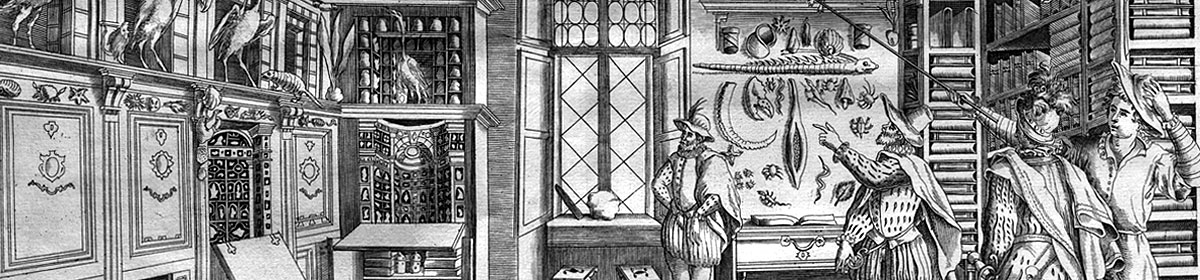
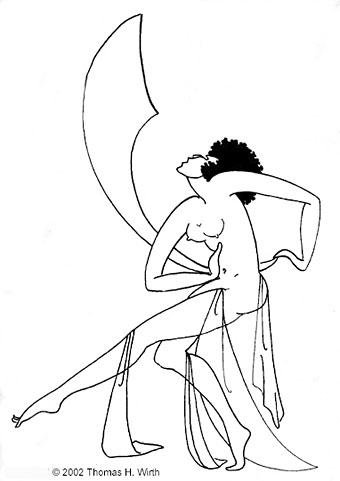
Untitled (Salomé, no date).

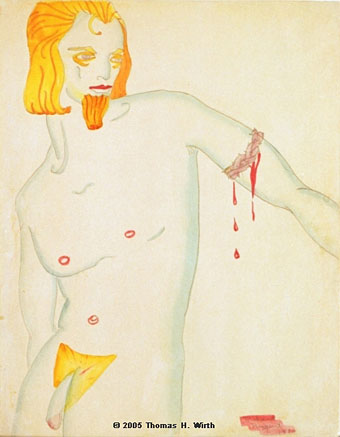
I was looking for work by the artist, Richard Bruce Nugent (1906–1987), not more Salomé illustrations so this was a surprise discovery. Nugent was an American writer, illustrator and painter who was friends in the 1920s with key figures in the Harlem Renaissance such as Langston Hughes and Zora Neale Hurston. Unlike Hughes, whose sexuality has been disputed for years, Nugent was openly gay at a time when such a stance carried considerable risks. According to the Nugent website he “stood for thirty years as the only African-American writer willing clearly to indicate his homosexuality in print.” That site hosts these pictures in a number of gallery pages which include some rather fine (and very gymnastic) erotic drawings. Among the writings there’s a piece entitled Slender Length of Beauty that dates from the same period as the picture below, a very Wildean retelling of the Salomé story which includes a character named after that favourite figure of Uranian myth, Narcissus.
nugent2.jpg

Untitled (John the Baptist? 1930).

Elsewhere on { feuilleton }
The gay artists archive
The Salomé archive

Geneviève Vix’s Salomé

vix1.jpg

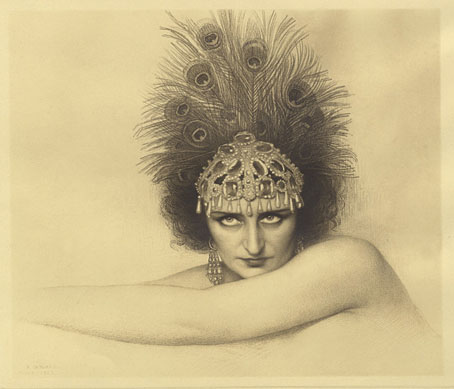
Geneviève Vix (1926) by P. Godard.

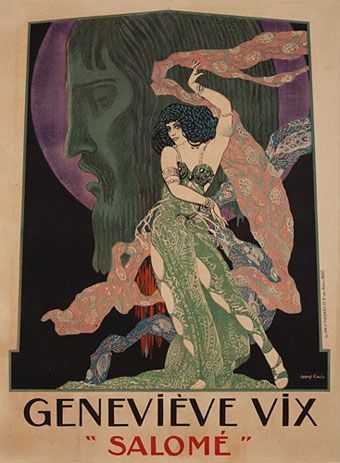
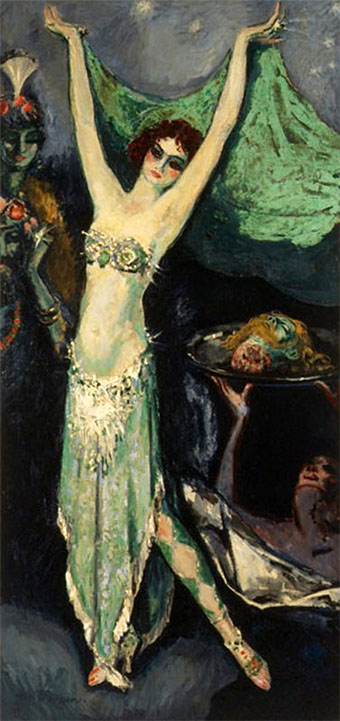
The poster below turned up recently at Beautiful Century, a promotional piece for the Richard Strauss opera in which the splendidly named French soprano Geneviève Vix (1879–1939) took the role of Salomé. The portrait of Mademoiselle Vix by Kees Van Dongen is of interest for the link it provides to a woman of the period who didn’t need to act Salomé, she was pretty much a femme fatale in her own right, the fiery Luisa Casati. Van Dongen was one of many artists commissioned to immortalise the heiress before her fortune ran out, and he painted her on at least two occasions. Some of the portraits can be seen in an eye-popping post at Fashion’s Most Wanted while over at Strange Flowers you’ll find the Scarlet Marchesa is a recurrent woman of consequence.

vix3.jpg

Geneviève Vix / Salomé (1920) by Jacques Carlu.

vix2.jpg

Mademoiselle Geneviève Vix dans le rôle de Salomé (1920) by Kees Van Dongen.

Elsewhere on { feuilleton }
The Salomé archive

John Martin’s musical afterlife

martin1.jpg

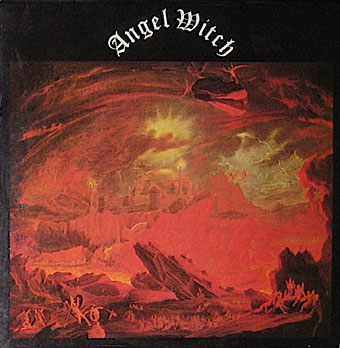
Angel Witch (1980) by Angel Witch. Art: The Fallen Angels Entering Pandemonium (1841).

It’s been a busy week so the posts just now are tending towards haste and laziness. The paintings of John Martin (1789–1854) make such good album covers you’d expect that there were more than this handful. Perhaps there are (Discogs.com contains numerous omissions), in which case leave a comment if you know of any. It’s no surprise that three of these are metal albums when the artist depicted so many apocalypses and scenes from Paradise Lost. Given the recent reappraisal of Martin’s work these won’t be the last albums we see borrowing his art.

heresy.jpg

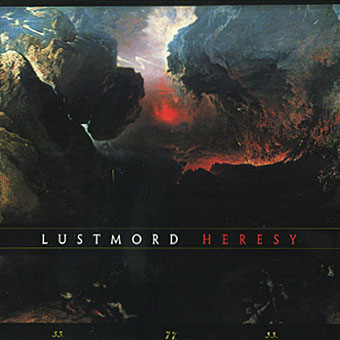
Heresy (1990) by Lustmord. Art: The Great Day of His Wrath (1851).

This is the reissue of Lustmord’s excellent album of doomy volcanic rumbles. Both CDs use the same painting but the new edition has a better type layout.

martin3.jpg

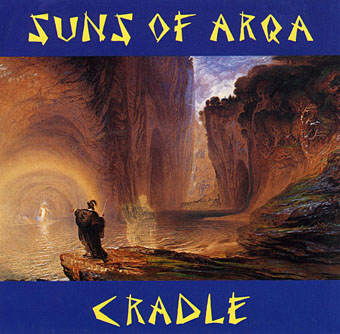
Cradle (1992) by Suns of Arqa. Art: Manfred and the Witch Of The Alps (1837).

A good painting, a decent album (I have this one on CD) by a musical collective from Manchester originally, unfortunately spoiled by dreadful design. The group eventually saw sense and reissued this one with a better layout. The painting is the only example of Martin’s work in Manchester and features a ghostly figure where the artist had painted over an earlier Manfred.

martin4.jpg

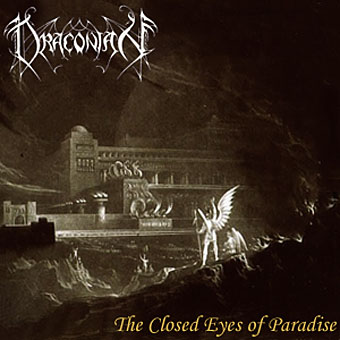
The Closed Eyes of Paradise (demo, 1999) by Draconian. Art: Pandemonium (1838).

bombs.jpg

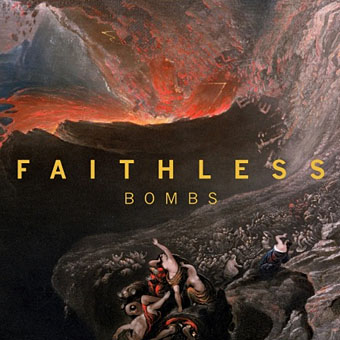
Bombs (2006) by Faithless. Art: The Great Day of His Wrath (detail, 1851).

martin2.jpg

Vast Oceans Lachrymose (2010) by While Heaven Wept. Art: Christ Stilleth The Tempest / Storm On The Sea Of Galilee (1867).

This American metal band appeared in the earlier post about Odilon Redon with the cover of their debut album.

Elsewhere on { feuilleton }
The album covers archive

Previously on { feuilleton }
Odilon Redon’s musical afterlife
Danby’s Deluge
John Martin: Heaven & Hell
Darkness visible
Aubrey Beardsley’s musical afterlife
Death from above
The apocalyptic art of Francis Danby

Odilon Redon’s musical afterlife

redon5.jpg

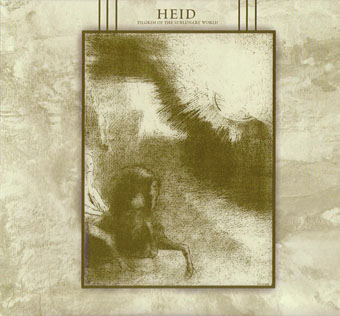
Pilgrim Of The Sublunary World (2002) by Heid.

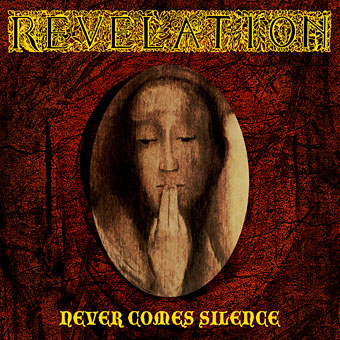
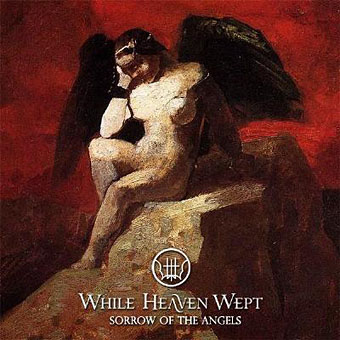
It would have been surprising if Magazine were the only group to have used Odilon Redon’s art for album covers. What is surprising is that these releases are all relatively recent and aren’t the cluster of Goth doodlings I would have expected: descriptions at Discogs list Heid as an industrial outfit, Revelation and While Heaven Wept are doom metal while Spider Trio play jazz. Odilon Redon is unusual in being able to provide artwork strange enough for Magazine or, in the case of his many pastel drawings, pretty enough for classical recordings. I omitted a couple of other CD covers which inset his pictures in dreadful layouts. The Heid album uses more Redon art on the insert pages.

redon4.jpg

Live @ Rendezvous/Jewelbox Theater 8.12.06 (2007) by Spider Trio.

redon1.jpg

Never Comes Silence (2007) by Revelation.

redon3.jpg

L’Amour De Loin (2009) by Kaija Saariaho.

redon2.jpg

Sorrow Of The Angels (2010) by While Heaven Wept.

Elsewhere on { feuilleton }
The album covers archive

Previously on { feuilleton }
Odilon Redon and Magazine
Odilon Redon lithographs
The eyes of Odilon Redon
Aubrey Beardsley’s musical afterlife

Opium dens

opiumden1.jpg

The Opium Den (1881) by William Lamb Picknell.

The romantic side of the addiction business. Needless to say, there’s a lot more of this kind of thing. The ultimate opium-related pictorial art is still Attila Sassy’s remarkable Opium Dreams from 1909, a series of drawings which can be seen at 50 Watts in high-quality scans.

opiumden2.jpg

The Opium Den (no date) by Vincent G. Stiepevich.

opiumden3.jpg

Chez la Marchande de Pavots (The House of the Poppy Merchant, 1920) by George Barbier.

opiumden4.jpg

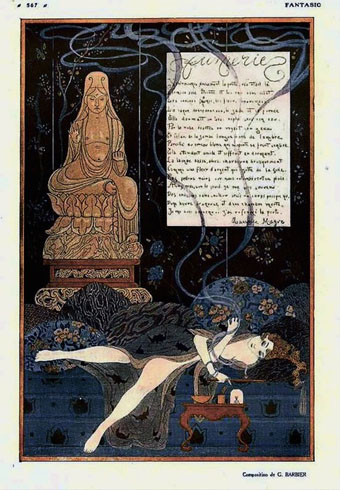
Opium den from Fantasio (1915) by George Barbier.

Previously on { feuilleton }
Opium fiends
La Morphine by Victorien du Saussay
Haschisch Hallucinations by HE Gowers
The Dark Ledger
Demon rum leads to heroin
German opium smokers, 1900