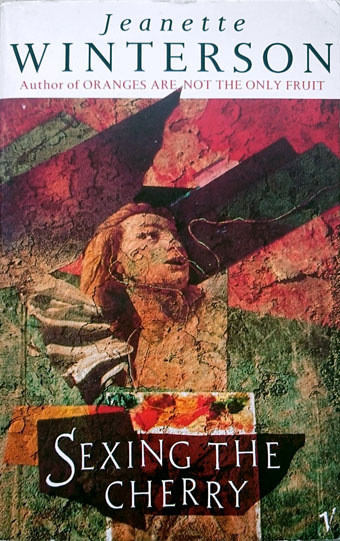

Dennis Leigh book covers

leigh03.jpg

Secker & Warburg, 1989.

Most people will know Dennis Leigh—if they know him at all—as John Foxx, the name that Leigh adopted in the 1970s when he was the lead singer and songwriter in Ultravox! (That exclamation mark was a fixture for the group’s first two albums.) Foxx and Leigh maintained parallel careers for a while, or alternating careers in the 1990s when he was working more as an illustrator than as a musical artist.
leigh25.jpg

Routledge/Thomson Learning.

I’ve been asked a few times to consider writing about artists or designers who create covers for literary titles. This is something I often consider myself but the research is never easy. If you’re looking for genre titles you can go to isfdb.org and immediately find entries for hundreds of artists with lists of their credits; Dennis Leigh has an entry there himself. There’s no equivalent source for literary fiction, and nothing for crime novels or non-fiction either. This post is based on a list compiled by a correspondent (thanks, Marc!) to which I added a couple of discoveries of my own. It’s not complete but it ranges through Leigh’s career as a cover artist from the 1970s to the 2000s.
leigh26.jpg

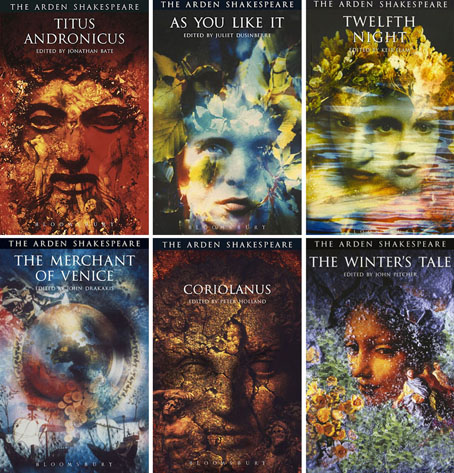
Bloomsbury.

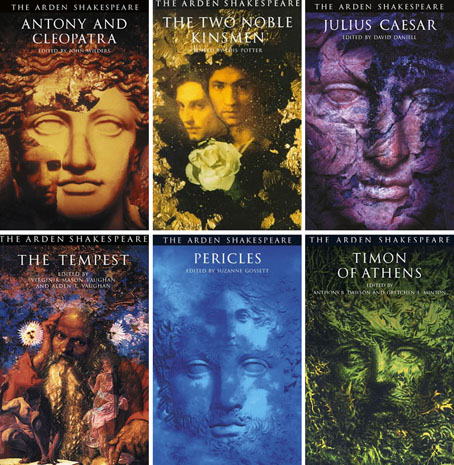
One of the useful things about Dennis Leigh having a more popular alter ego is the amount of interviews in which John Foxx discusses his work outside the music business. While researching this post I found a Smash Hits interview where Foxx mentions having attended Blackpool art college for a short time. This was the same art college that my mother attended in the 1950s, and a place I happily avoided myself. The college is so undistinguished I think Foxx/Leigh may be the only person of any note to have passed through its doors. A more recent interview for Shakespeare Magazine features some discussion of the techniques behind the book covers.
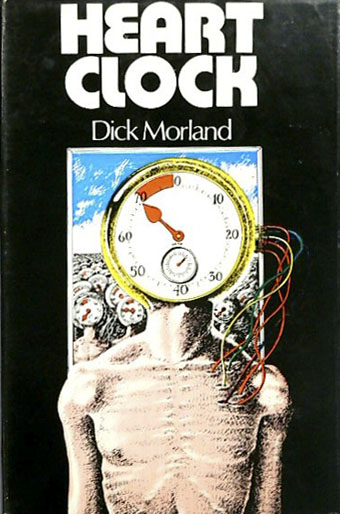
leigh01.jpg

Faber, 1973. Reginald Hill wrote two science-fiction novels as “Dick Morland”, this one and Albion! Albion! (1974). The latter is also listed as having a Leigh cover but the evidence for this is unclear so I’ve not included it.

Missing from this list are covers for novels by Neil Bartlett, Michael Cunningham, Evan Eisenberg, Eva Figes, and Marina Warner, all of which are only available as very low-grade images or not available at all. Another hazard when researching these posts is that artists and designers aren’t always credited, especially on paperbacks, so there may be a few more to be found. Be aware that some covers that might look like Dennis Leigh creations may be the work of somebody else. In the late 80s/early 90s there was a trend for Photoshop montage and what I call “artschool assemblage” (collage riffs on Joseph Cornell and others). If any of the examples here are erroneous attributions let me know.
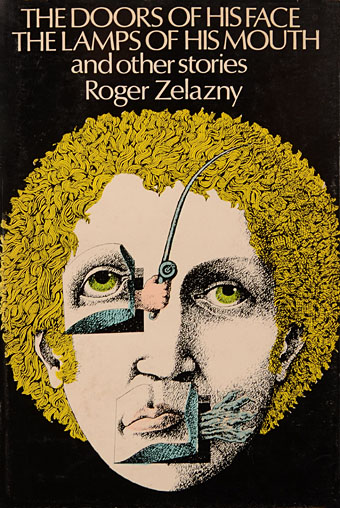
leigh02.jpg

Faber, 1973.

leigh04.jpg

Vintage, 1990.

Continue reading “Dennis Leigh book covers”

Kris Guidio, 1953–2023

kris.jpg

A self-portrait, 2011.

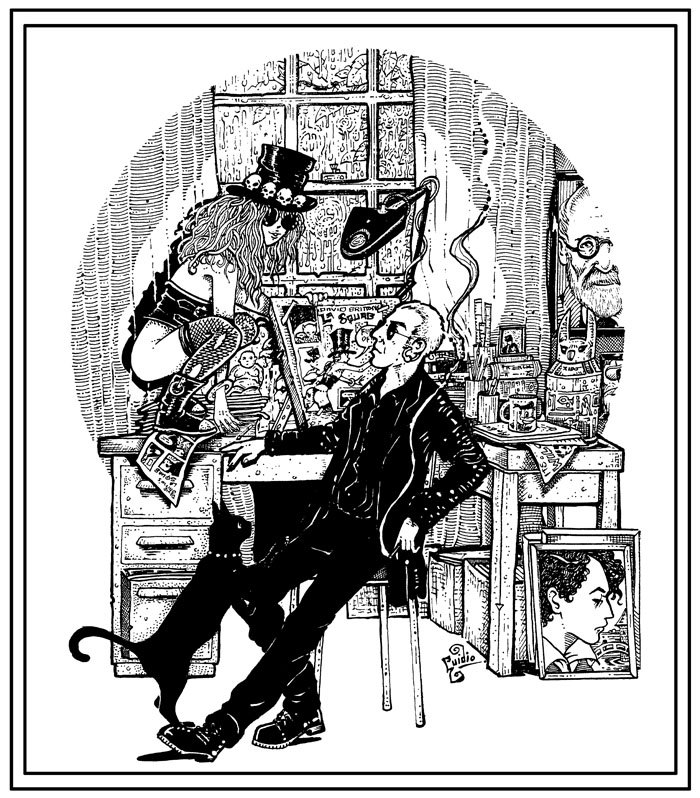
Farewell to the artist I used to refer to as my partner in art-crime. We weren’t really criminals but in the 1990s we’d both seen our published works for Savoy Books condemned as obscene in British courts of law, a farcical set of circumstances looking back, although it all seemed serious enough while it was happening. Kris and I began working for Savoy in the late 1980s, during which time our creative confederacy might be characterised as familiarity at a distance. He lived in Liverpool, and generally remained there, while the rest of us were in Manchester, so I saw his drawings much more than I saw him in person. I don’t think I ever met him more than 10 times in 30 years, yet his art was as familiar as my own, especially when I was being called upon to add backgrounds to some of his figures. I even ended up making a font based on the lettering he used in his comic strips in order to standardise the captions in the later books.

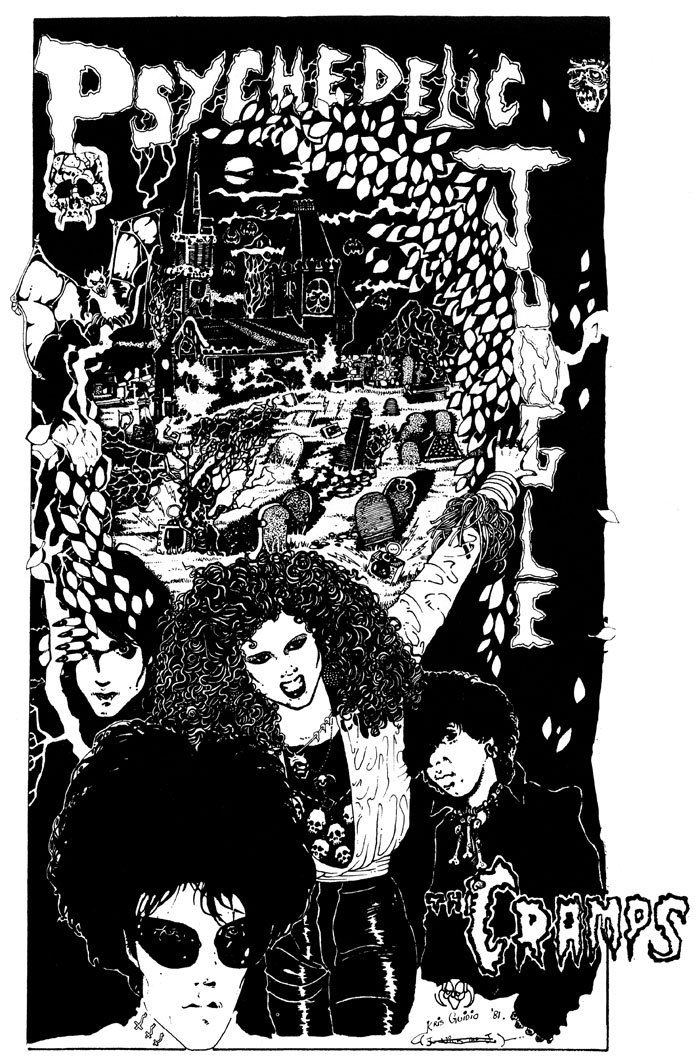
cramps1.jpg

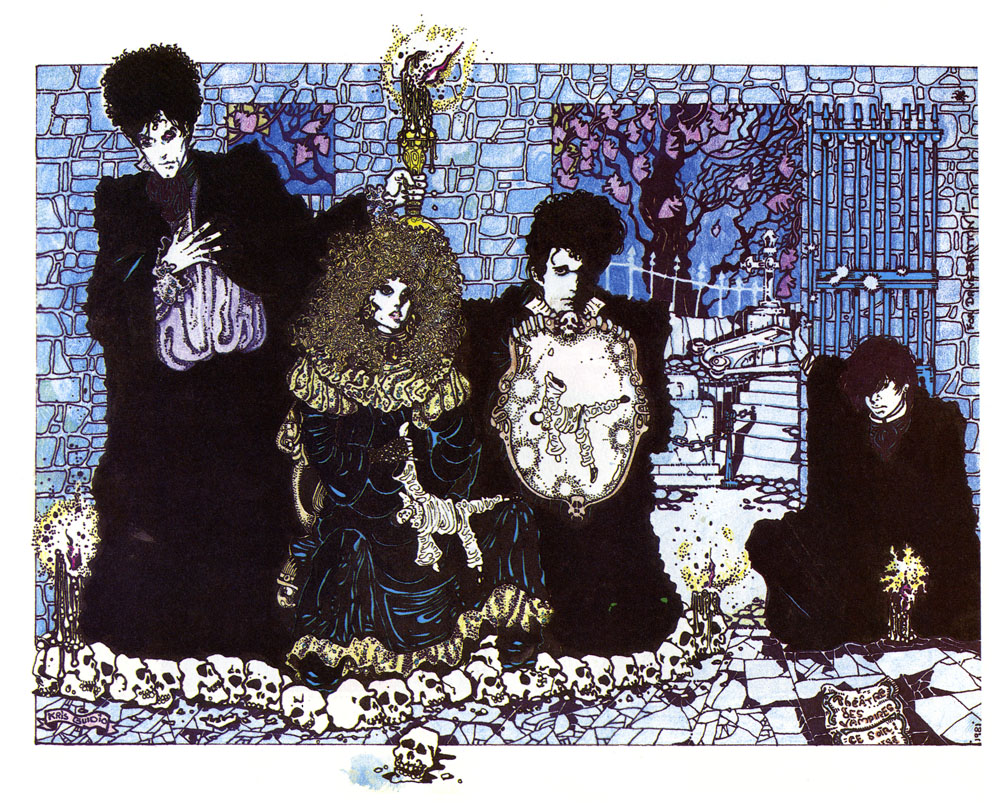
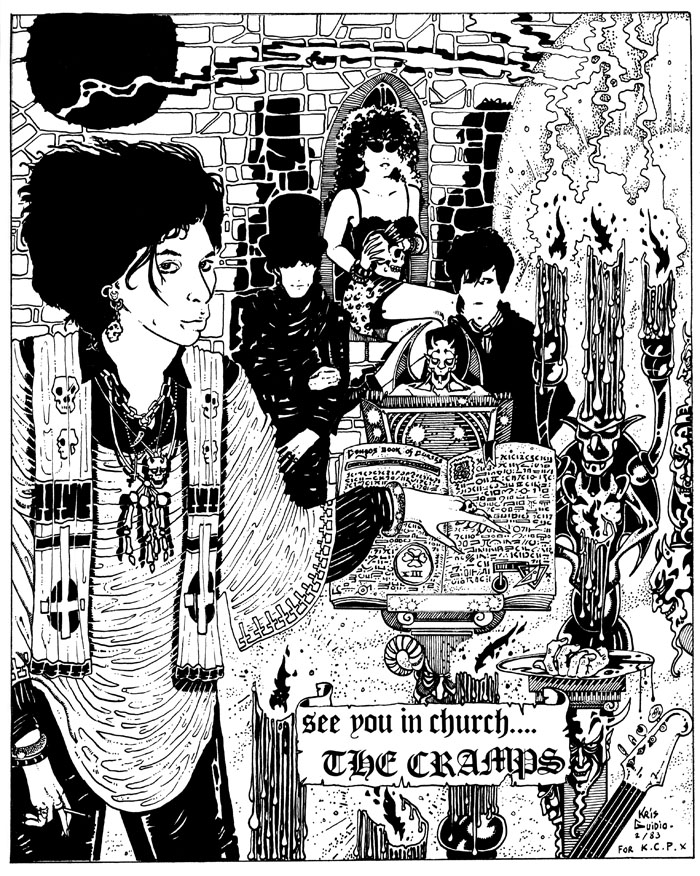
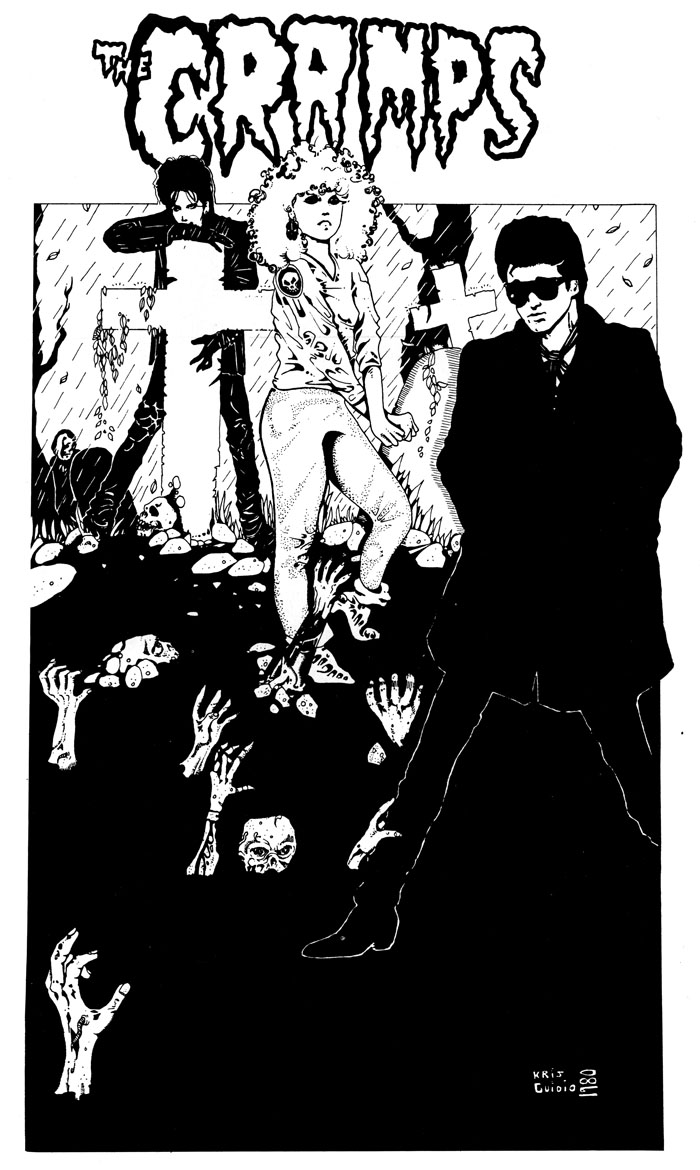
Kris and I shared a symbiotic relationship with writer David Britton, who pushed the pair of us to take our art into places we might otherwise have avoided, while we opened up artistic possibilities for Dave’s characters and the settings they occupied. We were an ideal team in this respect, each of us having strengths in different areas that suited the titles on which we worked. I brought a greater sense of realism to the Lord Horror comics, while Kris developed a hitherto unexplored flair for satire and caricature in the Meng & Ecker series. Kris was a natural cartoonist, as well as a natural humorist to a degree you wouldn’t have predicted looking at his early strips and illustrations featuring The Cramps.

cramps2.jpg

The Meng & Ecker comics provoked the ire of the authorities, thanks in part to Dave’s frequent digs at the Greater Manchester Police, but there was a lot more to Kris’s art than outrage, a quality which is always easy to generate if you push the right buttons. His Cramps strips are gems of that minor form, the rock’n’roll comic, while his later illustrations for the La Squab character had a lightness of touch that suited Dave’s conception of a world where fairy tales and childhood fantasies collide with adult themes and sensibilities. Kris’s art was analogue to the last (I don’t think he ever owned a computer), drawn with whatever pens he had to hand; watercolour-hued, and fuelled by endless cigarettes. Kris in person was generous, witty, and erudite in the autodidactic manner common to all at Savoy. Remote or not, we’ll miss him here.

Further reading:
Sinister Legends (1988)
The Adventures of Meng & Ecker (1997)
Fuck Off and Die (2005)
La Squab: The Black Rose of Auschwitz (2012)

cramps3.jpg

cramps4.jpg

Continue reading “Kris Guidio, 1953–2023”

Weekend links 666

solar.jpg

Muy Mago (Portrait of Aleister Crowley) (1961) by Xul Solar.

• “…snails amaze with their capacity to move so far, to spread so widely, while doing so little. This, it seems to me, is one of the real marvels of snail biogeography. Individuals do not need to exert great effort because natural selection has acted for them, acted on them, acted with them, to produce these beings that are so unexpectedly but uniquely suited to a particular form of deep time travel, drifting. From such a perspective, rather than being any kind of deficiency, the highly successful passivity of snails might be seen as a remarkable evolutionary achievement.” Thom van Dooren on how snails cross vast oceans.

• “Slow art has layers. And this is why it requires time and effort. We should see this as a good and necessary thing. If this is a kind of obstacle in the way of easy assimilation then it is an obstacle that is integral to the value of the thing itself. The mind is calmed, or disturbed, or made exultant by the art that rewards us for our goodwill and our capacity to take our time.” In Praise of Slow Art by Chris Horner.

• “I have set naturalism and the supernatural in binary opposition but perhaps there is a third way. Let’s call it the supranatural stance…” Paul Broks explores the roots of coincidence.

• At Unquiet Things: The art of Hector Garrido, an illustrator who specialised in the Gothic staple of women in gowns fleeing at night from sinister mansions.

• “The writer Jorge Luis Borges once referred to his friend the artist Xul Solar as ‘one of the most singular events of our era’,” writes Miriam Basilio.

• At Spoon & Tamago: Japanese craftsmanship meets Pokemon at Kanazawa’s National Crafts Museum.

• At Public Domain Review: Martin Frobenius Ledermüller’s Microscopic Delights (1759–63).

• New music: Rest Of Life by Steve Roach.

The Four Horsemen (1972) by Aphrodite’s Child | Supper’s Ready (1972) by Genesis | Six Six Sixties (1979) by Throbbing Gristle

Shusei Nagaoka album covers

nagaoka01.jpg

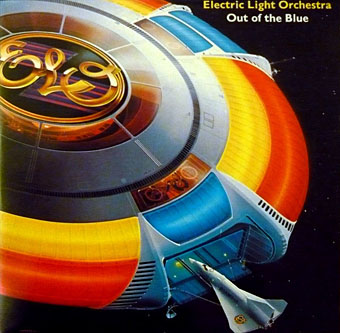
Out Of The Blue (1977) by Electric Light Orchestra.

Many different labels may be attached to the 1970s but it was definitely the science-fiction decade as much as anything else, a time when the use of SF imagery became a widespread trend, often superficially applied but there all the same. You see this in the music packaging of the period, and not only in the obvious enclaves of progressive rock. Here’s Motown Chartbusters Vol. 6 (1971) with a spaceship cover by Roger Dean; here’s Herbie Hancock on the cover of Thrust (1974) piloting his keyboard-driven craft over Machu Picchu while an alarmingly swollen Moon seems ready to crash into the Earth.

nagaoka02.jpg

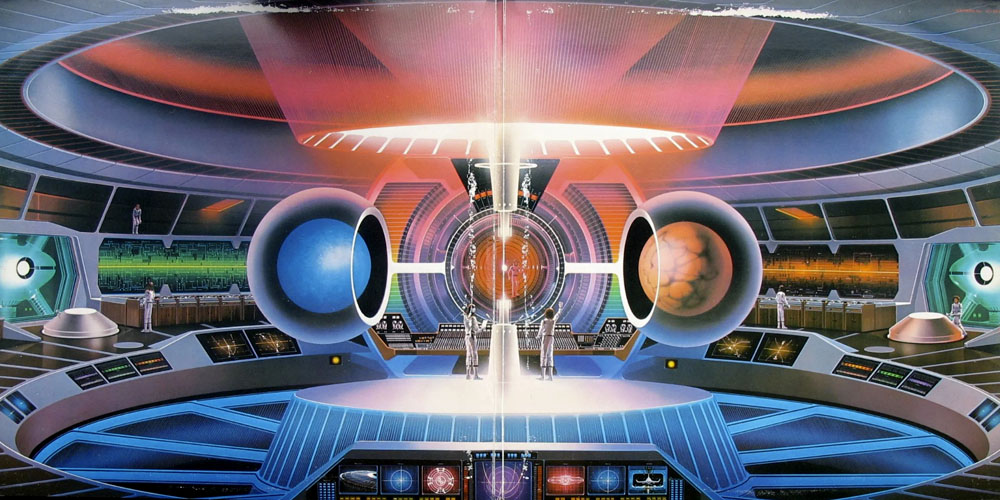
Out Of The Blue gatefold interior.

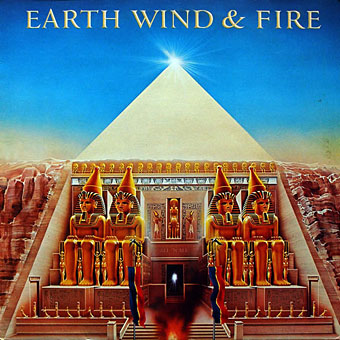
The exploitation of SF imagery on the covers of funk, soul and disco albums was much more widespread than the jazz world, and lasted long enough to join up with the emergence of synth-pop and electro in the early 1980s. The meticulous airbrush paintings of Shusei Nagaoka dominate this era and idiom, thanks in part to his covers for two of the biggest albums of 1977: Out Of The Blue by Electric Light Orchestra, and All ’n All by Earth, Wind & Fire.

nagaoka03.jpg

All ’n All (1977) by Earth, Wind & Fire.

nagaoka04.jpg

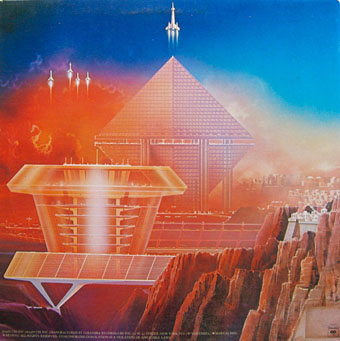
The latter doesn’t look especially science-fictional until you flip it over and its Egyptian scene morphs into a futuristic cityscape with a fleet of rockets heading for the stars. (That pyramidal building is based on one of Paolo Soleri’s hexahedron megastructures.) Many of the albums that followed this pair were jumping on the post-Star Wars/Close Encounters SF bandwagon but there were other reasons for funk and disco artists to embrace the Space Age, as Jon Savage has noted: “Disco’s stateless, relentlessly technological focus lent itself to space/alien fantasies which are a very good way for minorities to express and deflect alienation: if you’re weird, it’s because you’re from another world. And this world cannot touch you.”

nagaoka05.jpg

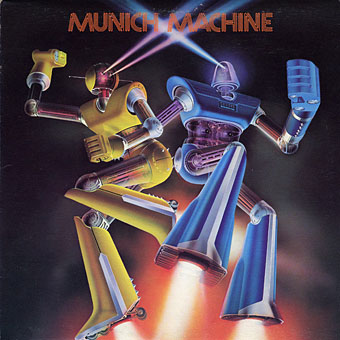
Munich Machine (1977) by Munich Machine. (A Giorgio Moroder production.)

Nagaoka was in demand for his cover art even before hitching a ride to the top of the album charts so what you see here is a limited selection. As usual, there’s more to be seen at Discogs although I often wish they’d allow larger image uploads. Future Life magazine ran a feature about Nagaoka in October 1978 which includes a brief interview with the artist together with some biographical details.

nagaoka06.jpg

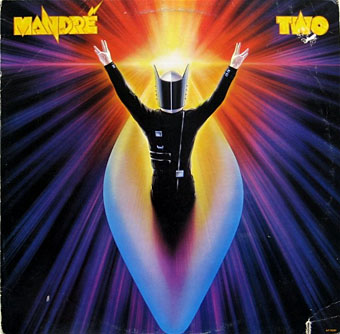
Mandré Two (1978) by Mandré.

Continue reading “Shusei Nagaoka album covers”

Weekend links 663

wt.jpg

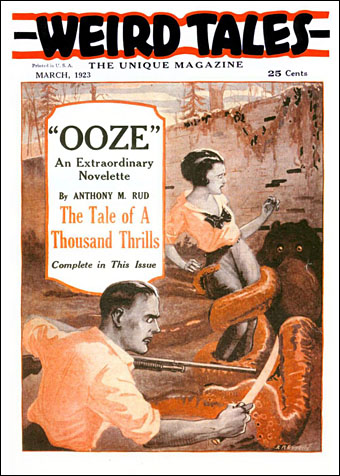
Weird Tales celebrates its centenary this month (although the first issue was on the shelves in February, 1923). Thirty years later, one of the last issues from the initial run had Slime by Joseph Payne Brennan as the story featured on its cover. The magazine maintained a viscous consistency if nothing else. Tentacular art by RR Epperly.

• A big surprise in yesterday’s Bandcamp Friday was the announcement of Singularity, a new album by synth ensemble Node. Or new-ish since the previously unreleased recording is almost 30 years old:

Singularity is the legendary “lost” Node album. Recorded at the same time as their original sessions in 1994 this has DiN stalwart Dave Bessell join Buller & Flood alongside original member Gary Stout who was later replaced by Mel Wesson for the two DiN releases. Presented here for the first time, mastered to modern standards but otherwise untouched and in its original form and recorded to two track with no overdubs.

Node have never been very prolific—two decades separate their first album from their second—so this was very welcome. The new release includes a bonus addition of the 16-minute version of Terminus, one of their best pieces which has only been available previously on a scarce CD-single.

• Steven Watson at Print Mag on skeuomorphic magazine design that turns print into play. Now I want to design a book that fits inside a cassette box.

• RIP jazz giant Wayne Shorter, and David Lindley, co-founder of one of my favourite psychedelic groups, the incredible Kaleidoscope.

• S. Elizabeth at Unquiet Things on The Sensitive Plant, a poem by Percy Shelley illustrated by Charles Robinson.

• Christopher Parker at Smithsonian Magazine asks “Did Salvador Dalí paint this enigmatic artwork?” Yes, he did.

Tangerine Dream in 1973 playing Atem live (with pre-recorded drums) on Spotlight, an Austrian TV show.

• New music: Mohanam by Shakti, and Area Code 601 by William Tyler & The Impossible Truth.

• At Spoon & Tamago: Bento boxes inspired by notable Japanese architecture.

• At Tentaclii: Ian Miller cover art for metal albums.

Northern lights seen across the UK.

New Blue Ooze (1970) by Kaleidoscope | Ooze Out And Away, Onehow (1986) by Harold Budd/Simon Raymonde/Robin Guthrie/Elizabeth Fraser | Ooze (1986) by 23 Skidoo