Snowbound by Bram Stoker

snowbound00.jpg

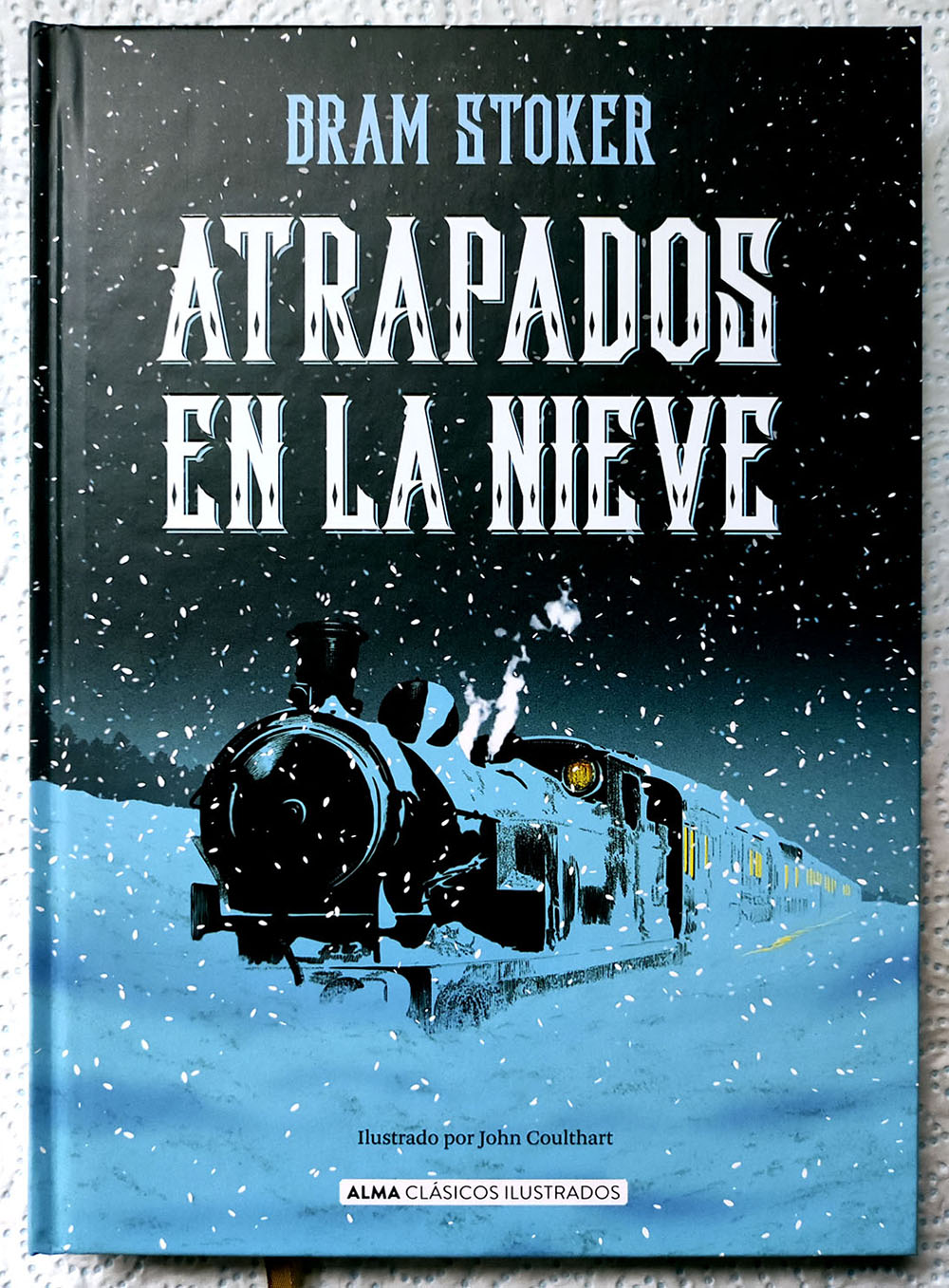
The artwork is mine; the cover design is by Lookatcia.

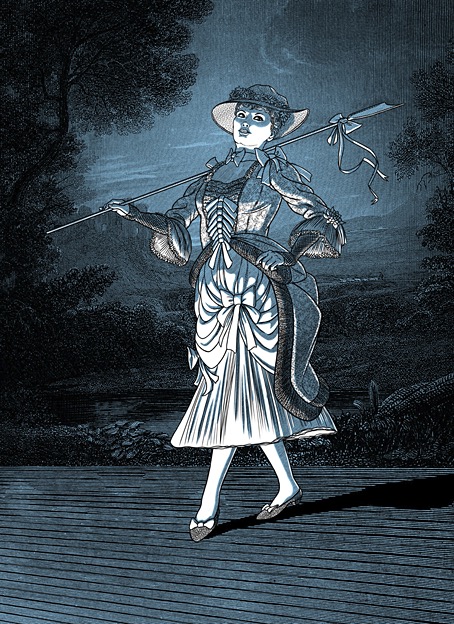
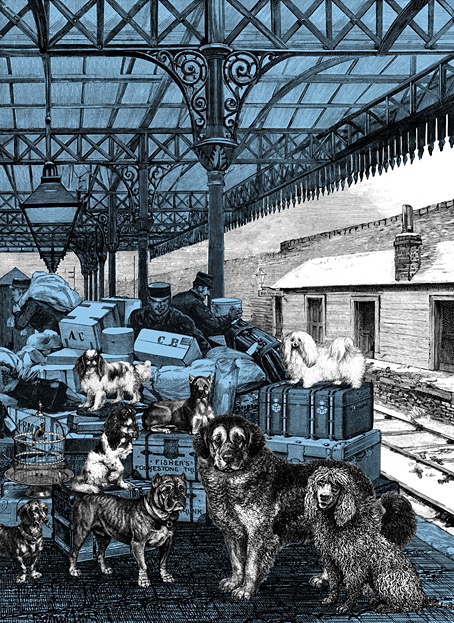
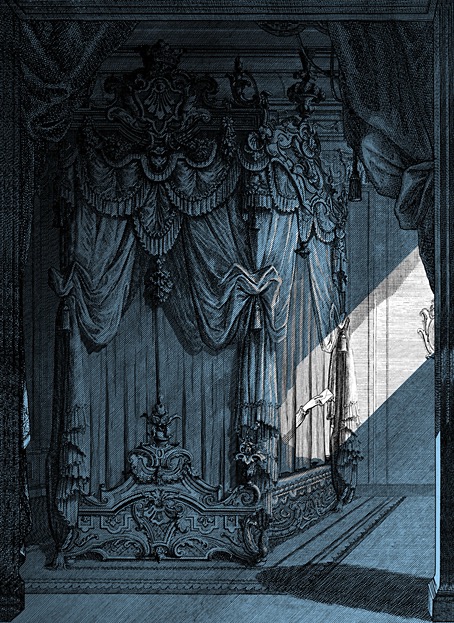
Presenting my latest book for Alma, the Spanish publisher for whom I’ve illustrated several classic novels and story collections. The new volume is my second Bram Stoker title after Dracula in 2018 which, for the sake of convenience, I’ll refer to it by its English title. Snowbound: The Record of a Theatrical Touring Party was a collection of connected stories first published in 1908, 11 years after Dracula had established Stoker’s reputation. I wouldn’t call Snowbound a bad book but if you’ve read Dracula or Stoker’s more popular short stories it’s a disappointment, with no supernatural content and little to recommend it elsewhere. The first episode introduces the framing device: a group of travelling players are marooned by heavy snow while travelling on a train through the wilds of Scotland. To pass a dark and freezing night the troupe entertain themselves by relating memorable anecdotes from their careers, anecdotes which I imagine Stoker either heard from others or experienced himself during his years working for actor-manager Henry Irving. In place of the spooky tales one might expect from such a premise we’re offered a succession of vaguely comic episodes mixed with more serious drama, with a couple of the pieces being related in very broad “Oirish” and Cockney accents. The Irish episode is especially bizarre considering that Stoker was Irish himself; it reads like the kind of thing you’d get from an English writer trotting out lazy stereotypes.

endpapers.jpg

My endpapers design.

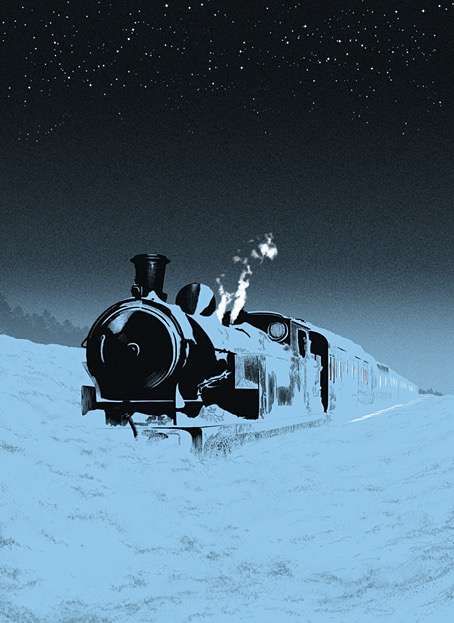
There are other flaws I could mention but I’ve undersold the book enough as it is. Snowbound has never received much attention in the past, it wasn’t even reprinted in English until 2000. In my previous books for Alma I utilised a style which combined collaged backgrounds with hand-drawn elements in order to create illustrations whose engraved appearance made them seem like products of the period in which the stories were written. More recently I’ve been moving away from this style but the success of the previous Alma editions, Frankenstein in particular, obliged me to maintain some continuity with the look I’d created for Dracula. As it turned out, several of the Snowbound illustrations are entirely hand-drawn, with engraving-like textures used in the shading. The biggest departure from the previous books is the addition of an extra ink colour to the artwork, an effect that was fun to play with when creating different lighting effects. As to the pictorial details, several of the anedotes take place in the United States, hence the presence of an American steam train with an elevated smokestack, the spelling of the word “theater” on a poster, and so on.
snowbound01.jpg

Having mentioned Frankenstein I ought to also mention the recent Polish edition of the novel which reprints my Alma illustrations. This is a large-format hardback from Materia, a pubisher who don’t seem to have a proper web presence outside those Meta plague sites that I never link to. The book is on sale anyway. Meanwhile, I’m currently working on another new book for Alma which will feature ten full-colour double-page illustrations. More about this later.
snowbound02.jpg

snowbound03.jpg

snowbound04.jpg

Continue reading “Snowbound by Bram Stoker”

Dreyer’s dark dreams

vampyr00.jpg

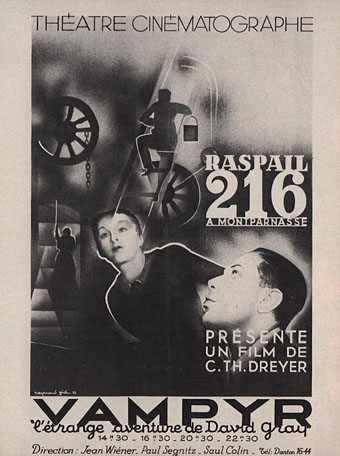
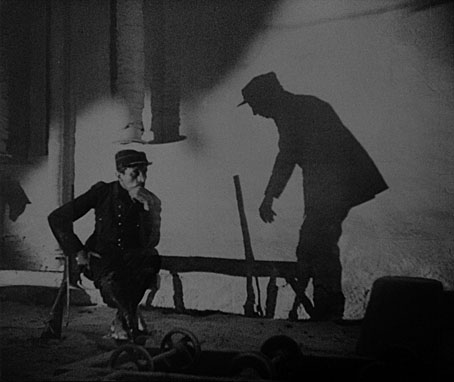
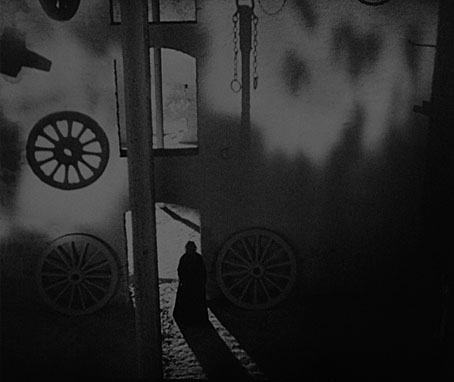
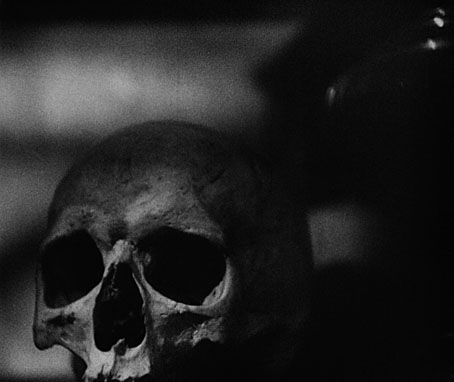
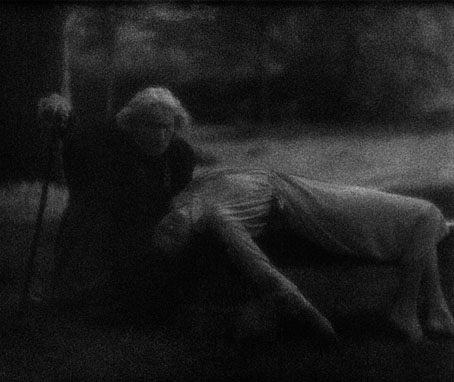
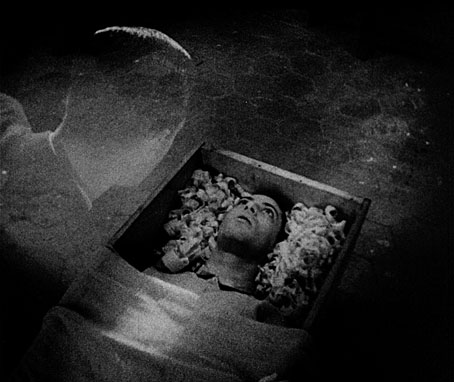
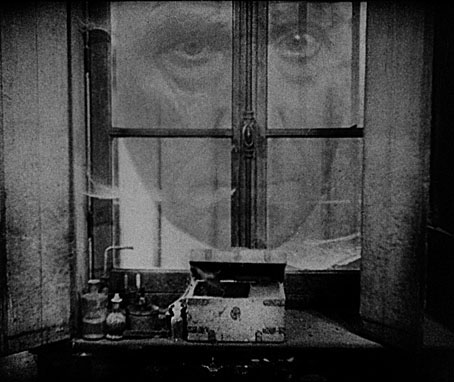
“Almost every time one takes a closer look at a film that is world-famous one has to face the sad fact that the film does not really exist in a form that seems acceptable.” Martin Koerber discussing the physical condition of Vampyr. Carl Dreyer’s film is now 90 years old, and has suffered more than most from the ravages of time and censorship, but after several years of restoration (or should that be resurrection?) by Koerber and others it looks as good today as it’s likely to get; not perfect, when many excisions remain lost, but still the best print I’ve seen.

vampyr01.jpg

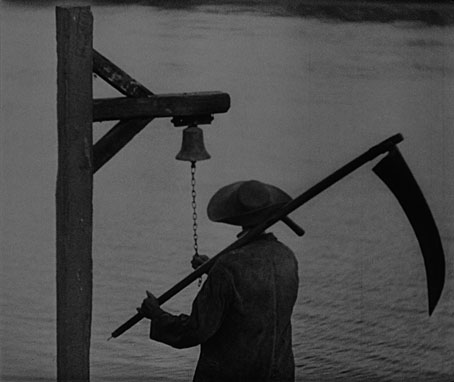
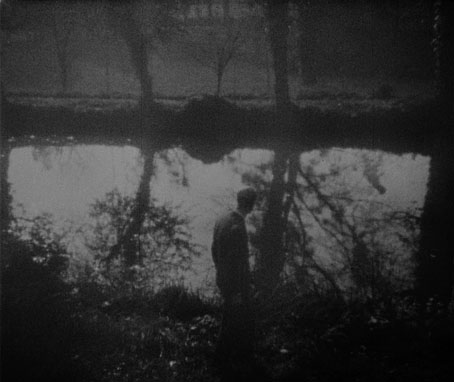
Watching this again I’d forgotten how deeply strange it all is, a sketch of conventional horror motifs borrowed from Sheridan Le Fanu’s In a Glass Darkly, overlaid with inexplicable events from the imaginations of Dreyer and screenwriter Christen Jul. “Surreal” is the word that comes to mind, not least because the film was being shot in locations around Paris while the Surrealists were busy creating their aesthetic scandals inside the city; the Surrealist quest for “the marvellous” and the iconography of dreams is fully realised in Dreyer’s revenants and ambulatory shadows. Vampyr manages to look as primitive as an early silent film—the diffuse photography and stilted acting—while also being sophisticated in its visual style and directorial technique; something else I’d forgotten was the restlessness of Rudolph Maté’s camera, continually moving about the actors or roaming the rooms and corridors. Dreyer’s shoot was almost finished when the Tod Browning version of Dracula was going into production, a film which is equally stilted but with few redeeming features. Where Browning’s film is inert and devoid of atmosphere Vampyr is thoroughly cinematic, with a startling, original score by Wolfgang Zeller that’s nothing like the classical pastiches of Hollywood in the 1930s.

vampyr02.jpg

Kim Newman compares Dreyer’s actors to the hypnotised cast of Werner Herzog’s Heart of Glass, an astute observation. I’ve never regarded the somnolent performances as a flaw, not when they suit the mood so well. More of a deficiency is Vampyr‘s title which raises expectations of a traditional tale of the undead that Dreyer never delivers. The English and French versions were originally titled The Strange Adventure of David Gray but it’s the German version that provides most of the materials for the restored print, and this was retitled Vampyr: The Strange Dream of Allan Gray. (The dual name of the central character is another complication.) The distributors held over the release in Germany until Universal’s Dracula and Frankenstein had opened there which must have pressured them to present the film (unsuccessfully as it turned out) as a conventional horror story. “Strange Dream” is evasive but also more accurate. It reminds me of the only description that David Lynch would provide when asked what Eraserhead was all about: “A dream of dark and troubling things”.

vampyr03.jpg

vampyr04.jpg

vampyr05.jpg

vampyr06.jpg

vampyr07.jpg

vampyr08.jpg

Previously on { feuilleton }
Universal horror
Undead visions
David Rudkin on Carl Dreyer’s Vampyr

Victor Valla book covers

valla01.jpg

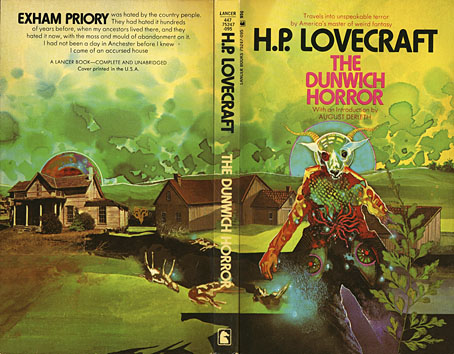
Lancer Books, 1971.

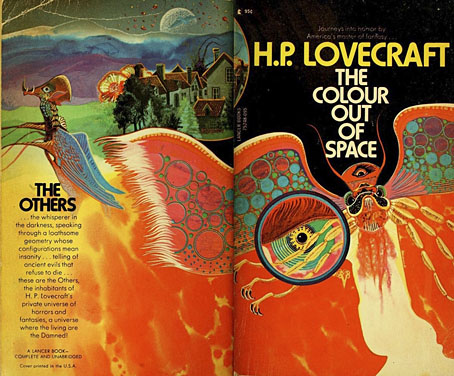
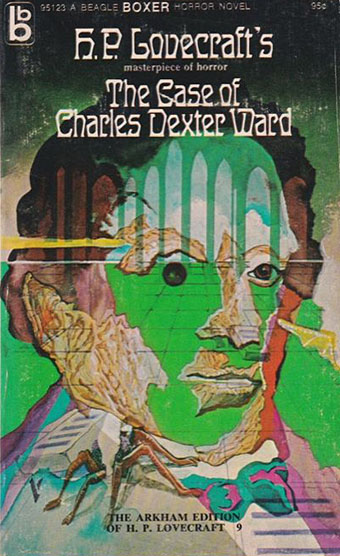
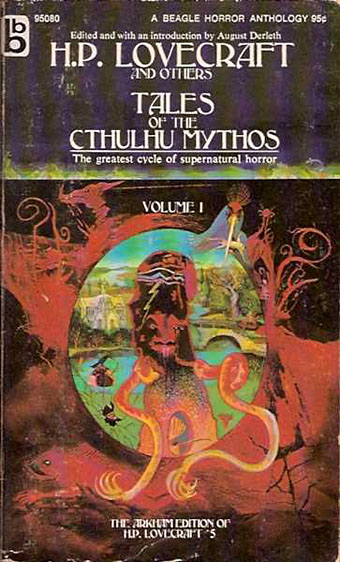
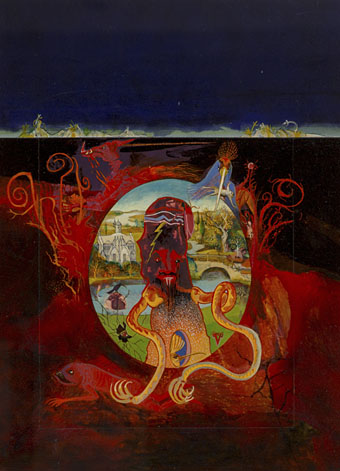
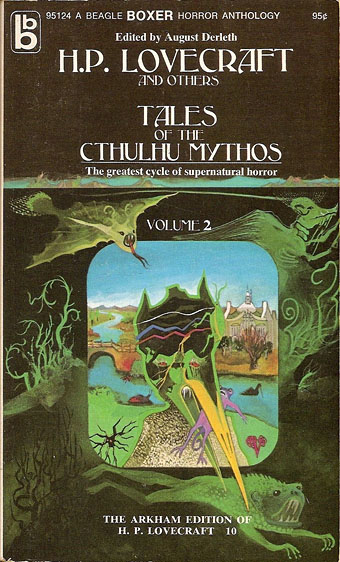
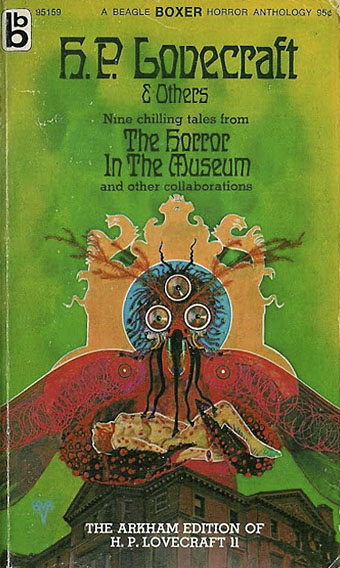
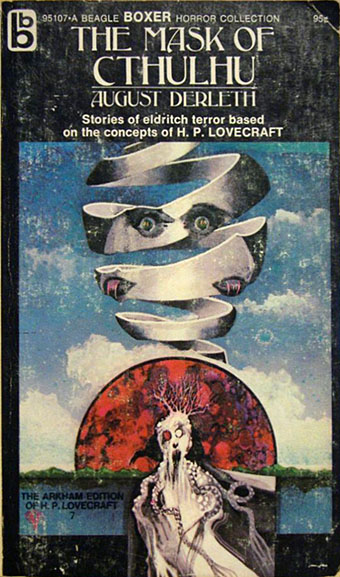
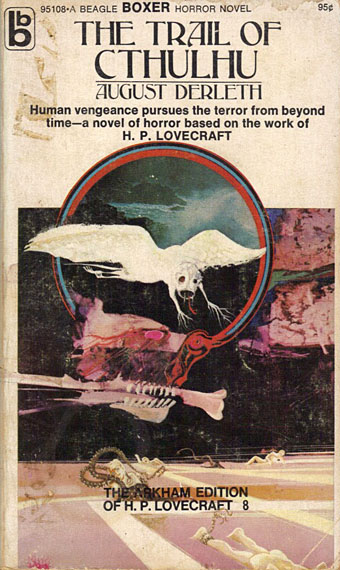
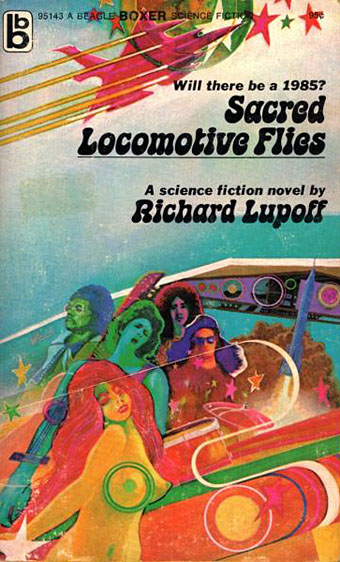
Victor Valla’s cover for The Dunwich Horror has appeared here before, and his cover for The Colour Out of Space is very familiar, but I hadn’t gone looking for anything else of his until this week. There isn’t much to be found on genre titles, just the rest of these covers plus a handful of undistinguished paintings for Gothic dramas and Dracula novels. His Lovecraft and Derleth covers are the kind of thing I always like to see more of, however, being less illustrations of story details than renderings of the feelings the story generates when you read it. This is especially the case with The Colour Out of Space, a story that suggests far more than it shows, and whose central motif—a colour alien to the Earth—is impossible to depict at all. In the 1970s it was easier to get away with this on paperback covers; Lovecraft was still a niche author and there wasn’t the legacy of imagery there is today. Incidentally, the Richard Lupoff book below isn’t as anomalous as it may seem if you know that Lupoff later wrote a novel, Lovecraft’s Book, with HPL as one of the main characters.

valla02.jpg

Lancer Books, 1971.

valla10.jpg

Beagle Books, 1971.

valla05.jpg

Beagle Books, 1971.

valla03.jpg

valla06.jpg

Beagle Books, 1971.

valla07.jpg

Beagle Books, 1971.

valla04.jpg

Beagle Books, 1971.

valla08.jpg

Beagle Books, 1971.

valla09.jpg

Beagle Books, 1971.

Elsewhere on { feuilleton }
The book covers archive
The illustrators archive
The Lovecraft archive

Universal Horror

universal1.jpg

A couple of Halloweens ago I worked my way through a blu-ray box of the horror films made by Universal Studios in the 1930s and 40s. It was a fun and instructive experience: fun because I’d not watched many of the films properly for a long time; instructive for reaffirming my dislike of Tod Browning’s Dracula, a film so inert and lacking in cinematic drama it may as well be a series of still pictures. Browning’s film is further diminished when you have the opportunity to watch James Whale’s Frankenstein films immediately after it. The collection also allowed me to compare the BFI release of Universal’s silent version of The Phantom of the Opera, where Lon Chaney is an unforgettable Phantom, with the 1943 remake, a film I didn’t recall having seen before. The only positive things about the remake are the always worthwhile Claude Rains, even if he is wasted in the Phantom role, and seeing the massive Paris Opera House set from the silent version being reused.

universal2.jpg

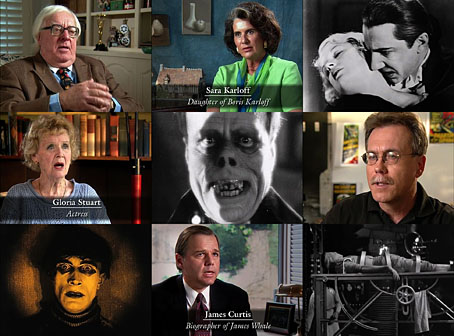
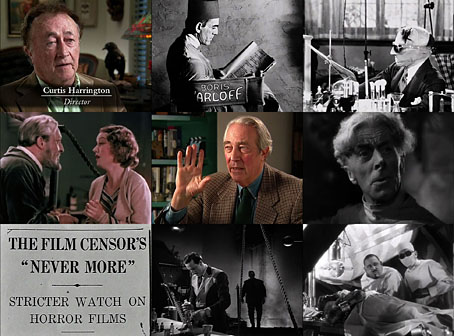
The differences between the Universal adaptations of Dracula and Frankenstein are noted in Kevin Brownlow’s 90-minute documentary which is an extra on the Frankenstein disc. Brownlow’s film, which was originally made for TV in 1998, charts the evolution of Universal’s horror films from their roots in silent cinema and German Expressionism up to the 1940s when the cycle deteriorated into sequelitis and self-mockery via Abbott and Costello. “Universal” here may be taken as referring to all of Hollywood’s early horror films. Rather than waste time on the studio’s increasingly inferior sequels, rival productions from other studios are briefly discussed: Dr Jekyll and Mr Hyde (Paramount), The Island of Lost Souls (Paramount), King Kong (RKO), and Mystery of the Wax Museum (Warner Brothers). In doing this Universal Horror follows the template that Brownlow established with fellow film historian David Gill in 1980 when they produced Hollywood for Thames TV, a 13-part series about the birth of American cinema which I rate as the best documentary series about film ever made. (Gill died in 1997 so Universal Horror is dedicated to his memory.) Hollywood interviewed as many people as possible connected with the production of the first silent films, following the format of the landmark The World at War (1973) series which related the events of the Second World War in 26 hour-long episodes. The World at War was narrated by Laurence Olivier; for Hollywood Brownlow & Gill had James Mason, not only an equivalent voice of authority but also a man with a great enthusiasm for silent cinema. Subsequent Brownlow & Gill documentaries had Lindsay Anderson as narrator, another silents enthusiast with a similar gravitas in his narrative delivery. The narrator of Universal Horror, Kenneth Branagh, isn’t bad as such but whatever his qualities as an actor, his voice alone is a poor match for these heavyweights. He does at least seem to have controlled the sporadic squeaks which mar his delivery in an earlier Brownlow & Gill series, Cinema Europe: The Other Hollywood (1995).

universal3.jpg

Universal Horror and Cinema Europe both fall short when compared to Hollywood by being made too late. By the 1990s most of the men connected with the early years of European cinema had died, and so had many of the actors who made the Universal films. It’s left to a handful of survivors, most of whom are women, to remember the days of their youth: Nina Foch (The Return of the Vampire), Gloria Stuart (The Invisible Man), Fay Wray (who must have spent most of her later years repeating stories about King Kong but here also discusses her role in Mystery of the Wax Museum), Lupita Tovar (the Spanish-language Dracula), Turhan Bey (The Mummy’s Tomb), Rose Hobart (Dr Jekyll and Mr Hyde), and Curt Siodmak (The Wolf Man). Additional commentary is provided by the daughters of significant figures: Sara Karloff, Carla Laemmle (who has a cameo in Dracula) and Arianne Ulmer whose father, Edgar G. Ulmer, directed The Black Cat for Universal, a much better film than the 1943 Phantom of the Opera, and one which should have been in the box set instead. Lastly, there’s some outsider commentary by Ray Bradbury (who also appeared in Brownlow’s next documentary, Lon Chaney: A Thousand Faces), Gavin Lambert, James Karen, Forrest J. Ackerman, Curtis Harrington, James Curtis (author of James Whale: A New World of Gods and Monsters), and David J. Skal (author of Hollywood Gothic, The Monster Show, etc). Given the breadth of the subject—two decades of film history—this should have been a series like Cinema Europe, but horror on the page or on the screen remains the most abject of the genres, continually marginalised, complained about, ignored, censored, banned. Ninety minutes of documentary time is often as good as it gets, especially with Kevin Brownlow producing.

Universal Horror at the time of writing is available for viewing at the Internet Archive, waiting for Universal’s legal goons to put a stake through its heart. Someone has also uploaded the whole of Brownlow & Gill’s Hollywood series which is gratifying to see. The latter is scattered around YouTube in varying quality so it’s good to have a range of options. It’s essential viewing wherever you see it.

Previously on { feuilleton }
Illustrating Dracula
Illustrating Frankenstein
Psychotronic Video
Dracula and I by Christopher Lee
Nightmare: The Birth of Horror
Rex Ingram’s The Magician
The Mask of Fu Manchu

Harry Clarke online

goddem.jpg

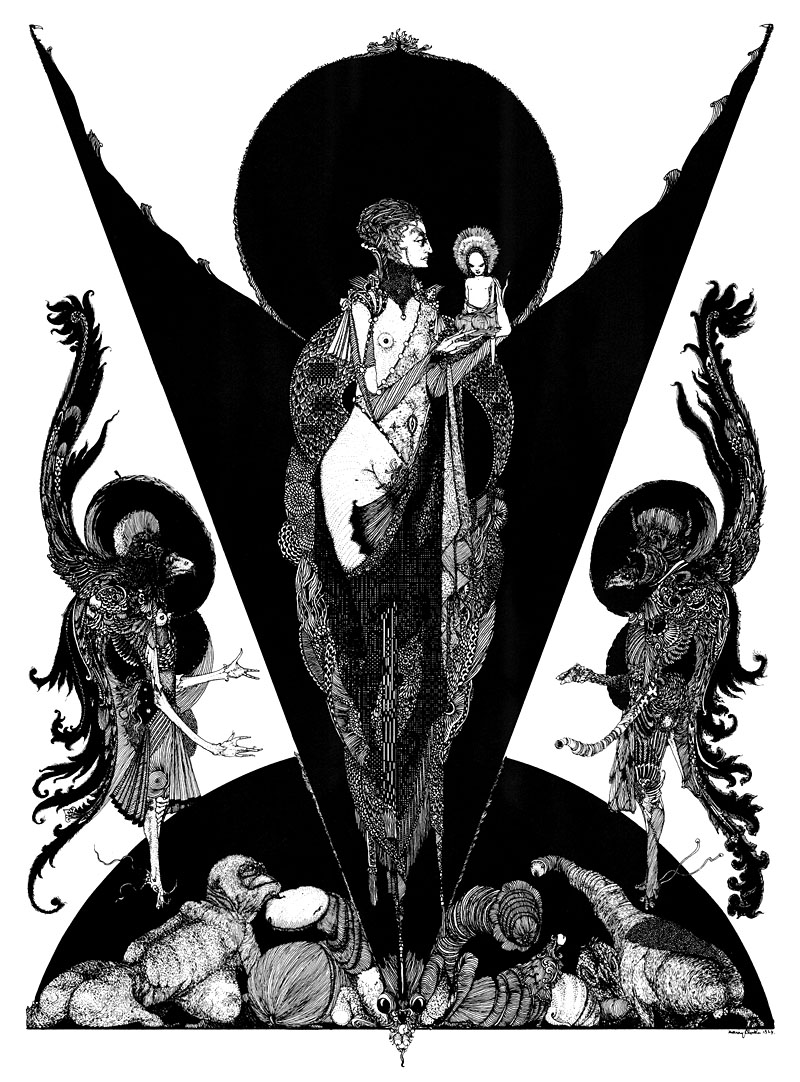
The Devil’s Wife and her Eldest. A frontispiece for The Golden Hind, July, 1924, a magazine edited by Clifford Bax and Austin Osman Spare. I’ve seen this drawing referred to in print as “Goddem with Attendants” although this isn’t how it was titled in the magazine.

It’s taken some time but with a little careful searching it’s now possible to see (almost) all of Harry Clarke’s major works of illustration online. The Poe illustrations have been available in a variety of different scans for many years, their popularity being followed by some of the Faust drawings. But Clarke’s other books are more elusive, so what you have here is links to the most complete collections of illustrations from each title, several of which also include the accompanying text.

This isn’t all of Clarke’s illustration work, of course. He produced many single pieces for magazines, as well as two rare promotional publications for the Irish whiskey distiller, Jameson. If he hadn’t been so tied up with the stained-glass business he inherited there would have been much more. The biographical books mention titles he suggested to publishers as potential projects, a list which includes Dr Jekyll and Mr Hyde, Huysmans’ À rebours, and—most tantalising of all—Bram Stoker’s Dracula.


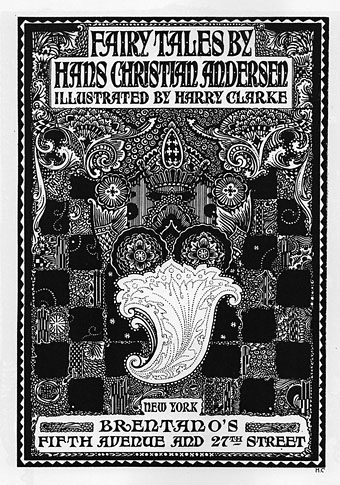
Fairy Tales of Hans Christian Andersen, 1916.

clarke16.jpg

A post at Flickr. Despite Clarke’s achievements as a stained-glass artist his colour illustrations aren’t always as successful as those in black-and-white. That’s certainly the case here.


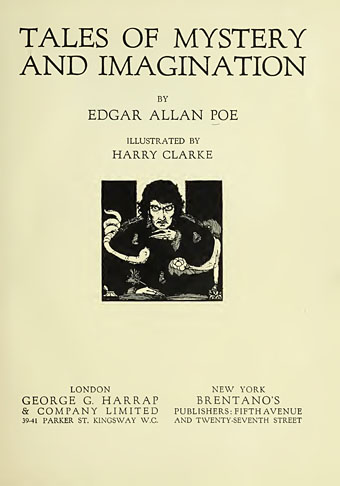
Tales of Mystery and Imagination by Edgar Allan Poe, 1919.

clarke17.jpg

The 1923 edition is at the Internet Archive, a reprint which added several new colour pieces, none of which fare well in this scan. The book is also missing the frontispiece.


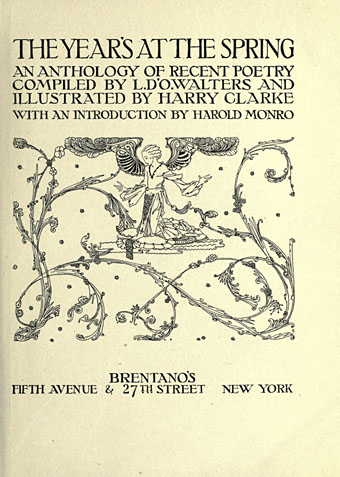
The Year’s at the Spring, edited by Lettice D’Oyly Walters, 1920.

clarke18.jpg

Another complete edition at the Internet Archive.


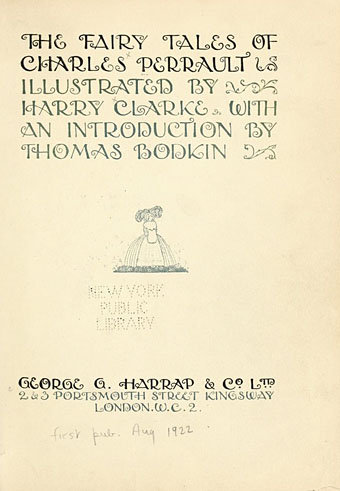
The Fairy Tales of Charles Perrault, 1922.

clarke19.jpg

An almost-complete edition. This one again suffers from a missing frontispiece.


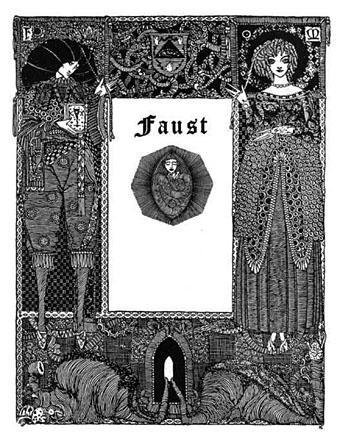
Faust by Johann Wolfgang von Goethe, 1925.

clarke20.jpg

Not great reproductions since this edition is adapted from an e-book, but it does feature all of the black-and-white Faust illustrations in order, and with their accompanying quotes. No colour plates, however.


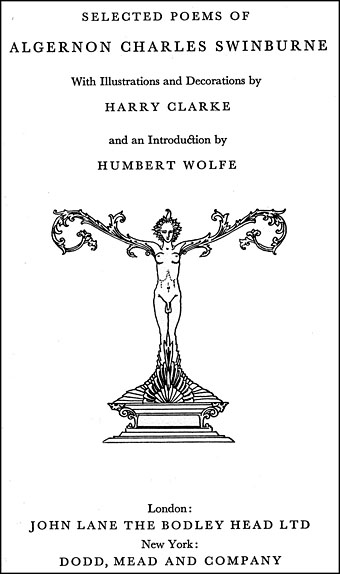
Selected Poems of Algernon Charles Swinburne, 1928.

clarke21.jpg

Clarke’s most Decadent and erotic work, this one has yet to turn up in complete form but the defunct art blog, Golden Age Comic Book Stories, posted all of the art here.

Elsewhere on { feuilleton }
The illustrators archive

Previously on { feuilleton }
Harry Clarke record covers
Thomas Bodkin on Harry Clarke
Harry Clarke: His Graphic Art
Harry Clarke and others in The Studio
Harry Clarke’s Fairy Tales of Charles Perrault
Harry Clarke in colour
The Tinderbox
Harry Clarke and the Elixir of Life
Cardwell Higgins versus Harry Clarke
Modern book illustrators, 1914
Illustrating Poe #3: Harry Clarke
Strangest Genius: The Stained Glass of Harry Clarke
Harry Clarke’s stained glass
Harry Clarke’s The Year’s at the Spring
The art of Harry Clarke, 1889–1931