Don Van Vliet, 1941–2010

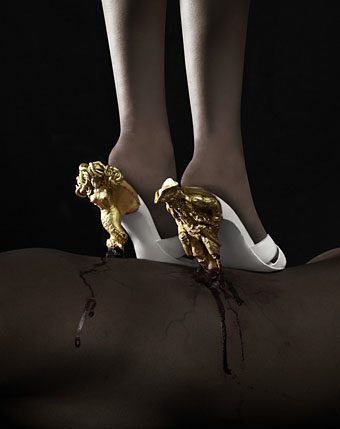
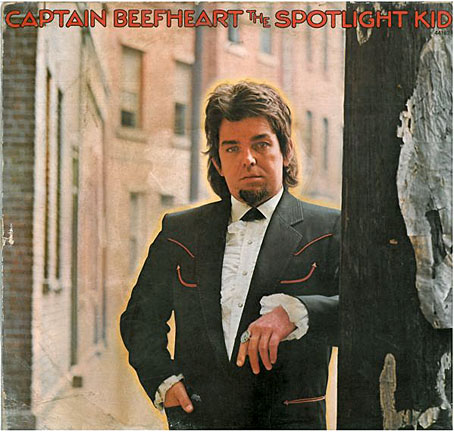
spotlight.jpg

Photography & design by Ed Thrasher.

So long, Spotlight Kid. This was only announced a few hours ago so you’ll be hearing a lot more about Captain Beefheart this weekend.

What is there to say? I have all the albums and a lot of other stuff besides: rarities, outtakes, bootlegs and so on. Beefheart was sui generis and it’s always seemed fitting that despite the myriad group names flying around in the 1960s he was the one who had the Magic Band. At their height all the implications of thaumaturgy and conjuration that label implies were fully justified. Trout Mask Replica, the non-Euclidean masterwork he cajoled the group into creating in 1969, still sounds like nothing else. The following are essential documents:

Safe As Milk (1967)
Strictly Personal (1968)
Trout Mask Replica (1969)
Lick My Decals Off, Baby (1970)
Mirror Man (1971)
The Spotlight Kid (1972)
Clear Spot (1972)
Shiny Beast (Bat Chain Puller) (1978)
Doc At The Radar Station (1980)
Ice Cream For Crow (1982)
Grow Fins: Rarities (1999)

YouTube has plenty of Beefheart things worth seeing, of course. Best introduction is the BBC’s 1997 documentary, The Artist Formerly Known As Captain Beefheart, narrated by John Peel. They opened that with the great film clip of the Magic Band playing Sure ‘Nuff ‘n’ Yes I Do on the beach at Cannes in 1968. My favourite of all is probably the 1972 TV spot of them playing I’m Gonna Booglarize You Baby on Beat Club. Don Van Vliet may have died but Captain Beefheart lives on.
Guardian obituary
The Captain Beefheart Radio Station

Modern book illustrators, 1914

clarke1.jpg

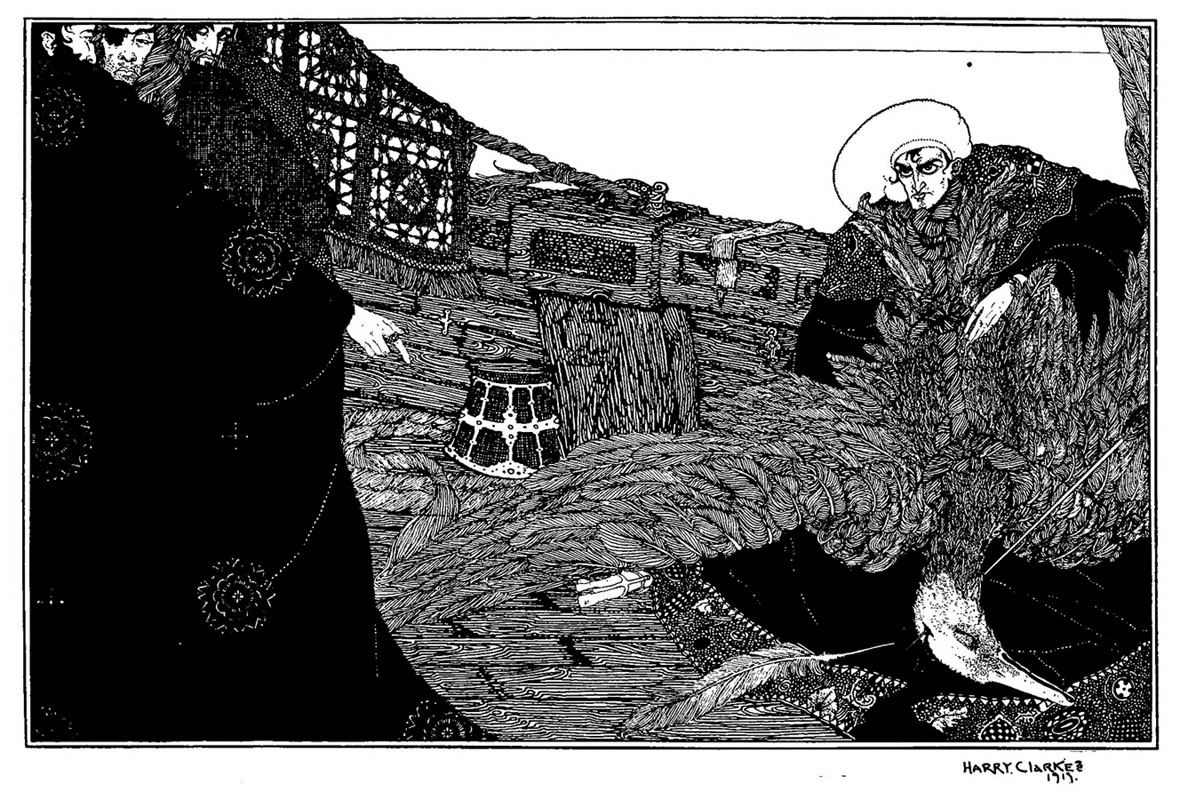
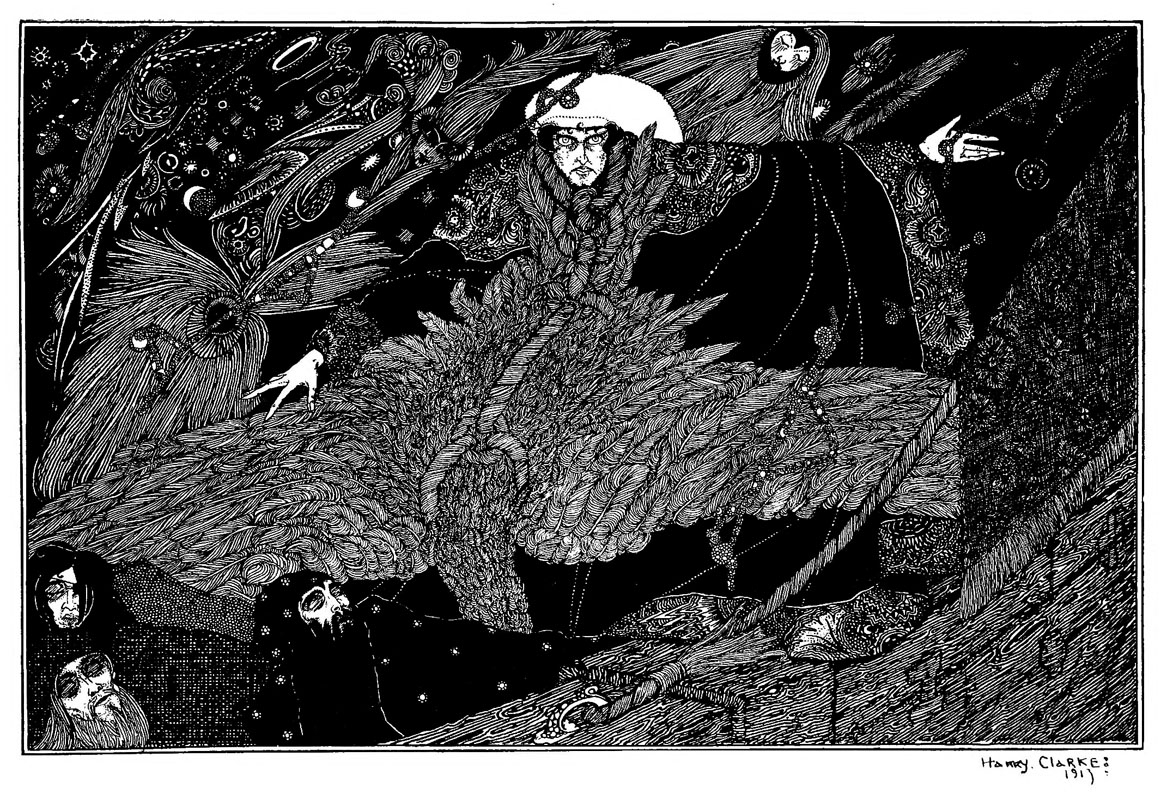
The Rime of the Ancient Mariner by Harry Clarke.

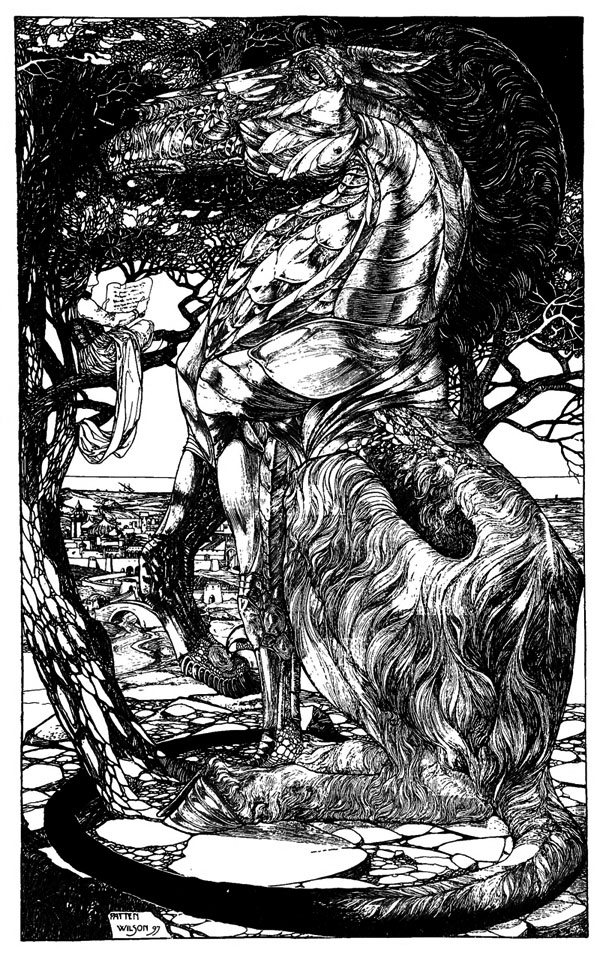
Some samples from a collection of mostly black-and-white drawing at the Internet Archive, Modern Book Illustrators and Their Work (1914), edited by C. Geoffrey Holme & Ernest G. Halton. This was an illustration review produced by The Studio magazine and in this edition happens to feature two pieces of work from Harry Clarke’s The Rime of the Ancient Mariner (1913). Also at the Internet Archive is an earlier Studio publication, Modern Pen Drawings: European and American from 1901 from which I’ve selected Patten Wilson’s hyper-detailed rendering of Rustum and the Simoorg, a fantastic piece of work in every sense.

clarke2.jpg

The Rime of the Ancient Mariner by Harry Clarke.

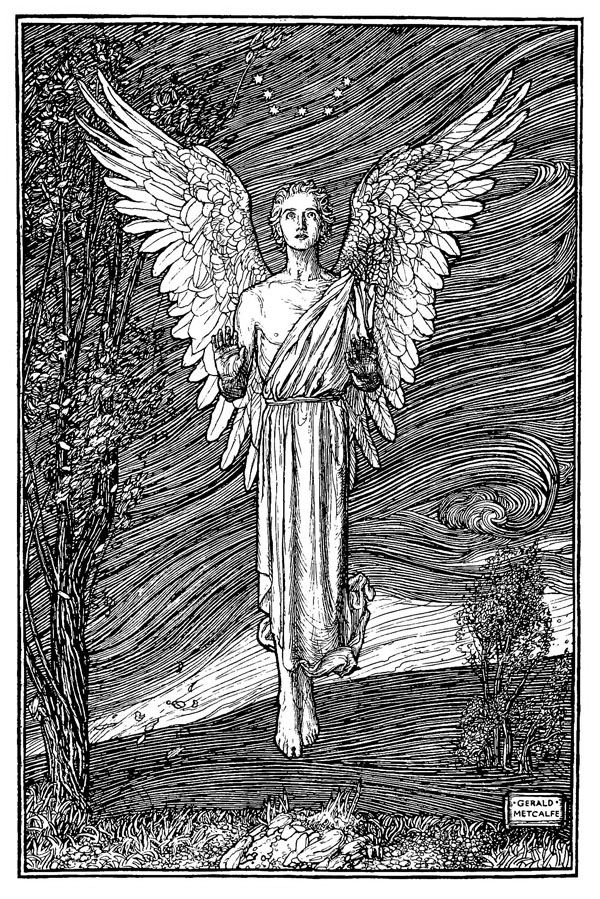
metcalfe.jpg

From The Poems of Coleridge by Gerald Metcalfe.

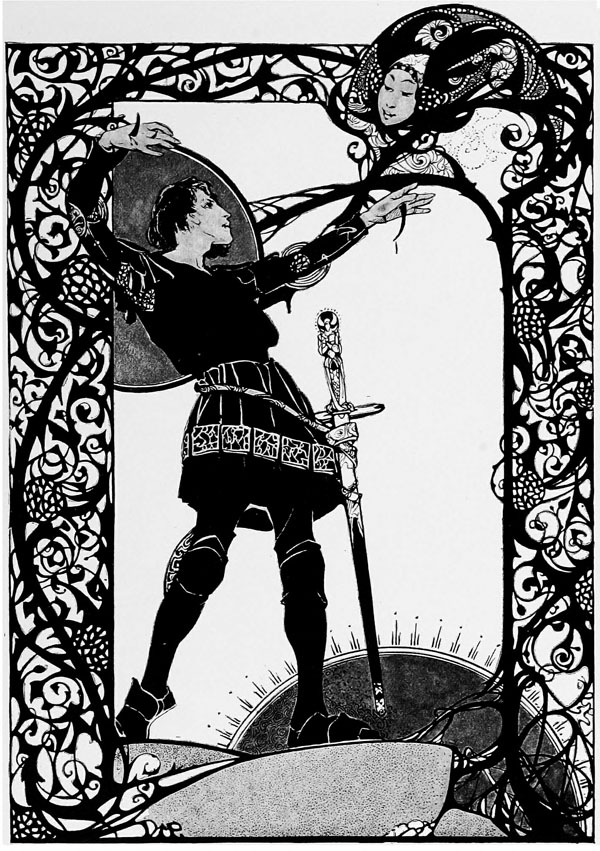
payne.jpg

La Belle Dame sans Merci by Dorothy M. Payne.

wilson.jpg

Rustum and the Simoorg by Patten Wilson.

Elsewhere on { feuilleton }
The illustrators archive

Previously on { feuilleton }
Illustrating Poe #3: Harry Clarke
Strangest Genius: The Stained Glass of Harry Clarke
Harry Clarke’s stained glass
Harry Clarke’s The Year’s at the Spring
The art of Patten Wilson, 1868–1928
The art of Harry Clarke, 1889–1931

Powell’s Bluebeard

bluebeard1.jpg

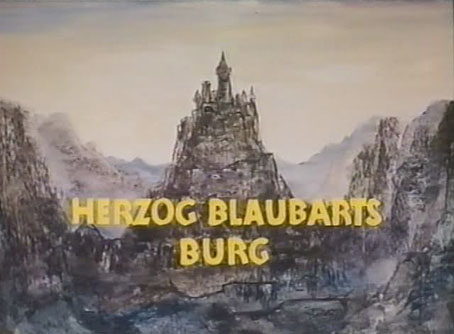
The subject of yesterday’s post, The Tales of Hoffmann, was the closest Michael Powell came to realising his concept of the “composed film”, a work intended to combine performance, music, lighting and set design thereby creating something which was unique to cinema. The central ballet sequence in The Red Shoes is another example of this, and Powell & Pressburger had plans to follow Hoffmann with similar works, including something based on The Odyssey that would have had contributions from Igor Stravinsky and Dylan Thomas. Their plans didn’t work out, unfortunately, Hoffmann was less successful than was hoped and the Archers partnership was eventually reduced to making dull films about the Second World War until P&P went their separate ways. The scandal of Peeping Tom in 1960 finished Powell’s career as a filmmaker in Britain, but he managed to return to the composed film concept in 1963 when production designer Hein Heckroth asked him to direct a production of the Bartók opera Bluebeard’s Castle for German television. Heckroth was responsible for the distinctive character of the later Archers films, including The Red Shoes and Tales of Hoffmann, but was working here with greatly reduced resources. Being a great Bartók enthusiast as well as a Powell aficionado it’s long been a source of frustration for me that this hour-long film is one of the least visible from Powell’s career. To date, the stills shown here are about the only visuals one can find.

bluebeard2.jpg

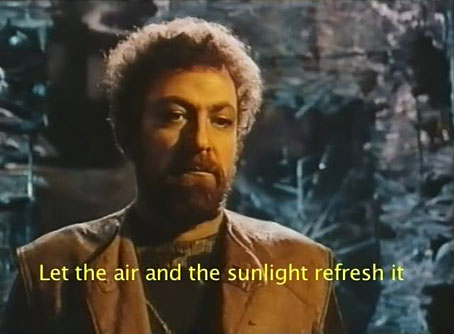
Bluebeard: Norman Foster.

Bluebeard’s Castle was Bartók’s only opera, a tremendous work and a lot easier to digest than some being a one-act piece for two singers: bass (Bluebeard) and soprano (Judith, his wife-to-be). The fairy tale of the murderous husband is turned into a psychodrama with Judith’s successive opening of the castle’s seven doors revealing more than she wants to know about her suitor’s personality. The libretto by Béla Balázs drops the last-minute rescue of the heroine by her brothers for a darker conclusion. The simple storyline and pronounced symbolism—the doors are often given different colours, while the rooms to which they lead each have a symbolic decor and import—lends itself to a variety of interpretations. Needless to say I’d love to see how Heckroth and Powell presented the drama. To whet the appetite further, one of the P&P sites has this account of a recent screening.

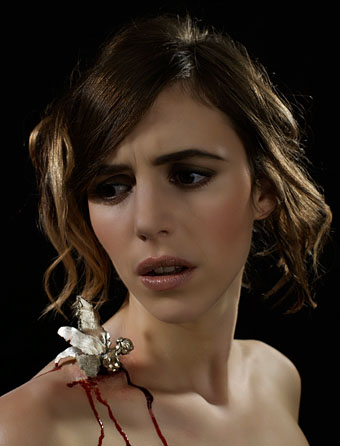
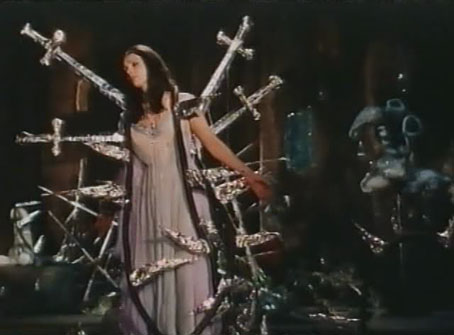
bluebeard3.jpg

Judith: Ana Raquel Sartre.

There are many other filmed versions of this opera, of course, and YouTube has the usual motley selection chopped into opus-ruining ten-minute segments. The BBC screened a fantastically gloomy version in 1988 by Leslie Megahey, director of many fine TV documentaries including the major Orson Welles edition of Arena in 1982 and a chilling adaptation of Sheridan Le Fanu’s Schalcken the Painter. His Bluebeard has been released on DVD in the US, and YouTube has an extract here.

Previously on { feuilleton }
The Tale of Giulietta
Diaghilev and the Ballets Russes
Béla Bartók caricatured

The Tale of Giulietta

hoffmann01

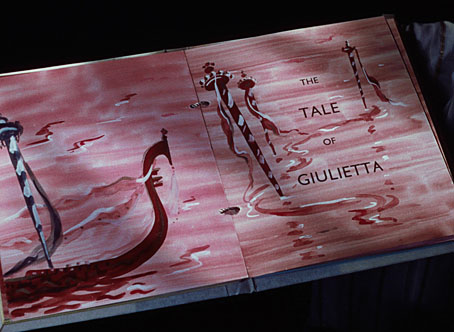
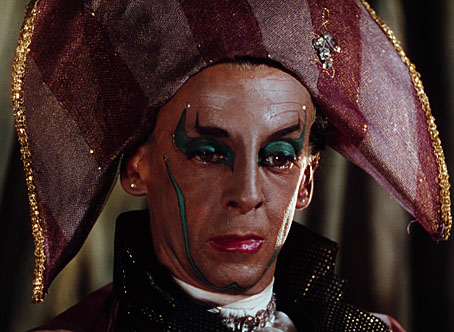
Watching Powell and Pressburger’s The Tales of Hoffmann (1951) again at the weekend it occurred to me that the second act, The Tale of Giulietta, is the closest British cinema gets to the extravagant weirdness of Fellini Satyricon. Or it was until Velvet Goldmine… Lavish costumes and artificial decor, feasts, orgies, lust, betrayal, sorcery, a duel…it’s all there, even a spot of androgyny if you count Pamela Brown’s role as Nicklaus.

• Ludmilla Tchérina as Giulietta
• Robert Helpmann as Dapertutto
• Robert Rounseville as Hoffmann
• Léonide Massine as Schlemil
• Pamela Brown as Nicklaus

If this is on YouTube I don’t want to know. Do the artists a favour, watch their work on DVD.

hoffmann02

Continue reading “The Tale of Giulietta”