Salvator Rosa’s witches

rosa01.jpg

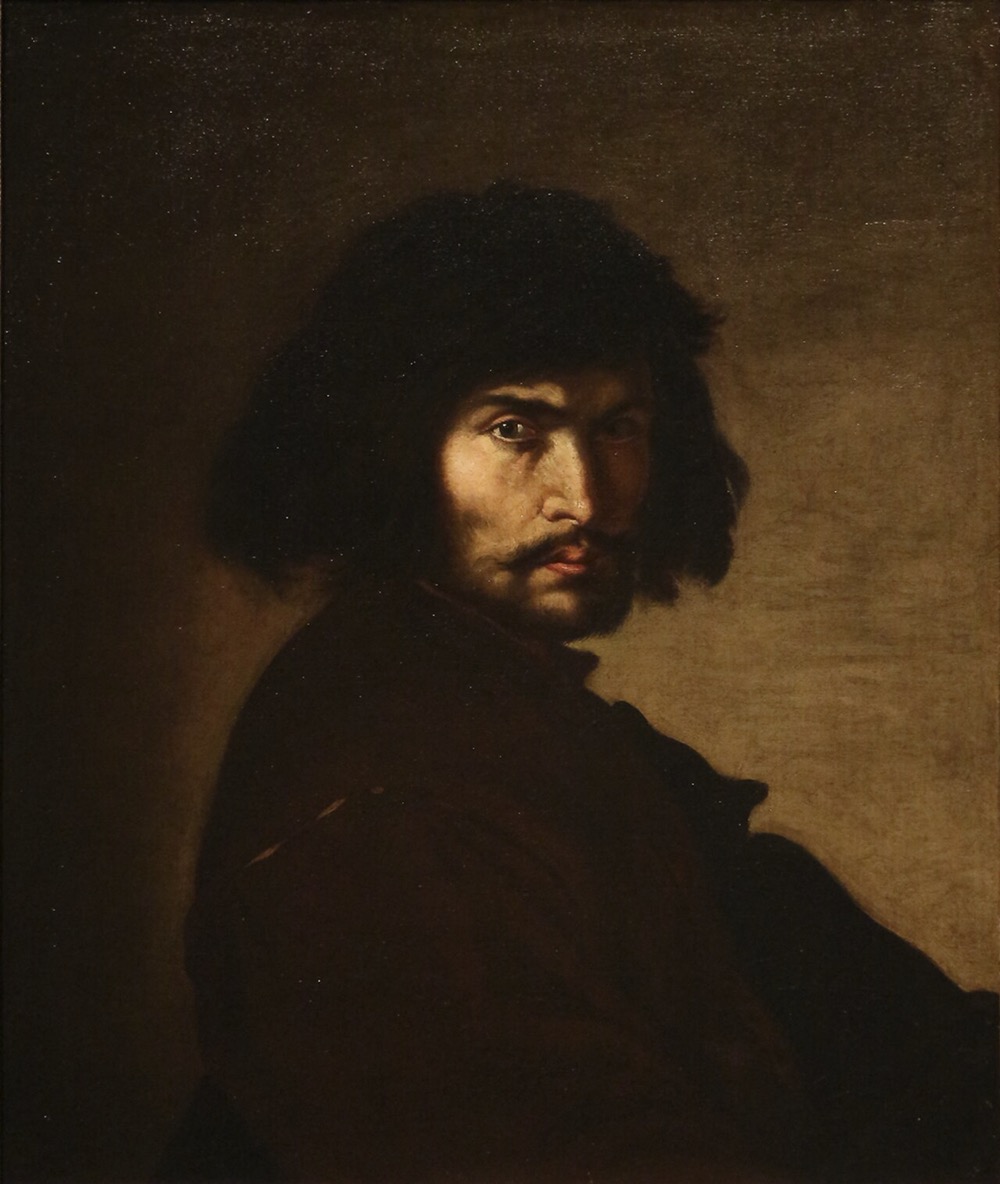
Self-portrait (1650).

Weeds and briers reigned, and furtive wild things rustled in the undergrowth. Upon everything was a haze of restlessness and oppression; a touch of the unreal and the grotesque, as if some vital element of perspective or chiaroscuro were awry. I did not wonder that the foreigners would not stay, for this was no region to sleep in. It was too much like a landscape of Salvator Rosa; too much like some forbidden woodcut in a tale of terror.

HP Lovecraft, from The Colour Out of Space

My recent reading has included some of ETA Hoffmann’s stories, ostensibly his weird tales although there hasn’t been anything especially weird about the ones I’ve read so far. One of these, Signor Formica, is a novella-length piece with Italian artist Salvator Rosa (1615–1673) as the main character, a story that adds a layer of fiction to the rumours and apocrypha the artist accumulated like so many coats of varnish. Hoffmann has Rosa arriving in Rome where he spends little time painting and much more time operating as a highly proficient agent of vengeance for a younger artist. The real Rosa was proficient enough without anyone having to exaggerate his accomplishments. In his early life he trained as a musician; in the years when he was struggling to sell his paintings he worked as an actor, and had some success as a writer of satirical plays. The theatrical side of Rosa’s career is one that Hoffmann exploits in his story.
rosa05.jpg

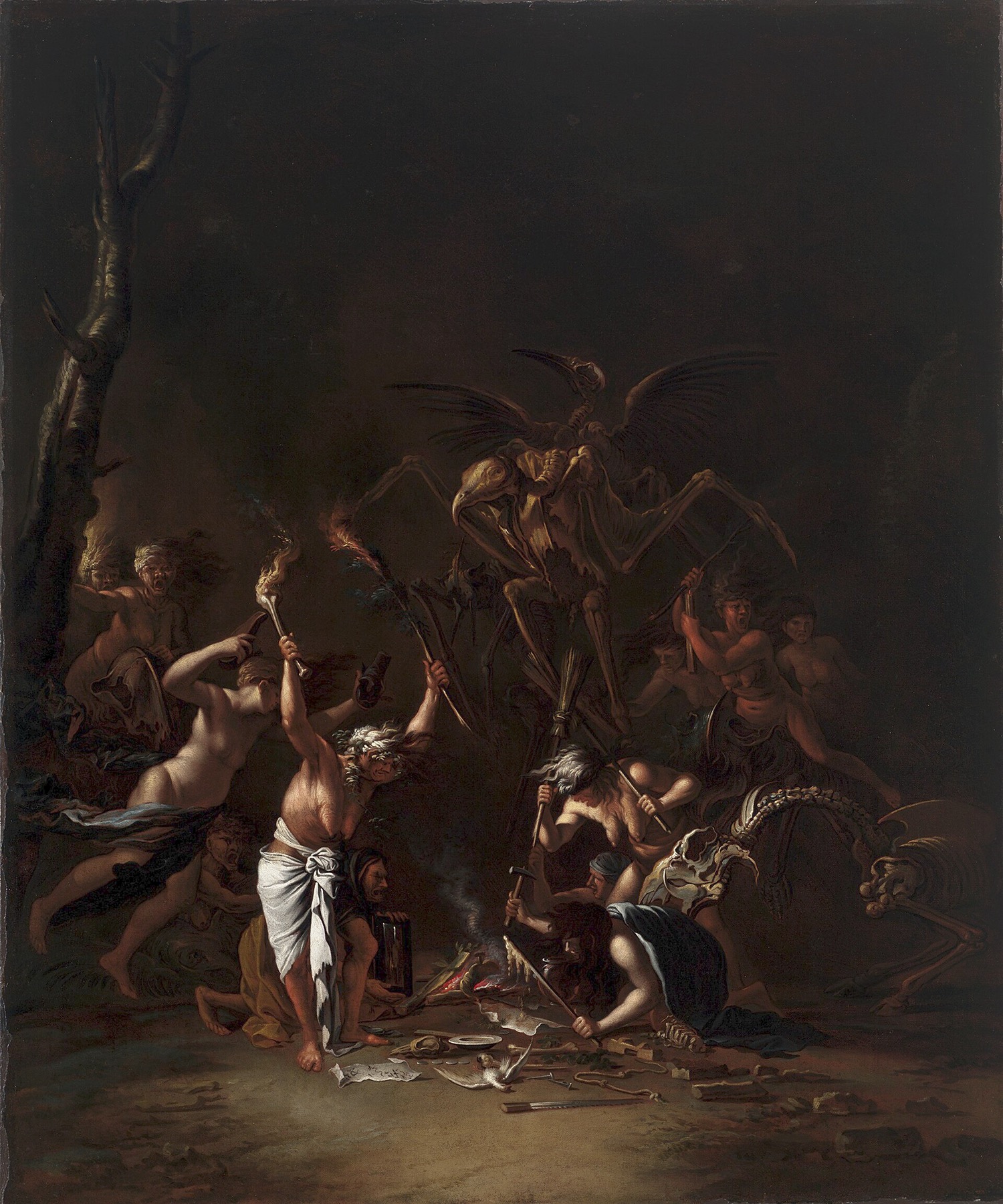
The Witches’ Sabbath (c.1635/1654).

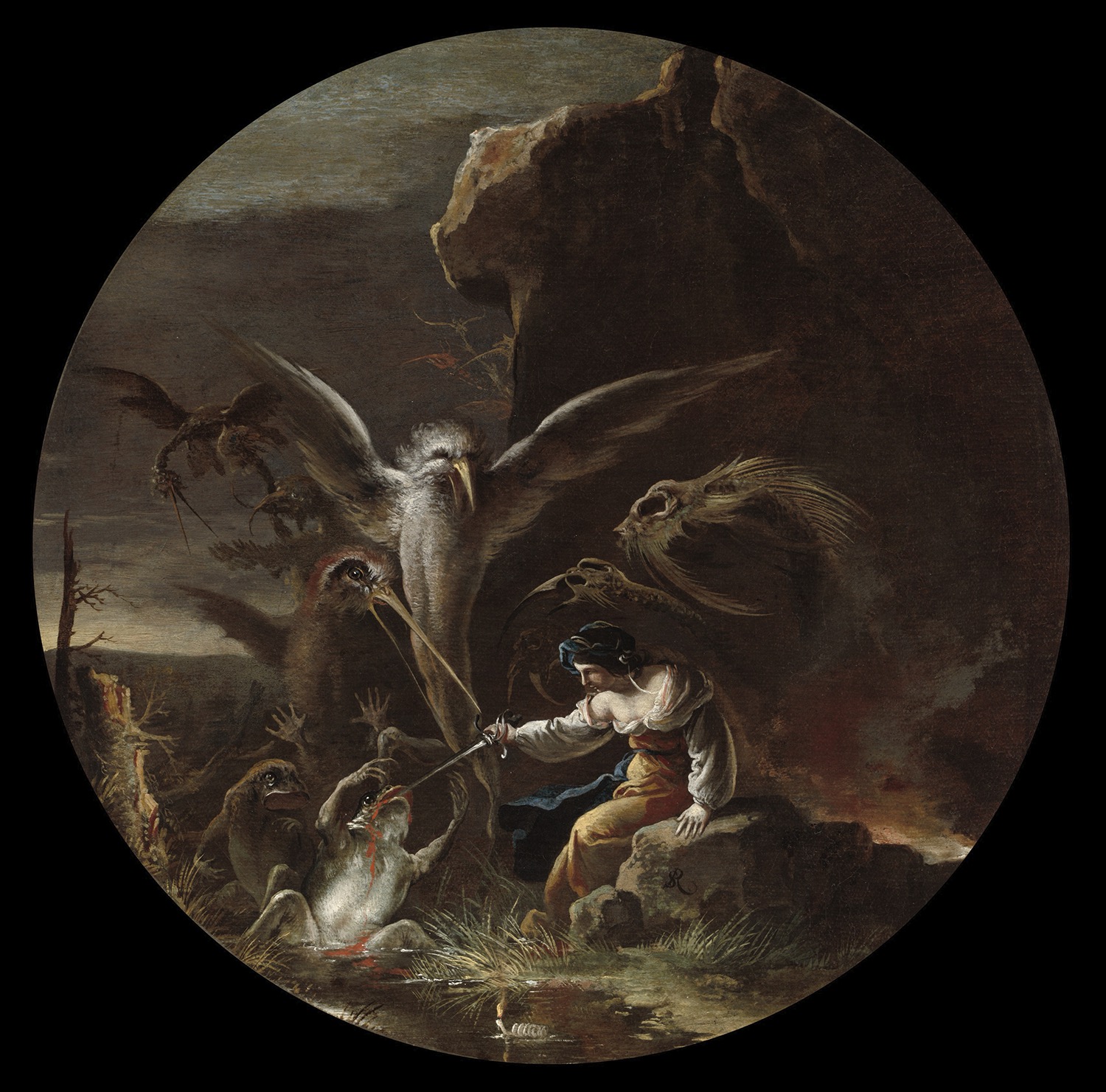
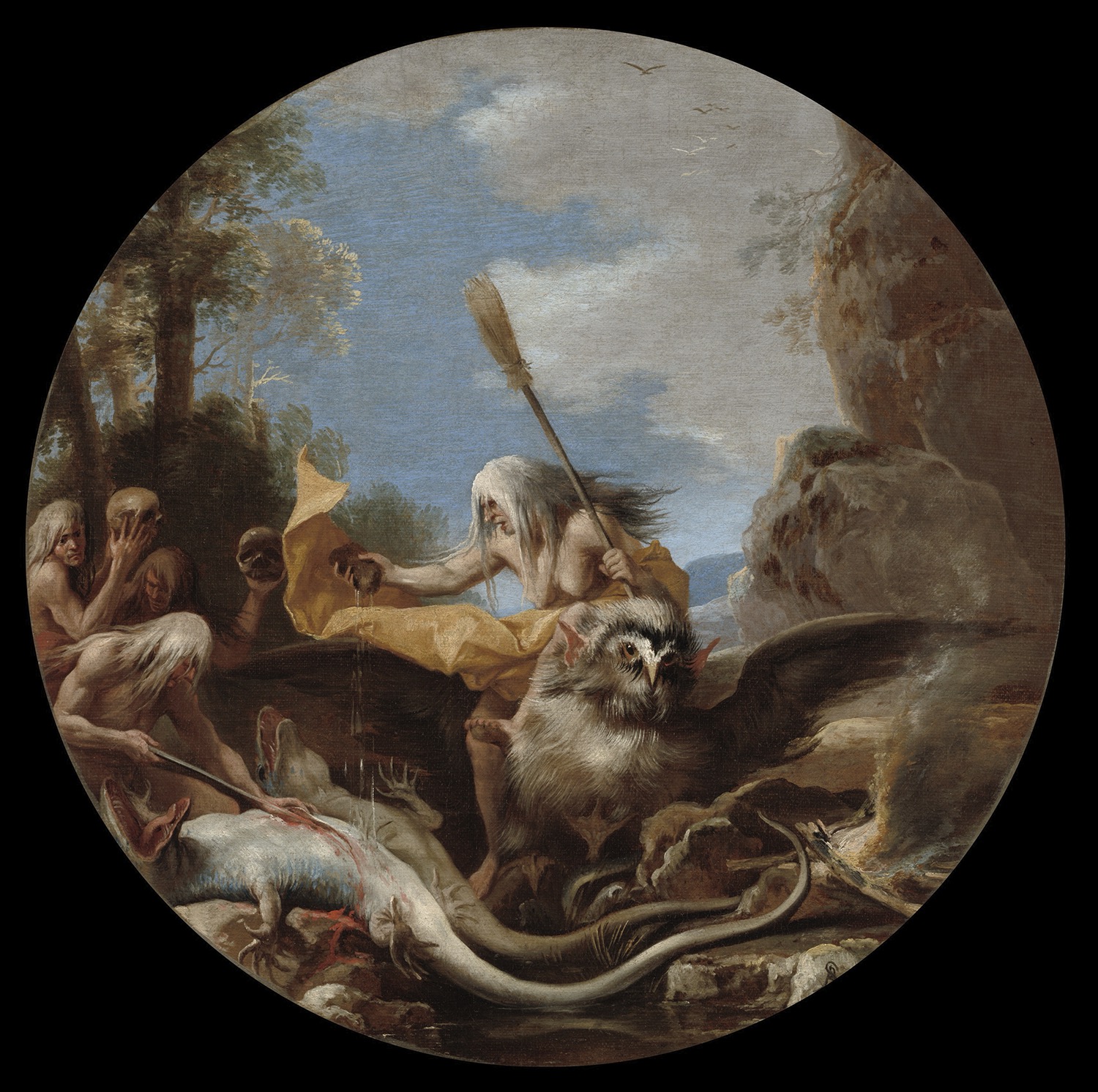
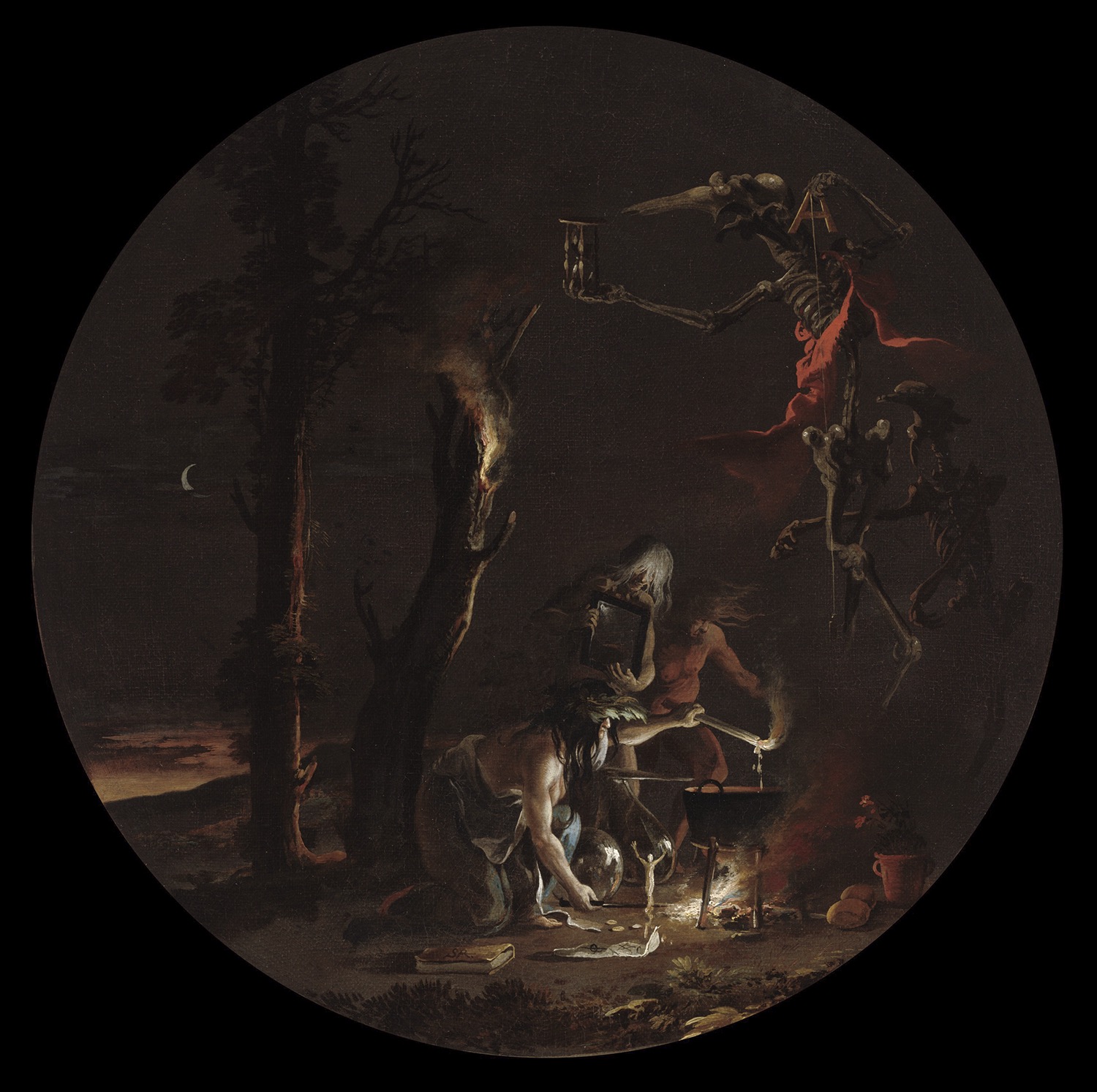
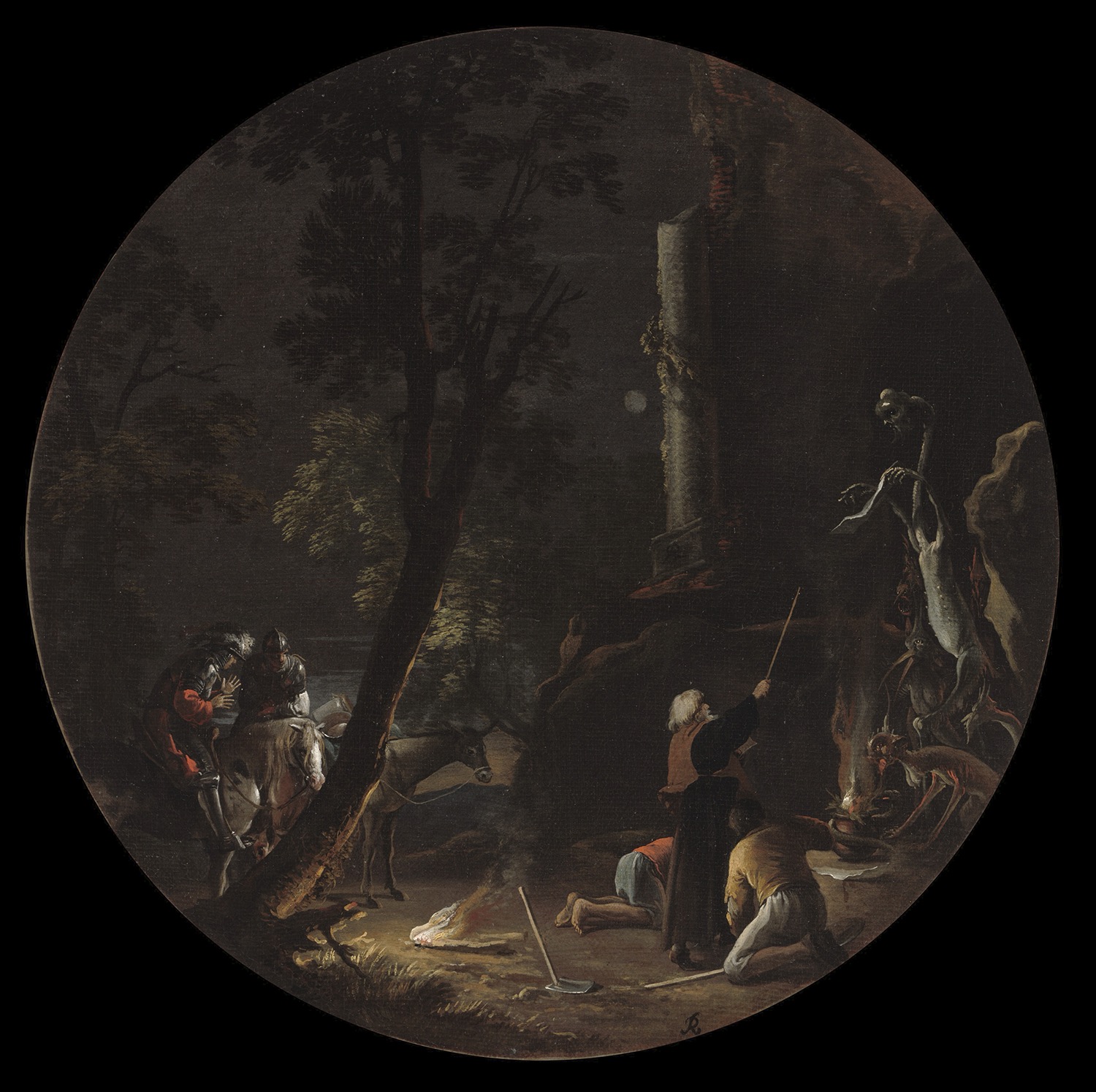
Hoffmann says surprisingly little about Rosa’s paintings—a familiarity on the part of his readership seems to be taken for granted—but Signor Formica had me looking them up again, especially the more grotesque examples of which there are many to choose from. Rosa was somewhat ahead of his time in both his subject matter and its handling, providing an artistic link between the late Mannerists and the Romantics of the 1800s who would find much to admire in his dark and violent depictions of witches and the bandits of Southern Italy. The bandit pictures were especially popular in the 1800s but since we’re now in the Season of the Witch it seems fitting to look at Rosa’s witches, or those that are visible in the murk of his shadowy canvases. Rosa’s streghe are a fearsome lot, as are the nameless creatures who attend their ceremonies. The monsters you find in older paintings can often seem more comical than frightening but there’s little that’s comical about these snapping assemblages of slaughterhouse remains.
rosa08.jpg

Scenes of Witchcraft: Morning (c.1645–49).
rosa09.jpg

Scenes of Witchcraft: Day (c.1645–49).
rosa10.jpg

Scenes of Witchcraft: Evening (c.1645–49).
rosa11.jpg

Scenes of Witchcraft: Night (c.1645–49).
Continue reading “Salvator Rosa’s witches”

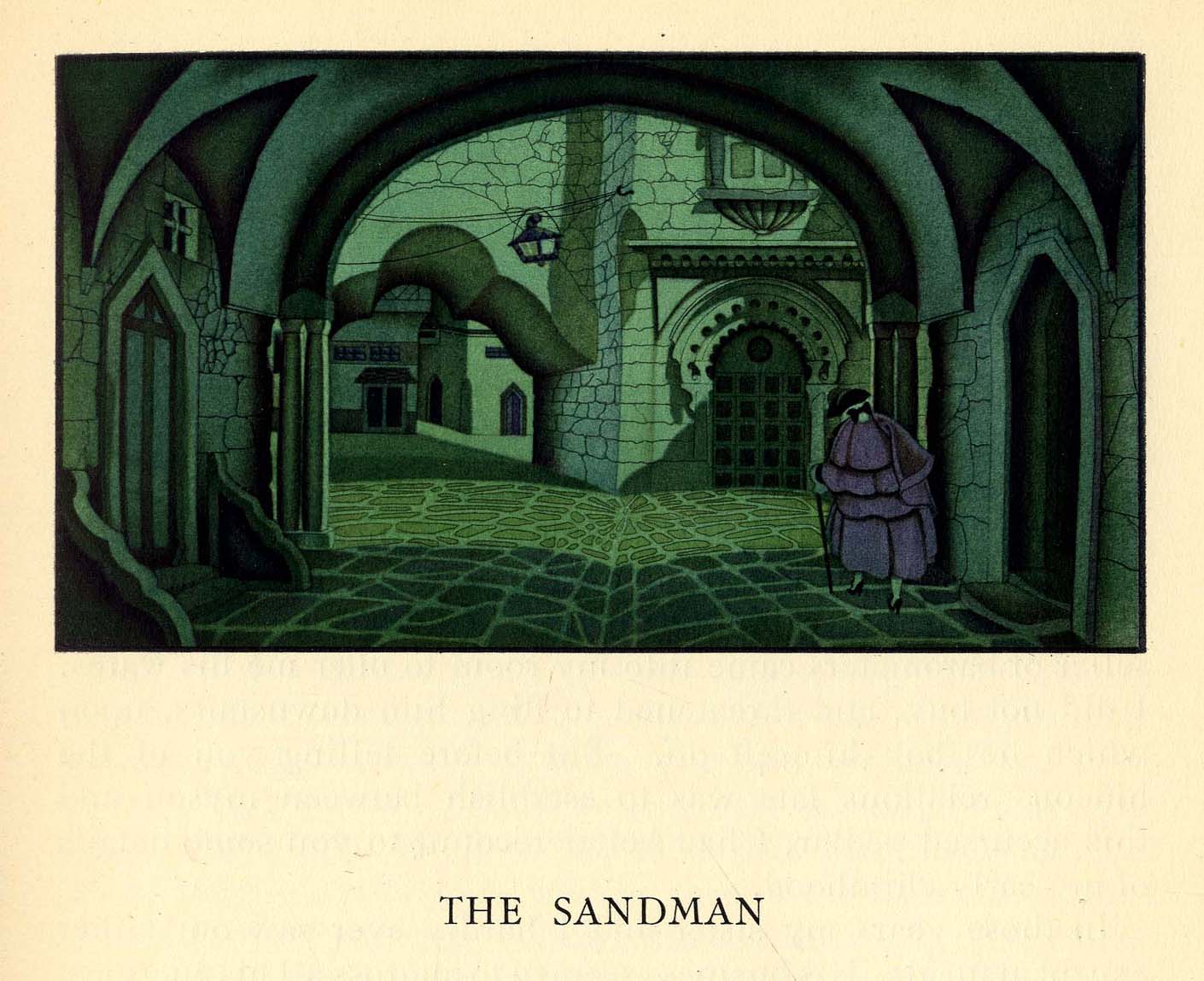
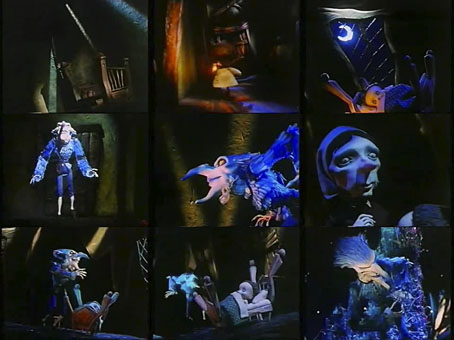
The Sandman, a film by Paul Berry

sandman.jpg

Nothing to do with Neil Gaiman’s Goth dream-master, and not a film for children despite appearances, Paul Berry’s short animation, The Sandman (1991), is based on Der Sandmann by ETA Hoffmann. The less said about its content, the better; watch it to the end. Paul Berry later worked as a puppet animator on feature films including The Nightmare Before Christmas. I didn’t know—and was dismayed to discover—that he died in 2001 at the age of 40.

Franz Stassen’s illustrated Hoffmann

stassen01.jpg

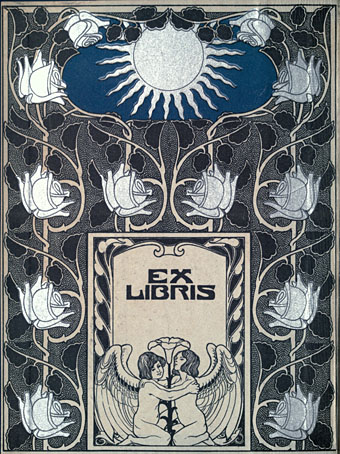
Endpaper design with an ex libris plate by the artist.

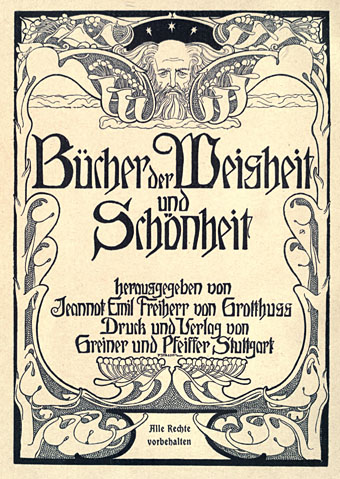
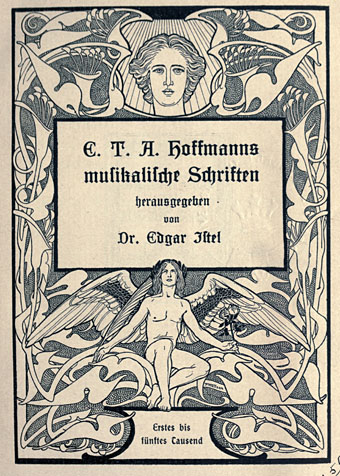
Another prolific illustrator with a clear-line style, Franz Stassen (1869–1949) here decorates the pages of Musikalische Schriften, a book devoted to the musical works of writer ETA Hoffmann. I haven’t checked but I’m fairly sure that Stassen was featured in Jugend magazine a few times, his florid style in this undated volume would certainly complement the work of the other artists there. Like some of those artists, Stassen was enthused by Teutonic nationalism during the First World War, a path that led eventually to work for, and plaudits, from the Nazis. We’re also told (via an unsourced Wikipedia detail) that he ended his days in a gay relationship, something the Third Reich would have either overlooked or conveniently ignored.

stassen02.jpg

stassen03.jpg

Continue reading “Franz Stassen’s illustrated Hoffmann”

The art of Mario Laboccetta

laboccetta01.jpg

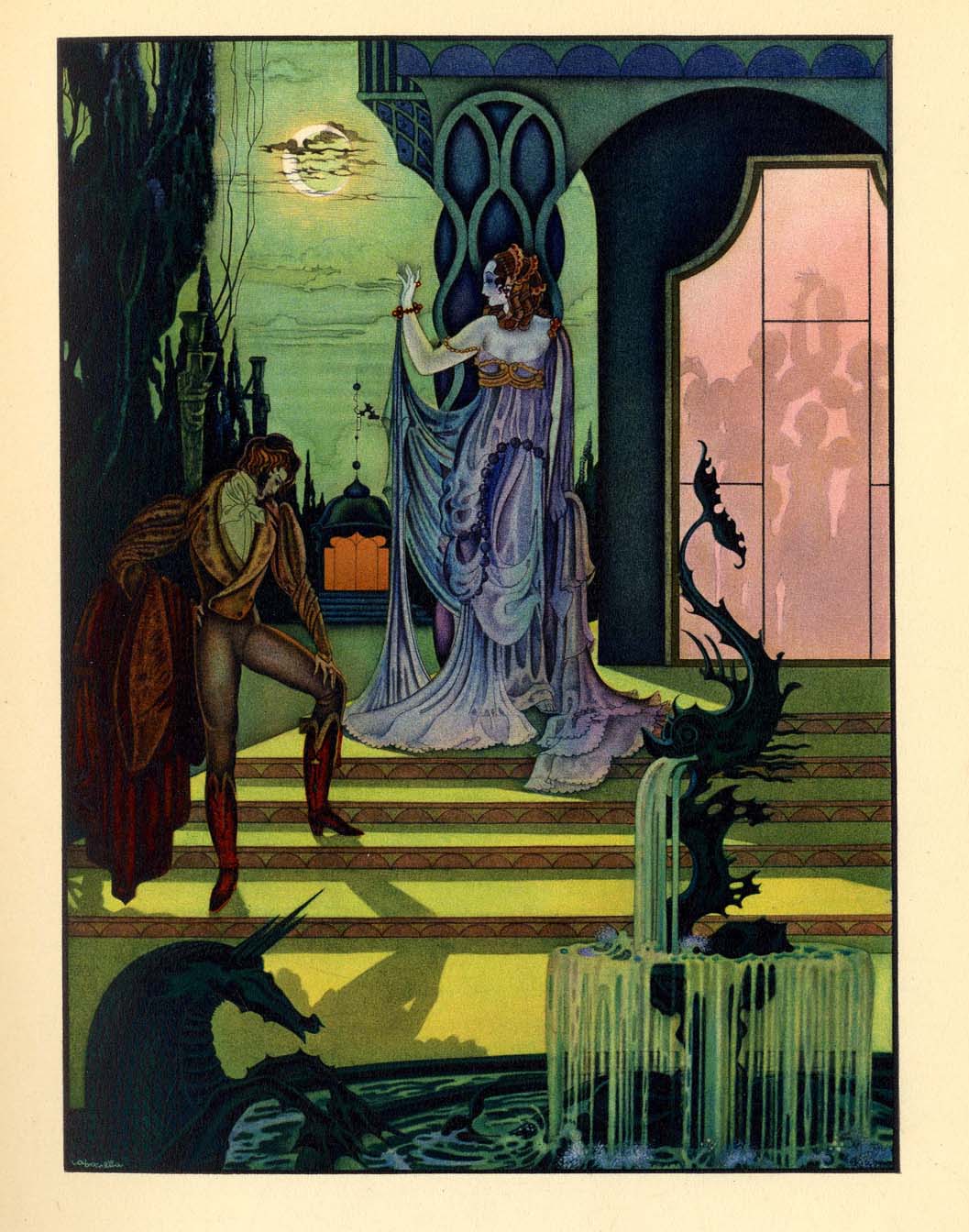
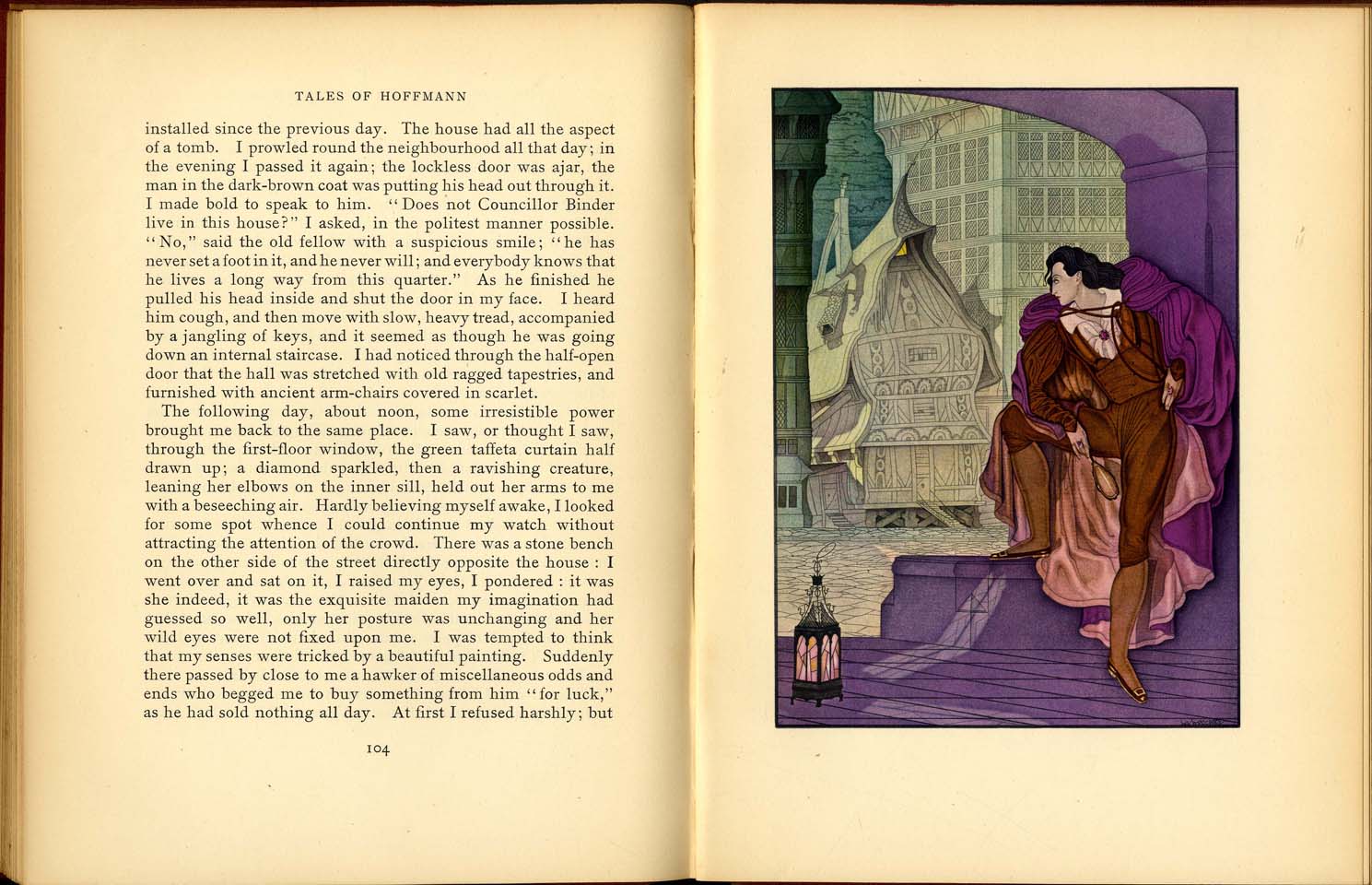
Tales of Hoffmann (1932).

Another great illustrator about whom information is scant; I need better reference books, the web is often no use at all. Monsieur Thombeau posted the cover to Laboccetta’s edition of Les Fleurs du Mal (below) which had me looking around for other work by the artist. VTS has pages from a 1932 edition of Tales of Hoffmann while more of the Baudelaire pictures can be found on various bookdealers’ sites. As to the artist, we’re told he was an Italian living in Paris, and this French site has a small list of his illustrated editions. It’s frustrating to see that Les Paradis Artificiels is among these; what did he make of Baudelaire’s opium visions?

laboccetta02.jpg

Tales of Hoffmann (1932).

laboccetta03.jpg

Tales of Hoffmann (1932).

Continue reading “The art of Mario Laboccetta”

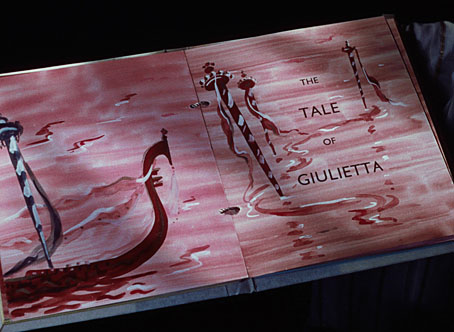
The Tale of Giulietta

hoffmann01

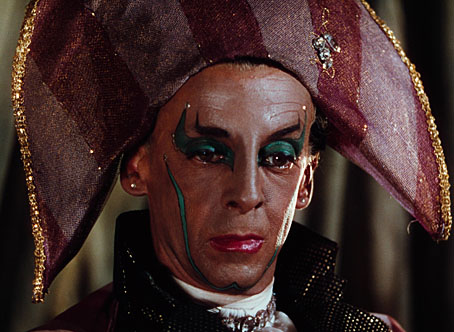
Watching Powell and Pressburger’s The Tales of Hoffmann (1951) again at the weekend it occurred to me that the second act, The Tale of Giulietta, is the closest British cinema gets to the extravagant weirdness of Fellini Satyricon. Or it was until Velvet Goldmine… Lavish costumes and artificial decor, feasts, orgies, lust, betrayal, sorcery, a duel…it’s all there, even a spot of androgyny if you count Pamela Brown’s role as Nicklaus.

• Ludmilla Tchérina as Giulietta
• Robert Helpmann as Dapertutto
• Robert Rounseville as Hoffmann
• Léonide Massine as Schlemil
• Pamela Brown as Nicklaus

If this is on YouTube I don’t want to know. Do the artists a favour, watch their work on DVD.

hoffmann02

Continue reading “The Tale of Giulietta”