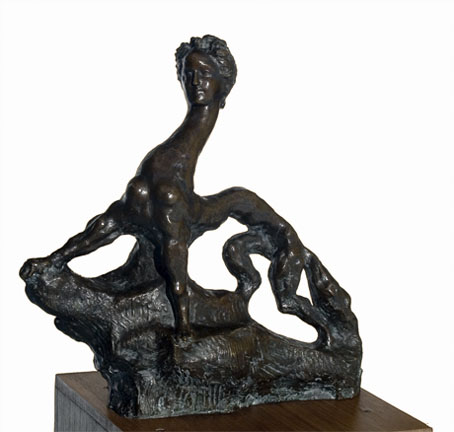
The chimeras of Dimitrie Paciurea

paciurea2.jpg

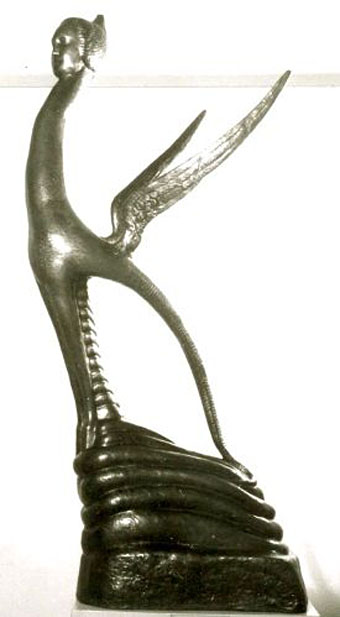
Chimera (1923).

One of the many commendable things about Dreamers of Decadence (1971) by Philippe Jullian is the use of the figure of the chimera to describe the impulse that drove the development of Symbolist art in the late 19th century. A chimera is a fabulous, hybrid creature which is also a metaphor for an unfounded conception or mental phantasm, and chimeras happen to be as popular in Symbolist art as the more familiar sphinx. Both creatures had been given a heady promotion in the fin de siècle imagination thanks to Gustave Flaubert’s extravagant Temptation of Saint Anthony whose final version appeared in 1874; the fluid and metaphoric nature of the chimera, however, makes for a more useful image in art.

Romanian sculptor Dimitrie Paciurea was born around 1874 (his birthdate is uncertain), and is one of those artists who perpetuated Symbolist themes in the 20th century by which time they were rapidly losing the little grace they once possessed. In addition to the profusion of chimeras seen here Paciurea was also sculpting fauns and Pan figures, further hybrids from the Symbolist menagerie. These photos are from WikiPaintings where the artist is rather fatuously categorised as an Impressionist.

paciurea7.jpg

Chimera of the Earth.

paciurea3.jpg

Chimera of the Sky.

Continue reading “The chimeras of Dimitrie Paciurea”

February

february2.jpg

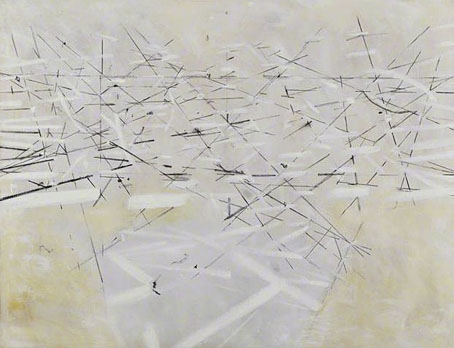
February Painting (Winter Series No.1) (1994) by Wilhelmina Barns-Graham.

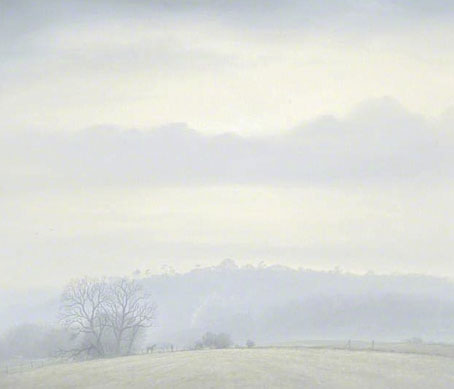
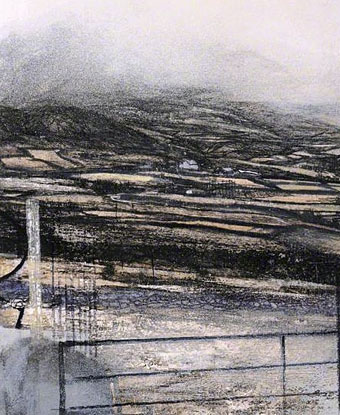
The end of winter at the Google Art Project and the BBC’s Your Paintings site.

february3.jpg

Landscape: A Late February Afternoon (1979) by Steven Outram.

february1.jpg

February (above Tan y Foel) III (no date) by Darren Hughes.

Continue reading “February”

Weekend links 200

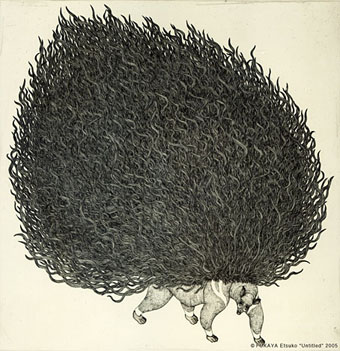
fukaya.jpg

Untitled etching by Etsuko Fukaya, 2005.

• “By the time Scorsese met Powell, in 1975, the British director had fallen on hard times and was largely ignored by the UK film establishment.” A London office used by Michael Powell and Emeric Pressburger is given the Blue Plaque treatment.

• Ambient reminiscences at The Quietus: Wyndham Wallace on the genesis of Free-D (Original Soundtrack) by Ecstasy Of St Theresa, and Ned Raggett on Aphex Twin’s Selected Ambient Works II.

• “Even Queen Victoria was prescribed tincture of cannabis,” writes Richard J. Miller in Drugged: the Science and Culture Behind Psychotropic Drugs. Steven Poole reviewed the book.

I don’t relate to standard psychologizing in novels. I don’t really believe that the backstory is the story you need. And I don’t believe it’s more like life to get it—the buildup of “character” through psychological and family history, the whole idea of “knowing what the character wants.” People in real life so often do not know what they want. People trick themselves, lie to themselves, fool themselves. It’s called survival, and self-mythology.

Rachel Kushner talking to Jonathan Lee

Sound Houses by Walls is a posthumous collaboration based on a collection of “weird sonic doodles” by electronic composer Daphne Oram. FACT has a preview.

The skeletal trees of Borth forest, last alive 4,500 years ago, were uncovered in Cardigan Bay after the recent storms stripped the sand from the beach.

Stephen O’Malley talks to Jamie Ludwig about Terrestrials, the new album by Sunn O))) and Ulver. There’s another interview here.

• At BibliOdyssey: Takushoku Graphic Arts—graphic design posters by contemporary Japanese artists.

• The Unbearable Heaviness of Being: Dave Segal on the rumbling splendour of Earth 2.

So Much Pileup: “Graphic design artifacts and inspiration from the 1960s – 1980s.”

• Lots of illustrations by Virgil Finlay being posted at The Golden Age just now.

• Mix of the week: Episode #114 by Lustmord at Electric Deluxe.

Lucinda Grange’s daredevil photography. There’s more here.

Experimental music on Children’s TV

Kazumasa Nagai at Pinterest.

• Teeth Of Lions Rule The Divine (1993) by Earth | He Who Accepts All That Is Offered (Feel Bad Hit Of The Winter) (2002) by Teeth Of Lions Rule The Divine | Big Church (megszentségteleníthetetlenségeskedéseitekért) (2009) by Sunn O)))

Derek Jarman album covers

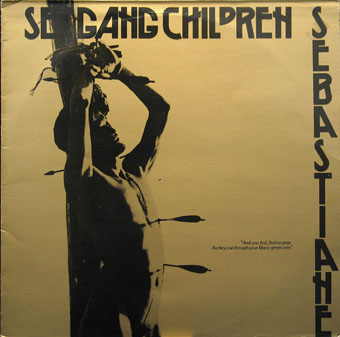
sexgang.jpg

Sebastiane (1983) by Sex Gang Children. A 12″ single using a still from Jarman’s film.

A final post for this Jarman week. Derek Jarman sustained his film career with regular music promo commissions (see this earlier post) but he never produced any album covers as such. What you have here are music releases which happen to feature his artwork or stills from his films. One thing I like about these cover art posts is the disparate music lists they create; the process of investigation also turns up surprises such as a Jayne County album for which he supplied the lettering.

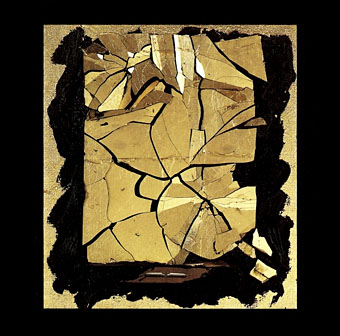
coil.jpg

How To Destroy Angels (1992) by Coil. Painting: Fine Balance (1986).

Coil’s album of remixes and digital mangling of one of their earliest recordings. A great collection of rumbling ambience, some of which I used in my Night Music mixes.

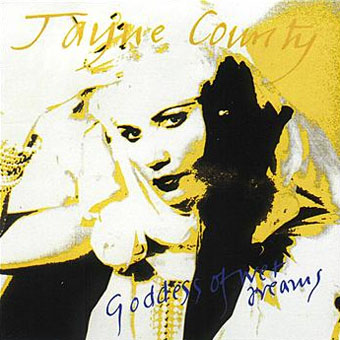
county.jpg

Goddess Of Wet Dreams (1993) by Jayne County. Graphics by Derek Jarman, painting by Michael Spencer Jones, design by Warren Heighway.

towering.jpg

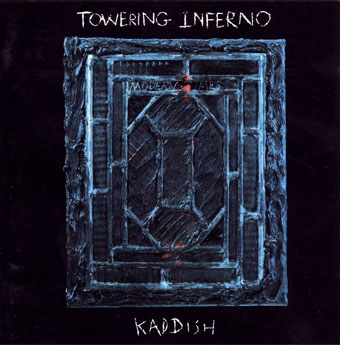
Kaddish (1993) by Towering Inferno. Painting: Modern Times.

An odd album. Towering Inferno were Richard Wolfson and Andy Saunders, who on this album are joined by a large cast of musicians including well-known names such as Márta Sebestyén, Jocelyn Pook, Elton Dean, Chris Cutler, and others. The album is described as “a dream history of Europe in the wake of the Holocaust”, and received great praise on its release although I wonder how often anyone listens to it today. Beautiful pieces of music spoiled throughout by surprisingly hamfisted use of vocal samples.

Continue reading “Derek Jarman album covers”

The Salivation Army, a film by Scott Treleaven

salivation1.jpg

I think of the area of magic as a metaphor for the homosexual situation. You know, magic which is banned and dangerous, difficult and mysterious. I can see that use of magic in the Cocteau films, in Kenneth Anger and very much in Eisenstein. Maybe it is an uncomfortable, banned area which is disruptive, and maybe it is a metaphor for the gay situation.

Derek Jarman, in conversation with Simon Field and Michael O’Pray, 1985

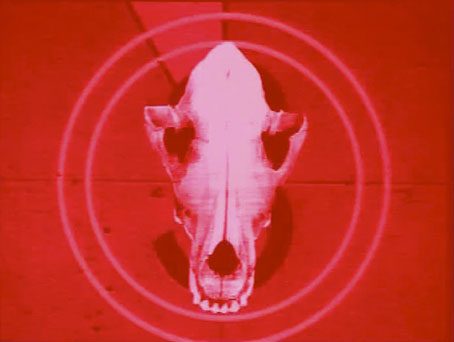
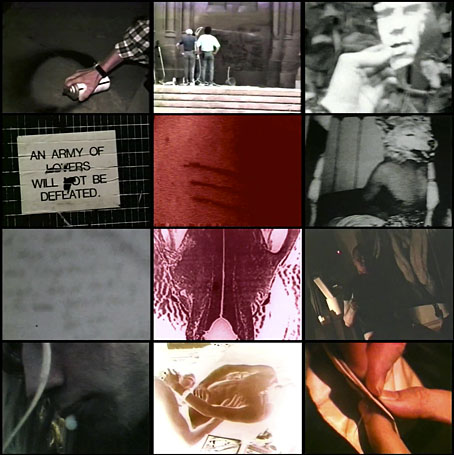
Derek Jarman’s face appears briefly in The Salivation Army (2002), a short history/memoir by Canadian artist Scott Treleaven concerning This Is The Salivation Army, a zine Treleaven produced with a small group of friends from 1996 to 1999. The film itself is credited as the ninth issue, and makes me sorry to have missed the zine in its original incarnation.

salivation2.jpg

The season of Jarman films which is currently running in London is entitled Queer Pagan Punk, and will include a screening of Treleaven’s film next month, along with Glitterbug (1994). The phrase “Queer Pagan Punk” encapsulates the ethos of This Is The Salivation Army, and Treleaven’s narration describes the origin of his zine in a familiar sense of unfocused rage, and also the alienation he and his friends felt towards the vapidities and conformity of contemporary gay culture. Being someone who’s always loathed clubbing, and the consumerist drivel that fills so many gay magazines, this is music to my ears; I just wish the zine been around in the 1980s. The shadow of the Temple of Psychic Youth—which was around in the 1980s—hangs heavily over this project; Derek Jarman had his own connections with PTV/TOPY, of course, being an ally of Throbbing Gristle, and later of Coil. The fanzine may have run its course but Treleaven continues to explore queer paganism in his artwork. The Salivation Army can be seen at Vimeo.

Previously on { feuilleton }
Just the ticket: Cabaret Voltaire
Abrahadabra
The art of Scott Treleaven