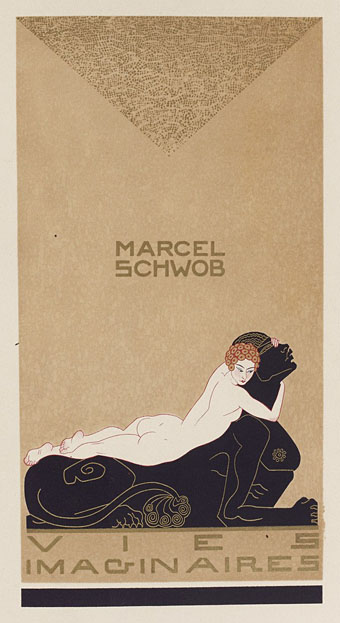
George Barbier’s Imaginary Lives

barbier-schwob01.jpg

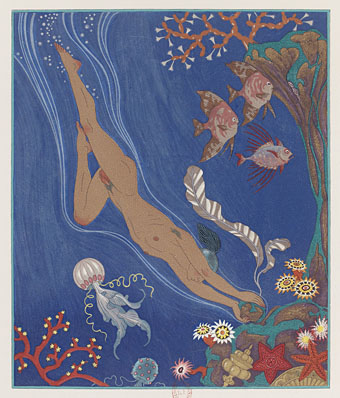
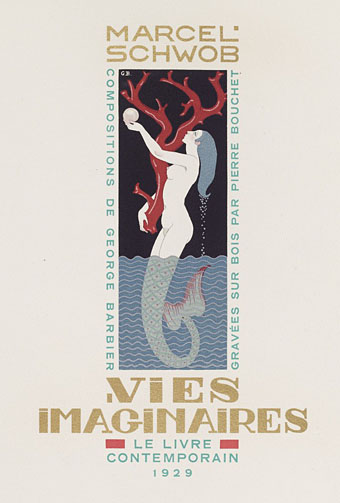
It’s always satisfying when one perennial subject here connects to another. Imaginary Lives is a story collection by Symbolist writer Marcel Schwob that George Barbier lavishly illustrated in a new edition published in 1929. Wikipedia has a précis which conveniently explains the connection:

Imaginary Lives (original French title: Vies imaginaires) is a collection of twenty-two semi-biographical short stories by Marcel Schwob, first published in book form in 1896. Mixing known and fantastical elements, it was one of the first works in the genre of biographical fiction. The book is an acknowledged influence in Jorge Luis Borges’s first book A Universal History of Infamy (1935). Borges also translated the last story “Burke and Hare, Assassins” into Spanish.
barbier-schwob02.jpg

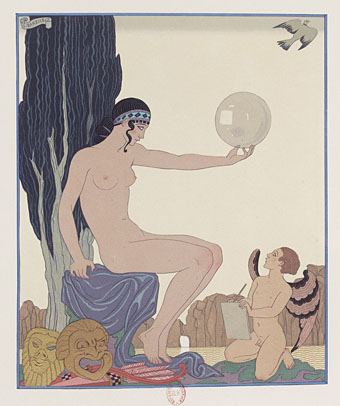
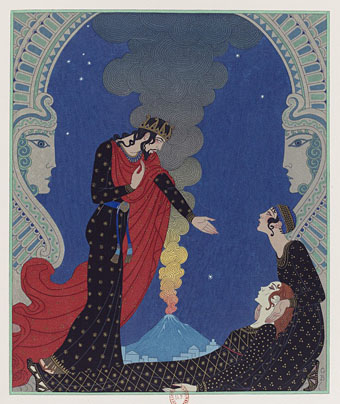
This is one of the best of Barbier’s illustrated editions, and the only one which allows him to combine his favoured references to the graphic styles of the ancient world with those of later centuries. The nude figures are also more explicitly detailed than in his earlier drawings, something only seen previously in his illustrations for an overtly erotic title, Les Chansons de Bilitis by Pierre Louÿs. The final full-page illustration is a further departure for the generally light-hearted Barbier, a drawing that so closely resembles something from Edgar Allan Poe it makes me wish he might have attempted a Poe edition of his own.
barbier-schwob03.jpg

barbier-schwob04.jpg

Empedocles, Supposed God.

barbier-schwob05.jpg

Erostate, Incendiary.

Continue reading “George Barbier’s Imaginary Lives”

Dessinateurs et humoristes: George Barbier

barbier05.jpg

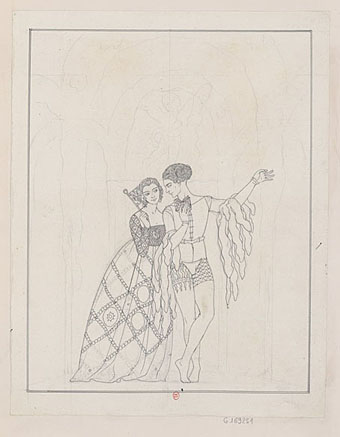
The haute couture of the 1920s has been the subject of my latest work-related research so I’ve been going through back issues of Gazette du Bon Ton, an expensive French fashion magazine which used pochoir prints of drawings by a variety of illustrators to depict the latest dress designs from Paris. One of the regular Bon Ton contributors was George Barbier (1882–1932), an artist whose work has appeared in several posts here, and who I look for now and then when browsing library archives. Searching for new Barbier may be at an end, however, since the more recent uploads at Gallica include almost all of the books that he illustrated. It’s no surprise that these have turned up eventually—it was only a matter of time—but among the cache there’s a unique item that I’d never have expected to see.

barbier03.jpg

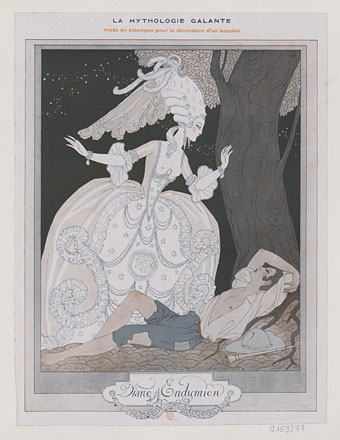
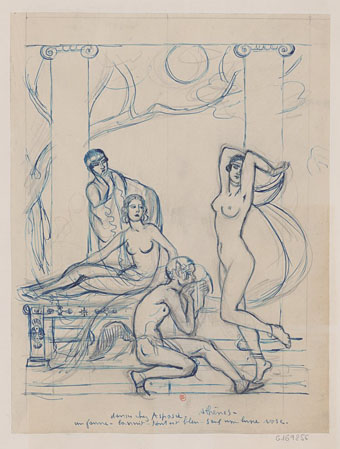
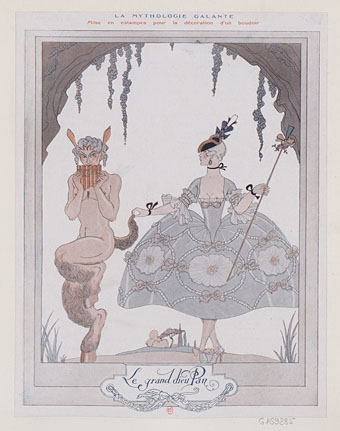
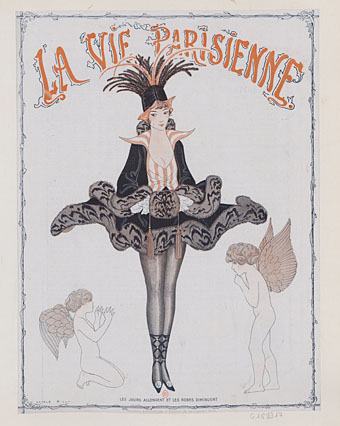
Dessinateurs et humoristes is a scrapbook of odds and ends covering Barbier’s career from 1912 to 1924, mostly humorous illustrations for magazines such as La Vie Parisienne, but the collection also includes handwritten material together with many sketches and drafts for unfinished drawings. This is part of Gallica’s “Collection Jaquet”, 113 scrapbooks collecting magazine work by French illustrators. I’ve not had the time to go through the rest of the collection but there are many familiar names in the list, each with books of their own: Albert Robida, Théophile Steinlen, two volumes dedicated to the prolific Gustave Doré, etc. Gallica’s information about these items is minimal so for now the identity of “Jaquet” remains a mystery. As for the Barbier scrapbook, if you like the artist’s drawings this is a delight to look through, a cornucopia of camp frivolity replete with all the usual crinolined ladies, powdered wigs, mischievous Cupids, tiny dogs, and almost as many nude males as there are females. There’s also a picture bearing the title “The Great God Pan” although as a representation of the deity it’s closer to Aubrey Beardsley than anything from Arthur Machen.

barbier06.jpg

barbier01.jpg

barbier07.jpg

Continue reading “Dessinateurs et humoristes: George Barbier”

Hands with a mind of their own

orlac1.jpg

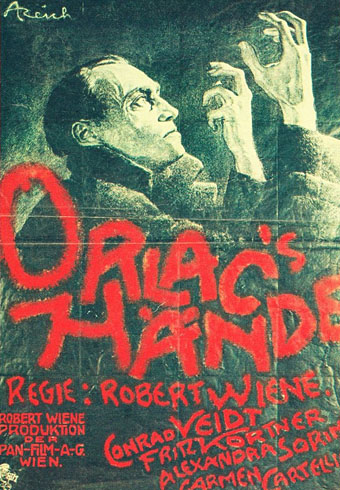
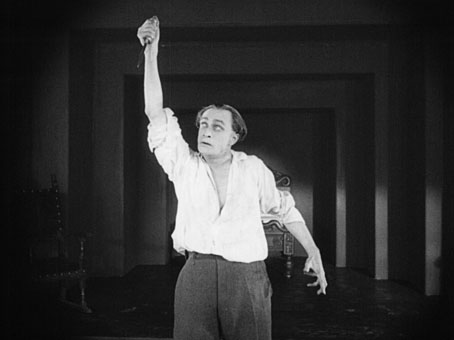
My weekend viewing included two films based on The Hands of Orlac (1920), a novel by Maurice Renard. This is one of those books that remains little read and seldom discussed even though its central idea—a concert pianist injured in a train wreck is given the hands of an executed murderer in a transplant operation—has prompted many film adaptations, almost enough to make the novel the origin of a sub-genre of hand-transplant horror. Robert Wiene’s The Hands of Orlac was the first screen adaptation made in 1924, and is another in the long list of silent films I’ve known about for decades but had to wait until now to see. The film is notable for reuniting the director of The Cabinet of Dr Caligari with Conrad Veidt, the actor who portrayed Caligari’s murderous somnambulist, Cesare, in a mute role that mostly required stalking around acutely-angled sets in a black body stocking.

orlac3.jpg

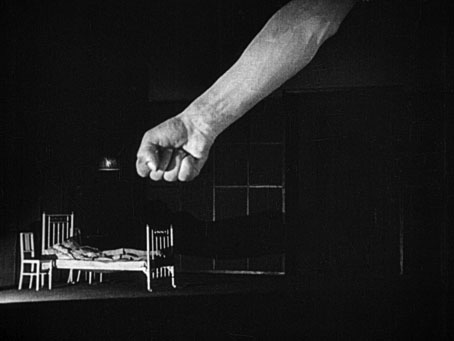
The Hands of Orlac: Paul Orlac (Conrad Veidt) is besieged by nightmares in his colossal hospital room.

Veidt has much more to do as the lead in The Hands of Orlac, giving a suitably tormented performance as the pianist convinced that his new hands retain the violent impulses of their former owner. The acting from Veidt and Alexandra Sorina as Orlac’s wife, Yvonne, is often wildly emotive, surprisingly so for a film made near the end of the silent era when the mannerisms of early silent pictures were being replaced by greater naturalism. Lotte Eisner in The Haunted Screen explains this in terms of the Expressionist influence which was still prevalent in German cinema, and which extends beyond lighting and set design. A scene in which Orlac is overwhelmed by his predicament is described by Eisner as “an Expressionist ballet”; when Orlac holds a dagger aloft this becomes an unmistakable mirroring of a climactic moment in Caligari.

orlac5.jpg

Continue reading “Hands with a mind of their own”

Weekend links 574

vyletal09.jpg

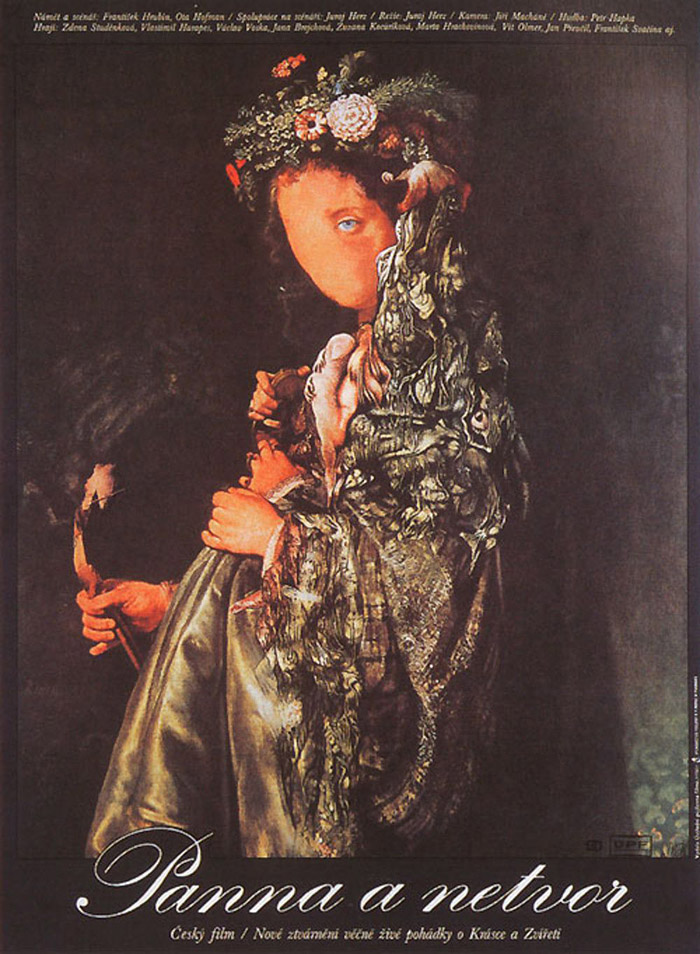
Poster for Beauty and the Beast (1978) by Josef Vyletal.

• Next month, Second Run release Juraj Herz’s 1978 adaptation of Beauty and the Beast on region-free blu-ray. I watched this last year on a Czech DVD so it’s good to hear it’s being given an upgrade. Herz’s film is a distinctly sinister take on the familiar tale, with a bird-headed Beast that’s closer to Max Ernst than anything you’ll find in illustrations for Perrault’s stories.

• “In a coincidence so unlikely it almost seems, well, magical, the girls traced illustrations from a book of folklore that also contained a short story by Sir Arthur Conan Doyle himself, a reflection of a reflection of a reflection.” Audrey Wollen on the Cottingley fairy photographs. Related: The Coming of the Fairies by Arthur Conan Doyle.

• “[Mark E. Smith], with his love of Stockhausen, HP Lovecraft, and (bizarrely) the sitcom Keeping Up Appearances, becomes a reverse coder, an apostle of avant pulp, a ‘paperback shaman’.” Sukhdev Sandhu reviews Excavate! The Wonderful and Frightening World of the Fall, edited by Tessa Norton and Bob Stanley.

• “Found photos of men in love from 1850–1950“. Maybe. As before, I’m always cautious about imposing a narrative on old photographs.

• Mixes of the week: A mix for The Wire by Pamela Z, and a dose of post-punk esoterica by Moin for XLR8R.

DJ Food takes another dive into back issues of International Times in search of ads for London’s Middle Earth club.

• At The Smart Set: Colin Fleming watches John Bowen’s drama of pastoral horror, Robin Redbreast.

• At Dennis Cooper’s: Heavily plotted non-linear structures whose velocity lacks narrative drive.

Ryan Gilbey attempts to rank Robert Altman’s features into a list of 20 best.

• Still Farther South: Poe and Pym’s Suggestive Symmetries by John Tresch.

• New music: At One Point by Scorn.

Visionist‘s favourite albums.

The Beast (1956) by Milt Buckner | Leggo Beast (1978) by Gregory Isaac’s All Stars | This Beast (1983) by Tuxedomoon

The art of John Alcorn, 1935–1992

alcorn16.jpg

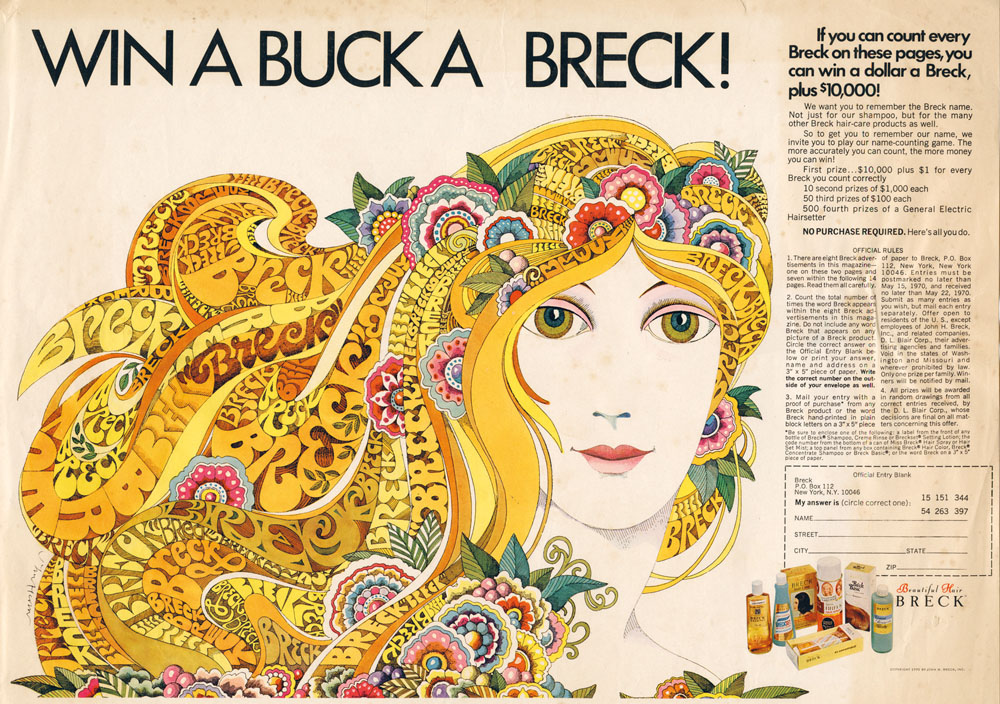
Ad art for Seventeen magazine, August 1970.

Another member of the Groovy Set, John Alcorn was a very prolific illustrator and designer whose career included a period at Milton Glaser and Seymour Chwast’s Push Pin Studios. Alcorn’s art predates the groovy look, and also extends beyond it, but since I have a taste for this quasi-psychedelic style all the examples here are from the late 1960s/early 1970s. An overview of Alcorn’s career may be found in John Alcorn: Evolution by Design, a book edited by Stephen Alcorn and Marta Sironi which was featured at 50 Watts. And since I keep referring back to it, I’ve added some updates to the original groovy post.

alcorn12.jpg

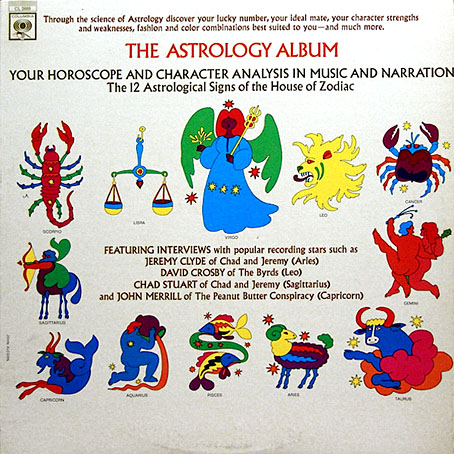
The Astrology Album, 1967.

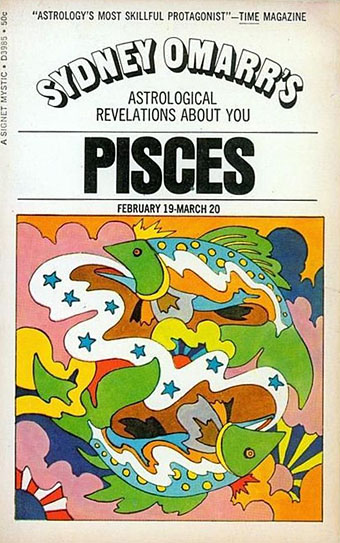
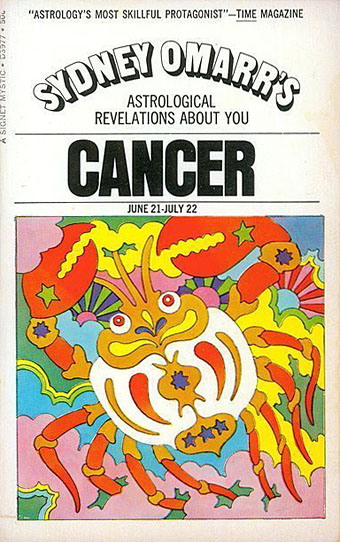
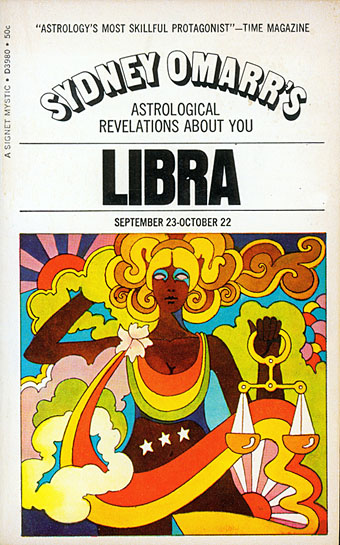
From an astrological album to astrological covers for Sydney Omarr’s books, 12 of which were published by Signet in 1969.

alcorn04.jpg

alcorn05.jpg

alcorn06.jpg

Continue reading “The art of John Alcorn, 1935–1992”