The Purloined Eidolon

coburn.jpg

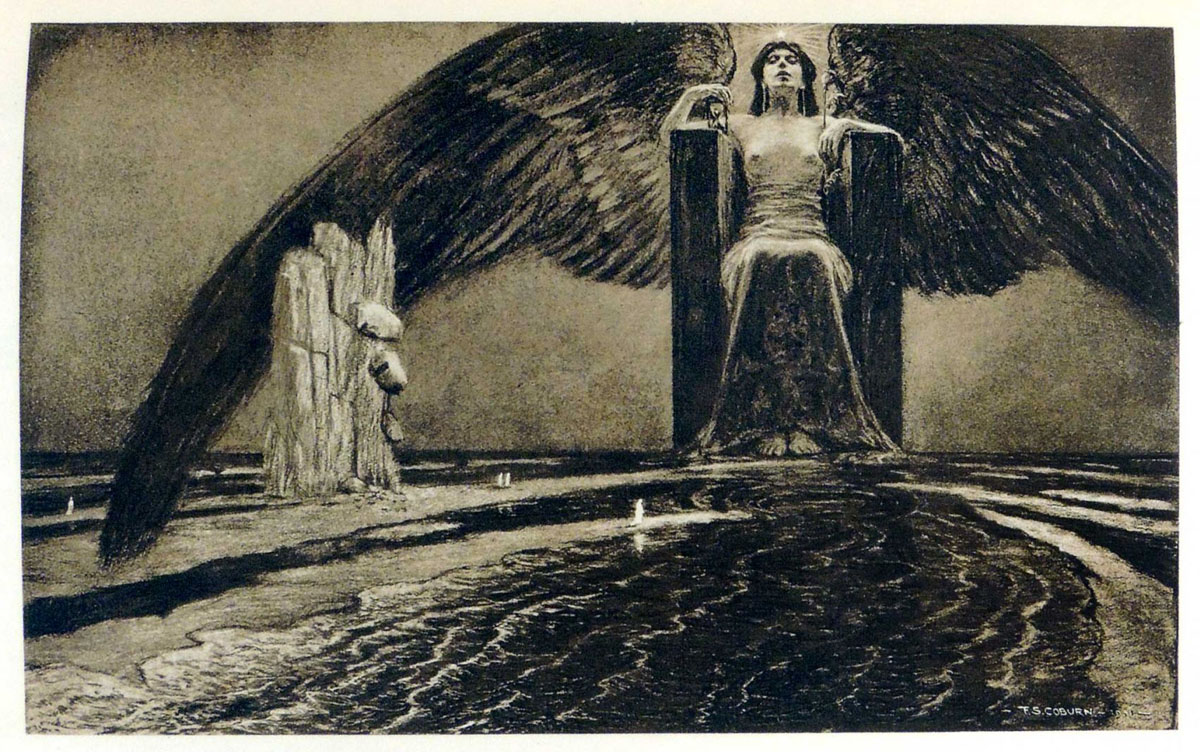
Dreamland by Frederick Simpson Coburn.

By a route obscure and lonely,
Haunted by ill angels only,
Where an Eidolon, named NIGHT,
On a black throne reigns upright,
I have reached these lands but newly
From an ultimate dim Thule—
From a wild weird clime that lieth, sublime,
Out of SPACE—Out of TIME.

Dreamland by Edgar Allan Poe

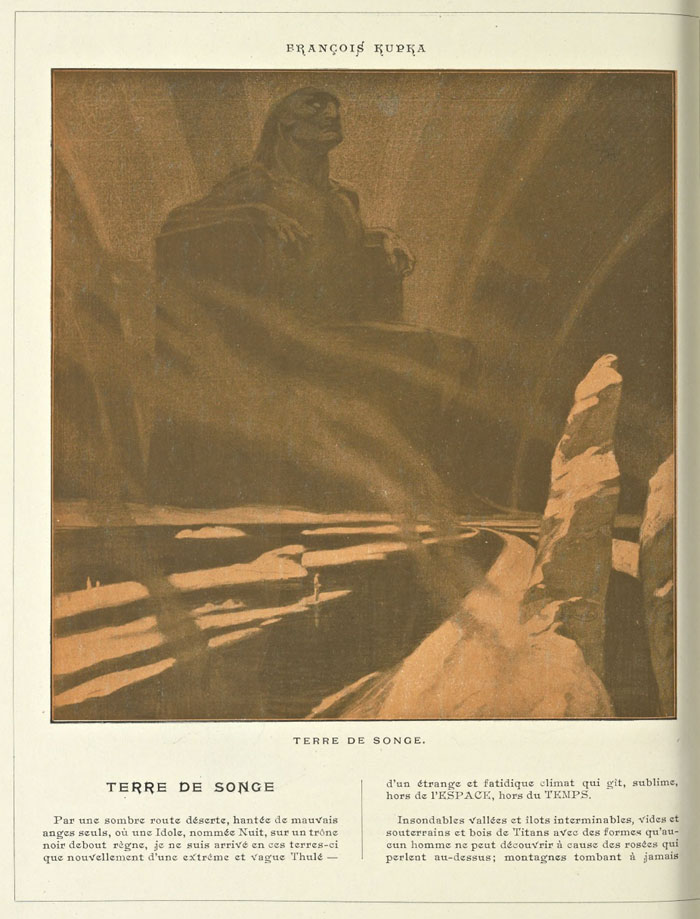
There’s always more Poe. Frederick Simpson Coburn was a Canadian artist who illustrated a 10-volume set of Edgar Allan Poe’s complete works in 1902, the collection being edited by Charles F. Richardson, and published in special editions with Poe-esque names such as “Arnheim” and “Eldorado”. Coburn was more of a painter than an illustrator so his full-page pieces tend to be stolidly professional in a manner that doesn’t really suit Poe’s fervid imagination. One exception is his illustration for Dreamland (aka Dream-Land) which would be more impressive if it hadn’t been so heavily “inspired” by a similar picture, The Black Idol or Resistance by František Kupka. Kupka’s picture dates from 1903 so it might seem at first that any suggestion of creative purloining should be dismissed (or even reversed) unless you know that The Black Idol was a slightly reworked version of a similar piece which appeared in a French magazine, Cocorico, in December 1900.
kupka.jpg

The suspicion of appropriation is reinforced if you also know that Kupka’s earlier work was one of two Poe-derived pieces published in the same magazine, and was itself an illustration for Dreamland, with the first few lines of the poem in the Mallarmé translation being printed underneath the drawing. Coburn grew up in Quebec and moved to Paris in 1896 to study art; he was still there in 1900. Circumstantial evidence this may be but we don’t need the services of Auguste Dupin to suppose that Coburn might have remembered an illustration from a French magazine when the Poe commission arrived a year or so later.
robinson.jpg

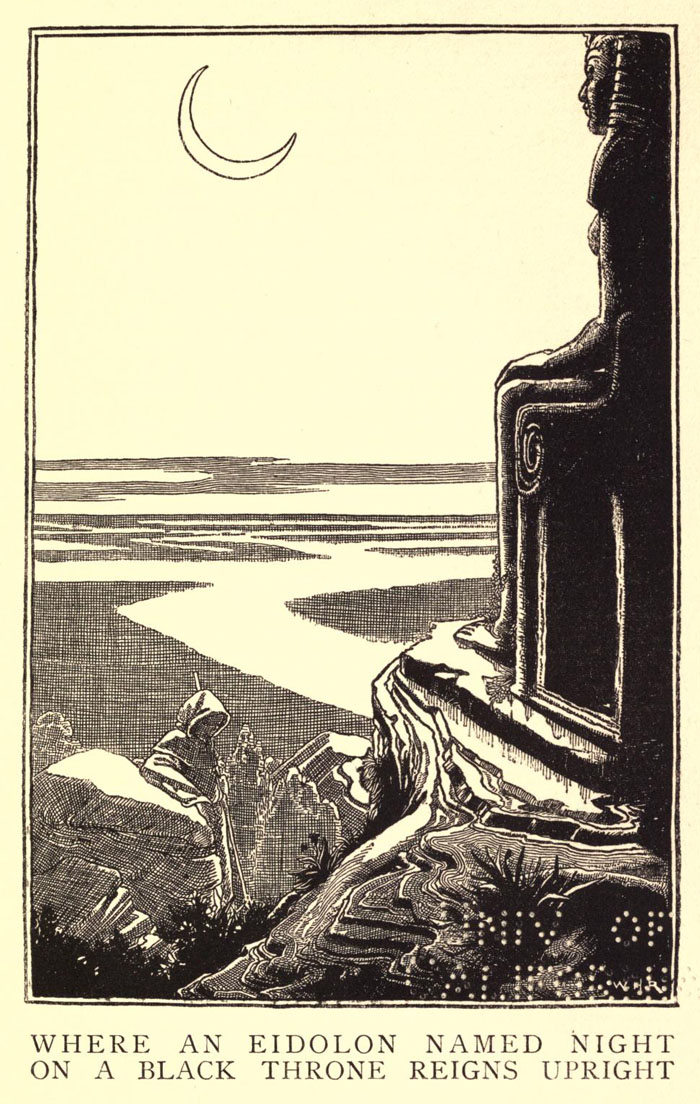
I’m not here to cast aspersions, the pressure of deadlines compelled me to swipe a chunk of Gustave Doré when I illustrated Poe myself a few years ago. I enjoy finding minor artistic connections like these, and the links between Coburn and Kupka are obscure enough that they probably haven’t been remarked on very much or even noticed until now. While we’re on the subject of dark eidolons, Dreamland was illustrated by William Heath Robinson in his own Poe edition in 1900. Robinson isn’t as sublimely grandiose as Kupka and Coburn but he also portrays Night as a literal figure. See the rest of his book here.

Previously on { feuilleton }
Martin van Maële’s illustrated Poe
Narraciones extraordinarias by Edgar Allan Poe
Fritz Eichenberg’s illustrated Poe
The Pendulum, the Pit and Hope
Hugo Steiner-Prag’s illustrated Poe
Burt Shonberg’s Poe paintings
Illustrating Poe #5: Among the others
Illustrating Poe #4: Wilfried Sätty
Illustrating Poe #3: Harry Clarke
Illustrating Poe #2: William Heath Robinson
Illustrating Poe #1: Aubrey Beardsley
Poe at 200
The Tell-Tale Heart from UPA
William Heath Robinson’s illustrated Poe
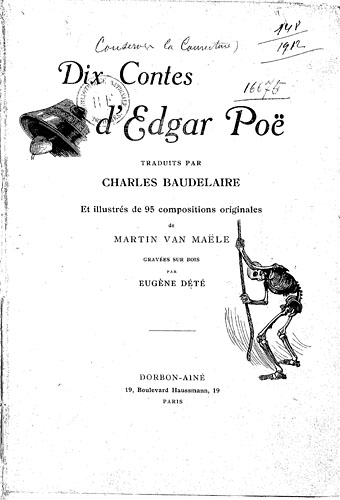
Martin van Maële’s illustrated Poe

poe01.jpg

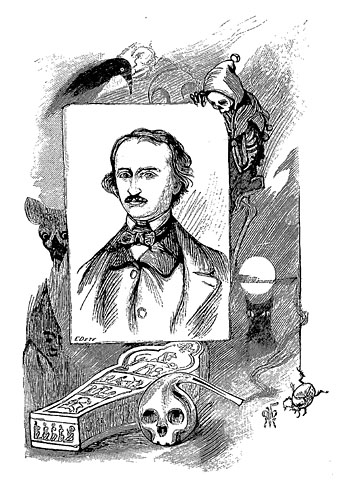
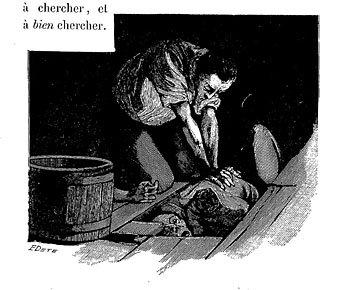
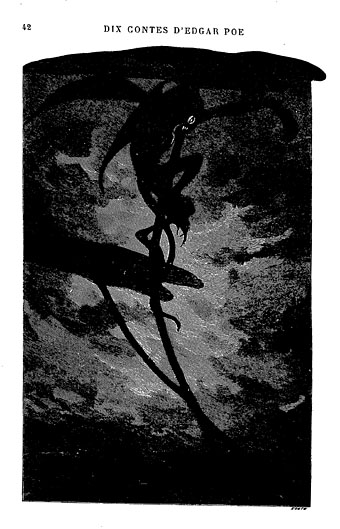
I’ve waited months to write about this book in the run-up to Halloween. Several years ago I wrote a series of pre-Halloween posts about the illustrators of Edgar Allan Poe, with the final entry containing a lone illustration for The Tell-Tale Heart by Martin van Maële (1863–1926). At the time van Maële’s book was unavailable online so I was left to wonder what the rest of his illustrations might be like. Dix contes d’Edgar Poe (1912) is the volume in question, a collection of moody full-page illustrations plus many small vignettes, all of them engraved on wood by Eugène Dété.

poe02.jpg

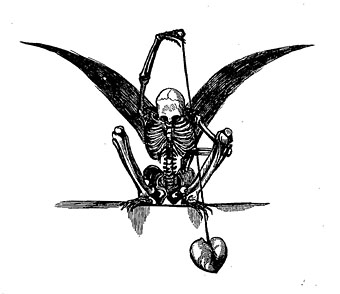
I’d been familiar with several other pieces from this book for many years without knowing their origin thanks to their appearance in the 1986 Penguin Encyclopedia of Horror and the Supernatural, an excellent guide edited by Jack Sullivan with a minor deficiency in that many of the illustrations are uncredited. (They did credit van Maële for two of his pictures but spelled his name as “van Moële” which doesn’t help.) The startling picture of a skeleton pushing a shrouded woman back into her tomb—which I now know is van Maële’s portrait of Madeline Usher—was one of the uncredited drawings, as was the vignette of another skeleton holding a heart like a ticking pendulum (The Tell-Tale Heart again). There are many more skeletons in this book. Van Maële’s illustrations oscillate between two pictorial extremes, from shadow-filled realism in the full-page drawings to Doré-like spot illustrations that suit Poe’s fatalism and macabre sense of humour. It’s a shame that many of these reproductions are darker than they should be, being from the old series of Gallica scans which remove all the grey tones from the images, but at least we can see the book as a whole. My thanks again to Mr TjZ for alerting me to this!

poe03.jpg

The Tell-Tale Heart.

Van Maële might be better known today if more of the books he illustrated had been suitable for a general audience. In a reversal of the usual state of affairs most of his illustrated editions are the classic works of erotic literature by Apuleius, Choderlos de Laclos, Anatole France et al, plus obscure works devoted to le vice Anglais, while his non-erotic titles by Poe and Conan Doyle are in the minority. If he had a flair for the erotic then he also had a flair for the macabre. Some of his erotic drawings manage to combine the two, notably in La Grande Danse Macabre des Vifs (1905), a portfolio which approaches Félicien Rops by bringing to erotic art a quality of imagination that would usually be rejected for distracting from the primary purpose of pornographic imagery. Wikipedia has this and many more of van Maële’s erotic illustrations.

poe04.jpg

The Tell-Tale Heart.

poe05.jpg

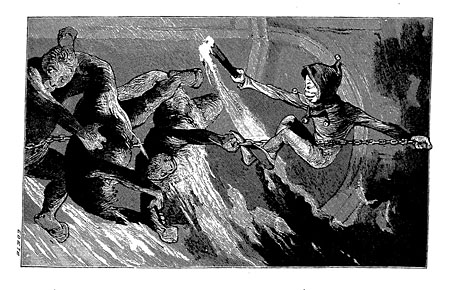
Hop-Frog.

poe06.jpg

Silence.

Continue reading “Martin van Maële’s illustrated Poe”

Crank book covers

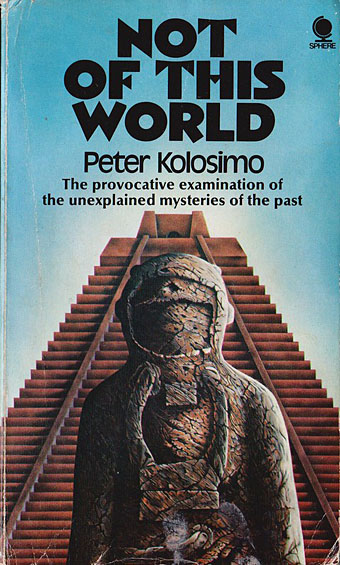
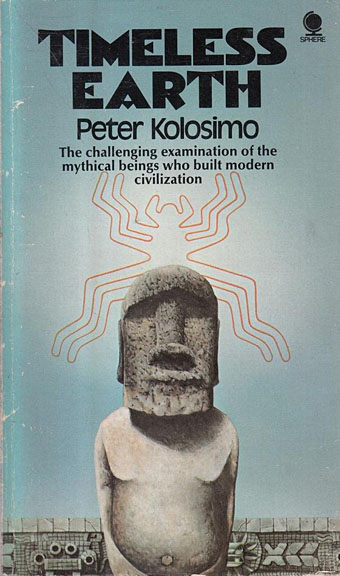
kolosimo2.jpg

Cover art by Tony Roberts, 1974. A book I received as a present for Christmas, 1974. Also the first place I encountered the words “Popol Vuh”, before discovering the music of Florian Fricke and co. a few years later.

Yes, “crank” is a pejorative word but it’s used with some degree of affection, as in “harmless crank”. It’s also a convenient umbrella term for the books referred to in the weekend post which embrace diverse subjects, from lost continents and “Earth energy” to ancient astronauts and flying saucers.

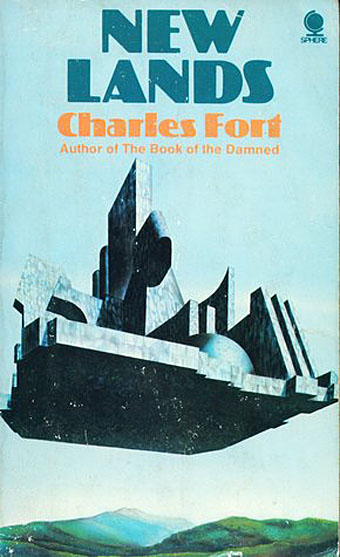
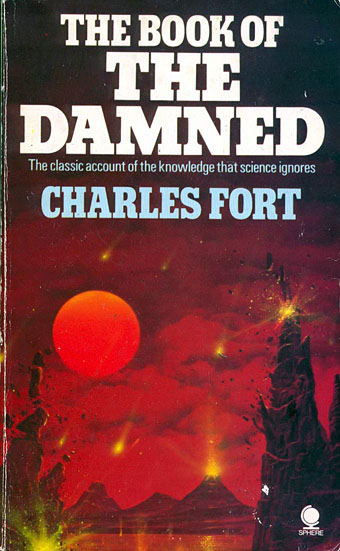
The prime crank decade was the 1970s, a period when publishers were falling over themselves to cash-in on the massive popularity of Erich von Däniken’s dubious investigations, while also catering to the by-products of the hippy era and the occult revival. Books by Charles Fort, Immanuel Velikovsky and James Churchward (the Mu series) all received reprints, with some appearing in paperback for the first time. The British editions of these books were published by imprints like Corgi, Panther and Sphere who were also publishing large quantities of science fiction, a situation that led to many crank titles being packaged as though they were fiction or fantasy. Sphere was in the vanguard, presenting a wide range of books with the same cover designs, cover artists and Novel Gothic typeface as their SF titles. A cynical move, no doubt, but it also makes the crank books seem more like fiction than their authors might have intended.

This post presents a selection of crank titles with cover art by SF artists but there are many more examples out there. (Watch the skies!) I’ve limited the selection to British publishers but the same syndrome was evident in American publishing, as documented at Absolute Elsewhere. And I’ve included a couple of books by sceptics John Sladek and Dr. Christopher Evans. These were intended to dismantle the claims of L. Ron Hubbard, Erich von Däniken and co. but were still packaged in paperback to resemble the books they were attacking. The major demolition of Von Däniken is Ronald Story’s The Space Gods Revealed but covers for that one have always been relatively restrained.

Missing from this list are three paintings by SF artist Peter Jones for books by Dr. Celia Green. The art may be seen in Jones’s Solar Wind collection but I couldn’t find any of the printed covers, which suggests they had a limited run if they were printed at all. These are odd for being typical fantasy imagery attached to serious studies of lucid dreaming and out-of-body experiences. Dr. Green is a philosopher and science researcher (she coined the term “out-of-body experience”) so she doesn’t belong on a crank list in any case. Also absent is the most popular British cover illustrator of the decade, Chris Foss, who would have been too busy working through his fiction commissions and creating designs for feature films.

kolosimo1.jpg

Cover art by Tony Roberts (?), 1974.

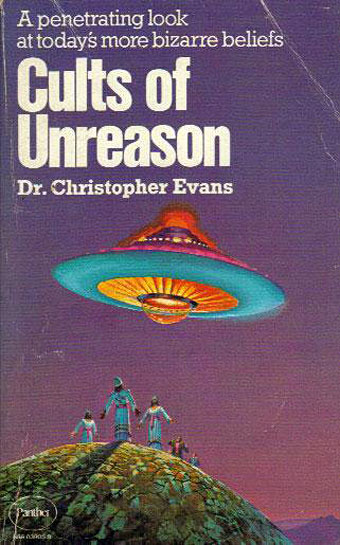
evans.jpg

Cover art by Bruce Pennington, 1974.

Evans was a computer scientist, an occasional contributor to New Worlds magazine, and also the model for the deranged Vaughan in JG Ballard’s Crash. Cults of Unreason investigates crank sects such as the flying-saucer worshippers of the Aetherius Society (hence the cover art), and the Scientologists who caused a stir in Britain in the 1960s when L. Ron Hubbard set up an outpost at East Grinstead.

fort2.jpg

Cover art by Colin Hay, 1974.

fort1.jpg

Cover art by Angus McKie, 1979.

Continue reading “Crank book covers”

Philippe Caza record covers

caza05.jpg

Bad Taste (2014) by The Datsuns.

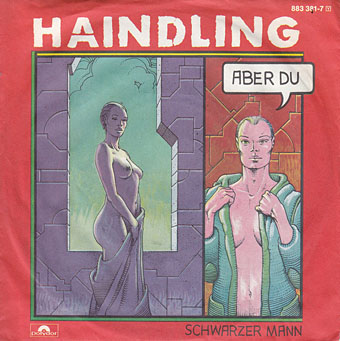
Continuing an occasional series about artists or designers whose work has appeared on record sleeves. Druillet and Moebius have already featured in this series so here’s another French comic artist whose work was popularised in the Anglophone world by Heavy Metal magazine. In addition to comics, Caza has been a prolific cover artist for French fantasy, horror and SF novels, some examples of which are reused here. As with Druillet, many of his record sleeves are reprintings of comics panels, but he’s also created a few pieces specially for vinyl and CD.

caza01.jpg

Aber Du (1985) by Haindling.

caza02.jpg

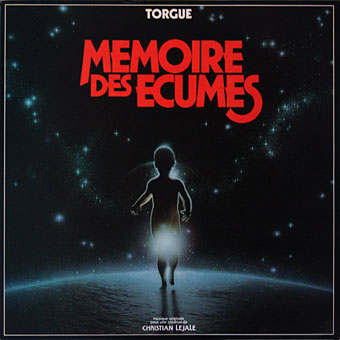
Mémoire Des Ecumes (1985) by Torgue.

A soundtrack album (?) for the comic book of the same name by Caza and writer Christian Lejalé.

caza03.jpg

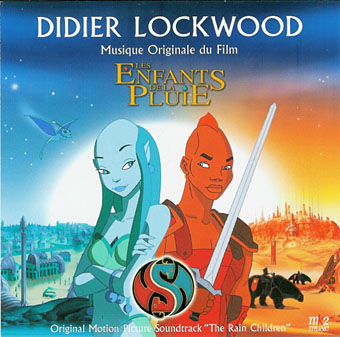
Musique Originale Du Film Les Enfants De La Pluie (2003) by Didier Lockwood.

The soundtrack album for an animated feature film co-written and designed by Caza. This follows earlier Caza-derived animations by René Laloux including the feature-length Gandahar (1988).

caza04.jpg

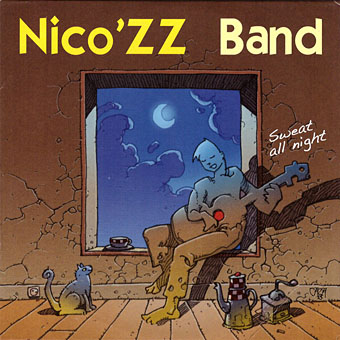
Sweat All Night (2013) by Nico’ZZ Band.

Continue reading “Philippe Caza record covers”

The art of Gordon Ertz

ertz01.jpg

November 1926.

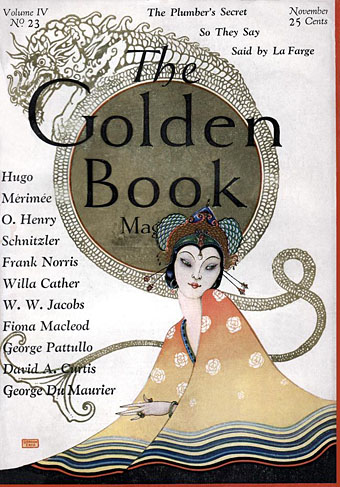
After posting a couple of magazine covers by American illustrator Gordon Ertz I thought he deserved a closer look, especially when documentation about his life is lacking; even the Library of Congress only lists his birth year, 1891, while nobody seems to know when he died. (Update: See the comment below by Douglas A. Anderson for biographical details.) Mr TjZ is to thank for this post (thanks!) after identifying one of the Double-Dealer covers as an Ertz. I said in a mail to Joe that I’d not seen Gordon Ertz’s name before, but a consequence of writing these posts for so many years is finding that I have mentioned somebody a decade or more ago then forgotten all about them. Thus it was with Ertz whose cover for The Golden Book first appeared here in 2010.

ertz02.jpg

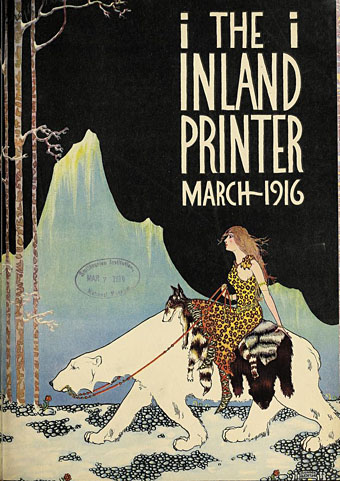
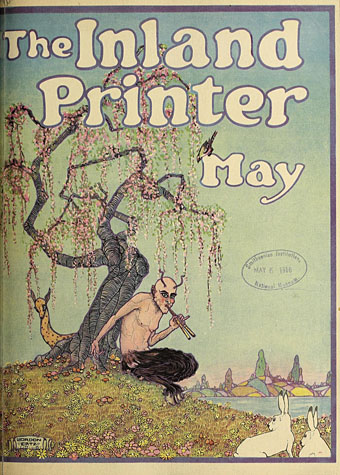
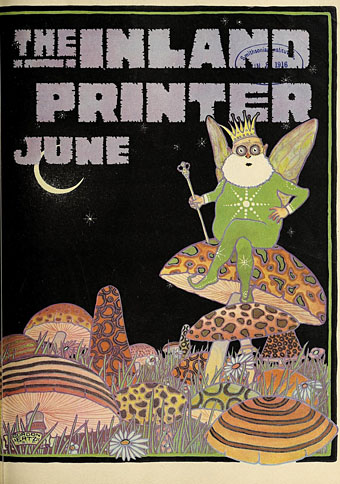
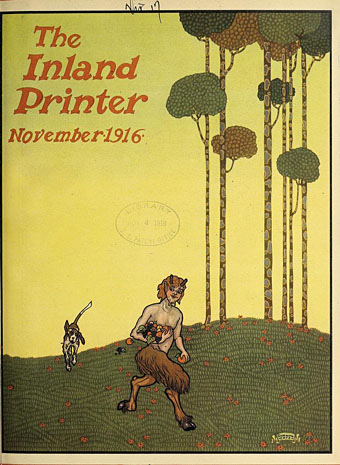
The Inland Printer was a magazine for the print trade which commissioned covers from illustrators, all of whom seem to have been given free reign. Or they were until the 1920s when the magazine abandoned this kind of frivolity. Most of the available Ertz oeuvre is magazine covers and book illustrations from the 1910s to the 1920s, but his later work includes this map from 1936 intended as a guide for the anglers of North America. The map was designed and annotated by Joe Godfrey Jr, a writer whose subsequent books about fresh-water and salt-water fish were also illustrated by Ertz.

ertz03.jpg

ertz.jpg

ertz04.jpg

Continue reading “The art of Gordon Ertz”