Eric Pape’s Arabian Nights

pape01.jpg

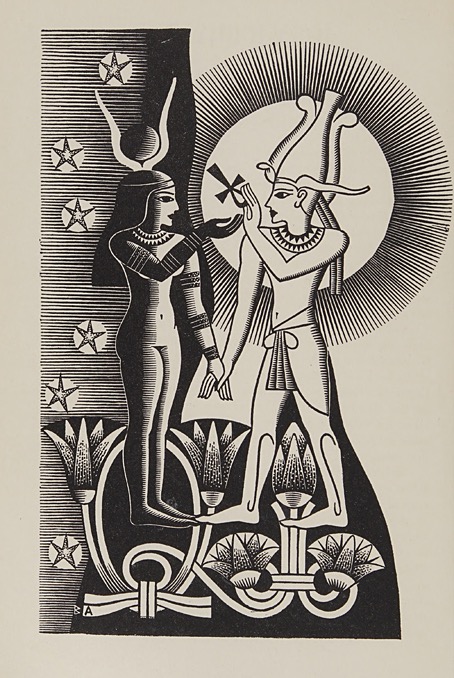
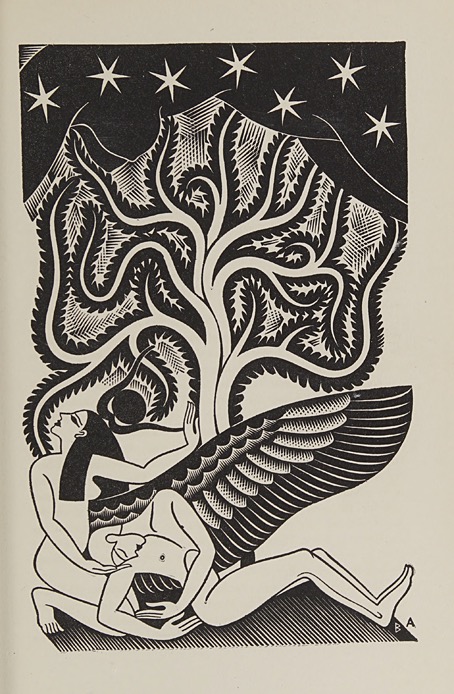
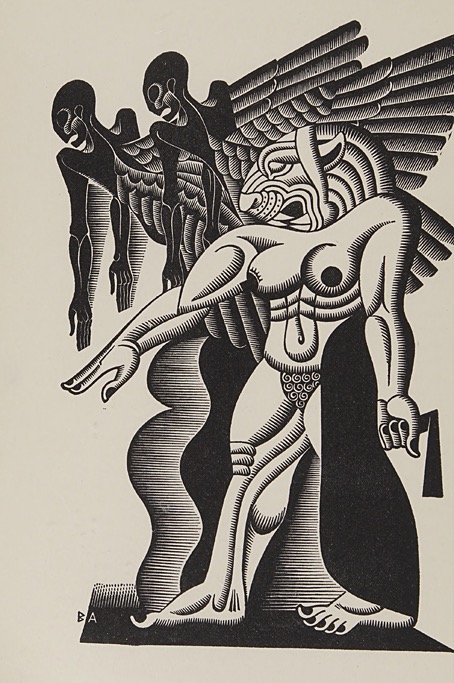
Eric Pape (1870–1938) was an American artist and illustrator who shouldn’t be confused with his contemporary Frank C. Papé, a Briton who was also a popular illustrator. Pape was more of a fine artist—he studied in Paris under Jean-Léon Gérôme—whose magazine illustrations are of that type that favoured realistic scenes using posed models. The illustrations in The Arabian Nights Tales of Wonder and Magnificence (1923) differ enough from his paintings to be taken for the work of another artist, the book being a substantial volume which Pape fills with many full-page ink drawings replete with stippling and detail.

pape02.jpg

The stories are a retelling by Padraic Colum with an eye to maintaining the flavour of the original (or older) texts. Books like this were aimed at a young readership but Colum begins with an introduction that describes the origin of the tales, and also weighs the pros and cons of the translations by Lane and Burton. In the stories he avoids simplifying the names of the more popular characters, so we have the six voyages of “El-Sindibad of the Sea”, and the tale of “Ala-ed-din” and his wonderful lamp. These gestures of fidelity are matched by Pape’s vignettes, many of are borrowed from Arabian or Persian sources. Pape had spent two years living and working in Egypt—his painting of the Sphinx by moonlight was a product of this period—a factor which may explain why he was offered the commission.

pape03.jpg

The pictures I’ve selected are mostly the full-page pieces which I’ve adjusted slightly to remove the grey tone of the paper. This copy of the book is a reprint from 1945, a period when print standards suffered from wartime restrictions. Older printings may be better.

pape04.jpg

pape05.jpg

Continue reading “Eric Pape’s Arabian Nights”

Willy Pogány’s Children of Odin

pogany01.jpg

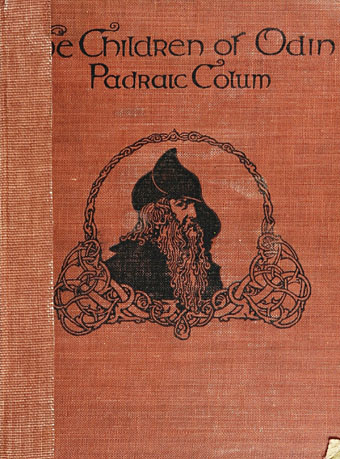
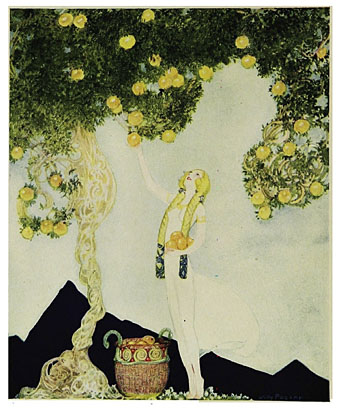
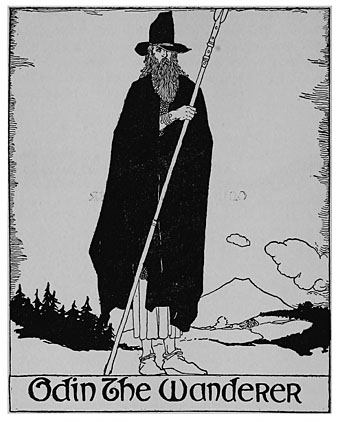
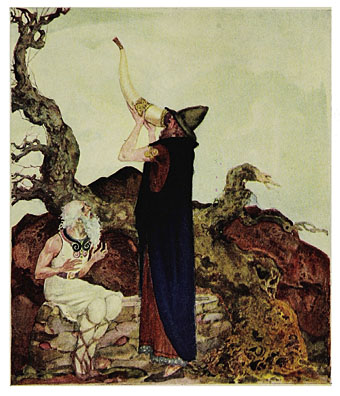
I ought to have waited until Wotan’s Day to post this one. The title may suggest a black metal album but these are illustrations by the versatile Willy Pogány for a retelling of Norse myths by Padraic Colum. Pogány illustrated several of Colum’s books, including retellings of Greek myths for which the illustrations resemble the figures found on Grecian ceramics. Children of Odin was published in 1920 with illustrations and page designs closer to Pogány’s drawings and paintings for Colum’s novel, The King of Ireland’s Son. The four colour plates shown here aren’t always present in the editions available online.

pogany02.jpg

Iduna picking the Apples of Life for the Gods.

Jason and the Argonauts was one of my favourite films when I was 10 years old (and the story of the Golden Fleece happens to be the subject of a later Colum/Pogány volume) but I was never very interested in the written accounts of Greek mythology. The world of the Norse gods was darker and more mysterious, and I read Roger Lancelyn Green’s Myths of the Norsemen many times. I’m sure I would have done the same with Colum’s book, especially in this edition which contains over 40 illustrations. These days, any mention of Odin and Thor is blighted by association with the steroidal junk of “The Marvel Universe” and neopagan numbskullery. Feed them all to Fenrir and the Midgard Serpent, say I, and let the old gods rest in peace.

pogany03.jpg

pogany04.jpg

pogany05.jpg

Odin at Mimir’s Well.

Continue reading “Willy Pogány’s Children of Odin”

02021

ernst.jpg

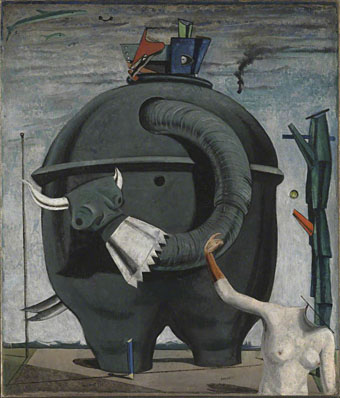
The Elephant Celebes (1921) by Max Ernst.

Happy new year. 02021? Read this.

burr.jpg

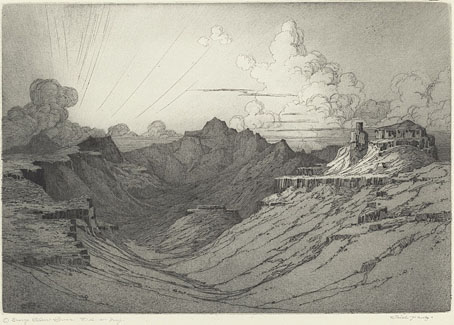
Desert Sunset (1921) by George Elbert Burr.

dechirico.jpg

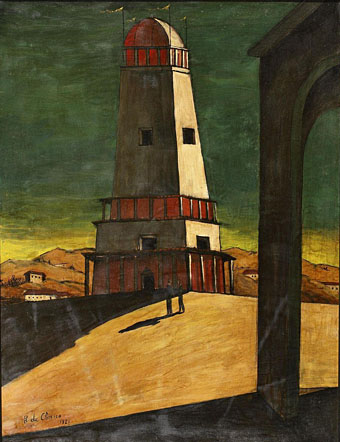
The Great Tower (1921) by Giorgio de Chirico.

hasui.jpg

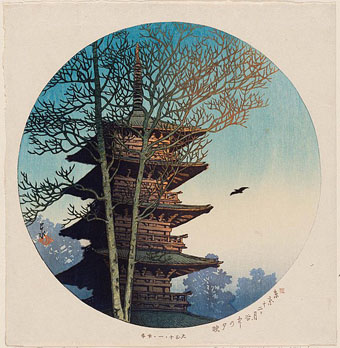
Evening Glow at Yanaka (1921) by Hasui Kawase.

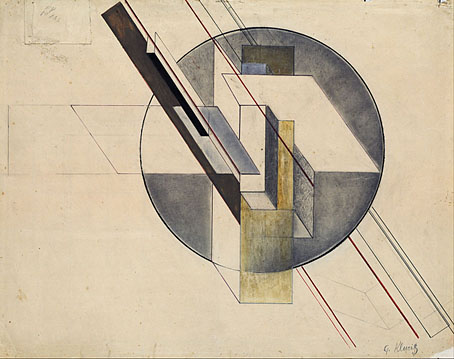
klucis.jpg

Construction (1921) by Gustavs Klucis.

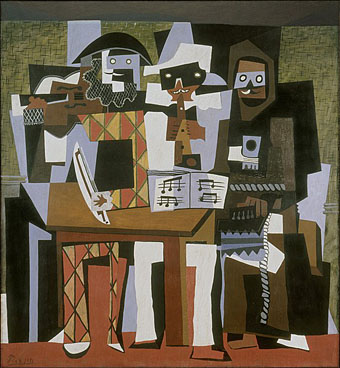
picasso.jpg

Three Musicians (1921) by Pablo Picasso.

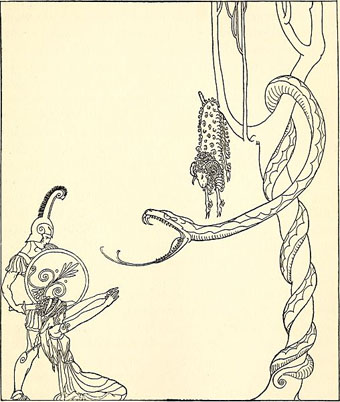
pogany.jpg

Illustration by Willy Pogány for The Golden Fleece and the Heroes Who Lived Before Achilles (1921) by Padraic Colum.

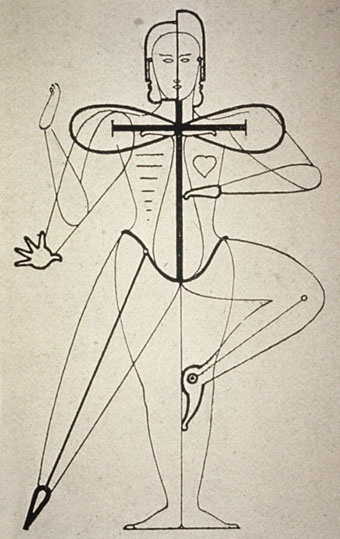
schlemmer.jpg

Sketch of Figural Movement for Dance (1921) by Oskar Schlemmer.

Weekend links 222

wicker.jpg

A self-portrait by Nadia Wicker from her Projectie series.

• “And boy, did that Rain Parade sleeve look cool with its picture of the insouciant band sitting in front of large hot-house (or glass palace), the sky behind them tinted a sickly shade of apocalypse pink…” Joe Banks on the Rain Parade’s finest moment, Explosions In The Glass Palace.

• “…there are pleasures to be had from books beyond being lightly entertained. There is the pleasure of being challenged; the pleasure of feeling one’s range and capacities expanding…” Rebecca Mead on the pleasure of reading to impress yourself.

• “If Gengoroh Tagame performed the acts he drew in his comics he’d probably be dead or in jail,” says Zac Bayly, interviewing Tagame for BUTT.

Crime does not fascinate James Joyce as it fascinates the rest of us—the suggestion of crime dismays him. He tells me that one of his handicaps in writing Work in Progress is that he has no interest in crime of any kind, and he feels that this book which deals with the night-life of humanity should have reference to that which is associated with the night-life of cities—crime. But he cannot get criminal action into the work. With his dislike of violence goes another dislike—the dislike of any sentimental relation. Violence in the physical life, sentimentality in the emotional life, are to him equally distressing. The sentimental part of Swift’s life repels him as much as the violence of some of his writing.

Padraic Colum attended Joyce’s 47th birthday party.

• I’m currently reading The Wanderer, “a weird document” by Timothy J. Jarvis, which is officially published this week.

The Changes, another remarkable children’s TV series from the 1970s, is out on DVD next week.

Sir Richard Bishop has made all 14 of his solo albums available as free downloads.

• “How long do CDs last? It depends, but definitely not forever,” says Laura Sydell.

• “Readers absorb less on e-readers than on paper, study finds

• Book designer Craig Mod wants to talk about margins.

• Mix of the week: a mix for The Quietus by Helm.

Ozu’s passageways

• The Rain Parade: No Easy Way Down (BBC TV, 1984) | No Easy Way Down (studio, 1984) | No Easy Way Down (Tokyo, 1984)