The Thing on the Doorstep

thing1.jpg

Workwise, this year has been a major one for interior illustration. So far I’ve completed about 80 illustrations for different titles, and I’m still not finished. The majority of the work has been for a Spanish publisher, Editorial Alma, based in Barcelona. Earlier this year they launched a line of reprints of classic works of fiction, each of which is illustrated. To date I’ve worked on three of the titles, the first of which, Narraciones extraordinarias by Edgar Allan Poe, will feature in a later post.

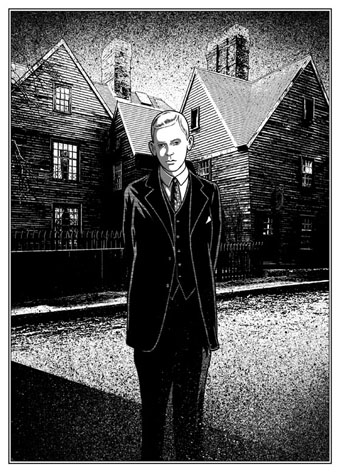
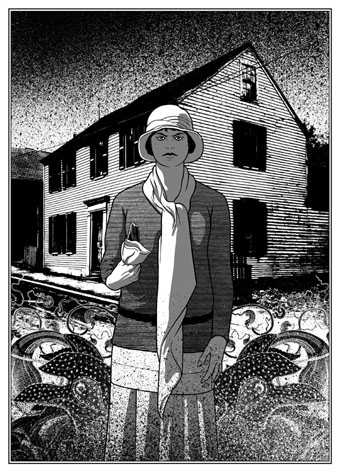
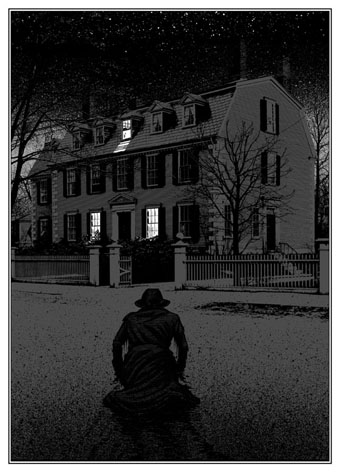
The second title, La llamada de Cthulhu by HP Lovecraft, is a small collection comprising the rather odd pairing of The Call of Cthulhu with The Thing on the Doorstep, two very different stories that you wouldn’t usually expect to see together. I provided six illustrations, three for Cthulhu which are slightly reworked pages from my comic-strip adaptation of the story, and three new ones for The Thing on the Doorstep. This is a story I’d never considered illustrating before when so much of its horror is psychological. It does, however, feature two characters who (by Lovecraft’s standards) are well-defined: the ineffectual Edward Pickman Derby and his sinister future wife, Asenath Waite. So that’s what you see here: portraits of the two main characters plus a view of the climactic scene that gives the story its title. Ideally, I would have liked to have done a fourth picture showing Derby’s surprise awakening at a nightmarish ritual but the deadlines on these books have been tight and there simply wasn’t time.
thing2.jpg

For those interested in this title, the only purchase link I have is an Amazon one. All the books are hardbacks (without dustjackets) complete with decorated endpapers—I provided a tentacle pattern for this one—and a bookmark ribbon. Deadlines aside, it’s been a very pleasant experience working for Alma. The next two books are the big ones so watch this space.
thing3.jpg

Elsewhere on { feuilleton }
• The Lovecraft archive
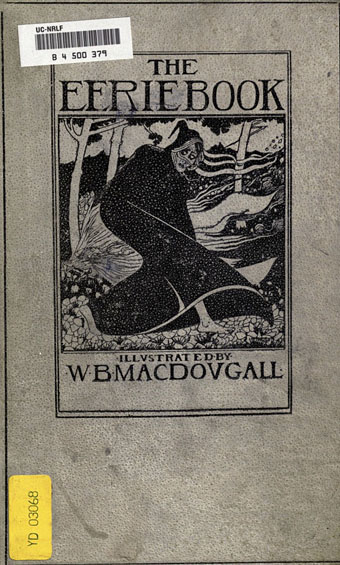
The Eerie Book

macdougall01.jpg

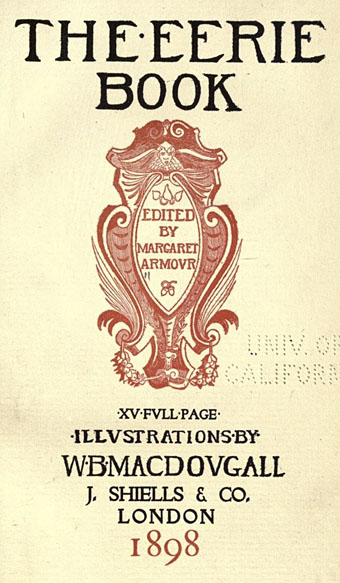
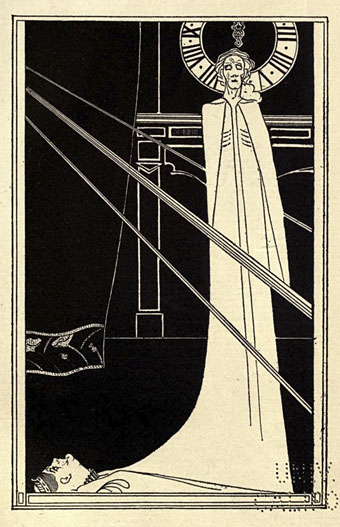
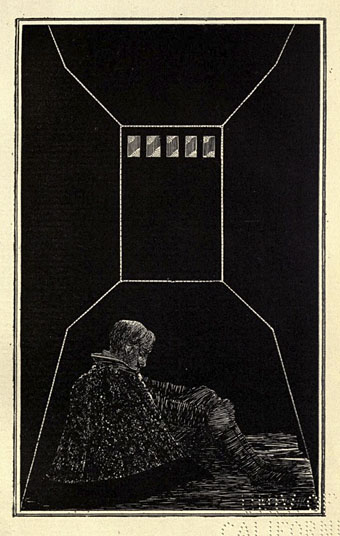
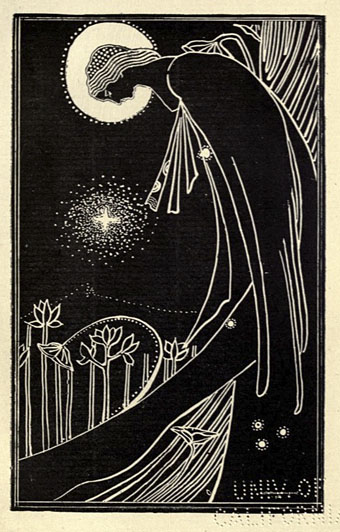
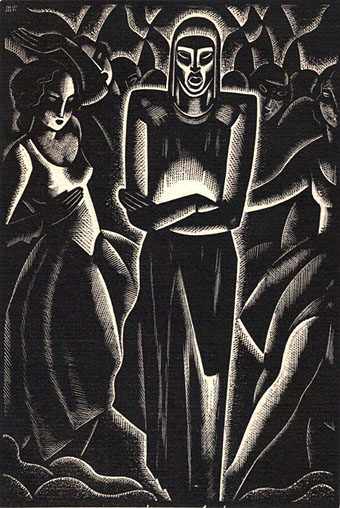
Work-wise, I’m still preoccupied with Edgar Allan Poe so I’ve been delving into the Internet Archive’s stock of scanned books more than usual. I’m not looking now for earlier Poe illustrations but a search last month turned up this collection of horror stories edited by Margaret Armour, and illustrated by William Brown Macdougall. Armour and Macdougall were married, and collaborated on several illustrated books; they also knew Aubrey Beardsley—Macdougall contributed to both The Yellow Book and The Savoy—so many of the illustrations in this volume are in the post-Beardsley manner. As Beardsleyesque drawings go they’re not as successful as, say, those of Will Bradley; some of Macdougall’s faces are rather dopey, and the cross-hatching doesn’t always work with this style of black-and-white art, as Beardsley himself discovered. But Macdougall’s drawing for The Masque of the Red Death is a better illustration than Beardsley’s own, horror not being one of Aubrey’s strengths. The Eerie Book may be browsed in full here.

macdougall02.jpg

macdougall03.jpg

The Masque of the Red Death.

macdougall04.jpg

The Iron Coffin.

macdougall05.jpg

The Mother and the Dead Child.

Continue reading “The Eerie Book”

Fritz Eichenberg’s illustrated Poe

eichenberg1.jpg

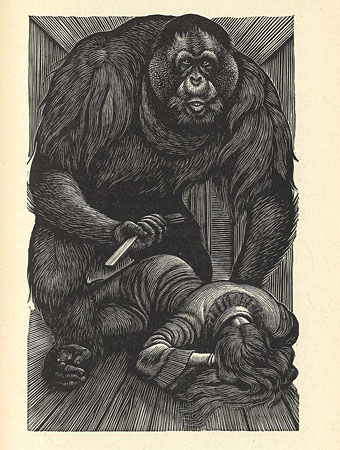
The Murders in the Rue Morgue.

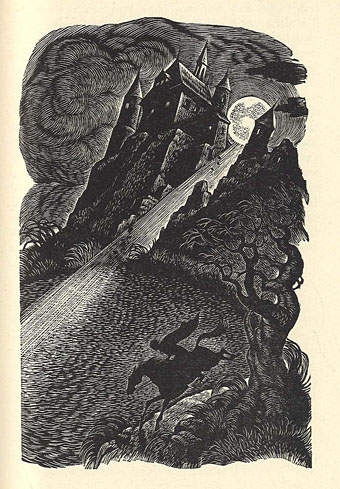
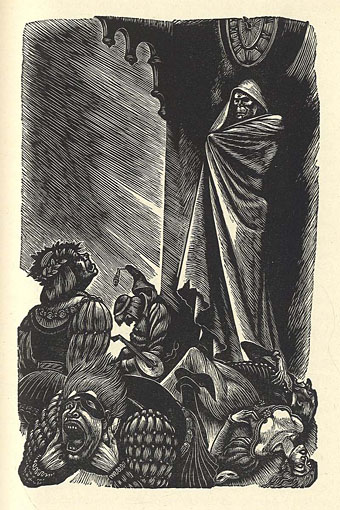
My current workload is very Poe-oriented (about which more later) so I’ve been spending some time looking at earlier illustrators of the Boston maestro. Edgar Allan Poe’s stories don’t receive as much attention from illustrators as other popular works—horror and the macabre having a limited appeal—but there are nevertheless many illustrated editions, including this one from 1944 by Fritz Eichenberg which I hadn’t seen before. Eichenberg was a German who moved to America in the 1930s; his speciality was wood engraving, a technique particularly suited to Poe’s sombre dramatics. As always with illustrations of familiar stories, a large part of the interest lies in seeing how the artist has treated the work in their own manner. Several of the illustrations here show the climax of each story but The Pit and the Pendulum breaks with custom by showing the interrogation from the beginning (Harry Clarke showed both the beginning and the end). Also of note is the ape from The Murders in the Rue Morgue which for once looks like an orangutan rather than the unspecified simian monster seen in many other renderings.

Not all of Eichenberg’s illustrations are to my taste so this is a selection of favourites. You can see the rest at VTS together with more of the artist’s work.

eichenberg2.jpg

The Fall of the House of Usher.

eichenberg3.jpg

The Masque of the Red Death.

Continue reading “Fritz Eichenberg’s illustrated Poe”

Weekend links 348

wright.jpg

The Masque of the Red Death (1932) by John Buckland Wright.

• Thanks to MeadesShrine I’ve been working my way through Jonathan Meades’ television essays so this is timely: The Plagiarist in the Kitchen, an “anti-cookbook” by the man with forthright opinions.

• “‘Decopunk’ deserves to be bigger than Steampunk,” says Sam Reader. I consider my work on Bruce Sterling’s Pirate Utopia to be more Futurist than Deco but the period is right.

• “Celebrating the cinematically surreal, bizarre, cult, oddball, fantastique, strange, psychedelic, and the just plain WEIRD!”: 366 Weird Movies

But Fascism is also a political and economic system. Why, then, cannot we have a clear and generally accepted definition of it? Alas! we shall not get one—not yet, anyway. To say why would take too long, but basically it is because it is impossible to define Fascism satisfactorily without making admissions which neither the Fascists themselves, nor the Conservatives, nor Socialists of any colour, are willing to make. All one can do for the moment is to use the word with a certain amount of circumspection and not, as is usually done, degrade it to the level of a swearword.

George Orwell discussing the imprecise application of the “F” word

• At The Psychedelic Museum, a report on this month’s art show, Alice’s Adventures in Underground Culture.

• M. John Harrison announces a new story collection which will be published later this year by Comma Press.

• Mixes of the week: Iceland: Foreboding Joy by Abigail Ward, and Secret Thirteen Mix 211 by Fluxion.

• Daisy Woodward on how LSD adventures inspired John Waters’ Multiple Maniacs.

• More Moomins: Graeme Miller talks to Patrick Clarke about his soundtrack music.

• Some recent cultural highlights as chosen by Timothy J. Jarvis.

• Benge presents a list of his favourite electronic albums.

• Is this the underground Everest?

• Strange Things Are Happening (1968) by Rings & Things | Strange Magic (1975) by Electric Light Orchestra | Strange (1977) by Wire |

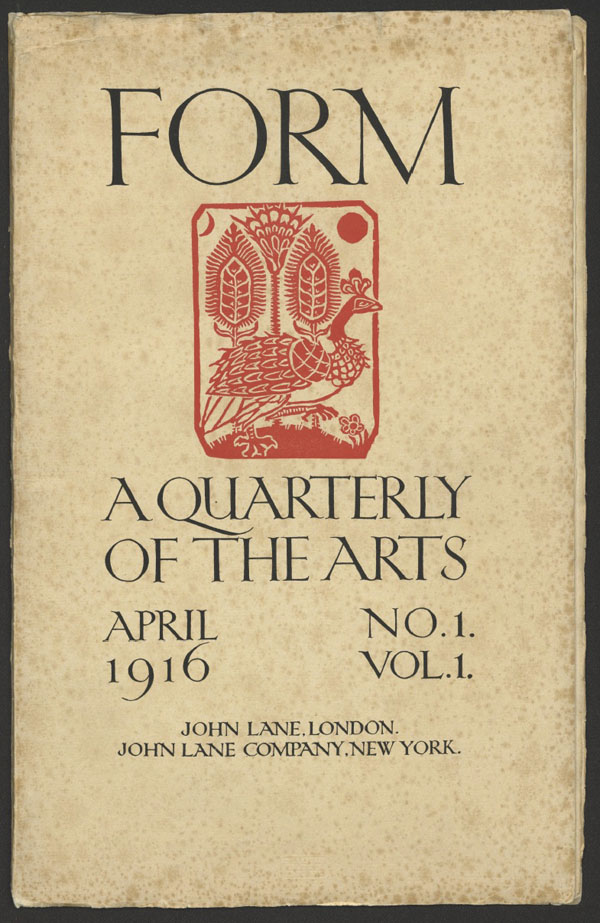
Form and Austin Osman Spare

form01.jpg

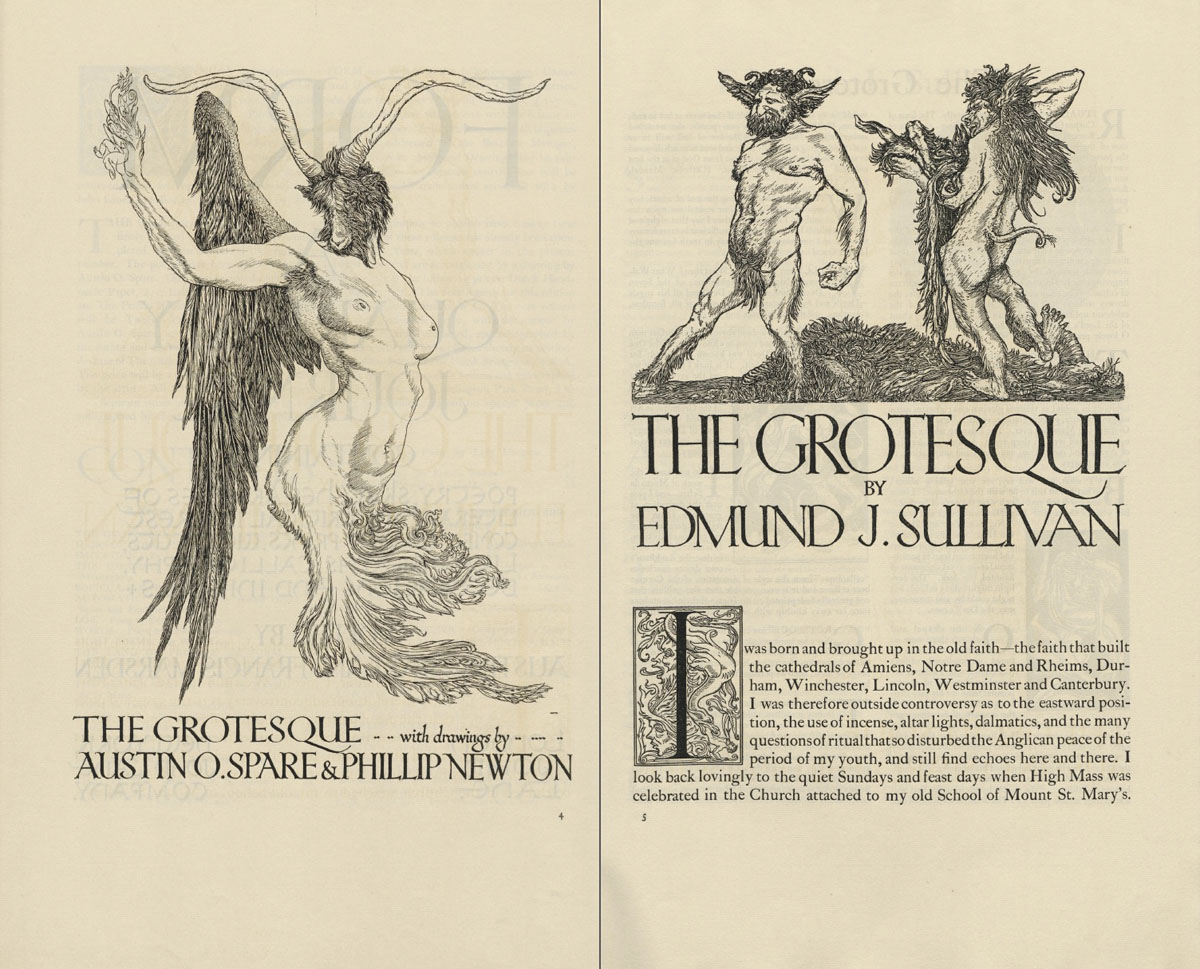
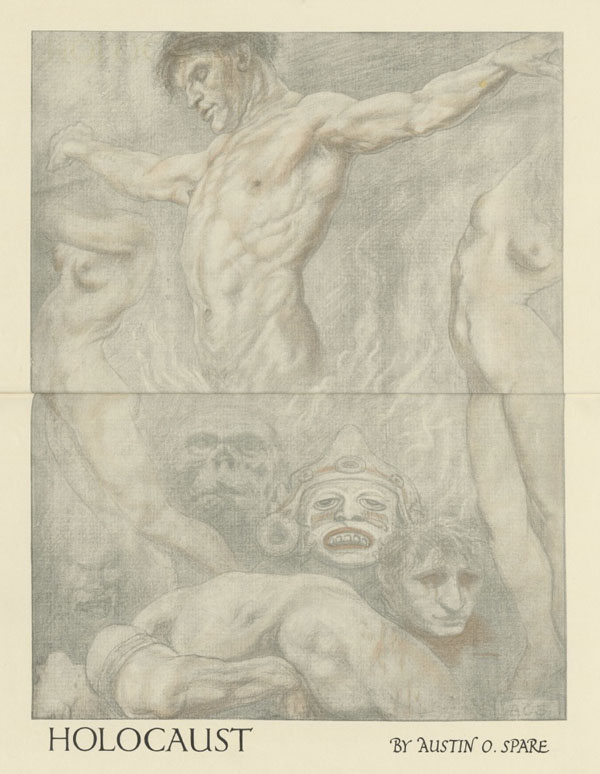
The University of Heidelberg‘s scanning programme continues to be a source of delight for those of us without professional or financial access to rare book collections. Having recently made the entire run of Der Ochideengarten available, they’ve added scans of another journal that was on my list of magazines I’d been hoping would eventually turn up online. Form was the first of two short-lived publications edited by Austin Osman Spare from 1916 to 1924, the second being The Golden Hind. Spare and co-editor “Francis Marsden” (Frederick Carter) published two issues of Form before Spare was conscripted in 1917. After the war, publication resumed with two further issues. Spare aficionados have long been familiar with the drawings in these publications, many of which have been reprinted over and over in collections of Spare’s art but often with no indication of their original context.

form02.jpg

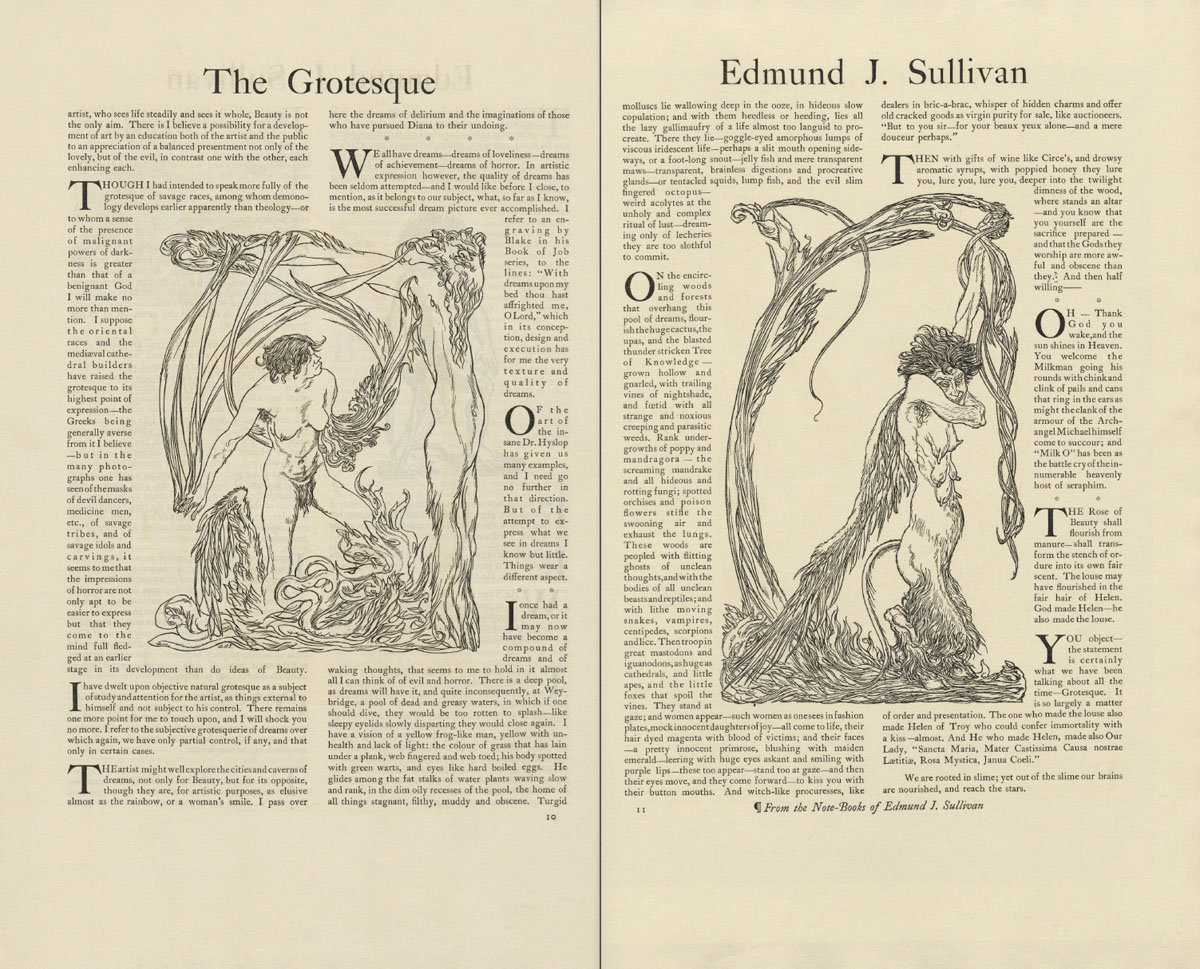
Seeing the drawings in situ like this not only restores the context but also sets them beside the accompanying work by Spare’s fellow writers and artists. Some of the other contributors need no introduction—WB Yeats, Robert Graves—while others have been neglected or even forgotten. Most descriptions of Form mention its following in the lineage of The Yellow Book, publisher John Lane having been responsible for both publications. But looking through the first two issues I’d say the model is as much The Savoy, the magazine that Aubrey Beardsley and Arthur Symons put together after The Yellow Book kicked out Beardsley in the wake of the Oscar Wilde trial. Yeats was a contributor to The Savoy, and two other artists present in Form—Charles Ricketts and Charles Shannon—were friends and publishers of Wilde.

form03.jpg

The samples here are mostly Spare’s work, and only a small selection at that. Enthusiasts are encouraged to download the PDFs for themselves. I had seen one of these issues before (Alan Moore has an enviable collection of Spare publications) but the rest were magazines I’d been waiting decades to see in full. I’m hoping now that the excellent staff at Heidelberg may have copies of The Golden Hind waiting for similar treatment.

form04.jpg

form05.jpg

Continue reading “Form and Austin Osman Spare”