Under the Pendulum Sun by Jeannette Ng

pendulum.jpg

Once again I’m a little behind with putting new pieces of work on these pages, a consequence of the reduced rate of posting and the delay between finishing various works and them being announced by publishers.

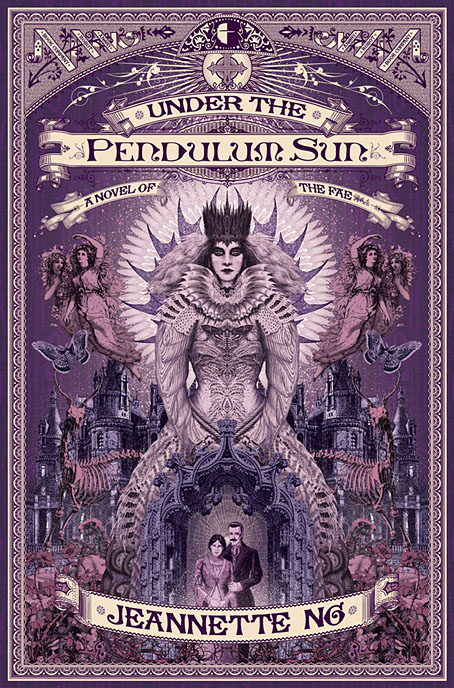
Under the Pendulum Sun is a fantasy novel by Jeannette Ng whose cover was revealed this week by Angry Robot. I was very pleased with the way this one turned out so it’s good to see it being given a positive reception. Jeannette’s novel is a dark hybrid of Gothic drama and fairy story, the main characters being a pair of Victorian missionaries attempting to bring the Gospel to Arcadia, a very real and very sinister fairyland. The model is that of the Victorian missionary heading into what were regarded as the benighted places of the world then finding themselves and their beliefs subverted by the alien culture they were hoping to enlighten. It’s a clever concept, and the novel is filled with strange invention, so much so that I had to scale down the amount of things I wanted to get into the cover. This often happens with inventive novels (the ones I’ve done for KW Jeter suffered from this), you find yourself with enough material for three or more covers but only the one cover to contain everything.

There’s no need for me to go into any detail about the art and design when I did that earlier for the cover reveal at Fantasy Faction. The book itself will be published at the beginning of October.
Weekend links 365

brunovsky.jpg

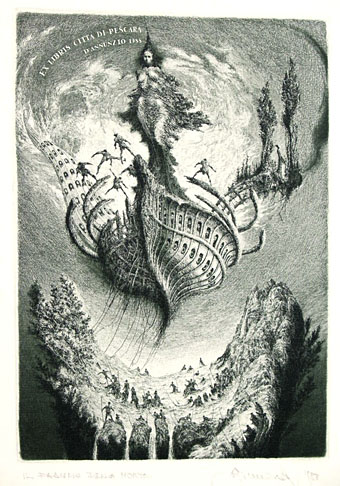
Il Fascino Della Morte (1988) by Albin Brunovsky.

• One of the forthcoming books featuring my cover art is Behold! Oddities, Curiosities, & Undefinable Wonders, a story collection due to be published next month by Crystal Lake Publishing. Bleeding Cool talked to editor Doug Murano about the collection and its contributors.

Six episodes of Tom Keating on Painters, a TV series from 1983 presented by Britain’s most well-known art forger. In six further episodes Keating examines the work of the Impressionists and Post-Impressionists.

• Opening at the Guggenheim, NYC, at the end of this month: Mystical Symbolism: The Salon de la Rose+Croix in Paris, 1892–1897.

The most potent form of gatekeeping is religion. When certain beliefs are deemed sacred, they are put beyond questioning. To challenge such beliefs is to commit blasphemy. The accusation of cultural appropriation is a secular version of the charge of blasphemy. It’s the insistence that certain beliefs and images are so important to particular cultures that they may not appropriated by others.

In Defence of Cultural Appropriation by Kenan Malik

• Mixes of the week: FACT Mix 605 by Anthony Parasole, and Secret Thirteen Mix 224 by Fanny Kaplan.

• Artist Tom Phillips at 80: “I’m still reading books. Nothing changes and everything changes.”

Negative Chambers is a new album by Yair Elazar Glotman and Mats Erlandsson.

• “Pornhub is the Kinsey Report of our time,” says Maureen O’Connor.

• “Postmodernism is dead. What comes next?” asks Alison Gibbons.

Cat Street View

Mystic Eyes (1965) by Them | Mystical Dream (1965) by The Roland Kirk Quartet | Mystic Green (1985) by Rain Parade

A Portrait of the Author

jj4.jpg

Portrait of James Joyce (1929) by Constantin Brancusi.

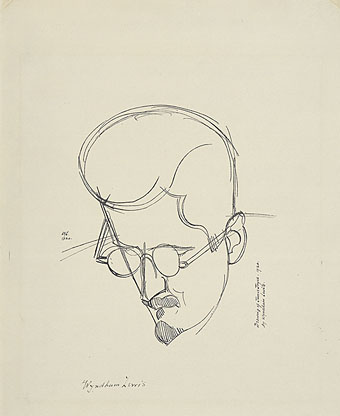
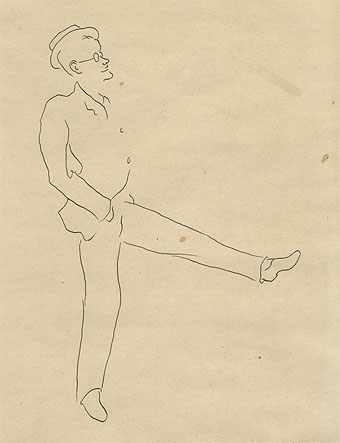
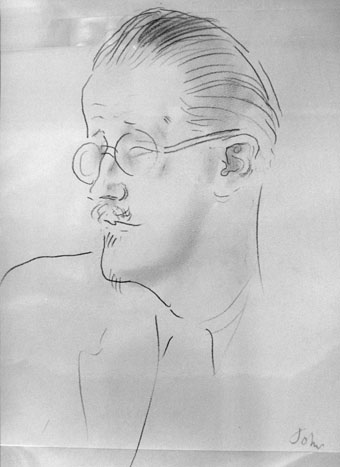
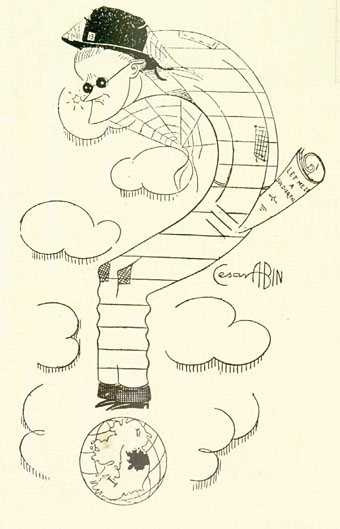
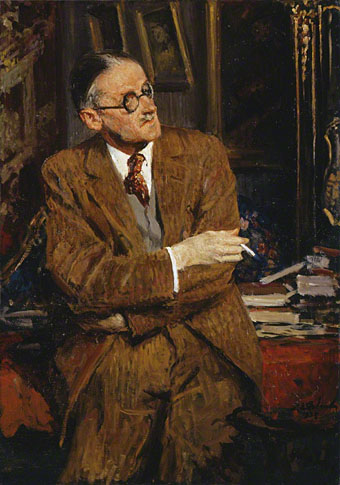
A post for Bloomsday. Joyce’s writing was always concerned more with words and phonics than with the appearance of things—understandable given his failing eyesight—but throughout his life he was a persistently attractive subject for portraits and caricatures. This was partly a consequence of being surrounded by artists but it’s also the case that the figure he cut as a man, especially in his younger years, is striking enough to be recognisable in a hasty sketch as much as a study in oils. Prior to John Lennon, Joyce’s round spectacles are the most famous in the arts of the 20th century; when added to a high forehead, a trim moustache and beard, a broad-brimmed hat and a lanky figure you have a subject that even a non-caricaturist such as myself was able to deal with when drawing the Reverbstorm series.

I’ve limited the examples here to portraits produced when Joyce was still alive. There are further examples to be found (the Augustus John is one of a series), while those produced after Joyce’s death proliferate without end.

jj2.jpg

Portrait of James Joyce (1920) by Wyndham Lewis.

jj1.jpg

Joyce at Midnight (c. 1930) by Desmond Harmsworth.

jj5.jpg

James Joyce (1930) by Augustus John.

jj3.jpg

James Joyce (1932) by César Albin.

jj6.jpg

James Joyce (1935) by Jacques-Emile Blanche.

Previously on { feuilleton }
The Labyrinth
The Duc de Joyeux
Dubliners
Covering Joyce
James Joyce in Reverbstorm
Joyce in Time
Happy Bloomsday
Passages from James Joyce’s Finnegans Wake
Books for Bloomsday

Weekend links 364

focusgroup.jpg

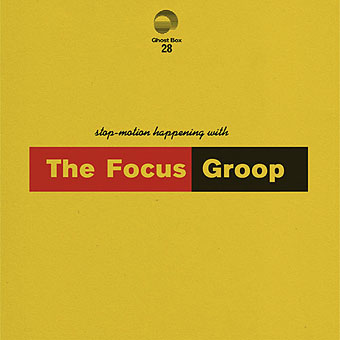
Stop-Motion Happening with The Focus Groop is a new album by The Focus Group (now a Groop, apparently, à la Stereolab), and the next release on the Ghost Box label. Design, as always, by Julian House.

• At Dennis Cooper’s: Sypha presents…Voyager en Soi-Même: a Tribute to JK Huysmans’ Là-Bas. Related: Henry Chapront’s illustrations for a 1912 edition of Huysmans’ novel.

• At the BFI: Graham Fuller on Penda’s Fen and the Romantic tradition in British film; Pamela Hutchinson and Alex Barrett choose 10 great German Expressionist films.

• The Provenance of Providence: Chris Mautner on the Lovecraftian comic series by Alan Moore and Jacen Burrows.

Luke Turner on Sunn O))): the ecstatic doom metallers turning rock concerts into “ritualist experiences”.

• At Dangerous Minds: The homoerotic “needleporn” art of Zachary Nutman.

Conor McGrady on the visual art of Nurse With Wound’s Steven Stapleton.

• Collage and Mechanism: Anita Siegel’s art for Doubleday Science Fiction.

• Mix of the week: My name is Legion: Chapter 1 by The Ephemeral Man.

ChrisMarker.org is asking for small donations to help keep it running.

• 1967 is the year pop came out, says Jon Savage.

Allen Ginsberg’s Howl goes online.

Groupmegroup (1981) by Liquid Liquid | If I Were A Groupie (1995) by Pizzicato Five | Group Four (1998) by Massive Attack

The Work of Walter Crane

crane01.jpg

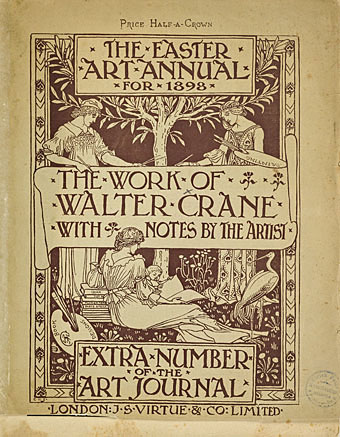
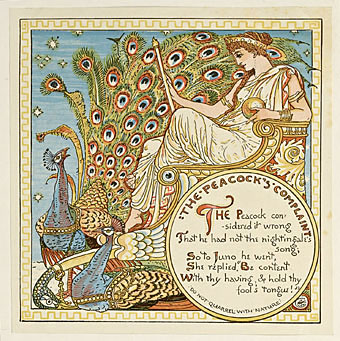
Not the first time Walter Crane has been featured here but this slim volume (62 pages) is a useful overview of the artist’s work which covers all aspects of his career: fine art, book illustration, political design (Crane was a lifelong Socialist), textiles for William Morris, and interior design. There’s more Walter Crane at Wikimedia Commons.

crane02.jpg

crane03.jpg

crane04.jpg

Continue reading “The Work of Walter Crane”