Nothing Is

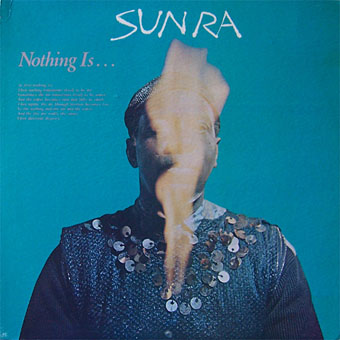
sunra.jpg

1: Nothing Is… (1966), an album of science fiction jazz by Sun Ra.

What does the empty space of that ellipsis imply?

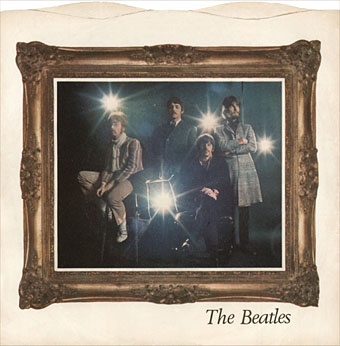
beatles.jpg

2: Strawberry Fields Forever (1967), a single by The Beatles.

“Strawberry Fields / Nothing is real”

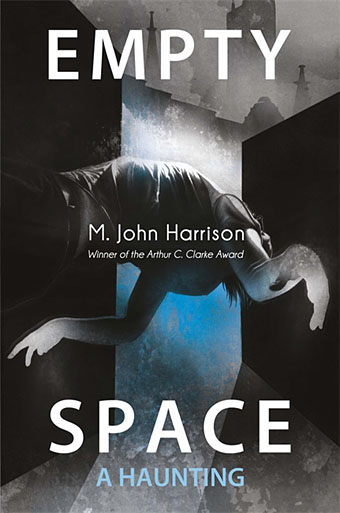
harrison1.jpg

Cover art by Sam Green.

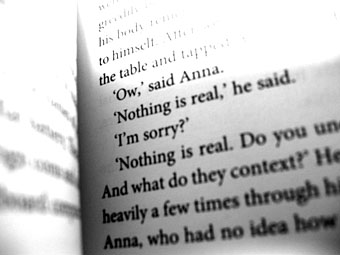
3: Empty Space (2012), a science fiction novel by M. John Harrison.

Chapter 1: “Nothing is real,” he said.

harrison2.jpg

mbv.jpg

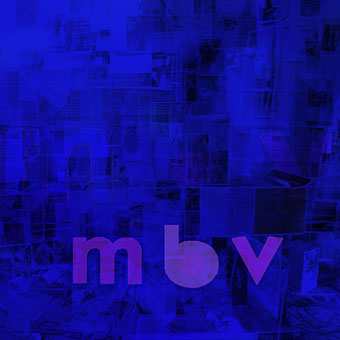
4: MBV (2013), an album by My Bloody Valentine which emerged from empty space at the weekend.

Track 8: Nothing Is.

Previously on { feuilleton }
Golden apples and silver apples

Covering Joyce

joyce1.jpg

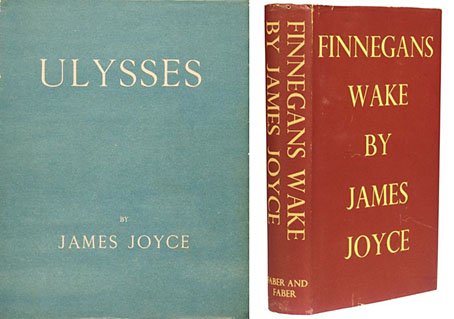
First editions of Ulysses (1922) and Finnegans Wake (1939).

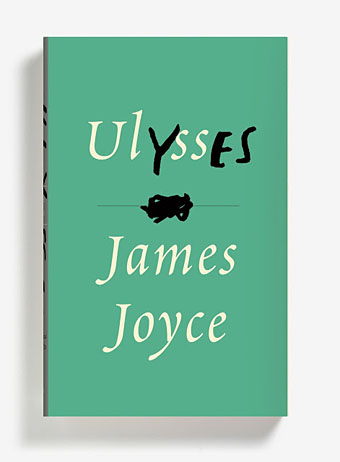
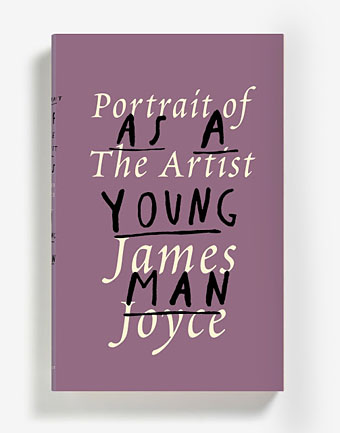
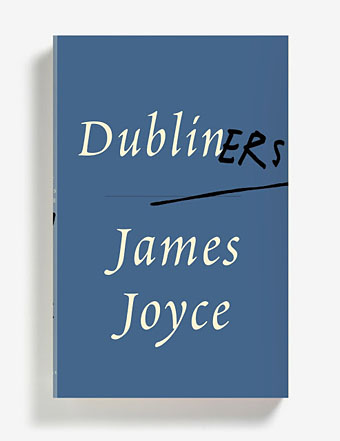
I like Peter Mendelsund’s book cover designs so it’s good to find the designer given the opportunity to provide new covers for James Joyce. Mendelsund’s blog post announcing the news mentions nothing about his intentions, instead we have a reminiscence about Ireland à la Molly Bloom, and pictures of the three covers below.
joyce2.jpg

I’ve never felt a pictorial treatment works with Joyce; his books, especially the Big Two, concentrate so much on words and the labyrinths made by language that anything other than a purely typographic treatment seems superfluous. Art directors going the pictorial route generally end up using familiar photos of the author or views of Dublin circa 1900. The first editions of Ulysses and Finnegans Wake set the pattern for many later editions, and I’ll guess it’s that pattern which Peter Mendelsund has followed here. The typeface used is Poetica, a Robert Slimbach design from 1992, completed by what may be Joyce’s own hand (I’m guessing again) in the manner of the author’s corrected typescripts. The amendments for Dubliners and Portrait of the Artist don’t require explanation but what about the title of Ulysses? I’d read this (so to speak) as representing the novel’s two main characters—Stephen Dedalus: the cold and precise man of letters, and Leopold Bloom: the all-too-human Everyman—who in their circumambulation and eventual meeting comprise the twin poles of the story. There’s also a subtle and clever allusion to Molly Bloom but I’ll let you find that…

The three new books will be published by Vintage but I’ve not managed to find a publication date.
joyce3.jpg

In other Joyce news, the first Chinese translation of Finnegans Wake has proved to be a surprising bestseller. And I ought to mention that Lord Horror: Reverbstorm, my own Joycean excursion (among other things) with David Britton, is now available at Amazon. You can, of course, still buy the book direct from the publishers.
joyce4.jpg

Elsewhere on { feuilleton }
The book covers archive

Previously on { feuilleton }
James Joyce in Reverbstorm
Joyce in Time
Happy Bloomsday
Passages from James Joyce’s Finnegans Wake
Books for Bloomsday
The Library of Babel by Érik Desmazières

library1.jpg

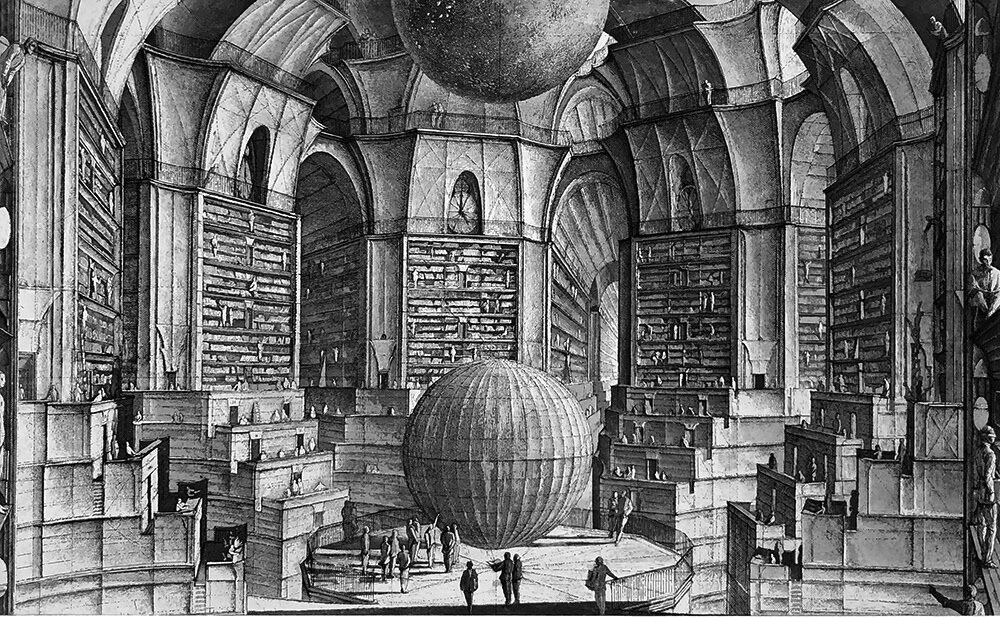
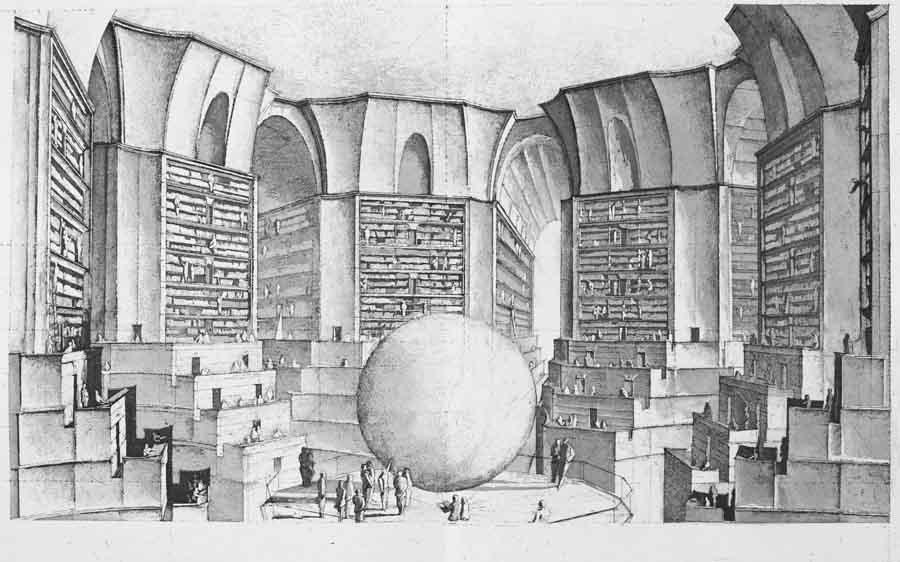
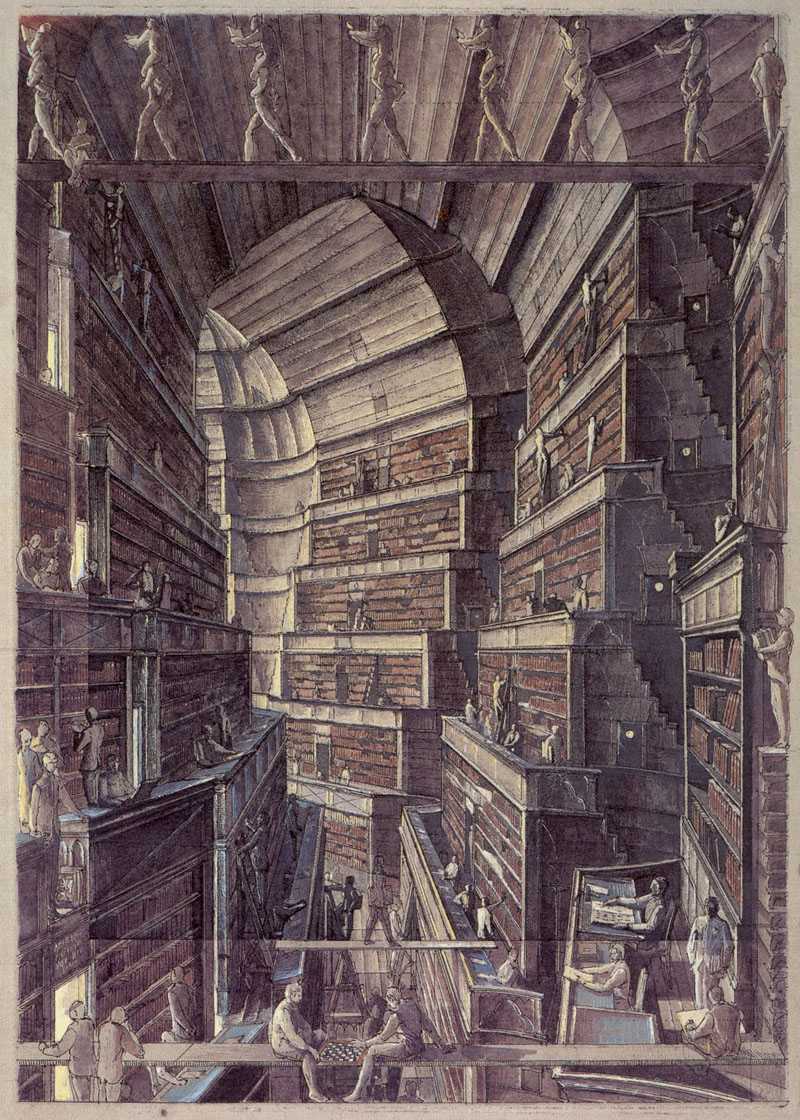
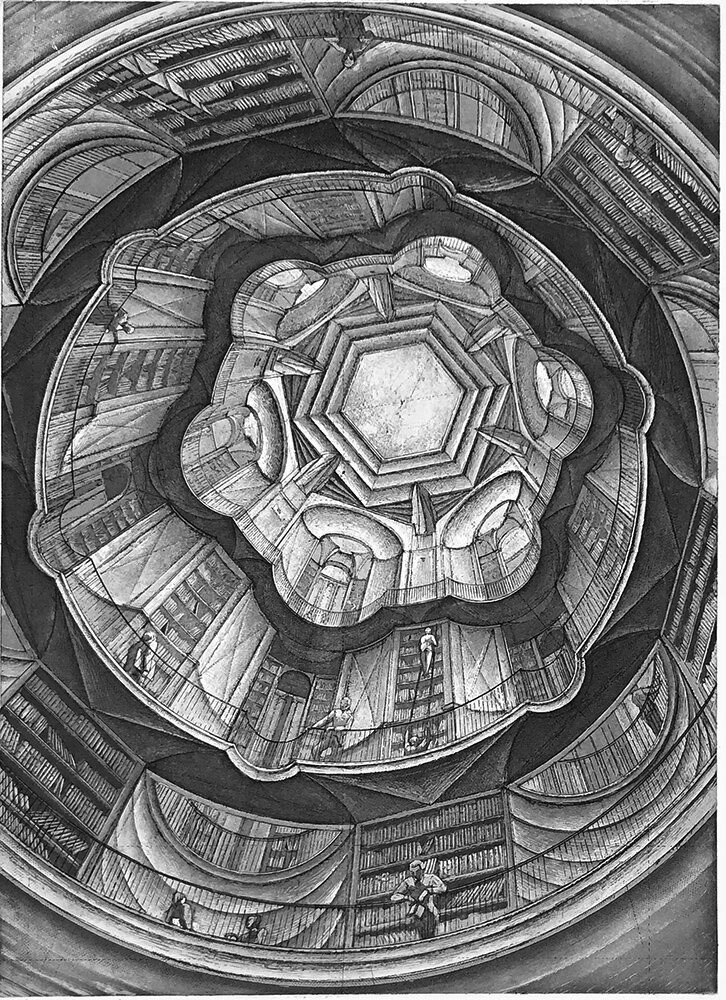
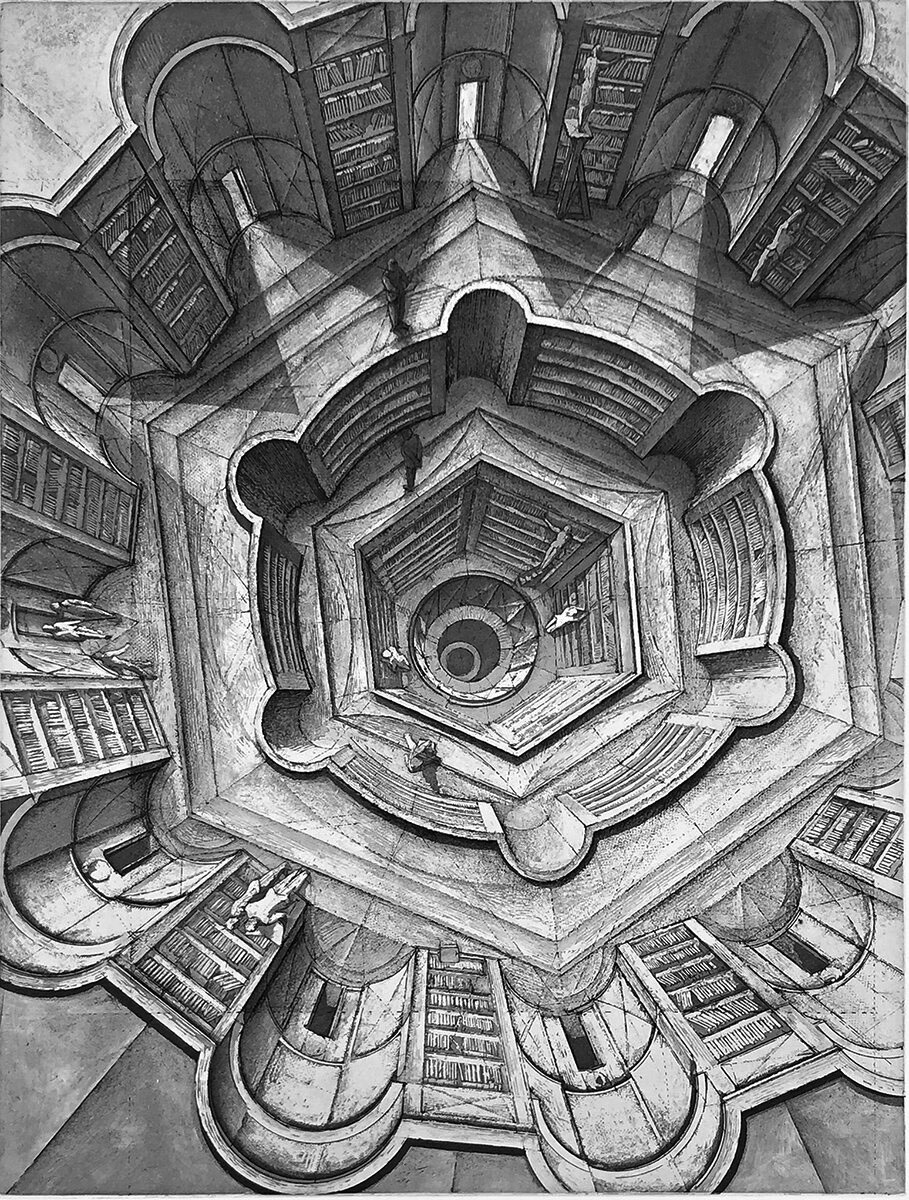
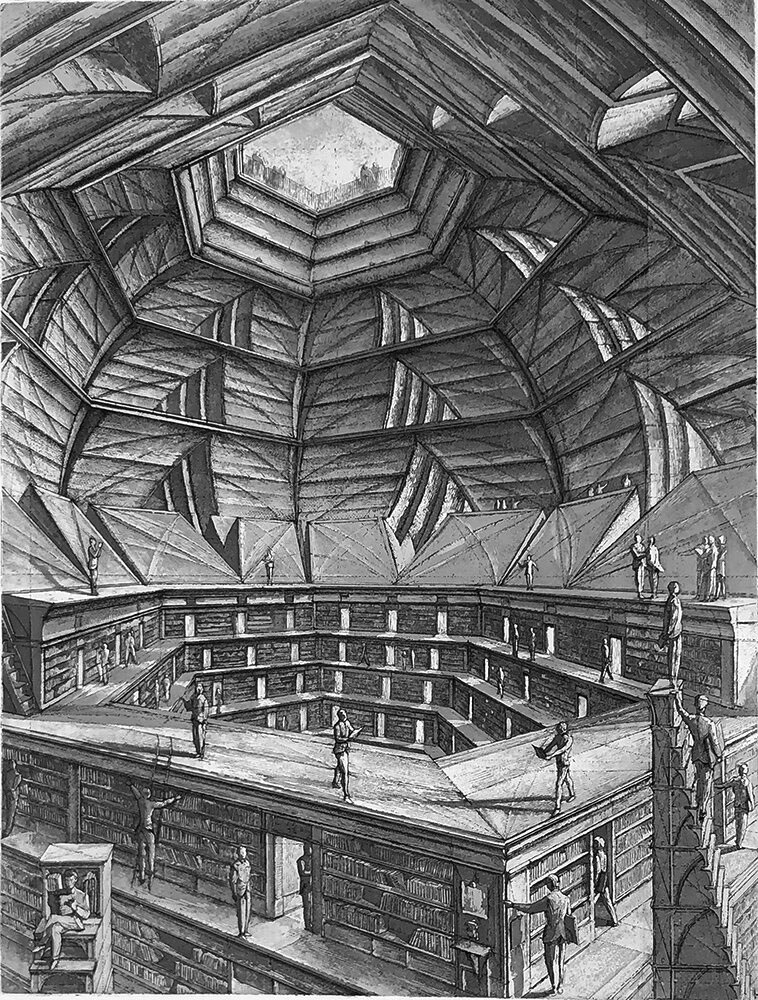
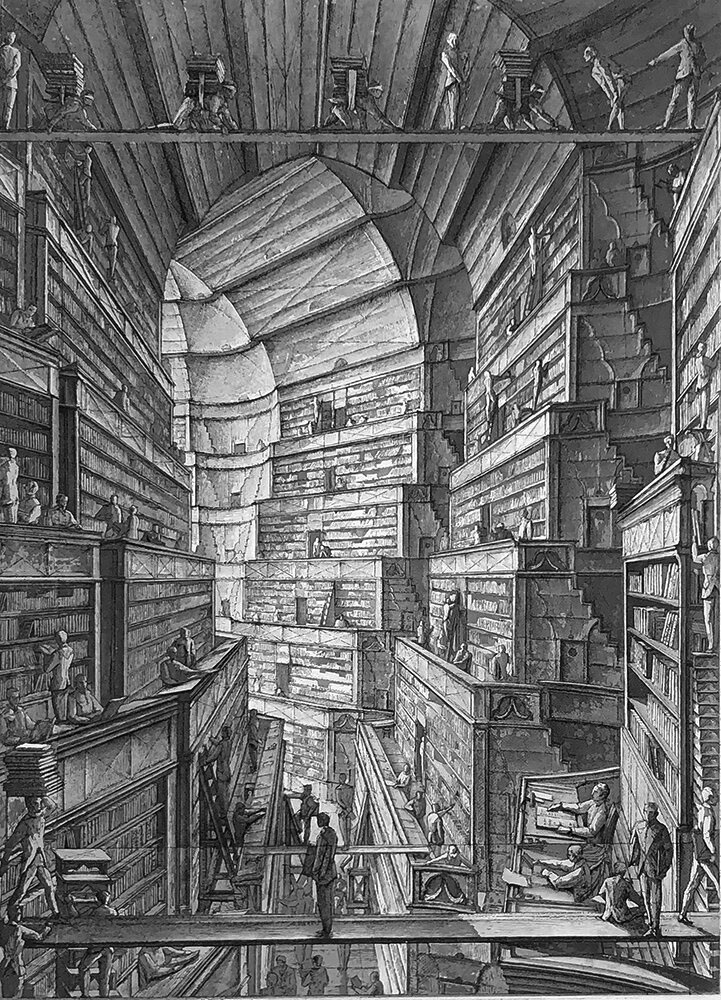
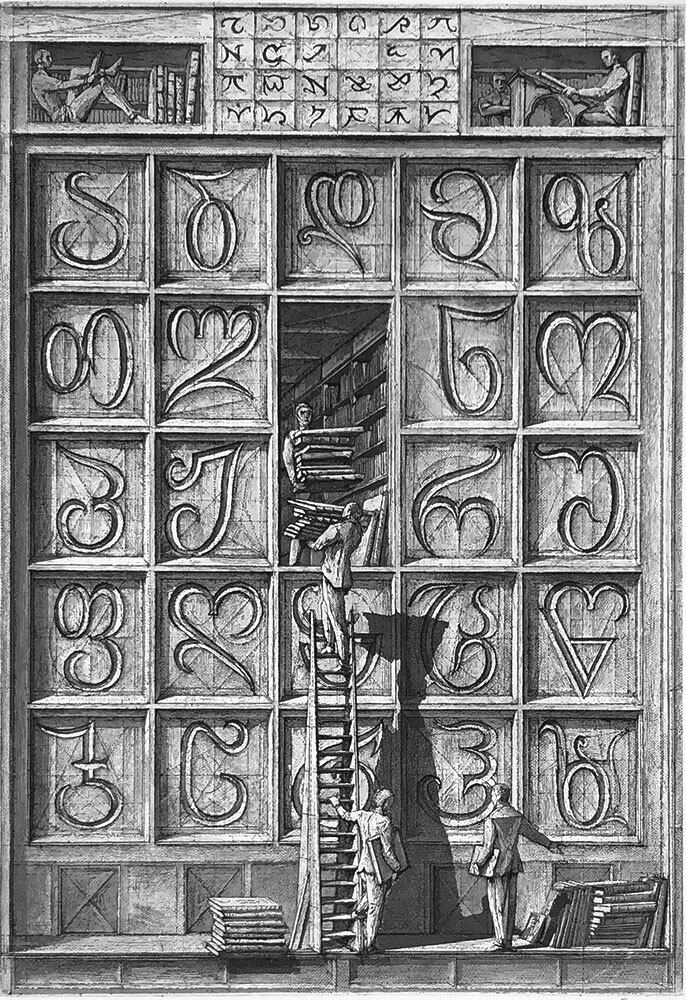
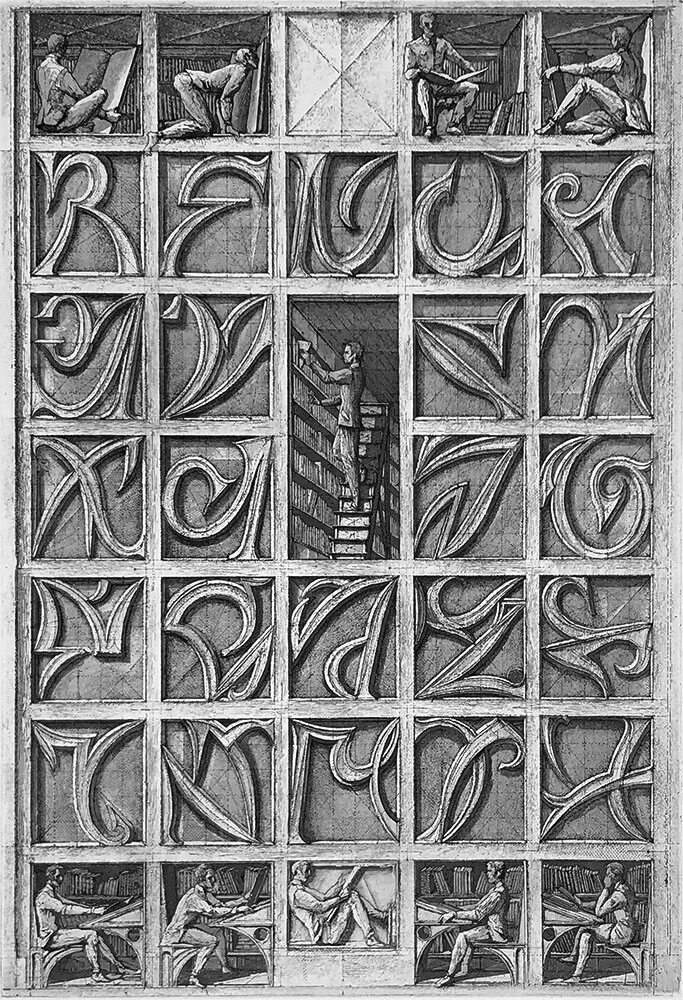
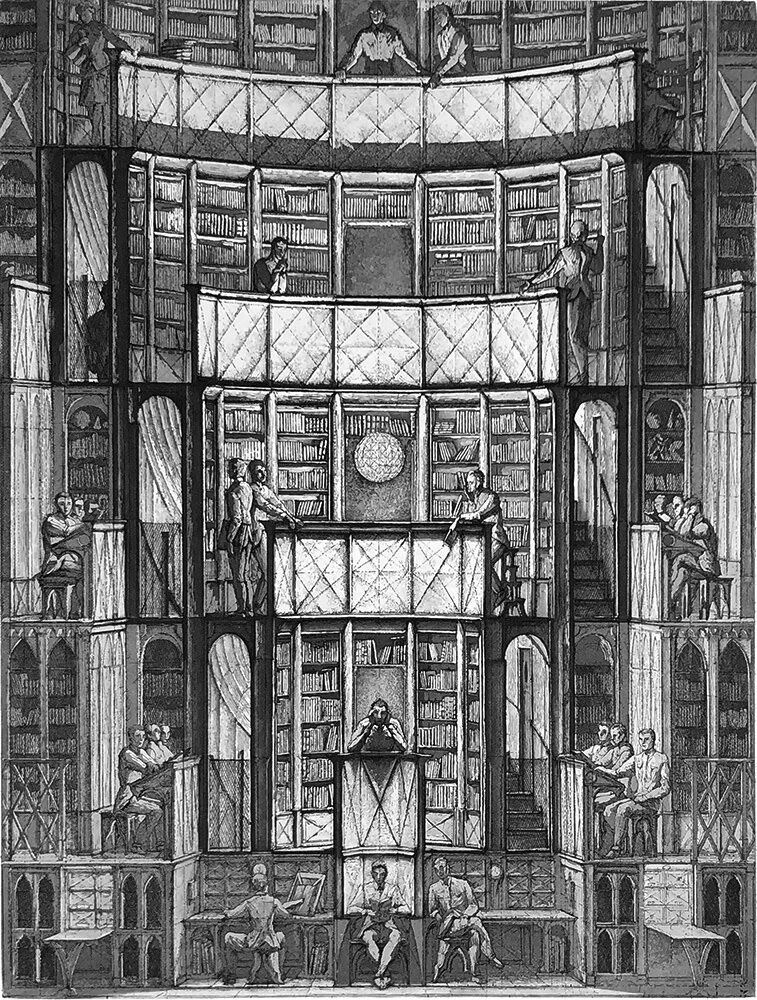
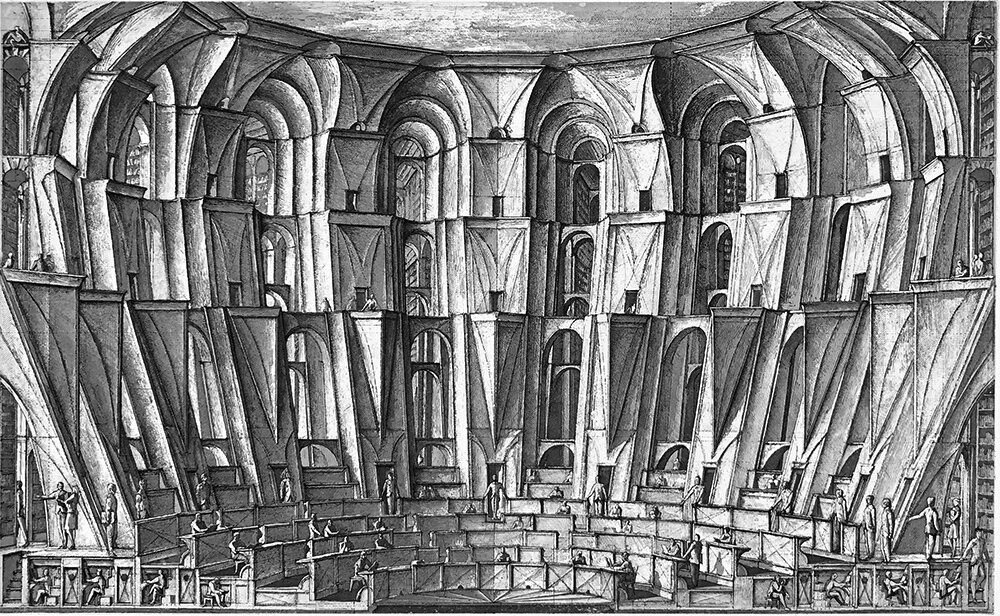
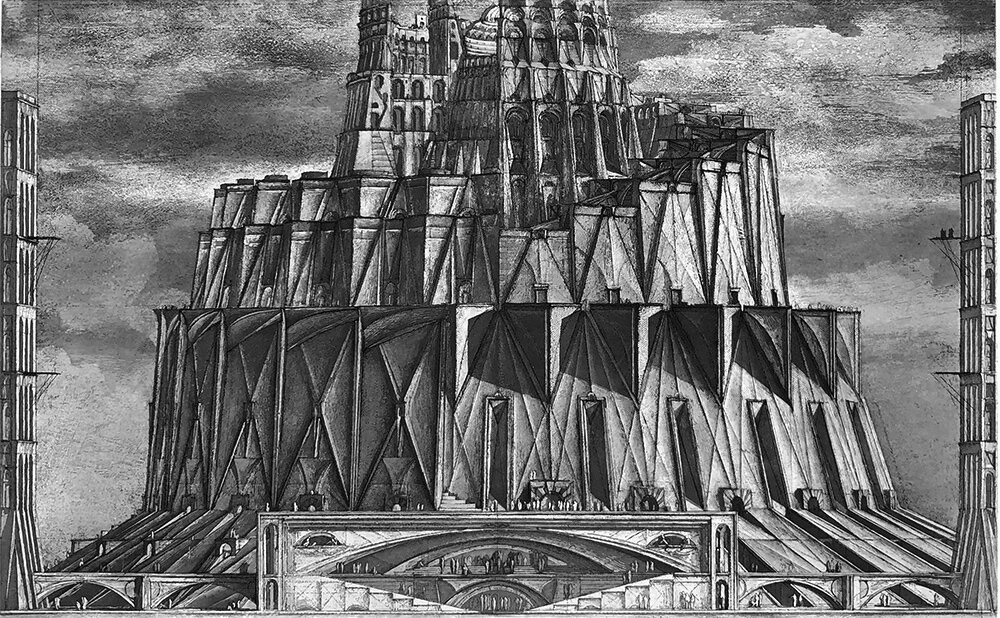
The print work of French artist Érik Desmazières has featured here on several occasions, and I’ve also had reason to mention more than once his aquatints and etchings which illustrate Jorge Luis Borges’ celebrated short story The Library of Babel (1941). The prints were produced in 1997, with a small book edition being published in 2000. Copies of the volume now sell for upwards of $100, and at a mere 36 pages this somewhat exceeds my acquisitiveness threshold; hence this post which gathers some of the better online reproductions, one or two of which have only come to light in the past couple of years.

library2.jpg

Borges’ description of the architecture of the Universe-size Library is sketchy so Desmazières opens out some of the spaces to give a Piranesian sense of space to what would otherwise be little more than views of the same small rooms and corridors, endlessly repeating. MC Escher could have made something of those infinite perspectives—the hexagonal chambers are the closest to the story descriptions—but the larger rooms convey without words an impression of colossal spaces filled with nothing but people and an infinitude of books. The volumes that Borges describes contain few illustrations but one of them at least would describe this very book. Another would describe this book with a minor variation in one of the plates; another would describe MC Escher’s depictions of the Library, and Piranesi’s, and Salvador Dalí’s, and yours, and mine, and on and on…

library3.jpg

library4.jpg

library5.jpg

library6.jpg

library7.jpg

library8.jpg

library9.jpg

library10.jpg

library11.jpg

library12.jpg

Elsewhere on { feuilleton }
The etching and engraving archive

Previously on { feuilleton }
Les lieux imaginaires d’Érik Desmazières
The art of Érik Desmazières

Wildeana 9

dine.jpg

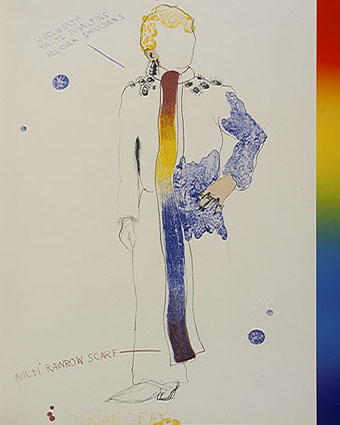
Dorian Gray (1968) by Jim Dine; one of a series of prints for an illustrated edition. Rainbows didn’t become a gay symbol until Gilbert Baker’s flag design ten years later.

Continuing an occasional series.

• “…the Public is a very curious thing; it is sometimes perverse, and even obstinate, and it has evidently made up its mind to like the plays of Mr. Oscar Wilde.” Callum at Front Free Endpaper found a sceptical review of The Importance of Being Earnest in The Sketch for 20th February, 1895.

• “Wilde’s vision of Socialism, which at that date was probably shared by many people less articulate than himself, is Utopian and anarchistic.” George Orwell, writing in 1948, looks back at Wilde’s The Soul of Man Under Socialism.

Oscar Wilde between Paris and Brighton: Research at the excellent Charles Ricketts & Charles Shannon blog following Wilde’s travels in the early months of 1891.

Wilde Ride by Anthony Paletta: “Oscar Wilde spent a year in the US and met the likes of Walt Whitman and Henry James.”

• There’s plenty of Wildeana at Pinterest.

Elsewhere on { feuilleton }
The Oscar Wilde archive

The labyrinth of Versailles

versailles01.jpg

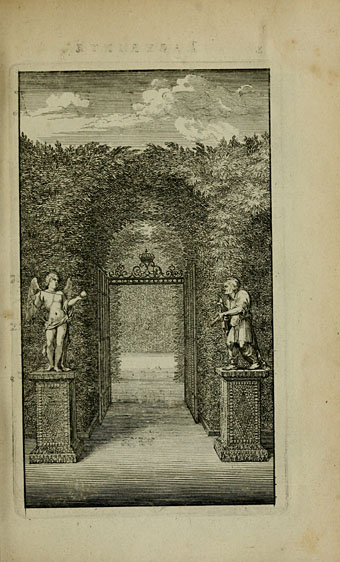
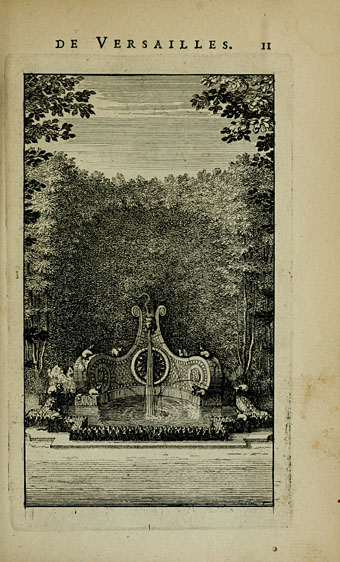
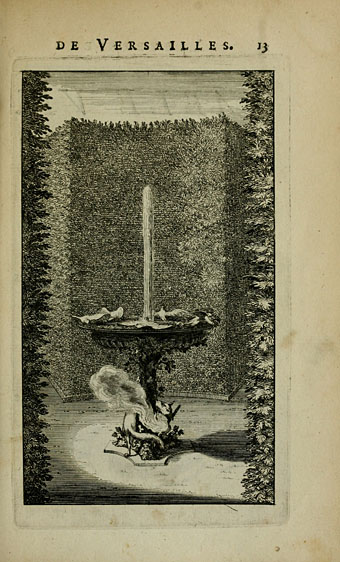
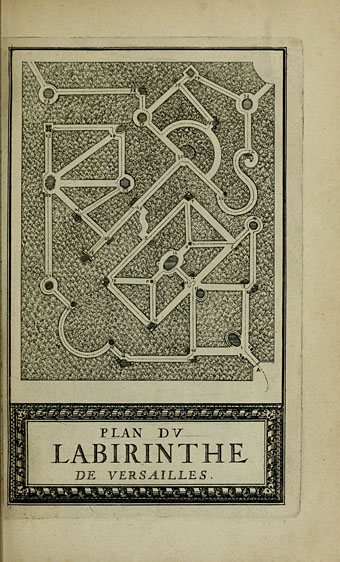
I ought to have mentioned this last week since a plan of the lost labyrinth of Versailles appears in the William Henry Matthews book. The labyrinth was completed for Louis XIV in 1677, and is unusual for being a series of paths without a central focus, and also a very ornamental affair containing thirty-nine fountains with accompanying statuary which depicted the animals from Aesop’s fables. The latter were a suggestion of Charles Perrault from whose Labyrinte de Versailles (1677) these illustrations are taken. The etchings are by Sébastian Le Clerc whose map shows the route that visitors would have taken in order to visit each fountain in turn. The book may be browsed here or downloaded here.

The labyrinth was removed in 1778 but Wikipedia has a page with more information including some colour prints of the fountains, and also an English list of the fables depicted.

versailles02.jpg

versailles03.jpg

versailles04.jpg

Continue reading “The labyrinth of Versailles”