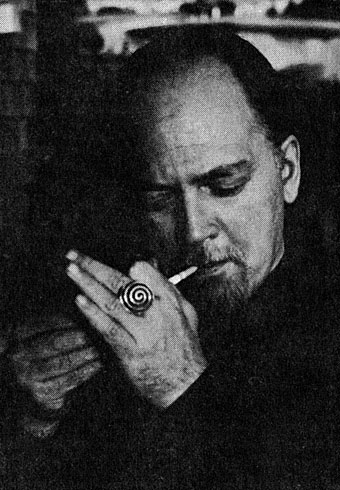
Robert Anton Wilson, 1932–2007

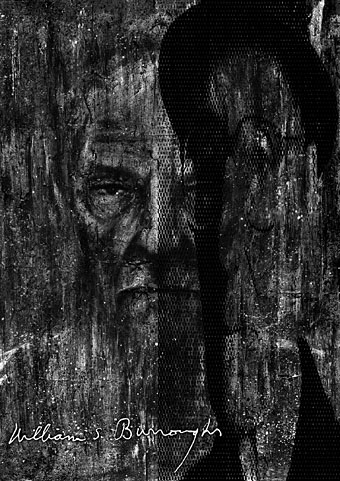
raw.jpg

There are few people who really change your life but Robert Anton Wilson—who died earlier today—certainly changed mine. Wilson’s Illuminatus! trilogy (written with Robert Shea) was my cult book when I was at school in the 1970s, a rambling, science fiction-inflected conspiracy thriller that opened the doors in my teenaged brain to (among other things) psychedelic drugs, HP Lovecraft, James Joyce, William Burroughs and Aleister Crowley as well as being a crash-course in enlightened anarchism. I’ve had people criticise the books to me since for their ransacking of popular culture but this was partly the point, they were collage works, and they worked as a perfect introduction for a young audience to worlds outside the usual circumscribed genres.

The philosophical side of Wilson’s work was probably the most important at the time (and remains so now), his “transcendental agnosticism” made me start to question the adults around me who were trying to force my life to go in a direction I wasn’t interested in at all. I’m sure I would have resisted that kind of pressure anyway but the value of RAW’s writings in Illuminatus! and the later Cosmic Trigger came with being given an intelligent rationale for those decisions; I couldn’t necessarily articulate why I was “throwing my life away” by wanting to drop out of the whole education system but Wilson’s work had convinced me it was the right thing to do. I still mark the true beginning of my life as May 1979, the month I left school for good.

He wouldn’t want us to be maudlin, I’m sure. It’s typical for a writer who spent so much of his life writing about drugs and coincidences that he managed to die on Albert Hofmann’s birthday. So I’ll just say thank you Robert, for changing my life. And Hail Eris!

Previously on { feuilleton }
The Absolute Elsewhere

The art of Shinro Ohtake

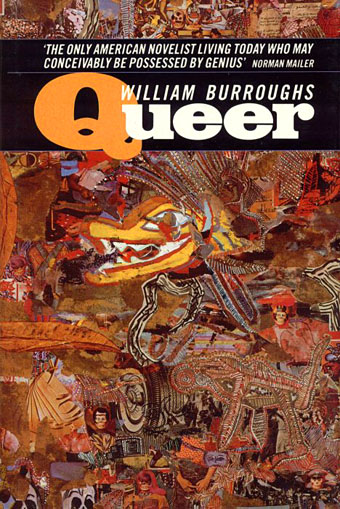
queer.jpg

Shinro Ohtake is always on the attack. Whether it’s against misguided art education, against the cold treatment and economic constraints Japan puts on anyone who could dare to live differently, against the contemporary art establishment that can’t be bothered to even disguise its own incomprehension—his fight as an artist continues. Ohtake is prodigious, original, and a trouble-maker—in the sense that the work of the artist is always to create difference.

William Burroughs

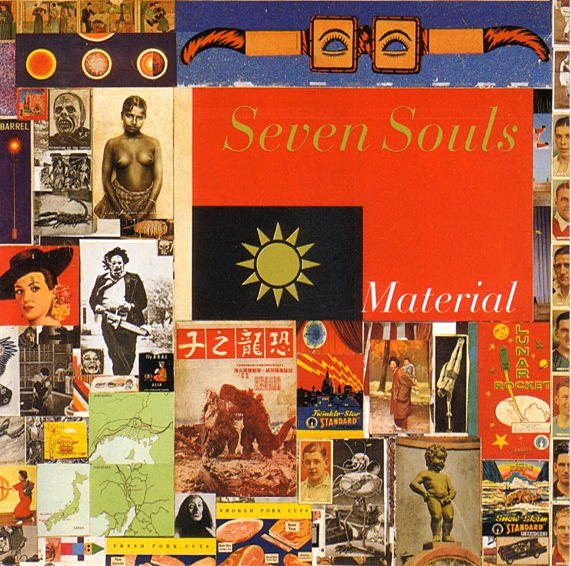
Two disparate things had me looking for Shinro Ohtake‘s work this week: I’ve been doing a short interview about album cover design (more about that at a later date) in which I mentioned his collage for the cover of Seven Souls by Material (1989), then an editorial in the latest Wire describes his current retrospective exhibition at the Museum of Contemporary Art in Tokyo.

seven_souls.jpg

The Material cover is one I picked as a favourite design. It’s difficult trying to pin-point why I think this works so well without it being at all illustrational. (I’m guessing, but it’s likely that Bill Laswell picked it out of one of Ohtake’s collage books, rather than it being specially commissioned.) It may be the collage aspect that works here. The album features readings by William Burroughs set to music and for me is the best of all the Burroughs recordings (Dead City Radio being a close second). Burroughs’ work, of course, involved literary collage via his own cut-up process, and the musical content can also be seen as a collage in the way it mixes different styles and musicians—Simon Shaheen, Shankar, Rammellzee, Foday Musa Suso, Fahiem Dandan and samples of the famous Brian Jones recordings of the Jajouka pipers. It’s a shame that when the CD was reissued in 1997 (in a superior mastering, it should be noted), the original artwork was largely junked in favour of a lot of muddy Photoshop work from the usually excellent Russell Mills. I’ve a huge respect for Mills but this treatment was a serious mistake.

Elsewhere on { feuilleton }
The album covers archive

Previously on { feuilleton }
William Burroughs book covers

William Burroughs gives thanks

Lest we forget…

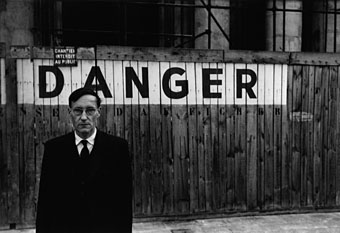
burroughs.jpg

William Burroughs.

Thanksgiving Day, Nov. 28, 1986.

For John Dillinger
In hope he is still alive

Thanks for the wild turkey and the Passenger Pigeons, destined to be shit out through wholesome American guts —

thanks for a Continent to despoil and poison —

thanks for Indians to provide a modicum of challenge and danger —

thanks for vast herds of bison to kill and skin, leaving the carcass to rot —

thanks for bounties on wolves and coyotes —

thanks for the AMERICAN DREAM to vulgarize and falsify until the bare lies shine through —

thanks for the KKK, for nigger-killing lawmen feeling their notches, for decent church-going women with their mean, pinched, bitter, evil faces —

thanks for “Kill a Queer for Christ” stickers —

thanks for laboratory AIDS —

thanks for Prohibition and the War Against Drugs —

thanks for a country where nobody is allowed to mind his own business —

thanks for a nation of finks — yes,

thanks for all the memories… all right, let’s see your arms… you always were a headache and you always were a bore —

thanks for the last and greatest betrayal of the last and greatest of human dreams.• From Tornado Alley (1989).

Previously on { feuilleton }
William Burroughs book covers
Towers Open Fire

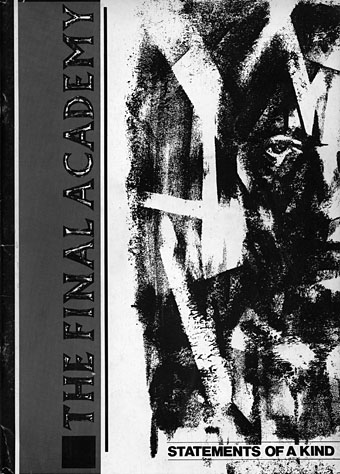
The Final Academy

final_academy.jpg

The event booklet, designed by Neville Brody.

William Burroughs’ reading in the city of Manchester took place on the 4th of October, 1982, at Factory Records’ Haçienda club, as part of the Manchester “edition” of The Final Academy, a Burroughs-themed art event put together by Psychic TV (Genesis P Orridge & Peter Christopherson) and others. A recent posting on the Grey Lodge is a torrent of The Final Academy Documents, the shoddily-produced DVD made from the low-grade video recordings that captured the event (originally an Ikon Video production from Factory). The DVD is so badly presented by Cherry Red that no one should feel guilty about downloading this.

I’ve always been grateful that a record was made of this event, however poor, since I was in the audience that evening, very conscious of the fact that this was my one and only opportunity to see Burroughs in the flesh. His appearance was the magical part of a scaled-down version of the larger two-day Final Academy that had taken place earlier that week in London. The rest of the event was either strange or underwhelming, not helped by the chilly and elitist atmosphere of Manchester’s newest and most famous club. In the days before “Madchester” and the rave scene (the period that gets excised from the city’s cultural history), the Haçienda was a cold, grey concrete barn with terrible acoustics and a members-only policy that required the flourishing of a Peter Saville-designed card at the door. The place was usually half-empty and the clientèle tended to be students living nearby.

Continue reading “The Final Academy”