
Weekend links 142

bowie.jpg

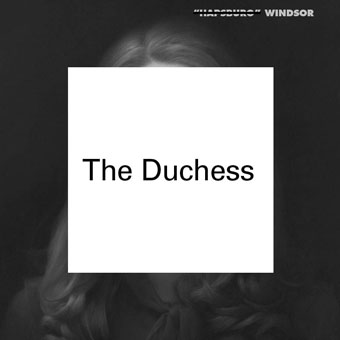
Gratifying this week to see album cover art under discussion even if the heat-to-light ratio was as unbalanced as it usually is when pop culture is the subject. Jonathan Barnbrook, who also designed the Heathen (2002) and Reality (2003) packaging for David Bowie, wrote about the thinking behind the new cover on his blog. (And for the time being let’s note that this is still only a cover design, we don’t know what else is on its way.)

For my part I’ll point out that the artist-as-cover-image is the great cliché of album design, and the bigger the name the more the rule applies; Neville Brody complains about this in the first book of his work, as does Storm Thorgerson in the Hipgnosis books. In Bowie’s case the rule has been applied almost universally since his debut album in 1967, the only variations being illustrational ones or slight dodges like having his feet appear on the front of Lodger and his back facing the viewer on Earthling. Consequently the new design is a radical gesture from an artist who could have got away with a photo of himself du jour. By way of contrast, consider that Rod Stewart is a year older than David Bowie and presented the world with this artefact in October 2012.

Related: Hard Format responds to the cover, Chris Roberts on “Picasso resurrected in a Rolf Harris era“, and Alexis Petridis on The inside story of how David Bowie made The Next Day.

The Quicksilver typeface, designed by Dean Morris when he was only 16, bought by Letraset and now an indelible feature of pop design from the 1970s. Morris describes his experience here (“they shunned rapidographs!”) and collects examples of the print history here.

When the days are short, we are closest to the medieval world. To the avoidance of mirrors where death improves our portraits every morning with a few more lines and shadows. What would once have been a sermon, a conjuring of hellfire, a phantom slide show, is now an entertainment. But before we can begin again, we have to kick free of the embrace of our inconvenient predecessors, that compost legion of the anonymous dead. They come uninvited, requiring us to sign up for what the late Derek Raymond called the general contract: a brief turn in the light, then extinction. Eternal darkness. How to live with such knowledge? William Burroughs admired the unswerving bleakness of Beckett’s gaze, the way he reduced compensatory illusions to zero. Nowhere left to crawl. And nothing to crawl on. Last breath is last breath. Stare into the abyss and the abyss will stare right back.

Iain Sinclair reviews The Undiscovered Country: Journeys Among the Dead by Carl Watkins

Broadcast’s James Cargill on Morricone, Minidiscs and Scoring Berberian Sound Studio. Related: Melmoth the Wanderer posts a new mix, The Curious Episode of the Wizard’s Skull, and more spooky sounds are on their way from The Haxan Cloak.

• A Firm Turn Toward the Objective: Joanne Meister on meeting the great Swiss designer Josef Müller-Brockmann.
duchess.jpg

Twitter user @thisnorthernboy reworked Paul Emsley’s portrait of Kate Middleton. @barnbrook approved.

• The Beatles of Comedy: David Free on the Monty Python team.

• The history of the London Underground poster.

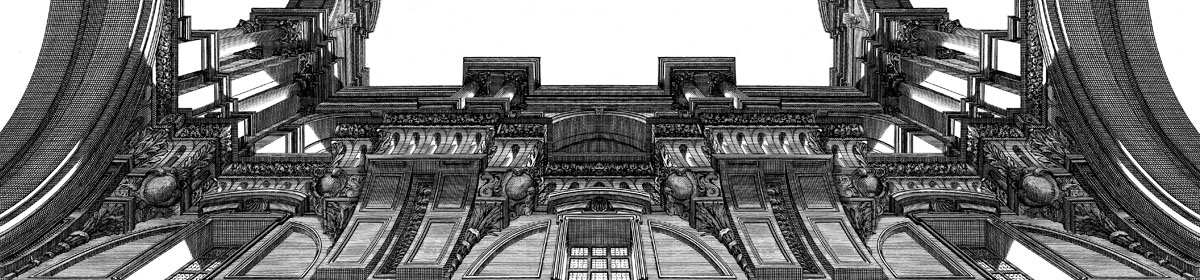
Impossible Architecture by Filip Dujardin.

• At Pinterest: Art Dolls & Sculpture

• Grace Jones’ Nightclubbing album has been on repeat play this week: Warm Leatherette/Walking In The Rain | I’ve Seen That Face Before (Libertango) | Demolition Man
Claudio Bravo’s packages

bravo01.jpg

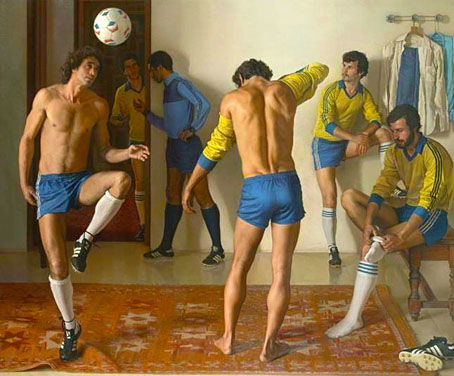
Before the Game.

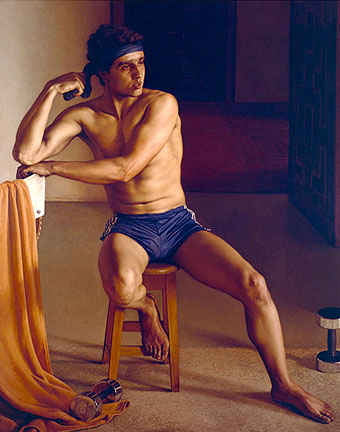
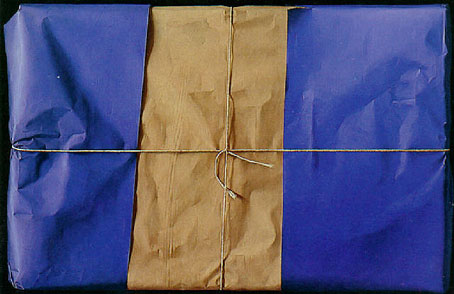
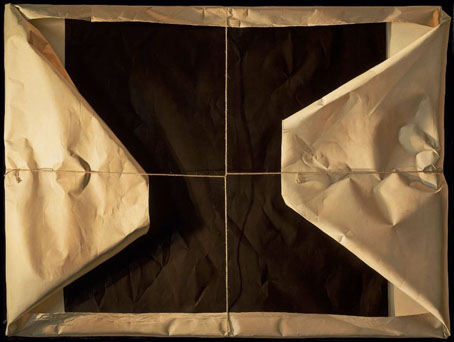
(Sorry, but that pun was unavoidable.) Claudio Bravo was a Chilean hyperrealist painter who died last year. I don’t recall having come across him before but it’s a hazard of a photographic style that your work may superficially be taken for the output of other artists. Looked at more closely his painting went through distinct phases with an increasing interest in the study of wrapped-paper packages. These trompe l’oeil paintings allow the meticulous detail to remain while giving an impression at a distance of colour field abstraction. I’m rather taken with the later pictures but then I’ve always been partial to hyperreal techniques.

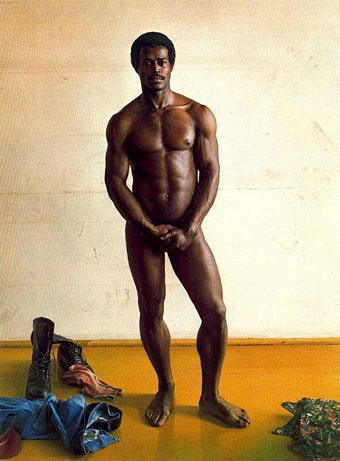
Another recurrent theme is the male body in various states of dress or undress, and rendered with as much presence as the paintings and drawings of British artist Michael Leonard. One of the drawings below could almost be one of Leonard’s. Bravo painted woman as well so we can’t read too much into this, but he did live in Morocco for many years, and one of his paintings from the 1970s depicts a swimming pool at Fire Island. Make of that what you will. (Thanks to Paul for the tip!)

bravo08.jpg

Homage to St Theresa.

bravo02.jpg

Noureddine.

bravo09.jpg

Blue and Beige Package.

bravo07.jpg

Nude (Portrait of Mr Couchez).

Continue reading “Claudio Bravo’s packages”

Polanski details

polanski01.jpg

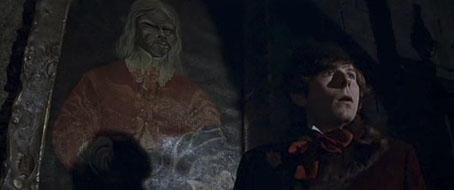
Roman Polanski as Alfred in Dance of the Vampires (1967).

I’ve always admired the attention to detail in Roman Polanski’s films, a quality evident not only in his careful adaptations but also in areas that lesser filmmakers might ignore. Dance of the Vampires (1967) is a good example (sorry, I refuse to call it by the title MGM used for its edited US release): the sets and decor are remarkable, and the editing and camera work so skilfully blends studio constructions with location shots that for years I was convinced the film was made in a genuine European castle. The atmosphere is so carefully sustained that I found the whole thing as terrifying on first viewing as any Hammer film, despite the broad humour. In the set-piece moments Polanski (and soundtrack composer Krzysztof Komeda) put many of the later Hammer vampire films to shame.

polanski02.jpg

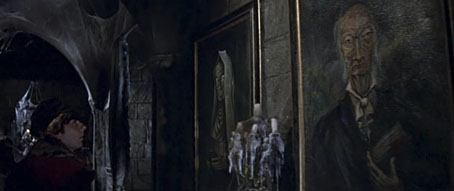
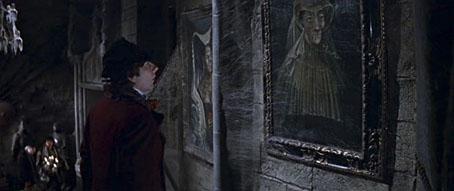
The Vampire Portraits

The production design and art direction for Dance of the Vampires was created by Wilfred Shingleton and Fred Carter, both of whom later worked on Polanski’s Macbeth, and who fill the rooms with mouldering furnishings and rotting decoration. One striking sequence concerns a walk through a gallery of vampire portraits that are the creepiest paintings seen on film since Ivan Albright’s portrait of a decrepit Dorian Gray. Film credits in the 1960s were sparse so there’s no indication of the artist responsible. However, one portrait glimpsed at the end of the gallery (below) is a copy of the “Ugly Duchess” painting by Quinten Matsys.

polanski03.jpg

polanski04.jpg

Rosemary’s Book

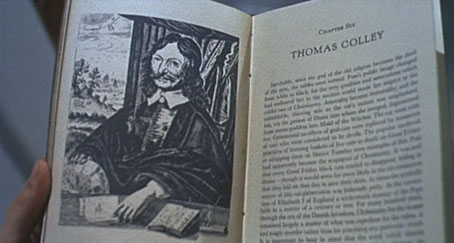
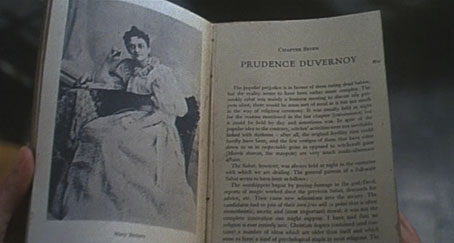
A sign that filmmakers care about detail is when they make their fictional books look like the genuine article. The history of witchcraft in Rosemary’s Baby (1968) could easily have been glimpsed very briefly but Polanski shows Rosemary leafing through its pages in a sequence of Hitchcock-like view-reaction-view shots that make it appear as convincing as possible. The shots also make the viewer examine the book through Rosemary’s eyes, something Polanski does throughout the film.

polanski05.jpg

Continue reading “Polanski details”

Peake’s glassblowers

peake1.jpg

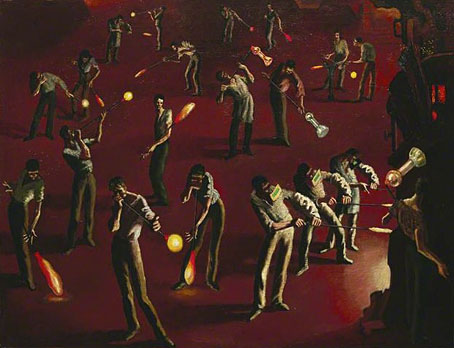
The Evolution of the Cathode Ray (Radiolocation) Tube (1943).

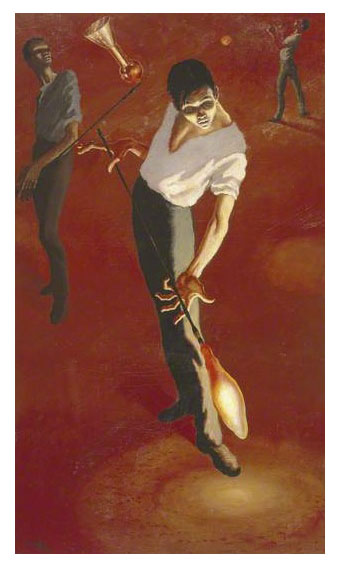
The BBC recently completed its Your Paintings project which displays online all the oil paintings in Britain’s galleries, over 210,000 works in all. I’ve glanced through the catalogue a couple of times but so far I’ve been too preoccupied to seach for many of the pictures that may not have been visible until now. The most immediate benefit of the site is the ability to go through the painting collections of small museums whose websites often show little or no artwork at all. Typing Mervyn Peake’s name into the search box revealed many paintings I’d not seen before. The Glassblower has pride of place in Manchester’s city centre gallery but its companion piece is one I’d not seen before. The two paintings and a poem, The Glassblowers, were the result of a commission by the War Artists Advisory Committee. Some of Peake’s preparatory sketches and an accompanying essay can be found in Mervyn Peake: the Man and his Art (2006).

peake2.jpg

The Glassblower (1944). Not the greatest reproduction, there’s a larger copy with colours closer to the original painting at the official Peake website.

Previously on { feuilleton }
Mervyn Peake in Coronation Street
The Worlds of Mervyn Peake
A profusion of Peake
Mervyn Peake at Maison d’Ailleurs
Peake’s Pan
Buccaneers #1
Mervyn Peake in Lilliput
The Illustrators of Alice

The weekend artists, 2012

barnes.jpg

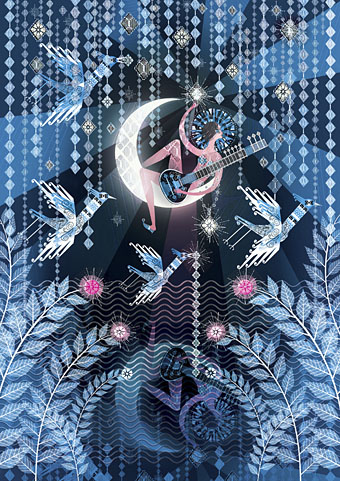
Lucy in the Sky with Diamonds (2012) by Lesley Barnes. She also has peacock wrapping paper.

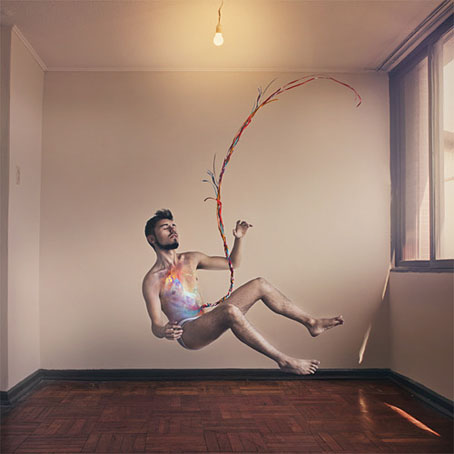
The most popular post of the year was one I made last December featuring all the artists whose work had appeared throughout 2011 in the weekend links posts. (The surge of views occurred early in January when it was linked on Stumbleupon.) Since I’ve been away this week there aren’t any links so here’s a retrospective of things that caught my eye in 2012.

durette.jpg

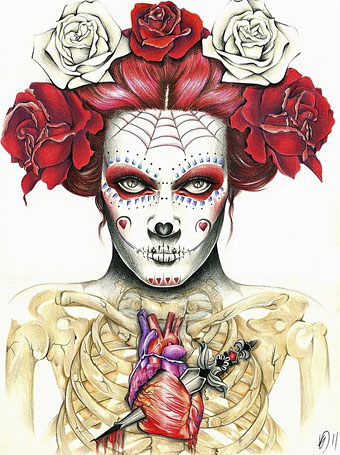
Heartsick (2011) by Kelly Durette.

jacobsen.jpg

Self-portrait by Jon Jacobsen from his Home series.

tintenfisches.jpg

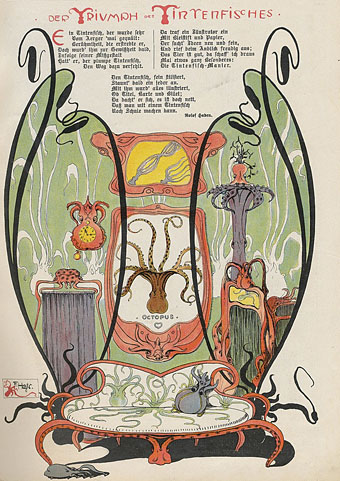
Der Triumph des Tintenfisches from Meggendorfer-Blätter (c. 1900). Via Beautiful Century.

kuhlman.jpg

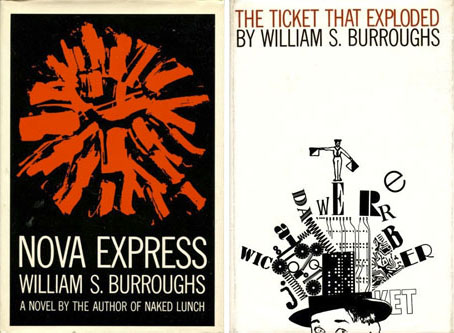
Two Grove Press covers by Roy Kuhlman. From Arden Kuhlman Riordan’s Pinterest page collecting her father’s cover designs.

ulian.jpg

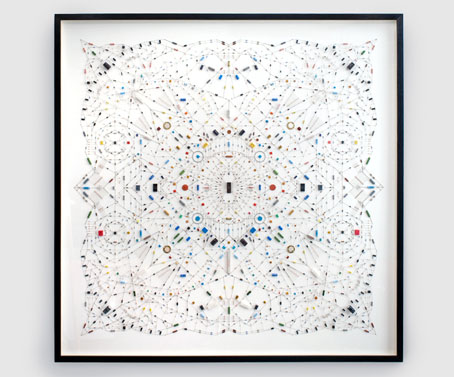
Technological mandala 02 (The beginning) (2012) by Leonardo Ulian.

Continue reading “The weekend artists, 2012”