Aubrey in LIFE

life.jpg

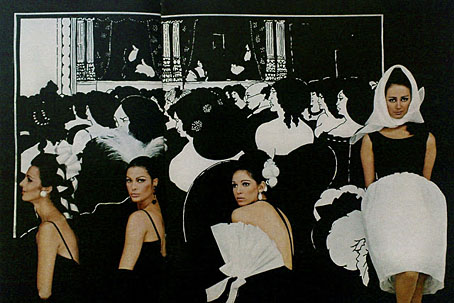
Turned out for a big night at the opera like Beardsley’s Wagnerites, girls wear bare-backed blacks by Trigère. Coiffed heads are by Hugh Harrison and Halston of Bergdorf Goodman’s; Halston also made the pouf-skirted dress. (Photo session by Milton Green & Joe Eula.)

Being determined to catalogue every last piece of Beardsley trivia from the 1960s, I’m compelled to note this post which I’d missed at Sweet Jane’s Pop Boutique a couple of years ago. An earlier post here showed one of the photos from a LIFE fashion feature using Aubrey’s drawings but the Sweet Jane post has scans of all the photos, plus accompanying text. This was published in February 1967, a few months after the summer exhibition at the V&A in London which introduced Beardsley’s work to a new generation, an exhibition which set in motion a wave of popular interest in his work.

I’m intrigued by the way the colour of the women’s bodies emerges from the drawings given the date when the magazine appeared. I’ve long seen 1966 as a very black-and-white year in graphic and aesthetic terms, whereas 1967 is obviously full-colour; the difference between the sleeves of the Beatles’ (Beardsley-derived) Revolver and Sgt Pepper albums are only two of the more prominent examples. These fashion photos could be regarded as being caught mid-way between the shift from one state to another. There are more shots of the Wagnerites above on this page. Thanks to Ian for drawing my attention to the Sweet Jane post.

Elsewhere on { feuilleton }
The Aubrey Beardsley archive
The art of Sidney Hunt, 1896–1940

hunt01.jpg

Ganymede Before Zeus (1921).

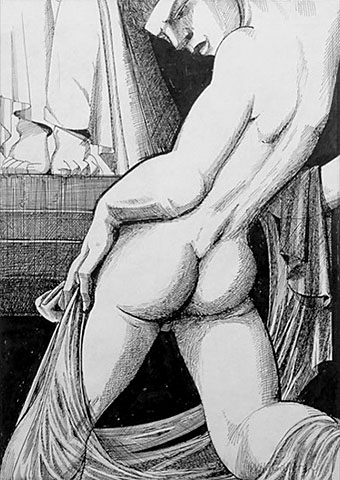
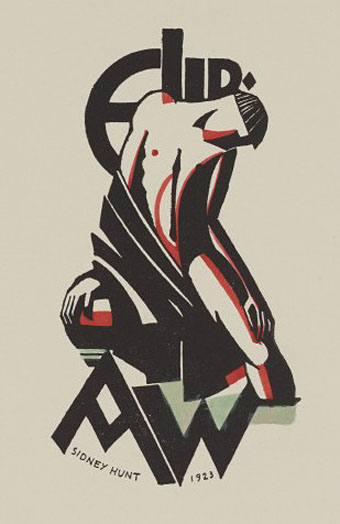
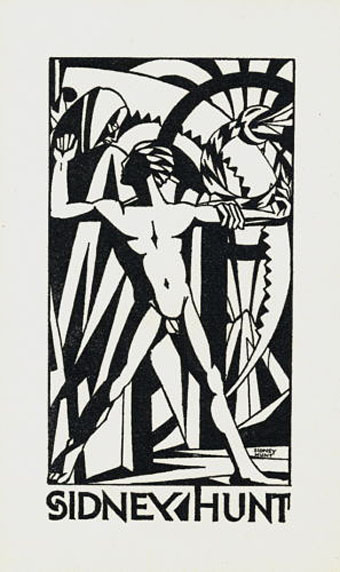
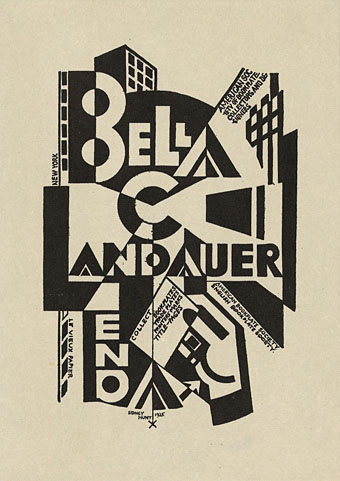
Another of those artists about whom detail remains tantalisingly remote if the web is your primary research tool. Hunt was a British Modernist who also edited an avant-garde magazine, Ray, from 1926–27. Most of the works here are bookplates from around 1923, many of them distinctly homoerotic which adds to their interest. The note at Wikipedia is unsourced but tells us that his output included “experimental prose-poem fantasies of 18-year-old hermaphrodites”. Maybe these, and more of his work, will turn up eventually.

hunt02.jpg

hunt03.jpg

hunt04.jpg

Continue reading “The art of Sidney Hunt, 1896–1940”

Lynd Ward’s Frankenstein

ward1.jpg

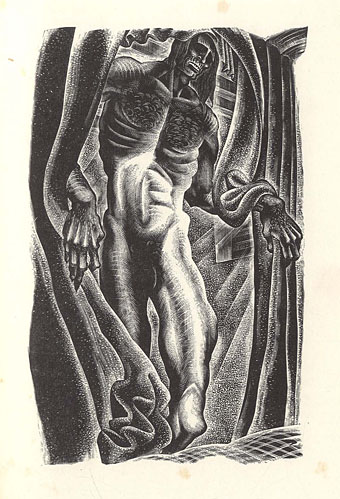
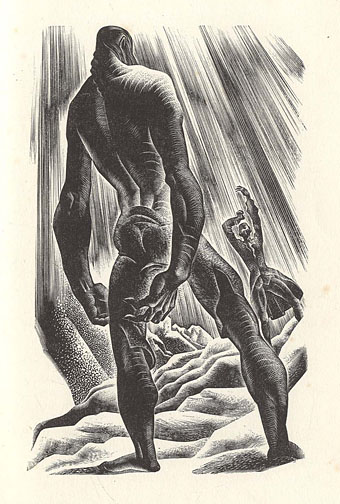
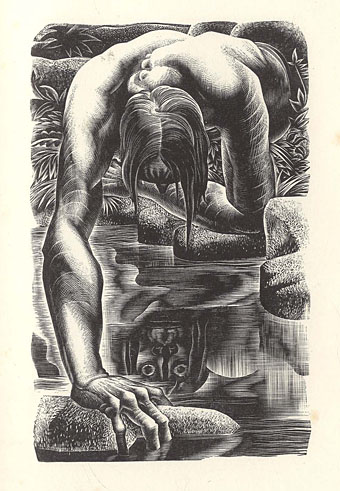
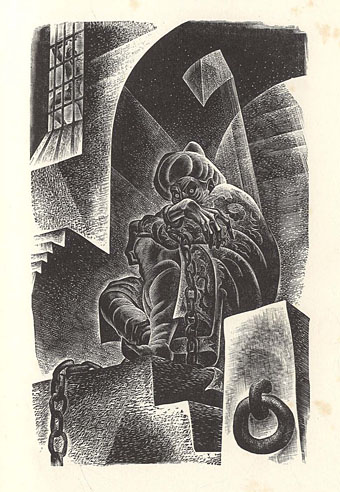
Mary Shelley’s novel illustrated in woodcuts by the great Lynd Ward (1905–1985). This edition appeared in 1934, a couple of years after the release of James Whale’s first Frankenstein film whose popularity may have led to its commission. It’s good to see Dover Publications keeping this one in print when first editions go for hundreds of pounds. VTS has more of the illustrations (there’s also this site), and many more examples of Ward’s work.

ward2.jpg

ward3.jpg

ward4.jpg

Elsewhere on { feuilleton }
The illustrators archive

Previously on { feuilleton }
Two Brides
Berni Wrightson’s Frankenstein
Cain’s son: the incarnations of Grendel
Gods’ Man by Lynd Ward

Robert Louis Stevenson’s Moral Emblems

rls01.jpg

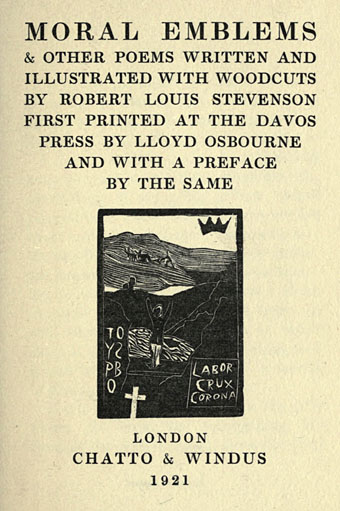
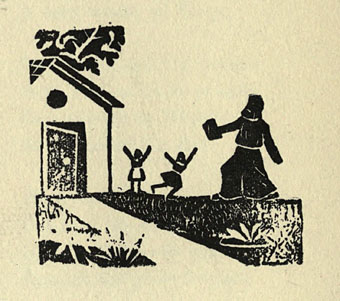
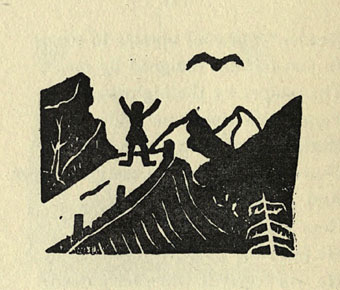
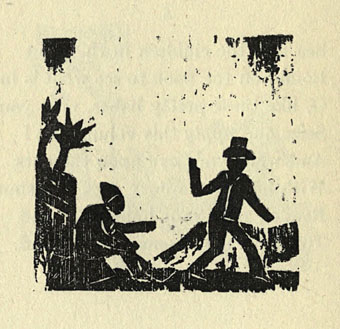
Being the owner of half the volumes in the Tusitala Edition of Robert Louis Stevenson’s collected works I’m not exactly unacquainted with the author’s books but this is one I hadn’t seen before. It is included in the Tusitala set (vol. 22) but this is one of the books I don’t own. The Moral Emblems & Other Poems Written and Illustrated with Woodcuts were published originally in Edinburgh Edition in 1898. The copies here are from a book edition prepared by Stevenson’s stepson, Lloyd Osbourne, in 1921. The 35 Tusitala volumes followed in 1924. Stevenson enjoyed sketching while on his travels so these crude woodcuts aren’t without precedent even if he didn’t make a habit of adding illustrations to his writing.

Emblem books were a popular form of moral instruction from the 16th century on. This particular example shares some of the pious qualities of its ancestors albeit with a wry attitude typical of its author. Regarding a man (“who might be you or me”) who pushes another into the sea, we’re told “And he will spoil his evening toddy / By dwelling on that mangled body.” The verses being written some years after Treasure Island, pirates appear in a couple of places, especially in the last sequence: Robin and Ben: Or, The Pirate and The Apothecary. The final illustrations aren’t as successful as his rough little vignettes but for someone with no reputation as a draughtsman they’re better than you’d expect. See the rest of the book here or download it here.

rls02.jpg

rls03.jpg

rls04.jpg

Continue reading “Robert Louis Stevenson’s Moral Emblems”

The weekend artists, 2013

fournier.jpg

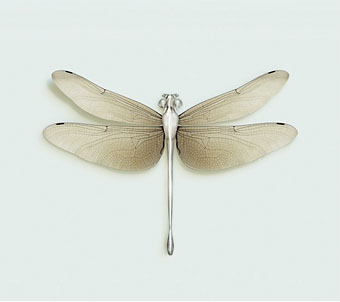
“Chloromgonfus detectis, a dragonfly that can detect volatile pollutants.” A speculative insect by artist Vincent Fournier.

The annual review of artists/designers/photographers featured in the weekend posts should have run at the end of December but MR James got in the way. Big thanks, and happy new year to Form is Void and Beautiful Century for pointing the way to many of these people.

strongowski.jpg

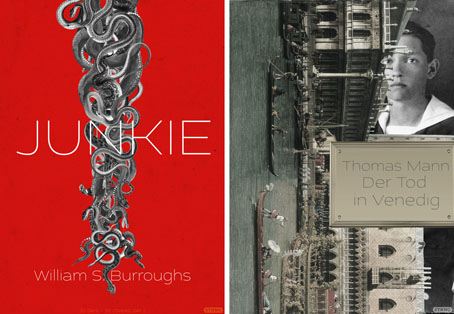
Two cover designs from Eliash Strongowski’s 30 Days—30 Covers project.

gebbie.jpg

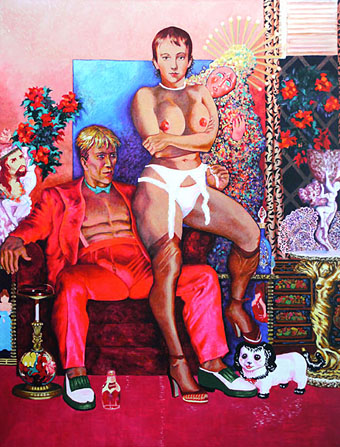
Pink Boy by Melinda Gebbie.

lipton.jpg

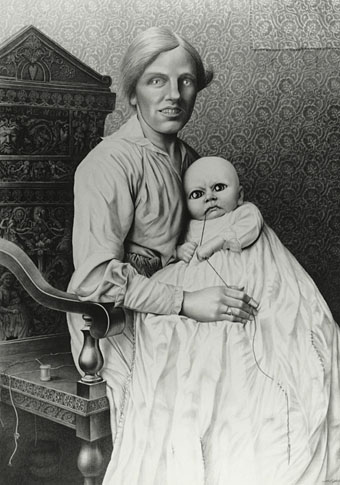
Seam Stress (1987) by Laurie Lipton. The Drawings of Laurie Lipton is out now from Last Gasp.

blackwell.jpg

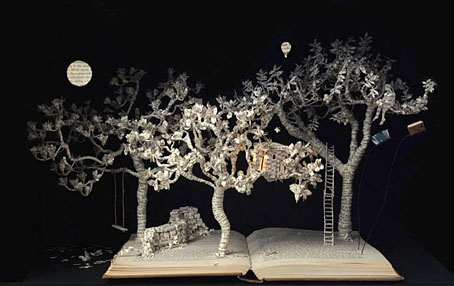
The Baron in the Trees (2011), a book-cut sculpture by Su Blackwell.

Continue reading “The weekend artists, 2013”