Art of Fencing

imboden.jpg

Race Imboden.

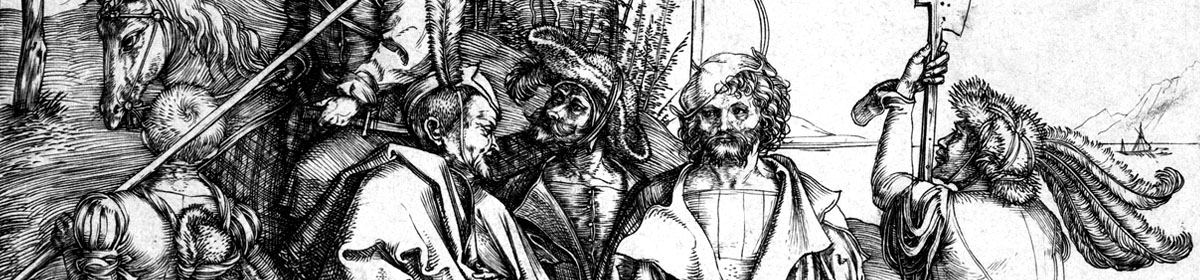
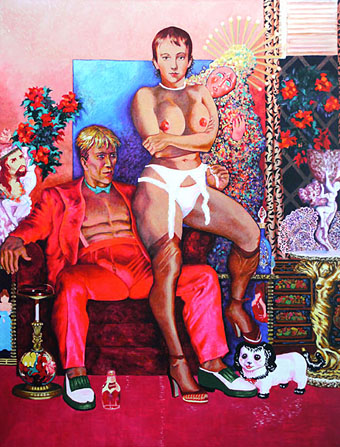
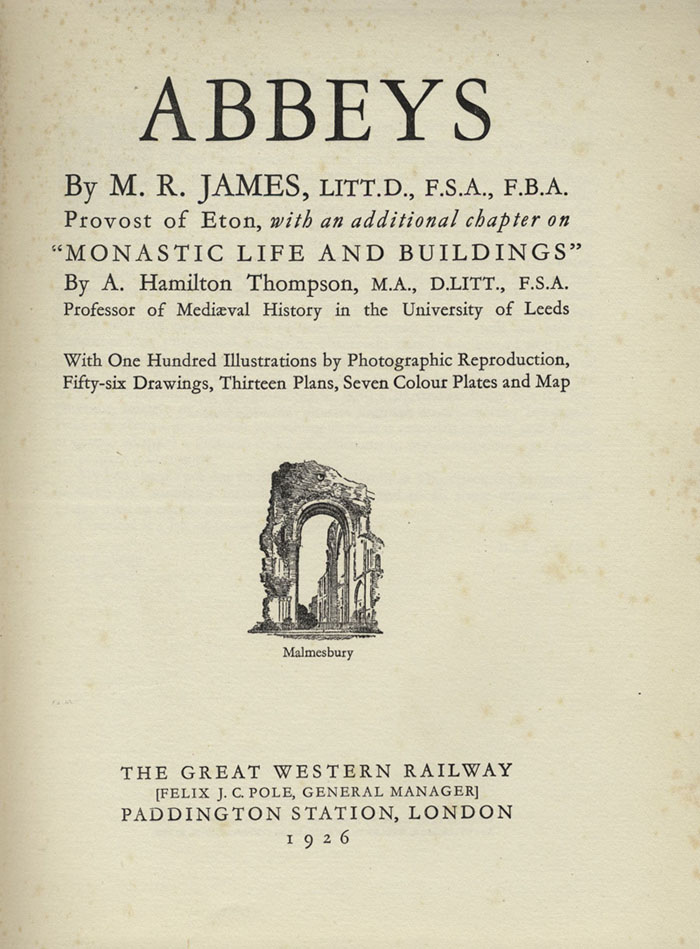
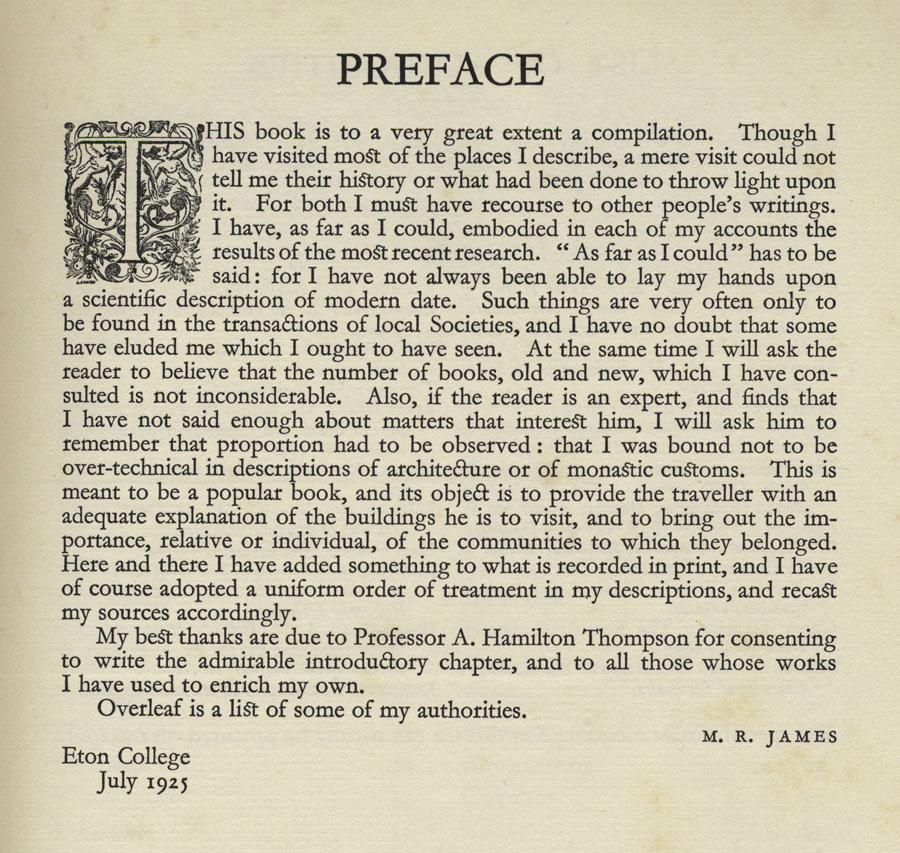
The Men with swords archive hasn’t received much attention recently, the last addition being in May 2012. Had I been more diligent I might have found a photo or two of American fencer Race Imboden before now, the picture above being one of many such images at a Pinterest page entitled Art of Fencing. Many of the pictures there are sport-related but the concerns are also a little less academic, in fact at least two of them are things I’ve posted myself in the past.

If you spend a lot of time scouring the web for images then Pinterest has become very useful, very quickly with all manner of niches and micro-niches covered. That this has happened just as Flickr has been rendered unusable by idiotic interface changes is especially welcome. So we’ll say farewell, Flickr, if we want more pictures of the pulchritudinous Race Imboden in future we’ll look here.

Elsewhere on { feuilleton }
The men with swords archive

Robert Louis Stevenson’s Moral Emblems

rls01.jpg

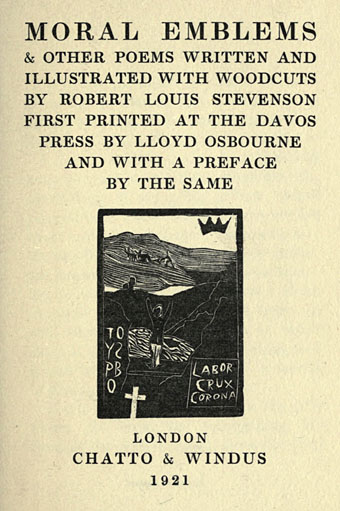
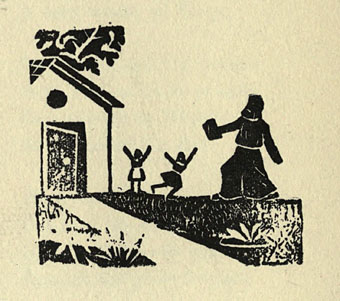
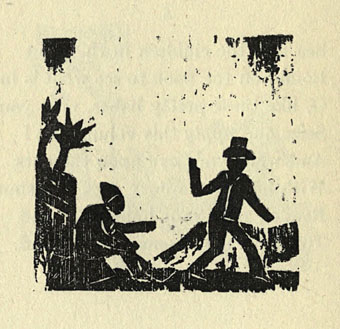
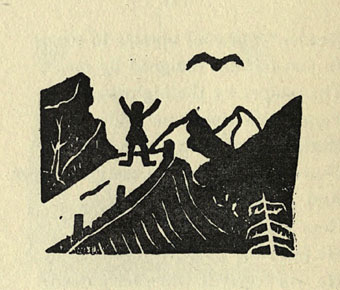
Being the owner of half the volumes in the Tusitala Edition of Robert Louis Stevenson’s collected works I’m not exactly unacquainted with the author’s books but this is one I hadn’t seen before. It is included in the Tusitala set (vol. 22) but this is one of the books I don’t own. The Moral Emblems & Other Poems Written and Illustrated with Woodcuts were published originally in Edinburgh Edition in 1898. The copies here are from a book edition prepared by Stevenson’s stepson, Lloyd Osbourne, in 1921. The 35 Tusitala volumes followed in 1924. Stevenson enjoyed sketching while on his travels so these crude woodcuts aren’t without precedent even if he didn’t make a habit of adding illustrations to his writing.

Emblem books were a popular form of moral instruction from the 16th century on. This particular example shares some of the pious qualities of its ancestors albeit with a wry attitude typical of its author. Regarding a man (“who might be you or me”) who pushes another into the sea, we’re told “And he will spoil his evening toddy / By dwelling on that mangled body.” The verses being written some years after Treasure Island, pirates appear in a couple of places, especially in the last sequence: Robin and Ben: Or, The Pirate and The Apothecary. The final illustrations aren’t as successful as his rough little vignettes but for someone with no reputation as a draughtsman they’re better than you’d expect. See the rest of the book here or download it here.

rls02.jpg

rls03.jpg

rls04.jpg

Continue reading “Robert Louis Stevenson’s Moral Emblems”

The weekend artists, 2013

fournier.jpg

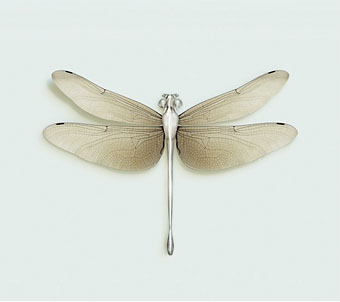
“Chloromgonfus detectis, a dragonfly that can detect volatile pollutants.” A speculative insect by artist Vincent Fournier.

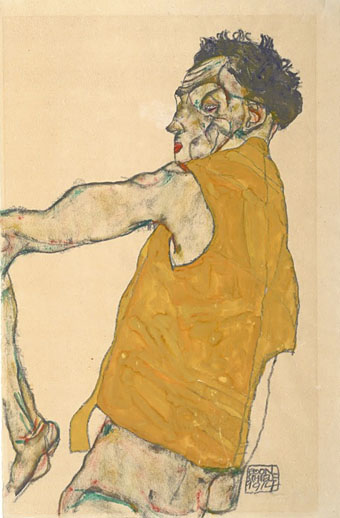
The annual review of artists/designers/photographers featured in the weekend posts should have run at the end of December but MR James got in the way. Big thanks, and happy new year to Form is Void and Beautiful Century for pointing the way to many of these people.

strongowski.jpg

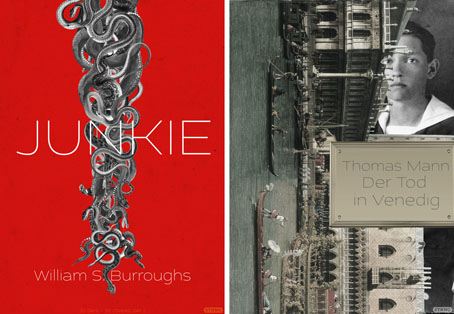
Two cover designs from Eliash Strongowski’s 30 Days—30 Covers project.

gebbie.jpg

Pink Boy by Melinda Gebbie.

lipton.jpg

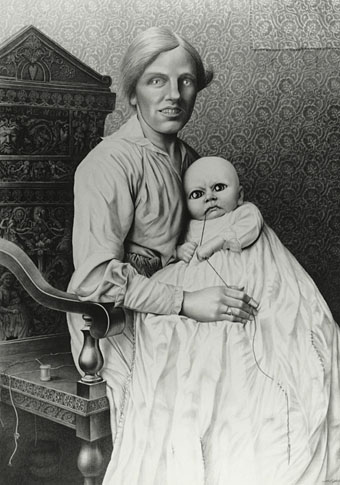
Seam Stress (1987) by Laurie Lipton. The Drawings of Laurie Lipton is out now from Last Gasp.

blackwell.jpg

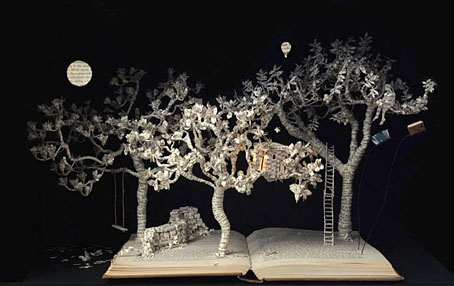
The Baron in the Trees (2011), a book-cut sculpture by Su Blackwell.

Continue reading “The weekend artists, 2013”

Abbeys by MR James

abbeys01.jpg

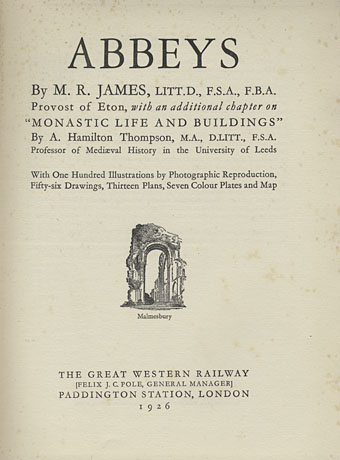
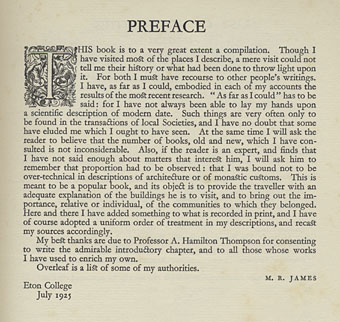
MR James is remembered today for his ghost stories but the four collections published during his lifetime represent a small percentage of his written work. His scholarly studies inform his stories, of course, but they also contribute to a pair of popular non-fiction books which have peripheral associations with the ghost collections: Suffolk and Norfolk: A Perambulation of the Two Counties with Notices of Their History and Their Ancient Buildings (1930) is a guide to the low-lying eastern counties where a number of the stories are set; Abbeys (1925) is a guide to the monastic ruins of the south-western counties and central England, locations which the author and his characters would enjoy visiting. This is a favourite book of mine, and one I often recommend to James enthusiasts.
abbeys03.jpg

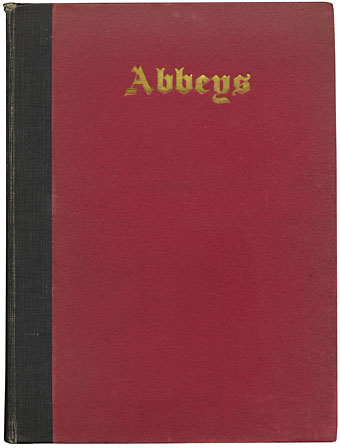
Abbeys is one of a three-volume set of illustrated guides published by the Great Western Railway company in 1925, (my copy is a second edition from 1926) the other titles being Cathedrals (1924), with no author credited, and Castles (1926) by Charles Oman. The books detail the ancient attractions a traveller in Britain might wish to explore using the services of Great Western Railway. Many of the more celebrated buildings in England and Wales are covered but the lines only travel as far north as Manchester and as far east as London. In addition to photo plates and illustrations, each book contains a removable map of the rail network folded into a pocket inside the back of the book. The coloured boards (red for Abbeys, blue for Cathedrals and brown for Castles) are sturdy enough to withstand the rigours of travel.
abbeys02.jpg

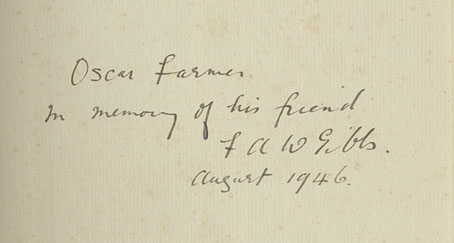
Another of those poignant inscriptions.
abbeys04.jpg

abbeys05.jpg

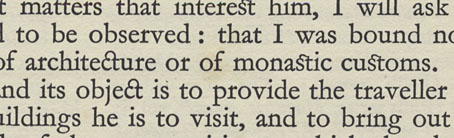
Although Abbeys lacks any credits for its photos and illustrations, Cathedrals states that the photos are the work of the railway’s staff photographers while the pen-and-ink illustrations are by William M. Hendy. There’s also a credit for the typographer, William Gordon Tucker, who not only provides many fine illuminated capitals but also uses ligatures for “ct” and “st”. Abbeys has an additional feature in the form of several fold-out plans of the larger buildings.

Continue reading “Abbeys by MR James”