Gene Szafran album covers

szafran01.jpg

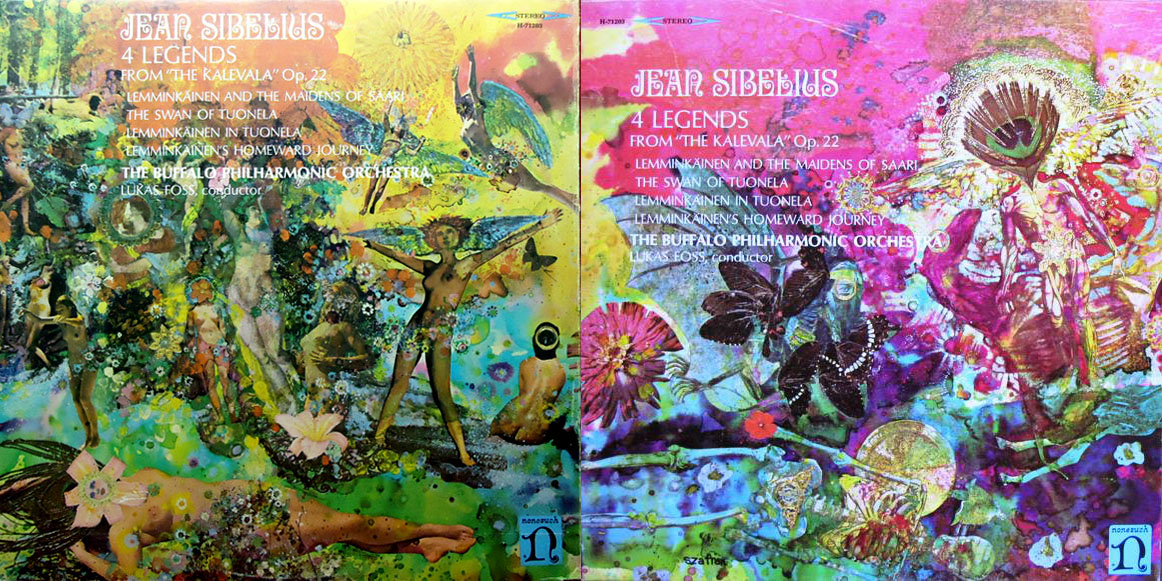
Sibelius: 4 Legends From “The Kalevala”, Op. 22 (1968); Buffalo Philharmonic Orchestra, Lukas Foss.

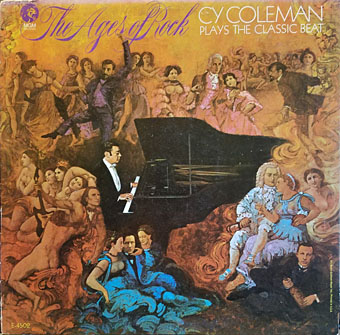
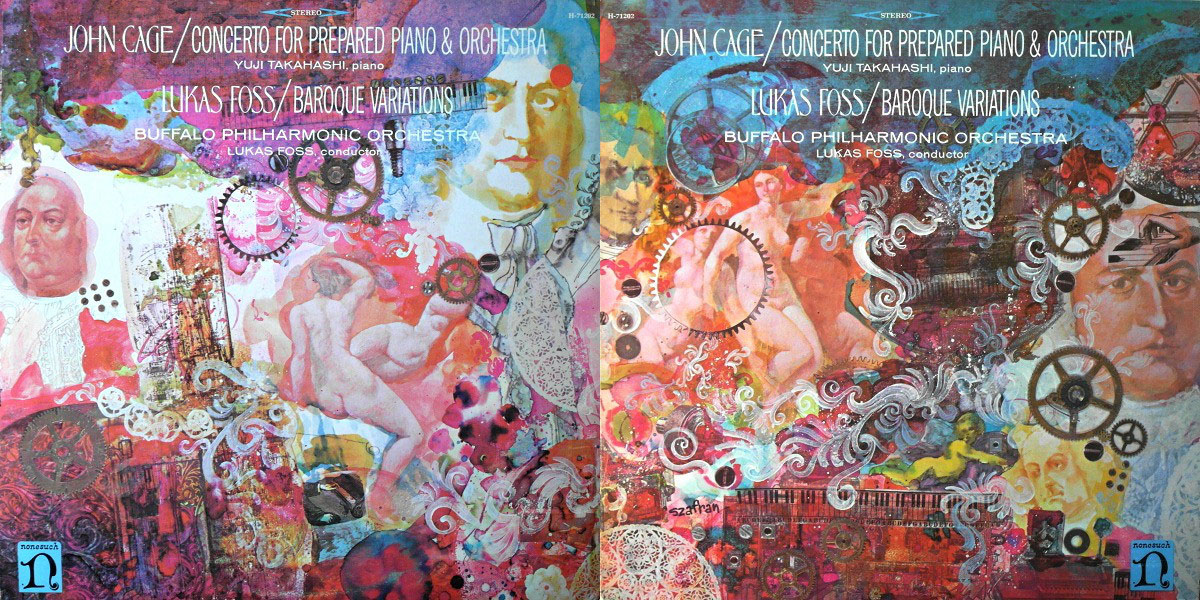
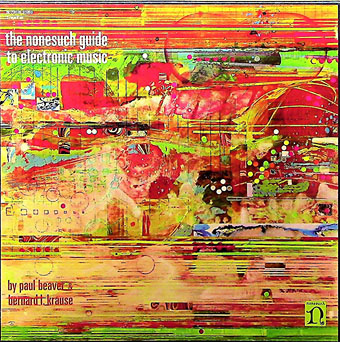
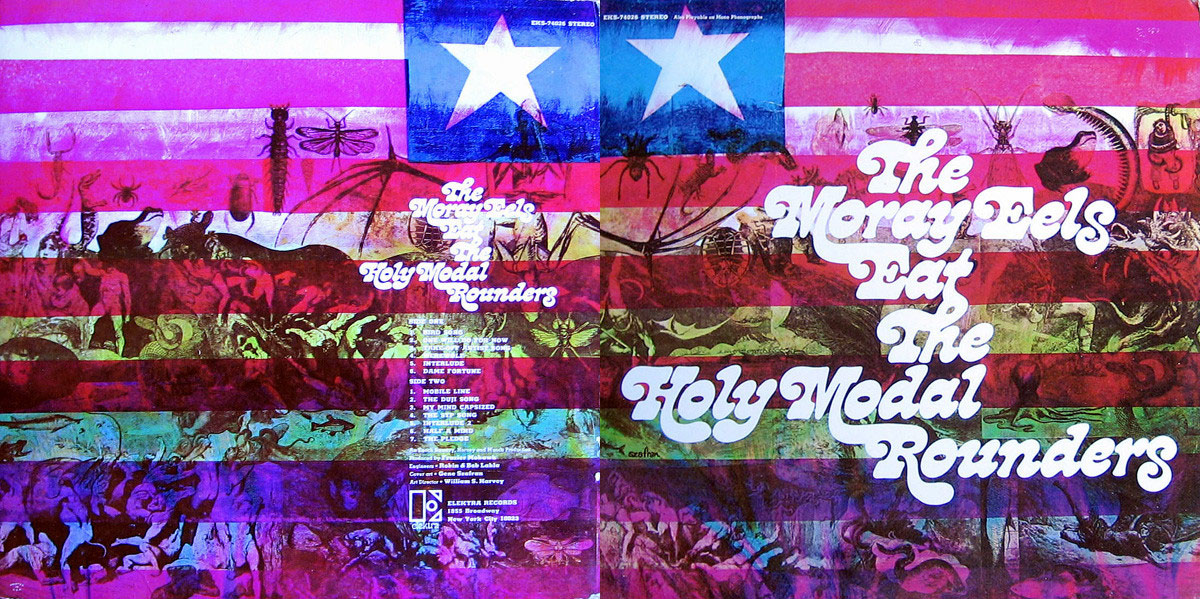
Gene Szafran (1941–2011) was an American artist who painted illustrations for magazines and provided cover art for many science-fiction paperbacks throughout the 1970s. He shared with fellow paperback artist Bob Pepper a parallel career producing album cover art for Elektra Records and Elektra’s subsidiary for classical recordings and contemporary composition, Nonesuch, the latter contributing to William S. Harvey’s policy of making classical albums look as vibrant and contemporary as their neighbours in the rock sphere. Bob Pepper’s album covers, however, tend to resemble his book covers whereas Szafran’s book covers are simpler in style than his album art which fills out the larger space in a post-psychedelic style that’s often very detailed and done in a variety of media. It took me a while to realise that I’d known Szafran’s name for a long time via his cover for Pictures At An Exhibition by Tomita, the art for which isn’t a painting but a relief sculpture of the head of Tomita-san. A similar use of three-dimensional elements occurs on other album covers, and extends to a form of collage in which painted backgrounds are overlaid with physical objects, a technique which became a common sight in the 1980s but which wasn’t common at all in the 1960s. There might have been more work like this but Szafran’s career was cut short by multiple sclerosis in the late 1970s. Glimmer Graphics has several pages dedicated to his life and art.

szafran02.jpg

The Ages Of Rock (1968) by Cy Coleman.

szafran03.jpg

John Cage: Concerto For Prepared Piano & Orchestra / Lukas Foss: Baroque Variations (1968).

szafran04.jpg

The Nonesuch Guide To Electronic Music (1968) by Paul Beaver & Bernard L. Krause.

szafran05.jpg

The Moray Eels Eat The Holy Modal Rounders (1968) by The Holy Modal Rounders.

Continue reading “Gene Szafran album covers”

Weekend links 581

oz33.jpg

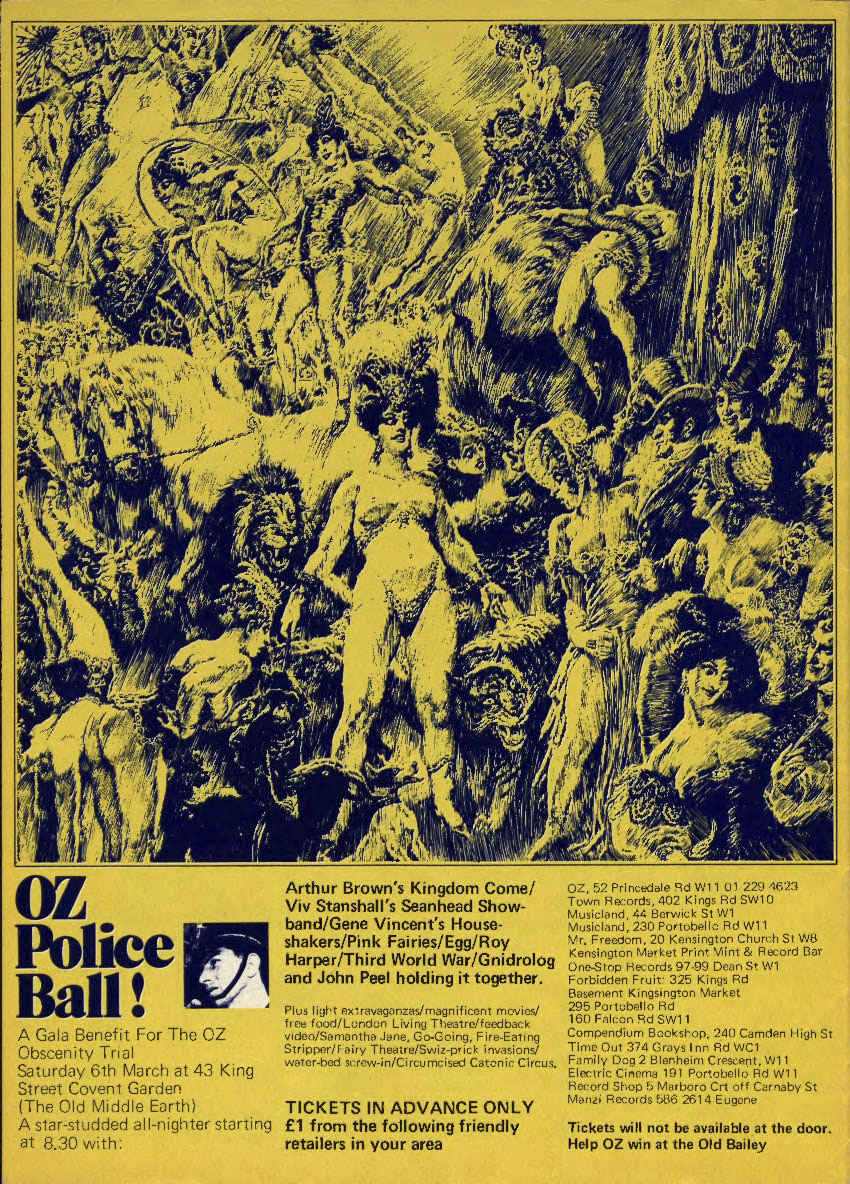
The back cover of Oz 33, February 1971. Art by Norman Lindsay.

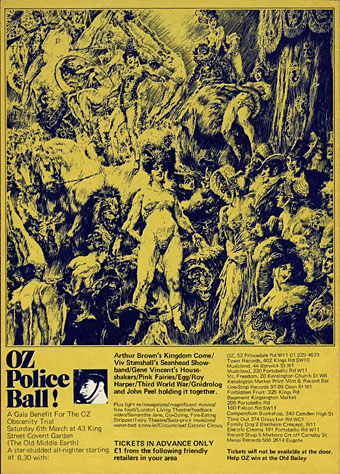
Walker Mimms looks back 50 years to the trial of the editors/publishers of Oz magazine, in which the trio were accused of “conspiracy to corrupt public morals” following the appearance of Oz 28, the “Schoolkids Issue”, in May 1970. Elsewhere: corrupt your own morals by reading the offending issue; then see Hugh Grant in a hippie wig in The Trials of Oz, a BBC dramatisation of the courtroom drama; after which you can watch the real editors—Richard Neville, Jim Anderson and Felix Dennis—discuss the whole affair with other interested parties 20 years on (and also see Germaine Greer shame Jonathan Dimbleby into saying the word “cunt” on live TV).

• New music: Caves – A Compilation Of Silences by Other People (“This collection of silences and music can be used as timers for cooking, meditation, running, walking, sleeping or anything you want”), and Vaganten by ToiToiToi, the next release on the Ghost Box label.

Chris Carter‘s favourite albums. I think I own more of the albums listed here (including the ABBA) than any other entry in this long-running series. Which isn’t really surprising…

What I would say about that in general is what I’ve written in the new introduction to Teenage, which is that the 60s youth culture that we’ve been talking about, the progressive, critical side of it came as a complete surprise to adults. And once they identified what was going on, they were incredibly hostile, and authorities were incredibly hostile to it. And from the Thatcher government in the 80s you have a series of measures, a series of laws, a series of attitudes, a series of structures put in place to make sure that that never happens again. So youth itself has been deliberately depoliticised and also had a lot of the opportunities for any kind of autonomy taken away from it. That is, it has been a deliberate government policy right the way through, including Blair, and definitely with the current lot.

Echoes of the Oz debate in this discussion between Jon Savage and Owen Hatherley

• At Perfect Sound Forever: RIP Jon Hassell: honouring a one-of-kind musician/composer.

• At Spoon & Tamago: Edward Luper’s 36 Views of the BT Tower (after Hokusai).

• At Unquiet Things: Doorways into Awareness: An interview with Century Guild.

• Mix of the week: The Ivy-Strangled Path Vol. XXIV by David Colohan.

• Ghost notes: Michio Kurihara‘s favourite guitar solos.

• “Future space travel might require mushrooms.”

• At Dennis Cooper’s: Alexander Hammid Day.

Wyrd Daze Lvl.4 FIVE STAR is live.

Like A Tear (1968) by The World Of Oz | Return To Oz (2004) by Scissor Sisters | Il Pavone Di Oz (Praslesh Remix) (2014) by Verrina & Ventura

Weekend links 580

kausch.jpg

The Collective Lie We All Live By, a cut-paper collage by Allan Kausch from Maintenant 15, A Journal of Contemporary Dada Writing and Art.

• “It’s unusual that an album manages to be at once so much of its moment, yet so much outside it. Time was unmistakably a response to the electronic and synth waves that rose in the wake of punk. It was also a concept album about time travel, which couldn’t have been more pre-punk had it been focus-grouped that way.” David Bennun on Time (1981), ELO’s masterwork of science-fiction pop. The first song on the album, Twilight, is a thundering piece of synth bombast that prefigures Trevor Horn’s equally bombastic productions, and was used to memorable effect in the copyright-infringing animation made in 1983 for the opening of Daicon IV.

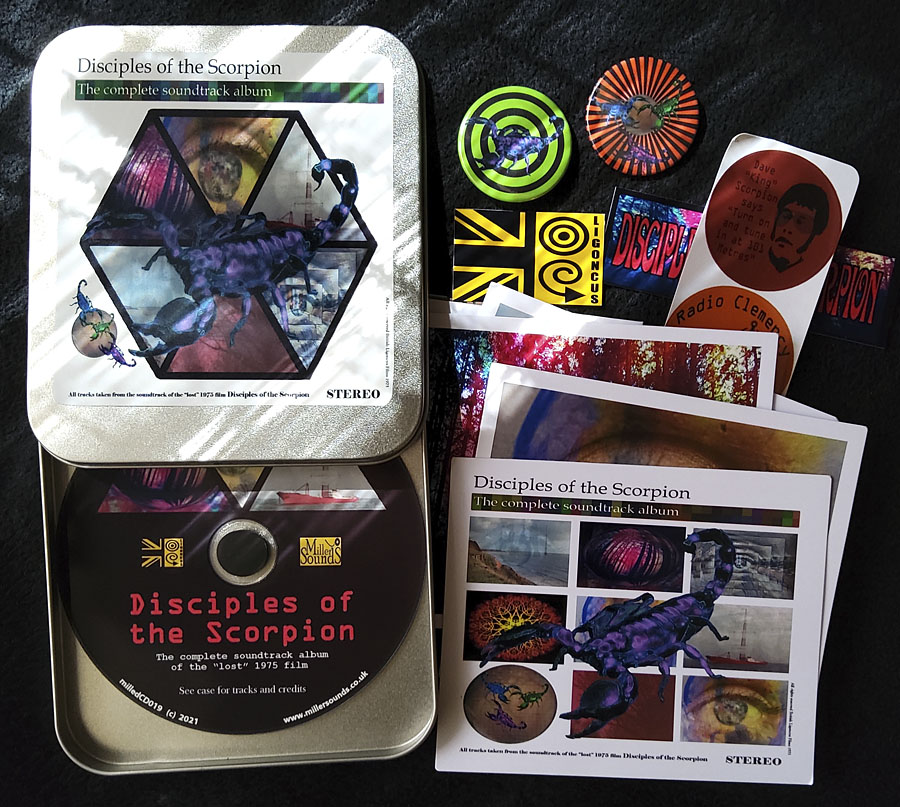
• New music: Disciples Of The Scorpion by The Rowan Amber Mill, and Shade by Grouper.

• “Psychedelic spirituality: Inside a growing Bay Area religious movement“.

• “It’s time to farewell this project,” says Ballardian.

• At Wormwoodiana: the seven greek vowels.

• A playlist for The Wire by Douglas Benford.

Norman Blake‘s favourite albums.

Astronomia Playing Cards.

• RIP Dusty Hill.

Time (1973) by David Bowie | Time (1976) by La Düsseldorf | Time (1992) by Lull

Man is the Animal: A Coil Zine

coil.jpg

Death is centrifugal / Solar and logical / Decadent and symmetrical / Angels are mathematical / Angels are bestial / Man is the animal —Fire Of The Mind by Coil

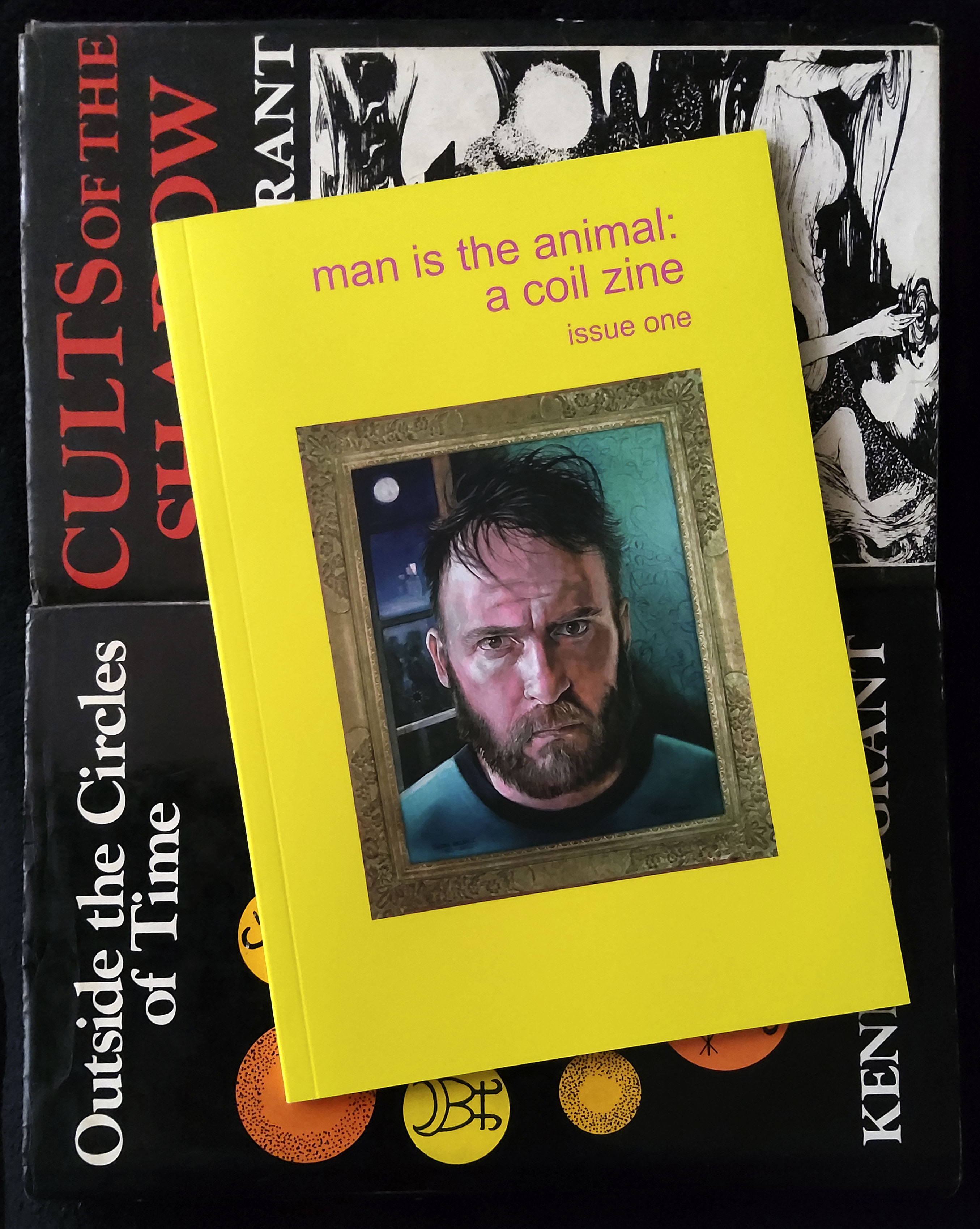
In the post this week from Temporal Boundary Press, issue 1 of Man is the Animal: A Coil Zine. A timely publication, given the persistent and increasing interest in Coil, and one whose essays are all of a quality belied by the “zine” label which usually suggests something more fannish and trivial. This is a pleasing object even before you look inside, a perfect-bound A5 booklet with full-colour printing throughout, and a cover painting by Val Denham, an artist with Coil associations that reach back through the Some Bizzare period to art for Marc Almond and Throbbing Gristle. Denham also contributes one of the written pieces, Jhonn is Unbalanced, a touching memoir of Geoff Rushton/John (Jhonn) Balance. Among the other entries is a piece by Benjamin Noys, a writer whose previous studies have included an examination of the connections between my own art for the Reverbstorm comic series and the weird fiction of HP Lovecraft. Noys takes a similar approach here, finding reflections of Coil obsessions in the symbolism of alchemical magic and the weird fiction of Arthur Machen.

grant.jpg

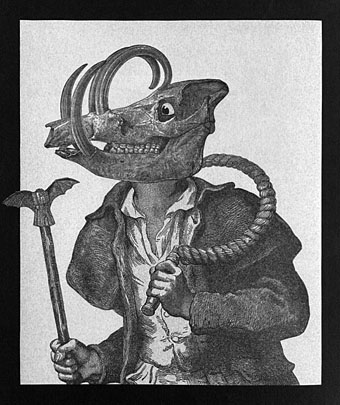
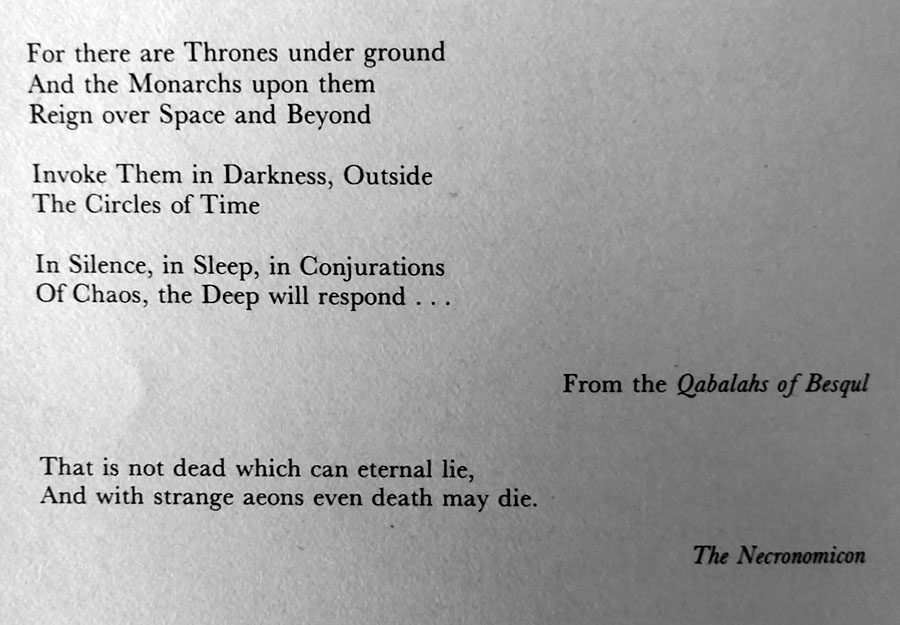
Epigraph from Outside the Circles of Time by Kenneth Grant.

The weird fiction of HP Lovecraft was a Coil obsession, and Lovecraft receives the most attention in a great piece by Andy Sharp which takes its cue from the appearance in Titan Arch of lines from the epigraph for Outside the Circles of Time, an occult study by magus and scholar Kenneth Grant. The latter was another Lovecraft obsessive—no doubt one of the first, given his age—whose books are littered with references to both Lovecraft and Machen. I spotted the Coil/Grant connection many years ago (although quite some time after Love’s Secret Domain was released), and acknowledged the link in two pages in The Haunter of the Dark, one of which reprints Grant’s epigraph, while the other is a picture with the title In Spaces Between, a line from Titan Arch which is also a reference to the Necronomicon extract in The Dunwich Horror: “The Old Ones were, the Old Ones are, and the Old Ones shall be. Not in the spaces we know, but between them, they walk serene and primal, undimensioned and to us unseen.” Sharp does more than merely acknowledge this web of connections, he delves into Grant’s dense treatise in search of further correspondences. I’ve not read Grant’s book for many years but this essay makes me think I ought to look at it again. By coincidence (or is it? etc), both Love’s Secret Domain and Outside the Circles of Time have been reissued this year, the Grant book by Starfire Publishing.

Contents:
The Vision and the Voice: Esoteric Dimensions of Coil’s Vocals by Hayes Hampton
A Hauntology of Coil by Sean Oscar
Are You Loathsome Tonight?: Coil’s Transformations by Benjamin Noys
The Horseman Betrays His Steed by Cormac Pentecost
The Spaces Between: Outside the Circles of Time and Love’s Secret Domain by Andy Sharp
Jhonn is Unbalanced by Val Denham

Previously on { feuilleton }
Dreaming Out of Space: Kenneth Grant on HP Lovecraft
Peter Christopherson Photography & The Art of John Balance Collected
The White People by Arthur Machen
Val Denham album covers
Kenneth Grant, 1924–2011
Peter Christopherson, 1955–2010
The Angelic Conversation